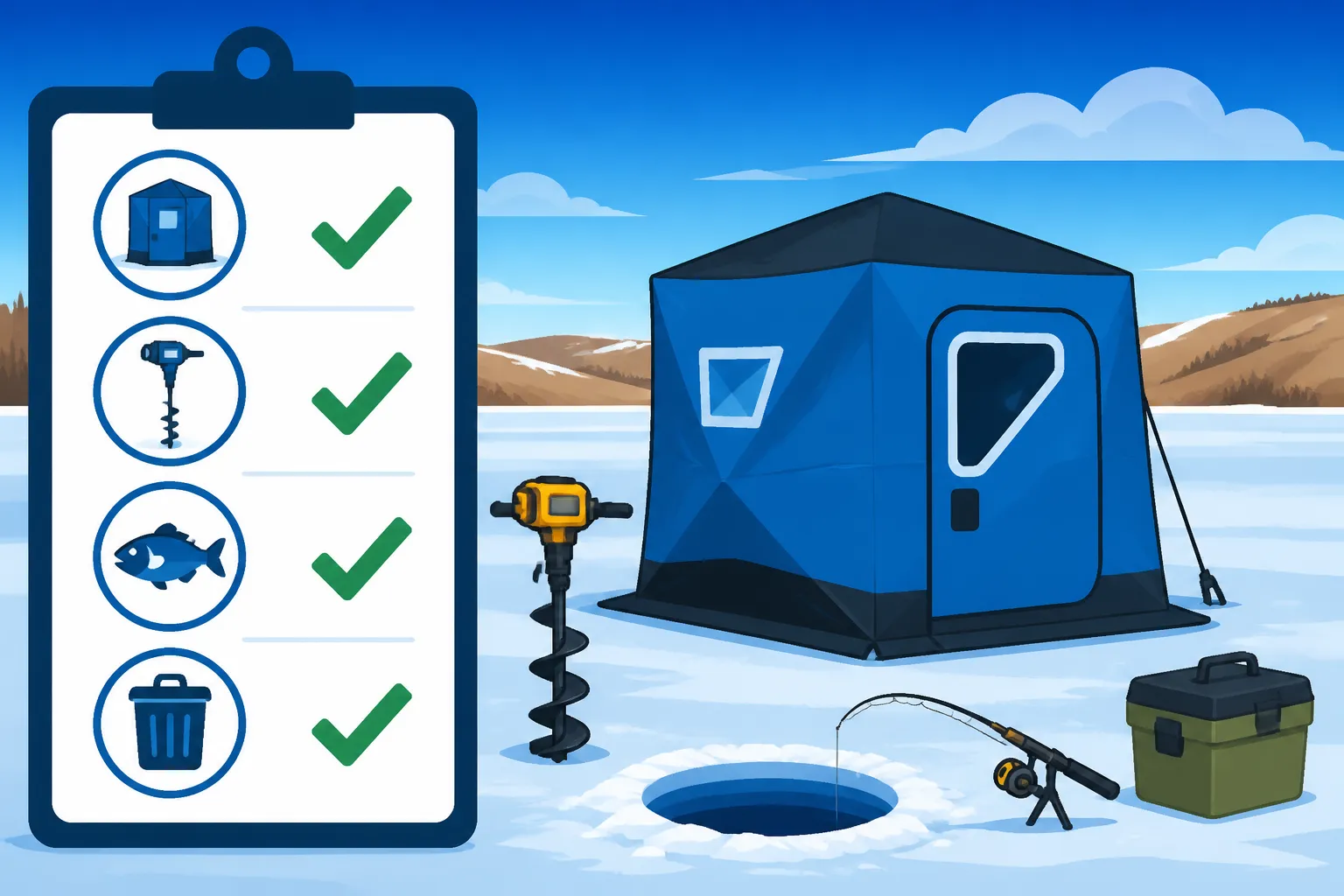
Ice Fishing Shelter Rules on North Dakota Lakes
Venturing out onto the frozen lakes of North Dakota for some ice fishing is an experience unlike any other, but dealing with the specific rules and regulations for your ice fishing shelter can feel like navigating a frozen maze. Many anglers get frustrated trying to understand when their shack needs to be off the ice, what needs to be marked on it, or how close they can set up to another angler. This comprehensive guide is here to untangle all those complexities, ensuring your ice fishing season is safe, legal, and stress-free.
Understanding the Core Regulations for Ice Fishing Shelters
North Dakota's vast frozen landscape offers incredible ice fishing opportunities, but with that freedom comes responsibility. The state's Game and Fish Department has put clear rules in place for ice fishing shelters, not just to manage the resource, but primarily to ensure public safety and prevent environmental hazards. It’s not just about what you catch; it’s about how you set up your base camp. Ignoring these regulations, even accidentally, can lead to fines or other penalties, which no one wants when they're trying to enjoy a peaceful day on the ice.
The Rationale Behind Shelter Regulations
You might wonder why there are so many rules for a simple ice shanty. Well, imagine if everyone just left their shelters out indefinitely, or if they were unmarked. Come spring, as the ice begins to melt, these structures could become navigational hazards for boats, wash ashore as unsightly debris, or even pose a risk to wildlife. The identification requirements are there so that if a shelter is abandoned or becomes a hazard, authorities can trace it back to its owner. The spacing rules, on the other hand, are often about respect and safety among anglers. No one wants an overzealous neighbor drilling holes right next to their spot, especially when lines can get tangled or privacy is desired. These regulations are a thoughtful balance between angler access and environmental stewardship, keeping our lakes pristine and safe for everyone.
What Constitutes an Ice Fishing Shelter?
Before diving into the specifics, it's important to understand what the state considers an "ice fishing shelter." Basically, it's any structure placed on the ice for the purpose of ice fishing. This includes everything from a portable, pop-up tent that folds into a bag (like those popular Frabill or Clam shelters you can find on Amazon) to a permanent, skid-mounted wooden shack. The rules generally apply to all types, though some distinctions are made regarding registration for permanent structures versus temporary ones. Even a simple windbreak might fall under the umbrella if it’s left unattended. The key is its presence on the ice and its use in conjunction with fishing activities. If you're just sitting on a bucket in the open, you're not dealing with shelter rules, but as soon as you put a structure around you, even a lightweight one, you need to be aware.
Essential Identification and Marking Requirements
One of the most critical aspects of North Dakota's ice fishing shelter rules revolves around identification. This isn't just bureaucratic red tape; it's a vital safety measure. Should an emergency arise, or if a shelter is found abandoned or adrift, proper marking ensures that authorities can quickly identify the owner. It’s your responsibility to make sure your shelter is clearly identifiable according to state standards.
Displaying Your Name and Address
For any ice fishing shelter left unattended on the ice, whether it's a small portable or a large permanent house, you must display your name and address in a legible manner. This isn't just a suggestion; it's a non-negotiable requirement. Think of it like the license plate on your car – it identifies who owns it. This information needs to be on the exterior of the shelter in a place where it's easily visible. This typically means using sturdy, waterproof material for your sign or painting the information directly onto the shelter.
For example, if you have a portable pop-up shelter that you leave out overnight, you'll need to secure a tag or label with your name, address, and city, and likely your phone number too, even though the phone number isn't explicitly required by law, it's a smart idea for quick contact. For a permanent ice house, people often paint their name and address in large, clear letters on the side of the shack. The size and clarity of the lettering are crucial; it needs to be readable from a reasonable distance, say 25-50 feet away, especially in adverse weather conditions like snow or low light. Make sure it's durable enough to withstand the harsh North Dakota winter elements. You wouldn't want it to fade or fall off mid-season.
Registration for Permanent Fish Houses
While all unattended shelters need owner identification, permanent fish houses have an additional requirement: registration. This is where things can sometimes get a little confusing, as the process is similar to registering a boat. A permanent fish house is typically defined as any structure that is not easily collapsible and portable. These are often built on skids or a fixed frame and are intended for long-term placement on the ice. If you're building or acquiring one of these, you'll need to ensure it's properly registered with the North Dakota Game and Fish Department.
The registration process usually involves filling out an application, providing proof of ownership, and paying a fee. Once registered, you'll receive a unique registration number, which also needs to be prominently displayed on the exterior of your fish house, along with your name and address. This number is essentially its identification number, much like a boat registration number. For more detailed information, you can always refer to the "North Dakota Boat Registration Requirements" guide, as many aspects of fish house registration mirror boat regulations, particularly concerning display and renewal. It ensures accountability and helps manage the number of structures on the ice.
Seasonal Deadlines and Removal Dates
The single biggest point of confusion and frustration for ice anglers in North Dakota often revolves around the shelter removal dates. Many people have been caught off guard, leading to abandoned shelters or hefty fines. These deadlines are strictly enforced for crucial environmental and safety reasons, primarily to prevent shelters from breaking through the ice during spring thaw and polluting the lakes.
General Removal Deadlines
North Dakota has a very specific statewide deadline for the removal of all ice fishing shelters, regardless of type, whether temporary or permanent. This date is March 15th each year. This means that by midnight on March 15th, your shelter, along with any contents, must be completely off the ice. This date applies to nearly all lakes and reservoirs across the state, from the popular waters of Lake Sakakawea down to smaller local ponds. It's a hard deadline, and there are no extensions unless specifically announced by the Game and Fish Department due to unusual ice conditions, which is rare.
However, there's a critical nuance: if the ice conditions deteriorate earlier than March 15th, you are expected to remove your shelter sooner. Safety always takes precedence. You cannot wait until the last minute if the ice is becoming unsafe for travel. Game wardens often monitor ice conditions and may issue warnings or even remove shelters themselves if they deem them a hazard, charging the owner for the removal costs. It's truly a "use your best judgment, but don't exceed March 15th" kind of rule. For additional context on broader regulations, you might find our guide on "North Dakota Fishing Regulations Explained" helpful.
Special Exceptions for Border Waters
While the March 15th deadline is statewide, there are a few exceptions, specifically for certain border waters. These exceptions are often due to reciprocal agreements with neighboring states like Minnesota, which may have slightly different regulations.
For example, on the Red River and the Bois de Sioux River, which form the border with Minnesota, the removal deadline for ice fishing shelters is typically extended to March 29th. This slight extension aligns with Minnesota's regulations for these shared waters, ensuring consistency for anglers fishing both sides of the border. It's crucial, however, to verify these dates annually, as regulations can occasionally be updated. Always check the current North Dakota Game and Fish Department proclamation before heading out, especially if you're fishing these unique border water areas. These specific situations highlight why understanding the nuances of the "North Dakota Fishing Season Dates and Limits" can save you a lot of trouble.
Penalties for Late Removal
The consequences of failing to remove your ice fishing shelter by the designated deadline can be quite severe. First and foremost, you could face a significant fine. The state takes these regulations seriously because of the environmental and safety risks involved. Beyond monetary penalties, the Game and Fish Department has the authority to remove any abandoned or unremoved shelter from the ice after the deadline. If they do so, you, as the owner, will be held responsible for all costs associated with that removal and disposal. This can include the cost of personnel, equipment, and even environmental cleanup if the shelter broke through the ice.
Imagine the frustration and expense of having your beloved fish house confiscated and then receiving a bill for its removal. It's a situation that is entirely avoidable by simply adhering to the deadlines. Game wardens are diligent in checking lakes after March 15th, and they have the authority to trace ownership through the required identification markings. So, while it can be a hassle to pull a heavy house off the ice, especially with deteriorating conditions, it's far less troublesome than dealing with the legal and financial repercussions of leaving it behind. Think ahead, plan for a few days before the deadline, and enlist some friends if you have a larger, heavier shelter.
Spacing and Occupancy Rules
Beyond identifying your shelter and getting it off the ice on time, there are also rules about where and how you can use it, particularly concerning other anglers. These regulations are designed to prevent conflicts, ensure fair access to fishing spots, and maintain a reasonable degree of safety and personal space on the ice.
Required Spacing from Other Shelters
One common point of contention among ice anglers is how close is too close. North Dakota law addresses this with a specific "spacing rule." No ice fishing shelter, whether occupied or unoccupied, can be placed closer than 50 feet from another occupied ice fishing shelter without the consent of the other angler. This means if you roll up to a crowded lake and see a few shacks, you need to measure out at least 50 feet from any occupied shelter before setting up your own, unless you talk to the folks in the other shack and they give you the green light to move closer.
This 50-foot rule is important for several reasons. It helps prevent lines from getting tangled, especially when anglers are using multiple lines as permitted. It also provides a sense of privacy and prevents overcrowding in specific areas. On popular lakes like Devils Lake, where prime spots can get busy, this rule helps manage the flow and distribution of anglers. When setting up your shelter, always be mindful of those around you. A simple wave or a quick chat can often resolve potential issues before they even arise, and it’s always better to be a good neighbor on the ice.
Restrictions on Unoccupied Shelters
While you need to display your name and address on any unattended shelter, there are also specific rules about leaving shelters unoccupied for extended periods, especially early in the season. You cannot place an ice fishing shelter on the ice more than 14 days before you intend to occupy it for fishing. This regulation prevents anglers from "claiming" prime spots weeks in advance and leaving empty shelters out, effectively reserving real estate on the ice and blocking others from accessing those areas.
Imagine showing up to a prime walleye spot on Lake Sakakawea, only to find dozens of empty shacks set up two weeks before anyone is even allowed to fish there. This rule ensures that shelters are genuinely used for fishing and don't become mere placeholders. It encourages active fishing and fair access for everyone. If you're going to put your shelter out, make sure you plan to be fishing from it within that two-week window.
Night Fishing and Shelter Occupancy
North Dakota allows night fishing, and many anglers love the tranquility and unique bite opportunities that come after dark, especially for species like walleye and burbot. If you're planning an overnight stay in your ice fishing shelter, the same identification and spacing rules apply. However, there are no specific additional rules regarding shelter occupancy at night, other than the general identification requirements for unattended shelters.
If you are inside your shelter fishing at night, it's considered occupied. If you leave your shelter to go to shore for a few hours (perhaps to warm up, grab supplies, or sleep in a nearby camper) and intend to return, your shelter would then be considered "unattended" and must have your name and address clearly displayed. This distinction is crucial. Essentially, if you're not physically present in the shelter, it needs to be marked. This ensures that if emergency services need to access the area or if there's an issue with the shelter, they know who to contact.
Safety and Environmental Considerations
Ice fishing shelters aren't just about comfort; they're also a critical component of safety and environmental responsibility on the ice. The regulations are often intertwined with these concerns, aiming to protect both anglers and the natural environment.
Ice Thickness and Shelter Weight
While the Game and Fish Department doesn't directly regulate the weight of your ice fishing shelter in relation to ice thickness, common sense and safety dictate that this is paramount. A heavy, permanent fish house requires significantly thicker ice than a lightweight portable shelter. Knowing "How Thick Ice Needs to Be for Ice Fishing" is fundamental, and it's even more critical when you're adding the substantial weight of a large shelter, gear, and people.
General guidelines suggest at least 4 inches of clear, solid ice for foot travel, 5-7 inches for a snowmobile or ATV, and 8-12 inches for a small car or light pickup. For a full-sized pickup and a heavy ice house, you're looking at 12-15 inches or more. Always check the ice thickness regularly as you venture out and especially before setting up a heavy shelter. Use an ice auger to drill test holes on your way out. Never rely on the thickness of ice near the shore; ice conditions can vary dramatically even across a small lake. Being prepared with tools and knowledge is key to a safe outing.
Preventing Environmental Contamination
One of the primary drivers behind the strict removal deadlines and responsible use of ice shelters is to prevent environmental contamination. Imagine hundreds of abandoned wooden shacks breaking through the ice each spring, sinking to the bottom, or washing up on shorelines. They could release treated lumber, plastics, insulation, and other materials into the water, harming fish habitats and polluting our beautiful lakes.
Beyond the structure itself, anglers are responsible for ensuring that no litter or waste is left behind. This includes bait containers, fishing line, food wrappers, and any other debris. Pack out everything you pack in, and perhaps even a little more. Leaving human waste or other pollutants is also strictly prohibited and carries significant penalties. The goal is to leave the ice as clean, or cleaner, than you found it. Many anglers even go so far as to use biodegradable waste bags in their shacks. Protecting North Dakota's natural resources is a shared responsibility, and proper shelter management is a big part of that.
Safe Practices for Setting Up an Ice Fishing Shelter
Beyond the regulations, practical safety measures are vital when setting up and using any ice fishing shelter. Even a lightweight portable shelter can be a hassle in high winds, let alone a heavy permanent shack. Always scout your location thoroughly. Look for pressure ridges, cracks, or areas of visibly thinner ice before committing to a spot.
When choosing your site, think about egress. If you're on a large lake like Lake Sakakawea, remember that conditions can change quickly. A sudden snowstorm can disorient you, and slush pockets can form, making travel difficult. If you're setting up a larger, heavier shelter, consider using anchor points, especially in windy North Dakota conditions, to prevent it from sliding or tipping. You can find robust ice anchors and tie-downs on Amazon that can be a lifesaver. Ensure ventilation if you're using a heater inside. Carbon monoxide poisoning is a real and dangerous risk in enclosed spaces. Always have a working carbon monoxide detector in your shelter. For more tips on how to prepare for your trip, check out our guide on "Setting Up an Ice Fishing Shelter."
Where to Find More Information and Resources
Staying informed is your best defense against inadvertently breaking the rules. The North Dakota Game and Fish Department is the primary authority, and they make it easy to access current regulations.
Official North Dakota Game and Fish Department Resources
The most accurate and up-to-date information on ice fishing shelter rules, as well as all other fishing regulations in North Dakota, can always be found directly from the North Dakota Game and Fish Department (NDGFD). They publish an annual Fishing Guide and Proclamation, which is available in both print and digital formats. You can download the PDF directly from their website, which is incredibly convenient for having on your phone while out on the ice. These documents clearly outline all rules, including those for ice shelters, daily limits, species-specific regulations, and important dates like the March 15th removal deadline.
It's a good habit to review this guide at the start of each ice fishing season, as regulations can change. Pay close attention to any "What's New" sections, as these highlight significant updates that might affect your fishing plans. Their website also offers news releases and alerts regarding ice conditions or specific lake closures, which are vital for safety.
Understanding the Broader Regulatory Landscape
While this guide focuses on ice fishing shelters, these rules are part of a much larger framework of regulations designed to protect North Dakota's fisheries and ensure sustainable angling for generations to come. Having a solid grasp of the broader picture can often help you understand the reasoning behind specific rules. For instance, knowing about "North Dakota Ice Fishing Rules" in general helps contextualize why specific shelter rules exist.
It's not just about shelters; it's about fishing ethics, conservation, and responsible outdoor recreation. This also includes understanding general licensing requirements, such as those detailed in our "North Dakota Fishing License Guide", which is a prerequisite for any angler age 16 and older. By understanding the bigger picture, you become a more responsible and informed angler, contributing positively to the overall fishing community and the health of our natural resources.
Local Bait Shops and Angler Forums
Beyond the official channels, local bait shops and online angler forums are fantastic resources for practical, real-world advice. Bait shop owners and staff are often seasoned local anglers themselves. They know the lakes, the current conditions, and can offer insights into how specific rules are being interpreted or enforced locally. They can tell you if ice is breaking up early on a particular lake or if game wardens are being especially vigilant about the March 15th deadline.
Online forums and social media groups dedicated to North Dakota ice fishing also provide a community platform where anglers share tips, report conditions, and discuss regulations. While these unofficial sources shouldn't replace the official Game and Fish Department guide, they can offer valuable supplementary information and connect you with experienced anglers who are more than willing to share their knowledge. Just remember to always double-check critical information with official sources.
Summary of North Dakota Ice Fishing Shelter Rules
To help you keep track of the most important regulations, here's a quick overview of the key points for ice fishing shelters on North Dakota lakes. Remember, adhering to these rules ensures a safe and enjoyable experience for everyone on the ice.
| Rule Category | Requirement | Important Notes |
|---|---|---|
| Identification | All unattended shelters must have the owner's full name and address (city, state) clearly displayed on the exterior. | Information must be legible and durable to withstand weather. Phone number is recommended but not legally required. |
| Registration | Permanent fish houses (non-collapsible, fixed structures) require registration with the NDGFD, similar to a boat. A unique registration number must be displayed along with owner's identification. | The registration number must be prominently displayed. Consult "Do Unoccupied Ice Shelters Need a Registration Number?" for clarity. |
| Removal Deadline | Statewide: All shelters must be removed by March 15th annually. Red River/Bois de Sioux River (border waters): Deadline is extended to March 29th annually. |
Anglers are responsible for early removal if ice conditions deteriorate before the deadline. Penalties for late removal include fines and charges for state-initiated removal. See "When Must Ice Shelters Be Removed From North Dakota Lakes?" for details. |
| Spacing | No shelter (occupied or unoccupied) can be placed closer than 50 feet from an occupied shelter without the occupant's consent. | Respect other anglers' space. A quick conversation can resolve proximity issues. "North Dakota Ice Shanty Spacing Rule" provides more insight. |
| Occupancy Limit | Shelters cannot be placed on the ice more than 14 days before intended use for fishing. | Prevents "claiming" spots with empty shelters. Ensures active use of ice real estate. |
| Environmental Safety | Anglers are responsible for removing all litter and waste (including human waste) from the ice. | Pack out everything you pack in. Leaving debris behind can result in fines and environmental damage. |
| General Safety | Always check ice thickness before placing a shelter, especially heavy ones. Use appropriate safety gear and ensure ventilation if using heaters. | Ice conditions vary greatly. Never assume safety. Carbon monoxide detectors are crucial for heated shelters. Refer to "Early Ice Fishing Safety Tips" and "Late Ice Fishing Safety Tips" for comprehensive advice. |
Following these guidelines will help ensure your ice fishing adventures in North Dakota are not only successful but also safe and respectful of the environment and fellow anglers.
Disclaimer
The information provided in this guide is for general informational purposes only and is not intended as legal advice. Fishing regulations in North Dakota are subject to change. Always consult the most current North Dakota Game and Fish Department Fishing Guide and Proclamation for the official and most up-to-date regulations before participating in any fishing activities.