Van Hook Arm Fishing Spots on Lake Sakakawea
Anyone who's ever looked at a map of Lake Sakakawea knows just how enormous it is. With its incredible length and countless bays, arms, and main lake points, deciding where to even start fishing can feel completely overwhelming. But fear not, fellow angler! This guide is going to zero in on one particular gem of this reservoir: Van Hook Arm, breaking down its unique characteristics and revealing the best spots and strategies to make your next fishing trip a resounding success.
Understanding Van Hook Arm's Unique Appeal on Lake Sakakawea
Lake Sakakawea is a titan, and its various arms each have their own personality. Van Hook Arm, in particular, stands out for a multitude of reasons, making it a perennial favorite for anglers chasing everything from trophy walleye to feisty northern pike. It's not just a random stretch of water; it’s a dynamic ecosystem within the larger lake, offering diverse habitats that attract a wide array of fish species.
Geographical Overview and Key Features
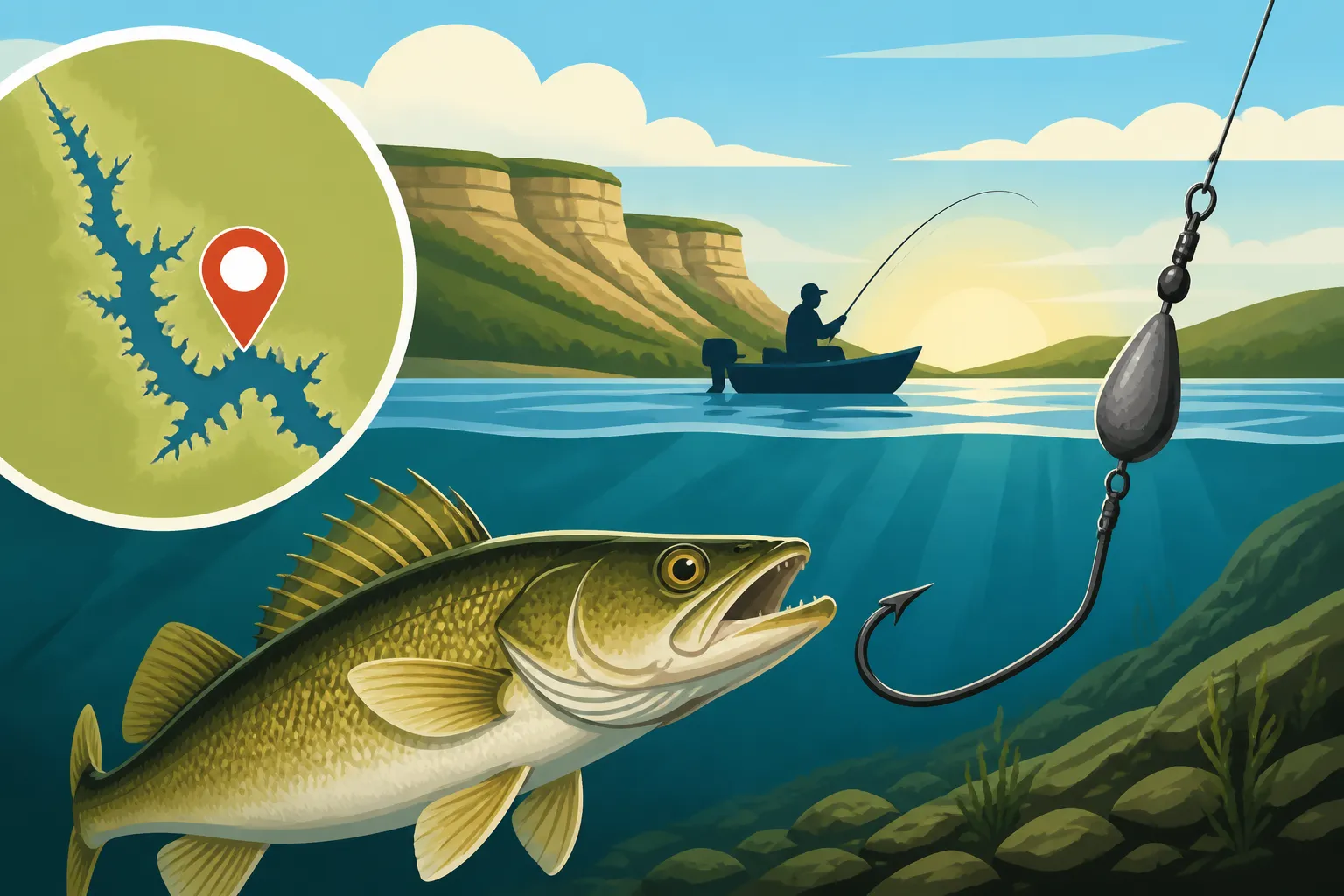
Van Hook Arm is located on the northern side of Lake Sakakawea, stretching inland from the main body of the reservoir. What truly sets it apart is its extensive network of submerged creek channels, old roadbeds, rock piles, and vast expanses of both shallow flats and significant drop-offs. The arm itself is a substantial body of water, characterized by its winding nature, which means plenty of protected coves and exposed points that interact with the prevailing winds. The Little Muddy River once snaked its way through this area before the Garrison Dam was built, and its old river channel still acts as a major fish highway, especially during seasonal migrations. The depths within Van Hook Arm can vary dramatically, from mere feet in the backs of bays to over 50 feet in the old river channel, creating perfect stratification for different fish species depending on water temperature and time of year. Anglers often find the water here has a distinct clarity compared to other parts of Sakakawea, which can influence lure choices and fishing techniques.
Why Van Hook Arm is a Fishing Hotspot
So, why does Van Hook Arm consistently rank high on an angler's list of must-fish locations on Lake Sakakawea? It boils down to habitat diversity and an abundance of baitfish. The intricate underwater topography provides countless hiding spots, ambush points, and foraging grounds. During the spring, the shallower bays warm up faster, drawing in baitfish and, subsequently, hungry walleye and pike looking to spawn or recover from it. As summer progresses, the deeper channels and submerged points offer cooler, oxygenated water, providing refuge for fish. The sheer volume of structure, from standing timber in some of the deeper cuts to rocky shorelines, creates ideal conditions for fish to thrive. The arm also offers considerable protection from the fierce North Dakota winds that can make fishing the main lake a real challenge. This means more consistent fishing opportunities and less time battling whitecaps, especially if you're exploring the various fishing access sites on Lake Sakakawea. Furthermore, the constant influx of nutrients and baitfish (like smelt and various minnow species) ensures a robust food chain, supporting a healthy population of game fish year-round. It's a prime example of how specific geographic features can concentrate fish, making your efforts much more rewarding.
Top Fishing Spots within Van Hook Arm
Navigating Van Hook Arm can still be a bit daunting if you don't know where to start. It’s vast, but certain areas consistently produce action due to their specific characteristics. Thinking about the arm as a collection of distinct zones, each with its own draws for different fish, is a great way to approach it. If you're looking to enhance your experience, you could even check out local guides on platforms like FishingBooker who specialize in this particular arm.
Productive Bays and Coves
Within Van Hook Arm, several bays and coves are renowned for their productivity, particularly for walleye, northern pike, and yellow perch. Look for large, protected bays that feature a mix of shallow flats, emergent weed beds (during the warmer months), and gradual slopes leading to deeper water. These areas serve as nurseries for baitfish, making them natural magnets for predators. For example, some of the broader bays on the southern side of the arm, sheltered from the prevailing northwesterly winds, will often hold impressive numbers of walleye during their post-spawn recovery in spring and throughout the early summer as they chase minnows into the warmer shallows. When the weeds are up, northern pike will lurk in these green havens, ready to ambush unsuspecting prey. You'll find success here by casting spinnerbaits, spoons, or even large jerkbaits for pike, while walleye can be targeted with slip bobbers and live bait (like leeches or minnows) or by trolling shallow-diving crankbaits along the weed edges. These sheltered areas are also fantastic for beginners or families, offering calmer waters and often good shore access.
Key Points and Submerged Structures
As you move out of the bays and towards the main channel of Van Hook Arm, prominent points and submerged structures become critical fishing zones. These are the natural highways and stopping points for fish as they move between shallow feeding areas and deeper refuge. Think about where the original Little Muddy River channel intersects with land, or where old homesteads or roadbeds might now lie submerged. Rock piles and rocky points that extend into the water are particularly productive for smallmouth bass and walleye, especially during the low light periods of dawn and dusk. Smallmouth bass absolutely love these rocky habitats, using them for cover and as ambush points. You can target them effectively with crankbaits, jig-and-plastic combinations, or even topwater lures early in the morning. Walleye will position themselves on the sides or tops of these submerged structures, waiting for baitfish to swim by. Using a fish finder to locate these subtle humps and breaks is key, and then presenting jigging raps, blade baits, or bottom bouncers with worms or minnows can be incredibly effective. Consider how these features create current breaks or depth transitions, as these are precisely where fish will stack up.
The Main Channel and Deeper Areas
The deepest part of Van Hook Arm follows the old Little Muddy River channel, and this becomes an indispensable area during the extremes of summer heat and winter cold. In summer, when surface waters become too warm, many walleye, sauger, and even larger pike will retreat to these cooler, more oxygenated depths. The bends and sharp drop-offs along the channel are prime locations to target. Look for areas where the channel narrows or features distinct humps and depressions. This is where your electronics truly shine, as identifying schools of baitfish or larger fish relating to structure in 30-50 feet of water is essential. Deep trolling with large crankbaits, vertically jigging heavy spoons, or slowly dragging bottom bouncers along the contours are excellent strategies here. During the dead of winter, when ice fishing is in full swing, these deep main channel areas remain important. Fish will often suspend in the water column or hug the bottom, conserving energy. Understanding the North Dakota Walleye Fishing Techniques for these deep-water scenarios is crucial for success. For those who want a truly epic fishing adventure, finding a well-regarded guide through services like FishingBooker can significantly cut down the learning curve for these deeper, more complex spots.
Targeting Specific Species in Van Hook Arm
Van Hook Arm's diverse habitat means it supports a robust multi-species fishery. While walleye are often the main draw for many anglers on Lake Sakakawea, this arm offers fantastic opportunities for several other popular game fish. Knowing what to target and how to approach each species will help you fill your livewell or achieve that trophy photo.
Walleye Tactics for Van Hook Arm
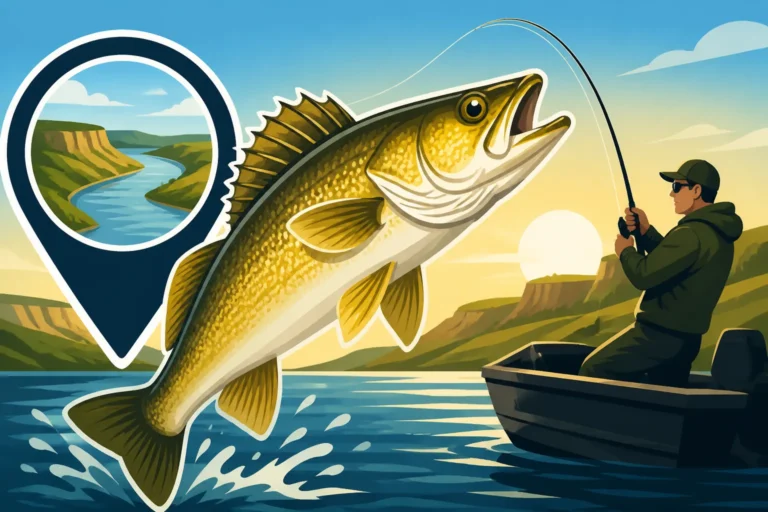
Walleye are the undisputed kings of Lake Sakakawea, and Van Hook Arm is certainly no exception. Your tactics will heavily depend on the season and specific location within the arm. In the spring, shortly after ice-out and during the post-spawn period, walleye often relate to the shallower, warmer water in the backs of bays and along gradual points. This is an excellent time for pitching jigs tipped with minnows or plastics, or slowly trolling shallow-running crankbaits. As the water warms in summer, walleye tend to move deeper, concentrating along the main river channel, submerged humps, and points where they can find cooler water and ambush baitfish. This is prime time for trolling crankbaits like Berkley Flicker Shads or Rapala Shad Raps at various depths using planer boards or lead core line to cover large areas. Bottom bouncers paired with spinner rigs or slow death rigs, tipped with nightcrawlers or leeches, are also incredibly effective when slowly drifted or trolled along contours. Don't forget the power of vertical jigging with Rippin' Raps or spoons, especially when you mark fish suspended over deep structure. The best time of day for walleye often coincides with low-light periods – dawn, dusk, and even into the night – but they can be caught all day, especially on cloudy days or when fishing deeper water.
Northern Pike and Smallmouth Bass Opportunities
Beyond walleye, Van Hook Arm offers exciting action for northern pike and smallmouth bass. Northern pike are ambush predators, and they thrive in the weedy bays and shallower sections of the arm. During the spring and early summer, cast large spoons (like Daredevils), spinnerbaits, or oversized soft plastics into and along the edges of emerging vegetation. You'll often find them lurking in just a few feet of water, ready to explode on a passing lure. When they hit, it's an exhilarating fight! For smallmouth bass, look for the rockier areas, riprap shorelines, and submerged rock piles. These feisty fighters love to smash crankbaits, tubes, grubs, and even topwater lures presented around their rocky homes. Early mornings and evenings are particularly productive for smallmouth, as they become more active in chasing baitfish. The numerous rocky points and transition areas leading into the main arm are prime smallmouth territory. Mastering the art of How to Fish for Northern Pike in North Dakota and understanding smallmouth bass habitat can significantly increase your success for these spirited fish.
Other Species: Perch, Crappie, and Catfish
While walleye, pike, and smallmouth often get the spotlight, Van Hook Arm is also home to healthy populations of yellow perch, crappie, and channel catfish, offering additional opportunities for anglers. Yellow perch are often found in schools, relating to weed lines, submerged timber, or even deep flats, especially during the fall and winter. Small jigs tipped with minnows, wax worms, or plastics are deadly for perch. Crappie, though sometimes harder to pinpoint in such a large body of water, will often congregate around brush piles, submerged trees, or protected coves with standing timber. Small jigs and minnows are your best bet. Channel catfish, especially during the warmer months, can be found in the muddier, shallower sections of the arm, particularly in the evenings or after a good rain. They'll also patrol the deeper, softer bottom areas of the main channel. Cut bait, shrimp, or stink baits fished on the bottom are highly effective for these hard-fighting bottom dwellers. Exploring the nuances of Yellow Perch and Panfish Daily Limits Explained will help you understand the regulations for these prolific fish.
Essential Gear and Seasonal Considerations for Van Hook Arm
Preparing correctly for a trip to Van Hook Arm means thinking about both the tackle you'll need and how the changing seasons impact fish behavior. Lake Sakakawea can be unforgiving if you're not ready, but with the right gear and knowledge, you'll be set for success.
Recommended Gear Setup
Given the diverse fishing opportunities in Van Hook Arm, having a versatile gear setup is key. For walleye and smallmouth, a medium-light to medium power spinning rod (6'6" to 7'2") with a fast action tip, paired with a 2500 or 3000 series reel spooled with 8-10 lb braided line and a fluorocarbon leader, is a fantastic all-around choice. This setup provides the sensitivity for jigging and the backbone for casting crankbaits or fighting a strong fish. If you're specifically targeting larger northern pike, a medium-heavy baitcasting setup with 15-20 lb fluorocarbon or heavier braided line is more appropriate for handling bigger lures and tougher fights. Don't forget a good quality fish finder and GPS unit. On a body of water as expansive as Lake Sakakawea, these electronics aren't just luxuries; they're essential tools for locating submerged structure, monitoring depth, and marking productive spots. A quality net is also crucial for landing larger fish safely and efficiently. If you plan on doing any significant trolling, investing in specialized trolling rods and line counter reels will significantly improve your efficiency and success rate. Check out guides on Best Boats for Lake Sakakawea's Big Water to ensure your vessel is also up to the task of exploring this impressive arm.
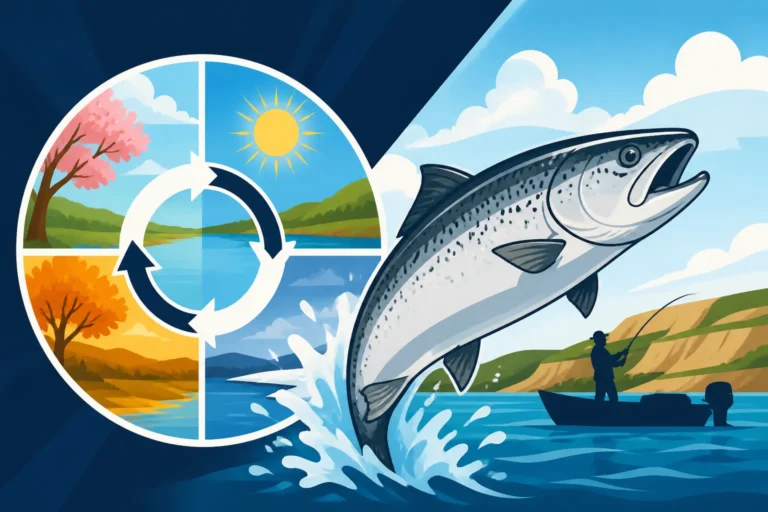
Navigating the Seasons: Spring, Summer, Fall, and Winter
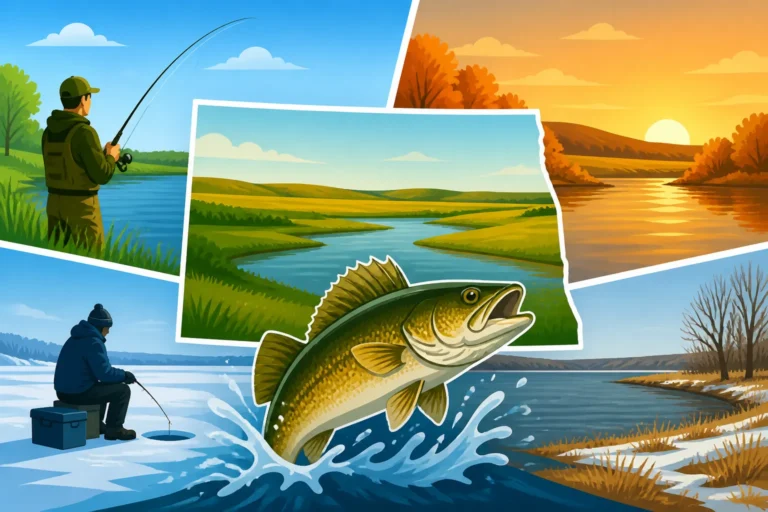
Fishing in Van Hook Arm, like all of North Dakota, is a year-round endeavor, with each season presenting its own unique challenges and rewards.
- Spring (Ice-Out to Early June): This is a prime time for post-spawn walleye. Fish will be moving into shallower bays and points as the water warms, seeking food. Focus on depths of 5-15 feet, using jigs, shallow crankbaits, and slip bobbers with live bait. Northern pike will also be very active in the newly thawed weed beds. This period is often characterized by strong winds, so understanding how to fish during these conditions is vital.
- Summer (June to August): As water temperatures rise, fish move deeper. Walleye will relate heavily to the main channel, submerged humps, and deep points. Trolling crankbaits, bottom bouncers, and vertical jigging are go-to methods. Smallmouth bass will be active around rocky structures. Early mornings and late evenings are often the most productive. The North Dakota Fishing Season Calendar provides more detailed information on specific timings.
- Fall (September to November): This is arguably one of the best times to fish Van Hook Arm. Fish sense the approaching winter and go on a feeding frenzy. Walleye become incredibly aggressive, often moving shallower to gorge on baitfish. Trolling crankbaits and jigging spoons in transition areas can be lights out. Pike and smallmouth also remain active, especially on sunny days.
- Winter (December to March): Van Hook Arm transforms into an ice fishing paradise. The expansive, yet somewhat protected, nature of the arm makes it ideal for setting up ice shelters and targeting walleye, perch, and pike. The deeper sections of the old river channel are excellent for walleye, while the shallower bays can hold schooling perch. Safety is paramount during this time; always check ice thickness and be aware of changing conditions. Knowing How to Ice Fish in North Dakota is essential for a safe and productive winter trip.
| Species | Preferred Locations in Van Hook Arm | Best Baits/Lures | Seasonal Focus |
|---|---|---|---|
| Walleye | Submerged humps, old river channel, rocky points, shallow bays (spring) | Jigs (minnows/plastics), crankbaits, bottom bouncers (worms/leeches), spoons | All seasons, especially Spring/Fall |
| Northern Pike | Weedy bays, shallow flats, submerged timber edges | Spoons, spinnerbaits, large soft plastics, jerkbaits | Spring, Summer (early/late), Fall |
| Smallmouth Bass | Rocky points, riprap shorelines, submerged rock piles | Crankbaits, tubes, grubs, topwater lures | Summer, Fall |
| Yellow Perch | Weed lines, deep flats, submerged timber (often schooling) | Small jigs (minnows/wax worms), ice jigs (winter) | Fall, Winter |
| Channel Catfish | Muddy flats, deeper channel bends, soft bottoms | Cut bait, shrimp, stink baits, worms | Summer (especially night) |
Disclaimer
The information provided in this guide is for general informational purposes only and is subject to change. Fishing regulations, conditions, and fish behavior can vary. Always consult the latest North Dakota Game and Fish Department regulations and local advisories before heading out on the water. Be aware of weather conditions and practice safe boating and ice safety at all times.