How Fishing Seasons Vary by Species in North Dakota
Trying to figure out the best time to chase your favorite fish in North Dakota can feel a bit like trying to read tea leaves. It’s not just about when the ice melts or when it freezes over; each species has its own internal clock, its own preferred conditions, and its own regulatory quirks that can make planning a fishing trip confusing. This guide is here to untangle those seasonal mysteries, breaking down when and why different fish species are biting across the Peace Garden State.
Understanding North Dakota's General Fishing Season Framework
North Dakota's fishing landscape is incredibly diverse, from vast reservoirs like Lake Sakakawea to the winding Red River. While it might seem complicated at first glance, the state generally maintains a very angler-friendly approach with many species being open year-round. However, this doesn't mean you can just throw a line in anywhere, anytime, and expect success or even legality. There are important distinctions and specific regulations that dictate the best times, and sometimes the only times, to target certain fish.
The Year-Round Open Water and Ice Fishing Distinction
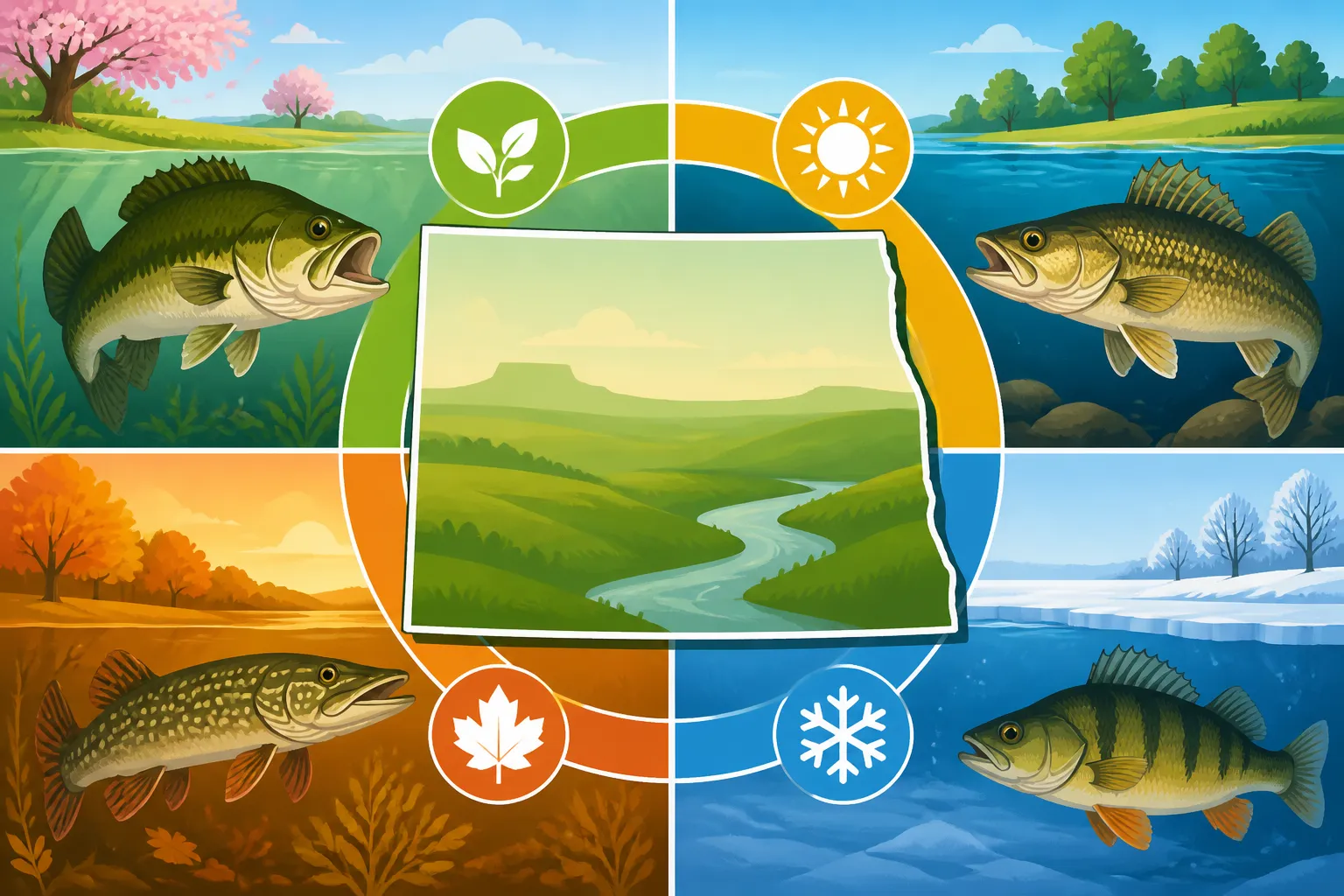
For many of North Dakota's most sought-after species, like walleye, northern pike, and perch, the fishing season is technically continuous, extending throughout both the open water and ice fishing periods. This means that from the moment the ice melts in the spring, through the heat of summer and the chill of fall, and then right back onto the hard water in winter, you're usually permitted to fish for these species. The beauty of this year-round access is that it offers endless opportunities for anglers to adapt their techniques and locations to the changing conditions. Imagine heading out in April, just after the ice recedes, and then returning to the same lake in January, drilling holes and dropping lines in completely different scenery, yet still targeting the same species.
However, "open year-round" doesn't mean the fish are always active or easy to catch. Their behavior shifts dramatically with water temperature, forage availability, and spawning cycles. For instance, while you can fish for walleye in July, their patterns will be vastly different from the aggressive bite you might find during the early ice season. This continuous open season is a huge plus for those who want to maximize their time on the water, but it puts the onus on the angler to understand the nuances of each season. You'll want to check out our comprehensive guide on the North Dakota Open Water Fishing Season to get a better handle on the specifics for those warmer months.
Why Regulations Can Shift for Specific Species or Locations
Even with the general year-round open season, there are crucial exceptions and specific regulations that come into play, often dictating not just the when but also the how many and how big. These shifts are typically implemented by the North Dakota Game and Fish Department (NDGF) to protect spawning fish, manage fish populations, or address unique ecological concerns in certain bodies of water. For example, while many species don't have a closed season, you might find specific length limits or daily creel limits that are more stringent in particular lakes or rivers, especially for popular species like walleye.
Consider the spring spawning period for some fish. While walleye generally don't have a closed season during their spawn, regulations for other species, or specific bodies of water, might introduce temporary closures or restrictions to ensure successful reproduction and future fish stocks. This is particularly important for species that are vulnerable during their breeding cycles. These regulations aren't just arbitrary rules; they are carefully crafted by biologists to ensure sustainable fishing for generations to come. Staying informed about the latest North Dakota Fishing Regulations Explained is essential for any angler, as these rules can sometimes change between fishing seasons based on population surveys and environmental factors. It's always a good idea to consult the most current proclamation before you head out, because getting caught unaware could lead to fines or worse.
Walleye: North Dakota's Crown Jewel and Its Seasonal Dance
Ah, the walleye. For many anglers in North Dakota, this fish is the undisputed king. Its delicate, flaky white meat and challenging fight make it a prime target year-round. But just because you can fish for walleye anytime doesn't mean the experience is the same. Their behavior, locations, and the most effective techniques change dramatically with the seasons, presenting a constant puzzle for even the most experienced anglers.
Spring Walleye Patterns and Early Season Action
When the ice finally relents and the open water season begins, typically in April, walleye immediately become a hot topic. This early spring period is all about the spawn. As water temperatures creep into the low 40s to low 50s Fahrenheit, walleye move from their deeper wintering grounds towards shallower, rocky areas, often near river mouths or along shorelines with gravel bottoms, to lay their eggs. This pre-spawn and spawning movement creates some incredible fishing opportunities. You'll find a lot of action in rivers like the Missouri River below Garrison Dam, where walleye make strong runs upstream. Fishing the shallow bays and points on large lakes like Lake Sakakawea and Devils Lake can also be very productive.
After the spawn, which usually peaks in late April to early May, walleye tend to be a bit sluggish, recovering from the intense energy expenditure. This post-spawn period sees them slowly dispersing from the spawning grounds, often moving to slightly deeper edges or flats adjacent to their shallow haunts, feeding actively to regain strength. Anglers often find success by slowing down their presentations, using jigs tipped with minnows or soft plastics, or slowly trolling shallow-diving crankbaits. Knowing When Does Walleye Season Open in North Dakota? really means understanding the ice-out timing, which can vary by weeks across the state's diverse waterways. The key is to pay attention to water temperatures and local reports, as the walleye's internal clock is driven by the environment.
Summer and Fall Walleye Strategies
As North Dakota summer heats up, typically from June through August, walleye move to deeper, cooler water. They'll often relate to structure such as humps, points, submerged islands, and deep weed lines. This is when trolling with crankbaits or bottom bouncers with spinner rigs becomes incredibly effective, especially on expansive lakes like Lake Sakakawea and Lake Oahe. Anglers using modern fish finders can pinpoint schools of walleye relating to these deep structures, often suspending over open water or hugging the bottom. On Devils Lake, summer walleye can be found in the flooded timber and along deep contours.
Come fall, usually from September into November, walleye embark on a serious feeding frenzy. As water temperatures drop, signaling the impending winter, they become highly aggressive, gorging themselves on baitfish to build up fat reserves. This can lead to some of the most exciting fishing of the year. Walleye often move shallower again during this time, particularly during low-light conditions, targeting the abundant baitfish congregating in bays and along shorelines. Trolling crankbaits, jigging spoons, or even casting larger soft plastics can yield impressive catches of plump, healthy walleye. The North Dakota Walleye Fishing Guide emphasizes how crucial it is to adapt your techniques, from deep-water presentations in summer to shallower, more aggressive tactics in the fall.
Northern Pike: The Aggressive Predators and Their Season
Northern pike are the true freshwater sharks of North Dakota, known for their aggressive strikes, formidable teeth, and thrilling fights. While often overshadowed by walleye in popularity, pike offer fantastic year-round action and can be found in nearly every major body of water in the state. Their seasonal movements are largely dictated by spawning cycles and the pursuit of prey, providing distinct windows of opportunity for anglers.
Spring Pike Spawning and Post-Spawn Recovery
Just like walleye, northern pike become highly active in the spring, often even before the walleye. As soon as the ice leaves the shallow bays and marshy areas, typically in late March to early April, pike migrate into these flooded vegetated zones to spawn. They prefer shallow, stagnant water with dense cover for laying their eggs. This makes them incredibly accessible and aggressive during the post-ice out period. Many anglers target them by casting large spoons, spinnerbaits, or soft plastic swimbaits into these newly thawed, weedy shallows.
Following the spawn, usually wrapping up by late April or early May, pike will spend some time recovering in these same shallow areas before moving to slightly deeper water as the season progresses. This post-spawn period is still excellent for targeting them, as they are hungry and eager to replenish their energy stores. They'll readily hit a variety of lures, from brightly colored crankbaits to large streamers if you're fly fishing. Understanding When Does Northern Pike Spawn in North Dakota? is critical for hitting this early season window when they are most concentrated and accessible. Lakes like Lake Audubon and Jamestown Reservoir are known for their strong spring pike bites.
Summer and Ice Fishing for Northern Pike
During the summer months, from June through August, northern pike typically move from the very shallow spawning grounds to deeper weed lines, submerged structures, and transition areas where they can ambush baitfish. They still prefer cover, so look for dense stands of submerged vegetation, rocky points, or areas with current where baitfish congregate. Trolling large spoons or crankbaits along these weed edges, or casting heavy spinnerbaits and jerkbaits into pockets within the weeds, can be highly effective. The North Dakota Northern Pike Fishing Guide offers a lot of fantastic details on targeting these fish during the warmer months.
When winter descends, North Dakota transforms into an ice fishing paradise, and northern pike remain a prime target. They are incredibly active under the ice, often cruising vast areas in search of food. Ice fishing for pike is most commonly done with tip-ups, rigged with large dead or live bait (where legal), such as smelt, herring, or large shiners. Setting multiple tip-ups across different depths and areas of a lake, particularly near deep weed edges or drop-offs, can be very productive. Anglers will often jig for pike as well, using large spoons or soft plastics. The cold water seems to make their strikes even more violent, providing a thrilling battle on light ice fishing gear.
Panfish: Yellow Perch and Crappie Throughout the Year
While walleye and northern pike grab many of the headlines, North Dakota's panfish — primarily yellow perch and crappie — offer incredible fishing opportunities that are accessible to anglers of all skill levels. These smaller, schooling fish are abundant and provide consistent action, especially through the ice, making them perfect targets for family outings or a quick trip to the lake.
The Perch Phenomenon on Devils Lake and Beyond
Yellow perch are, without a doubt, one of North Dakota's most popular panfish, particularly on legendary Devils Lake. These feisty fish offer fantastic fishing year-round, but they truly shine during the hard water season. When the ice thickens, Devils Lake becomes a magnet for perch anglers from across the region. Early ice is often fantastic, with perch still holding relatively shallow near weed lines or structure. As winter progresses, they tend to move to deeper basin areas, relating to submerged humps, flooded timber, or subtle bottom transitions.
Throughout the ice fishing season, jigging with small spoons, tungsten jigs tipped with wax worms, spikes, or a small minnow is the go-to technique. The key is to stay mobile and use electronics to locate schools of fish. Late ice, just before the spring thaw, also offers an excellent perch bite as they begin to stage for their own spawn. During the open water months, perch can be found in similar habitats, often in bays, along weed edges, or around submerged structure. Small jigs, spinner rigs tipped with bait, or even tiny crankbaits can be effective. Our North Dakota Yellow Perch Fishing Guide has all the insider tips for landing these tasty panfish, whether it's through the ice or in open water.
Crappie: Spring Flurries and Deeper Water Hunts
Crappie, both black and white, are another fantastic panfish species found in many North Dakota waters. They are notorious for their schooling behavior and incredible spring bites. Typically, as water temperatures warm into the 50s and 60s Fahrenheit in late April and May, crappie move into shallow, protected bays, often around submerged brush, fallen trees, or dock pilings to spawn. This is when they are most accessible, and anglers can often find large schools concentrated in these areas.
During this spring frenzy, casting small jigs (1/32 to 1/16 ounce) tipped with plastics, minnows, or even bobber-fishing with live minnows is highly effective. As summer progresses, crappie will retreat to deeper water, often suspending over structure like brush piles, submerged roadbeds, or channels. They continue to school, so if you find one, you're likely to find many. During the winter, crappie can be a bit more elusive under the ice, often preferring deeper water and subtle presentations, but they provide excellent table fare. Nelson Lake, known for its warm water discharge from the power plant, can offer unique year-round crappie opportunities due to the warmer temperatures.
Specialty and Trophy Species: Catfish, Salmon, and Paddlefish
Beyond the common game fish, North Dakota offers unique opportunities to target specialty and trophy species that have very specific seasonal windows and habitats. These are often bucket-list fish for dedicated anglers, requiring specialized techniques and a keen understanding of their behaviors.
Channel Catfish: Summer River Giants
If you're looking for a fight, North Dakota's channel catfish are your ticket, especially on the legendary Red River of the North. While you can catch catfish year-round, their prime season truly kicks off as water temperatures warm in late May and peaks throughout the summer months, from June to August. This is when the big ones become most active, feeding aggressively in the current of rivers. The Red River is famous for its trophy channel catfish, with fish regularly topping 20 pounds and occasionally exceeding 30 pounds.
Catfishing on the Red River often involves anchoring your boat in strategic locations, such as bends, scour holes, or along submerged log jams, and using heavy gear to present cut bait, stink bait, or even frogs on the bottom. Night fishing during the summer can be particularly productive, as catfish are primarily nocturnal feeders. The Missouri River also holds excellent populations of channel catfish, offering similar summer opportunities. Our North Dakota Channel Catfish Fishing Guide provides detailed strategies for tackling these powerful river monsters. You'll want sturdy gear, and a reliable headlamp from Amazon can make all the difference during those late-night battles.
Chinook Salmon: Lake Sakakawea's Coldwater Thrill
For a truly unique North Dakota fishing experience, turn your attention to the Chinook salmon in Lake Sakakawea. These Pacific salmon were introduced to the reservoir and thrive in its deep, cold waters. Their fishing season is quite specific, primarily in the warmer months when they are actively feeding, and especially during their fall spawning run. From late June through early October, Chinook salmon become a prime target for anglers trolling deep. They are typically found in the main body of Lake Sakakawea, often suspending in deep water, chasing schools of cisco (also known as lake herring), their primary forage.
Anglers targeting Chinook use specialized trolling gear, including downriggers, Dipsy Divers, or lead core line to get spoons and plugs down to the depths where these coldwater fish reside. The fall months, particularly September and early October, see the salmon make their spawning run into the tributaries of Lake Sakakawea, though they do not successfully reproduce naturally. This period can offer intense action for those who know where to look. To get the full scoop on this exciting fishery, check out the North Dakota Chinook Salmon Fishing Guide.
Paddlefish: A Unique Spring Snagging Season
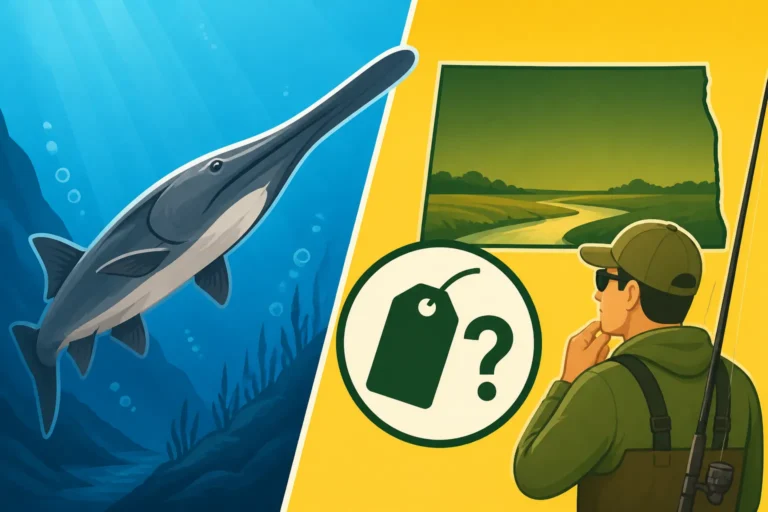
The prehistoric paddlefish offers an angling experience unlike any other in North Dakota, but it's one with a very strict and limited season. These ancient, filter-feeding giants cannot be caught by traditional hook and line; instead, they are targeted through snagging during a short window in the spring. The North Dakota Game and Fish Department carefully manages this fishery to ensure its sustainability. The paddlefish snagging season typically runs from early to late May, and sometimes into June, but specific dates and locations (primarily the Yellowstone and Missouri Rivers near the Montana border) are announced annually.
To participate, anglers need a special paddlefish tag in addition to their regular fishing license. It's a highly social event, with hundreds of anglers lining the banks, particularly around the confluence of the Yellowstone and Missouri Rivers, each hoping to hook into one of these massive fish. The North Dakota Paddlefish Snagging Guide details all the rules and requirements, including the mandatory tagging process and the specific equipment needed for this unique pursuit. It's truly a once-in-a-lifetime experience for many.
Navigating Regulations and Planning Your Trip
Understanding the general flow of fishing seasons by species is a huge step, but the devil, as they say, is in the details. North Dakota's fishing regulations are designed to be both angler-friendly and conservation-minded, but they do require attention to detail. Ignoring these rules can lead to unpleasant consequences, so a little bit of homework before you hit the water goes a long way.
The Importance of the North Dakota Fishing Proclamation
The single most important document for any North Dakota angler is the official North Dakota Fishing Proclamation. This publication, updated biennially by the North Dakota Game and Fish Department, is your authoritative guide to all current fishing rules, including season dates (if any), daily limits, possession limits, size restrictions, and special regulations for specific lakes or river segments. While many species are open year-round, the proclamation clarifies exactly what that means in terms of method, harvest, and location.
It's absolutely vital to obtain and review the most current proclamation before each fishing season. Regulations can change based on fish population health, environmental factors, or new management strategies. You can typically find a printed copy at most license vendors, sporting goods stores, or digitally on the NDGF website. Don't rely on old information or hearsay; what was legal last year might not be legal this year. This is especially true for species like walleye where North Dakota Walleye Size Limit Rules might vary by lake, or for other species where daily limits could be adjusted. Always make sure you're up-to-date on the North Dakota Fishing Season Dates and Limits, as these are non-negotiable for a legal and enjoyable outing.
Gear Considerations for Different Seasons and Species
Just as fish behavior changes with the seasons, so too should your gear. What works for ice fishing in January won't cut it for trolling for salmon in August. Matching your equipment to the target species and the time of year is crucial for success and enjoyment. In spring and fall, a versatile medium-light to medium-heavy spinning or baitcasting rod and reel combo might be perfect for walleye and pike, allowing you to cast a variety of lures or work jigs effectively. For heavy-hitting catfish in summer, you'll want a stout, heavy-action rod and a reel spooled with strong braided line – something you can easily find on Amazon or at your local bait shop.
Winter, of course, brings its own specific gear requirements. Ice fishing demands specialized short, sensitive rods, reliable ice augers (either manual, gas, or electric), and comfortable, insulated clothing to brave the cold. Electronics like flashers or fish finders become almost essential for locating fish under the ice, especially for schooling species like perch. Even basic items like proper fishing line need to be considered; you might opt for monofilament in clearer, colder water for finesse presentations, or braided line for its strength and sensitivity when pulling big fish from deeper water. Preparing your gear proactively ensures you're ready for whatever North Dakota's diverse fishing seasons throw at you.
| Fish Species | Primary Peak Season | Optimal Fishing Conditions | Common Techniques | Key Locations |
|---|---|---|---|---|
| Walleye | Spring (spawn/post-spawn), Fall (feed), Winter (ice) | Cold/Cool Water, Structure, Low Light | Jigging, Trolling, Slip Bobbers | Lake Sakakawea, Devils Lake, Missouri River |
| Northern Pike | Spring (spawn/post-spawn), Summer (weedlines), Winter (ice) | Shallow Weeds (Spring), Deep Weeds (Summer) | Casting Lures, Tip-Ups, Trolling | Lake Sakakawea, Devils Lake, Many smaller lakes |
| Yellow Perch | Winter (ice), Spring (open water) | Shallow Weeds, Deep Basins, Structure | Jigging, Ice Fishing Jigs, Bobbers | Devils Lake, Lake Sakakawea, Lake Oahe |
| Channel Catfish | Summer (warm water) | River Current, Deep Holes, Night Fishing | Bottom Rigging, Cut Bait, Stink Bait | Red River, Missouri River, Lake Oahe |
| Chinook Salmon | Summer, Early Fall (Lake Sakakawea) | Deep, Cold Water, Forage Concentrations | Trolling (Downriggers, Lead Core) | Lake Sakakawea |
| Paddlefish | Late Spring (Snagging Season) | River Confluences, Current Seams | Snagging with Heavy Tackle | Yellowstone & Missouri River Confluence |
Disclaimer
The information provided in this guide is for general informational purposes only and is subject to change. Fishing regulations in North Dakota are set by the North Dakota Game and Fish Department and can be updated annually or even seasonally. Always consult the most current North Dakota Fishing Proclamation or the official NDGF website before planning your fishing trip to ensure compliance with all state laws and regulations.