How to Get a North Dakota Fishing License
Thinking about hitting the beautiful waters of North Dakota, whether it's the vastness of Lake Sakakawea or the legendary Devils Lake, is exciting. But before you even think about casting a line, there’s that little hurdle: the fishing license. It can feel like a bureaucratic maze, especially if you're new to the state or just haven't bought one in a while. Don't worry, this comprehensive guide is here to untangle all the complexities, making sure you understand exactly how to get a North Dakota fishing license so you can focus on the fun part – catching fish.
Understanding Why You Need a North Dakota Fishing License
It’s a question many new anglers, or even seasoned ones moving from another state, ponder: "Do I really need a fishing license?" The short answer in North Dakota, for most people, is a resounding yes. But it's not just about avoiding a fine; there's a much bigger picture at play that benefits every single person who enjoys the outdoors.
The Legal Imperative for Anglers
Let's be real, nobody wants their relaxing day on the water interrupted by a game warden checking for a license, only to find out they don't have one. Fishing without a valid North Dakota fishing license is a violation of state law. The North Dakota Game and Fish Department (NDG&F) is pretty serious about this because the regulations are designed to protect the state's natural resources and ensure fair access for everyone. Imagine if there were no rules; fish populations could be decimated, and the quality of fishing for future generations would suffer greatly. That piece of paper, or digital record, is your official permission slip to participate in the state’s angling opportunities. Ignoring this can lead to pretty hefty fines and other legal consequences. You can learn more about the potential repercussions in our detailed guide on Penalties for Fishing Without a License in North Dakota.
Funding Conservation Efforts
The cost of your fishing license isn't just money disappearing into a black hole; it's an investment in the very thing you love to do. The fees collected from fishing licenses are directly funneled into vital conservation programs across North Dakota. This includes everything from fish stocking initiatives to ensure healthy populations of popular species like walleye and northern pike, to habitat restoration projects that improve water quality and create better environments for aquatic life. Your license dollars also support fisheries research, which helps the NDG&F make informed decisions about bag limits, seasons, and management strategies. It helps fund access site development, boat ramps, and public fishing piers, making it easier for you and your family to get out on the water. Essentially, when you buy a license, you're contributing to the sustainability and enhancement of North Dakota's fishing future, ensuring that those pristine lakes and rivers remain vibrant for years to come.
Age and Residency Exemptions
While the general rule is that you need a license, North Dakota does offer some thoughtful exemptions. For instance, children under a certain age are typically not required to have a license. This is fantastic news for families, as it lowers the barrier to entry and encourages kids to get hooked on fishing early. You can dive deeper into this topic with our guide on Fishing License Age Requirements in North Dakota or specifically check out Do Kids Need a Fishing License in North Dakota? for the latest age specifics. Additionally, certain individuals, such as resident landowners fishing on their own property, might also have specific exemptions under very narrow circumstances. It's always crucial to verify these details with the official NDG&F regulations, as they can sometimes change. Understanding these exemptions can save you money and hassle, allowing more people to enjoy the state's abundant fishing opportunities.
Eligibility Requirements: Who Needs What?
The world of fishing licenses often hinges on one crucial factor: your residency status. Whether you call North Dakota home, are visiting from a neighboring state, or are just passing through, understanding your eligibility is the first real step in securing the correct license. It's not always as straightforward as it seems, and getting it wrong can lead to complications down the line.
North Dakota Resident Definitions
For many folks, defining "resident" might seem obvious. You live here, right? Well, for licensing purposes, the NDG&F has specific criteria that determine whether you qualify for a resident fishing license. Generally, to be considered a North Dakota resident, you must have resided continuously in the state for a specified period, usually at least six consecutive months immediately prior to applying for a license. This means establishing a domicile, intending to make North Dakota your permanent home, and often involves things like registering to vote, filing state income taxes (if applicable), or having a North Dakota driver's license.
Students attending a North Dakota college or university may also have specific provisions, as might military personnel stationed within the state. It's not enough to simply own property here; your physical presence and intent for permanent residency are key. Getting this right is important because resident licenses are typically significantly less expensive than nonresident options, offering a real financial advantage to those who truly call North Dakota home. To explore all your options, take a look at our article on North Dakota Resident Fishing License Options.
Nonresident Considerations and Options
If you don't meet North Dakota's residency requirements, then you're considered a nonresident angler, and you'll need to purchase a nonresident license. The good news is that North Dakota warmly welcomes anglers from all over, and there are several flexible options tailored to visitors. You can opt for a full-season nonresident license, which is great if you plan multiple trips throughout the year or an extended stay.
However, for those planning a shorter visit, the state offers convenient short-term licenses, such as the nonresident 3-day or 10-day options. These are perfect if you're coming for a specific weekend getaway or a week-long fishing vacation on legendary waters like Lake Sakakawea or Devils Lake. Choosing the right nonresident license can save you money and ensure you're covered for the duration of your trip without overpaying for an annual license you won't fully utilize. We’ve put together a comprehensive resource for you in our North Dakota Nonresident Fishing License Guide, which details all the various Nonresident Fishing License Options.
Special Cases: Military, Disabled, and Seniors
North Dakota is thoughtful about its license offerings, providing specific categories for individuals who might face unique circumstances. Active-duty military personnel, whether residents or nonresidents stationed in North Dakota, often have special licensing provisions or discounts. This is a small token of appreciation for their service and a way to make it easier for them to enjoy the state's outdoors.
Similarly, anglers with disabilities may qualify for discounted or special licenses, recognizing that fishing can be a therapeutic and accessible activity. These programs aim to make outdoor recreation more inclusive. Seniors are another group that often receives special consideration. North Dakota typically offers reduced rates for resident seniors, acknowledging their years of contribution and making it more affordable for them to continue pursuing their passion for fishing well into their golden years. These discounts are generally tied to specific age thresholds, so be sure to check the current requirements. Our guide on North Dakota Senior Fishing License Discounts provides more specific information on age requirements and pricing for these valuable options.
Types of North Dakota Fishing Licenses Available
Navigating the various types of fishing licenses can sometimes feel like trying to choose the right lure from a massive tackle box – there are so many options! But understanding the different categories available in North Dakota will ensure you pick the one that best suits your fishing habits and budget. It's not just about getting a license, but getting the right license.
Annual, Short-Term, and Combination Licenses
For the dedicated angler who plans to hit the water throughout the year, an annual fishing license is usually the most cost-effective and convenient choice. It covers you for the entire fishing season, which typically runs from April 1st through March 31st of the following year. If you're out fishing even a few times, the annual license quickly pays for itself compared to multiple short-term licenses.
However, North Dakota understands that not everyone can commit to a full year of fishing. That's why they offer flexible short-term options, primarily aimed at nonresidents but sometimes useful for residents with very specific needs. These include the 3-day and 10-day nonresident licenses, perfect for a long weekend trip or a dedicated fishing vacation. These temporary licenses allow you to enjoy North Dakota's amazing fisheries without paying for an entire season's worth of access.
Beyond just fishing, many outdoor enthusiasts also enjoy hunting. For these multi-sport adventurers, North Dakota offers combination licenses. These often bundle fishing with small game or even general hunting privileges, providing a discounted rate compared to purchasing separate licenses for each activity. It's a great way to simplify your outdoor pursuits and save a few dollars. You can get a good overview of the various price points in our North Dakota Fishing License Cost Guide.
The Fishing, Hunting, Furbearer Certificate
This is one of those North Dakota-specific nuances that can sometimes catch people off guard. When you purchase most fishing or hunting licenses in North Dakota, you'll also be required to buy a "Fishing, Hunting, Furbearer Certificate." Think of this certificate as a foundational permit that signifies your entry into the world of licensed outdoor activities in the state. It's a one-time annual purchase that acts as a base fee, and then you add the specific fishing or hunting licenses on top of it.
For example, if you're buying an annual fishing license, you'll purchase the certificate first, and then the fishing license itself. If you also decide to buy a small game license later in the year, you won't need to buy another certificate. This system helps streamline some of the administrative aspects and contributes to the overall management of wildlife resources. Many anglers new to the state often ask, "What Is the Fishing, Hunting, Furbearer Certificate For?" and our linked article explains it in full detail. It's an important component to understand to avoid surprises at checkout.
Specific Species Tags and Permits
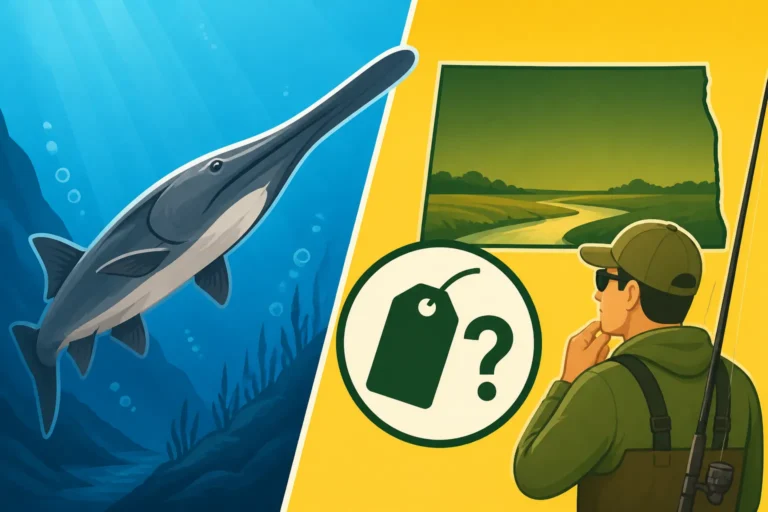
While your general fishing license covers most species found in North Dakota's waters, there are a few exceptions, particularly for unique or specially managed fisheries. The most prominent example is the paddlefish. If you intend to target this ancient and impressive fish, you'll need a specific paddlefish tag in addition to your regular fishing license. These tags are often limited in number and come with specific season dates and regulations due to the unique nature of the paddlefish fishery on the Missouri River system.
Similarly, while Chinook salmon are part of the general fishing license, understanding their specific regulations, especially on Lake Sakakawea, is critical. Always check the current North Dakota Fishing Regulations Explained document or the latest North Dakota Fishing Season Dates and Limits proclamation to see if any special tags, permits, or specific rules apply to the species you plan to pursue. These specialized requirements are put in place to ensure the sustainability of these unique fish populations and provide a high-quality fishing experience.
Step-by-Step Guide to Purchasing Your License
Gone are the days when buying a fishing license meant a trip to a dusty bait shop during specific hours. North Dakota has embraced modern convenience, offering several ways to secure your license quickly and easily. Whether you prefer the digital route or a more traditional in-person experience, there's an option for you.
Online Purchase Through the NDG&F Website
For most people, purchasing online is by far the easiest and fastest way to get your North Dakota fishing license. The North Dakota Game and Fish Department's official website is user-friendly and available 24/7, meaning you can buy your license from the comfort of your couch at any time of day or night.
Here's a general breakdown of the process:
- Visit the Official NDG&F Website: Navigate to the licensing section of the North Dakota Game and Fish Department website.
- Choose Your License Type: You’ll be prompted to select whether you are a resident or nonresident, and then to choose the specific license type (e.g., annual fishing, 3-day nonresident, combination). This is also where you'll add the necessary Fishing, Hunting, Furbearer Certificate if you haven't already purchased one for the current season.
- Provide Personal Information: You'll need to enter your personal details, including your full name, address, date of birth, and driver's license number. If you've purchased a license in North Dakota before, you might be able to look up your existing profile.
- Confirm Residency (if applicable): If you're applying for a resident license, you might be asked to confirm your residency status or provide additional details.
- Payment: Use a credit or debit card to complete your purchase. The system is secure and will process your transaction quickly.
- Print or Save: Once the transaction is complete, you'll receive a confirmation. You can usually print a temporary license right away, or save a digital copy to your phone. North Dakota generally accepts digital licenses displayed on a mobile device, though having a physical copy for backup is always a good idea, especially if you venture into areas with spotty cell service. Our North Dakota Fishing License Online Purchase Options article provides more details on the digital process.
In-Person Purchases at Authorized Vendors
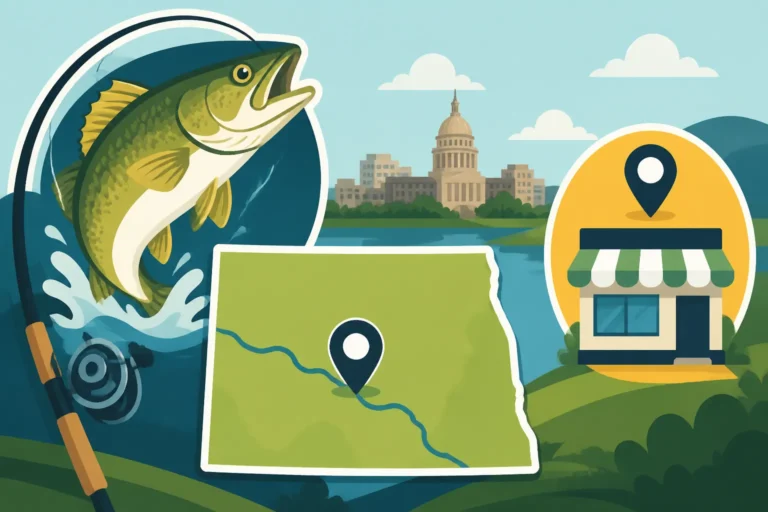
While online purchasing is convenient, sometimes you just prefer the human touch, or you might find yourself near a bait shop and realize you forgot your license. North Dakota maintains a vast network of authorized license vendors across the state. These typically include sporting goods stores, bait shops, some larger retail chains like Walmart, and even certain convenience stores.
When purchasing in person, you'll generally need to bring:
- Photo ID: A valid driver's license or state ID is usually sufficient for identification and proof of residency if you're a resident.
- Payment: Cash or card, depending on the vendor's policy.
The staff at these locations are usually very helpful and can walk you through the options, ensuring you get the correct license. It's a great opportunity to also pick up some local bait or get the latest fishing report! You can easily find a vendor near you by checking out Where to Buy a North Dakota Fishing License, which often lists popular retail chains and local shops.
Mobile App Convenience
In our increasingly digital world, North Dakota has also embraced the convenience of mobile technology. The NDG&F offers a mobile app that allows you to purchase and store your fishing licenses directly on your smartphone. This is a game-changer for many anglers, as it means one less piece of paper to worry about losing and instant access to your license information whenever a game warden asks to see it.
The app is usually available for both Apple and Android devices through their respective app stores (e.g., Apple App Store, Google Play Store). After downloading, you'll typically create an account or log in with your existing NDG&F online portal credentials. From there, you can easily select and purchase your license, and it will be stored digitally within the app. This is particularly handy for North Dakota Fishing License Renewal Date reminders and quick renewals on the go. Always make sure your phone is charged, especially when relying on a digital license in the field!
What Information You'll Need to Provide
Getting your fishing license isn't a top-secret mission, but you will need to provide some standard personal information to complete the process. This data helps the North Dakota Game and Fish Department (NDG&F) accurately identify you, verify your eligibility, and maintain proper records for conservation and management purposes. Gathering this information beforehand will make the purchase process much smoother, whether you're buying online or in person.
Personal Identification Details
The primary pieces of information you'll need are those that confirm who you are. This typically includes:
- Full Legal Name: As it appears on your official identification.
- Date of Birth: To verify age-specific eligibility or discounts, such as those for seniors or youth.
- Physical Address: Your current residential address is crucial, especially for determining residency status.
- Driver's License or State ID Number: This serves as a primary form of identification and often includes your address, further aiding in residency verification. If you don't have a North Dakota driver's license, your license from another state will be used for nonresident purchases.
- Social Security Number (SSN): In many states, including North Dakota, your SSN is required for licensing. This is often tied to federal mandates for child support enforcement and can be a point of confusion for some anglers. Rest assured, this information is handled securely and is a standard requirement.
- Eye and Hair Color: While seemingly minor, these details are often used for identification purposes on the license itself, helping game wardens verify the license holder's identity in the field.
Having these details readily available will prevent any last-minute scrambling when you're trying to complete your purchase. It's a good idea to have your driver's license handy, as most of this information can be quickly pulled from it.
Proof of Residency and Other Documents
While your driver's license often provides initial proof of residency, especially if it's a North Dakota-issued ID, there might be situations where additional documentation is required. This is particularly true if you're new to the state, or if your primary ID doesn't reflect your current North Dakota address.
For instance, if you're claiming North Dakota residency but have an out-of-state driver's license, you might be asked for supplementary proof. This could include:
- Utility Bills: Showing your name and North Dakota address.
- Voter Registration Card: Demonstrating intent to reside permanently in the state.
- Tax Documents: State income tax forms that indicate North Dakota residency.
- Rental Agreements or Property Deeds: Proving a physical address in North Dakota.
- Military Orders: If you are active duty military stationed in North Dakota, regardless of your home state, these orders can establish your resident status for licensing purposes.
For special licenses, such as those for disabled anglers, you might need to provide official documentation from a medical professional or a government agency certifying your disability. Similarly, if you are applying for a North Dakota Senior Fishing License Discounts, proof of age (e.g., your driver's license or birth certificate) will be required. Always check the current NDG&F regulations or contact them directly if you have unique circumstances to ensure you have all the necessary paperwork ready.
Understanding the License Information
Once you've provided all your details and completed the purchase, your fishing license will contain several key pieces of information. It's important to understand what each section means, not just for your own record-keeping, but also for compliance when you're out fishing.
Your license will typically display:
- License Holder's Name and Identifying Information: Your name, address, date of birth, and possibly physical descriptors.
- License Type: Clearly stating whether it's an annual fishing license, a 3-day nonresident license, etc.
- License Number: A unique identifier for your specific license.
- Effective Dates: The start and end dates for which your license is valid. Pay close attention to the North Dakota Fishing License Expiration Date, as fishing with an expired license is the same as fishing without one!
- Cost: The amount paid for the license.
- Optional Endorsements/Stamps: If you've purchased additional tags or certificates (like the Fishing, Hunting, Furbearer Certificate Explained), these will typically be listed or referenced.
When you receive your license, whether printed or digital, take a moment to review all the information. Ensure everything is accurate. If you spot any discrepancies, contact the NDG&F immediately to get them corrected. It’s far better to resolve an issue before you head out to the lake than when a game warden is checking your credentials.
Common Questions and Troubleshooting
Even with a straightforward process, questions and unexpected issues can pop up. Understanding how to handle these common scenarios can save you a lot of stress and ensure your time on the water remains worry-free. From a lost license to understanding renewal periods, a little knowledge goes a long way.
What If My License Is Lost or Damaged?
It happens to the best of us. You're out on the lake, reach for your wallet, and realize your fishing license is nowhere to be found. Or maybe it got wet and is now illegible. Don't panic! North Dakota has a system in place for replacing lost or damaged licenses.
The good news is that because most licenses are tied to your personal profile in the NDG&F system, getting a replacement is usually quite simple.
- Online Replacement: The easiest way to replace a lost license is often through the NDG&F online licensing portal. You can typically log into your account, find your purchase history, and often print a duplicate copy for a small fee, or sometimes even for free depending on the state's policy. Many states, including North Dakota, offer a print-at-home option or even allow you to display your license on a mobile device, which can act as a de facto replacement if you have cell service.
- In-Person at a Vendor: You can also visit any authorized license vendor in North Dakota. Provide your identification, and they should be able to look up your existing license and issue a duplicate for a nominal fee.
- Contact NDG&F Directly: If you encounter any issues with the online system or need further assistance, reaching out directly to the North Dakota Game and Fish Department is always an option. They can guide you through the process or mail you a replacement.
The key is to address the issue promptly. Fishing without a valid, presentable license, even if you know you bought one, can still lead to fines. So, as soon as you realize it's lost, take steps to secure a replacement.
Understanding Expiration and Renewal Dates
It's a common mistake: forgetting when your fishing license expires. You might assume it's valid for a calendar year, but in North Dakota, fishing licenses operate on a specific season. Typically, annual fishing licenses are valid from April 1st through March 31st of the following year. This means a license purchased in August will still expire on March 31st, not the following August.
- Annual Cycle: Mark your calendar! The consistent April 1st start date makes it easy to remember the renewal period. Many anglers make it a spring tradition to renew their licenses as soon as the ice starts to melt and the open water season approaches.
- Renewal Reminders: The NDG&F often provides email reminders if you've opted into their communications. Their mobile app can also be a handy tool for tracking your North Dakota Fishing License Expiration Date and initiating a quick renewal right from your phone.
- Early Renewal: You can usually purchase your license for the upcoming season slightly before April 1st, so you're ready to go on opening day.
Understanding this annual cycle is crucial. Don't let an expired license ruin a perfect fishing trip. A quick check on the NDG&F website or your physical license card will always confirm your exact expiration date. Learn more about How to Renew a North Dakota Fishing License Online.
Avoiding Penalties for Unlicensed Fishing
The easiest way to avoid penalties is, of course, to always carry a valid and current fishing license when you're out on the water. Fishing without a license in North Dakota is no small matter. Game wardens have the authority to check licenses, and if you're found to be in violation, the consequences can range from significant fines to confiscation of fishing equipment, and potentially even court appearances.
Here are some tips to ensure you're always compliant:
- Always Purchase: Make it a habit to purchase your license well in advance of your first fishing trip of the season.
- Carry It With You: Whether it's a physical card, a printout, or a digital copy on your phone, ensure you have your license readily accessible when fishing.
- Check Expiration Dates: Before each season, or even a long trip, double-check the expiration date on your license.
- Understand Exemptions: If you believe you fall under an exemption (like age or landowners), thoroughly understand the specific rules. It's better to err on the side of caution and buy a license if there's any doubt.
- Stay Informed: Regulations and license requirements can occasionally change. Periodically check the official NDG&F website for the latest updates.
By taking these simple steps, you can avoid the headache and expense of penalties, ensuring your fishing adventures in North Dakota are always enjoyable and lawful. Our article on Penalties for Fishing Without a License in North Dakota goes into greater detail about the repercussions.
Preparing for Your Fishing Adventure Beyond the License
Okay, you've got your North Dakota fishing license squared away – congratulations! Now the real fun begins: preparing for your actual fishing trip. A license is just the entry ticket; a successful and enjoyable outing requires a bit more thought and planning, from the gear you use to the spots you choose.
Essential Gear and Equipment
Having the right gear can make all the difference between a frustrating day and a fantastic one. You don't need to break the bank to get started, but investing in a few key pieces will significantly enhance your experience.
- Rod and Reel: This is your primary tool. For North Dakota's diverse fisheries, a versatile medium-action spinning rod and reel combo is a great starting point. It handles everything from walleye and perch to smaller northern pike. Many good quality combos can be found at local sporting goods stores or online retailers like Amazon.
- Fishing Line: Match your line to your target species and fishing technique. Monofilament is a good all-around choice for beginners, while braided line offers strength and sensitivity for more advanced techniques.
- Tackle Box & Lures/Bait: A basic tackle box filled with an assortment of hooks, sinkers, bobbers, and a few popular lures (like jigs, spoons, and crankbaits) will get you going. Don't forget live bait like worms or minnows, which are often irresistible to many North Dakota fish species.
- Pliers and Line Cutters: Essential for safely removing hooks and cutting line.
- Net: A landing net helps you safely land and handle fish, especially larger ones, reducing stress on both you and the fish.
- Life Jacket (PFD): If you're fishing from a boat, kayak, or even on ice, a properly fitting life jacket is not just recommended, it's often legally required, and it's absolutely crucial for safety.
- Appropriate Clothing: North Dakota weather can be unpredictable. Dress in layers, and bring rain gear, even if the forecast looks clear. Sunscreen, a hat, and polarized sunglasses are also must-haves for sun protection and seeing into the water.
Remember, you can always expand your gear collection as you learn more about what you enjoy fishing for. For a deeper dive into specific equipment, check out our guide on Best Fishing Rods for North Dakota Anglers or explore Best Fishing Tackle for North Dakota Lakes.
Familiarizing Yourself with Regulations
Getting your license is the first step, but truly being a responsible angler means understanding the rules that govern your sport. North Dakota has specific regulations for different fish species, bodies of water, and times of year. These rules are in place to maintain healthy fish populations and ensure fair access for all.
- Size Limits: Many species, especially walleye, have minimum or maximum size limits (or slot limits) that dictate what you can keep. For example, North Dakota Walleye Size Limit Rules are incredibly important for preserving the fishery.
- Daily and Possession Limits: These specify how many fish of a certain species you can keep in a single day and how many you can have in your possession at any given time. Don't get caught with too many! Our article on North Dakota Northern Pike Daily Limit can provide specific examples.
- Season Dates: While the general fishing season is long, some species might have specific open or closed seasons.
- Gear Restrictions: There might be rules about the number of lines you can fish with, or restrictions on certain types of bait or tackle in specific areas.
- Aquatic Nuisance Species (ANS): North Dakota takes the threat of invasive species like zebra mussels seriously. Understand the rules for draining water from your boat and cleaning your gear when moving between bodies of water.
The North Dakota Game and Fish Department publishes a comprehensive fishing proclamation each year, detailing all the current regulations. You can usually find a printed copy at license vendors or access the digital version on their website. It's a good idea to review this annually, as rules can change. Our overarching guide, North Dakota Fishing Regulations Explained, is a fantastic resource to start with.
Finding the Best Fishing Spots
North Dakota offers an incredible variety of fishing opportunities, from massive reservoirs to small prairie lakes and winding rivers. Once you have your license and gear, the next step is figuring out where to go!
- Research Online: The NDG&F website is a treasure trove of information, including lake maps, fishing reports, and access sites. Websites like this one also offer extensive guides on specific locations.
- Local Bait Shops: These are goldmines of current, on-the-ground information. The folks working there often know exactly what's biting, where, and on what bait. They can also point you to hidden gems.
- Fishing Forums and Social Media Groups: Online communities dedicated to North Dakota fishing can provide real-time updates and tips from fellow anglers.
- Consider Species: If you're targeting a specific fish, like walleye, research the lakes known for that species. For instance, if you're chasing walleye, our "Best Walleye Lakes in North Dakota" guide is a great place to start. If it's trophy catfish, the Red River of the North Fishing Guide is a must-read.
- Start Local: If you're new to an area, look for easily accessible spots like fishing piers or shore access points. These are great for getting your feet wet without the need for a boat. Our article on Best Bank Fishing Spots in North Dakota can offer some excellent starting points.
North Dakota's fishing opportunities are truly spectacular, and with your license in hand and a little preparation, you're all set to create some amazing memories on the water. Tight lines!
Disclaimer
The information provided in this guide is intended for general informational purposes only and does not constitute legal advice. While we strive to provide accurate and up-to-date information, fishing regulations and licensing requirements in North Dakota are subject to change by the North Dakota Game and Fish Department (NDG&F). It is the responsibility of each individual angler to consult the official NDG&F website, the current fishing proclamation, or contact the department directly to ensure full compliance with all applicable laws and regulations before engaging in any fishing activities. Reliance on any information in this guide is solely at your own risk.