North Dakota Fishing License vs Combination Hunting License
Navigating the world of fishing and hunting licenses in North Dakota can sometimes feel like trying to untangle a stubbornly knotted fishing line, especially when you're trying to figure out if a standard fishing license is enough or if you need to consider a combination hunting license. Many folks get tripped up wondering if the combination option is a better deal, or if it simply adds unnecessary complexity. This guide is here to help you cut through the confusion, clearly explaining the differences between a North Dakota Fishing License and a Combination Hunting License so you can make the best choice for your outdoor adventures.
Understanding North Dakota Fishing Licenses
Let's start by laying out the basics of the North Dakota fishing license. This is the bread and butter for anyone looking to cast a line in the state's abundant waters, from the vast expanse of Lake Sakakawea to the winding stretches of the Red River. It’s designed specifically for anglers, making it straightforward to get out and enjoy the sport without worrying about extra permissions you don't need.
Who Needs a Basic Fishing License
The question of "Do You Need a Fishing License to Fish in North Dakota?" is a common one, and the answer, for most adults, is a resounding yes. Generally, if you're 16 years of age or older, you're required to possess a valid North Dakota fishing license. This applies to both residents and nonresidents, though the costs and specific options will differ significantly. For example, a resident fishing license offers different pricing tiers than a North Dakota Nonresident Fishing License Guide. Youngsters under 16 years old typically don't need a license, which is fantastic for families looking to introduce kids to the joys of angling without the added expense or paperwork. However, it's always wise to double-check the current regulations, especially regarding any specific North Dakota Fishing Rules for Kids and Families, as rules can occasionally have nuances or changes.
What a Standard Fishing License Covers
A standard North Dakota fishing license grants you the privilege to legally fish in most public waters across the state. This includes everything from large reservoirs and natural lakes to rivers and smaller ponds, provided they are open to public angling. The license covers a wide array of fish species that you might target, such as the ever-popular walleye, feisty northern pike, prolific yellow perch, and formidable channel catfish, among many others. It essentially gives you permission to participate in the general fishing seasons for these species. What it generally doesn't cover are specialized activities or certain restricted areas that might require additional permits or tags. For instance, while it allows you to fish for walleye, you'll still need to adhere to the North Dakota Walleye Size Limit Rules and daily bag limits specified in the current North Dakota Fishing Regulations Explained. Keep in mind that a standard fishing license usually runs from April 1st of one year through March 31st of the next, so understanding your North Dakota Fishing License Expiration Date is crucial.
How to Purchase a Fishing License
Getting your hands on a North Dakota fishing license is a pretty straightforward process these days, thankfully. The North Dakota Game and Fish Department has made it accessible through several convenient channels. The most common and often easiest way is through their official website, allowing for a quick online purchase. This means you can get your license printed at home, which is a lifesaver if you decide on a last-minute fishing trip. Alternatively, if you prefer the good old-fashioned way or need to pick up some bait and tackle anyway, you can visit numerous North Dakota Fishing License Retail Vendors Like Walmart, sporting goods stores, bait shops, and even some gas stations across the state. These vendors are usually well-versed in the different license options and can guide you if you have specific questions. Some states even offer a mobile app option for digital licenses, which is incredibly convenient for keeping your license on your phone without worrying about a physical card. Just make sure to check if North Dakota offers this feature, as regulations and technology can evolve. You can usually find a comprehensive guide on How to Get a North Dakota Fishing License on the Game and Fish Department's website.
Delving into the Combination Hunting License
Now, let's switch gears and talk about the North Dakota Combination Hunting License. This option is a bit more robust and, as its name suggests, is tailored for individuals who enjoy both fishing and various forms of hunting. It's a comprehensive package designed for the true multi-sport outdoors enthusiast.
What is the Combination License
A North Dakota Combination License is precisely what it sounds like: a single license that bundles both your general fishing privileges and your general hunting privileges into one convenient package. This means that with one purchase, you're essentially covered for both casting a line for walleye and pursuing deer, pheasants, or other game animals, depending on the specific type of combination license you acquire. It's often seen as a streamlined option for those who regularly partake in both activities throughout the year. For instance, instead of purchasing a standalone fishing license and then a separate small game or deer license, a combination license aims to simplify the process. This integrated approach can sometimes offer a perceived value or simply reduce the number of separate pieces of paper you need to carry in your wallet.
Target Audience for the Combination License
The primary target audience for the combination license is anyone who plans to engage in both fishing and hunting within North Dakota during the license year. This could be a resident who enjoys both early spring fishing and fall deer hunting, or a nonresident who makes an annual trip to enjoy the state’s diverse outdoor opportunities. If your passion extends beyond just the water and into the fields and forests, then a combination license is likely going to be a more sensible and economical choice for you. If you only ever fish, then it's probably overkill. But for those who cherish the full spectrum of North Dakota's outdoor offerings, whether it’s chasing trophy northern pike one season and then chasing waterfowl the next, this license provides that comprehensive coverage. It’s particularly attractive for individuals who want to minimize administrative hassle and potentially save a bit of money compared to buying multiple individual licenses.
Additional Endorsements and Certificates
It's absolutely crucial to understand that even with a Combination License, you might still need additional endorsements, stamps, or certificates depending on what you plan to hunt or fish for. The most common additional requirement for anglers and hunters in North Dakota is the "The Fishing, Hunting, Furbearer Certificate Explained" (often just called the FHF certificate). This isn't a license in itself, but rather a prerequisite for obtaining most hunting and fishing licenses in North Dakota. Think of it like an annual administrative fee that applies whether you're fishing, hunting, or trapping.
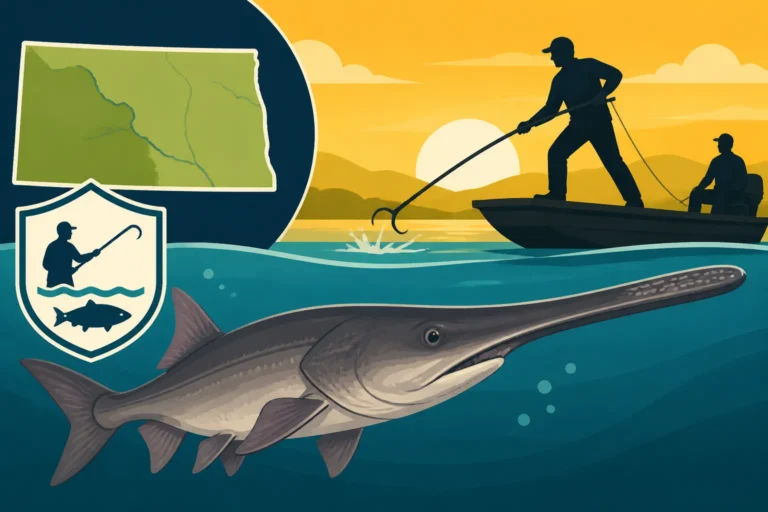
Beyond the FHF certificate, if you're pursuing specific game, you'll often need species-specific tags or stamps. For instance, hunting deer, elk, or turkeys usually requires drawing a tag in a lottery or purchasing a specific stamp. For anglers, while the general fishing license covers most species, there are niche situations like paddlefish snagging that require an additional tag. So, while the Combination License offers a broad base of privileges, always check the current North Dakota Fishing Season Dates and Limits and hunting proclamation for any special tags or federal stamps (like a federal duck stamp for waterfowl hunting) that are necessary for your specific pursuits. You wouldn't want to get caught without the right paperwork; understanding the Penalties for Fishing Without a License in North Dakota makes it clear why being prepared is so important.
Key Differences: Fishing License vs. Combination License
Let's get down to the brass tacks and really clarify the distinctions between these two license types. This is where most people face a decision point, so understanding the core differences in coverage, cost, and convenience is paramount.
Cost Comparison and Value
One of the first things people look at is the price tag. Is a Combination License truly a better value, or is it just more expensive? This really depends on your planned activities.
- Individual Fishing License: This is your most economical option if you only plan to fish. The North Dakota Fishing License Cost Guide shows that resident fishing licenses are significantly less expensive than nonresident options. For example, a resident annual fishing license might cost around $18, while a nonresident might pay closer to $48 for an annual license. If you're only going to fish a few times, options like a Nonresident 3-Day Fishing License in North Dakota or a Nonresident 10-Day Fishing License in North Dakota might be even more cost-effective.
- Combination Hunting License: This license will always be more expensive than a standalone fishing license because it includes hunting privileges. For residents, a basic Combination License might be in the range of $50-$60, which includes the FHF certificate and general fishing and small game hunting. Nonresident combination licenses are substantially more, often hundreds of dollars, especially if they include big game drawing applications. The value here comes if you would have purchased separate hunting licenses (like small game and a fishing license) anyway. In such cases, the combination often results in a net savings or at least consolidates the purchases.
Let's look at a simplified comparison table for typical resident annual costs (prices are illustrative and subject to change, always check the current NDGFD guide):
| License Type | Typical Resident Cost (Approx.) | Included Privileges | Ideal For |
|---|---|---|---|
| Annual Fishing License | $18 | General fishing for all legal species in public waters. | Anglers who only fish. |
| Annual Small Game License | $20 | Hunting small game (pheasant, grouse, rabbits, etc.). | Hunters who only pursue small game. |
| Annual Combination License | $55 | General fishing, small game hunting, and includes the Fishing, Hunting, Furbearer Certificate (FHF). | Residents who consistently enjoy both fishing and small game hunting. |
| FHF Certificate | $10 | Required annually for most fishing/hunting licenses, often included in combo licenses. Not a license itself. | Prerequisite for licenses, often bundled. |
As you can see, the question "Is a Combination License Cheaper Than Separate Licenses in North Dakota?" is often yes, if you intend to fish and hunt small game. If you only fish, the standalone fishing license is unequivocally cheaper.
Convenience and Flexibility
Beyond cost, convenience is a major factor.
- Individual Fishing License: It's simple, specific, and quick to acquire. You only pay for what you need. If your plans change and you decide not to hunt that year, you haven't overspent. You can easily get your North Dakota Fishing License Online Purchase Options or from a local vendor.
- Combination Hunting License: The main convenience here is having one piece of paper (or one digital record) that covers multiple activities. You don't have to remember to buy two different licenses. This can be particularly helpful for folks who travel a lot for their outdoor pursuits. However, it offers less flexibility if your hunting plans are uncertain. If you buy the combo but then don't hunt, you've essentially paid for privileges you didn't use. While it might simplify things like managing your North Dakota Fishing License Renewal Date, it bundles everything, so you don't get to pick and choose individual components beyond the initial purchase.
Specific Regulations and Restrictions
Both licenses require adherence to North Dakota's wildlife regulations, but the Combination License adds a layer of complexity due to the inclusion of hunting rules.
- Fishing License: You primarily need to be aware of fishing regulations – daily limits, size restrictions (like the North Dakota Northern Pike Daily Limit), legal methods, and seasonal closures for specific species or waters. You won't have to worry about hunter orange requirements or firearm transportation rules, for instance.
- Combination License: With this, you're responsible for understanding both fishing and hunting regulations. This means knowing the legal hunting hours, species-specific seasons, weapon restrictions, tagging requirements, and safety guidelines for hunting, in addition to all the fishing rules. It's a lot more information to keep track of, which can be overwhelming for someone new to hunting or someone who only hunts sporadically. Always consult the latest North Dakota Fishing Regulations Explained and the separate hunting proclamation.
Making the Right Choice for Your North Dakota Adventures
Deciding between a standard North Dakota Fishing License and a Combination Hunting License isn't just about saving a few bucks; it's about aligning your purchase with your actual outdoor plans and ensuring you're legally covered for every adventure you embark on. Thinking through your typical year on the prairies and lakes will help immensely.
Scenario-Based Decision Making
Let's walk through a few hypothetical scenarios to illustrate which license might be the best fit:
- Scenario 1: The Dedicated Angler
- You: Spend every spring, summer, and fall chasing walleye on Devils Lake, perch through the ice, and catfish on the Missouri River. You've never held a hunting rifle in your life and have no interest in doing so.
- Recommendation: A standalone North Dakota Fishing License is definitely your best bet. It’s the most cost-effective option, covering all your fishing needs without making you pay for hunting privileges you won't use. You'll still need to grab that annual The Fishing, Hunting, Furbearer Certificate Explained, but that's a small additional cost.
- Scenario 2: The Multi-Season Outdoors Enthusiast
- You: Love to fish for northern pike in the summer, but come fall, you're out chasing pheasants with your dog, and maybe even applied for a deer tag. You’re always looking for new outdoor experiences.
- Recommendation: The North Dakota Combination Hunting License is tailor-made for you. It simplifies your license management and will likely save you money compared to buying separate annual fishing and small game licenses. Remember, this doesn't automatically grant you big game tags, but it sets you up for applying and covers your small game hunting. You might also find great all-weather gear for both pursuits on sites like Amazon.
- Scenario 3: The Occasional Hunter/Fisher
- You: Primarily fish, maybe a few times a year, but every now and then a friend invites you on a pheasant hunt, and you might go once. Hunting isn't a regular passion, but you don't want to miss an opportunity.
- Recommendation: This is where it gets a little trickier. You'll need to weigh the cost. If you only hunt once or twice and buy a separate small game license for around $20 (resident), plus your fishing license for $18, that's $38. A combination license might be slightly more, around $55. In this case, buying separate might give you more flexibility. However, if that one hunt becomes two or three, the combination license quickly becomes more advantageous. For non-residents, the math changes significantly, and typically a combination license provides more upfront value if you plan on both. It's helpful to look at the specific costs listed in the North Dakota Fishing License Cost Guide for both options.
- Scenario 4: Introducing a New Family Member
- You: Want to take your 14-year-old nephew fishing, and he's also expressed interest in trying pheasant hunting later in the year.
- Recommendation: For the nephew, remember that Do Kids Need a Fishing License in North Dakota? typically they don't if they're under 16 for fishing. Hunting, however, usually has different age requirements and hunter education stipulations. For your own license, if you're accompanying him on both types of trips, a combination license for yourself would cover both activities while you mentor him.
Where to Find Up-to-Date Information
The regulations and license structures, while generally stable, can see adjustments from year to year. New rules might come into play, or there could be slight changes in fees. That's why your absolute best source for the most current and accurate information is always the North Dakota Game and Fish Department (NDGFD) official website.
They publish comprehensive guides annually, including the "North Dakota Fishing Proclamation" and the separate "North Dakota Hunting Guide." These documents are your bible for understanding what's legal, what's required, and what the current costs are for things like North Dakota Resident Fishing License Options or North Dakota Nonresident Fishing License Options. Don't rely solely on word-of-mouth or outdated websites. A quick search on the NDGFD site will ensure you're always operating with the latest details. While you can find essential gear for your trips on platforms like Amazon, regulatory information should always come directly from the source. It's better to spend a few minutes verifying online than to risk a fine or misunderstanding regulations out on the water or in the field.
Ultimately, whether you choose a straightforward fishing license or the more expansive combination license, the goal is the same: to enjoy North Dakota's incredible outdoors legally and responsibly. Happy fishing, and happy hunting!
Disclaimer
Please note that license fees, regulations, and requirements are subject to change by the North Dakota Game and Fish Department. While every effort has been made to provide accurate and current information in this guide, it is always the angler's and hunter's responsibility to consult the official North Dakota Game and Fish Department website or their latest printed proclamations for the most up-to-date and complete details before purchasing any license or engaging in fishing or hunting activities. This content is for informational purposes only and does not constitute legal advice.