Red River of the North Fishing Guide
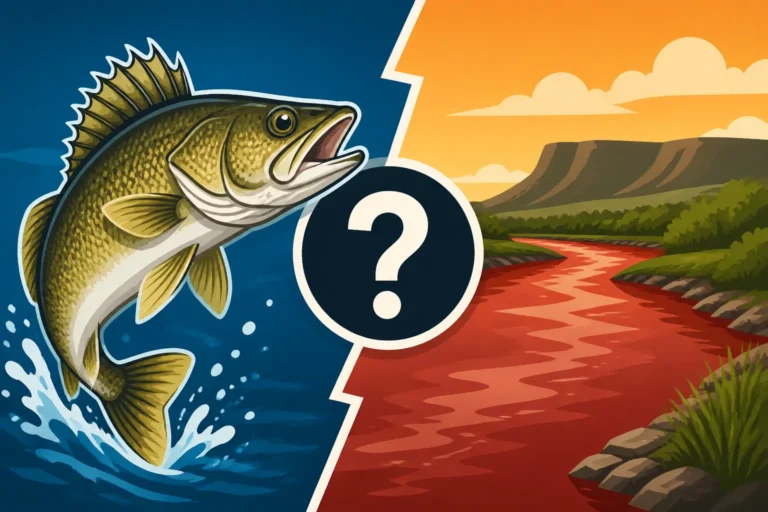
For many anglers, the Red River of the North can feel like a complete mystery. Its perpetually murky, chocolate-milk waters, slow current, and seemingly featureless banks present a stark contrast to the clear lakes and fast-flowing trout streams often found elsewhere. But don't let its humble appearance fool you; this river is an absolute powerhouse, especially for trophy-sized channel catfish, and holds some fantastic walleye and pike too. This comprehensive guide will unravel the secrets of fishing the Red River, helping you understand its unique environment, master the best techniques, and find success on its enigmatic waters.
Understanding the Red River of the North's Unique Ecosystem
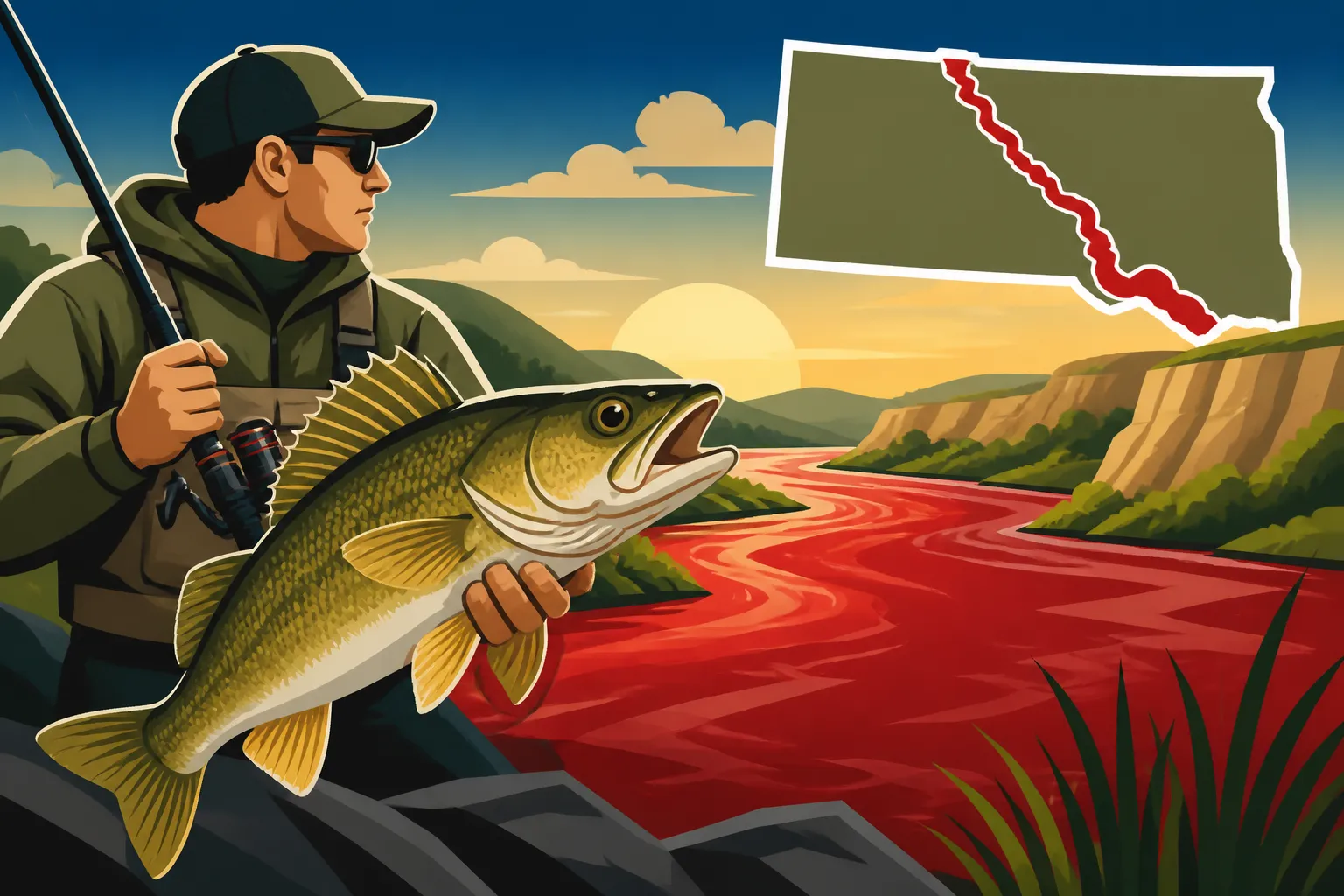
The Red River of the North isn't your typical fishing destination, and that's precisely what makes it so special. Stretching over 500 miles, forming the border between North Dakota and Minnesota, it carves a slow, meandering path through a fertile floodplain. Anglers coming from other parts of the country, or even from North Dakota's big lakes like Sakakawea or Devils Lake, often scratch their heads trying to figure it out. But once you understand its quirks, you'll appreciate its incredible productivity.
The River's Distinctive Characteristics
One of the first things you'll notice about the Red River is its color. It's not just a little stained; it's often a rich, dark brown, earning it the affectionate (or sometimes exasperated) nickname "The Chocolate River." This turbidity is a result of the incredibly rich, heavy clay soils of the Red River Valley, which readily suspend in the water, especially after heavy rains or during spring runoff. This dark water has a significant impact on fishing. Fish rely more on their sense of smell and lateral lines than sight, making scent-driven baits and presentations crucial. It also means that bright, contrasting colors on lures can sometimes be more effective if fish are able to visually track them at all in low light.
Another defining characteristic is the river's slow current. Unlike many rivers that cut deep, swift channels, the Red River meanders gently. Its gradient is incredibly subtle, dropping only about one foot per mile on average. This means that while there is current, it's often not as aggressive or as easy to read as on rivers like the Missouri. However, even subtle changes in current speed, particularly around bends, log jams, or bridge pilings, can create crucial holding areas for fish. The bottom composition is predominantly soft, silty clay, with very few natural rock formations or gravel bars. This lack of traditional hard structure means anglers need to redefine what they consider "structure" on the Red River, often focusing on subtle depth changes, submerged timber, and current breaks. This unique environment makes fishing it a specific challenge and a rewarding pursuit.
Key Fish Species That Thrive in the Red River
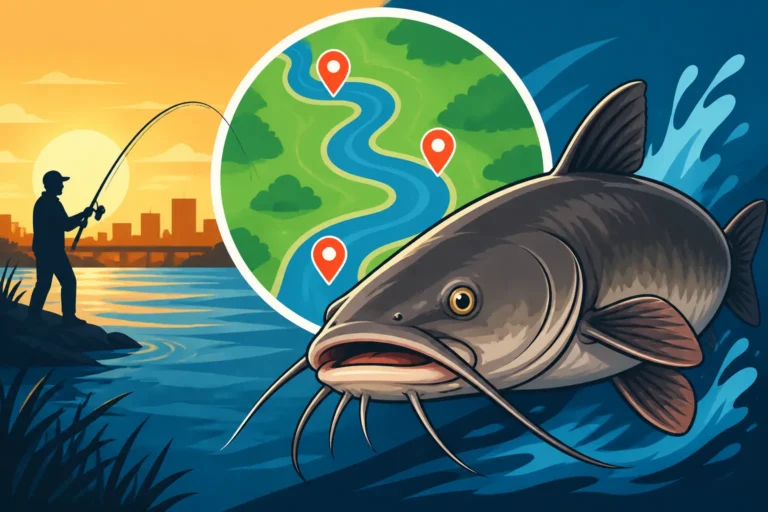
Given its unique characteristics, not all fish species thrive equally in the Red River. However, those that do, truly thrive, often reaching impressive sizes. The undisputed king of the Red River is the Channel Catfish. This river is world-renowned for its trophy channel cats, with many anglers landing fish over 10 pounds and true monsters exceeding 20 or even 30 pounds. The plentiful food sources, warm water, and ample cover make it an ideal habitat for them. They grow big and they grow fast here.
Beyond the magnificent catfish, the Red River also boasts excellent populations of other popular game fish. Northern Pike are quite common, especially in slower current areas, backwater sloughs, and around any submerged vegetation or timber. They are aggressive feeders and provide exciting action. Walleye and Sauger are also present, often found in deeper holes, current seams, and around areas where feeder creeks enter the main river. While they might not reach the sheer numbers or trophy sizes seen in some of North Dakota's larger lakes, dedicated anglers can certainly find consistent success targeting them. Finally, don't overlook the humble Freshwater Drum, often called "silver bass" or "sheephead." While not typically targeted by many, they are strong fighters and can provide unexpected fun, often biting on similar baits to catfish. Understanding the habits of these specific species is the first step to a successful outing on the Red.
Essential Gear for Red River Anglers
Fishing the Red River successfully, especially for its legendary channel catfish, requires some specialized gear. You wouldn't bring a butter knife to a steak dinner, and you shouldn't bring ultralight tackle to wrestle a 20-pound catfish in current. The river demands robust equipment that can handle strong fish, heavy weights, and the occasional snag.
Rods, Reels, and Line for the Big Cats and Pike
When it comes to catfishing on the Red River, think heavy-duty. Your rod should be a stout, medium-heavy to heavy action rod, typically 7 to 9 feet long. This length provides the leverage needed for long casts with heavy sinkers and the backbone to turn a large cat away from snags in the current. Brands like Ugly Stik, Berkley, or even specialized catfishing rods from Rippin Lips or Whisker Seeker are popular choices. For reels, a durable baitcasting reel with a strong drag system is paramount. Models like the Abu Garcia Ambassadeur series (like the 6500 or 7000) or heavy-duty Penn or Daiwa baitcasters are excellent. You'll need a reel that can hold a significant amount of line and withstand the punishing fights these big cats dish out.
As for line, braided line is the hands-down winner for Red River catfishing. Its lack of stretch provides superior sensitivity, allowing you to feel subtle bites even with a heavy sinker. More importantly, its incredible strength and abrasion resistance are crucial when fishing around snags and dealing with powerful fish. Opt for 30 to 50-pound test braided line, such as PowerPro, Sufix 832, or Berkley X9. Pair it with a 2 to 3-foot leader of 30 to 50-pound monofilament or fluorocarbon to provide some shock absorption and extra abrasion resistance right at the hook.
For Northern Pike, a slightly lighter but still robust setup works well. A medium-heavy spinning or baitcasting rod, around 6.5 to 7.5 feet, paired with a matching reel capable of holding 20 to 30-pound braided line, is ideal. You'll be casting larger lures, so a rod with a good casting weight range is beneficial. For walleye, a sensitive medium-light to medium power spinning rod with 8 to 15-pound braided line (or fluorocarbon) will give you the feel you need for lighter bites. Choosing the right fishing rods for North Dakota anglers can make all the difference, and on the Red River, that means prioritizing power and durability.
The Right Terminal Tackle and Baits
Once you have your rod and reel sorted, it's time to stock your tackle box for the Red River. For catfishing, your terminal tackle needs to be as tough as your main setup. You'll primarily be using a slip-sinker rig. This requires heavy bell or no-roll sinkers, typically ranging from 2 to 6 ounces, depending on the current conditions. You'll also need sturdy barrel swivels (size 1/0 to 3/0) to prevent line twist and connect your main line to your leader. For hooks, circle hooks are highly recommended. They are incredibly effective at hooking fish in the corner of the mouth, leading to fewer gut hooks and easier releases. Sizes 3/0 to 8/0 are standard, with bigger hooks for bigger baits and bigger fish. Remember, you're not going to catch a 20-pound cat on a tiny hook!
When it comes to bait for those monster Red River channel catfish, fresh is almost always best. Cut bait is king. Common choices include fresh goldeye (a native river fish), sucker, or shad. Cut these into chunks about 1-2 inches square, ensuring each piece has some skin to help keep it on the hook. Other effective baits include chicken livers (though they can be messy and fall off easily) and various stink baits or prepared baits like those from Sonny's or Sudden Impact, which can be useful when actively trying to locate fish. For an in-depth look, check out our guide on Catfish Bait Techniques for the Red River.
For walleye and pike, your lure selection will be more traditional. Jigs tipped with minnows or plastics (paddle tails, curly tails) in bright colors like chartreuse, orange, or white are effective for walleye, especially when fished near current breaks or deeper holes. Crankbaits, such as Rapala Shad Raps, Berkley Flicker Shads, or Salmo Hornets, in similar bright colors or natural baitfish patterns, can be trolled or cast. For pike, large spoons (like Daredevils or Five of Diamonds), spinnerbaits (particularly those with large blades), and swimbaits are excellent. These lures create significant vibration and flash, which can attract pike even in the murky water.
Mastering Red River Catfishing Techniques
The Red River's reputation as a world-class catfishery is well-earned, but it's not a place where you just blindly throw a line in and expect results. There's a definite art to consistently landing those colossal channel cats. It requires understanding their behavior, knowing where they hang out, and presenting your bait effectively in the unique river environment.
Identifying Prime Catfish Holding Water
Unlike a lake with clear weed lines, rock piles, or prominent depth contours, the Red River demands a different approach to "reading the water." For channel catfish, prime holding water is often about two main things: current breaks and cover. Catfish are ambush predators and opportunistic feeders, but they're also efficient. They won't expend excessive energy fighting the main current if they don't have to.
Look for areas where the main current is disrupted. This could be on the downstream side of a submerged log jam or large piece of timber. These areas create a slack-water eddy where catfish can rest out of the current while still having easy access to food washing downstream. Deep holes are another hot spot, particularly during hotter parts of the day or in cooler water temperatures. While the Red River generally isn't super deep, pockets of 15-25 feet can be significant. These are often found on the outside bends of the river, where the current naturally scours the bottom. Bridge pilings and other man-made structures also create excellent current breaks and offer cover. Finally, pay close attention to the mouths of feeder creeks or drainage ditches, especially after a rain event. These inflows can carry a surge of food and nutrients into the main river, attracting hungry catfish. Identifying Red River Catfish Fishing Spots in North Dakota often comes down to these subtle, yet crucial, features.
Effective Rigging and Bait Presentation
The go-to rig for Red River catfishing is the slip-sinker rig. Here's how it's typically set up: first, slide your heavy slip sinker (2-6 oz, depending on current) onto your main line. Next, tie on a sturdy barrel swivel. To the other end of the swivel, attach a 2 to 3-foot leader of strong monofilament or fluorocarbon (the same pound test as your main line, or slightly heavier for extra abrasion resistance). Finally, tie your circle hook to the end of the leader. The key benefit of the slip-sinker rig is that it allows the fish to pick up the bait and move off without immediately feeling the weight of the sinker, leading to more confident bites.
When presenting your bait, especially with cut bait, make sure your hook is exposed. Don't bury the barb; you want that circle hook to do its job. Cast your rig upstream of your target area and let it drift naturally into the holding water. Allow the sinker to settle on the bottom and keep a slight bend in your rod tip. The goal is to keep your bait stationary or slowly bouncing along the bottom in the strike zone. Given the murky water, you don't need to twitch or work the bait much; the scent is doing most of the work. When a fish bites, resist the urge to set the hook aggressively. Instead, simply reel down until your rod bends and the fish begins to pull away. The circle hook will usually set itself in the corner of the fish's mouth.
Night fishing is incredibly popular and often the most productive time for channel catfish on the Red River, especially during the warmer summer months. Catfish are naturally more active after dark, using their superior sense of smell and touch to hunt for food. Prepare with headlamps, glow sticks for your rod tips, and ensure you have all your gear organized before sunset. The Best Time of Year for Red River Catfish often highlights these prime night-time opportunities.
The Art of Bank Fishing and Boat Fishing
Both bank fishing and boat fishing can be incredibly productive on the Red River, each with its own advantages and challenges.
Bank Fishing: For many, bank fishing is the most accessible way to experience the Red River. You don't need a boat, just your gear and a good spot. Look for publicly accessible areas along city parks, bridges, or designated fishing access sites. The key to successful bank fishing is making long casts to reach deeper holes or current breaks further out in the river. Heavy weights are essential to hold your bait in place against the current. Many bank anglers use multiple rod holders, often sturdy PVC pipes driven into the ground, to fish several lines simultaneously. Make sure to check local regulations on How Many Lines Can You Fish With in North Dakota; typically, it's two lines per angler, but always confirm. Bank fishing also allows you to be nimble and move spots if one area isn't producing, but you're limited to areas with safe and legal access.
Boat Fishing: Fishing from a boat offers unparalleled access to prime catfish real estate that's unreachable from shore. However, the Red River's current, even if slow, can make boat positioning a challenge. The most effective boat fishing strategy often involves anchoring. You'll typically want to use a two-anchor system (one off the bow, one off the stern) to precisely position your boat and prevent it from swinging in the current. A stout anchor or even a couple of heavy window weights can be effective. Dropping your anchors upstream and maneuvering your boat back to your desired fishing spot allows you to present baits directly into current breaks or deep holes. A powerful bow-mount trolling motor, like a Minn Kota Terrova or Ulterra, can be invaluable for fine-tuning your position or briefly moving to re-cast. Navigating the Red can be tricky, as there are often submerged logs and debris. Use your depth finder to scout the bottom carefully. If you're new to the river or boat fishing, considering hiring a local guide (you can find many great options through FishingBooker) can significantly shorten your learning curve and put you on fish faster. For more detailed anchoring tips, consult our guide on How to Anchor a Boat on the Red River.
Targeting Walleye and Northern Pike in the Red River
While channel catfish reign supreme, the Red River also offers fantastic opportunities for walleye and northern pike. These species provide a different kind of angling challenge and can be just as rewarding, especially for those who enjoy a more active fishing style. Adapting your approach from lake fishing to the river's unique conditions is key to success.
Walleye Strategies for Murky Waters
Walleye in the Red River, much like their catfish cousins, will seek out current breaks and deeper areas. They don't want to fight the full force of the current all the time, preferring to position themselves just out of the main flow, waiting for food to wash by. Focus your efforts on the downside of bridge pilings, natural bends in the river that create deeper pockets, and particularly at the mouths of any feeder creeks. These creek mouths can create distinct current seams where the warmer or dirtier water from the creek mixes with the main river, often concentrating baitfish and, consequently, walleye.
Given the murky water, walleye in the Red River often rely on vibration and bright colors to locate their prey. Jigging is a highly effective technique. Use a 1/4 to 3/8 ounce jig head tipped with a live minnow, a soft plastic paddle tail, or a curly tail grub. Chartreuse, orange, bright green, and white are excellent color choices. Work your jig slowly along the bottom, employing a lift-and-drop retrieve. Pay close attention to subtle bites, as walleye can be notoriously light biters. Target areas with some current but not too much, as active feeding fish will use the current to their advantage without having to expend too much energy. Early morning and late evening, or even into the night, can be prime times for walleye activity, especially during the warmer months when they might retreat to deeper, cooler water during the day.
Trolling crankbaits can also be productive, particularly when trying to cover water and locate active fish. Use diving crankbaits that can get down to the 10-15 foot range, depending on the depth of the holes you're targeting. Again, bright, flashy colors or those with a strong rattling action can attract attention in the turbid water. Troll along current seams, the edges of deeper channels, or through established holes. Keep your trolling speed slow, typically 1.5 to 2.5 mph, to allow the lures to work effectively and give the walleye a chance to react.
Northern Pike Tactics and Locations
Northern Pike are aggressive predators, and the Red River provides them with ample habitat and food. Unlike walleye or catfish which often hug the bottom, pike are more prone to lurking in areas with cover where they can ambush prey. Look for slower current areas, backwater sloughs, oxbows, and any pockets of submerged vegetation (though extensive weed beds are less common on the Red than in some lakes). Areas with fallen trees or log jams are also prime spots, as pike will hide among the branches waiting for an unsuspecting meal.
Casting is the primary method for targeting pike on the Red River. Large spoons, such as the classic Daredevil or Five of Diamonds, in red and white, orange, or brass colors, are excellent choices. They provide plenty of flash and wobble, which can be seen and felt by pike in the murky water. Spinnerbaits with large, brightly colored blades (chartreuse, white, firetiger) are also highly effective, especially when worked along weed edges or through woody cover. The vibration they create is a strong attractor. Large swimbaits or lipless crankbaits can also draw aggressive strikes.
During cooler months, or in slower, deeper backwater areas, fishing a large dead bait (like a smelt or sucker minnow) under a bobber can be a deadly tactic for bigger pike. This passive approach allows the bait to sit in the strike zone for longer, appealing to less active or larger, more cautious pike. For specific regulations regarding pike, refer to the North Dakota Northern Pike Daily Limit on the Red River to ensure you're compliant with all rules for this border water. Always remember to use a stout wire leader when targeting pike; their razor-sharp teeth will easily sever monofilament or fluorocarbon.
Seasonal Fishing Patterns on the Red River
The Red River is a year-round fishery, but like any body of water, its productivity and the patterns of its fish change dramatically with the seasons. Understanding these shifts is crucial for maximizing your success, whether you're chasing trophy catfish, hungry walleye, or aggressive pike.
Spring Fishing Excitement
Spring on the Red River is a time of awakening and increased activity, particularly as the ice recedes and water temperatures begin to climb. The initial ice-out period can be challenging, with high, cold, and often muddy water from snowmelt. However, as the water levels stabilize and warm slightly, fish become more active. This is often an excellent time for walleye and northern pike. They move into shallower areas, often near the mouths of feeder creeks or in slower current, looking for warmer water and staging for their respective spawns. Jigging with minnows or casting bright crankbaits can be very effective during this period. The fish are often hungry after a long winter and willing to strike.
As spring progresses into late April and May, channel catfish also start to shake off their winter sluggishness. As water temperatures rise into the 50s and 60s Fahrenheit, their metabolism speeds up, and they begin to feed aggressively. Cut bait and chicken livers become increasingly effective. High water levels during spring can sometimes make finding clear access or reading the river challenging, but it also means more submerged cover for fish. Keep an eye on river gauges and local fishing reports to understand conditions, as spring can be a dynamic time on the Red River.
Summer's Abundance and Night Bites
Summer is the undisputed prime time for channel catfishing on the Red River. As water temperatures consistently hit the 70s and 80s, the catfish go into a feeding frenzy. This is when you'll find the most consistent action and the best chance at those truly monster cats. During the day, they might retreat to deeper holes or heavy cover, but come evening, they'll spread out and actively hunt. This is why night fishing for catfish is particularly popular and productive in the summer. The cooler night air, combined with the catfish's nocturnal feeding habits, makes for incredible angling. Stack up on fresh cut bait and prepare for a long night of exciting battles.
While catfish steal the show, summer still offers opportunities for other species. Walleye and sauger will typically move to deeper current breaks and holes during the heat of the day, becoming more active during low-light periods. Trolling crankbaits or jigging vertically in these deeper sections can still produce. Northern Pike will be found in areas with some shade or submerged cover, often in the slower-moving backwaters or where there's a slight increase in dissolved oxygen. Early mornings and late evenings are often the most productive for pike and walleye in summer, but those catfish will bite all night long. Just be prepared for the heat and, inevitably, the mosquitoes!
Fall Fishing Frenzy
As summer transitions into fall and water temperatures begin to drop, the Red River experiences another surge in fish activity. This is often referred to as the "fall feeding frenzy" or "pre-winter bite." Fish of all species know that winter is coming and instinctively begin to gorge themselves to build up fat reserves. This can lead to some truly exceptional fishing.
Channel catfish remain very active throughout the fall, often congregating in deeper holes or areas with stable current as the water cools. They'll readily take large cut baits, and you might even find that some of the biggest fish of the year are caught during this period. The cooler air temperatures make for much more comfortable fishing during the day compared to the summer heat, and the absence of mosquitoes is a welcome bonus.
Walleye and northern pike fishing can be outstanding in the fall. Walleye will often move shallower again during low-light periods, and aggressively feed. Trolling crankbaits or jigging minnows and plastics can be highly effective. Pike, too, become incredibly aggressive, targeting large baitfish. Casting large spoons, swimbaits, or spinnerbaits in areas with cover or near drop-offs can result in some impressive catches. The vibrant fall colors along the riverbanks also add a beautiful backdrop to your fishing adventures. This pre-winter bite continues until the water temperatures drop significantly, and the river eventually begins to freeze over, marking the beginning of the ice fishing season.
Navigating Regulations and Responsible Angling
Fishing on the Red River of the North comes with its own unique set of rules and responsibilities. Because it forms an international border (with Canada further north) and a state border (with Minnesota), understanding the specific regulations is paramount to avoid fines and ensure a sustainable fishery for everyone. Beyond the legal requirements, responsible angling practices are vital for preserving the river's health and its incredible fish populations.
North Dakota Red River Specific Rules
The most critical aspect of fishing the Red River is understanding the reciprocal fishing agreement with Minnesota. This agreement allows residents of either North Dakota or Minnesota to fish the main stem of the Red River, and its major tributaries up to the first road bridge, with a valid resident fishing license from their home state. For example, a North Dakota resident can fish the entire navigable Red River with just their North Dakota fishing license, even if they are casting into Minnesota waters from a boat or from a North Dakota bank. Similarly, a Minnesota resident can do the same with their Minnesota license.
However, there are crucial nuances. While the license itself is reciprocal, the fishing regulations (limits, length restrictions, seasons) for each state apply to their respective waters. This means if you are fishing on the North Dakota side of the river, you must abide by North Dakota's rules, and if you are on the Minnesota side, you must abide by Minnesota's rules, even if you only hold a license from the opposite state. This can get confusing, especially when drifting in a boat! The general advice is to consult both state's fishing proclamations or regulations booklets before heading out. For most anglers, simplifying this means understanding the common species limits and being prepared to abide by the more conservative regulation if unsure. Our comprehensive guide on North Dakota Fishing Regulations Explained provides further details on the state's general rules, and for specific border water details, check out Reciprocal Fishing Rules on the Red River Border Waters. Nonresidents will need to obtain a North Dakota fishing license if fishing North Dakota waters, or a Minnesota license for Minnesota waters.
Always carry your valid North Dakota Fishing License Guide with you, whether in physical form or digitally, as game wardens frequently patrol these waters. Be aware of the regulations on How Many Lines Can You Fish With in North Dakota, as this can vary by state and specific water body. Always check the current fishing proclamation for the most up-to-date information, as rules can change.
Conservation and Aquatic Nuisance Species Prevention
Being a good steward of the Red River means more than just following the rules; it means actively participating in conservation efforts, especially preventing the spread of Aquatic Nuisance Species (ANS). The Red River is connected to a vast network of waterways, and preventing the spread of invasives like zebra mussels, Eurasian watermilfoil, or carp is paramount.
The core principle for boaters is Clean, Drain, Dry:
- Clean: Inspect your boat, trailer, and all fishing gear. Remove any visible plants, animals, or mud before leaving the access site. This includes pulling plugs, opening live wells, and looking in every nook and cranny.
- Drain: Drain all water from your boat, including the bilge, livewell, and bait buckets, before leaving the access area. Never transport water from one body of water to another.
- Dry: Allow your boat, trailer, and gear to thoroughly dry for at least 5 days (or longer in cool, humid conditions) before using it in a different body of water. If you can't dry it, wash it with high-pressure, hot water.
Always dispose of unused bait in the trash, not back into the river or at the access site. Transporting live bait purchased outside of North Dakota, or moving baitfish between different waters within the state, has strict rules, so familiarize yourself with them. Our guide on Aquatic Nuisance Species Rules for Boaters delves deeper into these critical practices.
Finally, consider practicing catch and release for some of the Red River's trophy fish, particularly the larger channel catfish. While catfish are excellent table fare, the biggest, oldest fish are vital for maintaining the health and genetics of the population. Take a quick photo, ensure the fish is handled carefully with wet hands, and release it gently to fight another day. By being responsible and informed, you contribute to ensuring the Red River remains a legendary fishery for generations to come.
| Species | Primary Habitat (Red River) | Best Baits/Lures | Peak Season | Key Techniques |
|---|---|---|---|---|
| Channel Catfish | Deep holes, current breaks, log jams, outside bends | Cut bait (goldeye, sucker), chicken livers, stink baits | Summer, Fall | Slip-sinker rig, bottom fishing, night fishing |
| Northern Pike | Slower current areas, backwater sloughs, submerged timber | Large spoons, spinnerbaits, swimbaits, dead bait | Spring, Fall | Casting, slow trolling |
| Walleye | Current seams, deeper holes, feeder creek mouths | Jigs (minnows/plastics), crankbaits | Spring, Fall | Jigging, slow trolling, bottom bouncing |
| Sauger | Deeper channels, swift current breaks, below dams (if applicable) | Jigs (minnows), small crankbaits | Spring, Fall | Vertical jigging, slow trolling |
| Freshwater Drum | Throughout the river, similar to catfish habitat | Worms, cut bait, small jigs | Summer | Bottom fishing |
Disclaimer
Always check the latest North Dakota Fishing Proclamation for the most current regulations before heading out on the water. Fishing rules and conditions can change frequently. This guide is for informational purposes only and does not constitute legal advice.