Red River Catfish Spots Near Fargo
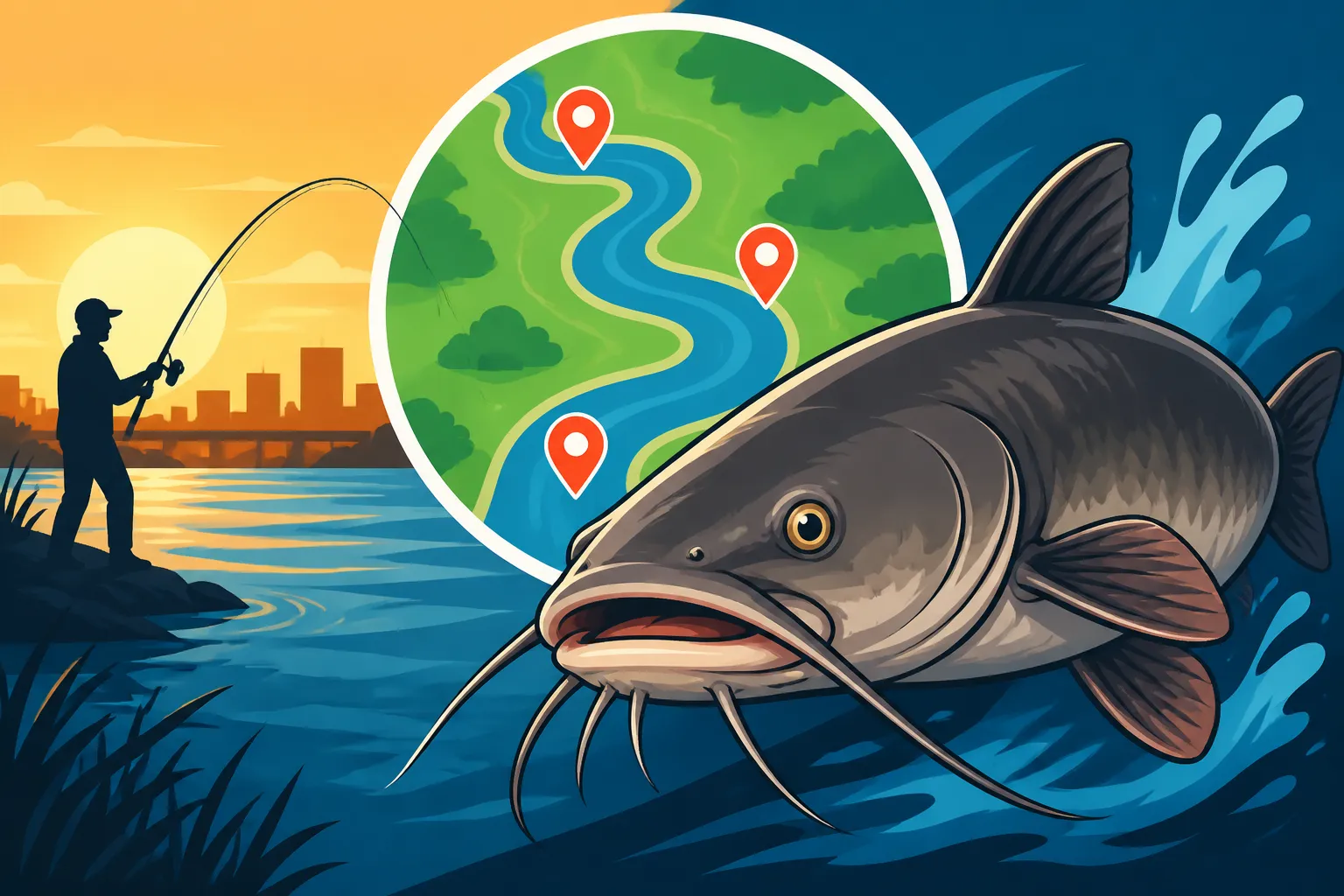
There's nothing quite like the thrill of feeling a giant channel catfish hit your line, especially when you're casting on the mighty Red River near Fargo. But let's be honest, finding those prime, whiskered monsters isn't always as simple as just dropping a line anywhere. The Red River is a beast of its own, with its murky waters and often subtle clues about where the big ones are lurking. This guide is all about cutting through that uncertainty, pinpointing the best spots and strategies for landing those trophy catfish right in your backyard, or at least, a short drive from Fargo.
Understanding the Red River for Catfishing
The Red River of the North is an absolute powerhouse when it comes to channel catfish. It’s not your typical clear-water river; its unique characteristics are precisely what make it such a phenomenal fishery for these bottom-dwelling giants. Before we dive into specific spots, let’s get a feel for what makes this river tick.
Unique Characteristics of the Red River
First off, the Red River is famously known for its slow flow and muddy, nutrient-rich waters. It winds its way north through a wide, flat valley, a remnant of ancient Lake Agassiz. This geological history means the riverbed is primarily composed of soft, silty clay, with very little rock or gravel. While this might seem counterintuitive for a good fishery, it's actually a huge advantage for channel catfish. The soft bottom allows for easy burrowing and foraging, and the rich nutrients support an incredible forage base, from smaller baitfish to aquatic invertebrates. The low visibility of the water means catfish rely heavily on their sense of smell and their super-sensitive barbels to find food, making scent-laden baits incredibly effective.
The slow current, particularly in the wider sections and deeper bends near Fargo, creates ideal conditions for catfish to conserve energy. They don't have to fight a strong current constantly, allowing them to grow larger and healthier. However, don't let the "slow" fool you completely; there are still significant current breaks and eddies, especially around obstructions, which are key areas where catfish will hold. You'll often find submerged trees, old logs, and even forgotten farm equipment on the river bottom, creating fantastic ambush points and shelter. These snags can be a challenge for anglers, but they are also magnets for big fish.
Prime Catfish Habitat in the Fargo Area
When you're targeting Red River channel catfish, you need to think like a catfish. What are they looking for? Mostly, it boils down to food, shelter, and current breaks. In the Fargo stretch of the Red River, these elements combine in a few key habitat types. Deeper holes, often found on the outside bends of the river, are classic holding areas. These holes can range from 15 to 30 feet deep, providing cooler water and a refuge from predators and strong currents. You'll often find them just downstream of significant turns in the river, where the faster water has scoured out the bottom over time.
Log jams and submerged timber are another absolute goldmine for catfish. These natural structures provide excellent cover, making them perfect ambush points for passing baitfish and offering a sense of security for larger cats. While they can be a pain for snagging gear, learning to fish these areas effectively is crucial for consistent success. Bridge pilings, like those found under the many bridges crossing the Red River in the Fargo-Moorhead area, create artificial structure and current breaks. The upstream side of a piling will often create an eddy, a calm spot where fish can rest, while the downstream side can be an ideal feeding zone as baitfish are swept past. Similarly, the mouths of feeder creeks, even small culverts, can be excellent spots, especially after a rain, as they flush in new food sources and create subtle current changes.
Top Red River Catfish Spots Near Fargo
Now that we understand what makes the Red River so good for catfish, let's talk about specific areas right around Fargo that consistently produce excellent results. Whether you're a bank angler or prefer to hit the water in a boat, there are fantastic options available.
Public Access Points with Proven Success
One of the most popular and accessible spots for Red River catfishing right in Fargo is Lindenwood Park. This beautiful park offers ample shore fishing opportunities with multiple access points along the riverbank. You can find deeper holes and current seams here, especially near any submerged timber or bends in the river. It's a great place to fish with the family, and you can often see other anglers pulling in impressive catfish. Just upstream from Lindenwood, or sometimes accessible via the same trail system, is Dike East. This area also offers good shore access and some deeper pockets of water where catfish congregate. It’s less busy than Lindenwood on some days, offering a bit more solitude.
Across the river in Moorhead, Minnesota, Gooseberry Park is another fantastic choice that's easily accessible from Fargo. This park boasts excellent bank access and fishing piers that extend over deeper water. The confluence of Gooseberry Creek with the Red River here can be a particularly productive area, especially after heavy rains wash nutrients into the main river. Many anglers have success casting cut bait into the deeper channels and letting it sit on the bottom. For those with boats, there are several public boat launches conveniently located along the Red River, allowing you to explore more stretches. The boat ramp at Lindenwood Park on the North Dakota side is popular, as is the one further north at Manstrom Park. These launches give you the freedom to target those elusive mid-river log jams and deeper holes that are inaccessible from shore. If you're looking to explore new sections or need some local intel, services like FishingBooker can connect you with experienced Red River catfish guides who know these waters inside and out.
Identifying Productive River Features
While specific parks offer good general access, truly successful Red River catfishing involves understanding how to read the river and identify those subtle features that scream "catfish!" It's not just about being in a certain park; it's about casting your line into the right kind of water within that park. Always look for the outside bends of the river. As the river carves its path, the fastest current will typically be on the outside of a bend, scouring out deeper water. These deep troughs are prime resting and feeding areas for big channel cats. The transition from shallow flats to deeper holes is often where you'll find them waiting in ambush.
Another critical feature to identify is current breaks. These can be natural, like a large log jam or a fallen tree, or man-made, such as bridge pilings or even large boulders. Catfish don't want to fight the current constantly. They'll position themselves just out of the main flow, in an eddy or calm pocket, where they can dart out to grab food being swept by. Observe the water surface for subtle swirls or calmer patches of water amidst the main current – these are often indicators of a current break beneath the surface. If you're fishing from a boat, a good depth finder is invaluable for spotting these deeper holes and submerged structures. For bank anglers, observing the current, casting near visible obstructions, and experimenting with different depths can lead to discovering these hidden gems. Understanding the seasonal movements of fish is also important, as covered in our guide on the Best Time of Year for Red River Catfish.
Essential Techniques and Gear for Red River Catfishing
Successfully hooking into those Red River behemoths isn't just about finding the right spot; it's also about employing the right techniques and having the appropriate gear. The Red River's unique characteristics demand a certain approach.
Best Baits and Rigs for Red River Catfish
When it comes to bait on the Red River, scent is king. The murky water means visual appeal takes a back seat to a strong, natural odor that catfish can detect with their powerful sense of smell. Cut bait is hands-down one of the most effective options. Popular choices include local rough fish like sucker or goldeye, shad, or even smaller portions of carp. The key is to use fresh, oily pieces that release a strong scent trail in the water. Chicken livers are another classic, though they can be messy and tend to fall off the hook easily; however, their potent smell is undeniable. Store-bought stink baits, particularly those designed for channel catfish, can also be very effective, especially when packed into a bait holder rig. Finally, good old nightcrawlers or large chunks of earthworms can work, especially for smaller cats, but for the trophy-sized fish, cut bait usually reigns supreme. Our guide on the Best Bait for Channel Catfish in North Dakota delves deeper into these options.
For rigging, the most common and effective setup is a simple slip-sinker rig, often referred to as a Carolina rig variation in other fisheries. This rig allows the catfish to pick up the bait and move off without feeling the resistance of the sinker immediately, leading to a better hookset. You'll typically use a barrel swivel, a leader of 12-24 inches, and a stout circle hook. Circle hooks are highly recommended because they are self-setting and drastically reduce gut-hooking, making for healthier releases. For the Red River, a 5/0 to 8/0 circle hook is a good starting point, depending on the size of your bait and target fish. The sinker size will vary based on current; you’ll need enough weight (2-6 ounces is common) to hold your bait on the bottom without it being swept away. For areas with heavy snags, a three-way rig can also be effective, allowing you to use a lighter leader for the sinker, so if it snags, you only lose the weight, not your entire rig. Knowing How to Rig Cut Bait for Catfish will definitely improve your success rate.
Rods, Reels, and Terminal Tackle Recommendations
Battling a 20-pound-plus channel catfish in the Red River requires robust gear. You’re not just fighting the fish; you’re often fighting the current and potential snags as well. For rods, look for medium-heavy to heavy action rods, typically 7 to 9 feet in length. These longer rods provide better casting distance for heavy weights and offer the leverage needed to control powerful fish. Brands like Ugly Stik or Penn offer excellent durability and backbone for this kind of fishing without breaking the bank. For reels, a durable baitcasting reel with a reliable, smooth drag system is often preferred by experienced catfishermen. Models from brands like Abu Garcia (e.g., Ambassadeur series) or Penn are popular choices. A large spinning reel can also work, especially for bank fishing, but ensure it has a high line capacity and a strong drag. Our recommendations on the Best Rod Setup for Red River Catfish can provide more specific guidance.
Line choice is critical. Due to the snags and the sheer power of Red River cats, you’ll want to spool up with heavy monofilament or braided line. Many anglers opt for 30 to 60-pound test braided line because of its superior strength, sensitivity, and resistance to abrasion. If you prefer mono, go for a high-quality, abrasion-resistant line in the 20 to 30-pound test range. Remember, the Red River isn't known for clear water, so line visibility isn't as much of a concern as strength. Beyond rods, reels, and line, ensure you have plenty of heavy sinkers (pyramid or no-roll sinkers are good choices for current), strong swivels, and a selection of circle hooks. A sturdy pair of pliers for hook removal and a large landing net are also essential. If you’re targeting truly massive fish, a set of heavy-duty gloves can protect your hands while handling them.
| Spot Name | Access Type | Key Features for Catfish | Best For |
|---|---|---|---|
| Lindenwood Park | Shore/Boat | Deeper holes, river bends, occasional snags | Families, Bank & Boat |
| Dike East | Shore | Deeper pockets, calm current breaks | Bank Anglers |
| Gooseberry Park | Shore/Piers | Creek confluence, fishing piers, deeper water | Bank Anglers |
| Manstrom Park Boat Launch | Boat | Access to mid-river structure, log jams | Boaters |
| Outside River Bends | Shore/Boat | Deepest channels, strong current breaks | Trophy Hunters |
| Bridge Pilings | Shore/Boat | Eddies, current seams, artificial structure | All Anglers |
Navigating the Red River and Safety Considerations
Fishing the Red River for its legendary catfish can be an incredibly rewarding experience, but like any major waterway, it comes with its own set of rules and safety considerations. Being prepared and respectful of the river ensures a great outing for everyone.
Boating and Access Logistics
If you're planning to explore the Red River by boat, the Fargo-Moorhead area offers several convenient public boat launches. As mentioned, the boat ramp at Lindenwood Park is popular on the North Dakota side, while Manstrom Park to the north provides another excellent option for getting on the water. On the Minnesota side, particularly in Moorhead, you'll also find various public access points. It's crucial to be aware of the North Dakota Boat Registration Requirements, and if you're bringing an out-of-state vessel, understand the rules for Registering an Out-of-State Boat in North Dakota. Fluctuating water levels can sometimes affect ramp accessibility, so it's always a good idea to check local conditions before heading out.
Navigating the Red River requires attention, especially given its meandering nature and the presence of submerged debris. While the current is generally slow, it can pick up significantly after heavy rains or during spring runoff. Always be on the lookout for floating logs or other hazards. Furthermore, since the Red River forms the border between North Dakota and Minnesota, understanding the Reciprocal Fishing Rules on the Red River Border Waters is absolutely essential. Generally, a valid fishing license from either North Dakota or Minnesota allows you to fish the shared waters of the Red River, but it’s always wise to confirm the most current regulations. This flexibility means you can launch from Fargo and fish both sides of the river without needing two separate licenses. Before hitting the water, make sure you know Do You Need a Fishing License to Fish in North Dakota?
Safety Tips for Red River Anglers
Safety should always be your top priority when fishing any body of water, and the Red River is no exception. For boaters, wearing a life jacket is not just a good idea, it's often legally required, especially for children. Even if you're bank fishing, especially in areas with steep or slippery banks, wearing a personal flotation device can provide extra peace of mind. The Red River's muddy banks can be treacherous after rain, so wear appropriate footwear with good traction.
Weather can change rapidly in North Dakota, so always check the forecast before you go and be prepared for sudden shifts in temperature or incoming storms. If you're out in a boat, keep an eye on the sky and be ready to seek shelter if lightning or strong winds develop. When you hook into a large channel catfish, they are powerful fighters. Always use caution when handling them, especially when removing hooks. Heavy-duty gloves can prevent cuts from their sharp pectoral fins, and a large landing net will help you safely bring the fish aboard or to shore for a quick photo before release. It’s also a good practice to communicate your fishing plans to someone, especially if you're fishing alone. Let them know where you're going and when you expect to be back. Finally, always practice good stewardship: pack out everything you pack in, and leave the Red River cleaner than you found it. Respecting the How Many Catfish Can You Keep in North Dakota? limits is also part of being a responsible angler.
Disclaimer: Fishing regulations and conditions on the Red River can change. Always consult the latest North Dakota Game and Fish Department (NDGFD) and Minnesota Department of Natural Resources (MNDNR) regulations before heading out. This guide is for informational purposes only and does not constitute legal advice.