Best Fishing Spots on the North Dakota-Minnesota Border
Navigating the unique fishing opportunities along the North Dakota-Minnesota border can sometimes feel like a puzzle, especially with the intertwining regulations and diverse waters. Anglers often struggle to understand where they can legally cast a line and what species they might encounter in these shared waterways. This comprehensive guide aims to untangle those complexities, highlighting the premier fishing spots on the border and providing the crucial information you need for a successful and enjoyable trip.
Navigating the Unique Waters of the North Dakota-Minnesota Border
The boundary between North Dakota and Minnesota isn't just a line on a map; it's a dynamic zone of rivers and lakes that offer some truly exceptional fishing. However, these shared waters come with their own set of rules, and understanding them is the first step to a stress-free day on the water. Many anglers get a bit anxious about inadvertently breaking a rule, and that's completely understandable when dealing with two state jurisdictions.
Understanding Reciprocal Fishing Agreements
One of the best things about fishing these border waters is the existence of reciprocal agreements between North Dakota and Minnesota. What this means, in simple terms, is that a valid fishing license from either state often allows you to legally fish in certain designated shared waters. This is a huge relief for many, as it avoids the need to buy two licenses just to cross a theoretical line in the water. For instance, the renowned Red River of the North, which forms a significant portion of this border, is a prime example of such an agreement.
However, and this is where it gets a little tricky, while your license might be valid, the regulations for bag limits, size restrictions, and specific seasons can sometimes differ. It’s absolutely critical to confirm whether you follow the rules of the state where you purchased your license, or if there's a specific joint proclamation that supersedes individual state rules for that particular body of water. My advice, seasoned anglers will tell you, is always to check the most current regulations from both states for any specific water body before you head out. You can find detailed information about these agreements in resources like the North Dakota Fishing Regulations Explained or even explore specific agreements like the Reciprocal Fishing Rules on the Red River Border Waters or general Fishing License Rules for Border Waters With Minnesota. Don't just assume; a quick check can save you a lot of headache (and potential fines).
Key Rivers and Lakes Defining the Border
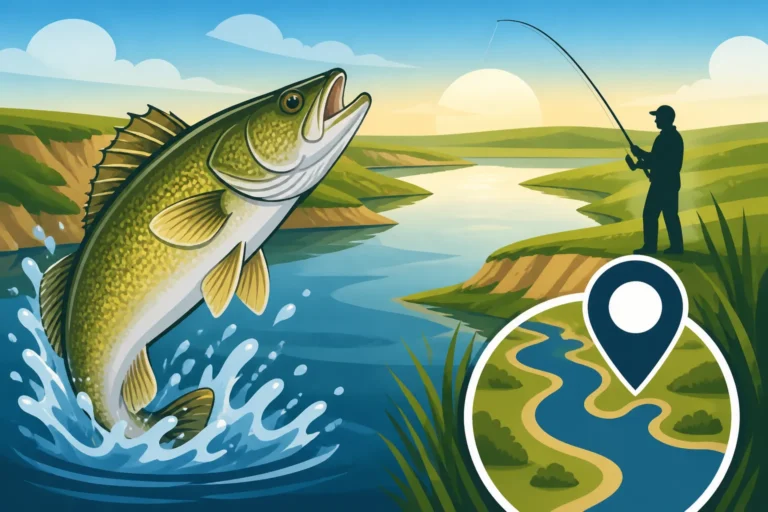
When we talk about the North Dakota-Minnesota border for fishing, a couple of major waterways immediately come to mind. The most prominent, without a doubt, is the mighty Red River of the North. This river flows northward, creating a natural boundary for hundreds of miles. Its slow, meandering currents and often murky waters hold some incredible fishing secrets, particularly for trophy catfish.
Further south, the Bois de Sioux River also forms a portion of the border, eventually leading into Lake Traverse. These interconnected waters offer a different kind of fishing experience, often appealing to anglers targeting walleye and northern pike. While these are the big players, don't overlook smaller, unnamed tributaries or even drainage ditches that occasionally form parts of this dynamic border. Each offers its own unique charm and fishing opportunities, sometimes providing a peaceful escape from more crowded spots.
Prime Border Water Fishing Destinations
Now that we’ve cleared up the administrative side of things, let’s dive into the exciting part: where to actually drop a line! The border waters are brimming with potential, offering diverse species and fishing experiences.
The Legendary Red River of the North
If there's one body of water that epitomizes border fishing between North Dakota and Minnesota, it’s the Red River of the North. This river has gained international fame, not for its pristine, clear waters (which it definitely isn't), but for its phenomenal channel catfish fishery. Anglers flock here from all over to tangle with whisker fish that regularly push into the double digits, with genuine trophy catfish over 20 pounds not uncommon. The Red River is a true gem for catfishing, offering a legitimate chance at a personal best.
While catfish are the undisputed kings, the Red River also holds good populations of walleye, northern pike, and even some sauger. For catfishing, bottom rigging with cut bait, prepared "stink" baits, or even worms is the go-to technique. The key is to find deeper holes, current seams, and areas with structure like submerged logs or bridge pilings. Popular access points can be found in cities like Grand Forks or in the Fargo-Moorhead area, but many smaller towns along the river also offer great launch points. You can discover some excellent spots by looking into Red River Catfish Fishing Spots in North Dakota or checking out Red River Fishing Access Near Grand Forks. If you’re serious about landing a monster, consider booking a trip with a local guide through platforms like FishingBooker; they know the river’s nuances better than anyone and can put you right on the fish.
Engaging the Walleye and Pike of Lake Traverse (Bois de Sioux River)
Heading to the southern end of the North Dakota-Minnesota border, you'll find Lake Traverse, which is connected to the Bois de Sioux River. This area presents a different angling adventure compared to the Red River. Here, the focus shifts more towards walleye and northern pike, although panfish and bass are also present. Lake Traverse offers a more traditional lake fishing experience, with various depths and structures that appeal to these popular game fish.
Anglers targeting walleye on Lake Traverse often have success trolling crankbaits along contours or jigging over submerged humps and points. For northern pike, casting spoons, large spinnerbaits, or even larger crankbaits near weed lines or rocky points can be incredibly effective. The Bois de Sioux River itself, while smaller, can also hold some surprising pockets of fish, especially during migration periods. Remember that the Fishing License Rules on the Bois de Sioux River are part of the reciprocal agreement, making it convenient for anglers from both states.
Exploring Other Border Water Opportunities
Beyond the big names, there are numerous smaller creeks, lakes, and river sections that make up the North Dakota-Minnesota border. These less-pressured waters can offer fantastic fishing for a variety of species, from panfish like crappie and bluegill to smaller populations of smallmouth bass in certain rocky stretches. These often require a bit more exploration and local intel, but the reward can be a quiet day of fishing without the crowds.
Sometimes, the best spots aren't widely advertised. This is where getting truly local information comes in handy. You might find a hidden gem by talking to bait shop owners or exploring satellite maps. And again, if you’re looking for those truly obscure spots or specific local insights, checking FishingBooker for guides who specialize in those particular smaller waters can be a game-changer. These guides often fish areas that casual anglers might overlook, opening up unique opportunities for a memorable trip.
Essential Gear and Techniques for Border Fishing
Successfully fishing the North Dakota-Minnesota border waters requires a thoughtful approach to your gear and an understanding of the best techniques for each season and species. It's not a one-size-fits-all situation, and being prepared for different scenarios will greatly enhance your success.
Tackle Considerations for Diverse Species
Given the range of species available in these border waters, your tackle box should be relatively diverse.
For the Red River's renowned channel catfish, you'll want a heavy-action rod (7-9 feet in length) paired with a sturdy baitcasting or spinning reel spooled with 30-50 pound braided line. Strong circle hooks (3/0 to 7/0) and slip sinker rigs are essential for presenting cut bait or prepared baits effectively on the bottom. Heavy weights, often 2-4 ounces, are needed to combat the river's current. If you're looking for more details on this, you might find a comprehensive North Dakota Channel Catfish Fishing Guide helpful.
When targeting walleye in Lake Traverse or the Red River, a medium-light to medium-action spinning rod (6'6" to 7'6") with 8-10 pound monofilament or fluorocarbon line is usually ideal. Your tackle box should include various jigging lures (jig heads with soft plastics or live bait), slip bobber setups for presenting minnows or leeches, and a selection of crankbaits for trolling. For a broader overview of what works across the state, consider reading up on Best Fishing Tackle for North Dakota Lakes.
Northern pike require a bit more heft. A medium-heavy to heavy-action rod (6'6" to 7'6") with 15-30 pound braided line and a steel leader is crucial to prevent bite-offs. Spoons, large spinnerbaits, and substantial crankbaits are go-to lures. Don't forget long-nosed pliers for hook removal; pike have very sharp teeth! When it comes to the crucial element of what to put on your hook, a guide to the Best Bait for North Dakota Fishing will give you excellent insights.
Seasonal Approaches and Best Practices
The fishing experience on the border waters can change dramatically with the seasons.
- Spring (Ice-out through May): This is a fantastic time for walleye and northern pike as they become very active after ice-out and move into shallower areas to spawn or feed aggressively. Catfish will also start to become active, with pre-spawn fish offering strong fights. Focus on river bends, creek mouths, and warming shallow flats.
- Summer (June through August): This is prime time for Red River catfishing, especially with the warmer water temperatures. Night fishing for catfish becomes incredibly effective. Walleye might move deeper, often requiring trolling or fishing deeper structures. Pike will generally be found around weed edges or drop-offs.
- Fall (September through November): Many anglers consider fall to be one of the best times for walleye and pike, as they go on aggressive feeding binges in preparation for winter. Fish tend to move shallower again, and colder water makes them incredibly hard fighters. The crowds also thin out, offering a more peaceful experience. For more on this, check out the North Dakota Fall Fishing Guide.
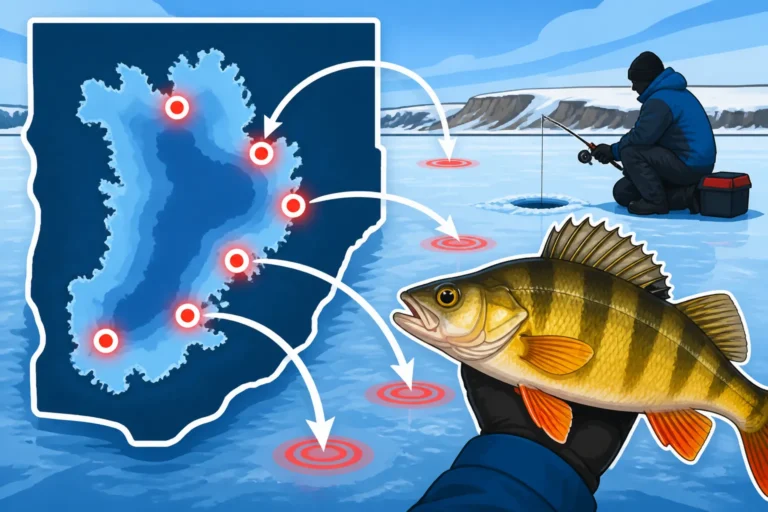
- Winter (December through March): While much of the Red River can freeze over, the current often makes ice conditions unpredictable and dangerous. Lake Traverse, however, can offer excellent ice fishing opportunities for walleye, northern pike, and panfish if ice conditions are safe and regulations permit. Always prioritize safety on the ice.
When fishing the Red River, understanding how current affects fish location and bait presentation is key. On Lake Traverse, understanding depth contours and weed bed locations will be more important. If you’re unsure about seasonal patterns or specific techniques, especially in areas you’re unfamiliar with, a seasoned local guide found on FishingBooker can provide invaluable real-time advice and put you on the fish.
Safety, Regulations, and Conservation on Border Waters
Fishing these shared waters is a privilege, and it comes with the responsibility of understanding the rules and practicing good stewardship. Nobody wants a fun day on the water ruined by a misunderstanding of the law or, worse, by an unsafe situation.
Staying Compliant with Dual State Regulations
As we touched on earlier, while a fishing license from either North Dakota or Minnesota is generally honored on designated reciprocal waters like the Red River and Bois de Sioux River/Lake Traverse, the specifics of which state's fishing regulations you need to follow can be confusing. For most reciprocal agreements, you typically follow the regulations (bag limits, size restrictions, season dates) of the state from which you purchased your fishing license. However, there can be exceptions, and certain joint proclamations might apply.
For example, if you have a North Dakota fishing license and are fishing the Red River, you would generally adhere to North Dakota's walleye limits and catfish limits. But if you were to venture into a non-reciprocal body of water wholly within Minnesota, you would, of course, need a Minnesota license and follow Minnesota's rules. This distinction is paramount! Always, and I mean always, consult the most current North Dakota Game and Fish Department Proclamation or the Minnesota Department of Natural Resources Fishing Regulations handbook before you head out. These resources will clarify all the nuances, including North Dakota Fishing License Guide details and specific reciprocal agreements. It’s always better to be over-informed than under-informed when it comes to the law.
Practicing Responsible Angling
Beyond just legal compliance, being a responsible angler is crucial for preserving these precious resources for future generations.
- Catch and Release: For certain species, especially larger trophy fish like the massive Red River catfish or big northern pike, practicing catch and release can help maintain healthy populations. If you plan to release a fish, handle it gently, minimize its time out of water, and use appropriate tools like de-hookers.
- Aquatic Nuisance Species (ANS) Prevention: This is a huge concern in all shared waters. Invasive species like zebra mussels or Eurasian watermilfoil can devastate ecosystems. Always remember to "Clean, Drain, Dry" your boat, trailer, and all fishing gear after leaving any body of water. This means cleaning off any weeds or mud, draining all water from your boat (livewells, bilge, bait buckets), and thoroughly drying everything before launching into another lake or river. Understanding Aquatic Nuisance Species Rules for Boaters is not just a suggestion, it's a vital responsibility.
- Respect Public and Private Property: Always be mindful of property lines. Most of the Red River has public access points, but landowners’ rights must be respected. Use designated boat ramps and access points, and if you’re fishing from shore, ensure you are on public land or have permission from the landowner.
- Dispose of Waste Properly: Pack out everything you pack in. This includes old fishing line, bait containers, and any other trash. Leaving garbage behind spoils the natural beauty of the area for everyone and can be harmful to wildlife.
By adhering to regulations and practicing ethical angling, we can all contribute to the health and longevity of the incredible fishing opportunities found on the North Dakota-Minnesota border.
| Border Water | Primary Target Species | Best Techniques | Key Considerations |
|---|---|---|---|
| Red River of the North | Channel Catfish, Walleye, Northern Pike | Bottom rigging (catfish), Jigging, Trolling | Renowned for trophy catfish; often turbid water; strong current; reciprocal agreement |
| Lake Traverse (Bois de Sioux River) | Walleye, Northern Pike, Panfish | Trolling, Jigging, Casting | More traditional lake fishing; less current; good for diverse species; reciprocal agreement |
| Smaller Tributaries/Lakes | Panfish, Bass, Smaller Pike | Varied (Jigging, Casting, Live Bait) | Less pressured; requires local knowledge; regulations can be more localized |
Disclaimer
Please remember that fishing regulations, conditions, and specific access points can change. Always consult the most current North Dakota Game and Fish Department and Minnesota Department of Natural Resources regulations and local advisories before planning your fishing trip. This guide is for informational purposes only.