Red River Fishing Access Near Grand Forks
Anglers often struggle to find reliable, detailed information on where to effectively access the Red River, especially around Grand Forks, which can be frustrating when you just want to get your line in the water. This comprehensive guide is designed to cut through the confusion, providing you with all the essential details on prime fishing spots, boat launches, shore access, and crucial tips for a successful fishing adventure on this incredible border water.
Understanding the Red River Fishery Near Grand Forks
The Red River of the North, often simply called the Red River, presents a truly unique fishing experience. Unlike the clear, sprawling lakes found elsewhere in North Dakota, this river is a distinct environment that demands a specific approach from anglers. Understanding its characteristics is the first step toward a rewarding day on the water, particularly when exploring the numerous opportunities around Grand Forks.
Unique Characteristics of the Red River
The Red River is famously known for its muddy, slow-moving waters and its unusual northward flow, eventually emptying into Lake Winnipeg in Manitoba, Canada. This distinct hydrology, coupled with a largely soft, silty bottom and banks prone to erosion, creates a fishing environment far different from the rocky structures of Lake Sakakawea or the flooded timber of Devils Lake. Anglers often express frustration with the seemingly featureless stretches, but beneath the turbid surface, a vibrant ecosystem thrives, especially for certain species perfectly adapted to these conditions.
Its status as a border river between North Dakota and Minnesota adds another layer of complexity and opportunity. Reciprocal fishing rules mean that with the proper licensing from either state, anglers can fish the main stem of the river, which is a huge advantage for residents on both sides. However, understanding these rules is critical to avoid accidental violations, as daily limits and specific regulations can sometimes vary from inland waters. The river's generally consistent depth and slow current, especially in wider sections, influence how fish move and where they hold, often concentrating them in subtle depressions or near current breaks.
For many, the initial challenge of the Red River is its lack of "pretty" water. It’s not a clear-water fishery where you can spot fish or structure easily. This means relying heavily on electronics for depth, current speed, and bottom contours, or simply honing your feel for the bottom when shore fishing. The silty bottom means snags aren't always rocks or trees, but sometimes just heavy mud or debris, making heavy tackle a common choice. But once you crack the code, the rewards, particularly in terms of trophy-sized catfish, are well worth the effort.
Why Grand Forks is a Prime Fishing Hub
Grand Forks holds a strategic position along the Red River, making it an undeniable hub for anglers looking to explore this unique waterway. Situated near the confluence of the Red River and the Red Lake River, it offers diverse fishing scenarios, from the broader main stem to the more confined waters of its tributary. This convergence creates varied current patterns and potential holding areas for fish, increasing your chances of a good bite.
Beyond its natural geography, Grand Forks provides an excellent infrastructure that supports fishing excursions. You'll find a wide array of amenities, including several well-stocked bait and tackle shops like Scheels, gas stations with essential supplies, and numerous lodging options ranging from hotels to campgrounds within the Red River State Park in East Grand Forks. This makes it a convenient base camp for anglers, whether you're planning a day trip or an extended fishing vacation.
What truly elevates Grand Forks as a prime fishing destination is the robust and knowledgeable local angling community. Many seasoned Red River veterans are happy to share insights, bait recommendations, and even general areas to explore, especially when you frequent local shops or access points. You might even find opportunities to connect with professional guides through platforms like FishingBooker, who specialize in navigating these waters and putting clients on big fish, particularly the legendary channel catfish. Their expertise can transform a frustrating trip into a memorable one, teaching you the nuances of this distinctive river system.
Key Boat and Shoreline Access Points
Accessing the Red River, especially in a bustling area like Grand Forks, can sometimes feel daunting. However, the region offers a variety of well-maintained public boat ramps and extensive shoreline access, ensuring that both boat anglers and those who prefer to fish from the bank have ample opportunities. Knowing where to launch your boat or set up your chair can make all the difference in your fishing success.
Public Boat Ramps and Launches
For boaters looking to explore the Red River's depths, Grand Forks offers several convenient public boat ramps. One of the most popular is the Riverside Park Boat Ramp, located right in Grand Forks on the North Dakota side. This is a paved, easily accessible ramp with ample parking and usually decent maneuverability, though it can get quite busy, especially on weekends or during peak fishing seasons. It provides direct access to a well-fished section of the river known for its strong current and potential for large catfish and walleye. Just remember to ensure your boat is properly registered, following the guidelines laid out in the North Dakota Boat Registration Requirements.
Another excellent option is the Laframboise Park boat ramp, situated slightly south of the main Grand Forks area. This ramp typically offers a less crowded experience and can provide access to calmer stretches of the river, which might be preferable for smaller boats or those new to river current. While perhaps not as polished as Riverside Park, it serves as a reliable entry point, often yielding good catches of pike and catfish closer to shore. Parking is usually adequate, and you'll find it's a favorite among local anglers looking for a slightly more relaxed launch.
Across the river in East Grand Forks, Minnesota, the Red River State Park also features a public boat launch. This is a full-service park, meaning you might encounter entrance fees, but in return, you get well-maintained facilities, restrooms, and often less congestion on the ramp itself. The state park launch is particularly good for those bringing campers or looking for a family-friendly experience, as it combines fishing with other recreational activities. When using any of these ramps, always be mindful of the current; it can be stronger than it looks, especially after heavy rains, and require careful boat handling.
Dedicated Shore Fishing Spots
If you prefer to keep your feet on solid ground, Grand Forks doesn't disappoint. The city and its surroundings offer numerous fantastic locations for shore fishing. Lincoln Park, located along the riverfront in Grand Forks, is a superb choice for families and casual anglers. With easy parking, walking paths, and often a few picnic tables, it's comfortable and accessible. While you might not land a state record here, it’s a great spot for panfish, smaller catfish, and even the occasional walleye, offering a relaxing environment to cast a line. The concrete banks can be steep in places, so always exercise caution, especially with kids.
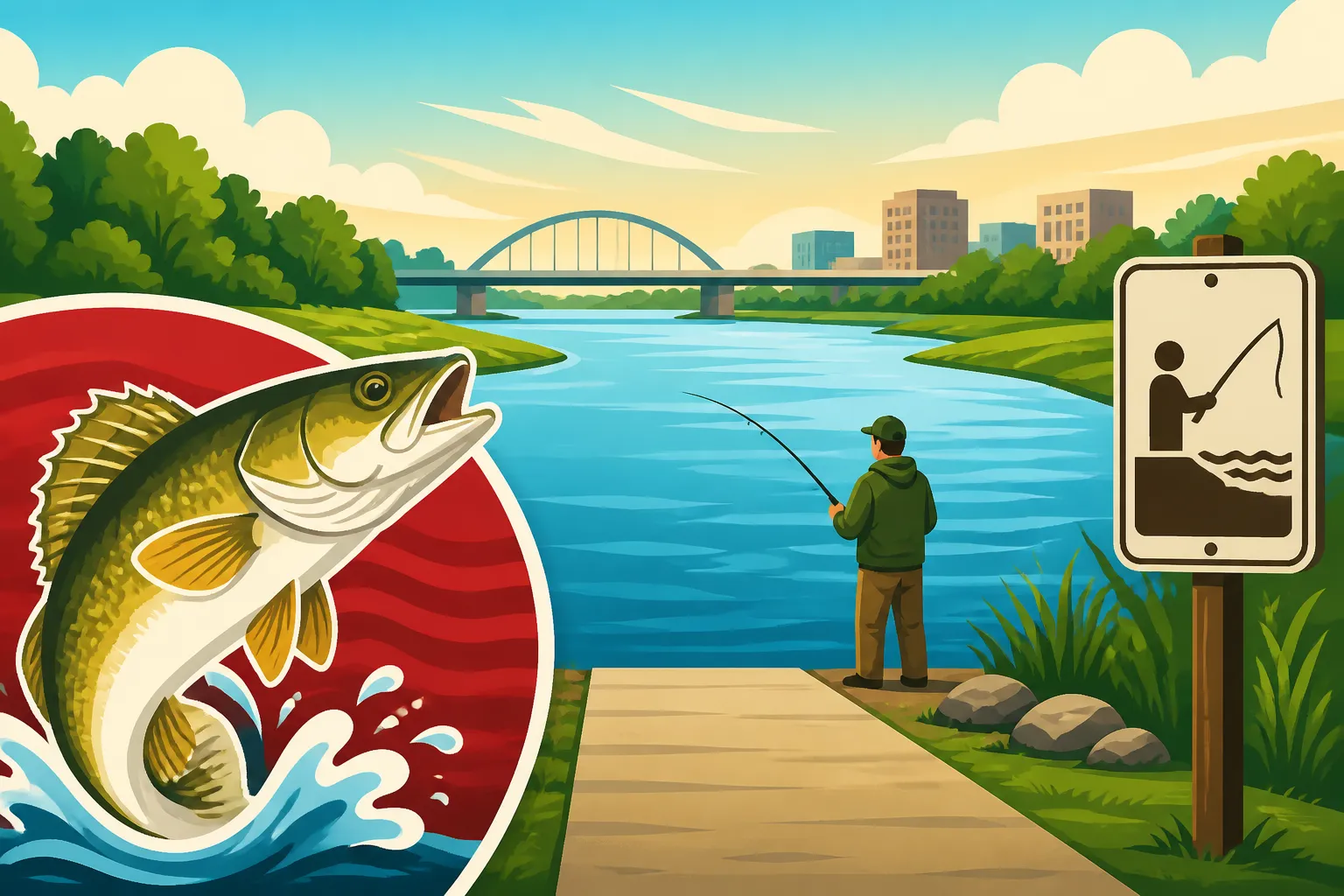
Another prime location for shore anglers is the area around the Sorlie Bridge, which connects downtown Grand Forks and East Grand Forks. While the immediate bridge area might be busy, the banks just upstream and downstream offer excellent fishing opportunities. The bridge structure itself creates current breaks and eddies that can hold fish, making it a good target for casting. You'll often see anglers here using heavy sinkers to keep their bait on the bottom in the stronger currents. It's a more urban fishing experience, but it’s remarkably productive.
Beyond these specific parks, many smaller, unnamed pull-offs and public land access points exist along both sides of the river, particularly as you move away from the immediate city center. These spots might require a bit more exploring but can reward you with solitude and undisturbed fishing. Always respect private property signs and be mindful of your surroundings. Remember that even when fishing from shore, a valid North Dakota Fishing License Guide (or Minnesota license if fishing from that side) is required on this reciprocal border water.
Exploring the Greenway Trail System
One of Grand Forks' greatest assets for outdoor enthusiasts, and particularly for anglers, is its extensive Greenway Trail system. This network of paved and unpaved paths stretches for miles along both the North Dakota and Minnesota banks of the Red River, transforming former flood zones into accessible recreational areas. For shore anglers, the Greenway is an absolute goldmine, offering unparalleled access to a vast array of fishing spots that would otherwise be difficult or impossible to reach.
The beauty of the Greenway is its sheer length and variety. From bustling urban sections that are perfect for a quick evening cast after work to more secluded, tree-lined stretches that feel a world away from the city, there's a spot for every preference. You can bike or walk along the trails, scouting for promising eddies, submerged logs (where present), or current seams that might indicate holding areas for fish. This mobility allows anglers to cover a lot of water and adapt to changing conditions or bites, without the need for a boat.
Using the Greenway effectively often involves a bit of exploration. Start by identifying sections that are less crowded or have good bank access to the water's edge. Many anglers find success by focusing on areas where smaller creeks or drainage ditches enter the main river, as these can create subtle current changes and bring in forage. While walking, keep an eye out for signs of fish activity, like jumping minnows or surfacing fish, which can hint at a productive spot. The accessibility of the Greenway makes it an ideal choice for a casual afternoon of fishing, or for those who simply want to enjoy the river environment while still having a good chance at a catch.
Top Fish Species and When to Target Them
The Red River near Grand Forks might be a distinctive fishery, but it’s certainly not lacking in angling opportunities. While the river is synonymous with one particular species, a variety of game fish call these waters home, offering diverse challenges and rewards throughout the year. Knowing what to target and when to do it is key to maximizing your success.
Channel Catfish – The Red River's Royalty
Without a doubt, the undisputed king of the Red River near Grand Forks is the Channel Catfish. These powerful, whiskered fighters thrive in the river's turbid, nutrient-rich waters and grow to truly impressive sizes, often exceeding 10, 20, and even 30 pounds. Landing a trophy Red River cat is a bucket-list item for many anglers, known for their tenacious fights and delicious, flaky white meat. For an in-depth look at specific productive areas, you might want to check out Red River Catfish Fishing Spots in North Dakota.
The peak season for channel catfish typically runs from late spring through late fall. As water temperatures rise in May and June, catfish become increasingly active, feeding aggressively. The summer months, particularly July and August, are prime time, especially during low-light conditions, overcast days, or even better, at night. Many dedicated catfishermen swear by night fishing, as the biggest fish often move into shallower feeding grounds under the cover of darkness. Don't be surprised to hear stories of successful trips immediately following a significant rain event, as the increased flow can stir up forage and make catfish go on a feeding frenzy.
When it comes to bait and techniques, simplicity often reigns supreme. Heavy-duty tackle is a must to handle these strong fish and the river's current. A common setup involves a slip-sinker rig with a large hook, baited with cut bait (like suckers, goldeye, or shad), chicken liver, or various commercial stink baits. Fishing these baits directly on the bottom, often anchored heavily to prevent them from washing downstream, is the most effective method. While some guides and serious anglers can be found through resources like FishingBooker, offering specialized Red River catfishing trips, mastering this fundamental approach will get you far. Be prepared for a strong fight, and make sure your drag is set correctly!
Walleye and Northern Pike Opportunities
While the catfish often steal the spotlight, the Red River near Grand Forks also offers exciting opportunities for walleye and northern pike. These predatory fish, though perhaps not as numerous as in some of North Dakota's expansive lakes, are definitely present and can provide a thrilling fight. Knowing their habits in this unique river environment is crucial for success. For more comprehensive insights into these species, our guides on North Dakota Walleye Fishing Guide and North Dakota Northern Pike Fishing Guide offer a broader understanding.
Walleye in the Red River tend to be found in areas with slightly cleaner water, often near the mouths of tributaries like the Red Lake River or in deeper holes and current breaks. Spring is a particularly good time to target them, as they move upstream to spawn, concentrating in certain areas before dispersing. During summer, they might retreat to cooler, deeper sections of the river, often becoming more active during low-light hours. Look for subtle changes in bottom contour or any structure that might break the current, offering them a place to ambush prey.
Northern pike, on the other hand, are more often found in slower-moving sections, backwater eddies, or areas with some form of submerged vegetation – though dense weeds are less common in the Red River's main stem. They are aggressive predators that will readily strike a variety of lures. Similar to walleye, spring can be productive as they emerge from their winter haunts. Throughout the open water season, casting large spoons, spinnerbaits, or swimbaits near any potential cover can entice a strike. Both species offer a fantastic challenge for anglers accustomed to lake fishing, forcing them to adapt their techniques to the river's currents and characteristics.
Panfish and Other Game Fish
Beyond the celebrated catfish, walleye, and pike, the Red River fishery near Grand Forks offers a surprising array of other species that can provide consistent action, particularly for casual anglers or those fishing with children. Freshwater drum, often called "sheepshead," are incredibly common and put up a surprisingly strong fight on light tackle, making them a fun target. While not always sought after for table fare, they are numerous and readily bite a variety of baits.
You'll also find goldeye, a shimmering, bony fish known for its aggressive strikes and decent fighting ability, often used as cut bait for larger catfish. Various species of suckers are abundant, providing natural forage for predators and occasionally taking a bait themselves. While less common, crappie and white bass can sometimes be found, especially in calmer backwaters or where clearer tributaries enter the main river. These species typically prefer some submerged structure, which can be scarce but worth seeking out.
The beauty of these "other" species is that they contribute to the Red River's year-round potential for diverse catches. Even when the bite for a specific game fish is slow, there's usually something willing to bite, making it an excellent destination for continuous action. For younger anglers, catching a steady stream of smaller fish like drum or goldeye can be incredibly exciting and help foster a lifelong love for fishing. Just remember to verify specific daily limits, as these can vary even for panfish, though generally they are quite liberal.
Essential Techniques and Gear for Red River Success
Fishing the Red River presents unique challenges that require specific techniques and gear. Its strong currents, turbid water, and often featureless bottom mean that what works on a quiet lake might not translate here. Mastering these specific approaches and having the right equipment will dramatically increase your chances of success, especially when targeting the river's prized catfish.
Mastering Current and Structure (or Lack Thereof)
The Red River's consistent, often strong current is perhaps its most defining characteristic, and mastering it is paramount for successful fishing. For boat anglers, anchoring is a critical skill. You'll need a heavy anchor, sometimes two, to hold your position against the flow, especially when targeting specific holes or current breaks. Positioning your boat upstream of your desired fishing zone and letting your lines drift back into the strike zone is a common tactic. Pay close attention to current seams and eddies, which are often subtle but can concentrate baitfish and, consequently, predatory species.
Unlike many lakes, the Red River doesn't boast extensive rock piles, submerged timber, or dramatic depth changes. Its bottom is primarily soft mud and silt. This "lack of structure" can be frustrating, but it means you need to hone your senses to identify the subtle features that do exist. Look for scour holes where the current has dug out deeper depressions, or areas where debris has accumulated, creating a current break. These subtle differences, sometimes just a foot or two in depth change, can be fish magnets. Using a quality fish finder is invaluable for identifying these elusive spots.
To combat the current and keep your bait on the bottom where most Red River fish feed, heavy sinkers are non-negotiable. Many anglers use pyramid or flat 'no-roll' sinkers ranging from 3 to 8 ounces, depending on current strength. The goal is to get your bait down quickly and keep it stationary. A robust rod and reel setup capable of handling these heavier weights and the powerful strikes of a Red River catfish is essential. It's not uncommon for anglers to lose tackle to snags in the bottom, so bringing extra hooks and weights is always a good idea.
Bait and Lure Strategies that Work
Choosing the right bait and understanding its presentation is crucial for success on the Red River, particularly given its turbid water where scent plays a more significant role than sight. For the dominant channel catfish, cut bait reigns supreme. Freshly cut pieces of oily fish like suckers, goldeye, or even shad (if available) are incredibly effective due to their strong scent trail. Many anglers also have success with chicken liver, shrimp, and various commercial stink baits designed for catfish. The key is to use a bait that emits a strong odor and can withstand the current without washing off too quickly. When considering your bait options, don't forget to review our comprehensive guide on Best Bait for North Dakota Fishing for broader insights.
Presentation for catfish typically involves a simple but effective slip-sinker rig. This allows the fish to pick up the bait and run with minimal resistance before the hook set. A heavy sinker slides freely on the main line above a swivel, which is tied to a leader (often 12-24 inches) and a sturdy circle hook. This setup minimizes snags while ensuring the bait stays firmly on the bottom.
For walleye and northern pike, adapting to the turbid water means favoring lures that create strong vibrations and have bright, contrasting colors. For walleye, jigs tipped with minnows or plastics (chartreuse, orange, or white are often good choices) worked slowly along the bottom can be effective. Trolling crankbaits that dive to appropriate depths, especially those with rattles, can also trigger strikes. For pike, large spinnerbaits, spoons (silver, gold, or bright colors), and swimbaits cast into slower eddies or along current breaks are excellent choices. Many anglers find that exploring what local guides or bait shops, perhaps even those listed on FishingBooker, recommend can give you a significant advantage, as they have direct, up-to-date knowledge of what's currently working on the river. Also, remember to consult How Many Lines Can You Fish With in North Dakota? to ensure you're fishing legally.
Understanding Reciprocal Regulations and Permits
Fishing the Red River near Grand Forks comes with a unique regulatory landscape due to its status as a border water between North Dakota and Minnesota. It's absolutely crucial for anglers to understand the reciprocal fishing rules to avoid any unwelcome encounters with game wardens. In general, if you possess a valid fishing license from either North Dakota or Minnesota, you are permitted to fish the main stem of the Red River. This convenience is a huge benefit for anglers in the region, but it doesn't mean all rules are identical. Our guide on Reciprocal Fishing Rules on the Red River Border Waters provides a detailed breakdown of these agreements.
While a license from either state allows you to fish, you must adhere to the regulations (season dates, size limits, daily possession limits) of the state in which you are licensed. This can get a little tricky, especially for species like walleye or northern pike, where limits might differ slightly between the two states. For example, specific regulations for walleye, as outlined in the North Dakota Walleye Size Limit Rules, may vary from Minnesota's. Therefore, it's wise to carry a copy of your chosen state's fishing proclamation or regulations booklet.
Beyond the general license requirements, pay close attention to species-specific limits for the Red River. Channel catfish, for instance, often have very generous daily and possession limits on the Red River compared to inland lakes, reflecting their abundance. Be sure to check the current North Dakota Catfish Limit Rules and North Dakota Northern Pike Daily Limit on the Red River before heading out. Ignorance of the law is not an excuse, and penalties for fishing without a license or exceeding limits can be steep. A quick review of the North Dakota Fishing Regulations Explained can save you a lot of grief and ensure your trip is not only productive but also compliant.
Planning Your Red River Fishing Adventure
A successful fishing trip to the Red River near Grand Forks involves more than just knowing where to cast your line; it's about preparation. From choosing the optimal time to visit to understanding local services and, most importantly, prioritizing safety, a well-planned adventure will be far more enjoyable and productive.
Best Times and Conditions to Visit
Timing is everything when it comes to fishing the Red River. While some species can be caught year-round, certain seasons offer significantly better opportunities for specific fish. For the Red River's iconic channel catfish, the sweet spot is from late spring through fall, typically May through October. As water temperatures rise into the 60s and 70s Fahrenheit, catfish become highly active, feeding aggressively. Summer evenings and nights are particularly productive, as the biggest cats often move into shallower areas to feed under the cover of darkness. Don't discount fall either; as water cools, catfish feed heavily to bulk up for winter, often providing fantastic action.
Beyond the calendar, understanding environmental conditions is paramount. Water levels and clarity significantly influence fishing success. After heavy rains, the river can rise quickly and become extremely turbid, which can either stimulate a catfish bite (due to stirred-up food) or slow it down depending on severity. Conversely, during drier periods, water levels might drop, potentially concentrating fish in deeper channels and slightly improving clarity. Always check local river gauges and weather forecasts before your trip. Strong winds can make boat control challenging and even dangerous, so plan accordingly for typical North Dakota conditions, which can change rapidly.
Optimal current speed also plays a role. Catfish often prefer a moderate current that brings food to them without forcing them to expend too much energy. Learning to "read the water" – identifying subtle eddies, current breaks, and slack water areas – will become a crucial skill. These spots are often overlooked but can hold significant numbers of fish. While you can certainly catch fish outside of these optimal times, focusing your efforts during the best windows will greatly increase your chances of a memorable Red River experience.
Accommodations, Guides, and Local Services
Grand Forks is a full-service city, meaning anglers have a wide array of options when it comes to accommodations and local services. For those seeking comfort after a long day on the water, numerous hotels and motels are available throughout the city, catering to various budgets. If you prefer a more rustic experience or are traveling with an RV, the Red River State Park in East Grand Forks offers excellent camping facilities with easy access to the river. There are also private campgrounds in the surrounding area if the state park is full.
When it comes to gear and bait, Grand Forks has you covered. Scheels All Sports is a major retailer where you can find everything from rods, reels, and specialized Red River tackle to live bait and fishing licenses. Smaller, local bait shops or gas stations might also carry essential bait and tackle, often with the added bonus of up-to-date local fishing reports and advice from the staff. Don't be shy about asking what baits are currently working best; local knowledge is invaluable on the Red River.
For those new to the Red River or looking to maximize their chances of a trophy catch, hiring a local fishing guide is an excellent investment. These experienced professionals know the river's nuances, where the fish are holding, and what baits and techniques are most effective at any given time. Platforms like FishingBooker are fantastic resources for finding reputable, licensed guides who specialize in Red River fishing. They can provide all the necessary equipment and expertise, ensuring a safe and productive day on the water. This can be especially beneficial for targeting specific species like the Red River's legendary channel catfish, helping you learn the ropes faster than going it alone.
Safety First on the Red River
While fishing the Red River can be incredibly rewarding, it’s also a powerful, unpredictable waterway that demands respect and adherence to safety protocols. The strong, often unseen currents are a significant hazard, especially for boaters. Always wear your life jacket, or at least have it readily accessible, and ensure all passengers, particularly children, are wearing theirs. State laws often mandate life jacket use for specific age groups, and adhering to North Dakota Boat Registration Requirements includes having all necessary safety equipment on board.
Boat traffic, especially during peak seasons, can also be a factor. The Red River is used by various vessels, from fishing boats to recreational craft, so maintaining situational awareness is critical. Navigate cautiously, especially in narrower sections or around blind bends, and always obey navigation rules. Submerged hazards like logs, debris from past floods, or shifting sandbars can appear without warning, posing a threat to propellors and hulls. It’s always a good practice to check local conditions and recent reports before launching, especially after heavy rains that might bring new debris downstream.
For shore anglers, safety means being mindful of slippery or steep banks, especially after rain or during periods of high water. Be cautious when casting to avoid entanglement with overhead lines or fellow anglers. If fishing at night, carry a reliable light source and inform someone of your plans. The Red River can be an incredible place to fish, but a little common sense and preparation for potential hazards will ensure your adventure is not only successful but also safe for everyone involved.
Red River Fishing Access Points Near Grand Forks Table
To help you visualize your options and plan your trip, here's a quick overview of some key fishing access points on the Red River near Grand Forks:
| Access Point | Type | Primary Target Species | Amenities & Features | Notes |
|---|---|---|---|---|
| Riverside Park Boat Ramp | Boat, Shore | Catfish, Walleye | Paved ramp, ample parking, restrooms | High traffic, strong current, popular for serious anglers. |
| Laframboise Park | Boat, Shore | Catfish, Pike | Gravel ramp, parking, picnic area | Less crowded, calmer water sections, good for smaller boats. |
| Red River State Park | Boat, Shore | Catfish, Walleye, Pike | Paved ramp, camping, restrooms, picnic | Located in East Grand Forks (MN), fee may apply, family-friendly. |
| Lincoln Park | Shore | Catfish, Panfish | Walking paths, playground, restrooms | Excellent for families, easy access, urban setting. |
| Greenway Trail System | Shore | Catfish, Pike, Drum | Miles of accessible bank, various access | Offers seclusion in some areas, great for exploring new spots. |
| Sorlie Bridge Area | Shore | Catfish, Walleye | Urban access, nearby parking, restaurants | Current breaks around bridge structure, often productive, busy area. |
Disclaimer
The information provided in this guide is for general informational purposes only. Fishing regulations, conditions, and access points can change. Always consult the official North Dakota Game and Fish Department regulations and local advisories before planning your fishing trip to ensure compliance and safety. This content does not constitute legal advice.