North Dakota Northern Pike Fishing Guide
There's a special thrill that comes with chasing North Dakota's apex freshwater predator: the Northern Pike. These aggressive, toothy giants can be incredibly frustrating to locate and entice, especially when they seem to vanish or only strike at your lure with a half-hearted swipe. This comprehensive guide is dedicated to helping you unravel the mysteries of pike fishing, from understanding their habits to mastering the techniques that consistently put these magnificent fish in your boat or on the ice, ensuring your next trip is filled with success rather than disappointment.
Understanding the North Dakota Northern Pike
Northern Pike are truly iconic in North Dakota, a species that embodies the wild spirit of our waters. They're powerful, voracious, and can grow to impressive sizes, making them a favorite target for many anglers, whether you're new to the sport or a seasoned veteran. Getting to know them, what they look like, and how they behave is the first step to consistently finding and catching them.
Identifying a North Dakota Northern Pike
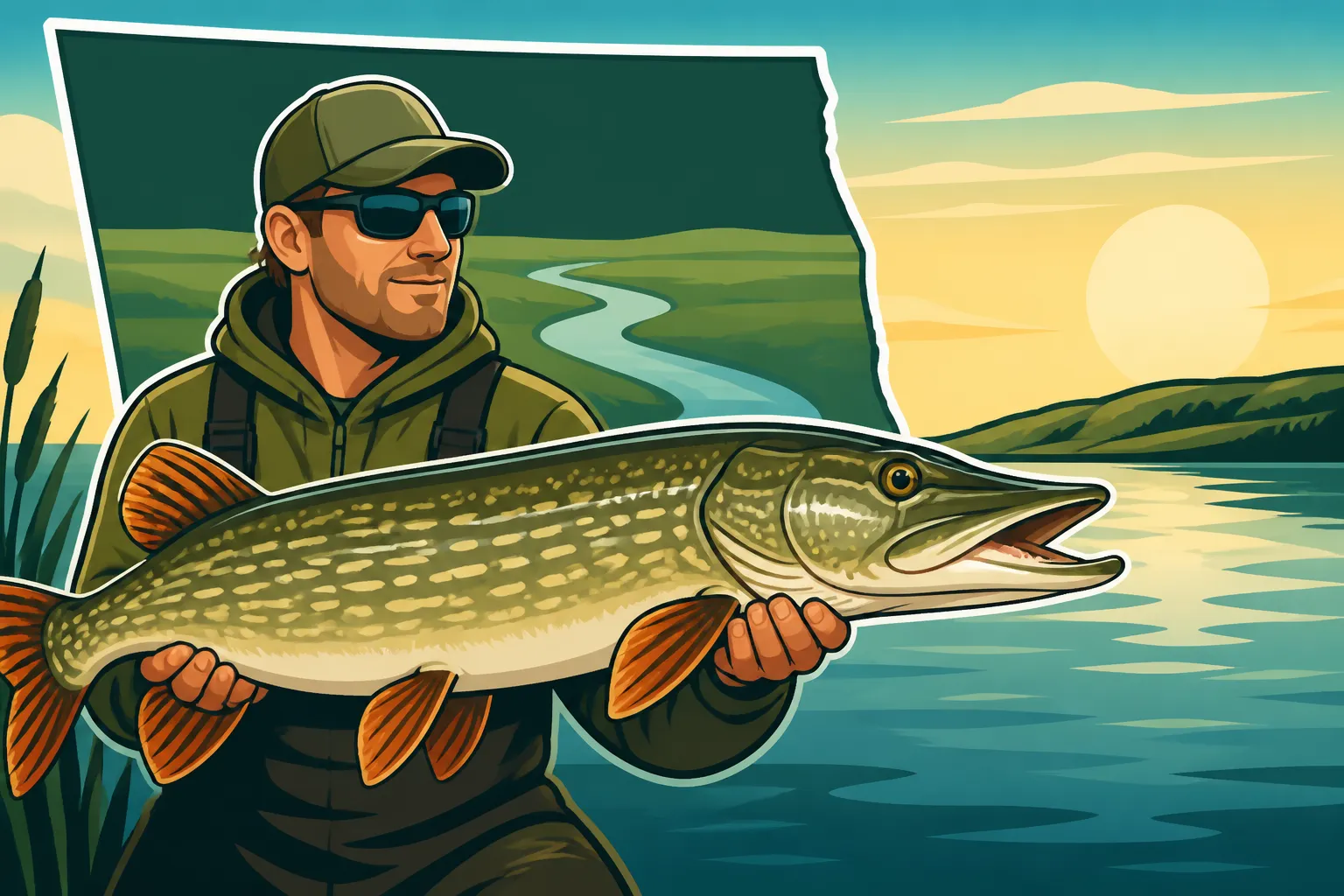
Distinguishing a Northern Pike from its cousins like muskellunge or even sauger can seem tricky at first glance, but once you know what to look for, it's pretty straightforward. Pike typically have a long, torpedo-shaped body with a single dorsal fin positioned far back, close to their tail fin. Their coloration is usually dark green to olive green along the back, fading to a creamy white or yellowish belly. What really stands out are the distinctive light, bean-shaped spots or markings along their sides. These spots are crucial for identification, as muskies have dark markings on a light background, and pike have light markings on a dark background.
Take a moment to examine their head. Pike have a large, duck-bill shaped snout filled with rows of sharp, needle-like teeth—definitely something to be mindful of when handling! Their scales are smaller than those of many other fish, and their fins are often mottled with darker spots or bars. Knowing these key features, especially the spot pattern, will help you confidently identify a pike when you hook into one, whether it's a smaller "hammer handle" or a true trophy. For more detailed insights, you might want to check out Northern Pike Identification in North Dakota.
Northern Pike Characteristics and Behavior
Northern Pike are ambush predators through and through. They're built for explosive bursts of speed, lying in wait amongst submerged vegetation, fallen timber, or other structure, ready to lunge at unsuspecting prey. Their diet is incredibly varied, consisting mainly of other fish like perch, walleye, and suckers, but they're opportunistic and won't hesitate to devour frogs, ducklings, and even small mammals if the opportunity arises. This aggressive, opportunistic nature is exactly what makes them such an exciting target for anglers.
They are known for their territoriality, especially larger pike. You'll often find them holding court in specific areas, defending their prime ambush points from rivals. Their activity levels can fluctuate greatly with water temperature, light conditions, and even barometric pressure. Cooler water generally makes them more active, but they can be caught year-round, adapting their behavior to the conditions. Understanding these predatory instincts and environmental responses is key to predicting where they'll be and what they'll be willing to strike.
North Dakota Northern Pike State Record Weight
Every angler dreams of landing a monster, and North Dakota has certainly produced some truly incredible Northern Pike over the years. The state record for Northern Pike is a testament to the quality of our waters and the potential for truly massive fish. While I can't give you the exact current record weight or date, these records usually fall into the 30 to 40-pound range, sometimes even more, showcasing the immense size these fish can achieve in our rich ecosystems.
Breaking a state record is a rare feat, but pursuing a personal best or a truly impressive "wall-hanger" pike is a driving force for many. These record-setting fish are typically older, more experienced, and often inhabit lakes and reservoirs that provide abundant forage and suitable habitat for them to grow large. Chasing these giants requires patience, the right gear, and a bit of luck, but the thought of that record-breaking strike keeps many of us coming back season after season.
Where to Find Northern Pike in North Dakota
North Dakota might be known for its walleye and perch, but it's also a fantastic destination for Northern Pike. These fish thrive in a variety of water bodies across the state, from sprawling reservoirs to smaller lakes and winding rivers. Knowing their preferred hangouts is crucial for increasing your chances of success.
Key Lakes and Rivers for Northern Pike
When it comes to prime pike fishing in North Dakota, several locations consistently stand out. Lake Sakakawea, our immense reservoir on the Missouri River, is a perennial favorite. Its vastness offers an incredible diversity of habitat, from rocky points to sprawling bays and submerged timber, all of which hold pike. Anglers often target the shallower bays and points, especially during the spring and fall, but big pike can be found lurking in deeper structure throughout the year. Lake Sakakawea Fishing Guide for North Dakota Anglers can give you even more insights into this incredible body of water.
Another jewel in the pike crown is Devils Lake. Known as a "perch factory," it also harbors a healthy population of impressive pike. Its fluctuating water levels and flooded timber create ideal ambush points, and the abundance of yellow perch provides a constant food source. The sheer amount of structure and diverse depths make it a playground for pike. Beyond these giants, many smaller natural lakes, especially in the central and eastern parts of the state, also hold excellent numbers of pike. Don't overlook the Sheyenne River or the James River for river-dwelling pike, particularly in slower sections with plenty of cover. For a broader overview of fishing spots, you might want to consult Best Places to Fish in North Dakota.
Preferred Northern Pike Habitat
Northern Pike are masters of camouflage and ambush, so they naturally gravitate towards areas that offer cover and opportunities to surprise their prey. You'll typically find them near submerged vegetation like lily pads, cattails, and weed beds. These areas not only provide excellent cover for the pike to hide but also attract baitfish, creating a perfect hunting ground. Look for breaks in weed lines, pockets, or edges where the weeds meet open water.
Beyond vegetation, pike also utilize structural elements such as fallen trees, submerged logs, rock piles, and even old bridge pilings. Any feature that creates a current break or shadow where a pike can conceal itself while waiting for a meal is prime territory. In deeper lakes or reservoirs, they might relate to humps, drop-offs, and points, especially those with some form of cover or access to shallower feeding flats. Understanding that pike are visual hunters, these ambush points are their preferred workstations.
Trophy Northern Pike Waters in North Dakota
While you can catch a decent pike in many North Dakota waters, some locations truly stand out for their potential to produce trophy-sized fish. These are the waters where pike consistently grow larger, often due to a combination of abundant forage, ample habitat, and sometimes, a bit less fishing pressure. Lake Sakakawea is definitely at the top of this list; its vastness and robust baitfish populations allow pike to reach immense sizes. The Missouri River system below the Garrison Dam also holds an impressive population of large pike, particularly in areas with good current breaks and deep pockets.
Devils Lake, with its rich ecosystem and constant food supply, consistently coughs up pike well over 10 pounds, with many pushing into the 20s. Other lakes like Lake Audubon (which is connected to Sakakawea) and even some lesser-known regional lakes with strong perch populations can be fantastic for targeting giants. The key to trophy waters isn't just density of fish, but the quality of the fish. These lakes often have a slightly different management approach or simply better conditions that allow pike to thrive and grow to their full, magnificent potential. This is where you might find Trophy Northern Pike Waters in North Dakota to be very helpful.
Best Times to Fish for Northern Pike in North Dakota
Pike are opportunistic, meaning they can be caught year-round, but certain seasons and conditions definitely offer better odds for consistent action. Understanding these patterns will help you plan your trips for maximum success, whether you're targeting open water or hard water.
Seasonal Pike Fishing Patterns
Spring, shortly after ice-out, is arguably one of the best times to target Northern Pike. As the ice recedes and water temperatures begin to rise, pike become incredibly active, feeding aggressively after a long winter. They often move into shallower bays, river mouths, and warm flats, seeking out spawning areas and easy meals. This is when they're most accessible from shore or small boats, and they tend to be less spooky.
As summer progresses, pike often move to deeper, cooler water, relating more to main lake structure, deep weed lines, or drop-offs. Early morning and late evening become prime times as water temperatures peak during the day. Fall is another fantastic season, as pike once again go on a feeding frenzy in preparation for winter. They can be found shallower again, often gorging on schools of baitfish, making them very susceptible to a variety of presentations. And, of course, winter offers incredible ice fishing opportunities, which we'll delve into shortly. For a comprehensive look at the year's opportunities, consider reviewing North Dakota Fishing Season Dates and Limits.
Best Time of Day for Pike Activity
While pike can be caught throughout the day, their activity often peaks during certain periods, especially when conditions are right. Generally, early morning and late evening, often referred to as "prime time" or "golden hours," are excellent for pike fishing. During these times, light levels are lower, and many baitfish species are more active, which in turn stimulates pike to feed. The cooler temperatures also seem to energize them, making them more willing to chase and strike.
However, don't write off midday, especially on overcast days, during a cold front, or in the spring and fall when overall water temperatures are lower. Pike don't have eyelids, so extremely bright, sunny conditions in clear, shallow water can sometimes make them sluggish or drive them deeper into cover. On these bright days, look for them in shaded areas or deeper structure. Ultimately, patience and persistence are key, as pike can surprise you with a strike at any given moment.
Impact of Weather and Water Conditions
Pike are sensitive to changes in weather and water conditions, and understanding these factors can significantly improve your fishing success. Barometric pressure plays a role; a stable or rising barometer often correlates with active fish, while a rapidly falling barometer (often associated with approaching storms) can sometimes trigger a feeding binge before the weather hits, or shut them down afterward. Overcast skies are generally preferred over bright sun, as it allows pike to roam more freely without being as exposed to direct sunlight.
Water temperature is paramount. Pike are cool-water fish, generally preferring temperatures in the 50s and 60s Fahrenheit. Extreme heat can push them deep, while frigid water can make them lethargic, though they will still feed. Water clarity also matters; while pike are visual predators, moderately stained water can actually make them bolder, as it reduces visibility for their prey as well. High winds can be challenging, but they can also create current and chop that concentrate baitfish and activate pike along wind-blown shorelines or points.
Essential Gear for Northern Pike Fishing
You don't just "go fishing" for Northern Pike; you go prepared. These fish are powerful, have razor-sharp teeth, and demand gear that can withstand their aggressive strikes and strong fights. Skimping on tackle when chasing pike is a surefire way to end up disappointed, with broken lines or lost lures.
Rods, Reels, and Line for Pike
For open water pike fishing, a medium-heavy to heavy power spinning or baitcasting rod, typically 6'6" to 7'6" in length, is ideal. The heavier power provides the backbone needed to cast larger lures and horse a big pike out of cover, while the length offers good casting distance and leverage. A fast action tip is beneficial for detecting subtle bites and setting hooks firmly into their bony mouths. Matching this with a robust spinning reel in the 3000-4000 series or a sturdy baitcasting reel with a reliable drag system is crucial.
When it comes to line, a strong braided line is highly recommended. Not only does it offer superior sensitivity and casting distance, but its virtually no-stretch property is excellent for hook sets and its abrasion resistance helps against rough pike teeth and sharp cover. A 20 to 40-pound test braided line is a good starting point. You'll definitely want to tie a wire or heavy fluorocarbon leader (40-80 pound test) to the end of your mainline to prevent bite-offs from those formidable teeth. Losing a trophy pike because you didn't use a leader is a gut-wrenching experience no angler wants.
Top Lures and Baits for Northern Pike
Pike are not picky, but they do have their favorites! Large spoons are classic pike attractors, with brands like Daredevl and Johnson Silver Minnow being mainstays. Their wobbling action and flash mimic injured baitfish perfectly. Spinnerbaits, especially those with large blades and bulky skirts, are another excellent choice, allowing you to cover water quickly and fish through weeds effectively. Their vibration and flash are irresistible to aggressive pike.
Crankbaits, particularly those with a strong wobbling action and rattles, are fantastic for covering different depths and mimicking various baitfish. Look for models in sizes from 4 to 8 inches. Swimbaits, both soft and hard-bodied, can also be deadly, offering incredibly realistic profiles and movements. For a more natural approach, live bait like large minnows, suckers, or even small panfish (where legal, always check North Dakota Fishing Regulations Explained for regulations on baitfish use) can be incredibly effective, especially when fished under a bobber or on a quick-strike rig. Don't forget, when you're stocking up on these essentials, checking out stores like Amazon can provide a wide array of options and competitive pricing for all your pike fishing needs. For more general bait ideas, peek at Best Bait for North Dakota Fishing.
Essential Accessories for Pike Anglers
Beyond your rod, reel, and lures, a few key accessories will make your Northern Pike fishing experience safer and more enjoyable. First and foremost, a sturdy pair of long-nosed pliers or a hook remover is absolutely essential for safely unhooking pike, especially when they've swallowed the hook deep. Their teeth are no joke, and attempting to remove a hook by hand is a recipe for injury. A good pair of heavy-duty fish-handling gloves can also provide an extra layer of protection.
A large landing net with a rubberized mesh is invaluable for safely landing big pike. The rubberized mesh protects the fish's slime coat and is less likely to tangle hooks. A reliable measuring tape and a scale are great for documenting your catch, especially if you're practicing catch and release or aiming for a master angler award. And of course, always have a first-aid kit on hand for any unexpected cuts or scrapes. A sturdy tackle box or bag to keep all your gear organized is also a must-have; there are many great options available on Amazon that can hold all your pike tackle.
Effective Northern Pike Fishing Techniques
Northern Pike are aggressive, but they're also smart. To consistently hook into these toothy predators, you need a diverse playbook of techniques that match the conditions and their mood. Relying on just one method might work some days, but versatility is the key to consistent success.
Casting and Retrieving Techniques
Casting and retrieving is perhaps the most common and versatile way to target Northern Pike in open water. The goal is to cover as much water as possible, targeting known pike haunts like weed edges, points, and submerged timber. When casting spoons or spinnerbaits, a steady retrieve often works wonders, allowing the lure's inherent action to do its job. Vary your retrieve speed—sometimes a fast, erratic retrieve triggers a chase, while other times a slow, deliberate pace is more effective, especially in colder water.
For crankbaits and swimbaits, incorporating pauses and twitches can be deadly. Cast your lure, retrieve it a few feet, then pause, letting it float or slowly sink. Many strikes occur on the pause as the pike decides to commit. Experiment with different retrieve depths by adjusting your lure choice and retrieve speed. Pay close attention to where you get bites; this can tell you about the depth pike are holding at and their preferred retrieve. Don't be afraid to cast right up to shallow cover; often, the biggest pike are lurking in surprisingly shallow water, ready to ambush.
Trolling for Northern Pike
Trolling is an incredibly effective method for covering large areas, especially on expansive lakes like Sakakawea, and for locating actively feeding pike that are spread out. It allows you to present lures at specific depths for extended periods, drawing fish out of cover or enticing them in open water. Using deep-diving crankbaits or large spoons behind planer boards can be particularly productive. Planer boards spread your lines out, allowing you to cover a wider swath of water without tangling and presenting your lures to less disturbed fish.
When trolling, experiment with your speed. Pike often prefer speeds between 2.0 and 4.0 miles per hour, but sometimes a slower or faster presentation can trigger bites. Pay attention to your fish finder to identify schools of baitfish, structural changes, or thermoclines where pike might be lurking. Trolling allows you to explore vast stretches of water efficiently, making it an excellent technique for both finding active fish and targeting larger, more elusive specimens. Understanding how to effectively troll can truly enhance your How to Fish for Northern Pike in North Dakota skills.
Ice Fishing for Northern Pike With Tip-Ups
Northern Pike remain active under the ice, and ice fishing with tip-ups is a quintessential North Dakota winter tradition for targeting them. Tip-ups allow you to fish multiple holes simultaneously, presenting live or dead bait to cruising pike. The setup is simple: a spool of line with a baited hook is suspended at a chosen depth, and when a pike takes the bait, a flag springs up, signaling a bite. This means you can spread out your efforts, covering more ground.
Live bait, such as large minnows or suckers, are exceptionally effective for tip-ups. Dead bait, like smelt or frozen herring, also works wonders, especially when allowed to sit on the bottom or suspended just above it. Position your tip-ups along weed lines, over drop-offs, or near submerged structure. Periodically check your bait and holes, and be ready to sprint when that flag flies! It's a thrilling moment, and for more detailed strategies on this technique, look into Ice Fishing for Northern Pike With Tip-Ups.
North Dakota Northern Pike Regulations
Fishing in North Dakota, while an amazing experience, always comes with rules designed to protect our fisheries and ensure sustainable angling for generations to come. Ignoring these regulations can lead to hefty fines and loss of fishing privileges, so it's always best to be informed.
Daily and Possession Limits
The North Dakota Game and Fish Department sets specific daily and possession limits for Northern Pike, which are subject to change, so always consult the most current proclamation before you head out. These limits are typically designed to allow anglers to keep a reasonable number of fish for consumption while protecting the overall pike population, especially the larger, breeding-size fish. For example, there might be a daily limit of a certain number of pike, with perhaps a special reduced limit on fish over a specific length.
A "daily limit" refers to the maximum number of fish you can legally keep in one day, regardless of how many trips you make. A "possession limit" refers to the maximum number of fish you can have in your possession at any time, including those at home, in your cooler, or in your vehicle. It's crucial to understand the difference and always err on the side of caution. These rules are in place to ensure that everyone has a chance to enjoy the incredible pike fishing North Dakota offers, both now and in the future.
North Dakota Fishing License Guide
Before you even think about dropping a line in North Dakota waters, you absolutely need a valid fishing license. This isn't just a recommendation; it's a legal requirement for almost everyone over a certain age. The funds generated from license sales go directly back into managing and improving our state's fisheries, stocking programs, habitat restoration, and enforcement. Without these funds, the quality of fishing we all enjoy would quickly decline.
There are different types of licenses available, including annual licenses, short-term options (like a 3-day or 10-day license for nonresidents), and special licenses for seniors, military personnel, and disabled anglers. The costs vary depending on residency and the duration of the license. You can purchase your license online through the North Dakota Game and Fish Department website, at authorized license vendors (like sporting goods stores or bait shops), or sometimes even at convenience stores. Make sure you have your license on your person or easily accessible on a mobile device while fishing. For detailed information on how to obtain one, be sure to check out our comprehensive North Dakota Fishing License Guide.
Special Regulations and Considerations
Beyond general daily and possession limits, there might be specific regulations for Northern Pike on certain water bodies. These special rules are often implemented to address unique population dynamics or management goals for particular lakes or rivers. For instance, some lakes might have a "no-pike-over-X-inches" rule, or slot limits designed to protect a specific size class of fish. It's not uncommon to find areas with restricted bait use, or specific gear requirements.
Additionally, pay attention to rules regarding ice fishing shelters, particularly removal dates at the end of the winter season, and specific rules regarding spearing or bowfishing for pike, which are often legal but have their own set of guidelines. Always, always consult the most current North Dakota Fishing Guide (the proclamation booklet published by the NDGFD) before you head out. This document will list all statewide regulations and any water-specific exceptions. Being informed is not only compliant but also shows respect for the resource. For a full breakdown, our North Dakota Fishing Regulations Explained article is an invaluable resource.
Handling and Caring for Your Catch
Landing a Northern Pike is an exhilarating experience, but the job isn't done once it's in the boat or on the ice. Proper handling ensures the fish's survival if you're releasing it, and quality meat if you intend to keep it. Those sharp teeth also demand careful attention!
Safe Handling and Release Practices
If you plan to release a Northern Pike, minimizing stress and injury is paramount. Once landed, get the fish unhooked quickly and gently. Avoid touching the gills or putting fingers in the eye sockets. Use those long-nosed pliers or a hook remover to extract the hook. If the hook is deeply swallowed and difficult to remove without causing significant damage, it's often best to cut the line as close to the hook as possible. The hook will often corrode out or be digested over time.
Support the fish horizontally, especially larger pike, by cradling its belly. Avoid holding it vertically by the jaw for extended periods, as this can damage its spine and internal organs. If taking a photo, do it quickly and try to keep the fish partially submerged in the water. When releasing, gently place the pike back in the water, head first, and hold it until it swims away under its own power. Sometimes a gentle forward and backward motion can help push water over its gills, aiding in recovery. Watching a big pike swim strongly away after a good fight is incredibly rewarding.
Filleting a Northern Pike Without Bones
Ah, the "Y-bone" dilemma! Northern Pike get a bad rap for being bony, but with the right technique, filleting a pike to create boneless, delicious fillets is entirely achievable. The key is understanding the unique skeletal structure of the pike, which has a series of small, forked "Y-bones" running along the lateral line in the upper half of the fillet. You can simply cut around them.
The process typically involves making the initial cuts to remove the main fillet from the backbone, just like any other fish. Then, once you have the fillet, you'll make specific cuts to separate the boneless sections. You basically cut above the Y-bones on the top half, then below them, creating two boneless strips from the upper portion. The belly meat is usually boneless. It sounds more complicated than it is; a few practice runs and you'll be a pro. Many anglers also find that smaller pike (under 30 inches) are easier to debone, and the meat is often firmer. For a step-by-step visual, our guide on How to Fillet a Northern Pike Without Bones is incredibly helpful.
Are Northern Pike Good to Eat?
Absolutely! Despite the common misconception about them being bony, Northern Pike are a fantastic table fish when properly cleaned. The meat is white, firm, and flaky, with a mild flavor that can hold its own against many popular freshwater species. They're often compared to walleye in terms of texture and taste, especially if the Y-bones are removed.
Preparation is key. Once filleted and deboned, pike can be fried, baked, grilled, or even smoked. Many North Dakota anglers enjoy them battered and deep-fried, serving up delicious "pike fingers." Due to their firm texture, they also hold up well in soups, stews, or fish cakes. The reputation for being bony often deters people, but once you master the filleting technique, you unlock a delicious and abundant food source from North Dakota's waters. Just remember to keep them on ice immediately after catching to preserve the quality of the meat.
Common Challenges and Tips for Success
Even the most experienced anglers face challenges when targeting Northern Pike. They can be finicky, reside in difficult terrain, and sometimes seem to have a mind of their own. But with a bit of foresight and the right approach, you can overcome these hurdles and turn a frustrating day into a successful one.
Dealing with Weeds and Snags
Pike love weeds and submerged timber – unfortunately, so do your lures! Fishing in thick cover is where pike often hide, but it's also where you're most likely to get snagged. The key is to choose the right lure for the job. Weedless spoons, snagless spinnerbaits, and soft plastic jerkbaits rigged weedless are your best friends in heavy cover. These lures are designed to glide through vegetation without picking up weeds, allowing you to present them right in the pike's living room.
When fishing near heavy timber or rock piles, consider using a heavier line and a rod with enough backbone to pull a snagged lure free. If you do get snagged, try changing the angle of your pull or giving the rod tip a sharp twitch. Sometimes a lure retriever, a device that slides down your line to free snags, can save your favorite crankbait. Don't be afraid to fish aggressively in these areas; that's often where the biggest pike are hiding, and a bit of risk can lead to a big reward.
Adapting to Changing Conditions
North Dakota weather is famously unpredictable, and those rapid changes can significantly impact pike activity. One day it's sunny and calm, the next it's windy and cold. Successful pike anglers are constantly observing and adapting. If the bite slows down, don't keep doing the same thing. Change your lure color, retrieve speed, or even the type of lure entirely. If you're using artificials, maybe switch to live bait, or vice versa.
Pay attention to what the fish are telling you. Are they hitting short? Try a smaller lure or add a stinger hook. Are they ignoring fast retrieves? Slow it down. If conditions shift from sunny to overcast, pike might move shallower or become more active. If it's windy, focus on wind-blown points that might be concentrating baitfish. Being flexible and willing to experiment is a hallmark of a successful angler, especially when chasing a predatory fish like the Northern Pike.
Local Knowledge and Resources
While guides and articles provide excellent general information, local knowledge is an invaluable asset when fishing for Northern Pike in North Dakota. Bait shop owners, local guides, and seasoned anglers who frequent specific lakes often have up-to-the-minute information on hot spots, preferred baits, and current conditions that can't be found anywhere else. Don't be afraid to strike up a conversation; most anglers are happy to share some tips, especially with respectful newcomers.
Beyond anecdotal evidence, the North Dakota Game and Fish Department (NDGFD) is a fantastic official resource. Their website provides current fishing reports, stocking information, regulation updates, and lake maps. Many of their publications, including the annual fishing guide, offer in-depth details specific to North Dakota's diverse fisheries. Combining this official data with the wisdom of local experts will give you the most comprehensive advantage possible in your pursuit of North Dakota's magnificent Northern Pike.
| Season | Pike Behavior | Common Locations | Effective Techniques | Recommended Lures/Baits |
|---|---|---|---|---|
| Spring | Post-spawn feeding frenzy; shallow, active | Shallow bays, river mouths, warm flats, weed edges | Casting, slow trolling, slip bobbers | Large spoons, spinnerbaits, live minnows, jerkbaits |
| Summer | Deeper, relating to structure; active mornings/evenings | Deep weed lines, humps, points, submerged timber, open water | Trolling, casting deep crankbaits | Deep-diving crankbaits, large spoons, swimbaits, live bait |
| Fall | Pre-winter feeding; active, often shallower | Weed edges, rocky points, baitfish schools | Casting, aggressive retrieves, trolling | Spinnerbaits, large spoons, crankbaits, dead bait |
| Winter | Active under ice, often suspended or near structure | Weed edges, drop-offs, mid-lake humps, bays | Tip-ups (live/dead bait), jigging (with flashy lures) | Live minnows, dead smelt/suckers, large jigging spoons, flashy swimbaits |
Disclaimer
This article is for general informational purposes only and does not constitute professional advice. Laws, prices and regulations vary by location and change over time. Consult a qualified professional for guidance on your specific situation.