North Dakota Walleye Fishing Guide
Oh, the walleye! If you've spent any time fishing in North Dakota, you know that chasing these elusive, delicious fish can be both incredibly rewarding and, let's be honest, sometimes utterly maddening. It feels like one day they're biting everything you throw at them, and the next, it's like the lake is completely empty. This comprehensive guide is here to cut through that frustration, helping you understand walleye behavior, find the best spots, and master the techniques that will put more of these prized fish in your cooler.
Understanding the North Dakota Walleye
Walleye hold a special place in the hearts of North Dakota anglers, and for good reason. They're a fantastic sport fish, offering a spirited fight, and they are, without a doubt, one of the best-eating freshwater fish out there. But to consistently catch them, you need to understand them – their habits, their preferences, and what makes them tick in our unique North Dakota waters.
Walleye Identification and Characteristics
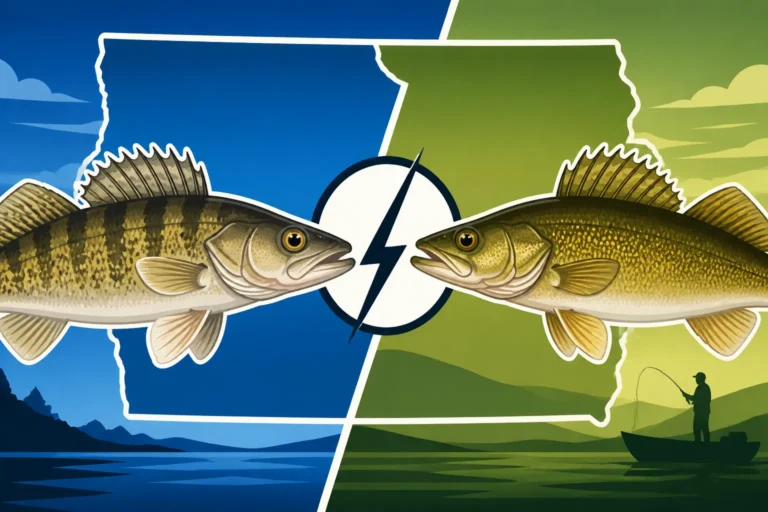
First things first, let's talk about what makes a walleye a walleye. They're part of the perch family, but they stand out with their large, pearlescent eyes, which are perfectly adapted for low-light conditions. This is why you often hear about walleye being active at dawn, dusk, or on cloudy days, and it's a huge clue for when and where to find them. Their bodies are long and slender, typically dark olive to brown on top, fading to lighter shades on their sides and white on their belly. A key identifying feature is the prominent white tip on the lower lobe of their tail fin – if it doesn't have that, you might have something else on your line, perhaps a sauger, which often gets confused with walleye. Knowing the difference is important, especially when it comes to North Dakota Walleye Size Limit Rules.
Their mouths are full of sharp, conical teeth, designed to grasp slippery baitfish. This means you need a good leader when using lighter lines to prevent them from cutting you off. They can grow to impressive sizes in North Dakota, with state records pushing well over 15 pounds, though a common "keeper" often ranges from 15 to 22 inches. These fish are true predators, constantly on the hunt for food, making them a challenging but thrilling target.
Walleye Habitat Preferences and Behavior
Walleye are structure-oriented fish, meaning they love to hang out around features that offer cover, ambush points, or concentrations of baitfish. In our vast North Dakota lakes, this can mean anything from submerged points, rock piles, ledges, old creek channels, flooded timber, or even transition zones between different bottom types like mud and gravel. They prefer cooler water temperatures, which influences their depth throughout the seasons. In spring and fall, you'll often find them shallower, while in the heat of summer, they'll retreat to deeper, cooler pockets.
Their behavior is also heavily influenced by light conditions. Because of those light-sensitive eyes, walleye are most active during low-light periods. This is why fishing at twilight or even through the night can be incredibly productive, especially for larger fish that become more confident in the dark. Wind also plays a huge role; a consistent chop on the water can break up light penetration, encouraging walleye to move shallower and feed aggressively. Many seasoned anglers will tell you, "Walleye love a good chop!"
Top Walleye Fishing Spots in North Dakota
North Dakota is truly a walleye paradise, boasting some of the best fisheries in the country. From massive reservoirs to expansive natural lakes, there are countless opportunities to pursue these sought-after fish. Knowing where to start is half the battle, especially when you're looking for that trophy or just a good meal for the family.
Lake Sakakawea: A Walleye Mecca
Lake Sakakawea, formed by the Garrison Dam on the Missouri River, is a true titan among North Dakota's fishing destinations. This massive reservoir stretches for miles, offering an incredible diversity of habitat that walleye absolutely thrive in. Its vastness can be intimidating, but with a bit of knowledge, you can unlock its secrets. Walleye here often relate to the deep main channel, submerged points, rocky humps, and extensive bays that feature fluctuating depths and plenty of baitfish.
During the spring and early summer, shallower bays and points where the water warms up faster become prime targets. As summer progresses, the walleye move deeper, congregating around submerged structure and main lake points in 20-40 feet of water. Trolling crankbaits or bottom bouncers with spinner rigs are popular and effective methods on this big water. For an in-depth look at specific areas, check out our Lake Sakakawea Walleye Fishing Spots guide. The sheer size of Sakakawea means there's always a new spot to explore, offering endless adventure for the dedicated walleye angler.
Devils Lake: The Walleye Factory
Devils Lake isn't just a lake; it's an ever-changing phenomenon, famous for its fluctuating water levels and incredible productivity. Its unique ecosystem, with extensive flooded timber and abundant forage, has earned it the nickname "walleye factory." Walleye here grow fast and large, thanks to the rich food sources. The lake is relatively shallow overall, but its endless bays, humps, and submerged roads offer incredible structure.
Fishing Devils Lake often means adapting to the conditions. In spring, shallower areas with new growth and flooded timber are hotspots. During summer, walleye will relate to the edges of the flooded timber, rock piles, and submerged roadbeds, often moving shallower to feed at low-light times. Jigging Raps, bottom bouncers, and slip bobbers with live bait are all extremely effective here. Devils Lake Walleye Fishing Spots can offer more precise locations to target these prolific fish. No matter the season, Devils Lake consistently produces impressive numbers of walleye.
Missouri River System: Current-Loving Walleye
Beyond the massive Lake Sakakawea, the Missouri River itself, both above and below Garrison Dam, offers fantastic walleye fishing, with a slightly different flavor due to the current. Walleye in the river system are often leaner and fight even harder, thanks to their constant battle against the flow. They seek out current breaks, eddies, submerged wing dams, and deep holes where they can conserve energy while waiting to ambush prey.
Below the Garrison Dam, in particular, is a renowned spot for big walleye, especially during specific times of the year when fish are congregating. Jigging with heavier jigs, vertical jigging, or dragging bottom bouncers are common tactics to stay in contact with the bottom in the flowing water. Above the dam, in areas like the upper reaches of Lake Oahe, you'll find characteristics that blend river and reservoir fishing, offering diverse opportunities. Understanding Missouri River Fishing Below Garrison Dam in North Dakota will give you a significant edge in these unique environments.
Other Notable Walleye Lakes and Rivers
While Sakakawea and Devils Lake often steal the spotlight, North Dakota has a wealth of other fantastic walleye waters that shouldn't be overlooked. These spots can offer a more intimate fishing experience, less pressure, and sometimes even a chance at a true giant.
For instance, Lake Oahe, the southernmost portion of the Missouri River system in North Dakota, has a healthy population of walleye, particularly in its northern reaches near the confluence with Lake Sakakawea. It shares many characteristics with Sakakawea, offering deep-water structure and extensive flats. Further east, Lake Ashtabula is a productive reservoir known for its consistent walleye bite throughout the season, often requiring similar tactics to larger reservoirs like Sakakawea. Smaller lakes and reservoirs across the state, such as Jamestown Reservoir, Lake Tschida, and Heart Butte Dam, also harbor excellent walleye populations. Each body of water has its own nuances, but the common thread is often finding structure, bait, and understanding the walleye's light sensitivity. Don't be afraid to explore these other options – you might just find your new favorite walleye honey hole!
Seasonal Walleye Fishing Strategies
Walleye behavior is intrinsically linked to the changing seasons, and adapting your strategy accordingly is crucial for consistent success. What works in the spring might be totally ineffective in the dead of summer, or during the late fall bite. Understanding these seasonal shifts is a cornerstone of being a successful North Dakota walleye angler.
Spring Walleye: The Post-Spawn Bite
Spring is a time of renewal, and for walleye, it means moving into shallower waters to spawn. Once the spawning ritual is complete, typically when water temperatures are in the low to mid-40s Fahrenheit, walleye scatter and become very hungry, focusing on replenishing their energy reserves. This post-spawn period offers some of the best fishing of the year. You'll often find them in shallower bays, on points, or along shorelines where the water is warming fastest, and baitfish are congregating.
Traditional spring tactics include jigging with a minnow or soft plastic, casting small crankbaits, or using a slip bobber rig near emergent vegetation or rocky transitions. Early in the season, presentations should be slow and subtle. As the water warms into the 50s, their metabolism speeds up, and they become more aggressive. Targeting areas with fresh green weeds or new weed growth can be incredibly effective, as these areas attract baitfish and offer ambush points. Remember, presentation is key – sometimes a subtle twitch is all it takes. For deeper insights, explore Early Spring Walleye Techniques in North Dakota.
Summer Walleye: Deep Water and Trolling
As North Dakota summer temperatures rise and the sun beats down, walleye retreat from the shallows to deeper, cooler water. This is when they often set up on main lake points, submerged humps, deep rock piles, and old river channels. While they'll still move shallow to feed during low-light conditions, daytime fishing usually means targeting those deeper structures. This is prime time for trolling.
Trolling crankbaits at various depths is incredibly effective for covering water and finding active fish. Precision is important, so pay attention to your speed, lure depth, and how far back you're letting your lines out. Bottom bouncers with spinner rigs or live bait (like nightcrawlers or leeches) are also deadly for working along the bottom contours. Don't forget your electronics; a good fish finder is invaluable for locating these deep-water structures and marking fish. Summer Walleye Trolling Techniques can help refine your approach for this exciting season.
Fall Walleye: The Pre-Winter Feast
Fall is another fantastic time for walleye fishing in North Dakota, as the fish once again become highly active, gorging themselves in preparation for winter. As water temperatures begin to drop, walleye move shallower, often following baitfish into bays and onto points that were productive in the spring. Their aggressive feeding behavior means they're often willing to hit a wider variety of baits and presentations.
Casting crankbaits, jigging with large minnows, or employing slip bobbers are all excellent fall strategies. Pay close attention to current areas in river systems or wind-blown points in lakes, as these often concentrate baitfish and, consequently, hungry walleye. The key is finding those schools of baitfish, because the walleye won't be far behind. The cooler water temperatures also mean the fish are fighting harder and are in prime condition. For those who brave the autumn chill, the rewards can be truly spectacular, making it one of the most anticipated seasons for serious walleye anglers. Our North Dakota Fall Fishing Guide has more in-depth information on this productive season.
Ice Fishing for Walleye: Hard Water Tactics
When the lakes freeze over, North Dakota walleye anglers don't stop; they just change their approach to "hard water" fishing. Ice fishing for walleye can be incredibly rewarding, offering a unique challenge and the chance to fill a bucket with delicious fillets. Walleye often relate to structure even under the ice, although their movements and preferred depths can vary depending on the stage of the ice season. Early ice can find them shallower, while mid-winter might require targeting deeper humps and breaklines.
Jigging spoons, minnow-profile lures like Rattlin' Raps, and small jigs tipped with live minnows are popular choices. A good ice fishing flasher or fish finder is almost essential for locating fish and understanding their reactions to your lure. Staying mobile and drilling multiple holes to find active schools is often the most effective strategy. Always prioritize safety on the ice – never take chances with ice thickness, especially during early and late ice periods. This is covered extensively in How to Ice Fish in North Dakota. For those willing to brave the cold, ice fishing for walleye provides some unforgettable experiences.
Essential Walleye Fishing Techniques
Catching walleye consistently requires more than just knowing where they are; it demands a solid understanding of various fishing techniques. Each method has its own nuances, and mastering them will make you a much more versatile and successful angler, capable of adapting to different conditions and moods of the fish.
Jigging for Walleye
Jigging is arguably one of the most versatile and effective techniques for catching walleye, especially when they are relating to specific structures or are less aggressive. This method involves using a lead-headed jig, often tipped with live bait (like a minnow or nightcrawler) or a soft plastic, to present a tempting meal to the fish. The retrieve can vary from a subtle lift-and-drop to a more aggressive snap-jigging motion, depending on the fish's mood.
Vertical jigging directly over structure is particularly deadly, allowing you to precisely target fish marked on your electronics. In stained or deeper water, bright colored jigs can be highly effective, while natural colors often work best in clear water. Pay close attention to subtle bites – walleye often "thump" a jig or simply add weight to your line rather than delivering a violent strike. This technique is a go-to for many anglers on Lake Sakakawea, particularly when targeting fish in current or on deep breaks, and it's a staple for ice fishing. Our Jigging for Walleye on Lake Sakakawea guide dives deeper into the specifics.
Trolling with Crankbaits and Bottom Bouncers
When walleye are scattered over large flats, suspended, or simply roaming, trolling becomes an indispensable technique. It allows you to cover vast amounts of water and present lures at precise depths, effectively searching for active fish. Crankbaits are fantastic for trolling, mimicking baitfish and diving to various depths depending on their design and the amount of line let out. Matching the hatch (using crankbaits that resemble the local baitfish) and experimenting with different colors can be crucial for success.
Bottom bouncers, often paired with spinner rigs or live bait snells, are another excellent trolling option, particularly when walleye are hugging the bottom. These rigs allow you to keep your bait in the strike zone, bouncing lightly off the lakebed, attracting attention without getting constantly snagged. This method is incredibly popular on big waters like Lake Sakakawea, where fish can be spread out. Pay attention to your boat speed and adjust your weights to maintain consistent bottom contact. For those looking to master this method, check out our insights on Trolling Crankbaits for Walleye.
Slip Bobber Fishing
For a more relaxed yet incredibly effective approach, especially when walleye are in shallower cover or relating to vertical structure like flooded timber, slip bobber fishing is hard to beat. A slip bobber allows your bait to be presented at a precise, adjustable depth below the surface, independent of the bobber itself. This is achieved by running your line through the bobber and using a bobber stop to set the depth. This setup allows for easy casting and excellent bait presentation.
Typically, live bait like a minnow, leech, or nightcrawler is suspended beneath the bobber, right in the walleye's strike zone. This method is particularly effective around weed lines, submerged logs, or over rock piles where walleye might be lurking in ambush. The visual strike of a bobber disappearing is always exciting, and it's a fantastic technique for both seasoned anglers and beginners alike. It's especially popular on Devils Lake, where structure can be extensive and varied.
Best Baits and Lures for North Dakota Walleye
Ask any ten walleye anglers what their favorite bait or lure is, and you'll likely get ten different answers. That's because walleye can be finicky, and what works one day or on one lake might not work the next. However, there are definitely some tried-and-true choices that consistently produce in North Dakota waters. Having a diverse tackle box is key to adapting to changing conditions and fish moods.
Live Bait: The Walleye Staple
When it comes to walleye fishing, live bait often reigns supreme, especially for finicky fish or in colder water. The natural scent, movement, and appeal of a live offering can be irresistible.
- Minnows: Hands down, minnows are a walleye's favorite snack. Fatheads, shiners, or rainbows are all excellent choices. They can be jigged, trolled on a spinner rig, or suspended under a slip bobber. Experiment with different sizes – sometimes a larger minnow entices a bigger bite. Keep them lively; a struggling minnow is a dying minnow, and less appealing to a walleye.
- Nightcrawlers: These long, wiggly worms are another walleye magnet, particularly effective when trolled on a Best Spinner Rig for Walleye Trolling or used with a bottom bouncer. Half a crawler or a full one, threaded onto a hook, offers a tantalizing presentation. They're also great for slip bobber fishing.
- Leeches: Often overlooked, leeches are a fantastic walleye bait, especially during the warmer summer months. They're incredibly tough, stay lively on the hook, and their undulating movement drives walleye wild. Hooked through the sucker, they can be jigged, trolled, or suspended, making them a versatile option.
Knowing when to use each can make a big difference, but generally, minnows are king in colder water, while crawlers and leeches shine as the water warms.
Artificial Lures: Cranks, Jigs, and Plastics
While live bait is often the go-to, artificial lures offer versatility, durability, and the ability to cover more water efficiently.
- Crankbaits: These lipped lures are designed to dive to specific depths and mimic baitfish with their wobbling action. They come in countless shapes, sizes, and colors. Shallow-diving cranks are great for spring and fall, while deep-diving models are essential for summer trolling on big lakes like Sakakawea. Experiment with natural colors on sunny days and brighter, more aggressive patterns on cloudy days or in stained water. Brands like Rapala, Berkley, and Salmo offer excellent options. You can find a wide selection of these on Amazon.
- Jigs: From basic lead head jigs to more specialized options like hair jigs or plastics-tipped jigs, these are a cornerstone of walleye fishing. The weight of the jig should match the depth and current you're fishing. Tipping a jig with a minnow or a soft plastic grub or paddle tail adds scent and action, making it even more enticing. Jigging spoons and blade baits also fall into this category and are particularly effective for vertical jigging, especially through the ice.
- Soft Plastics: These incredibly versatile lures can be rigged in countless ways and often offer a very natural presentation. Paddle-tail swimbaits, grubs, and worm imitators can be rigged on jig heads or offset hooks. Their subtle action and lifelike feel can fool even the most wary walleye. Colors can range from natural baitfish patterns to bright, attention-grabbing hues. Many anglers will keep a variety of sizes and colors on hand, easily purchased through Amazon, to adapt to the day's conditions.
Key Gear for Walleye Fishing
Having the right gear doesn't guarantee a catch, but it certainly improves your chances and makes the experience far more enjoyable. Walleye fishing in North Dakota can mean anything from battling big fish on a windy reservoir to delicate presentations through a tiny hole in the ice, so your equipment needs to be up to the task.
Rods, Reels, and Line
The foundation of your walleye setup starts with a balanced rod and reel combo, paired with the appropriate line.
- Rods: For jigging and casting, a medium-light to medium power spinning rod, typically 6'6" to 7'6" in length, with a fast action tip, is a great all-around choice. This provides enough sensitivity to detect subtle bites and enough backbone to handle a good-sized walleye. For trolling, specialized trolling rods that are longer and have a more moderate action are often preferred, as they absorb the shock of a strike and keep crankbaits running smoothly. A good selection of these can be found on Amazon.
- Reels: Matching your rod with a quality spinning reel in the 2500-3000 series size for general purpose fishing, or a baitcasting reel for heavy trolling, is crucial. Look for a smooth drag system and a good retrieve ratio.
- Line: The choice of line often comes down to personal preference and technique.
- Monofilament: Affordable, with good stretch and knot strength, often preferred for trolling with crankbaits where stretch can be a benefit.
- Fluorocarbon: Nearly invisible underwater, with low stretch and excellent abrasion resistance. Great for leaders or as a main line in clear water.
- Braided Line: Extremely strong for its diameter, no stretch, and highly sensitive. Excellent for jigging, allowing you to feel even the lightest bites. Often, anglers will use braided line as their main line with a fluorocarbon leader for stealth. For different applications, consider Best Fishing Line for North Dakota Lakes for more detailed advice.
Electronics and Navigation
In North Dakota's expansive waters, especially on lakes like Sakakawea or Devils Lake, electronics are no longer a luxury—they're a necessity.
- Fish Finders/Sonar: A good fish finder is your underwater eyes. It helps you locate baitfish, identify schools of walleye, and pinpoint submerged structures like humps, points, and old river channels that walleye relate to. Modern units with down imaging and side imaging can paint an incredibly detailed picture of the underwater world, dramatically increasing your efficiency. For ice fishing, specialized flashers or portable units are invaluable for seeing your lure and fish in real-time beneath the hole. Check out Best Fish Finders for North Dakota Lakes for models suited to our waters.
- GPS/Chartplotters: On large bodies of water, a GPS-enabled chartplotter is essential for navigation, marking hotspots, and safely returning to your launch point. It allows you to save waypoints of productive areas, track your trolling passes, and navigate unfamiliar waters with confidence. Having accurate mapping of bottom contours and depths is a game-changer for finding structure-oriented walleye.
Boat and Accessories
For many North Dakota walleye anglers, a boat is their chariot to success, allowing access to prime fishing grounds far from shore.
- Boats: The type of boat depends on the water you fish. For the vast, often windy expanses of Lake Sakakawea, a deeper V-hull boat (like a Lund or Alumacraft, which you can find accessories for on Amazon) with a powerful outboard is often preferred for safety and comfort. For smaller lakes or rivers, a shallower draft aluminum boat or even a specialized jon boat might suffice. Safety is paramount on North Dakota waters, so ensure your boat is well-maintained and equipped with all required safety gear. Learn more about suitable vessels in Best Boats for North Dakota Lakes.
- Trolling Motors: An electric trolling motor, particularly a bow-mounted unit with GPS capabilities, has revolutionized walleye fishing. It allows for precise boat control, subtle presentations, and the ability to hold your position over structure, even in wind. Spot-Lock technology (from brands like Minn Kota or MotorGuide) can literally keep you anchored in place with the push of a button, freeing you up to focus on fishing.
- Anchors and Drifting Socks: Even with a trolling motor, traditional anchors are sometimes needed, especially in current. Drifting socks (or drift socks/drift bags) are also incredibly useful for slowing your boat down when drifting in windy conditions, allowing for a more controlled presentation of your baits.
North Dakota Walleye Regulations and Conservation
Fishing in North Dakota, particularly for a prized species like walleye, comes with responsibilities. Understanding and adhering to the state's fishing regulations is not just about avoiding fines; it's about protecting the fishery for future generations and ensuring sustainable angling opportunities.
Fishing Licenses and Seasons
Before you even think about casting a line, ensure you have the proper North Dakota fishing license. Whether you're a resident or a nonresident, a license is mandatory for most anglers. Different options exist, from annual licenses to shorter-term permits, so choose what best fits your fishing plans. You can easily purchase these online or from various vendors. For specific details on requirements and costs, our North Dakota Fishing License Guide is an excellent resource.
North Dakota generally offers year-round fishing for most species, including walleye, but it's crucial to stay updated on any specific exceptions or temporary closures, particularly on certain bodies of water or during spawning periods. While a complete "closed season" for walleye is rare, daily limits and possession limits are strictly enforced.
Daily Limits and Size Restrictions
North Dakota sets daily limits (how many fish you can keep in a 24-hour period) and possession limits (how many fish you can have on hand, including those at home) for walleye. These limits are carefully determined by fisheries biologists to manage populations and ensure healthy breeding stock. It's common to see a specific daily limit, for example, 5 walleye, with an overall possession limit of 10.
Furthermore, some lakes or regions might have specific size restrictions, often called "slot limits." This means you might only be allowed to keep fish within a certain size range, or perhaps only one fish over a certain size. These rules are designed to protect larger, spawning-capable fish, or to remove smaller, abundant fish to improve growth rates for the remaining population. Always check the most current North Dakota Fishing Proclamation for the specific body of water you intend to fish, as these can change. You can find more information about particular size restrictions in North Dakota Walleye Size Limit Rules.
Aquatic Nuisance Species Prevention
One of the biggest threats to North Dakota's walleye fisheries and aquatic ecosystems are Aquatic Nuisance Species (ANS), such as zebra mussels and invasive carp. These invaders can outcompete native species, alter habitats, and devastate fish populations. As anglers, we all have a critical role to play in preventing their spread.
The "Clean, Drain, Dry" protocol is mandatory and highly effective:
- Clean: Remove all aquatic vegetation and mud from your boat, trailer, and fishing gear before leaving a water access area.
- Drain: Drain all water from your boat, including the bilge, livewell, and bait bucket, before leaving the access area. This means no transporting water from one lake to another.
- Dry: Allow your boat and gear to dry thoroughly before launching into another body of water. If you can't dry it, wash it with hot, high-pressure water.
Following these simple steps is crucial for protecting our precious North Dakota waters and ensuring that walleye and other native fish continue to thrive. Failure to comply can result in significant penalties, but more importantly, it can have irreversible impacts on our environment.
Conservation and Responsible Angling Practices
As passionate anglers, we bear a responsibility beyond simply catching fish. Conservation and responsible angling practices are fundamental to ensuring that the thrill of walleye fishing can be enjoyed by generations to come. It’s about being good stewards of our natural resources.
Catch and Release Best Practices
While keeping a few walleye for a meal is certainly part of the fun, practicing catch and release, especially for larger fish, is a vital conservation tool. Those big, mature walleye are often the most prolific spawners, contributing significantly to the health of the fishery. When you decide to release a fish, follow these best practices:
- Minimize handling: Try to keep the fish in the water as much as possible. If you must remove it for a quick photo, do so gently and quickly.
- Wet hands: Always wet your hands before touching a fish to protect its protective slime coat.
- Proper unhooking: Use needle-nose pliers or a hook remover to quickly and carefully remove the hook. If a fish is deeply hooked, it's often best to cut the line as close to the hook as possible rather than tearing sensitive tissue.
- Support the fish: Hold the fish horizontally, supporting its belly, rather than vertically by the mouth or gills, which can damage internal organs.
- Revive the fish: If the fish seems sluggish, hold it gently in the water, facing into any current, until it can swim away strongly on its own.
By following these simple steps, you significantly increase the survival rate of released fish, helping to maintain robust walleye populations.
Respecting the Environment and Other Anglers
Being a responsible angler extends beyond just fish handling. It involves a broader respect for the environment and the entire fishing community.
- Leave no trace: Pack out everything you pack in. This means all trash, discarded fishing line, and bait containers. Our lakes and rivers are beautiful; let's keep them that way. Discarded fishing line is particularly dangerous for wildlife.
- Respect private property: Always be aware of property lines and gain permission before accessing private land. Use designated public access points whenever possible.
- Be courteous: Whether on the boat ramp, on the water, or on the ice, be mindful of other anglers. Maintain a respectful distance, avoid making excessive noise, and be patient. We all share the same passion, and a little courtesy goes a long way. This includes understanding Ice Fishing Shelter Rules on North Dakota Lakes and keeping a respectful distance from others.
- Educate others: If you see someone unintentionally violating a regulation or mishandling a fish, kindly and respectfully share your knowledge. Often, people just don't know any better.
By embodying these principles, we contribute to a positive angling culture and ensure that North Dakota remains a premier destination for walleye fishing for generations to come. It’s about sustaining not just the fish, but the entire experience.
Disclaimer
This article is for general informational purposes only and does not constitute professional advice. Laws, prices and regulations vary by location and change over time. Consult a qualified professional for guidance on your specific situation.