Best Boats for North Dakota Lakes
One of the biggest hurdles many North Dakota anglers face isn't just finding the fish, but figuring out the best way to get to them on our incredibly diverse and often challenging waters. From the vast expanse of Lake Sakakawea to the flooded timber of Devils Lake, and the winding currents of the Missouri and Red Rivers, choosing the right boat can feel like a daunting task. This comprehensive guide is here to help you navigate those choices, ensuring you invest in a vessel that will enhance your fishing experiences across North Dakota.
Understanding North Dakota's Diverse Waterways
North Dakota isn't just flat plains; our fishing landscape is incredibly varied, and what works beautifully on one body of water might be completely inadequate or even dangerous on another. Before you even start dreaming about specific boat models, it’s crucial to honestly assess where you plan to spend most of your time on the water.
The Big Waters: Lakes Sakakawea and Oahe
When most folks think about North Dakota fishing, images of Lake Sakakawea or Lake Oahe often come to mind. These aren't just big lakes; they are massive reservoirs, often compared to inland seas, and they command respect. Wind can whip up quickly, turning calm waters into treacherous, wave-filled expanses in a matter of minutes. Many an angler has been caught off guard by a sudden shift in weather, and being prepared with the right vessel is paramount.
For these expansive bodies, you're looking for a boat that prioritizes stability, seaworthiness, and the ability to cut through chop. A deeper V-hull design is almost a necessity here, offering a smoother, drier ride when the waves kick up. You'll want a boat long enough to handle swells and wide enough to provide a stable fishing platform even when things get a little bouncy. Think about how far you might need to run to your favorite walleye spots; speed and fuel efficiency also come into play when covering dozens of miles. Best Boats for Lake Sakakawea's Big Water details more on this.
The Inundated Wonders: Devils Lake
Devils Lake presents its own unique set of challenges and opportunities. Known for its rising water levels over the years, it features expansive flooded timber and submerged roadbeds that make for incredible fish habitat but can also be tricky to navigate. Shallow flats, sunken fences, and dense tree lines demand a different kind of boat than the wide-open waters of Sakakawea.
Here, a boat with a shallower draft can be a huge advantage, allowing you to get into those tight spots where the big perch and walleye hide without constantly hitting submerged obstacles. While still needing to handle some chop on open areas, extreme deep V-hulls might be less practical if they limit your access to prime fishing areas. Aluminum boats often shine on Devils Lake due to their durability against unexpected bumps with submerged trees or debris. The ability to maneuver slowly and precisely, perhaps with a good trolling motor, is also key for working those structure-rich areas. Best Kayaks for Devils Lake might even be a good option for those really tight spots or seeking solitude in the flooded areas.
The Mighty Rivers: Missouri and Red
North Dakota's rivers, particularly the Missouri River and the Red River of the North, offer yet another distinct fishing experience. The Missouri River, especially below the Garrison Dam, presents strong currents and deep channels. The Red River, known for its monster catfish, is often muddy and also has significant current, along with snags and debris.
For river fishing, stability and power are important to hold your position against the current or to move upstream effectively. A boat that tracks well and can handle river conditions, including potential log jams or debris, is vital. Jon boats or smaller, more maneuverable V-hulls are often favored on rivers like the Red, providing good stability and easy access to shallower areas. For the larger, deeper sections of the Missouri, a more substantial V-hull might be preferred, especially if you plan on covering longer distances or fishing bigger water like Lake Oahe where the river widens. Best Boats for River Fishing in North Dakota offers more specific advice.
Smaller Lakes and Ponds
Don't forget the numerous smaller lakes, reservoirs, and private ponds scattered throughout North Dakota. These often require less specialized boats and can be a great place for beginners or those looking for a more relaxed fishing experience. These waters generally don't have the same wave action as the big reservoirs or the strong currents of the rivers.
On these smaller bodies of water, versatility often wins out. A smaller jon boat, an aluminum utility boat, or even a robust fishing kayak can be perfect. These are typically easier to launch, retrieve, and transport, making them ideal for spontaneous trips or exploring lesser-known fishing holes. If you're primarily fishing these types of waters, you might not need the huge horsepower or deep-V design that the bigger lakes demand, which can also be a significant cost saving.
Types of Boats Best Suited for North Dakota Fishing
Now that we’ve talked about the varied landscapes, let's dive into the actual vessels themselves. Each type of boat comes with its own set of advantages and disadvantages, and knowing these will help you narrow down your search.
Deep-V Aluminum and Fiberglass Boats
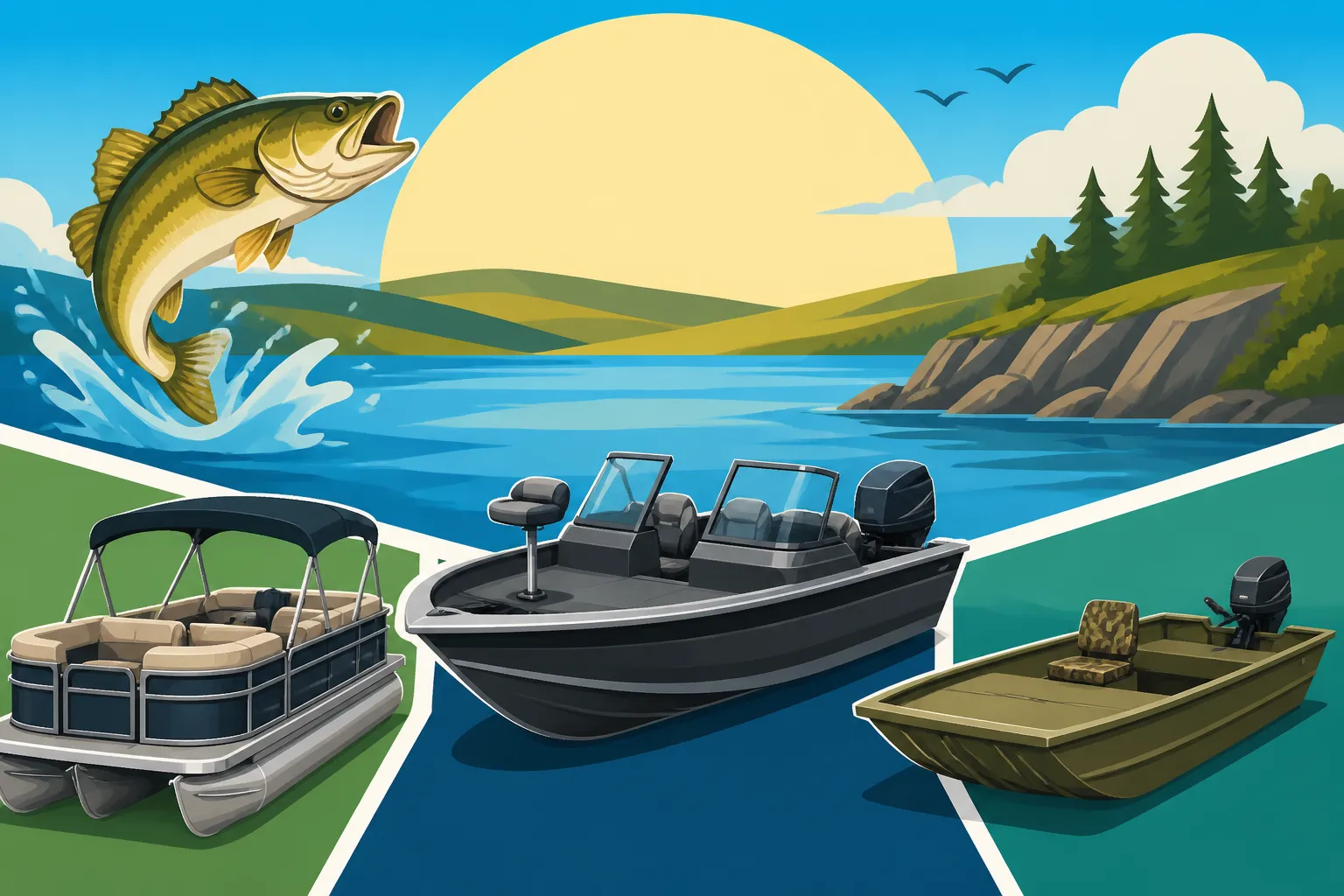
For the serious angler tackling the vastness of Lake Sakakawea, Lake Oahe, or even the wider, choppier sections of Devils Lake, a deep-V fishing boat is often the gold standard. These boats are designed to cut through waves, providing a much smoother and drier ride than flatter-bottomed boats.
Aluminum Deep-V: These are incredibly popular in North Dakota, and for good reason. Aluminum boats are lighter than fiberglass, making them easier to tow and more fuel-efficient. They're also incredibly durable and can withstand bumps and scrapes from docks, rocks, or even submerged timber on Devils Lake without showing major damage. Brands like Lund, Alumacraft, and Crestliner are staples on North Dakota waters. They offer excellent stability, ample storage for rods and gear, and often come with built-in livewells. The downside can be that in truly rough conditions, they can ride a bit "harder" than a comparable fiberglass boat, meaning you'll feel the impact of waves more.
Fiberglass Deep-V: If comfort in big water is your absolute top priority, a fiberglass deep-V boat might be calling your name. These boats, often from brands like Ranger, Skeeter, or Warrior, are heavier and tend to absorb wave impacts better, leading to a remarkably smooth ride even when the whitecaps are rolling. The added weight also contributes to their stability. Fiberglass boats typically have more complex hull designs, allowing for specialized features and often a more refined finish. However, they come with a higher price tag, can be less forgiving if they hit submerged objects (potential for gel coat cracks or hull damage), and are heavier to tow and launch. Their deeper draft can also limit access to very shallow fishing spots.
Jon Boats and Utility Boats
For those focusing on the calmer sections of rivers, smaller lakes, or even exploring the shallower bays of Devils Lake, the humble jon boat or a similar utility boat can be an incredibly versatile and affordable option. These boats are characterized by their flat or nearly flat bottoms and often square bows.
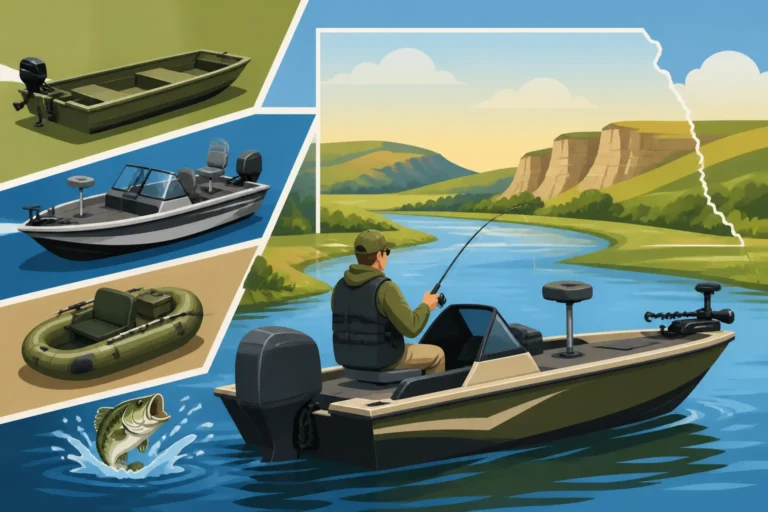
Jon Boats: These are workhorses on the water. Their flat bottom allows for an incredibly shallow draft, meaning you can get into skinny water that other boats wouldn't dare. This is a huge advantage for fishing river backwaters, small creeks, or the flooded timber of Devils Lake where big walleye and pike might be hiding. They're typically made of aluminum, making them lightweight, durable, and easy to maintain. While fantastic for shallow, calm water, their flat bottom makes them prone to a very bumpy, wet ride in choppy conditions. They also don't track as well in strong currents as a V-hull, requiring more attention to steering. Still, for many North Dakota anglers, especially those on a budget or who value accessibility to shallow areas, a jon boat is an indispensable tool.
Utility Boats: These are often a slight step up from a basic jon boat, sometimes featuring a small modified-V hull in the bow for slightly improved chop handling. They offer similar benefits in terms of shallow draft and durability but might provide a slightly more comfortable ride than a truly flat-bottomed jon boat. They're excellent for general utility, hunting, or fishing smaller, more sheltered waters. Both jon boats and utility boats are relatively inexpensive to purchase and operate, making them an excellent entry point into boat ownership.
Pontoons and Deck Boats
While not traditionally seen as "serious" fishing machines by some, modern pontoon boats have evolved considerably and can be fantastic for certain types of North Dakota fishing, especially when family comfort is a high priority. Deck boats offer a similar large, open platform but with a V-hull design.
Pontoons: These boats are renowned for their incredible stability and vast deck space. If you're fishing with a large family, a group of friends, or simply want plenty of room to spread out your gear, a pontoon is hard to beat. They offer a very smooth ride in calm to moderate chop and are perfect for anchoring over a good spot and soaking bait for catfish on the Red River or drifting for walleye on a calm day. Many modern pontoons are even outfitted with fishing features like rod holders, livewells, and even trolling motor mounts. The downsides are their slower speed, poor performance in truly rough water (they tend to slap over waves rather than cut through them), and their larger size can make launching, retrieving, and storing a bit more challenging. They also have a larger wind profile, which can make them tricky to handle in heavy winds, a common occurrence in North Dakota.
Deck Boats: These aim to combine the spaciousness of a pontoon with the performance of a runabout boat. They have a V-hull, which allows them to handle chop better and generally achieve higher speeds than pontoons. They still offer a wide, open bow and stern area, making them versatile for fishing, watersports, and general cruising. While they provide more comfort in chop than a pontoon, they won't ride as smoothly as a dedicated deep-V fishing boat. They can be a good compromise for families who want to fish but also enjoy other lake activities.
Key Features to Look for in a North Dakota Fishing Boat
Once you've settled on a general boat type, it's time to dive into the specifics. North Dakota's unique environment demands certain features that might not be as critical in other regions. Prioritizing these elements will make your time on the water more productive and enjoyable.
Hull Design and Construction Durability
The very foundation of your boat, its hull, needs to be built to withstand the realities of North Dakota fishing. We talked about deep-V for big water and shallow drafts for timber, but there’s more to it.
Hull Material: As discussed, aluminum offers durability against bumps and scrapes, making it a favorite for Devils Lake's timber or rocky shorelines. Fiberglass provides a smoother ride and often more complex hull designs for superior hydrodynamics in rough water. Consider where you'll be docking, launching, and navigating. If you foresee yourself running through shallow areas or potentially hitting submerged objects, aluminum might offer more peace of mind. Conversely, if you prioritize comfort on long runs across Lake Sakakawea, a well-built fiberglass hull will truly shine.
Transom Height: A higher transom is often a blessing on North Dakota's big lakes. When you're drifting or fishing in choppy conditions, a lower transom can allow waves to come over the back of the boat, leading to a wet cockpit and potential safety issues. A higher transom provides an added layer of protection against following seas, keeping you and your gear drier and safer. This is especially true if you plan on running a larger, more powerful outboard motor, which typically requires a higher transom for proper mounting and performance.
Storage and Organization
A fishing boat that lacks intelligent storage solutions can quickly become a chaotic mess, hindering your ability to fish effectively. Think about the sheer volume of gear an angler carries: rods, tackle boxes, nets, anchors, safety equipment, coolers, rain gear, and more.
Rod Storage: Secure, easily accessible rod storage is a must. Whether it's lockable rod lockers that run along the side of the boat, a center rod locker, or vertical rod holders, ensure there's enough space for your diverse array of rods and reels. Consider both length and number. Many North Dakota anglers carry multiple setups for walleye, pike, and perch, so ample storage is key. Best Fishing Rods for North Dakota Anglers can help you determine how many you might need.
Livewells and Baitwells: For many game fish in North Dakota, a functional livewell is essential for keeping your catch fresh for the table or healthy for release. Look for insulated, aerated livewells with good circulation. Twin livewells can be a huge bonus, allowing you to separate different species or keep your bait separate from your catch. Baitwells, usually smaller and specifically designed for minnows or leeches, are also incredibly useful. Ensure they are easy to access and keep water fresh throughout the day.
General Storage: Beyond rods and livewells, look for dry storage compartments for electronics, extra clothing, and safety gear. Compartments under seats, in the bow, or in the stern are all valuable. Lockable compartments offer security for valuable equipment, especially if your boat is left unattended at a public dock or campsite. The more organized your boat is, the less time you'll spend searching for gear and the more time you'll spend fishing.
Comfort and Practicality
Long days on the water, especially in unpredictable North Dakota weather, can take a toll. Your boat should offer some creature comforts and practical considerations to make those hours more enjoyable.
Seating: Comfortable, secure seating is important, especially when running across choppy water. Look for seats that offer good back support and are easily adjustable or removable if you need to create more open deck space. Swivel seats at fishing stations are a bonus, allowing you to easily turn and cast or work a fish around the boat. If you plan to bring family, ensure there's enough seating for everyone to be safe and comfortable while underway.
Console Design: The helm console should be ergonomically designed, with instruments clearly visible and switches easily reachable. Ample space for mounting a fish finder/GPS unit is crucial. Some boats offer dual consoles, providing a windshield and storage for both the driver and a passenger, which is a great feature for protection from wind and spray on cold or windy days.
Transom Area: A well-designed transom can include features like a splashwell to keep water out of the boat, a boarding ladder for swimming or re-boarding from the water, and additional rod holders. Easy access to the motor and bilge pump area for maintenance or emergencies is also important. The overall layout should promote easy movement around the boat for casting, netting fish, and operating equipment.
Outfitting Your Boat for North Dakota Success
Once you have the right boat, outfitting it with the necessary gear is the next step. This isn't just about making your boat look good; it's about enhancing your safety, efficiency, and ultimately, your success on the water.
Essential Electronics
Modern fishing is heavily reliant on technology, and the right electronics can be a game-changer on North Dakota's expansive and sometimes featureless waters.
Fish Finders and GPS Chartplotters: A high-quality fish finder is non-negotiable. Look for units with clear, high-resolution screens and advanced sonar capabilities like Down Imaging, Side Imaging, or 360 Imaging. These technologies allow you to see fish, structure, and baitfish with incredible clarity, giving you a huge advantage. Equally important is a reliable GPS chartplotter. North Dakota's big lakes can feel like an ocean, and a detailed map with the ability to mark waypoints for hotspots, hazards, and safe travel routes is essential. Brands like Humminbird and Lowrance are popular choices. Many modern units combine both fish-finding and GPS capabilities into one powerful display.
Trolling Motors: A good bow-mount electric trolling motor is invaluable for precise boat control, especially when working weed lines, contour breaks, or holding over a specific piece of structure. Features like GPS-guided "spot-lock" (which uses GPS to hold your boat in position against wind and current) are revolutionary, freeing you up to focus on fishing rather than boat control. Consider thrust levels appropriate for your boat size and the conditions you'll face. A 24-volt or 36-volt system often provides the power and battery life needed for long days on the water.
VHF Radio: For safety on larger bodies of water like Lake Sakakawea, a VHF marine radio can be a lifesaver. Cell phone service can be spotty or non-existent in many remote areas. A VHF radio allows you to communicate with other boats, marine patrol, and potentially call for help in an emergency. It's a small investment for a huge peace of mind.
Anchoring and Docking Solutions
No matter how fancy your electronics, you'll still need reliable ways to anchor your boat or secure it to a dock.
Anchors: The type and weight of your anchor will depend on your boat size and the bottom conditions you typically fish. A good general-purpose anchor like a fluke or a river anchor (for stronger currents) is a must. Consider having a secondary anchor for emergencies or to help hold your boat in a specific position. An anchor trolley system can also be very useful for easily deploying and retrieving your anchor from different points on the boat. For larger boats, a power anchor winch can be a huge convenience, saving your back after a long day of fishing.
Fenders and Dock Lines: Protect your boat from bumps and scrapes against docks or other boats with sturdy fenders. Have a good supply of dock lines with proper knots (or pre-spliced loops) for securing your boat safely. In windy conditions, having multiple lines to secure your boat can prevent costly damage.
Safety and Comfort Gear
North Dakota weather can change rapidly, and being prepared for anything is key. This includes essential safety gear and comfort items.
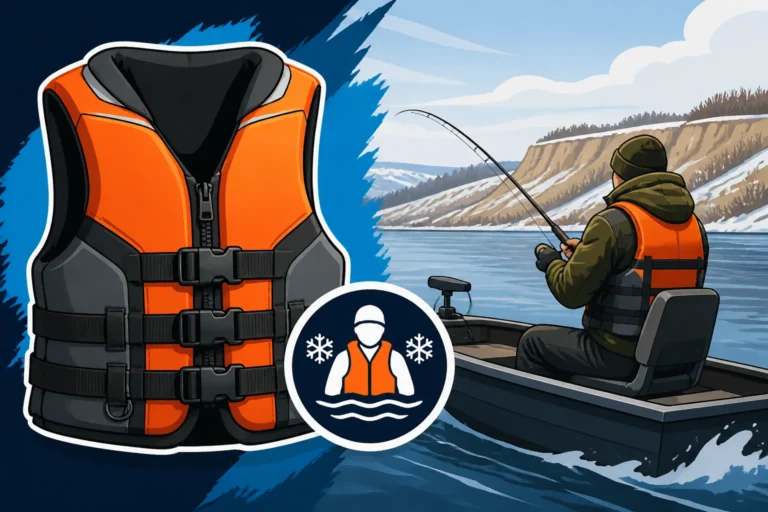
Life Jackets: This isn't just a recommendation; it's the law. Ensure you have properly sized and readily accessible life jackets for every person on board. For cold water fishing, consider an insulated floatation suit or a PFD designed for cold water. Is a Life Jacket Required by Law in North Dakota? covers the specifics.
First Aid Kit and Emergency Supplies: A well-stocked first aid kit should always be on board. Beyond that, consider items like a throw cushion, fire extinguisher, paddle (even if you have a motor), tool kit, spare prop, and basic repair supplies. Flashlights, a whistle or horn, and signal flares are also crucial for emergencies. You can find comprehensive safety checklists at retailers like Bass Pro Shops.
Weather Protection: Rain gear, extra layers of warm clothing, hats, and gloves are critical for North Dakota, even in summer. The wind can make a 70-degree day feel much colder, and sudden thunderstorms are not uncommon. A bimini top can offer welcome shade from the sun or shelter from light rain. For early spring or late fall fishing, a portable heater in an enclosed console or boat cover can make a big difference in comfort.
Boat Registration and Maintenance in North Dakota
Owning a boat in North Dakota isn't just about the purchase; there are regulations to follow and ongoing maintenance tasks to keep your vessel in top shape and compliant with state law.
North Dakota Boat Registration Requirements
Just like your vehicle, your boat needs to be properly registered with the North Dakota Game and Fish Department. This isn't an option; it's a legal requirement for most motorized vessels and even some non-motorized ones.
The Process: Generally, you'll need to provide proof of ownership (like a title or bill of sale), fill out an application form, and pay the associated fees. The registration period in North Dakota is typically for three years. It's important to keep your registration up-to-date to avoid fines. Make sure you understand the specific requirements for your vessel, including displaying the registration numbers and decals correctly on the bow of your boat. For comprehensive details, check out North Dakota Boat Registration Requirements.
Aquatic Nuisance Species (ANS) Fee: In addition to the standard registration fee, North Dakota requires an Aquatic Nuisance Species (ANS) fee. This is a crucial initiative to help prevent the spread of invasive species like zebra mussels, which can devastate native ecosystems and fishing opportunities. This fee applies to most boats, and it's vital to do your part to clean, drain, and dry your boat after every outing to prevent the spread of ANS. Ignoring these rules not only risks fines but endangers the very waters we love to fish. Aquatic Nuisance Species Rules for Boaters has more information.
Regular Maintenance for Longevity
A boat is a significant investment, and proper maintenance is key to protecting that investment, ensuring reliability, and extending its lifespan. Neglecting routine care can lead to costly repairs and missed days on the water.
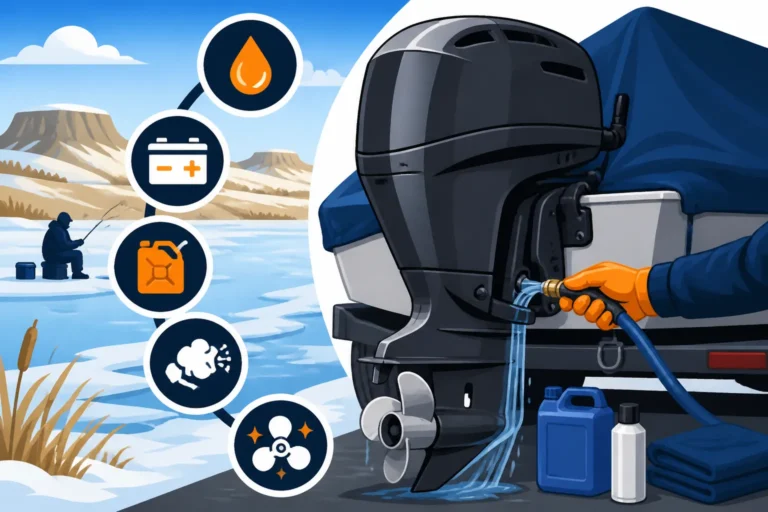
Engine Care: Your outboard motor is the heart of your fishing boat. Regular oil changes, spark plug replacements, fuel filter checks, and propeller inspections are critical. Always flush your motor with fresh water after use, especially if you've been in silty or brackish waters. Pay attention to any unusual noises or performance issues and address them promptly. How to Winterize a Boat Motor is an important read as the seasons change.
Hull and Trailer Maintenance: Keep your hull clean, inspecting it regularly for any damage, cracks, or signs of wear. For aluminum boats, check for loose rivets or welds. For fiberglass, look for gel coat cracks or osmotic blistering. Your boat trailer is equally important; check tire pressure, wheel bearings, lights, and brakes before every trip. Bearing buddies or similar systems can help maintain wheel bearings, but regular packing with grease is still advisable. Rust prevention, especially on steel trailers, is crucial in North Dakota's climate.
Winterization: North Dakota winters are harsh, and proper winterization is non-negotiable for any boat that isn't stored in a heated facility. This involves stabilizing fuel, changing engine oil, draining water systems, lubricating moving parts, and ensuring the boat is properly covered and protected from snow and ice. Failing to winterize correctly can lead to cracked engine blocks, burst pipes, and other severe damage.
Budgeting for Your North Dakota Fishing Boat
Let's be realistic: a quality fishing boat isn't a small purchase. Understanding all the costs involved, both upfront and ongoing, is crucial for making a smart financial decision and avoiding unpleasant surprises.
Initial Purchase Costs
Beyond the sticker price of the boat itself, there are several other significant costs associated with buying a boat.
Boat, Motor, and Trailer (BMT) Package: Most new fishing boats are sold as a BMT package. The boat hull, the outboard motor, and the trailer are often priced together, but it's important to understand the individual components and what you're getting. Motor horsepower is a huge factor in the overall cost, as is the size and features of the trailer (e.g., single vs. tandem axle, brakes). Expect a wide range depending on brand, size, material, and features.
Electronics and Accessories: While some basic electronics might come with a new boat, upgrading to high-end fish finders, a powerful trolling motor with GPS, or an advanced marine radio will add significantly to the total cost. Don't forget other essentials like extra batteries, chargers, anchors, dock lines, and safety equipment. Many anglers purchase these items separately, sometimes finding good deals on platforms like Amazon or at specialty stores such as Bass Pro Shops.
Licensing, Registration, and Taxes: You'll have sales tax on the purchase price, and then the recurring registration fees for both the boat and its trailer. The North Dakota Game and Fish Department charges different North Dakota Boat Registration Fees by Size, so factor that into your budget. There's also the aforementioned ANS fee. These are all necessary expenses to get your boat legally on the water.
Ongoing Ownership Costs
The initial purchase is just the beginning. Owning a boat comes with a continuous stream of expenses.
Fuel and Oil: Modern outboards are much more fuel-efficient than older models, but fuel still represents a significant ongoing cost, especially if you're frequently making long runs on big lakes like Sakakawea. Factor in the cost of two-stroke oil if you have an older engine, or the higher-quality oils required for four-stroke engines.
Maintenance and Repairs: This includes routine engine servicing (oil changes, tune-ups), winterization, and spring commissioning. Beyond that, be prepared for unexpected repairs. Things break on boats – pumps fail, wires corrode, props get dinged. Having a contingency fund for repairs is a wise move.
Storage and Insurance: If you don't have space to store your boat at home, you'll need to factor in the cost of storage, whether it's an outdoor lot, a covered shed, or even heated indoor storage for winter. Boat insurance, while not always legally mandatory for smaller vessels, is highly recommended. It protects your investment against theft, damage, and liability. Get quotes from several providers to find the best coverage for your needs.
Where to Find Your Next North Dakota Fishing Boat
You've done your research, you know what kind of boat you need, and you've got a budget in mind. Now, where do you actually go to find your dream fishing machine? North Dakota offers several avenues for boat purchasing, each with its own advantages.
Authorized Dealerships
For new boats, authorized dealerships are your primary source. They offer the latest models, manufacturer warranties, and professional sales and service support.
Advantages: Buying from a dealership provides peace of mind. You're getting a brand-new boat with a full warranty, and the dealership can handle all the paperwork, registration, and often offer financing options. They typically have service departments staffed with certified technicians who know your boat inside and out, which is invaluable for maintenance and repairs. Many dealerships will also offer rigging services, installing your electronics and accessories professionally. They often carry popular brands like Lund, Alumacraft, Crestliner, Ranger, and Skeeter, which are widely used on North Dakota waters.
Considerations: New boats, especially from top brands, come with the highest price tag. While dealerships may offer trade-in options, the value might be lower than what you could get selling privately. You might also encounter sales pressure, but a good dealership will focus on finding the right boat for your needs, not just making a sale. Visit reputable dealerships in larger cities like Bismarck, Fargo, or Minot.
Used Boat Market
The used boat market can offer significant savings and is a popular choice for many North Dakota anglers. You can find everything from nearly new boats to older, more affordable projects.
Online Marketplaces and Classifieds: Websites like Facebook Marketplace, Craigslist, and dedicated marine classifieds are teeming with used boats. This is often where you'll find the best deals from private sellers. It requires more legwork on your part, including arranging viewings, conducting inspections, and negotiating prices. Many boats listed here will be in North Dakota, making them easy to check out.
Used Boat Dealers: Some dealerships also sell used boats, either trade-ins or boats they've acquired. These typically come with a higher price than private sales but often offer some level of inspection or reconditioning. Some may even provide a limited warranty. This can be a good middle ground between new boats and purely private sales.
What to Look For: When buying a used boat, thorough inspection is paramount. Check the hull for damage (cracks, dents, soft spots). Inspect the motor thoroughly – a compression test is a good idea. Examine the transom and floor for rot or softness. Look at the condition of the trailer, electronics, and accessories. Always, always try to get a test drive on the water. If you're not mechanically inclined, consider hiring a marine surveyor for a professional inspection before committing. This small investment can save you from a major headache down the road.
Boat Shows and Expos
North Dakota, like many states, hosts various boat shows and outdoor expos throughout the year, especially in the late winter and early spring. These events are fantastic resources for both new and experienced boaters.
Advantages: Boat shows bring numerous dealers and manufacturers under one roof, allowing you to compare many different models and brands side-by-face. You can often climb aboard different boats, get a feel for their layout, and talk directly with sales representatives about features and pricing. Many dealers offer "boat show specials" or discounts during these events. It's also a great opportunity to check out the latest accessories, electronics, and even fishing gear, often with experts on hand to answer questions. North Dakota Fishing Season Calendar is typically released around these times, giving you an idea of what to expect for the upcoming year.
Considerations: While deals can be found, remember to stick to your budget and avoid impulse purchases. The atmosphere can be exciting, but make sure you're still making a logical decision based on your needs. It's also a great place to gather information, even if you don't plan to buy right away. You might discover a new brand or boat type you hadn't considered.
| Boat Type | Best For | Pros | Cons | Typical Material |
|---|---|---|---|---|
| Deep-V Aluminum | Big lakes (Sakakawea, Oahe), Devils Lake | Durable, lighter, good fuel efficiency, handles chop well | Can ride harder than fiberglass in rough chop, often less refined finish | Aluminum |
| Deep-V Fiberglass | Big lakes (Sakakawea, Oahe), rough conditions | Smooth ride in chop, stable, refined finish, customizable hull designs | Heavier, higher cost, can be more susceptible to impact damage | Fiberglass |
| Jon Boat/Utility Boat | Shallow rivers (Red), small lakes, timber | Shallow draft, lightweight, durable (aluminum), affordable, easy to launch | Poor in chop, wet ride, less stable in waves, slower | Aluminum |
| Pontoon Boat | Family fishing, calm lakes, entertaining | Very stable, huge deck space, comfortable | Slow, poor in rough water, large wind profile, challenging to maneuver in current | Aluminum pontoons |
| Deck Boat | Family fishing, some watersports, larger lakes | Spacious deck, better performance than pontoons, handles some chop | Not as smooth in chop as deep-V, can be less focused on pure fishing features | Fiberglass |
Disclaimer
This article is for general informational purposes only and does not constitute professional advice. Laws, prices and regulations vary by location and change over time. Consult a qualified professional for guidance on your specific situation.