Aquatic Nuisance Species Rules for Boaters
There's nothing quite like launching your boat onto a pristine North Dakota lake or river, anticipating a day of fantastic fishing. But that incredible experience, the health of our waters, and the fish populations we cherish are under constant threat from something you might not even see: aquatic nuisance species. These silent invaders can wreak havoc on ecosystems, clog boat motors, and change your favorite fishing spots forever. This guide is all about equipping you with the vital knowledge of North Dakota's Aquatic Nuisance Species (ANS) rules for boaters, ensuring we all do our part to protect our precious waters.
Understanding North Dakota's Aquatic Nuisance Species Threat
It's easy to dismiss regulations as just more red tape, but when it comes to Aquatic Nuisance Species, the stakes couldn't be higher. These aren't just obscure biological terms; they're very real threats that can fundamentally alter the angling experience we all love. From clogging water intake pipes to outcompeting native fish, the impact is profound and often irreversible.
What Exactly Are Aquatic Nuisance Species?
Think of Aquatic Nuisance Species as unwanted guests in our aquatic ecosystems – plants, animals, or pathogens that are not native to North Dakota's waters and whose introduction causes, or is likely to cause, environmental or economic harm, or harm to human health. We're talking about things like zebra mussels, which might seem tiny and harmless, but they attach to everything imaginable – boats, docks, rocks, and even native mussels, suffocating them. They filter vast amounts of water, stripping it of plankton that native fish rely on for food, leading to clearer but less productive waters.
Then there's Eurasian watermilfoil, a rapidly spreading aquatic plant that forms dense mats on the water's surface, making boating and swimming nearly impossible. These mats can also choke out native vegetation, reducing critical habitat for fish and other wildlife. And let's not forget about the rusty crayfish, an aggressive invader that outcompetes native crayfish species, devours aquatic vegetation, and can even eat fish eggs. It’s truly frustrating to see these invaders take hold, turning vibrant fishing grounds into struggling ecosystems. These are just a few examples, but the list is long, and the potential for new invaders is always present.
Why North Dakota Takes ANS So Seriously
North Dakota's economy and way of life are deeply intertwined with its natural resources, especially its lakes and rivers. The impact of ANS isn't just ecological; it has massive economic implications too. Imagine boat launches becoming unusable due to dense weed growth, or municipal water systems getting clogged by zebra mussels, requiring expensive maintenance. Property values around affected lakes can plummet, and the tourism industry, which relies heavily on recreational fishing and boating, can suffer significant losses.
For instance, iconic fisheries like Devils Lake and Lake Sakakawea, which draw anglers from across the country, are constantly under threat. If these waters become heavily infested, the quality of fishing, the availability of baitfish, and the overall health of these crucial ecosystems could be severely compromised. The North Dakota Game and Fish Department (NDGFD) takes a proactive, preventative approach because once ANS establish themselves, complete eradication is often impossible. It becomes a costly, continuous battle to manage their spread and mitigate their damage. This is why strict regulations are in place and why every boater plays such a critical role in preventing further introductions.
The "Clean, Drain, Dry" Mandate for All Boaters
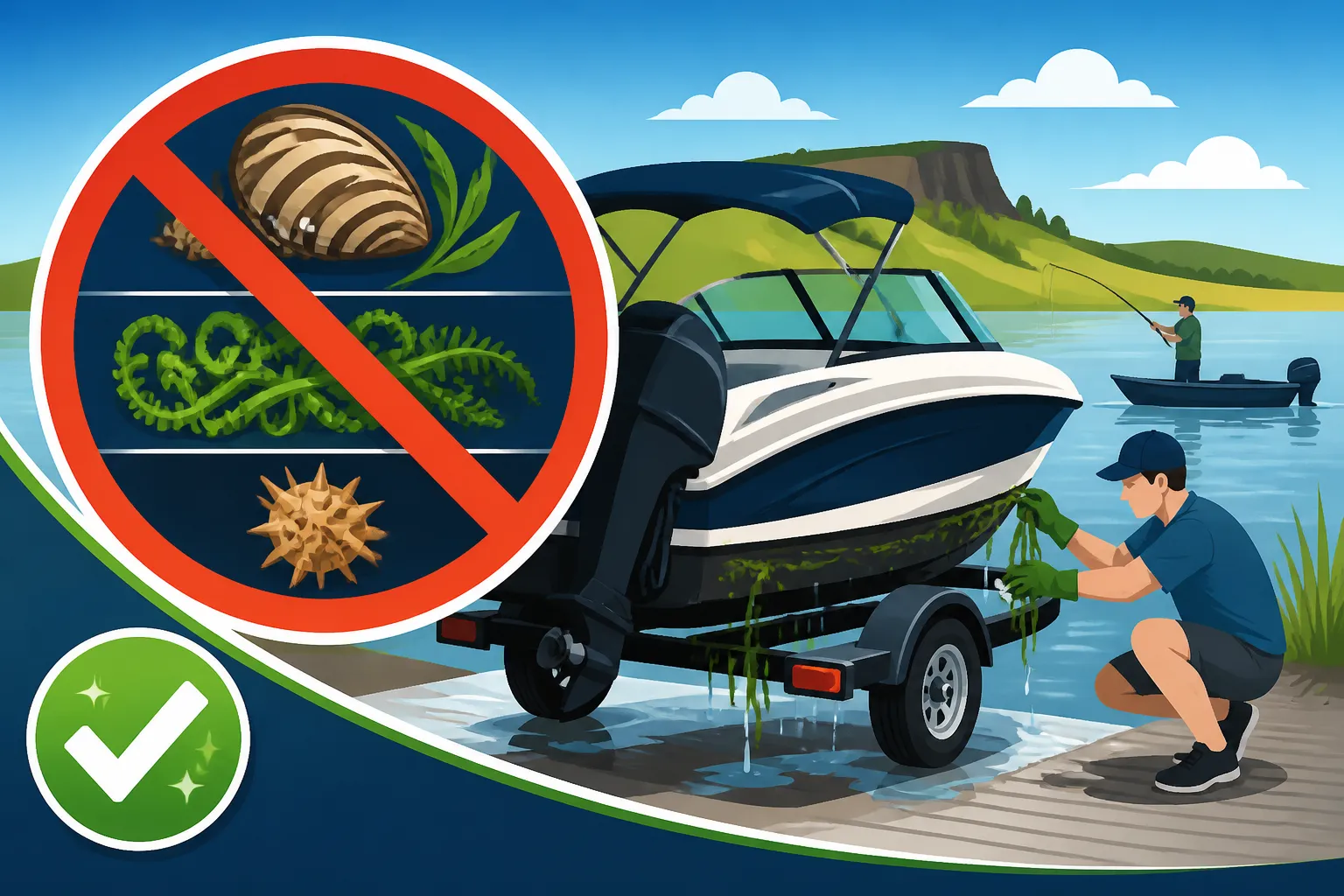
If you spend any time on the water in North Dakota, you've heard the mantra: "Clean, Drain, Dry." It's not just a catchy phrase; it's the foundation of our defense against aquatic nuisance species. This three-step process is crucial for every boater, every time they leave a body of water. Missing even one step can have devastating consequences for our fisheries.
Step-by-Step Guide to Cleaning Your Watercraft
The first step, "Clean," is all about being meticulous. Before you even think about driving away from the boat ramp, you need to thoroughly inspect your boat, trailer, and any fishing gear that came into contact with the water. This isn't a quick glance; it requires getting down and dirty, checking every nook and cranny.
Start with the exterior of your boat and trailer. Look for any visible mud, aquatic plants, or small organisms clinging to the hull, the propeller, the trim tabs, and especially the bunks and rollers of your trailer. Even a tiny fragment of Eurasian watermilfoil can grow into a new infestation. Don't forget your anchor and anchor rope – these are notorious for picking up hitchhikers. Your fishing gear also needs attention: rods, reels, nets, and waders can all harbor ANS. Give them a good scrub or rinse. Many anglers even carry a stiff brush and a spray bottle of water for this exact purpose, or sometimes a portable pressure washer if they're really serious about preventing spread. If you're on the go and can't use a pressure washer, a simple scrub brush and bucket can still do wonders. You might find specialty cleaning tools on Amazon designed for removing weeds from boat hulls, which can make this process a bit easier.
Draining Your Boat: More Than Just the Livewell
Once your boat is visually clean, the next critical step is to "Drain" every drop of water. This is where many people slip up, thinking that if they just pull the plug at the back, they're good to go. But it's far more involved than that. Livewells, baitwells, bilges, and transom wells are obvious culprits for holding water, but you also need to ensure that your motor is tilted down to allow all water to drain out.
Remember, even water that looks perfectly clear can contain microscopic ANS, like veligers (larval zebra mussels) or spiny water fleas. These tiny organisms are invisible to the naked eye but can establish new populations if transported to another lake. The North Dakota Game and Fish Department mandates that all drain plugs must be removed from watercraft when transported on land in North Dakota, unless the watercraft is contained in an enclosed compartment. This ensures that any remaining water can escape during transit. This rule applies the moment your boat leaves the water and hits the highway. Always drain your boat in a designated area at the ramp or, if not possible, in a spot where the water will not flow into another body of water.
The Critical Role of Drying
After cleaning and draining, the final, indispensable step is to "Dry" your watercraft and all gear. This might be the most challenging step for some, especially if you're planning a quick turn-around trip to another lake, but it's absolutely vital. Many ANS, particularly zebra mussels and spiny water fleas, can survive for days, even weeks, in damp conditions. A thorough drying period, especially in sunlight, is your best defense against these tenacious invaders.
The general recommendation is to allow your boat and all equipment to dry completely for at least five days, especially if you've been fishing in waters known to be infested. If you're coming from an unknown or suspected infested water body, it's best to err on the side of caution and extend that drying time. If a full five-day dry isn't feasible, hot water (140°F or higher) can be used to kill some ANS, but this requires specialized equipment and careful attention to ensure all surfaces reach the necessary temperature. For smaller items like fishing gear, letting them bake in the sun, especially on a hot summer day, can be surprisingly effective. Ensuring good air circulation by opening compartments and hatches will help speed up the drying process. You might even use a portable fan or a small dehumidifier in your boat's interior if you're trying to dry it quickly in a garage.
Specific Rules and Regulations for North Dakota Boaters
While "Clean, Drain, Dry" is the overarching principle, North Dakota has specific, legally binding rules that boaters must adhere to. These aren't suggestions; they are part of the broader North Dakota Fishing Regulations Explained and are enforced to protect our state's aquatic health. Understanding these rules is crucial for every responsible angler and boater.
Required Equipment and Practices
North Dakota law is quite explicit when it comes to preventing the spread of ANS. As mentioned, all drain plugs must be removed from your boat when it's being transported on land. This isn't just good practice; it's the law. Imagine leaving a boat ramp only to be pulled over by a game warden who spots your drain plug still in – that's an easy citation that could have been avoided.
Beyond drain plugs, there are rules concerning bait. You absolutely cannot transport live aquatic bait in water from any of North Dakota's known ANS-infested waters. This means if you're fishing Devils Lake or Lake Sakakawea, which have zebra mussels, you can't take water from those lakes with your minnows to use elsewhere. Your bait must be in clean, fresh tap water or bottled water. It’s a pain, for sure, but that small inconvenience prevents a huge problem down the line. Additionally, fishing gear, including nets, floats, and lines, must be free of all aquatic plants and animals when leaving any water body. This isn't just about big weeds; it includes small fragments or even mud. Always keep an eye out for any signage at boat ramps, as specific local regulations might also apply, especially in high-risk areas. For a full rundown, it's always best to consult the official North Dakota Fishing Regulations Explained booklet or website.
Checkpoint Procedures and Inspections
Sometimes, as you're traveling across North Dakota, especially near major water bodies or state lines, you might encounter an ANS checkpoint. These are staffed by NDGFD personnel or authorized agents, and they are there to help educate boaters and enforce the regulations. Think of them as a critical line of defense.
When you approach a checkpoint, you are legally obligated to stop if directed. The inspectors will typically ask you about your last fishing location and might perform a visual inspection of your boat, trailer, and any visible fishing gear. They’ll be looking for standing water, drain plugs in place, or any visible plant or animal matter. They might even use a mirror to check under your trailer bunks. It's important to be cooperative and transparent during these inspections. Their goal isn't to issue tickets unnecessarily, but to prevent the devastating spread of ANS. They can provide valuable information and sometimes even have wash stations available. Being prepared means you can get through these checkpoints quickly and efficiently, knowing you're doing your part.
Penalties for Non-Compliance
Let's be real: nobody wants to get a ticket while trying to enjoy a day of fishing. But the penalties for violating North Dakota's ANS rules can be significant. If you're caught transporting your boat with drain plugs in, or with visible aquatic plants or animals, you could face fines starting from several hundred dollars. Repeat offenses can lead to even higher fines, potential court appearances, and even confiscation of equipment in severe cases. These aren't just minor infractions; they're taken seriously because the potential damage from ANS is so immense.
Beyond monetary fines, there's the broader implication: you could unknowingly be the reason an ANS gets introduced into a new, unaffected lake. That’s a heavy burden to carry. The state is investing significant resources into prevention and enforcement, and they expect anglers and boaters to be partners in this effort. Just like understanding the Penalties for Fishing Without a License in North Dakota is crucial, knowing the repercussions for ANS violations helps drive home the importance of adherence. These rules are for the good of all anglers and for the future of North Dakota's fantastic fishing.
Special Considerations for Different Watercraft and Activities
It's a common misconception that only large boats pose a threat for spreading Aquatic Nuisance Species. The truth is, any equipment that touches the water can be a vector. This means different types of watercraft and fishing activities have their own unique ANS considerations that demand our attention.
Kayaks, Canoes, and Paddleboards
While a kayak might seem small and less impactful than a full-size fishing boat, these smaller, often hand-launched vessels can be just as problematic for ANS spread. They frequently access shallow, weedy areas where ANS love to hide. Their hulls have textured surfaces, rigging, and scupper holes that can easily trap tiny plant fragments, mud, or even microscopic organisms.
For kayakers, canoers, and paddleboarders, the "Clean, Drain, Dry" process is just as critical, if not more so, because these crafts are often moved between different water bodies more frequently than larger boats. Pay extra attention to your paddle, life vest, seat cushions, and any internal compartments or storage areas. If you have a foot pedal drive system, meticulously clean around the propellers and intake grates. Use a stiff brush to remove any plant material or mud from the hull. Just like larger vessels, ensure all water is drained from inside the hull. Many modern kayaks have drain plugs for this purpose. Then, allow for a thorough drying period. Leaving your kayak or canoe out in direct sunlight for several days is ideal. If you're unsure about the local rules for your small vessel, remember that even small watercraft often fall under specific registration guidelines, so understanding Do Kayaks Need to Be Registered in North Dakota? or Do Canoes Need to Be Registered in North Dakota? is a good starting point for general compliance.
Ice Fishing Shelters and Gear
When the lakes freeze over and ice fishing season is in full swing, it’s easy to forget about ANS. But these species can survive the cold and pose a threat even under a blanket of ice. Ice fishing shelters, augers, sleds, and portable heaters can all transfer ANS from one lake to another.
Think about your ice fishing auger. When you drill a hole, plant fragments or even tiny organisms can get caught on the blades. Always clean your auger blades thoroughly before moving to a new body of water. Your ice fishing sled, which you drag across the ice, can pick up mud, snow containing plant fragments, or even small organisms from the surface. Portable ice shelters, especially the hubs and skirts, can trap plant material and mud. Before leaving the lake, pull your shelter up, inspect the bottom skirt, and knock off any accumulated debris. Allow it to dry out completely before storing it or moving to another lake. Following Ice Fishing Shelter Rules on North Dakota Lakes is about more than just dates for removal; it also inherently involves proper cleaning and transportation to prevent ANS.
Live Bait and Minnows: The Hidden Risk
Live bait, particularly minnows, leeches, and worms, represents a significant and often overlooked vector for ANS. The water used to transport bait can contain microscopic ANS, and even the bait itself, if not carefully sourced, can introduce non-native species.
North Dakota has clear regulations regarding the use and transportation of live bait. As previously mentioned, it is illegal to transport live aquatic bait in water taken from any ANS-infested water body. This means if you buy minnows at a bait shop and plan to use them in Lake Sakakawea, you can keep them in the water from the bait shop. But if you catch bait in Lake Sakakawea, you cannot transport them alive in water from Lake Sakakawea to another lake. Always drain the lake water and refill your bait bucket with tap water or bottled water before leaving the boat ramp.
Even if you're using commercially purchased bait, ensure it comes from a reputable source that certifies its freedom from ANS. Never release unused bait into a different water body, and dispose of it properly in the trash. This seemingly small act can prevent a massive problem. For comprehensive details on bait regulations, consult the North Dakota Fishing Regulations Explained.
| Step | Action | Key Areas to Inspect/Address | Why It's Important |
|---|---|---|---|
| Clean | Remove all visible plants, animals, and mud. | Hull, motor, propeller, anchor, ropes, trailer bunks/rollers, fishing gear (nets, waders), internal compartments. | Prevents transport of macroscopic ANS that can easily establish new populations. |
| Drain | Eliminate all standing water. | Livewells, baitwells, bilge, transom, motor (tilt down), internal hull of kayaks/canoes. | Removes microscopic ANS (e.g., veligers) that are invisible but highly invasive. |
| Dry | Allow all surfaces to thoroughly dry. | Entire watercraft, all gear, inside of compartments, life jackets. | Kills remaining ANS that can survive in damp conditions, ensuring they don't get a ride to the next lake. |
Identifying and Reporting Suspected ANS
Being a responsible boater isn't just about following the rules; it's also about being an extra set of eyes on the water. Early detection is absolutely critical in the fight against Aquatic Nuisance Species. The sooner an infestation is identified, the better the chances of containing it or at least slowing its spread.
Recognizing Common ANS in North Dakota
Knowing what to look for can make a huge difference. Here are some of the most common ANS found or actively monitored in North Dakota, and what to keep an eye out for:
- Zebra Mussels: These small, D-shaped shellfish have distinctive striped patterns (though some can be solid colored). They rarely grow larger than 1.5 inches. The most tell-tale sign is their ability to attach to hard surfaces, forming dense clusters on boat hulls, docks, rocks, and even other native mussels. You might feel them as sharp bumps on submerged objects. They spread rapidly and are present in key North Dakota waters like Lake Sakakawea, the Missouri River, and Devils Lake.
- Eurasian Watermilfoil: This aquatic plant forms dense, tangled mats just below or on the water's surface. Its leaves are feathery, typically arranged in whorls of four around the stem, with 12 to 21 pairs of leaflets per leaf. It often has a reddish stem. These mats can be so thick that they impede boating, swimming, and fishing, and they can easily break off into small fragments that can re-root.
- Rusty Crayfish: Larger and more aggressive than native crayfish, rusty crayfish are identifiable by their relatively large, smooth claws and dark, rust-colored spots on each side of their carapace (shell). They outcompete native crayfish for food and habitat and are voracious eaters of aquatic plants and fish eggs, severely impacting local ecosystems.
- Spiny Water Fleas: These tiny crustaceans are almost impossible to see with the naked eye, but their long, barbed tails make them recognizable under magnification. They create formidable challenges for young fish by competing for food, and their spiny bodies make them difficult for fish to consume. Anglers often find them in gelatinous masses on fishing lines and downrigger cables, particularly after retrieving them from the water. They can be a serious nuisance, forming clumps that clog fishing rod guides and other gear.
If you suspect you've found any of these – or any other unusual plant or animal – in North Dakota waters, it's crucial to report it. Being familiar with What Fish Species Live in Devils Lake? or What Fish Species Live in the Red River? can also help you identify what should be there versus what might be an invader.
How to Report a Sighting
If you come across something you suspect is an Aquatic Nuisance Species, the absolute best course of action is to report it immediately to the North Dakota Game and Fish Department (NDGFD). Do not try to remove it yourself, as you might inadvertently spread it further or damage the specimen needed for identification.
Here's how to report a sighting effectively:
- Do Not Disturb: Resist the urge to pull up plants or remove animals. If it's attached to your boat or gear, take a photo before you clean it off.
- Take Photos: Use your smartphone or camera to take clear pictures of the suspected ANS. Try to get multiple angles, show its size relative to a common object (like a coin), and include a picture of its location.
- Note the Location: Be as precise as possible. Jot down the name of the lake or river, the nearest access point, GPS coordinates if you have them, and any other landmarks. The exact location is critical for follow-up investigations.
- Date and Time: Record when you observed the specimen.
- Contact NDGFD: Reach out to the North Dakota Game and Fish Department directly. You can typically find a dedicated ANS reporting line or email address on their official website. They also often have an online reporting form. Provide them with all the details you've collected.
Your vigilance can make a profound difference. Every reported sighting contributes to the state's understanding of where ANS are spreading and helps prioritize management efforts.
Protecting Our Waters for Future Generations
The fight against Aquatic Nuisance Species is a shared responsibility. It's not just the job of the North Dakota Game and Fish Department; it's up to every single person who enjoys our magnificent lakes and rivers. By understanding the rules, diligently following "Clean, Drain, Dry," and staying vigilant, we can all contribute to preserving North Dakota's natural heritage.
Community Involvement and Volunteer Efforts
The passion of North Dakota's outdoor community is truly inspiring, and that passion can be a powerful force in preventing the spread of ANS. Many local fishing clubs, conservation groups, and even state parks organize volunteer efforts focused on ANS prevention. These might include helping at boat ramp inspection stations, distributing educational materials, or participating in clean-up days.
Getting involved is a fantastic way to deepen your connection to our waters and to actively make a difference. Attending local meetings or workshops on ANS can provide you with the latest information and best practices. Even simpler actions, like sharing your knowledge with fellow anglers at the boat ramp, can have a ripple effect. Imagine explaining the importance of the Aquatic Nuisance Species Fee Amount to someone, not just as a fee, but as an investment in keeping our waters healthy. Educating others, especially new boaters or younger generations, is essential. We're all in this together, and a united front is our strongest defense.
Long-Term Impact and Sustainable Fishing
When we talk about ANS, it can feel like a daunting, never-ending battle. But the ultimate goal is clear: to ensure that the incredible fishing opportunities, the serene beauty, and the healthy ecosystems of North Dakota remain vibrant for our children and grandchildren. Every time you diligently clean, drain, and dry your boat, you're not just complying with a regulation; you're making a direct investment in sustainable fishing.
The stakes are our trophy walleye fisheries, the abundant perch of Devils Lake, the mighty catfish of the Red River, and every other species that calls North Dakota home. Protecting our waters from ANS is a critical component of North Dakota Fishing Season Dates and Limits being viable year after year. It means ensuring that when you launch your boat into Lake Sakakawea, you’ll find healthy fish and clean waters, not choked weeds or mussel-covered rocks. It’s about more than just catching fish today; it’s about nurturing an environment where future generations can create their own unforgettable fishing memories. Let's all commit to being stewards of our waters, preserving the incredible legacy of North Dakota fishing.
Disclaimer
The information provided in this guide is for general informational purposes only and does not constitute legal advice. While we strive to provide accurate and up-to-date information, fishing regulations and laws can change. Always consult the official North Dakota Game and Fish Department website or their current fishing proclamation for the most accurate and legally binding regulations before engaging in any fishing or boating activities.