North Dakota Aquatic Nuisance Species Fee Amount
It can feel like a maze sometimes, figuring out all the different fees and regulations when you just want to get your boat out on the beautiful waters of North Dakota. One of those fees, often tucked into the boat registration process, is the Aquatic Nuisance Species (ANS) fee. It’s not just another charge; it's a vital part of protecting our lakes and rivers. This guide will meticulously break down what the North Dakota Aquatic Nuisance Species fee is, why it's so important, and exactly how much it will cost you, ensuring you're fully prepared and compliant.
Understanding Aquatic Nuisance Species in North Dakota
Before we dive into the fee itself, it’s crucial to understand what we're actually fighting against. Aquatic Nuisance Species, or ANS, are non-native plants, animals, or pathogens that, when introduced into a new aquatic environment, can cause significant ecological and economic harm. Think of them as uninvited guests that not only overstay their welcome but also trash the place and steal all the food.
What Exactly Are ANS and Why Should We Care?
ANS aren't just an inconvenience; they are a serious threat to North Dakota's precious natural resources and recreational opportunities. These invaders outcompete native species for food and habitat, disrupt the delicate balance of ecosystems, and can even carry diseases. Some of the most notorious examples include zebra mussels, which attach to boat hulls, docks, and even other native mussels, forming dense colonies that filter out food particles essential for native fish. This can devastate fish populations by altering the food web. Curly-leaf pondweed, another unwelcome guest, forms dense mats that choke out native vegetation, make boating and swimming difficult, and can even contribute to oxygen depletion when it dies off, harming fish.
Then there are species like Asian carp (though less established in ND, the threat is real in surrounding waters), which are voracious filter feeders that can quickly dominate a water body, leaving little for native fish. The impacts aren't just ecological; they hit our wallets too. ANS can clog water intake pipes for municipalities and power plants, damage boat engines, reduce property values, and severely impact the lucrative fishing and tourism industries that depend on healthy waterways. Essentially, if ANS take hold, the fishing you love, the swimming you enjoy, and the clean water we all rely on could be irrevocably altered, and not for the better.
The North Dakota Threat: Local Examples and Impacts
North Dakota isn't immune to these threats; in fact, several of our most beloved and productive fisheries are constantly under siege or have already been impacted. Waters like Lake Sakakawea and Devils Lake, renowned for their incredible walleye and yellow perch fishing, are particularly vulnerable due to high boater traffic. While zebra mussels haven't completely taken over all our waters, their presence has been confirmed in multiple North Dakota lakes and rivers, including the Red River, the Sheyenne River, Lake Ashtabula, and notably, Lake Sakakawea.
Once established, zebra mussels are incredibly difficult, if not impossible, to eradicate. They can attach to docks, boat lifts, and even the hulls and internal cooling systems of your boat, causing damage and requiring expensive repairs. For anglers, this means changes to the fishery itself, as the mussels clarify the water by filtering out phytoplankton, which can impact the entire food chain, from microscopic organisms to the large walleye we all chase. Additionally, their sharp shells can be a hazard for swimmers and beachgoers. The North Dakota Game and Fish Department is continually monitoring for new incursions and working to manage existing populations, but it’s an ongoing battle that requires vigilance from every single boater and angler who values our state’s aquatic heritage.
The Purpose and Specifics of the ANS Fee
Given the severe threats posed by Aquatic Nuisance Species, North Dakota, like many other states, has implemented a fee specifically dedicated to combating these invaders. This isn't just about collecting money; it's a proactive measure designed to protect our precious waters for future generations.
Why North Dakota Charges an ANS Fee
The legislative intent behind the North Dakota Aquatic Nuisance Species fee is crystal clear: prevention, education, control, and potential eradication of these harmful species. It's a recognition that simply hoping these invaders won't show up isn't a viable strategy. Instead, the state has adopted a multi-pronged approach, and the ANS fee provides the necessary funding to power these critical initiatives.
Think of it as an investment in the health of our lakes and rivers. Without dedicated funding, the resources wouldn't be available for crucial programs like boat inspection stations at popular ramps, especially during peak seasons. These stations are our first line of defense, intercepting contaminated boats before they can introduce ANS to new waters. The fee also supports widespread public awareness campaigns, teaching boaters and anglers the "Clean, Drain, Dry" message, which is the cornerstone of personal prevention. Furthermore, funds are allocated for scientific research to better understand ANS, develop effective control methods, and implement rapid response strategies when new infestations are discovered. It's all about safeguarding North Dakota’s unparalleled fishing and recreational opportunities.
Breaking Down the North Dakota Aquatic Nuisance Species Fee Amount
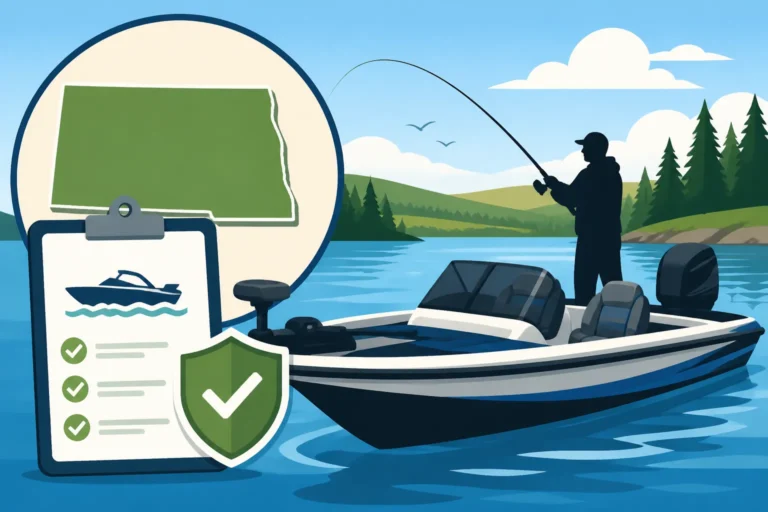
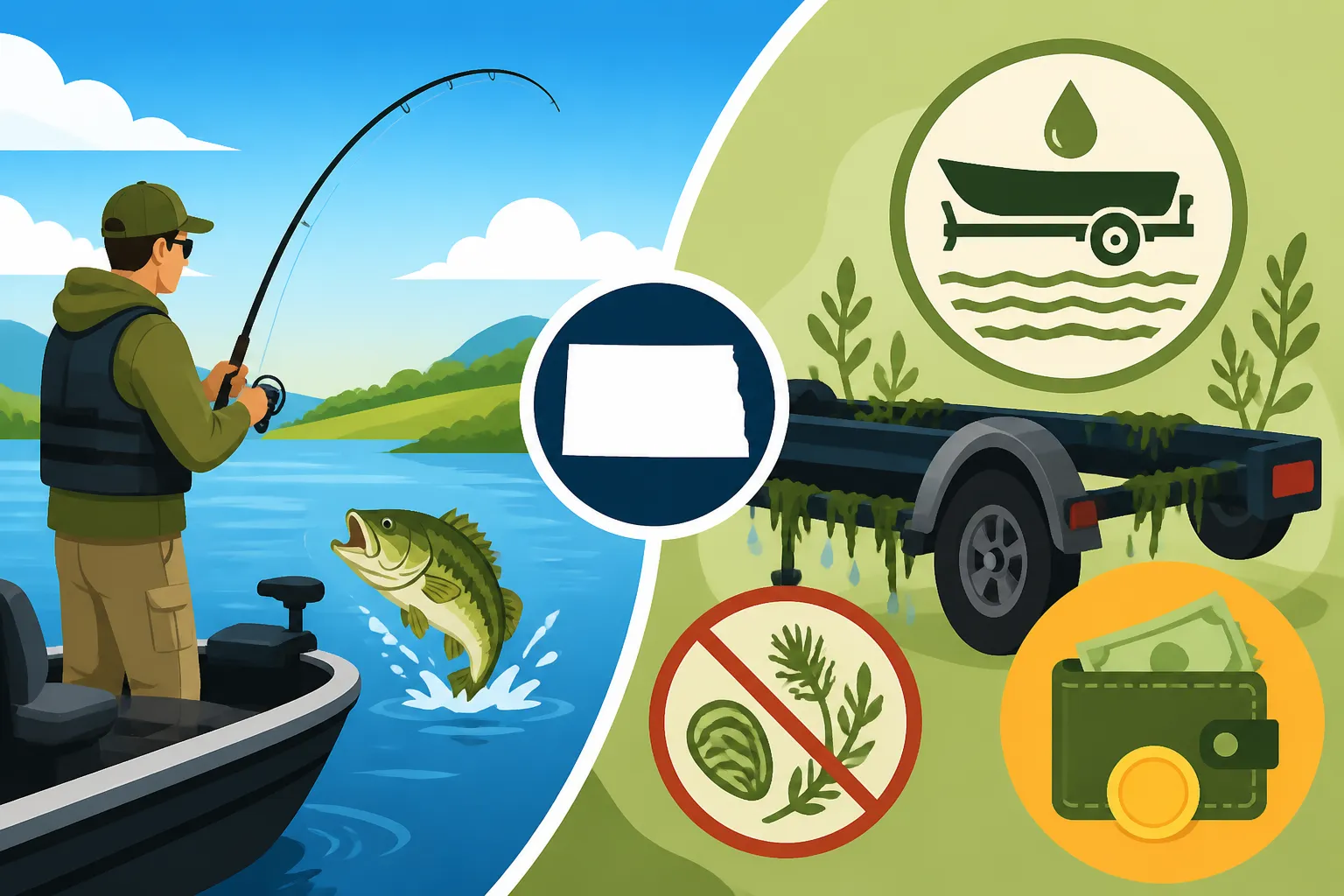
Now, let's get down to the specifics that impact your wallet. The current North Dakota Aquatic Nuisance Species fee is $15 per motorized watercraft. This is not a variable fee based on boat size or horsepower; it's a flat fee applied to all motorized boats that require registration in the state. The fee is assessed at the time of your boat registration, whether it's an initial registration for a new vessel or a renewal for an existing one.
It’s important to understand that this fee is tied to the boat’s registration period. In North Dakota, boat registrations are typically valid for three years, expiring on December 31st of the last year in the cycle. So, when you register or renew your motorized boat, you'll pay the $15 ANS fee, and this covers the entire three-year registration period. This means you're essentially paying $5 per year, which is a small price for the immense value it provides in protecting our waters. It's designed to be straightforward and integrated seamlessly into the existing North Dakota Boat Registration Requirements process, so you won't typically see it as a separate, stand-alone transaction.
Who Needs to Pay This Fee?
This is a common question, and the answer is quite specific. The North Dakota Aquatic Nuisance Species fee applies to all motorized watercraft that are required to be registered in North Dakota, regardless of whether the owner is a resident or a nonresident. This includes everything from large fishing boats designed for Lake Sakakawea's big water, to smaller jon boats used on our rivers, and even personal watercraft (PWCs) like jet skis.
What about non-motorized vessels? This is where many people get confused. Fortunately, if you primarily enjoy paddling, you'll be glad to know that the ANS fee does not apply to non-motorized watercraft. This means if you own a kayak, canoe, stand-up paddleboard, or even a small sailboat without a motor, you are exempt from paying the $15 ANS fee. However, and this is a critical point, while you don't pay the fee, you are still absolutely required to follow all the "Clean, Drain, Dry" protocols to prevent the spread of ANS. Even a drop of water or a tiny plant fragment on a paddle or in the hull of a canoe can transport invasive species. So, while Do Kayaks Need to Be Registered in North Dakota? and Do Canoes Need to Be Registered in North Dakota? don't typically involve the ANS fee, they still carry the responsibility of prevention.
How Your ANS Fee Contributes to Conservation Efforts
It's natural to wonder where your money actually goes when you pay a fee like this. Rest assured, the Aquatic Nuisance Species fee isn't just disappearing into a general fund; it's strategically invested back into critical programs designed to protect and preserve North Dakota's aquatic environments.
Where Does Your Money Go?
The funds collected from the ANS fee are directly channeled into the North Dakota Game and Fish Department's comprehensive ANS program. This isn't a small-scale operation; it's a multi-faceted effort that covers several crucial areas. A significant portion of these funds supports the seasonal operation of boat inspection and decontamination stations across the state. These stations, often located at popular boat ramps and key entry points, are staffed by dedicated personnel who physically inspect boats and trailers for any visible signs of ANS. If an aquatic invader is found, they perform crucial decontamination procedures, typically involving hot, high-pressure washes, to ensure the boat is clean before launching into North Dakota waters.
Beyond direct inspections, your fee also contributes to public awareness and education campaigns. This includes developing and distributing informative materials, running public service announcements, and maintaining online resources that teach boaters about the "Clean, Drain, Dry" methodology and the dangers of ANS. Think about the signs you see at boat ramps or the brochures you pick up at a Game and Fish office – these are often funded by your ANS dollars. Furthermore, a portion of the funds goes towards active control and management efforts in waters where ANS have already become established. This can involve research into new control methods, localized treatments, and ongoing monitoring programs to track the spread and impact of species like zebra mussels. It's a continuous battle, and every dollar helps the North Dakota Game and Fish Department stay on the front lines.
The Importance of Compliance and Prevention
Paying the ANS fee is a mandatory part of registering your motorized boat in North Dakota, and it's a non-negotiable step in responsible boating. But compliance goes far beyond just paying the fee; it extends to actively participating in prevention efforts every single time you launch or retrieve your boat. The mantra "Clean, Drain, Dry" isn't just a catchy phrase; it's a critical set of actions that every boater must adopt to prevent the spread of ANS.
Ignoring these regulations can lead to serious consequences. While the specific penalties for ANS violations can vary depending on the severity and nature of the offense, they often include significant fines. For example, failing to remove drain plugs, transporting prohibited species, or refusing an inspection can result in citations that quickly add up. These fines are often much steeper than the initial $15 fee, demonstrating the state's commitment to protecting its waters. To give you a broader perspective on the seriousness of regulatory compliance, it's worth noting that penalties for fishing without a license in North Dakota are also quite significant, reinforcing the message that ignoring state regulations can have substantial repercussions. Beyond the legal ramifications, however, there's an ethical responsibility. By neglecting proper prevention, you risk becoming an unwitting vector for these destructive species, potentially harming the very lakes and fish you enjoy.
Practical Steps for Boaters: Ensuring You're Compliant
Being a responsible boater in North Dakota means more than just knowing how to navigate the waters; it means understanding and adhering to the regulations designed to protect those waters. The Aquatic Nuisance Species fee and prevention measures are central to this responsibility.
When and Where to Pay the ANS Fee
For motorized watercraft owners, paying the North Dakota Aquatic Nuisance Species fee is an integrated part of the boat registration process. You don't typically pay it separately; it's included in the total cost when you register or renew your boat. In North Dakota, boat registrations are handled by the North Dakota Game and Fish Department.
You have a few convenient options for completing this process:
- Online: The most popular and often easiest way is to register or renew your boat online through the North Dakota Game and Fish Department's official licensing and registration portal. The system will automatically include the ANS fee in your total. This method is quick, efficient, and available 24/7. It's very similar to the ease of use found when you need to How to Renew a North Dakota Fishing License Online.
- In-Person: You can visit the North Dakota Game and Fish Department headquarters in Bismarck or one of their regional offices.
- Authorized Vendors: Many sporting goods stores, bait shops, and some general retailers across the state are authorized vendors where you can register your boat in person. These vendors use the same system, ensuring the ANS fee is included. You can check the Game and Fish Department website for a list of nearby vendors.
Remember, the ANS fee covers a three-year registration period, so you'll only pay it once every three years as part of your regular North Dakota Boat Registration Renewal Period 2026 to 2028 cycle. It's a small, infrequent cost for significant protection.
Beyond the Fee: Additional Prevention Measures You Can Take
While paying the ANS fee is mandatory for motorized boats, your commitment to preventing the spread of aquatic invaders shouldn't stop there. Personal responsibility through diligent application of the "Clean, Drain, Dry" principles is the single most effective tool we have in this fight.
Here's a detailed breakdown of what you should be doing every time you leave a body of water:
-
Clean:
- Inspect Thoroughly: Before leaving the boat launch, meticulously inspect your boat, trailer, motor, and all fishing gear. Look for any visible mud, aquatic plants, or suspicious organisms. Pay close attention to propeller guards, anchor ropes, fishing lines, and fishing nets.
- Remove All Debris: Manually remove anything you find. Don't just flick it into the water; dispose of it in a trash receptacle on shore. Even small fragments of plants can contain viable seeds or living organisms.
- Scrub and Wash: If possible, wash your boat and trailer with hot, high-pressure water. This is especially important if you suspect contact with infested waters. A good stiff brush can help dislodge stubborn hitchhikers. You can find robust cleaning brushes on Amazon that are perfect for this task.
- Focus on Livewells and Bilges: These are prime hiding spots for microscopic organisms.
-
Drain:
- Pull All Plugs: Ensure all drain plugs are removed from your boat's hull, livewells, and baitwells before you leave the boat launch area. This allows all water to drain out.
- Empty Containers: Dump any unused bait water, bilge water, or any other water from buckets, coolers, or other containers on land, away from the water's edge. Never transport water from one lake to another.
- Check Motor and Outdrives: Tilt your motor down to drain any residual water. For outdrives, ensure they are fully trimmed down to release trapped water.
-
Dry:
- Allow Adequate Time: This is arguably the most crucial step. Many ANS, particularly microscopic larvae, can survive in damp conditions for extended periods. Ideally, allow your boat and equipment to thoroughly dry for at least five consecutive days before launching into a different body of water.
- Sunlight Helps: Parking your boat in direct sunlight aids in the drying process and can help kill off any lingering organisms.
- Check all Equipment: Don't forget to dry fishing rods, nets, waders, and any other gear that came into contact with the water.
This diligent approach, combined with regular maintenance and adherence to guidelines such as those found in the North Dakota Aquatic Nuisance Species Rules for Boaters, creates a powerful defense against invasive species. Taking these steps not only keeps you compliant but ensures that North Dakota's beautiful waters remain pristine for everyone to enjoy for years to come. For more on winterizing, which also involves thorough cleaning, check out How Much It Costs to Winterize a Boat.
| Feature | Details |
|---|---|
| Fee Amount | $15 |
| Application | Applies to all motorized watercraft (boats, PWCs) registered in North Dakota. |
| Frequency | Once every three years, as part of the boat registration or renewal process. |
| Exemptions | Non-motorized watercraft (kayaks, canoes, paddleboards, sailboats without motors). |
| Payment Method | Included in the total cost when registering or renewing a boat online, in-person at ND Game and Fish offices, or through authorized vendors. |
| Purpose of Funds | Supports ANS prevention, education, inspection stations, decontamination, research, and control efforts by the North Dakota Game and Fish Department. |
| Key Prevention Action | "Clean, Drain, Dry" every time you leave a body of water. Remove all visible plants and debris, drain all water, and allow ample time for drying before entering new waters. See How to Clean Your Boat to Stop Zebra Mussels for detailed steps. |
Disclaimer
The information provided in this guide is intended for general informational purposes only and may not cover every specific scenario or every change in regulations. While we strive to keep the information accurate and up-to-date, fishing rules and regulations, including fees, can change. Always consult the official North Dakota Game and Fish Department website or their most recent proclamations for the definitive and current requirements before engaging in any fishing or boating activity.