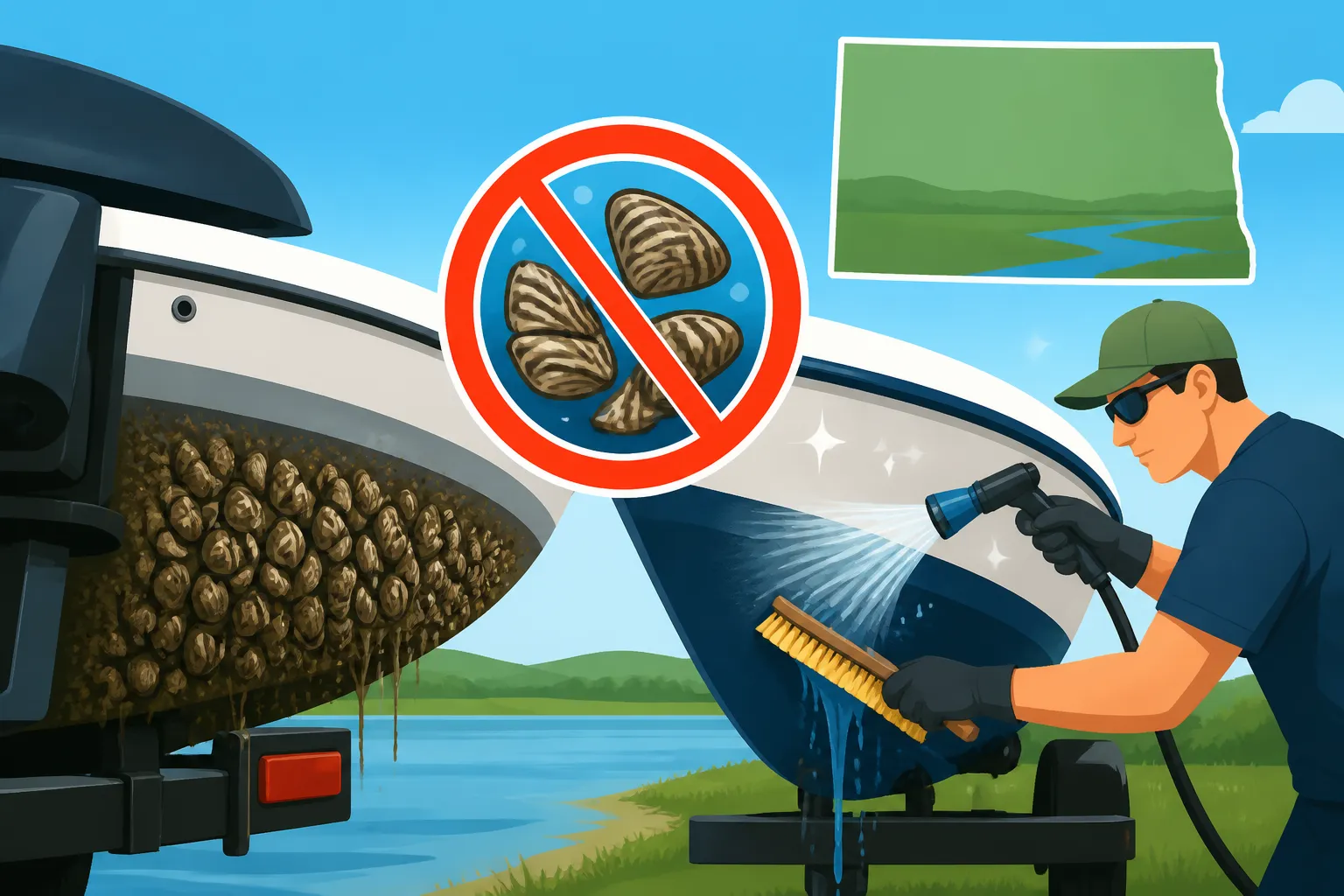
How to Clean Your Boat to Stop Zebra Mussels
Oh, the joy of spending a day out on North Dakota's beautiful waters, whether you're chasing walleye on Lake Sakakawea or casting for perch on Devils Lake. There's truly nothing like it. But there's a growing threat to these cherished fishing grounds, one that can sneak in on your boat without you even knowing: zebra mussels. These tiny invaders can cause immense damage to our delicate aquatic ecosystems and even foul up your own equipment. This guide is all about giving you the practical, step-by-step advice you need to thoroughly clean your boat and prevent the spread of these destructive little hitchhikers, keeping our lakes and rivers healthy for generations to come.
Understanding the Threat: Why Zebra Mussels are a Big Problem
When we talk about protecting our North Dakota waters, zebra mussels inevitably come up in conversation. And for good reason! These small, striped invaders are more than just a nuisance; they represent a significant ecological and economic threat to everything we love about fishing here. It's easy to dismiss them as just another "bug," but their impact is far-reaching and incredibly destructive.
What are Zebra Mussels and Why are They Here?
Zebra mussels (scientific name Dreissena polymorpha) are a species of small freshwater mussel, typically no bigger than your thumbnail, recognizable by their distinct striped shells. They're not native to North America; they originated in Eastern Europe and Western Asia. The unfortunate truth is that they arrived here largely through international shipping, stowed away in the ballast water of cargo ships that traversed the Great Lakes. From there, they've spread rapidly across the continent, primarily by attaching themselves to boats, trailers, and other recreational equipment that moves from one body of water to another.
Once established, they reproduce at an astonishing rate. A single female zebra mussel can release up to a million eggs in a single spawning season. These eggs develop into microscopic larvae, called veligers, which drift freely in the water column for several weeks before settling down and attaching to hard surfaces. This incredible reproductive capacity and their ability to hitch rides on boats are the main reasons for their aggressive spread. They are tiny, but mighty, and incredibly hard to contain once they get a foothold.
The Impact on North Dakota's Ecosystems and Fisheries
The presence of zebra mussels in North Dakota is a serious concern because of the cascade of negative effects they have on our water systems. First and foremost, they are filter feeders. This might sound benign, but they filter vast amounts of water, removing phytoplankton, which forms the base of the aquatic food web. While this might make the water clearer, it strips essential food away from native species, including the tiny organisms that fish rely on for sustenance, especially during their early life stages. This disruption can lead to a decline in native fish populations over time, directly impacting the quality of fishing we enjoy.
Beyond the food web, zebra mussels attach to almost any hard surface. This means they'll cover rocks, docks, boat hulls, motors, and even other native mussels. They can clog water intake pipes for municipal water systems and power plants, leading to expensive maintenance and operational issues. For anglers, this means potential damage to your boat's engine cooling systems, hull, and anchor lines. Imagine pulling up your anchor only to find it completely encased in a thick mat of zebra mussels – it happens! They make recreational activities more difficult and costly, and they fundamentally change the natural balance of our precious lakes and rivers. For more specific information on where these invaders have been found and what rules are in place, check out Which North Dakota Lakes Have Zebra Mussels? and Aquatic Nuisance Species Rules for Boaters.
The Essential "Clean, Drain, Dry" Protocol
When it comes to fighting zebra mussels and other aquatic nuisance species (ANS), the mantra is simple, yet incredibly effective: "Clean, Drain, Dry." This isn't just a suggestion; it's a critical protocol that every boater and angler must follow, every single time they move their vessel or gear from one body of water to another. It's our collective responsibility to protect North Dakota's precious aquatic resources.
Clean: Removing Visible Mussels and Debris
The "Clean" step is your first line of defense against aquatic invaders. Before you even think about leaving the boat ramp or moving to another lake, you need to visually inspect every inch of your boat, motor, and trailer. This means literally getting down and looking under every nook and cranny.
- Hull and Exterior: Scrutinize the entire hull, prop, and any trim tabs or transducers. Look for any visible mud, weeds, or attached organisms. Zebra mussels, even small ones, can cling tightly. A stiff brush, a scraper, or even a good power washer can be incredibly effective here. You might find brushes specifically designed for hull cleaning on Amazon that can make this task much easier. Don't forget the bunks and rollers on your trailer, as these are prime spots for mussels and plant fragments to hide.
- Motor and Lower Unit: Tilt your motor up and visually inspect the lower unit, propeller, and any cooling water intake screens. Sometimes, small mussels can attach to the prop or get caught in crevices. Remove any visible debris by hand.
- Fishing Gear and Equipment: This isn't just about the boat! Your anchor, anchor rope, fishing nets, life jackets, waders, and even your fishing line can harbor veligers or plant fragments. Give everything a thorough once-over. Don't forget to clean your Essential Gear Checklist for North Dakota Fishing items too!
The goal here is total removal of anything alien to the next body of water you're entering. If you see it, remove it.
Drain: Eliminating Standing Water
This is where the microscopic threat is tackled. Even if you've meticulously cleaned off all visible debris, there could still be millions of tiny, invisible zebra mussel veligers swimming in any standing water on your boat. These larvae are robust and can survive for days in small puddles.
- Livewells: Completely drain your livewell, and if possible, flush it with clean, hot water. Many livewells have hidden compartments or plumbing where water can linger. Ensure all drain plugs are removed.
- Bilge: Open your bilge plug and allow all water to completely drain out. If your boat has a bilge pump, run it dry. Consider raising your boat's bow slightly on the trailer to facilitate better drainage.
- Motor: Lower your motor to allow all cooling water to drain from the engine block. Running the engine on "flush" with clean water at home can help ensure all potential larvae are flushed out.
- Coolers and Bait Buckets: Empty all water from coolers, bait buckets, and any other containers that held water from the lake. Give them a quick rinse with clean water.
- Other Compartments: Check any storage compartments or areas where water might pool. Remove any standing water you find.
The cardinal rule: Never transport water from one lake to another. This is an absolute must to comply with Aquatic Nuisance Species Rules for Boaters.
Dry: The Critical Step
The "Dry" step is often the most overlooked but it's absolutely crucial. Zebra mussels, like many aquatic species, cannot survive prolonged periods out of water, especially in dry, warm conditions.
- Thorough Air Drying: After cleaning and draining, the best defense is time and air. Allow your boat, motor, and all equipment to completely dry for at least five consecutive days, especially during warmer months. In cooler or humid conditions, this drying time might need to be extended even further. A good rule of thumb is "longer is better."
- Sunlight Exposure: Position your boat in direct sunlight if possible. UV rays are excellent at killing off microscopic organisms. Open all compartments, hatches, and the engine cover to allow maximum airflow and sun exposure to all interior areas.
- Absorbent Materials: Use absorbent towels (you can find multi-packs of microfibre towels on Amazon that work great for this) to wipe down any remaining moisture from surfaces, especially inside livewells and bilges.
- Ice Fishing Gear: Even your ice fishing gear isn't exempt! When the ice fishing season ends, make sure your Ice Fishing Shelter Rules on North Dakota Lakes are followed, and your shelter, auger, sleds, and all tackle are thoroughly cleaned, drained, and dried before storing them. They can harbor microscopic life too.
By meticulously following the Clean, Drain, Dry protocol, you're doing your part to keep North Dakota's waters free from these devastating invaders.
A Step-by-Step Guide to Cleaning Your Boat Effectively
Okay, we've talked about why "Clean, Drain, Dry" is so important, but now let's get into the nitty-gritty of how to actually do it. It's not just a quick hose-down; it's a methodical process that, once you get into the habit, becomes second nature. Think of it as part of your post-fishing ritual, just like putting away your rods.
At the Boat Ramp: Immediate Actions
The moment your boat comes out of the water is perhaps the most critical time for initial prevention. This is your chance to remove any visible threats before they become firmly attached or get transported elsewhere.
- Visual Inspection & Removal: As soon as your boat is on the trailer and clear of the water, do a quick but thorough visual inspection. Look at the hull, the propeller, the trim tabs, and especially the trailer bunks and rollers. Use your hands to feel for any slimy patches or gritty textures that might indicate zebra mussels. Immediately remove all visible aquatic vegetation (weeds, algae) and any mud, sand, or animals you find. Don't just knock it onto the ground near the ramp; discard it in a designated disposal bin if available, or take it home to dispose of it properly in the trash.
- Pull Drain Plugs: This is a huge one. Get those drain plugs out! This allows any water trapped in the bilge, livewells, and other compartments to start draining before you even hit the road. Many boat ramps in North Dakota actually require you to pull your plugs before leaving the area, and for good reason. It's designed to stop those tiny veligers from traveling with you.
- Flush Livewells (If Possible): If you have a way to access a non-infested water source or even some fresh bottled water, give your livewell a quick flush to remove lake water. This is especially helpful if you've been using your livewell to hold fish or bait.
These immediate actions at the ramp are your first, crucial line of defense. Don't skip them, no matter how tired you are after a long day on the water.
Back Home: The Deep Clean
Once you've made it home, it's time for the thorough cleaning that ensures maximum protection. This is where you can be more methodical and use specific tools.
- Hot Water Wash: If at all possible, wash your boat, motor, and trailer with hot water. Water heated to at least 140°F (60°C) is highly effective at killing zebra mussels and their larvae. A pressure washer can be an excellent tool for this, allowing you to reach crevices and apply force to dislodge anything stuck. Just be mindful of delicate areas and don't blast directly into seals or electronics. You can find robust pressure washers and boat wash solutions on Amazon that can make this job easier and more effective. Pay close attention to:
- Hull: Scrub or pressure wash the entire hull, especially areas that were submerged.
- Motor: Focus on the prop, intake screens, and any cooling system outlets.
- Trailer: Clean the tires, wheel wells, bunks, rollers, and axle. These parts spend time in the water and are notorious hiding spots.
- Disinfecting: For livewells, bait buckets, and any internal plumbing that held lake water, a diluted bleach solution (e.g., a cup of bleach per gallon of water) can be used as a disinfectant. Allow it to sit for a few minutes before thoroughly rinsing with clean water. Ensure this solution doesn't go back into any natural waterways.
- Drying, Drying, Drying: After cleaning, the drying process begins. Park your boat in a sunny, well-ventilated area. Open all compartments, hatches, and the engine cover. Prop up seats if necessary to allow air to circulate everywhere. The longer everything can thoroughly dry, the better. Five dry, consecutive days is a good minimum goal, but longer is always safer, especially in humid conditions or if it's not very warm. Remember, sunlight and air are your best allies in killing off any lingering organisms.
- Fishing Gear: Don't forget your fishing rods, reels, tackle boxes, and especially nets and waders. Rinse them all with clean water, dry them thoroughly in the sun, and inspect them before your next outing. Even something as simple as a stray piece of weed on your fishing reel can carry zebra mussel veligers.
Special Considerations for Different Boats and Gear
Not all boats are created equal, and some gear requires a bit more thought when it comes to cleaning.
- Kayaks, Canoes, and Paddleboards: These smaller vessels are often easier to clean, but just as susceptible to carrying invaders. Since they're typically lighter, you can often flip them over to ensure every surface dries completely. Pay close attention to scupper holes, footrests, and any internal compartments. A simple scrub brush and a hose with hot water can do wonders. Don't forget paddles and life jackets!
- Inflatables and Rafts: These can be tricky due to their many folds and crevices. Deflate them, clean thoroughly with soap and water, and allow them to dry completely, inside and out. Ensure no water is trapped in any seams.
- Specialized Fishing Tackle: Items like downriggers, trolling weights, and anything that goes deep into the water need careful attention. Rinse them with clean water after each use and ensure they are dry before storage. Even your boat's anchor and anchor rope need a good cleaning and drying.
By taking the time for this deep clean at home, you're not just protecting North Dakota's fisheries; you're also ensuring your own gear lasts longer and performs better. And if you're ever registering a new boat, remember to familiarize yourself with North Dakota Boat Registration Requirements and the associated North Dakota Boat Registration Fees by Size – ensuring you know all the rules that apply to your vessel.
Staying Vigilant: Long-Term Prevention Strategies
Cleaning your boat diligently after every outing is fantastic, but true long-term prevention of zebra mussels and other aquatic nuisance species requires a commitment to ongoing vigilance and responsible boating habits. It's a continuous effort that involves every angler and boater in North Dakota.
Inspecting Your Boat Regularly
Making inspections a routine part of your boating life is key. It's not just about what you do immediately after fishing; it's about being aware all the time.
- Before and After Every Trip: Yes, we've emphasized the "after," but a quick check before launching, especially if your boat has been stored for a while, can catch anything missed or anything that might have found its way onto your equipment while sitting. Look for small, gritty bumps on the hull that weren't there before, or any suspicious plant matter.
- Focus on Hard-to-Reach Areas: These tiny mussels love dark, undisturbed places. Pay extra attention to transducer mounts, trailer rollers, anchor lockers, and even the inside of your motor's cowling. A small flashlight can be your best friend here.
- Seasonal Checks: When you're performing tasks like How to Winterize a Boat Motor or preparing your boat for its spring launch after Where to Store a Boat for the Winter, conduct a really detailed inspection. This is the perfect opportunity to address any potential hitchhikers before they can cause a problem in the upcoming season. Remember, ice fishing shelters need to be cleaned too; learn more in Ice Fishing Shelter Rules on North Dakota Lakes.
By making these inspections a habit, you're not just preventing the spread of invasives; you're also likely to catch other potential issues with your boat or trailer before they become major problems.
Reporting Sightings and Staying Informed
You are an extra set of eyes on the water, and your observations are incredibly valuable. If you suspect you've found zebra mussels in a new location, or see any other suspicious aquatic species that look out of place, it's crucial to report it.
- Know What to Look For: Familiarize yourself with pictures and descriptions of zebra mussels and other common ANS. The North Dakota Game and Fish Department website is an excellent resource for this. Knowing the characteristics of these invaders makes you a more effective defender of our waters.
- How to Report: If you find what you believe to be zebra mussels or another aquatic nuisance species, take a picture, note the exact location (GPS coordinates if possible), and contact the North Dakota Game and Fish Department immediately. Don't try to remove a large infestation yourself, as you might inadvertently spread them further.
- Stay Up-to-Date: Regulations and known infestation sites can change. Regularly check the North Dakota Game and Fish Department's official publications or website for updates. Understanding North Dakota Fishing Regulations Explained in general will always put you in a better position to be a responsible angler.
Your active participation in monitoring and reporting is a vital component of the statewide effort to control and prevent the spread of these damaging species.
Responsible Boating Habits for All Anglers
Ultimately, preventing the spread of zebra mussels comes down to instilling a culture of responsible boating in everyone who enjoys North Dakota's waterways.
- Educate Others: Share what you've learned about "Clean, Drain, Dry" with fellow anglers, friends, and family. A polite reminder or a friendly chat about the importance of preventing ANS can go a long way.
- Avoid Infested Waters (If Possible): While sometimes unavoidable, if you know a particular body of water is heavily infested, consider if you can postpone your trip there, or be extra diligent with your cleaning efforts if you do visit.
- Support Conservation Efforts: Many organizations are working hard to combat ANS. Support their work through donations, volunteering, or simply spreading awareness. The future of fishing in North Dakota depends on our collective actions.
Remember, every time you launch your boat, you have the power to either protect our waters or inadvertently contribute to their degradation. Let's all choose to be part of the solution. Even if you're just considering North Dakota Watercraft Title Requirements for a new boat, think about its impact.
North Dakota's "Clean, Drain, Dry" Checklist
To make it super easy to remember all the key steps, here’s a handy checklist you can use every time you leave a body of water. Keep it in your tackle box or boat to refer to!
| Step | Action | Why It's Important | Tools & Tips |
|---|---|---|---|
| Clean | Remove all visible plants, mud, and animals from boat, motor, trailer, and all gear. | Prevents transporting adult mussels and plant fragments. | Stiff brush, scraper, pressure washer, paper towels/rags. Dispose of debris in trash. |
| Drain | Pull all drain plugs from bilge, livewells, bait wells. Drain motor and any water-holding compartments. | Eliminates microscopic veligers (larvae) that survive in standing water. | Ensure boat is tilted to allow complete drainage. Don't forget coolers! |
| Dry | Allow boat, motor, trailer, and all gear to thoroughly dry for at least 5 consecutive days. | Kills any remaining veligers or adults that survived cleaning and draining. | Maximize sunlight exposure, open all compartments, use absorbent towels. Longer is safer! |
| Inspect | Before and after every trip, thoroughly inspect all surfaces, especially crevices. | Catches anything missed or new hitchhikers. | Flashlight for dark areas. Feel for gritty textures. |
| Report | If you suspect a new ANS sighting, document (photo, location) and report to NDGFD. | Crucial for tracking and managing invasive species spread. | Do NOT try to remove large infestations yourself. |
Disclaimer
This article is for general informational purposes only and does not constitute professional advice. Laws, prices and regulations vary by location and change over time. Consult a qualified professional for guidance on your specific situation.