Is Walleye the Best Tasting Fish in North Dakota?
Ah, the age-old question that sparks many a lively debate around campfires and fish houses across North Dakota: is walleye truly the king of the table? It's a sentiment many anglers here hold dear, but the truth is, what constitutes "best tasting" is a wonderfully subjective thing, deeply rooted in personal preferences, fishing experiences, and even how that fish makes it to your plate. This guide dives deep into the celebrated flavor of North Dakota's walleye, explores its delicious contenders, and unpacks all the factors that truly impact how magnificent a fish tastes.
The Reign of the Walleye: Why It's So Popular
For many, the walleye isn't just a fish; it's a culinary icon, especially here in North Dakota. It's synonymous with good times on the water, whether you're pulling them through the ice or trolling deep in the summer. There's a reason it often tops the list of "best eating fish," and that reputation is well-earned for a number of reasons that go beyond just bragging rights.
One of the biggest reasons for its immense popularity is its widespread availability and consistent fighting spirit, but truly, it's the taste that cements its place in the hearts of so many. Catching a limit of walleye is a triumph, and bringing them home to the dinner table feels like a special occasion every time. It's a tradition, a rite of passage, and a truly delicious reward for your efforts.
Flavor Profile and Texture
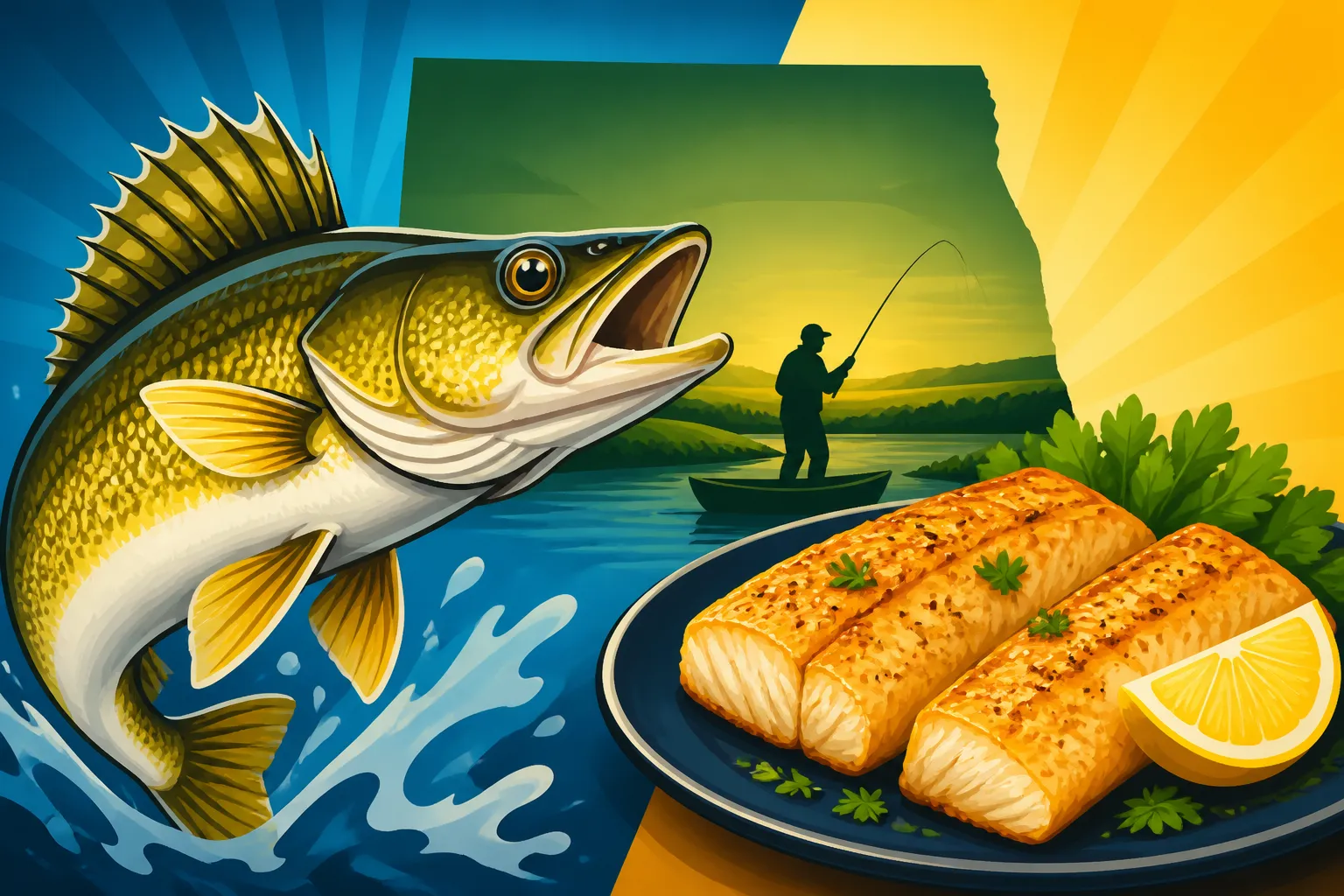
Let's talk about that signature walleye taste. When cooked properly, walleye offers a delicate, mild, and sweet flavor that isn't "fishy" in the way some other species can be. This subtle taste is often preferred by those who might be hesitant about stronger-flavored fish, making it an excellent gateway fish for newcomers to the culinary angling world. It really is hard to find someone who genuinely dislikes the taste of a well-prepared walleye.
Beyond its inviting flavor, the texture is absolutely divine. Walleye meat is lean, flaky, and firm, but not tough. It separates beautifully with a fork, creating tender morsels that melt in your mouth. This combination of mild flavor and appealing texture makes it incredibly versatile for cooking, adapting well to a myriad of preparations without being overpowered by seasonings, yet still holding its own. It's a texture that speaks of fresh, clean water, and healthy fish.
Versatility in the Kitchen
The culinary adaptability of walleye is another major factor in its high regard. Its mild flavor and firm-yet-flaky texture mean you can cook it in countless ways, and it almost always turns out fantastic. From the simplest pan-fry to more complex gourmet dishes, walleye shines. This versatility makes it a favorite for home cooks and restaurant chefs alike, allowing them to experiment without fear of a dish falling flat.
Pan-frying is arguably the most classic and beloved method, often with a light breading or batter that crisps up perfectly, creating a golden-brown crust that seals in the moist, tender fish. But don't stop there! Walleye can be baked, broiled, grilled, or even deep-fried for classic fish and chips. Many enjoy it in tacos, sandwiches, or as a centerpiece of a lighter, healthier meal. Its natural sweetness means it pairs well with citrus, fresh herbs, and light sauces, enhancing its delicate qualities rather than masking them.
The "North Dakota Staple" Status
In North Dakota, walleye is more than just a fish; it's practically a cultural institution. It's the fish everyone targets, talks about, and certainly loves to eat. From Lake Sakakawea to Devils Lake, pursuing walleye is a way of life for many, and bringing home a cooler full of fillets is a source of pride. You'll find it on menus across the state, from small-town diners to upscale restaurants, often highlighted as a local specialty.
This deep connection to the walleye fishery isn't just about sport; it's about community, tradition, and the simple pleasure of sharing good food with friends and family. A fish fry featuring fresh walleye is a staple at gatherings, reinforcing its status as a beloved North Dakota icon. It's the standard by which all other freshwater fish are often measured, and its consistent quality keeps it at the top of the culinary ladder. If you're looking for more tips on catching these beloved fish, be sure to check out our North Dakota Walleye Fishing Guide.
The Contenders: Other Delicious North Dakota Fish Species
While walleye might wear the crown for many, North Dakota's diverse waters are home to a remarkable array of other fantastic eating fish. To truly answer the "best tasting" question, you have to cast your net wider and consider what else is swimming out there, ready to grace your dinner plate. Each species offers a unique flavor and texture profile, appealing to different palates and culinary desires.
It's easy to get caught up in the walleye hype, but it would be a shame to overlook the delicious experiences offered by other species. Sometimes, variety is the spice of life, and trying different fish can open up a whole new world of flavors. Who knows, you might just discover a new personal favorite that gives walleye a run for its money!
Northern Pike
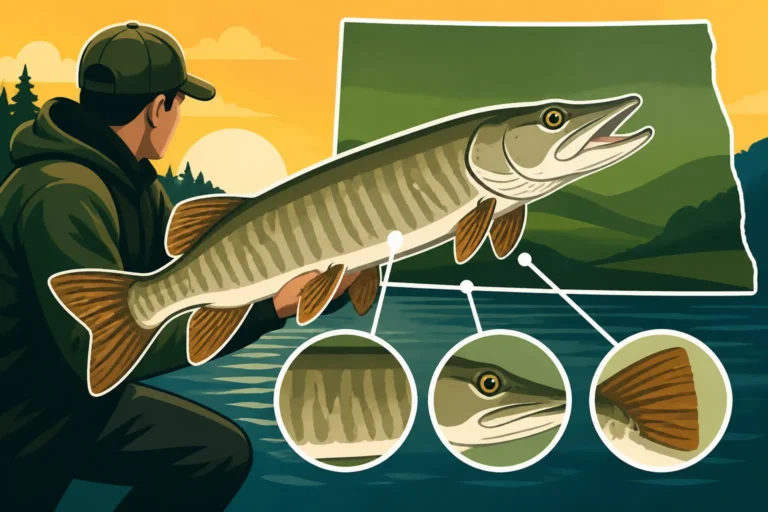
Northern pike often get a bad rap for being "bony," but with proper filleting (the five-fillet method is key!), these toothy predators offer a wonderfully firm, white, and flaky meat that's surprisingly delicious. Their flavor is a bit stronger than walleye, often described as slightly more robust, but still mild and very clean-tasting, especially when caught from cold, clear waters. Don't let their fierce appearance fool you; they are excellent table fare.
Pike are incredibly versatile in the kitchen. Their firm texture holds up well to grilling, baking, or even smoking. They can be battered and fried like walleye, but their slightly richer flavor also stands up to stronger seasonings and marinades. If you've never tried a well-filleted pike, you're missing out on a truly rewarding meal. For tips on how to catch them, read our North Dakota Northern Pike Fishing Guide. Learning how to properly fillet them is a game-changer; an extra-sharp fillet knife, easily found on platforms like Amazon, makes all the difference in navigating those Y-bones.
Yellow Perch
Often considered the "mini-walleye," yellow perch are another North Dakota delicacy, especially famed on lakes like Devils Lake. Their meat is remarkably similar to walleye: very mild, sweet, and incredibly flaky. What they lack in size, they more than make up for in flavor, making them a top choice for many anglers who prioritize taste. You'll often hear discussions about whether perch or walleye is truly better, and it often comes down to the individual fish and preparation.
Perch are almost exclusively pan-fried, given their smaller size. A perfectly cooked perch fillet, lightly breaded and fried until golden, is a culinary joy. They cook quickly and are fantastic for a quick meal. The delicate nature of their flesh means they don't need much fuss; a simple seasoning is often all that's required to bring out their natural deliciousness. Many ice anglers specifically target them, and if you're keen to try, check out our guide on How to Catch Perch Through the Ice in North Dakota.
Channel Catfish
For those who prefer a richer, firmer, and more robust flavor, the channel catfish is a standout. Especially prevalent in the Red River, these whiskered beauties offer a distinct taste that's a world away from the delicate walleye. The meat is typically white to pinkish, firm, and boasts a unique, earthy sweetness. The perception of "muddy" taste often comes from fish caught in stagnant, warm water; clean-water catfish are incredibly delicious.
Catfish are a favorite for deep-frying, where their firm texture crisps up beautifully, but they're also excellent baked, grilled, or even smoked. Their flavor can handle bold spices and sauces, making them perfect for Southern-style cooking or hearty stews. If you're after a fish with more character and a satisfyingly meaty texture, channel catfish are definitely worth exploring. For tips on landing these powerful fish, don't miss our North Dakota Channel Catfish Fishing Guide.
Chinook Salmon
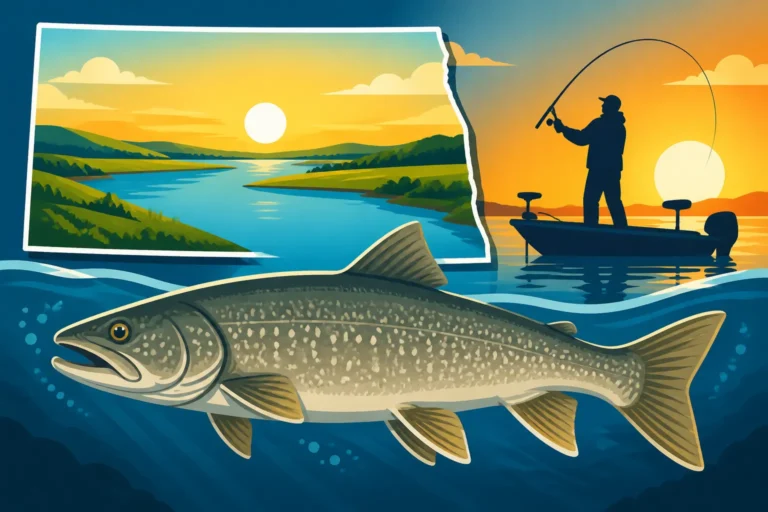
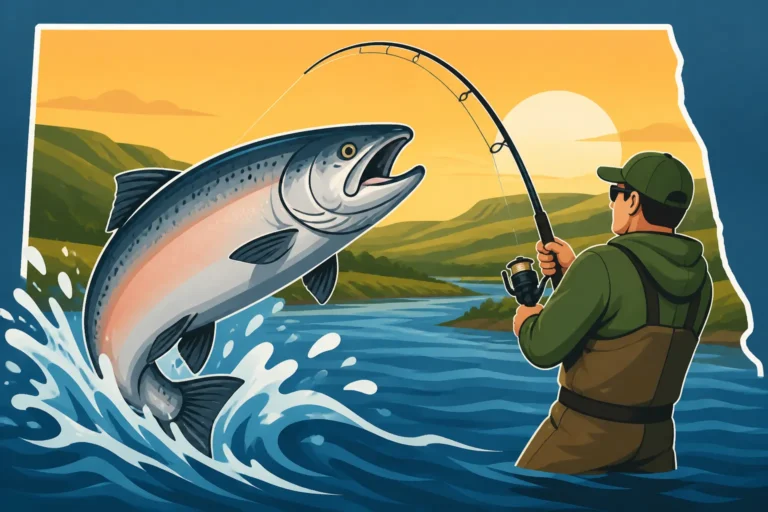
While not native, Chinook salmon thrive in Lake Sakakawea, offering a completely different culinary experience. Their flesh is vibrant orange-red, rich, oily, and incredibly flavorful. Unlike the white, flaky texture of walleye, salmon has a denser, meatier texture, packed with healthy Omega-3 fatty acids. This richness makes it a prized catch for those seeking a more luxurious meal.
Salmon is often grilled, baked, or broiled, which allows its natural oils to render and infuse the meat with incredible flavor. It's also fantastic smoked, creating a savory, flaky treat. The strong, distinct flavor of Chinook salmon means it can stand up to powerful marinades and seasonings, from dill and lemon to soy and ginger. It's a powerhouse of flavor and nutrition, and a true trophy fish in every sense. Learn more about pursuing them in our North Dakota Chinook Salmon Fishing Guide.
Other Notable Mentions
North Dakota's waters also offer a variety of other delicious fish that deserve recognition. Sauger, often mistaken for walleye, offers a very similar delicate flavor and flaky texture, sometimes even preferred by those who find them slightly sweeter. They're excellent pan-fried and are a joy to catch.
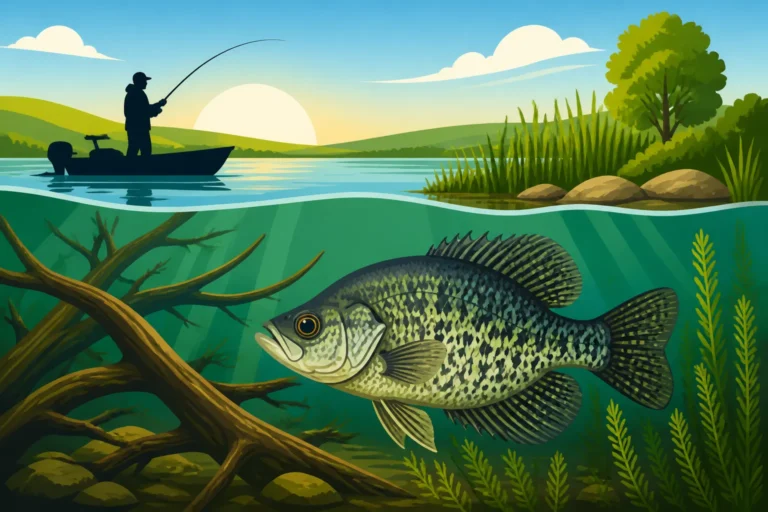
Crappie (both black and white) are panfish champions, with white, flaky, sweet meat that's very popular, especially for those quick shore lunches. They're often compared to perch in terms of taste and preparation. Bluegill are another small but mighty panfish, offering sweet, firm flesh perfect for a quick pan-fry. While they might be small, a plate full of bluegill fillets is a delicious reward. Don't underestimate the small panfish—they can truly be delightful.
| Fish Species | Flavor Profile | Texture | Common Preparation Methods |
|---|---|---|---|
| Walleye | Mild, sweet, clean | Lean, flaky, firm | Pan-fried, baked, broiled, grilled |
| Northern Pike | Robust, clean, slightly richer | Firm, white, flaky | Grilled, baked, smoked, pan-fried |
| Yellow Perch | Very mild, sweet, delicate | Very flaky, tender | Pan-fried (classic) |
| Channel Catfish | Rich, earthy, sweet | Firm, meaty | Deep-fried, baked, grilled, smoked |
| Chinook Salmon | Rich, oily, pronounced | Dense, meaty, tender | Grilled, baked, broiled, smoked |
| Sauger | Mild, sweet, very clean | Flaky, tender | Pan-fried, baked |
| Crappie | Mild, sweet | White, flaky | Pan-fried, deep-fried |
| Bluegill | Sweet, firm | Firm, flaky | Pan-fried |
Factors Influencing Fish Taste: Beyond the Species
When we talk about whether a walleye is the "best tasting," it's easy to focus solely on the species itself. But the truth is, a fish's flavor can be profoundly impacted by a multitude of factors, many of which have nothing to do with whether it's a walleye or a perch. Understanding these influences can not only help you appreciate why some fish taste better than others, but also how you can maximize the flavor of your own catch.
It's not just about the DNA of the fish; it's about its entire journey from the water to your plate. Ignoring these crucial elements means you might be missing out on the full potential of any fish, regardless of its species. A perfectly handled northern pike might taste far better than a poorly cared-for walleye.
Water Quality and Diet
Perhaps one of the most significant factors influencing a fish's taste is the water it lives in and what it eats. Fish from clean, cold, oxygen-rich waters generally have a milder, cleaner flavor compared to those from warm, stagnant, or muddy environments. This is because undesirable tastes can be absorbed from the water or passed through the fish's diet. For instance, a catfish from the muddy bottom of a shallow, warm pond might have a strong, "muddy" flavor, whereas one from a deep, flowing river will often taste incredibly clean and sweet.
The diet of the fish also plays a critical role. Fish that feed on smaller baitfish, insects, or crustaceans tend to develop a more pleasant flavor than those that graze on algae or detritus in certain conditions. This is a big reason why walleye and perch, which are predatory fish, often have such a clean taste. The cleaner the forage base, the cleaner the fish. This is why location matters so much when you're targeting fish for the dinner table.
Season and Spawning
The time of year you catch a fish can also subtly alter its flavor and texture. Fish tend to be at their prime, in terms of taste and flesh quality, when they are actively feeding and putting on weight. During warmer months, when food is abundant, fish often have higher fat content, which can enhance flavor and moisture. Conversely, during spawning seasons, fish are expending a tremendous amount of energy, and their flesh can become softer, less flavorful, or even carry a different odor due to hormonal changes.
For example, a walleye caught in late spring or early summer, after spawning, but before the water gets too warm, is often considered to be in peak condition. Similarly, ice-fishing for yellow perch often yields incredibly firm and delicious fish, as the cold water keeps their meat tight and clean. Paying attention to the North Dakota Fishing Season Calendar can help you time your angling adventures for the best possible culinary results.
Handling and Preparation
Here's where the angler truly makes a difference: how you handle your catch from the moment it leaves the water until it hits the pan. Even the "best tasting" species can be ruined by poor handling. Rapidly bleeding a fish after catching it is crucial; this removes blood from the flesh, which can otherwise contribute to a "fishy" taste. Then, keeping the fish cold, ideally on ice, immediately after it's caught helps preserve its freshness and prevents bacterial growth that can degrade flavor.
The filleting process also matters. A clean, efficient fillet removes all skin, bones, and any dark meat or belly fat, which can sometimes harbor stronger flavors. Finally, how you cook the fish is paramount. Overcooking, regardless of species, will dry out the delicate flesh and diminish flavor. Conversely, using a cooking method that complements the fish's natural qualities, such as pan-frying perch or grilling salmon, will elevate the experience. Having a good cooler, like one you can easily find on Amazon, to keep your catch fresh on the water, and excellent tools like the Best Fillet Knives for Walleye and Pike are essential investments for any angler serious about table fare.
Personal Preference
Ultimately, taste is a deeply personal and subjective experience. What one person considers the "best" might be merely "good" to another. Some people genuinely prefer the rich, bold flavor of channel catfish, while others might find it too strong. Many love the delicate sweetness of walleye, but some might prefer the slightly firmer texture of northern pike. There's no right or wrong answer when it comes to what tastes best to you.
Cultural backgrounds, childhood experiences, and even the seasonings you grew up with all play a role in shaping your palate. The key is to be open-minded, try different species, and experiment with various cooking methods. Don't let someone else's opinion dictate your culinary adventure. Embrace the variety North Dakota's waters offer, and discover your own personal favorites!
Making Your Own Determination: The Ultimate Taste Test
So, is walleye the best tasting fish in North Dakota? The only way to truly answer that question for yourself is to embark on your own culinary adventure. It's about more than just catching fish; it's about experiencing the full spectrum of flavors our incredible waters have to offer. Don't just take someone else's word for it; put on your angling hat, then your chef's apron, and find out for yourself!
This isn't just about finding a "winner"; it's about appreciating the diverse bounty of North Dakota's fisheries. Each species provides a unique challenge and a unique reward. The process of catching, cleaning, and cooking is an integral part of the overall enjoyment, and truly contributes to the "taste."
How to Catch Each Species
To conduct your own taste test, you'll need to catch the contenders! Each species has its preferred habitats and techniques:
- Walleye: Often found on structural elements like reefs, points, and humps in lakes like Sakakawea and Devils Lake. They respond well to jigging, trolling crankbaits, or slip-bobber fishing with live bait like minnows or leeches. Check out our North Dakota Walleye Fishing Techniques for more specific tactics.
- Northern Pike: These aggressive predators lurk in weed beds, shallow bays, and along drop-offs. Casting large spoons, spinnerbaits, or jerkbaits is effective, as is using large dead bait under a tip-up during ice season. Our How to Fish for Northern Pike in North Dakota guide has all the details.
- Yellow Perch: Found in schools, often near weeds or submerged timber. Ice fishing is particularly popular for perch, using small jigs tipped with maggots or wax worms. During open water, they'll hit small jigs or pieces of worm near structure.
- Channel Catfish: Primarily river dwellers, especially in the Red River and sections of the Missouri. They prefer deep holes, current breaks, and snaggy areas. Cut bait, shrimp, or stink baits fished on the bottom are highly effective. You can find more specific advice in Catfish Bait Techniques for the Red River.
- Chinook Salmon: Exclusively found in Lake Sakakawea, they are open-water predators. Trolling with downriggers and specific spoons or flashers designed for salmon is the primary method. They require specialized gear and knowledge due to their deep-water habits.
Equipping yourself with the right gear, from rods and reels to a comfortable fishing chair, can be easily done. Many anglers purchase reliable gear from online retailers like Amazon, ensuring they're ready for any species they decide to target.
Simple Cooking Methods for Comparison
When comparing flavors, it’s best to keep the cooking method simple and consistent across different species. This allows the natural flavor of the fish to shine without being masked by heavy sauces or seasonings. Pan-frying is often the gold standard for comparison, as it's quick, easy, and highlights the texture and taste.
Here’s a basic approach:
- Fillet and Skin: Ensure all fish are properly filleted and skinned, removing any dark meat or fat. This step is crucial for getting a clean, pure taste.
- Light Breading: Use a simple breading mixture of flour, salt, pepper, and perhaps a touch of paprika or garlic powder. Avoid overly seasoned batters for a true comparison.
- Pan-Fry: Heat a skillet with a thin layer of cooking oil (vegetable or canola work well) over medium-high heat. Fry the fillets until golden brown and cooked through, usually 2-4 minutes per side depending on thickness. You want a crispy exterior and a flaky, moist interior.
- Serve Plain: Present the fish with just a squeeze of lemon if desired, or completely plain. This allows you to truly focus on the inherent flavor and texture of each species.
By preparing each fish in a similar, simple fashion, you can objectively evaluate their individual merits. Take notes on flavor, texture, and overall appeal. You might be surprised by what you discover! Whether you conclude walleye is still the king or if another species steals your heart, the journey of discovering North Dakota's best tasting fish is a delicious one.
Disclaimer
This article is for general informational purposes only and does not constitute professional advice. Laws, prices and regulations vary by location and change over time. Consult a qualified professional for guidance on your specific situation.