North Dakota Walleye Fishing Techniques
Oh, the elusive walleye! There's nothing quite like the thrill of a walleye bite, but anyone who’s spent time on North Dakota’s vast lakes and rivers knows these finicky fish can be incredibly challenging. It's frustrating to be out on the water, seeing marks on your sonar, and yet getting no bites. This guide is all about equipping you with the right North Dakota walleye fishing techniques to turn those frustrating outings into successful ones, no matter the season or conditions.
Understanding Walleye Behavior and Habitat in North Dakota
Before you even think about dropping a line, truly understanding the walleye, how they behave, and where they like to hang out is paramount. They’re not just random swimmers; walleye are creatures of habit, heavily influenced by their environment and the changing seasons. Knowing their patterns is your first step to consistent success.
Seasonal Movements and Forage
Walleye, like many fish, have distinct seasonal patterns driven primarily by spawning, feeding, and temperature. In early spring, right after the ice melts, their minds are largely on reproduction. They move into shallower, warmer waters, often near rocky shorelines or river tributaries, seeking suitable spawning grounds. This can be a prime time to catch them, but it requires a careful approach as they can be easily spooked and might not be actively feeding in the same way they would later in the year.
As spring transitions into summer, and the water warms up, walleye will generally move to deeper, cooler waters. They often relate to underwater structures such as humps, reefs, and points where they can ambush baitfish. Their diet diversifies during this time, including various minnows, yellow perch, and even young-of-the-year shad, depending on the specific body of water. Come fall, there's often a "feeding frenzy" as walleye try to bulk up for the lean winter months. They’ll move shallower again, becoming incredibly active and aggressive, making for some of the year's best fishing. Then, as winter sets in and the ice forms, their metabolism slows down, and they become more lethargic, often holding tight to main lake structure or deep weed lines. Understanding these major shifts, laid out in any good North Dakota Fishing Season Calendar, is crucial.
Key Walleye Habitats
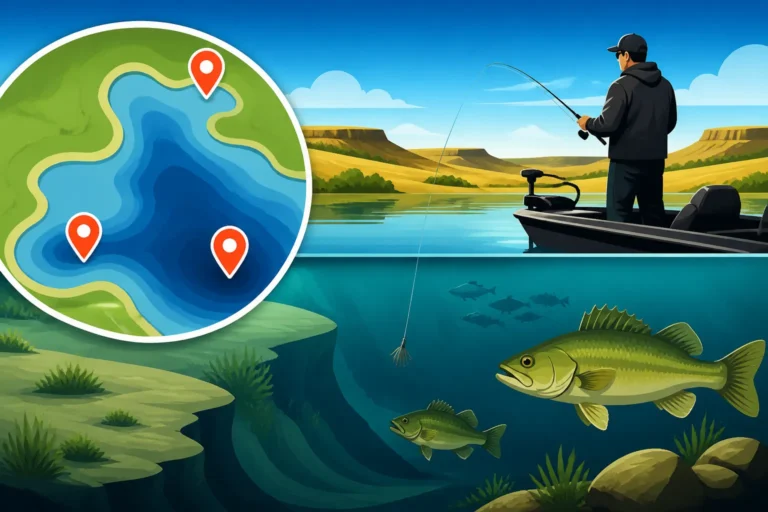
Walleye are masters of camouflage and thrive in specific environments that offer them both protection and feeding opportunities. Structure, in particular, is their best friend. Think about underwater reefs, sharp drop-offs, gravel bars, and sunken islands – these are all classic walleye haunts. On massive bodies of water like Lake Sakakawea, locating these subtle contours can feel like finding a needle in a haystack, but that's where modern electronics really shine.
Beyond hard structure, walleye also love various forms of cover. Dense weed lines, especially those with an edge where shallow water meets deeper water, provide excellent ambush points. In lakes like Devils Lake, where flooded timber is abundant, walleye will often hold tight to these submerged trees and brush piles, using them for cover and to break current. On river systems like the Missouri River, current breaks and eddies are critical. Walleye will position themselves just out of the main current, waiting for baitfish to be swept past them. Even subtle changes in bottom composition, from soft mud to harder gravel, can hold walleye. Paying attention to these diverse habitats will help you narrow down your search and increase your chances of finding a school of hungry walleye. You'll often find that the biggest fish relate to the best structure.
Spring Walleye Fishing Techniques After Ice-Out
Spring in North Dakota is a time of renewal, and for anglers, it means the promise of open water and the first walleye bites of the season. However, early spring walleye can be a puzzle. The fish are just coming out of their winter slumber, and their behavior is heavily dictated by the spawn.
Targeting Prespawn and Spawning Walleye
Right after the ice goes out, often around late March or early April, walleye begin their migration to spawning grounds. Water temperature is the absolute key here; they’re looking for water in the 40-50°F range. This often means they'll be found in shallower bays that warm up quicker, river mouths, or rocky points and shorelines where the eggs can adhere. Trying to find them can be a challenge because they might be spread out or concentrated in very specific areas, and they aren't always actively feeding.
When you do find them, a stealthy approach is best. Casting jigs tipped with live minnows or soft plastics (like a paddle-tail swimbait or a simple grub) is incredibly effective. The presentation should be slow and methodical, mimicking a sluggish baitfish. A light jig head, perhaps 1/8 to 1/4 ounce, allows for a slower fall and keeps the bait in the strike zone longer. Sometimes, just a simple jig and minnow, slowly dragged or lightly hopped along the bottom, is all it takes. This can be a prime time for those Early Spring Walleye Techniques in North Dakota that yield some of the biggest fish of the year, as females are full of eggs. Remember to check local regulations, as the North Dakota Walleye Size Limit Rules can vary and are often more restrictive during the spawning period to protect the fish population.
Post-Spawn Strategies
After the rigors of spawning, walleye tend to be recuperating and can be quite lethargic. They'll start to disperse from their spawning areas, often moving to nearby deeper breaks or submerged cover to rest and regain energy. This period can be a bit tougher for consistent bites, but they do need to feed. The key is to present baits that require minimal effort from the fish to strike.
Slow-trolling crankbaits at very slow speeds can be effective, especially those that dive to the depth where the walleye are holding. Look for rocky transitions or the edges of developing weed beds. Another excellent technique is slip-bobber fishing with a live minnow or a leech. This allows you to suspend your bait precisely at the depth of the fish, keeping it there for an extended period, which can be crucial for these less aggressive biters. You might find them suspended over humps or nestled in submerged trees, especially in lakes with plenty of flooded timber. Patience is truly a virtue during this post-spawn transition, as the bite can be subtle and sporadic.
Summer Walleye Fishing Techniques for Deep Water
As North Dakota's summer sun beats down, surface waters warm, sending many walleye retreating to the cooler, more stable environments of deeper water. This is when anglers need to embrace different strategies, focusing on covering vast expanses of water and meticulously working underwater structures.
Trolling with Crankbaits and Bottom Bouncers
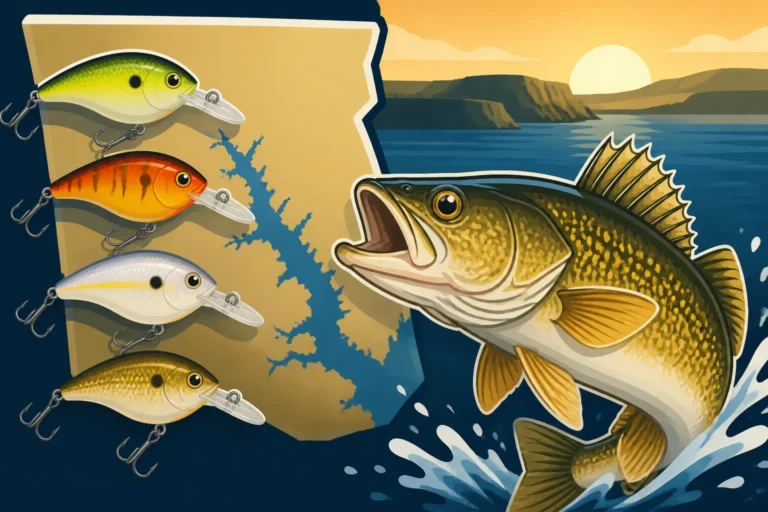
Summer is prime time for covering water, and nothing does that quite like trolling. Whether you're on the expansive waters of Lake Sakakawea or the broader sections of the Missouri River, trolling allows you to systematically search for active walleye schools. Crankbaits are your best friend here, especially those designed to dive to specific depths. You'll want a variety of sizes and colors to match the forage and water clarity. Experiment with different diving depths until you start hitting fish; sometimes a subtle change in the running depth can be the difference between an empty livewell and a full one. Speed is also critical—walleye often prefer a slower, more methodical presentation in summer heat. Many anglers find success at speeds between 1.5 to 2.5 miles per hour.
Another incredibly effective trolling method, particularly over irregular bottom contours, is using bottom bouncers paired with spinner rigs or live bait (like a crawler harness). The bottom bouncer acts like a weight and a feeler, keeping your bait in the strike zone just above the bottom while minimizing snags. The spinner blade on the harness adds flash and vibration, attracting walleye from a distance. Again, experimenting with blade colors, sizes, and bait presentations (whole nightcrawlers, half-crawlers, or plastic imitations) is key to unlocking the Summer Walleye Trolling Techniques that work best on any given day. Remember, the goal is to present a tempting meal to a fish that might be a little less aggressive due to warmer temperatures.
Jigging and Live Bait Rigs for Structure
While trolling covers open water, when walleye are tightly schooled on specific structures—like the top of a submerged hump or along a deep-water break—vertical jigging and precise live bait presentations are often unbeatable. This is where your electronics truly earn their keep, allowing you to pinpoint fish holding tight to the bottom. Vertical jigging with a spoon, blade bait, or a jig tipped with a minnow or soft plastic allows you to put your offering right in front of the fish. The retrieve can vary: sharp snaps, subtle lifts, or simply holding it steady. Let the fish tell you what they want!
Slip-bobber fishing also remains a highly effective technique for summer walleye, especially when they are suspended in weeds or near brush piles. The beauty of a slip-bobber is its ability to present a live minnow or leech at a precise depth without alarming the fish. This is particularly effective in areas with distinct weed lines or submerged timber where fish are using cover. The subtle movements of the live bait under a bobber can often entice even the most reluctant walleye to bite. For these stationary techniques, patience is paramount, as you're waiting for the walleye to come to you or for you to drift directly over them.
Fall Walleye Fishing Techniques for Feeding Frenzies
If there's one season that gets North Dakota walleye anglers buzzing, it's fall. The cooling water temperatures signal an urgent need for walleye to pack on calories before winter, leading to some of the year's most aggressive and consistent bites. This is truly a season to cherish on the water.
Exploiting the Fall Bite
As the days shorten and water temperatures begin to drop into the 50s and 40s Fahrenheit, walleye kick into high gear. They know winter is coming, and they need to build up fat reserves. This often means they'll move shallower than they were in summer, particularly during low-light conditions or on cloudy days, to gorge on baitfish that are also moving into shallower areas. This pre-winter feeding binge can create incredible fishing opportunities. You might find them actively chasing bait on large flats, along rocky shorelines, or congregating near river mouths.
Aggressive tactics often pay off during this period. Casting larger crankbaits, especially those with a wide wobble and good flash, can trigger violent strikes. Ripping blade baits or jigging spoons vigorously can also mimic panicked baitfish, drawing in walleye from a distance. The key is to find the baitfish—where the bait is, the walleye won't be far behind. This is the time to experiment with faster retrieves and more erratic movements. Pay close attention to wind-blown shorelines, as the wind often pushes baitfish into these areas, creating a feeding buffet for hungry walleye. Understanding these Fall Walleye Fishing Patterns in North Dakota can lead to some truly memorable days on the water.
Adapting to Cooling Water
While early fall can be about aggression, as the season progresses and water temperatures continue to drop, walleye behavior will subtly shift. Once temperatures dip into the low 40s and even high 30s, their metabolism starts to slow, and while they still need to feed, they might not chase a fast-moving bait as readily. This is when slower, more deliberate presentations become crucial.
Deadsticking a large minnow under a bobber, or simply letting a jig and minnow sit motionless on the bottom, can be incredibly effective. The subtle action of a struggling minnow is often all it takes to entice a strike from a cold-water walleye. Jigging raps or similar vertical jigging baits, worked with very short, subtle lifts and long pauses, can also produce. Focus on deeper breaks and main lake structures, as walleye will start to stage in these areas before fully transitioning to their winter holding spots. Matching the hatch, meaning using baits that imitate the local forage (like shiners or smelt), becomes even more important as other food sources become scarcer.
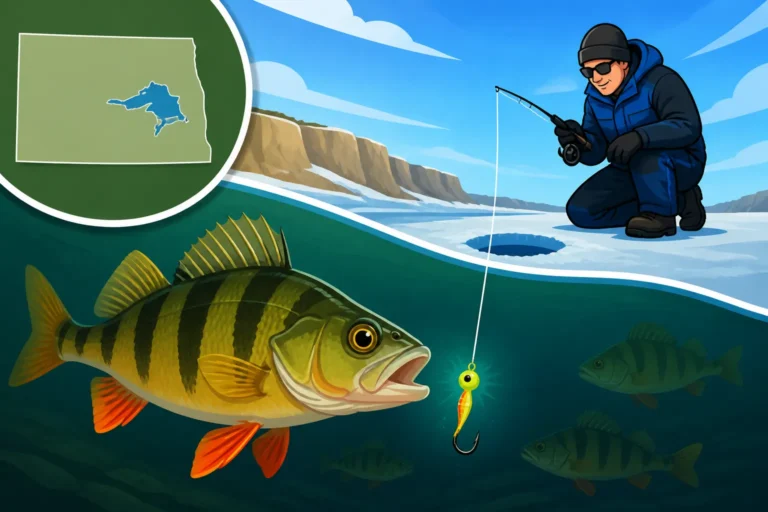
Winter Walleye Ice Fishing Strategies
Ice fishing for walleye in North Dakota is a quintessential winter experience, offering a unique challenge and immense reward. The frozen landscape transforms familiar waters, but the walleye are still there, waiting. Success on the ice, however, demands specific tactics and an understanding of how fish behave in frigid conditions.
Early Ice and First Break Walleye
The first few weeks of safe ice are often some of the most productive for walleye. Why? Because the fish are still relatively active, haven't been pressured much, and are often found in shallower water than they will be later in winter. But remember, "safe ice" is the operative term. Always prioritize safety and know How Thick Ice Needs to Be for Ice Fishing before venturing out. Focus your efforts on main lake points, transitions from shallow to deeper water, and the edges of remaining green weed lines. These areas hold baitfish and offer ambush points for walleye.
For early ice walleye, aggressive jigging with small to medium-sized spoons or Rattle Traps can be very effective. The flash and vibration can call fish in from a distance. Tip your spoon with a minnow head or a small plastic tail for added attraction. Some anglers also find success with a deadstick presentation—a simple rod rigged with a live minnow under a bobber, left motionless in a separate hole. This offers a contrast to the aggressive jigging and often entices the more finicky fish. This is the ideal time to put those How to Ice Fish in North Dakota tips to good use!
Mid-Winter and Late Ice Tactics
As winter progresses, usually from mid-January through February, walleye often move to deeper main lake structures. This might include humps, reefs, or even suspended over deeper basins if they're chasing pelagic baitfish. Their metabolism slows considerably, making them more lethargic and requiring a slower, more subtle approach. You’ll need to adjust your presentations accordingly.
Slower jigging, often referred to as "pounding," with jigs tipped with larger minnows, is a staple. Consider using tungsten jigs for better feel in deep water. Blade baits can still work, but with a much slower, more deliberate lift-and-fall action. Don't overlook the power of a tip-up setup with a large shiner or sucker minnow. These can be particularly effective for catching trophy-sized walleye that might not be as interested in chasing a jig. Many serious ice anglers also use multiple holes and a good fish finder to locate schools. As late ice approaches, and days lengthen, walleye might start to move back towards shallower staging areas in anticipation of the spring spawn, offering another aggressive bite window before the ice finally gives way. Make sure to check local regulations regarding when must ice shelters be removed from North Dakota lakes, typically around March 15th on most bodies of water.
Essential Gear and Tactics for North Dakota Walleye
Having the right North Dakota walleye fishing techniques is only half the battle; you also need the right tools for the job. From the rod in your hand to the lures in your tackle box, every piece of gear plays a role in your success on the water.
Rods, Reels, and Line Selection
Choosing the right rod and reel setup is crucial for effectively presenting your bait and battling a strong walleye. For jigging, especially in open water, a medium-light to medium power spinning rod, around 6'6" to 7' long, with a fast action tip is ideal. This combination allows for sensitive bite detection and enough backbone to set the hook. Pair it with a 2500-3000 series spinning reel. For trolling, a longer, more moderate action rod (7'-9' medium power) is preferred, as it absorbs shock better and keeps hooks from tearing out. Baitcasting reels are often favored for trolling as they handle heavier lines and larger baits with ease. When ice fishing, shorter, sensitive rods (28"-36") are key, with medium-light action for perch and a medium action for walleye.
Line choice is equally important. For jigging, many anglers opt for a braided main line (8-10 lb test) for its sensitivity and lack of stretch, often paired with a fluorocarbon leader (6-8 lb test) for invisibility. Fluorocarbon is also excellent for trolling crankbaits, as it sinks and is virtually invisible underwater. Monofilament (6-10 lb test) still has its place, particularly for live bait presentations where a little stretch can be beneficial. Different situations call for different lines, so don't be afraid to experiment. Finding the Best Fishing Rods for North Dakota Anglers might mean having a few different setups in your arsenal.
Must-Have Lures and Baits
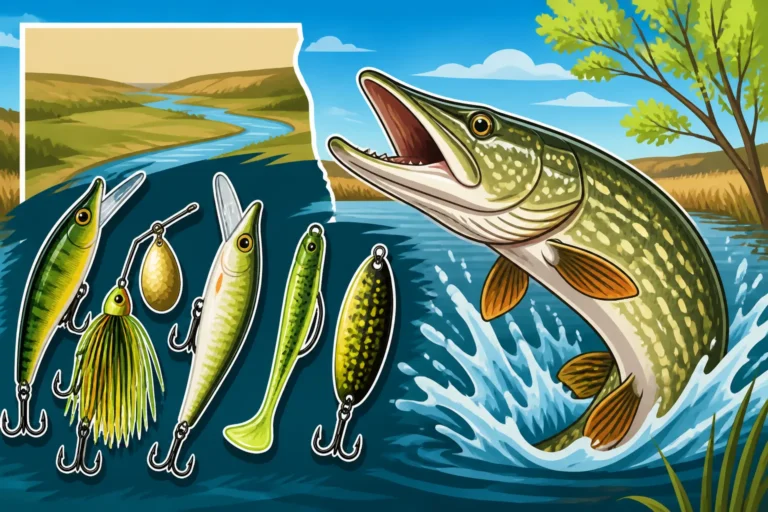
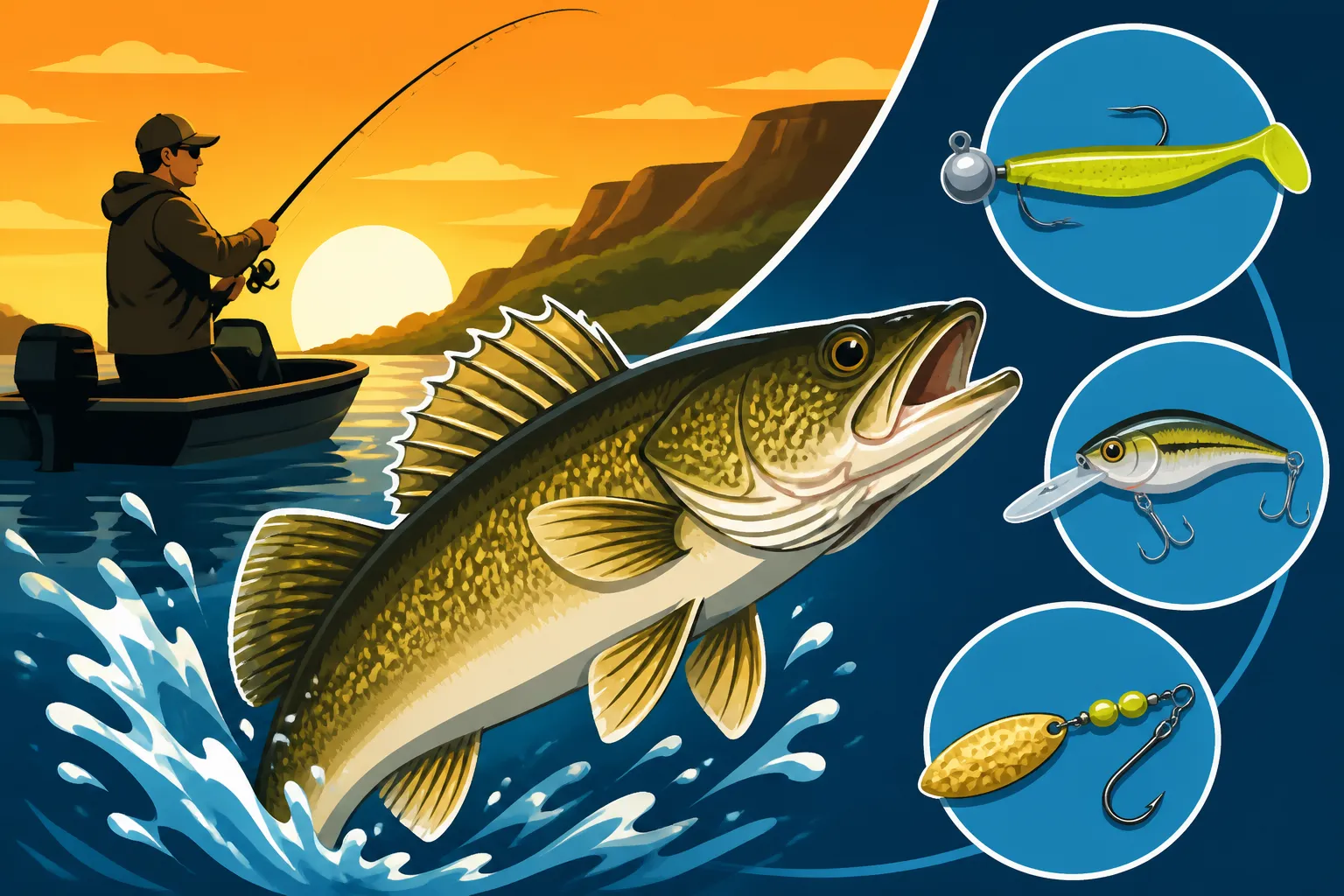
When it comes to lures, a walleye angler's tackle box should be a diverse collection. Jigs, in various weights (1/8 oz to 1 oz) and colors (chartreuse, orange, white, natural minnow patterns), are perhaps the most versatile. Tipping them with soft plastics (grubs, paddle tails, minnow imitations) or live bait (minnows, leeches, nightcrawlers) multiplies their effectiveness. Crankbaits come in all shapes and sizes, from shallow-diving twitch baits to deep-diving trolling plugs. Having a range of diving depths and colors is essential for matching conditions. Look for local favorites like Rapala Shad Raps, Berkley Flicker Shads, or Salmo Hornets, which can often be found readily on Amazon. Spinner rigs, especially crawler harnesses, are indispensable for trolling or drifting, particularly when paired with a bottom bouncer. Blade baits (like Heddon Sonar or Johnson ThinFisher) and jigging spoons are killers for vertical presentations, especially during fall and winter.
Of course, sometimes nothing beats the real thing. Live bait is often the ultimate persuader for finicky walleye. Minnows (shiners, fatheads, suckers) are king, used on jigs, under bobbers, or on tip-ups. Nightcrawlers, often presented on a spinner harness or a simple hook, are also highly effective, especially in summer. Leeches are another fantastic option for slip-bobber fishing in warmer water. Always carry a selection of these, as the Best Live Bait for North Dakota Walleye can change day to day.
Electronics and Navigation
In the expansive waters of North Dakota, ignoring electronics is like fishing blindfolded. A good fish finder is no longer a luxury; it's a necessity. Modern sonar units offer incredible detail, allowing you to see bottom contours, identify structure (like submerged humps or old river channels), and even mark individual fish. Look for units with Down Imaging and Side Imaging capabilities, which provide photorealistic views of what's beneath and to the sides of your boat, helping you locate hidden rock piles or weed edges that hold walleye. Brands like Humminbird, Garmin, and Lowrance are staples among serious anglers.
Integrated GPS and mapping capabilities are equally vital, especially on big lakes like Sakakawea or Devils Lake. They allow you to mark waypoints of productive spots, follow contours, and navigate safely, even in fog or darkness. You can save your best walleye fishing spots and return to them with precision. For ice fishing, specialized flashers (like those from Vexilar or Marcum) or portable units with a dedicated ice fishing transducer help you see your jig and fish in real-time beneath the ice, greatly improving your chances of success. Learning how to properly interpret your electronics takes time and practice, but it's an investment that will pay dividends in walleye.
Mastering Walleye on Specific North Dakota Waters
North Dakota is blessed with a diverse array of walleye fisheries, each presenting its own unique character and challenges. While general techniques apply, adapting to the specific nuances of a lake or river is critical for consistent success.
Lake Sakakawea Walleye Strategies
Lake Sakakawea is a massive, sprawling reservoir on the Missouri River, often called North Dakota’s "Great Lake." Its sheer size—over 178 miles long with an incredible amount of shoreline—can be intimidating. Walleye strategies here often revolve around covering water and finding the fish in its immense expanse. Trolling is king on Sakakawea, especially in summer and fall. Anglers frequently use planer boards to spread out multiple lines, covering wider swathes of water. Targeting main lake points, submerged humps, old river channel edges, and large bays is often productive. The Van Hook Arm and Deepwater Bay are well-known areas for good fishing.
Current, even subtle, can play a significant role, particularly near the dam or where tributaries enter the lake. Don't be afraid to experiment with deep-diving crankbaits in areas with deeper structure. Jigging also works well on specific, smaller structures, especially in spring and during the ice season. Remember, the Best Walleye Crankbait Colors for Lake Sakakawea can vary wildly based on water clarity and forage, so carry a diverse selection. Being aware of the lake's ever-changing water levels, which can significantly impact fish location, is also crucial.
Devils Lake Walleye Tactics
Devils Lake is unlike any other body of water in North America, known for its rising water levels and a landscape defined by flooded timber and submerged roads and farmsteads. This unique environment makes for incredible walleye fishing, but it demands specific tactics. Walleye here relate heavily to flooded timber, weed lines, and underwater rock piles. During open water, pitching jigs tipped with soft plastics or live minnows into the flooded trees is a common and highly effective technique. Slip-bobber fishing along the edges of flooded brush or developing weed beds is also a consistent producer.
Because of the abundant cover, walleye can often be found relatively shallow, even in summer, especially in low-light conditions. Focus on areas with good cover and proximity to deeper water. During ice fishing, Devils Lake truly shines, offering incredible action. Anglers typically drill numerous holes and move frequently, targeting humps, submerged roads, and the edges of vast flooded timber stands. Jigging raps and spoons tipped with minnow heads are very popular. Understanding the unique underwater topography, which is constantly changing, is key to locating those productive Devils Lake Walleye Fishing Spots.
Missouri River Walleye Approaches
The Missouri River, particularly below Garrison Dam and through cities like Bismarck, offers a distinct walleye fishing experience due to its persistent current. Unlike lakes, where fish might be more spread out, river walleye tend to congregate in specific areas where they can expend less energy while still ambushing prey. Current breaks, eddies, and seams are prime targets. Look for any change in the river bottom or bank that creates a calmer zone, such as behind islands, sandbars, or bridge pilings.
Vertical jigging is incredibly effective on the Missouri, especially in deeper holes or along current seams. Using heavier jigs (often 3/8 oz to 3/4 oz, or even more, depending on current) is necessary to maintain bottom contact. Three-way rigs, often called "Missouri River rigs," with a heavy weight, a short leader to a minnow, and a longer leader to a crankbait or spinner, are also deadly for presenting bait near the bottom in current. Trolling can also be effective in wider, less turbulent sections, often upstream against the current to control boat speed and lure presentation. When fishing the Missouri River Fishing Through Bismarck, North Dakota, focus on bridge pilings, rip-rap banks, and deeper stretches of the river.
Common Challenges and Troubleshooting
Even with the best North Dakota walleye fishing techniques and top-notch gear, there will be days when the walleye just don't cooperate. It's frustrating, but it's part of fishing. Learning how to identify common challenges and troubleshoot on the fly can turn a bad day into a decent one.
Dealing with Wind and Weather Changes
North Dakota is famous for its wind, and it's perhaps one of the biggest challenges anglers face. Strong winds can make boat control a nightmare, create difficult waves, and even shut down a bite. However, wind isn't always bad. It can concentrate baitfish against certain shorelines or structures, creating feeding opportunities. The trick is knowing how to use it to your advantage. When dealing with heavy wind, focus on fishing wind-blown points or flats, but position your boat on the calmer, downwind side of the structure, casting into the waves. Using a strong electric trolling motor with a GPS spot-lock feature (like those from Minn Kota or Motorguide, easily found on Amazon) is a game-changer for maintaining boat control in windy conditions.
Beyond wind, other weather changes, like cold fronts, can dramatically impact walleye behavior. A sudden drop in temperature and corresponding high-pressure system often makes walleye lethargic and less willing to bite. In these situations, slowing down your presentation, downsizing your bait, and fishing deeper might be necessary. Conversely, stable weather or even approaching low-pressure systems can often trigger a strong bite. Being aware of weather patterns and adjusting your approach accordingly is key to consistent success. For more help, check out Fishing in North Dakota's Windy Conditions.
Overcoming a Tough Bite
We've all been there: the fish finder is lit up, you're on prime structure, but nothing is biting. A tough bite is incredibly disheartening. When walleye are finicky, it's time to go back to basics and experiment. First, slow down. Seriously, slow down even more than you think. Often, a subtle twitch or a dead-sticked bait is what's needed. Second, downsize your bait. If you're throwing a big crankbait, switch to a smaller jig. If you're using a full nightcrawler, try half a crawler or a smaller minnow. Sometimes, just a slight difference in size or profile can make all the difference.
Third, experiment with color. Walleye can be incredibly color-sensitive, and what worked yesterday might not work today due to changes in water clarity or light conditions. Have a variety of natural and bright colors on hand. Fourth, consider line choice. If you're in clear water and the walleye are spooky, switching to a lighter fluorocarbon leader can be a game-changer. Finally, don't be afraid to move. If you've tried everything and the fish aren't biting, they might not be in that area, or they might be holding in a slightly different depth or type of structure nearby. Persistence, observation, and a willingness to adapt are your best tools for overcoming a tough walleye bite.
| Season | Primary Location | Recommended Techniques | Common Lures/Baits | Key Considerations |
|---|---|---|---|---|
| Spring | Shallow bays, rocky points, river mouths | Pitching jigs, slow-trolling crankbaits, slip-bobbering | Jigs (minnow/plastic), small crankbaits, minnows, leeches | Water temp, post-spawn lethargy, gentle presentation |
| Summer | Deeper humps, reefs, main lake points, weed edges | Trolling crankbaits/bottom bouncers, vertical jigging, slip-bobbering | Deep-diving crankbaits, crawler harnesses, jigs, minnows | Covering water, precise depth control |
| Fall | Shallow flats, wind-blown points, river mouths | Aggressive casting/trolling crankbaits, ripping blade baits, slower jigging | Large crankbaits, blade baits, jigs, minnows, large plastics | Feeding frenzy, adapting to cooling temps |
| Winter | Early: Shallow points, weed edges. Mid/Late: Deeper structure | Aggressive jigging (early), slow jigging, deadsticking, tip-ups | Spoons, Rattle Traps, jigging raps, large minnows | Ice safety, metabolism slowdown, patience |
Disclaimer
The information provided in this guide is for general informational purposes only and is subject to change. Fishing regulations, season dates, and limits can vary by location and time of year. Always consult the most current North Dakota Game and Fish Department regulations before heading out on the water. Your safety is your responsibility; always practice safe boating and ice fishing procedures.