How to Jig for Perch on Devils Lake
There's nothing quite like the thrill of a perch bite, especially when you're out on the vast, beautiful expanse of Devils Lake in North Dakota. But let's be honest, sometimes those little striped fighters can be incredibly elusive, making you wonder if you're doing everything wrong. If you've ever spent hours staring down a hole, convinced the perch have packed up and moved to Canada, this guide is for you. We're going to dive deep into the world of jigging for perch on Devils Lake, breaking down everything from their sneaky habits to the exact gear and techniques you need to start filling your bucket.
Understanding Devils Lake Perch Behavior
To consistently catch perch, you first have to think like a perch. Devils Lake is a dynamic, ever-changing environment, and its yellow perch population adapts constantly. Ignoring these subtle shifts is often the biggest mistake anglers make.
Seasonal Movements and Habitat Preferences
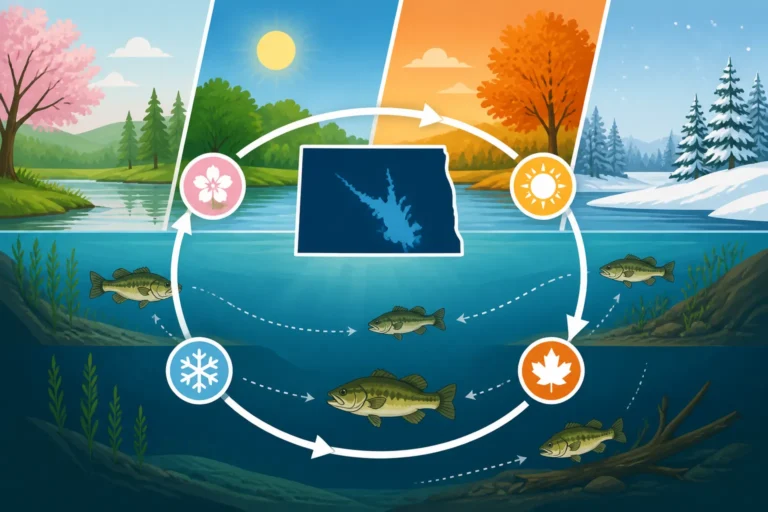
Perch on Devils Lake aren't static; their movements are heavily dictated by the seasons, water levels, and available food. In the early ice season, when the lake first caps over, you'll often find them in shallower bays and around new weed growth, often still munching on insects and smaller minnows that haven't hunkered down yet. This is a fantastic time for aggressive jigging. As winter progresses and oxygen levels drop in some areas, or pressure from anglers increases, they tend to move to deeper basin areas, often suspending just off the bottom or relating to prominent underwater humps and points. You might find them in 20-40 feet of water, often in massive schools that can be hard to pin down.
Come late ice, just before the spring thaw, perch often start to congregate near shallower flats and areas with emerging green weeds as they anticipate their spawning period. This can be some of the most frantic fishing, but also the most challenging as ice conditions can become unpredictable. Understanding the overall patterns of the "North Dakota Yellow Perch Fishing Guide" can really set you up for success. You might also want to consult specific information on the Yellow Perch Habitat on Devils Lake, which delves into the unique characteristics of this particular fishery.
Reading the Conditions: Weather and Water
Perch are notoriously sensitive to changes in weather and water conditions. A sudden cold front can put them into a funk, making them less willing to chase aggressively. In these conditions, a more subtle, finesse presentation is often required. Conversely, stable weather with moderate pressure can lead to hot bites. Overcast days often keep perch feeding longer and more actively than bright, sunny days, which can push them deeper or into denser cover.
Water clarity also plays a significant role. Devils Lake can range from clear to stained, depending on the area and recent weather. In clearer water, perch might be spookier, necessitating longer leaders and more natural bait presentations. In stained water, brighter jig colors and vibrations become more critical to grab their attention. Pay attention to changes in barometric pressure, too; a falling barometer often signals an upcoming cold front, which can precede a feeding frenzy before the fish shut down.
What Devils Lake Perch Eat
Knowing what perch are naturally feeding on helps you "match the hatch," so to speak. On Devils Lake, their diet is quite varied. They'll gorge on zooplankton, insect larvae, small minnows, freshwater shrimp (especially during the ice fishing season), and even smaller aquatic invertebrates. This varied diet is why a wide array of baits and jigs can be effective.
Often, if you're cleaning your catch, you can open their stomach to see what they've been eating. If you find a lot of freshwater shrimp (sometimes called scuds or scuds), then a small, shrimp-imitating jig in a natural color might be your ticket. If they're full of tiny minnows, then a small spoon or a jigging rap in a baitfish pattern will likely perform better. Keeping a variety of offerings is key, as their preferences can change daily, even hourly.
Essential Gear for Devils Lake Perch Jigging
Having the right tools for the job is non-negotiable when you're targeting perch on Devils Lake. Trying to make do with suboptimal gear is a recipe for frustration, especially when the bite is subtle.
Rods, Reels, and Line Choices
For ice fishing perch on Devils Lake, a sensitive rod is paramount. You're often detecting incredibly light bites, sometimes just a subtle "tick" or even a feeling of "weightlessness" as a perch inhales your jig on the fall. A 24- to 30-inch ultra-light to light-action rod with a fast or extra-fast tip is ideal. Graphite rods offer the best sensitivity. Brands like St. Croix, Fenwick, and Clam offer excellent options for dedicated perch sticks. For a comprehensive look, check out our guide on the Best Ice Fishing Rod for Perch.
Pair this with a small, smooth spinning reel (size 500 or 1000). A good drag system is important, even for perch, because occasionally you'll hook into a bonus walleye or a sizable northern pike that decides your perch jig looks tasty.
When it comes to line, a 2-4 pound test fluorocarbon line is usually the top choice. Fluorocarbon is nearly invisible underwater, has very little stretch for increased sensitivity, and resists abrasion well against the ice. Some anglers prefer a very small diameter braided line (like 4-6 lb test) with a 2-3 foot fluorocarbon leader for maximum sensitivity, especially in deeper water. The main braided line gives you superior feel, while the fluorocarbon leader maintains stealth. You can find many of these specialized lines and reels on Amazon, often with detailed reviews from other ice anglers.
Jigs, Spoons, and Live Bait Combinations
This is where the real fun begins! Devils Lake perch respond to a wide array of artificial and live bait combinations.
- Small Jigs: Tiny tungsten jigs in sizes 3mm to 5mm are incredibly popular. Tungsten is denser than lead, allowing these small jigs to get down to depth faster and feel heavier on your light line, improving bite detection. Colors vary wildly, but chartreuse, glow, pink, orange, and naturalistic patterns often produce. Tipping these jigs with a live maggot, wax worm, or a piece of Berkley Gulp! Alive! micro-bait is usually essential. For more detailed insights, refer to our article on the Best Jig Size for Perch Through the Ice.
- Small Spoons: Spoons like the classic Lindy Rattl'n Flyer Spoon, Northland Forage Minnow Spoon, or VMC Tungsten Mongo Spoon are fantastic for attracting perch from a distance with their flash and vibration. These often come in sizes from 1/16 oz to 1/8 oz. Again, tipping with a minnow head or a couple of wax worms can dramatically increase your hook-up ratio.
- Jigging Raps/Swimming Lures: Lures like the Rapala Jigging Rap, Northland Puppet Minnow, or LiveTarget Baitball Jigging Minnow are great for aggressive perch, especially when you're trying to cover water or determine if a school is active. Their swimming action on the lift and glide on the fall can trigger powerful strikes. Size 3 to 5 are most common for perch.
- Dead Sticks: Don't underestimate the power of a "dead stick" – a second rod (where legal, North Dakota allows two lines) set up with a simple hook and a lively minnow suspended just off the bottom or at the same depth as your jigging rod. Often, a less active perch will take a dead stick when it ignores your jigging presentation.
Always have a variety of these baits on hand. Perch can be finicky, and what worked yesterday might not work today. Swapping between colors, sizes, and bait types is a crucial part of jigging success.
Electronics: Flashers and Fish Finders
If there's one piece of gear that has revolutionized ice fishing for perch, it's portable electronics. A good flasher or a dedicated ice fishing fish finder is almost a necessity on Devils Lake. They allow you to:
- See your lure: You can watch your jig descend and see how the fish react to it.
- Locate fish: Instantly tell if fish are below you, at what depth, and how active they are.
- Detect subtle bites: Often, you'll see a fish "investigate" your lure or barely nudge it on the flasher before you even feel a bite on your rod. This allows you to set the hook before the perch spits the bait.
- Target specific depths: If you see a school of perch at 25 feet, you can quickly adjust your jig to that exact depth.
Popular brands for flashers include Vexilar, Marcum, and Humminbird. Many companies also offer ice-specific versions of their traditional fish finders, like Garmin's LiveScope Ice Bundle, which gives you incredible real-time sonar views. For detailed recommendations, you might want to look into the Best Flasher Brands for Perch Fishing, or generally explore what's available under Ice Fishing Electronics and Fish Finders. Investing in a quality unit is a game-changer and can often be found through retailers like Amazon or specialized fishing tackle stores.
Mastering the Jigging Techniques
It's not enough to just drop a jig down a hole. The way you present your lure makes all the difference, especially on Devils Lake where perch see a lot of fishing pressure.
The Art of the Drop and Lift
This is the foundational technique for jigging perch. Once your jig reaches the desired depth (which you'll know from your flasher!), you begin the retrieve.
- Initial Drop: Let the jig fall quickly to the bottom, sometimes even "pounding" it into the sediment a few times to create a puff of cloud that mimics feeding activity. This can attract curious perch.
- The Lift: Slowly lift your rod tip 6-12 inches, then let it fall back down on a semi-slack line. The speed of the lift and fall can be varied. Sometimes a sharp, quick snap followed by a free fall works best; other times, a slow, methodical rise and flutter is the ticket.
- The Pause: This is perhaps the most critical part. After the fall, let the jig sit motionless for 5-15 seconds. Perch often hit during this pause, especially if they've been following the lure down. Pay close attention to your line during the fall and the pause; any twitch, stop, or slackening could indicate a bite.
Vary your jigging cadence. Start aggressive, then slow down. If fish show up on your electronics but don't bite, try making smaller, more subtle movements. Sometimes, the slightest tremor of the rod tip is all it takes to entice a wary perch. This approach is fundamental to all Perch Jigging Techniques for Devils Lake.
Pounding the Bottom and Finesse Presentations
Beyond the standard drop and lift, two other techniques are crucial for Devils Lake perch:
- Pounding the Bottom: As mentioned, aggressively tapping your jig on the lakebed can stir up sediment, attracting perch who associate this with other fish feeding. Do this 3-5 times, then lift your jig 2-6 inches off the bottom and hold it still. This often triggers bites from perch that are rooting around for food. This technique is especially effective in soft-bottomed areas where perch might be feeding on freshwater shrimp or insect larvae.
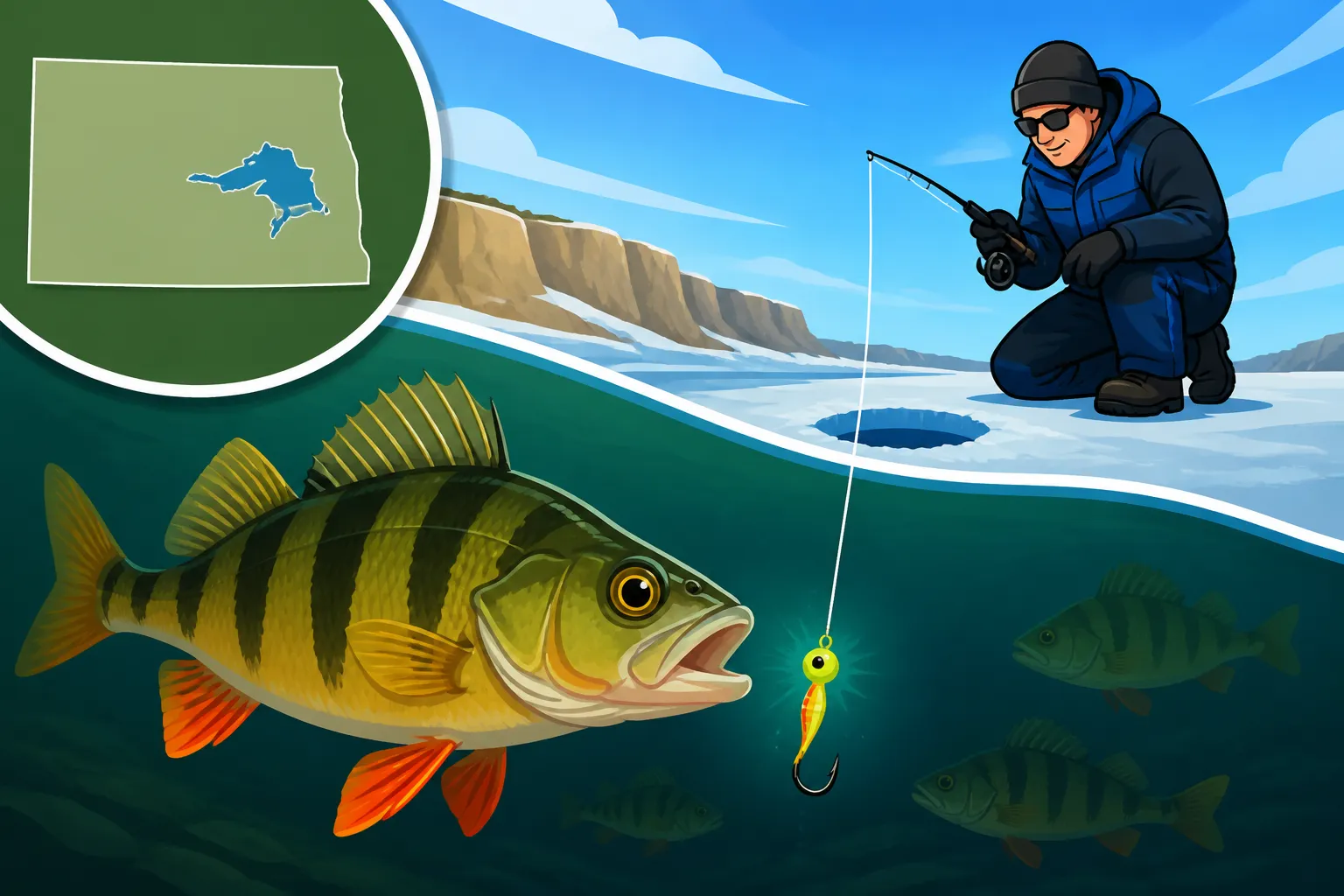
- Finesse Presentations: When the bite is tough, or the perch are being particularly finicky, finesse is your friend. This means minimal movement. Instead of big lifts, try tiny quivers of the rod tip, barely moving the jig. Sometimes just letting the jig hang perfectly still, perhaps with a live wax worm wiggling on the hook, is all it takes. This is often the case when a cold front has moved in, or during mid-day lulls when fish are less active. You'll need an incredibly sensitive rod and keen eyesight or a good flasher to detect these light bites.
Remember, perch have small mouths, so your jigging action needs to be something they can easily engulf. Overly aggressive movements can often scare them off during tough bites.
Adapting to the Perch Bite
The perch bite on Devils Lake is rarely consistent from one day to the next, or even one hour to the next. The best anglers are those who can quickly adapt.
- Speed and Cadence: Experiment with fast jigging, slow jigging, long pauses, short pauses. If you're not getting bites, change it up.
- Depth: Perch can suspend at various depths. If you mark fish at 20 feet in 30 feet of water, don't just fish the bottom. Actively work your jig up and down through the school. Your fish finder is crucial here to help you "How to Find Perch Schools Under the Ice."
- Color and Size: If a specific color isn't working, switch. If small jigs aren't getting attention, try a slightly larger spoon to draw them in, then switch back to a small jig.
- Bait: Always tip your artificials with live bait or scented plastics. The smell and natural movement often provide that extra enticement. If wax worms aren't working, try maggots or a small piece of minnow.
- Hole Hopping: This is perhaps the most important adaptation. If you're not catching fish in 15-20 minutes in a spot where you think they should be, move. Don't be afraid to drill new holes, even if you're only moving 20-30 yards. Devils Lake perch are often in highly concentrated schools; once you find one, the action can be fast and furious.
Locating Perch Hotspots on Devils Lake
Finding the fish is half the battle, and on a lake as large and complex as Devils Lake, this requires strategy and local knowledge.
Targeting Structure: Humps, Points, and Weeds
Devils Lake is known for its incredible underwater structure, a result of its fluctuating water levels and drowned timber. Perch love to relate to structure, as it provides ambush points and cover.
- Humps and Ridges: These underwater high spots attract baitfish and, consequently, perch. Look for humps that rise significantly off the bottom of a basin. Drill holes on the top of the hump, along its edges, and down into the deeper water surrounding it. Often, perch will stage on the deeper side of a hump during the day and move up onto the top to feed during low light.
- Points: Submerged points that extend out into deeper water are classic ambush spots. Perch will use these to intercept schooling baitfish. Fish both the top and the sides of the point, paying close attention to where the point drops off sharply.
- Weed Lines: While much of Devils Lake can be open, shallower bays and areas with clearer water can still hold emergent or submerged weeds, even under the ice. Perch will hide in these weeds, especially early and late in the ice season, feeding on the insect life and smaller fish that also inhabit these areas. Drill holes along the distinct "weed line" where the weeds meet the open water.
Local knowledge and good mapping chips for your fish finder are invaluable here. Many anglers also rely on information from "Devils Lake Perch Bite Locations This Winter" reports to find the most current action.
Following the Baitfish
Perch are predators, and they will always be where their food is. On Devils Lake, baitfish like young minnows and fathead minnows are key food sources. If you can locate schools of baitfish, you're likely to find perch nearby.
Your fish finder is your best friend for this. Look for dense clouds or arches on your screen that indicate baitfish. Perch will often be marked as larger, individual arches or schools of arches directly below, above, or within these baitfish schools. Sometimes, perch will be hugging the bottom, driving baitfish upwards. Other times, they'll be suspended higher in the water column, actively feeding on baitfish schools that are also suspended.
Don't be afraid to follow these baitfish schools. If you see them moving on your electronics, it's often worth moving with them, especially if you're not getting bites. This also highlights the importance of being mobile on the ice.
Exploring New Areas and Drilling Smart
Devils Lake is massive, and while certain areas are known hotbeds, don't be afraid to explore. Sometimes the best perch fishing is found by venturing away from the crowds. Use online lake maps, satellite imagery, and even local bait shop reports to identify potential new structures or areas that might hold fish.
When drilling, don't just drill one hole. Drill a series of holes in a grid or along a contour line. A common strategy is to drill a "fishing machine" – a line of 5-10 holes spaced 10-20 yards apart, starting shallow and working your way deeper. This allows you to quickly cover different depths and structures, increasing your chances of finding an active school. You'll quickly discover that having good access points, like the ones discussed in "Devils Lake Ice Fishing Access Points," can make your hole-hopping endeavors much easier.
Remember the rule of 15 minutes: if you're not seeing fish or getting bites in a new hole within that timeframe (assuming your electronics show nothing), pack up and move to the next hole. Mobility and persistence are key to cracking the Devils Lake perch code. Don't forget, having the right gear is also part of the battle; a great overview can be found in the "Best Ice Fishing Gear for North Dakota" guide.
| Jig Type | Description | Ideal Conditions | Tipping Options |
|---|---|---|---|
| Tungsten Jig | Small, dense, sinks fast, excellent sensitivity, wide color range. | All-around, especially subtle bites, deep water, finesse. | Maggot, wax worm, Gulp! Alive! |
| Small Spoon | Flashy, vibrates, attracts from distance, often metal with painted patterns. | Aggressive bites, active fish, searching for schools. | Minnow head, wax worm, plastics. |
| Jigging Rap | Minnow-shaped, swims in circles on the fall, resembles fleeing baitfish. | Aggressive bites, large schools, searching, covering water. | Single maggot, small minnow head. |
| Drop Shot Rig | Weight on bottom, hook suspended above, natural bait presentation. | Finicky bites, clear water, vertical presentation. | Small minnow, crappie minnow. |
| Horizontal Jig | Often tungsten, sits horizontally in water, mimics feeding insect/shrimp. | Finesse, neutral fish, light bites. | Maggot, wax worm, soft plastic. |
Disclaimer
The information provided in this guide is for educational purposes only. Fishing regulations, season dates, and limits can change frequently. Always consult the most current North Dakota Game and Fish Department regulations before heading out on the water. Stay safe and fish responsibly.