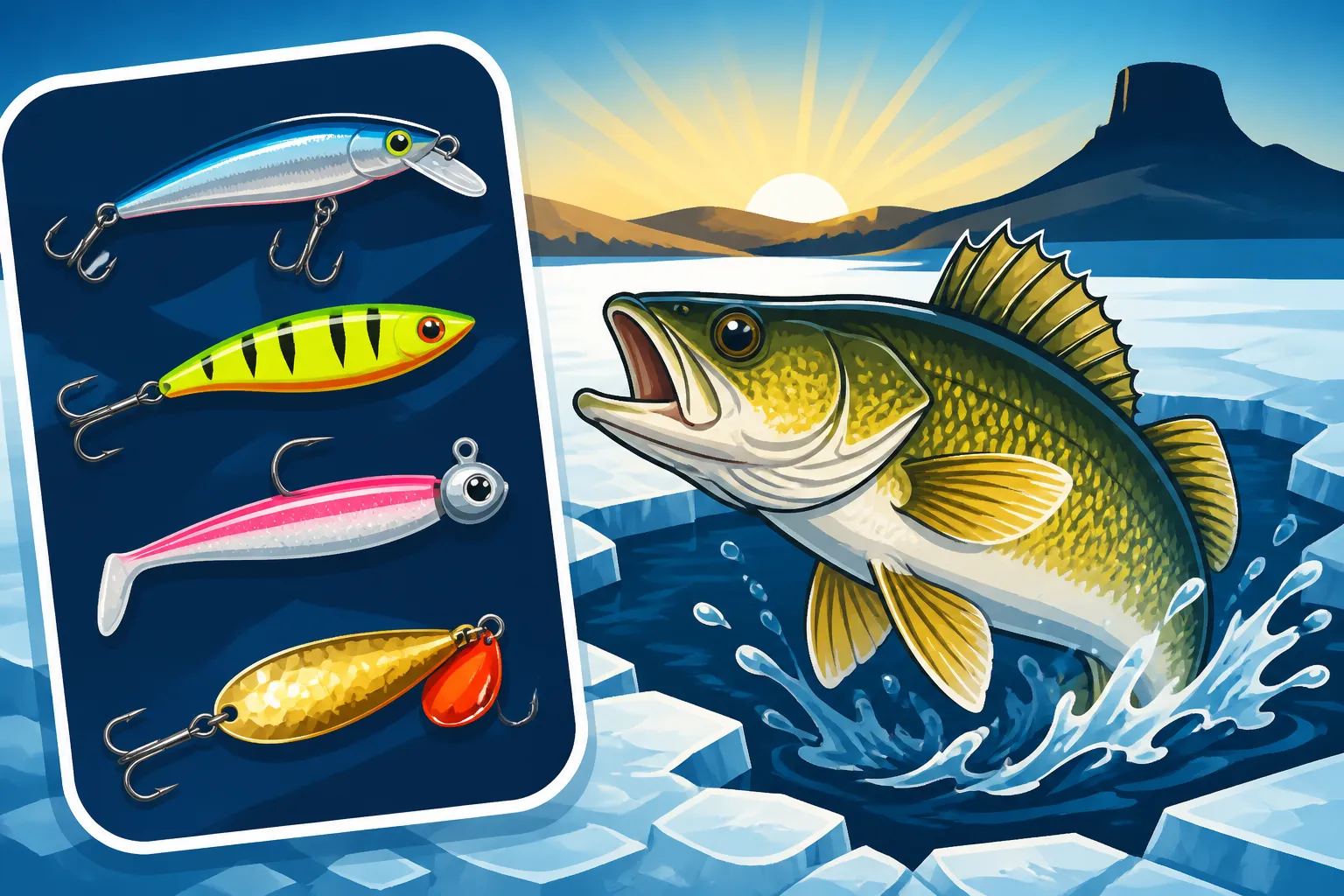
Best Lures for Ice-Out Walleye
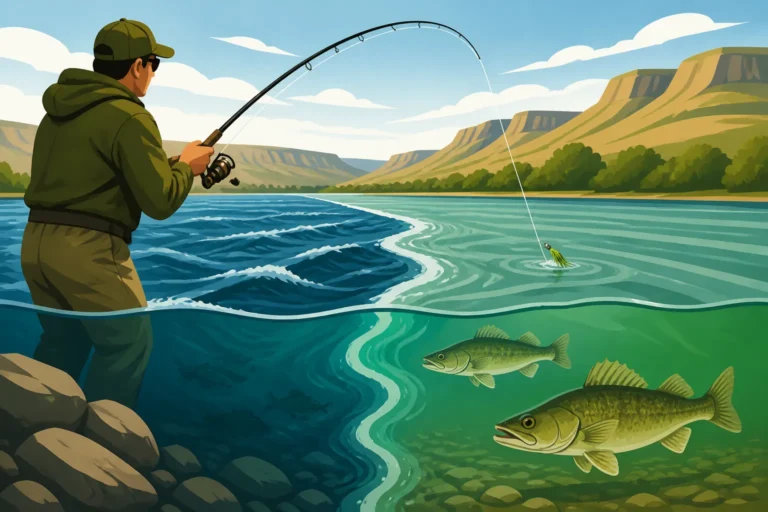
Ah, ice-out in North Dakota! That magical, yet often maddening, time when the last remnants of winter give way to open water. After a long season of chasing walleye through the ice, many of us eagerly anticipate the first casts into open water, only to be met with finicky fish and frustrating blank days. It's a tricky transition, but with the right understanding of walleye behavior and a few key lures in your tackle box, you can turn those early spring struggles into memorable catches. This guide is all about equipping you with the knowledge to pick the best lures for ice-out walleye, ensuring you're ready when the ice officially gives way.
Understanding Ice-Out Walleye Behavior
Before we even talk about specific lures, it's absolutely crucial to grasp what's going on beneath the surface when the ice finally disappears. Walleye aren't just suddenly "on the bite" everywhere; their movements and feeding patterns are heavily dictated by the dramatic environmental shifts happening around them. Ignoring these factors is like trying to find a needle in a haystack blindfolded – you might get lucky, but it's far from efficient.
The Impact of Water Temperature
Let's be real, North Dakota waters are cold when the ice first breaks up. We're talking water temperatures often in the low 40s, sometimes even colder. Walleye are cold-blooded creatures, meaning their metabolism slows down significantly in frigid water. They're not going to be rocketing around chasing down fast-moving prey. Think about yourself on a chilly morning; you're probably not in the mood for a sprint. This low metabolism means they prefer easy meals and aren't likely to expend a lot of energy to feed. Their activity levels are inherently suppressed, making precise lure presentation and a slow retrieve absolutely paramount. Understanding How Water Temperature Affects Walleye Location is key during this period.
As the sun gains strength and shallow bays begin to warm even a few degrees, those subtle temperature changes become magnets. Even a difference of two or three degrees can concentrate baitfish and, subsequently, walleye. These slightly warmer areas, often protected from wind, can be overlooked by impatient anglers. Walleye will gravitate towards these thermal refuges, becoming more active (but still not super aggressive) and more inclined to feed. It’s all about finding those pockets of slightly warmer water.
Shallow Water vs. Deep Water Movement
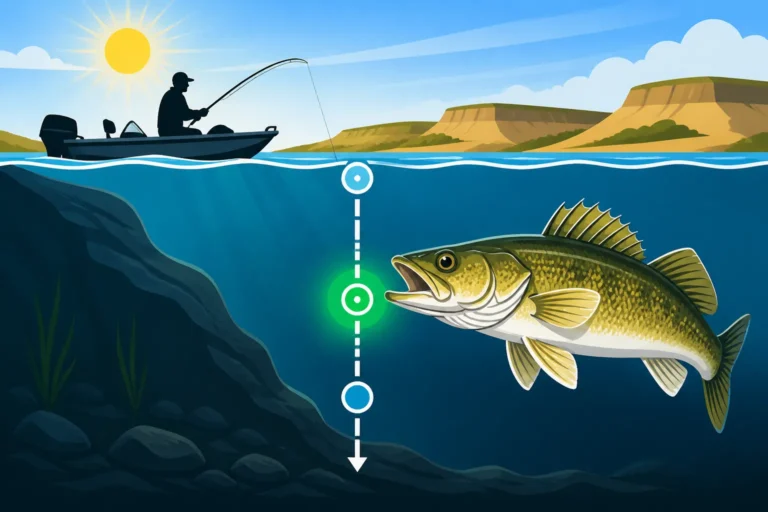
Initially, after ice-out, many walleye, especially the males, will stage in deeper areas adjacent to their spawning grounds. They're waiting for the water to reach that magical temperature range that triggers spawning. This can be river channels, deeper points, or main lake basins close to traditional spawning areas like rocky reefs or gravel flats. They're conserving energy, holding tight to structure, and not moving much. This is where your electronics become invaluable, helping you pinpoint these staging fish rather than blindly casting.
However, as the shallow bays, rocky shorelines, and even flooded timber areas start to absorb more sunlight and warm up, some walleye will begin to move shallower, particularly during warmer afternoons or if there's a prolonged period of sunshine. These shallower zones offer both warmer water and a potential buffet of baitfish that also push into these areas seeking warmth. It's a delicate balance, but knowing When Does Ice Usually Go Out in North Dakota? can help you anticipate these movements. You'll find a mix of fish – some still deep, some pushing into those warmer, shallower feeding zones.
Post-Spawn Recovery and Hunger
The ice-out period often coincides with the walleye spawn, or it happens just before or after, depending on the specific water body and how quickly spring arrives. Walleye, especially the larger females, are incredibly vulnerable and stressed after spawning. They've expended massive amounts of energy, and their focus shifts from reproduction to recovery. This doesn't mean they won't eat, but their feeding behavior will be different. They're not looking for a chase; they're looking for an easy, protein-rich meal to replenish their reserves.
This post-spawn recovery phase means you'll need to appeal to their desire for an effortless meal. Small, subtle movements and natural presentations often outperform aggressive, flashy tactics. Sometimes, they'll simply sit on the bottom, completely lethargic, requiring a lure to be practically dropped on their nose. Later in the ice-out period, as they recover more and water temperatures continue to climb, their hunger will increase, making them more susceptible to a wider range of lures and presentations. Patience and persistence are your best friends during this time.
Essential Lure Categories for Ice-Out Walleye
Okay, now that we've covered the "why," let's dive into the "what." Certain lure categories consistently outshine others during the ice-out period due to their ability to be fished slowly, mimic natural prey, and entice lethargic walleye. While there's always room for experimentation, starting with these tried-and-true options will put you in a strong position.
The Power of Jigs
If there's one lure category that screams "ice-out walleye," it's jigs. Jigs are incredibly versatile and allow for slow, methodical presentations, which, as we discussed, is exactly what cold, post-spawn walleye often want. The beauty of a jig lies in its ability to imitate a struggling baitfish or a crayfish, a tempting and easy meal for a sluggish walleye. The key is to size your jig appropriately – usually 1/8 to 1/4 ounce for most shallow to medium depths, adjusting heavier for wind or current. For a deep dive into jig weights, check out Best Jig Head Weight for Deep Water Walleye.
- Jig and Live Bait Combinations: This is often the undisputed king. A simple jig head tipped with a minnow (shiner, fathead, or dace) is deadly. The natural scent and subtle movement of the minnow are often irresistible to cold-water walleye. Thread the minnow on so the hook exits just behind the dorsal fin, allowing it to swim naturally. You can also tip with a half nightcrawler or a piece of plastic like a Gulp! Minnow for added scent and durability.
- Jig and Soft Plastic Combinations: When live bait is scarce or you want to cover water more efficiently, soft plastics become invaluable. Paddle-tail swimbaits (2.5-4 inches) on a jig head are excellent for mimicking baitfish. Twister tails, grub bodies, or even flukes can also be incredibly effective. The trick here is to use very subtle colors initially and a slow retrieve, letting the plastic do the work with minimal rod input. Brands like Berkley Gulp! and Z-Man ElaZtech offer fantastic durability and scent dispersion, often available on Amazon.
- Hair Jigs: Don't underestimate the old-school hair jig. Marabou or bucktail jigs have an incredible, natural breathing action in the water, even when retrieved slowly. They're particularly effective in clear water or when fish are extremely finicky. Black, brown, white, and olive are classic colors that imitate leeches or small baitfish.
Crankbaits for Covering Water
While jigs excel at targeted, slow presentations, sometimes you need to cover more water, especially when you're searching for scattered fish or if a warmer spell has slightly increased walleye activity. This is where crankbaits come into play. However, not just any crankbait will do; you need specific types that can be worked slowly and effectively in cold water.
- Shallow Diving Crankbaits: For those shallower, warming bays or flats, a shallow-diving crankbait is perfect. Look for models that dive only a few feet. These can be cast and slowly retrieved, or even trolled at very slow speeds. The key is a tight wobble at slow speeds. Think of classic Rapalas, original floating models, or Shad Raps. These mimic wounded baitfish beautifully. If you're looking to stock up, check for deals on Amazon.
- Lipless Crankbaits: While often associated with more aggressive fishing, lipless crankbaits can be incredibly effective during ice-out, especially when vertically jigged or slowly yo-yo'd off the bottom. Their tight vibration can attract attention, and their flash can trigger a strike from a lethargic fish. Retrieve them with a lift-and-drop motion, letting them flutter on the fall.
- Suspending Jerkbaits: These are absolutely phenomenal for ice-out. Suspending jerkbaits, like a Rapala Husky Jerk or a Smithwick Rogue, are designed to suspend at a specific depth when paused. This "hang time" is critical for cold-water walleye who need extra time to commit to a strike. Cast it out, twitch it a few times, and then pause for several seconds – sometimes as long as 10-15 seconds. The longer the pause, the better, mimicking a dying baitfish. These are fantastic when fish are just starting to become a bit more active, perhaps a week or two after the initial ice-out.
Spinner Rigs and Live Bait Combinations
When walleye are transitioning and perhaps getting a bit more active but still prefer live bait, spinner rigs are a fantastic choice, particularly for slow trolling or drifting. These rigs combine the attraction of a spinning blade with the undeniable appeal of live bait. They're particularly effective in slightly stained water or when there's a bit of wind.
- Bottom Bouncers with Spinner Harnesses: This is a staple for a reason. Pair a bottom bouncer (sized 1/2 to 1 ounce for most ice-out scenarios) with a two-hook spinner harness tipped with a nightcrawler or minnow. The blade creates flash and vibration, while the live bait provides scent and natural action. Troll or drift these rigs along breaklines, points, or over subtle depth changes. The slow, tantalizing presentation is often too much for a walleye to resist.
- Walleye Spinner Rigs (No Bouncer): Sometimes, when fishing shallower or when fish are suspended, a simple walleye spinner rig without a bottom bouncer can be deadly. These are often weighted with a split shot or two, allowing for a slower descent. They're excellent for casting and slowly retrieving along weed edges (if any have started to grow) or rocky bottoms. Experiment with different blade colors and sizes – silver, gold, and fluorescent colors are good starting points. Best Spinner Rig for Walleye Trolling can give you more details on different setups.
| Lure Type | Ideal Conditions | Key Features / Presentation |
|---|---|---|
| Jig & Live Bait | Very Cold Water, Finicky Fish | Slow, vertical jigging, subtle hops; irresistible natural scent |
| Jig & Soft Plastic | Searching, Stained Water | Slow retrieve, paddle tail action, scent-infused plastics |
| Hair Jig | Clear Water, Ultra Finicky Fish | Super subtle, "breathing" action, natural look |
| Shallow Crankbait | Warmer Shallower Bays, Searching | Slow retrieve, tight wobble, excellent for covering water |
| Suspending Jerkbait | Slightly More Active Fish, Clear | Twitch-twitch-PAUSE (long pauses!), mimics dying baitfish |
| Spinner Rig (Live Bait) | Searching, Wind, Slightly Stained | Slow trolling/drifting with bottom bouncer or split shot; flash |
Mastering Ice-Out Lure Presentation
Having the right lures is only half the battle; knowing how to present them effectively is just as critical, especially during the challenging ice-out period. Walleye in cold water aren't going to chase down a lure like they might in mid-summer. Your presentation needs to be almost painfully slow and incredibly natural.
Slow and Steady Wins the Race
This cannot be stressed enough: slow down. If you think you're going slow enough, slow down even more. Walleye metabolism is depressed in cold water, meaning they move, react, and feed sluggishly. A fast retrieve will likely be ignored. Instead, focus on subtle movements and long pauses.
- Vertical Jigging: When using jigs, whether tipped with live bait or plastic, vertical jigging directly under the boat (if you've pinpointed fish on your electronics) is highly effective. Drop the jig to the bottom, give it a tiny lift (just a few inches), and let it fall back down. Often, the strike comes on the fall or when the jig is sitting perfectly still on the bottom. Your rod tip should show only the most subtle movements.
- Casting and Slow Rolling: If you're casting jigs or crankbaits, use a slow, steady retrieve. For jigs, a "lift and drop" or "drag and pause" retrieve works wonders. Let the jig hit bottom, lift your rod tip slightly to hop it forward, and then let it settle. For crankbaits and jerkbaits, the "twitch, twitch, pause" cadence is vital, with the pauses often being longer than the twitches. Don't be afraid of pauses that last 5-10 seconds, or even more for suspending jerkbaits.
- Slow Trolling/Drifting: For spinner rigs or some crankbaits, trolling or drifting at incredibly slow speeds (often under 1 MPH, sometimes even 0.5 MPH) is the way to go. Use a sensitive rod to feel for subtle bites or the blade spin. If using a trolling motor, keep it on the lowest possible setting. Even a slight increase in speed can be enough to turn off finicky walleye. When trolling, having a good chartplotter can help you stay on precise contours, as detailed in Best GPS Chartplotter for Lake Sakakawea.
Targeting Specific Structure
Walleye are masters of efficiency, especially in cold water. They're not expending energy needlessly. This means they will be tightly associated with specific structures that offer a combination of cover, potential ambush points, and proximity to slightly warmer water or baitfish. Your job is to find these spots and then work them thoroughly.
- Breaklines: The edges where shallow water drops off into deeper water are always prime walleye habitat, and even more so during ice-out. Walleye will stage on these breaks, using them as highways to move between deep holding areas and shallower feeding flats. Focus your efforts where these breaklines intersect with other features like points, humps, or rock piles.
- Points and Humps: Points extending into the lake and submerged humps offer excellent ambush positions. Walleye will often sit on the deep side of these structures, facing into the wind, waiting for baitfish to be pushed over the top. Work your lures over the top, down the sides, and along the deep base of these features.
- Shallow Bays and Inlets: As mentioned, these are the first areas to warm up. Look for dark bottom composition (mud or rock) that absorbs more sunlight, creating those precious few degrees of warmer water. These areas might also attract shallow baitfish. Don't rule out very shallow water, sometimes only a few feet deep, especially on sunny afternoons. For fishing in these shallow zones, knowing North Dakota Fishing Rules for Kids and Families can also give you insights into beginner-friendly access points.
Adjusting to Conditions
North Dakota weather during ice-out is notoriously unpredictable. One day it's sunny and calm, the next it's a howling gale with snow flurries. Successful ice-out walleye anglers are constantly adapting their approach to match the current conditions.
- Wind: Wind can be your friend or foe. A light breeze can create a current that positions baitfish and walleye, and can break up the surface, providing cover for fish. However, heavy wind makes boat control difficult and can push cold water into warmer bays. On windy days, heavier jigs might be needed to maintain bottom contact, and focusing on wind-blown points can pay off.
- Cloud Cover vs. Sunshine: Sunny days often warm up shallow areas faster, potentially pulling fish shallower, especially in the afternoon. Cloudy days might keep fish deeper or in more consistent areas. Experiment with lure colors; brighter colors might stand out better on cloudy days, while more natural patterns might be preferred in clear, sunny conditions.
- Water Clarity: Ice-out often means murky water due to runoff. In stained or dirty water, vibrations become more important, and brighter colors (chartreuse, orange, firetiger) or lures with rattles can be more effective. In clearer water, natural baitfish patterns and more subtle presentations like hair jigs or natural-colored plastics often work best.
Gear and Lure Color Considerations
Beyond the lure itself and the presentation, having the right gear setup and making smart color choices can significantly impact your success during ice-out. These details might seem small, but they can be the difference between a frustrating day and a memorable catch.
Rod, Line, and Reel Match-Ups
Your tackle needs to be sensitive enough to detect the incredibly subtle bites that cold-water walleye often deliver. They won't hammer your lure; it'll often feel like a light tap, a mushy weight, or just a sudden heaviness.
- Rods: A medium-light to medium power spinning rod, 6'6" to 7'6" in length, with a fast or extra-fast action is ideal. The fast action provides the sensitivity needed to feel light bites and allows for quick, powerful hooksets. A slightly longer rod can aid in casting distance and line control, especially when casting lightweight jigs. For more general advice, consider exploring Best Fishing Rods for North Dakota Anglers.
- Reels: A high-quality 2500 or 3000 series spinning reel with a smooth drag is perfect. You want a reel that balances well with your rod and allows for effortless casting and retrieval.
- Line: This is critical. Many anglers prefer braided line (8-15 lb test) for its incredible sensitivity and lack of stretch, which helps detect those light bites. However, braid is visible, so always tie on a fluorocarbon leader (6-10 lb test, 3-6 feet long) to your braid using a strong knot like an FG or Alberto knot. The fluorocarbon is nearly invisible underwater and offers excellent abrasion resistance against rocks and logs. If you prefer mono, use a high-quality, low-stretch monofilament in 6-8 lb test. For detailed line recommendations, refer to Best Fishing Line for North Dakota Lakes.
The Art of Color Selection
Lure color can be a hotly debated topic, but during ice-out, a few general principles tend to hold true. It’s less about a secret, magic color and more about matching the conditions.
- Natural Colors: In clear water or on bright, sunny days, natural baitfish patterns (silver, perch, shiner, white, grey, black) often mimic the local forage most effectively. Walleye are highly visual predators, and a natural presentation can be key when they are less aggressive.
- Bright/High-Visibility Colors: When the water is stained or dirty from runoff, or on cloudy days with low light, brighter colors like chartreuse, orange, firetiger, or fluorescent green can be excellent. These colors stand out more in murky conditions and can help walleye locate your lure through vibration and visual contrast. Sometimes, a "chartreuse head, white body" jig combo can be particularly effective. For specific jig color advice, see Best Jig Colors for Muddy Water.
- Dark Colors: Don't overlook dark colors like black, dark brown, or purple, especially in clear water or when mimicking leeches or crayfish. These colors create a strong silhouette against the sky, making them visible even to lethargic fish looking up.
Checking Your Tackle Box (and Amazon)
Before you hit the water for that glorious first open-water trip, take some time to organize and inspect your gear. A well-prepared angler is a successful angler.
- Inspect Your Line: Check your line for nicks, abrasions, or twists, especially the first few feet near your lure. Re-tie knots regularly. There's nothing worse than losing a big walleye to a preventable line break.
- Sharpen Hooks: Dull hooks lose fish. Use a hook sharpener to ensure every hook point is needle-sharp. Cold-water bites are often subtle, and a sticky-sharp hook is essential for penetrating a walleye's bony mouth.
- Organize Lures: Have a dedicated box for your ice-out walleye lures. This allows for quick changes on the water as conditions shift or you notice a pattern. Replenish any lost jigs or worn-out plastics.
- Consider Online Shopping: If you find yourself needing to stock up on specific lures, leaders, or even a new fishing rod, retailers like Amazon offer a huge selection. You can often find great deals on everything from jigs and soft plastics to the suspending jerkbaits mentioned earlier, delivered right to your door before your next trip. This can be particularly helpful if local bait shops are still ramping up their spring inventory. Remember to explore Best Fishing Tackle for North Dakota Lakes for a broader look at essential gear.
By combining an understanding of walleye behavior during the ice-out period with the right lures and presentation techniques, you'll be well on your way to a successful start to your open-water season. Patience, persistence, and a willingness to adapt are your greatest assets.
Disclaimer
This article is for general informational purposes only and does not constitute professional advice. Laws, prices and regulations vary by location and change over time. Consult a qualified professional for guidance on your specific situation.