How to Fish Right After Ice-Out
That moment when the ice finally pulls away from the shore, revealing open water that shimmers under the early spring sun, is pure magic for us North Dakota anglers. But let's be honest, those first few days and weeks after ice-out can also be incredibly frustrating if you don't know where to start. The fish are often in transition, and what worked through the ice definitely won't work now. This guide is all about helping you understand fish behavior right after the ice melts and giving you the strategies and gear you need to make those first open-water trips a success.
Understanding the Post-Ice-Out Landscape and Fish Behavior
The ice-out period isn't just about warmer air; it’s a profound change for the entire aquatic ecosystem. For us anglers, it means a shift in tactics, patience, and understanding what the fish are really up to as the water transitions from frozen to fluid. It’s a bit like pressing the reset button on the lake, and if you know how to read the new cues, you can be in for some fantastic fishing.
What "Ice-Out" Truly Means for North Dakota Waters
When we talk about ice-out, we're not just talking about the day the last chunk of ice disappears. It's a phase that begins when the main body of ice starts to break up and usually culminates when the lake is completely ice-free, allowing for full navigation and open-water fishing. This transition can happen gradually or quite rapidly depending on spring temperatures and wind. Knowing When Does Ice Usually Go Out in North Dakota? for your favorite lake can give you a heads-up on when to start preparing.
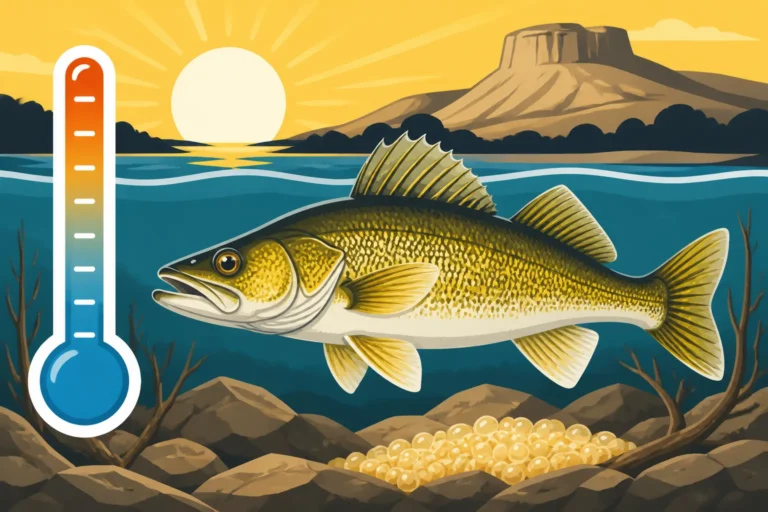
During this time, the water temperature is still incredibly cold, often just a few degrees above freezing. This is crucial because fish are cold-blooded creatures, and their metabolism is directly tied to water temperature. They're sluggish at first, but as sunlight penetrates the shallow waters, these areas warm up faster, becoming magnets for baitfish and, consequently, the game fish that feed on them. Oxygen levels, which might have been low under thick winter ice, also get a much-needed boost with open water and wind action, revitalizing the entire system.
How Different Species React to Thawing Conditions
Fish don't just magically appear everywhere once the ice is gone; they follow specific patterns dictated by instinct and environmental factors. Understanding these movements is key to successful post-ice-out fishing.
Walleye: The Shallow Water Hunt
Right after ice-out, walleye often move into shallower areas, especially bays, river mouths, and northern shorelines that receive direct sunlight. These spots warm up first, attracting minnows and other small baitfish that the walleye are keen to ambush after a long winter. They're not usually in deep-water structures yet; instead, they're cruising the warmer fringes, looking for an easy meal before their spawning rituals begin. This makes for some exciting, albeit often chilly, fishing opportunities. Targeting these areas with specific Early Spring Walleye Techniques in North Dakota can greatly improve your odds.
Northern Pike: The Spawning Migration
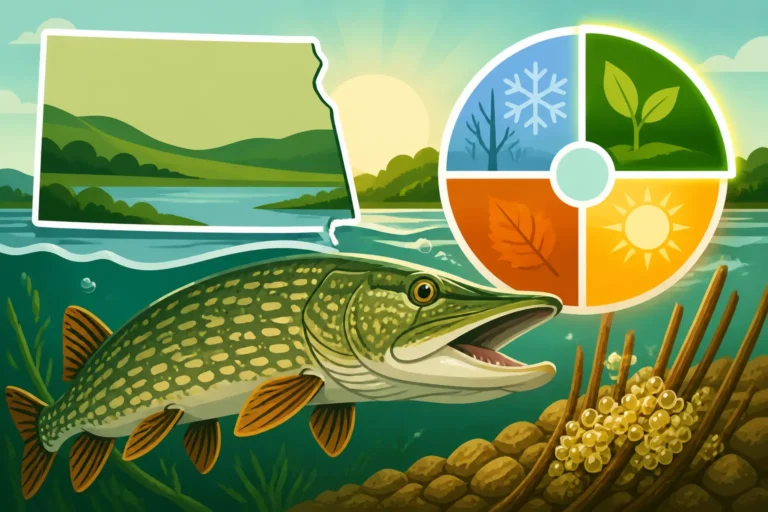
Northern pike are typically among the first fish to spawn in the spring, often even before the ice is completely gone in some areas. As soon as there's open water access to flooded vegetation in shallow bays or marshy areas, they'll head there. These areas provide protection and cover for spawning and later for recovering. Post-spawn pike can be incredibly aggressive, as they're hungry and looking to regain energy. They'll often lurk around the edges of these spawning flats, waiting for an opportune moment to strike. Our North Dakota Northern Pike Fishing Guide offers more details on these toothy predators.
Yellow Perch: Following the Warmth and Food
Yellow perch, much like walleye, will seek out the warmer, shallower sections of the lake. They often school up in large numbers, making them a fantastic target for ice-out anglers. Look for them around developing weed lines, submerged wood, or any structure in these warmer bays. Their activity levels will increase with the slightest rise in water temperature, and they can be quite eager to bite. If you're looking for a tasty meal, following their movements will be well worth your time, as detailed in our North Dakota Yellow Perch Fishing Guide.
Essential Gear and Rigging for Early Spring Success
Fishing right after ice-out is a distinct challenge that requires specific gear and rigging. The water is still frigid, the fish can be sluggish, and the weather can be unpredictable. You can’t just roll out with your summer bass setup and expect consistent results. Think finesse, sensitivity, and safety.
Rod and Reel Setups for Cold Water Fishing
Forget heavy-duty gear for these initial spring outings. You’ll want to prioritize sensitivity to detect those subtle, cold-water bites.
- Rods: Opt for light to medium-light power spinning rods, usually in the 6'6" to 7'6" range. Graphite rods are excellent because they transmit even the slightest tap from a fish. A fast or extra-fast action tip is ideal as it allows for quick hook sets on those light bites without overpowering the fish or tearing the hook out. For walleye especially, a sensitive tip is crucial to feel a fish "mouthing" the bait rather than a hard strike. If you're casting lighter jigs or slip bobbers in shallow water, a longer rod can also help with casting distance and line management.
- Reels: Pair your sensitive rod with a smooth spinning reel in a 1000 to 2500 series size. A smooth drag system is important for handling any unexpected larger fish, especially if you're targeting early-season northern pike. The main goal here is balanced tackle that allows you to feel everything, from the bottom composition to the most delicate bite. Finding the Best Spinning Reels for Walleye can make a big difference.
Line Choices and Leader Considerations
Your line choice is just as critical as your rod. Cold water often means clearer water, and visibility can be a factor.
- Main Line: A low-stretch braided line (6-10 lb test) is a fantastic choice for your main line due to its superior sensitivity and strength. The lack of stretch means you'll feel every bump and tick, which is invaluable when fish are barely biting. However, braid is highly visible, so a leader is almost always necessary.
- Leader Material: Attach a 4-6 foot fluorocarbon leader (6-10 lb test) to your braided main line using a knot like the FG knot or an Albright knot. Fluorocarbon is nearly invisible underwater, providing the stealth you need, and it offers excellent abrasion resistance. For targeting pike, consider bumping up to a 15-20 lb fluorocarbon leader or even a light wire leader if you're frequently getting cut off. Remember, the fish aren't usually picky about the exact thickness of your line in clear, cold water as long as it's not glaringly obvious. When thinking about Best Fishing Line for North Dakota Lakes, consider both visibility and sensitivity.
Recommended Lures and Baits
Right after ice-out, live bait often reigns supreme, but soft plastics and subtle presentations can also be incredibly effective.
- Live Bait: Minnows, especially fatheads or shiners, are often irresistible to cold-water walleye and perch. Rig them on a plain jig head (1/8 to 1/4 oz) or under a slip bobber. The natural action and scent of a lively minnow can entice even the most hesitant fish. Our guide to Best Live Bait for Early Season Walleye has more tips.
- Jigs: Small, lightweight jigs (1/16 to 1/4 oz) in subtle colors like black, brown, or olive, often tipped with a minnow or a small plastic trailer, are deadly. The key is a slow, methodical retrieve. Think about colors that mimic natural forage, or a pop of chartreuse or orange for stained water.
- Soft Plastics: Paddle-tail swimbaits (2-3 inches), grubs, or small jerk shads fished on a jig head can also be very effective. Again, subtle colors and a slow, retrieve are key. Experiment with plastics that have a lot of tail action even at slow speeds. Brands like Berkley PowerBait or Z-Man often have excellent options that perform well in cold water. You can find a wide selection of these on Amazon.
- Small Crankbaits/Stickbaits: For aggressive pike or searching for active walleye, shallow-diving crankbaits or suspending jerkbaits can work. Choose models that suspend or float slowly, allowing you to pause them in the strike zone for extended periods. Think natural baitfish patterns. These can be particularly effective when you're targeting Best Lures for Ice-Out Walleye.
Cold Water Safety Gear
Never underestimate the danger of cold water. Even if the air temperature feels mild, the water itself can be lethal.
- Personal Flotation Device (PFD): Always wear a PFD, even if you’re fishing from shore. Inflatable PFDs are less bulky and more comfortable. If you fall in, the shock of cold water can quickly incapacitate you, making it difficult to put on a PFD. Check out options on Amazon.
- Warm, Layered Clothing: Dress in layers with moisture-wicking base layers, insulating mid-layers, and a waterproof/windproof outer shell. Bring extra clothes in a dry bag. Don't forget a warm hat and gloves. Our What to Wear Ice Fishing in North Dakota guide provides great layering advice that translates well to early spring.
- Emergency Kit: Carry a whistle, a fully charged cell phone in a waterproof case, and some high-energy snacks. If you’re boating, make sure your boat is in good working order and you have all required safety equipment.
- Buddy System: If possible, fish with a partner, especially when boating. There’s safety in numbers if something unexpected happens.
Strategies for Targeting Key Species Post-Ice-Out
With the right gear in hand, it's time to put some strategies into action. Remember, fish are often still sluggish, so patience and a slow presentation are paramount. Don't be afraid to experiment, but always start with the basics.
Walleye Tactics for Shallow Bays and River Mouths
After ice-out, walleye will often concentrate in specific areas as they seek out warmer water and abundant food.
- Focus on the Shallows: Look for shallow bays (3-10 feet deep) that have dark, mucky bottoms or rock features. These areas absorb sunlight and warm up faster. North-facing shorelines or bays protected from cold winds can be prime locations. River mouths where warmer runoff enters the lake are also fantastic spots, as the current often concentrates baitfish.
- Slow Presentations: A jig-and-minnow combo is hard to beat. Cast it out, let it sink to the bottom, and use a slow lift-and-drop retrieve, barely moving the bait. Walleye will often pick it up on the fall or when it's sitting still. A slip bobber rig with a minnow can also be incredibly effective, allowing your bait to suspend naturally at a specific depth in warmer water. This technique is especially useful when you're trying to locate the depth at which the fish are most active without constant reeling.
- Consider Wind and Sun: A slight chop on the water can actually be beneficial, as it breaks up light penetration and can make walleye feel more secure in the shallows. On calm, sunny days, they might pull back to slightly deeper edges or hide in any available cover. Knowing Best Wind Conditions for Walleye Fishing can help you plan your outing.
Northern Pike: Searching the Spawning Grounds
Pike are opportunistic predators, and in early spring, their behavior is largely driven by spawning and post-spawn recovery.
- Shallow Vegetation is Key: Target shallow, vegetated bays and marshy inlets, especially those with some standing reeds or dead grass from the previous season. These are their spawning grounds. Even if they've already spawned, they'll often linger nearby, recovering and feeding aggressively.
- Casting and Trolling: Casting larger spoons, spinnerbaits, or shallow-diving crankbaits parallel to the weed lines or along the edges of flooded timber can be very effective. Don't be afraid to use bright, aggressive colors to provoke a reaction strike. If you're covering larger areas, slow trolling these same lures can help you locate active fish. A great place to search is often in the same areas you might find Northern Pike Casting Techniques effective later in the season.
- Patience and Persistence: Pike can be feast or famine. You might cast for an hour with no bites, then suddenly get several in a short window. Cover water thoroughly but also spend time working productive areas from different angles.
Perch Locations and Methods for Early Spring
Perch are schooling fish, so finding one often means finding many. Their post-ice-out behavior is similar to walleye in their quest for warmth and food.
- Transition Zones and Structure: Look for perch in the same shallow bays and flats where walleye are found, but also pay attention to transition areas – where a shallow flat drops off into slightly deeper water. Submerged brush piles, old docks, or natural rock structures can hold large schools.
- Small Jigs and Baits: Small lead-head jigs (1/32 to 1/8 oz) tipped with a piece of minnow, a grub, or even a wax worm are deadly. Pink, chartreuse, or orange can be very effective, especially if the water has some stain. Lightly jigging these baits right off the bottom or suspending them under a sensitive bobber are excellent methods.
- Drifting and Fan Casting: If you're in a boat, a slow drift across a promising flat can help you locate schools. Once you find them, anchor up and fan cast the area. If you're shore fishing, work different depths and retrieve speeds until you get a bite, then try to replicate that pattern. Often, these techniques mirror the effectiveness of Perch Jigging Techniques for Devils Lake, even in open water.
Finding the Right Spots Post-Ice-Out
Locating fish right after ice-out is primarily about understanding thermal stratification (or lack thereof) and food availability. The entire lake hasn't warmed up yet, so fish are congregating in the few areas that offer slightly better conditions.
The Importance of Water Temperature
Water temperature is the single most critical factor right after ice-out. Since the entire water column is still very cold, even a degree or two difference can be significant for fish.
- Warmest Water First: The warmest water will always be in the shallowest areas that receive direct sunlight. Think north-facing shorelines, protected bays, and shallow flats with dark bottoms that absorb heat. These areas often warm up a few degrees more than the main lake, making them inviting to baitfish and the predators that follow.
- Inflows and Runoff: Any stream or river feeding into the lake that has warmer runoff from melting snow or spring rain will create a plume of warmer, often murkier, water. Fish will stage in and around these inflows, enjoying the slightly elevated temperatures and the potential influx of food.
- Using a Thermometer: A good fishing thermometer is an invaluable tool during this period. Don't guess; actually check the water temperature in different areas. This will quickly tell you where the most comfortable water for fish is located. You can find reliable waterproof thermometers on Amazon.
Identifying Common Ice-Out Hotspots
Knowing where to start looking can save you a lot of time and frustration. While every lake is different, certain features consistently produce fish after ice-out.
- Shallow Bays and Flats: As mentioned, these are prime areas. Look for bays with depths of 3 to 10 feet, especially those with dark, mucky bottoms or rock outcroppings. The sun heats these areas quickly, creating feeding zones.
- River and Stream Mouths: Any tributary flowing into the lake is a hotspot. These areas bring warmer water, nutrients, and often baitfish, attracting game fish like walleye and pike. The current also provides oxygen and can concentrate fish in predictable locations.
- Old Weed Lines and Timber: While new weeds might not have fully emerged, last year's decaying vegetation or submerged timber in shallow water can provide cover and a slightly warmer microclimate. Pike, in particular, will relate to these areas for spawning and ambush points.
- Wind-Blown Shorelines (Warm Wind): If a warm spring wind is blowing into a shallow bay, it can push warmer surface water and baitfish into that area, creating an active feeding zone. Conversely, a cold wind can push cold water in, making the fishing tougher. Sometimes, just having a little ripple on the water helps the fish feel more secure in the shallows under the North Dakota Open Water Fishing Season sun.
- Public Access Points and Docks: These locations are often in shallower, protected areas and are great starting points for shore anglers. The structure itself can also hold fish. Make sure to check local regulations for fishing around these structures.
By understanding how fish react to the changing environment and equipping yourself with the right gear and techniques, you'll be well on your way to a productive and enjoyable open-water fishing season right from the start.
Disclaimer
This article is for general informational purposes only and does not constitute professional advice. Laws, prices and regulations vary by location and change over time. Consult a qualified professional for guidance on your specific situation.