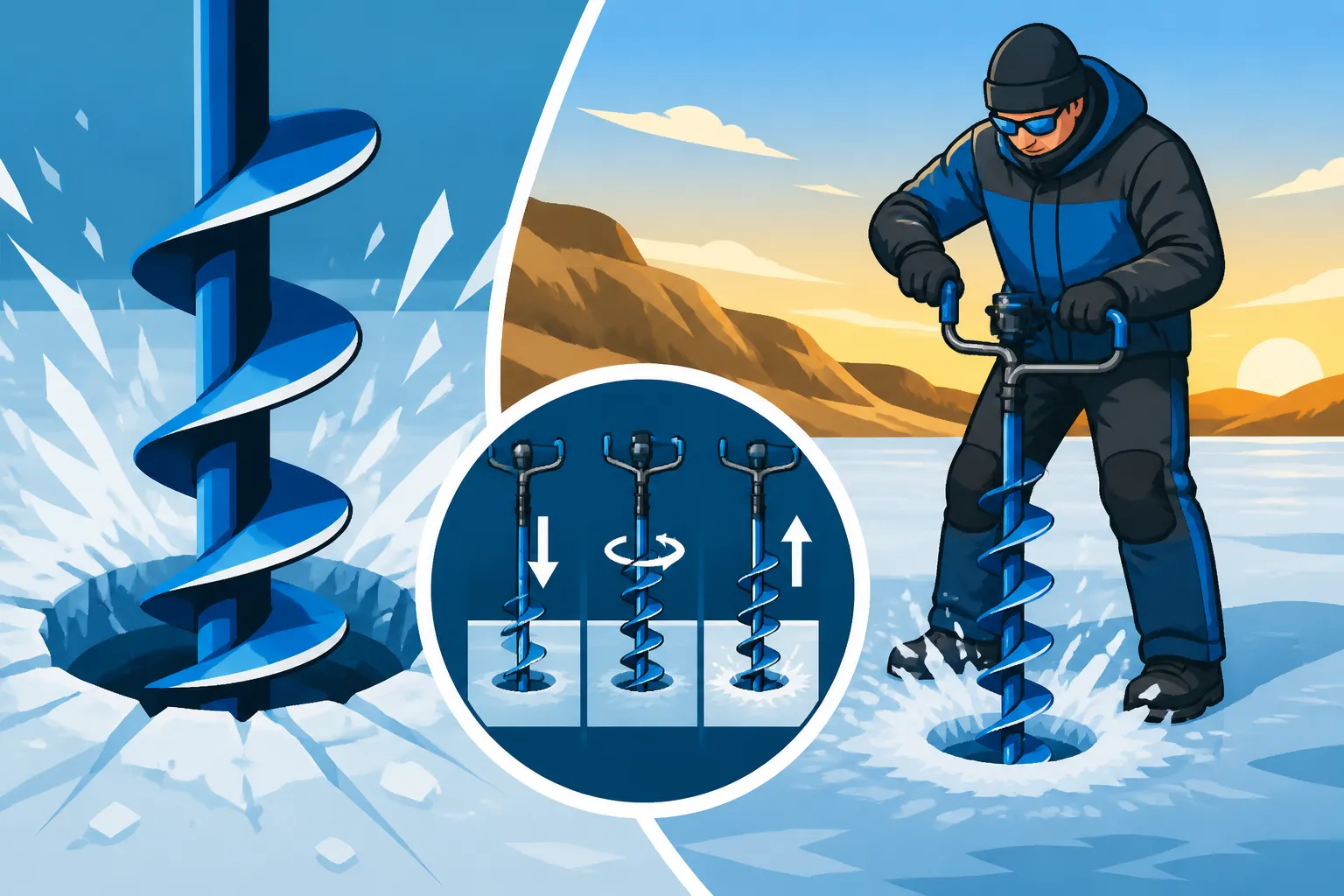
Ice Fishing Auger Techniques
There’s nothing quite like the thrill of stepping onto a vast, frozen North Dakota lake, anticipation building for that first bite. But let's be honest, that initial excitement can quickly turn into frustration when you're wrestling with a stubborn ice auger, struggling to punch through inches – or even feet – of rock-hard ice. Whether your auger just won't start, or your arms feel like jelly after drilling a single hole, the right technique and understanding can make all the difference between a miserable day and a successful, enjoyable outing. This guide is here to walk you through mastering ice fishing auger techniques, ensuring you drill more efficiently, safely, and with less effort, so you can focus on what truly matters: catching fish.
Understanding Your Ice Auger: The Heart of Your Ice Fishing Setup
Before you even think about hitting the ice, it’s crucial to truly understand the tool you’ll be relying on to access the fish beneath. Ice augers come in various forms, each with its own quirks, benefits, and best practices. Knowing yours inside and out is the first step to successful drilling.
Manual Hand Augers: The Original Workhorse
The hand auger is where many of us started, and for good reason. It’s simple, reliable, and requires no fuel or batteries. Think of it as a giant corkscrew designed for ice. You twist, you push, and eventually, you break through. These are fantastic for early and late ice conditions when the ice isn't excessively thick, or for anglers who prefer a quiet, low-tech approach.
However, don't underestimate the physical effort involved. Drilling a dozen holes through two feet of ice with a hand auger is a serious workout, making it less ideal for extensive hole hopping or very thick ice. Blades are paramount here; a dull hand auger blade is practically useless and will drain your energy faster than a marathon. When considering a hand auger, look for models with sharp, replaceable stainless steel blades and comfortable handles that provide good leverage. For quick trips or targeting species in shallower, predictable ice, they remain a viable and often cost-effective option, and you can often find good quality ones on Amazon that are perfectly adequate for lighter use.
Power Augers: Embracing the Modern Era
For those who prioritize speed, efficiency, and less physical strain, power augers are the undisputed champions. They come in three main varieties: gas, propane, and electric. Each offers a significant upgrade from the hand auger, but they also introduce new considerations like fuel management, battery life, and maintenance.
Gas-powered augers have traditionally been the most common choice for serious ice anglers due to their raw power and ability to chew through thick ice quickly. They’re fantastic for drilling many holes in succession, which is essential when trying to locate schools of perch on Devils Lake or searching for active walleye on Lake Sakakawea. The trade-off, however, is noise, fumes, and the need for gasoline and two-stroke oil mixes. Propane augers offer a cleaner, quieter alternative to gas, burning readily available propane cylinders, which eliminates the need for mixing fuel and reduces exhaust fumes. They're a great middle-ground option for those who want power without the full gas engine hassle. Electric augers, on the other hand, are the newest innovation and are rapidly gaining popularity. They're incredibly quiet, emission-free, and surprisingly powerful, running on rechargeable lithium-ion batteries. The main considerations with electric models are battery life, especially in extreme cold, and the need to keep spare batteries charged and warm. However, for a lot of anglers, the ease of use, instant start, and lack of fumes make them worth every penny, particularly if you're frequently fishing in an enclosed ice fishing shelter.
Pre-Trip Auger Maintenance: Sharpening Your Edge (Literally!)
Nothing derails an ice fishing trip faster than an auger that refuses to cut or won't start. A little preparation before you even leave the driveway can save you a world of frustration out on the frozen expanses of North Dakota.
The Critical Role of Sharp Blades
This cannot be stressed enough: sharp blades are the single most important factor for efficient ice drilling. A dull blade won't cut; it will scrape, chip, and get stuck, turning what should be a swift, clean cut into an exhausting ordeal. Imagine trying to slice a tomato with a butter knife – that’s what a dull auger feels like.
Before every trip, inspect your auger blades. Look for nicks, dents, or signs of rust. Even a small ding can significantly impair cutting performance. If your blades are dull or damaged, replace them immediately. Don't try to sharpen them yourself unless you're an expert, as improper sharpening can ruin the blade's cutting angle and make it useless. Carrying a spare set of sharp blades is an absolute game-changer, especially on multi-day trips or when fishing with friends. Many specialty outdoor retailers and online stores like Amazon offer a wide range of replacement blades for all major auger brands. Regularly checking and replacing your blades is a simple step that will dramatically improve your ice fishing experience, making it much easier to drill through North Dakota's thick winter ice.
Power Auger Pre-Checks: Fuel, Oil, and Battery Life
For those relying on power augers, a few extra checks are essential. If you’re using a gas auger, ensure your fuel tank is full with the correct gas-oil mix. Old fuel can cause starting problems, so it's always best to use fresh fuel, especially if your auger has been sitting for a while. Check the spark plug and air filter for any dirt or wear. A dirty spark plug can lead to misfires or prevent the engine from starting altogether.
Propane augers require less fuss, but still ensure you have a full propane cylinder attached and a spare or two on hand, especially if you plan on drilling many holes. Electric augers, while incredibly convenient, demand diligent battery management. Fully charge all your batteries before heading out. In the cold North Dakota air, battery performance can degrade, so consider keeping spare batteries in an insulated bag or inside your jacket to keep them warm. This little trick can significantly extend their runtime and ensures they are ready to go when you need them most. A quick check of all connections and ensuring everything is tight and secure will also prevent unexpected issues on the ice. These proactive steps are vital for a smooth day of ice fishing, whether you're chasing the best perch fishing spots on Devils Lake or targeting big walleye on Lake Sakakawea.
On-Ice Auger Techniques: Drilling Smart, Not Hard
Once you're out on the ice, having done all your prep work, it's time to put those auger skills to the test. But there’s more to drilling a hole than just pointing and pushing. Proper technique not only saves you energy but also enhances safety and efficiency.
Choosing Your Spot and Starting the Hole
Before you even think about drilling, take a moment to assess your location. Are you on a promising piece of structure identified by your fish finder? Are you near a known hot spot, or just trying a new area? Having a plan for where you want to drill can prevent unnecessary holes and wasted effort. For more on finding productive waters, check out our guide on the best ice fishing lakes in North Dakota.
Once you’ve picked your precise spot, positioning yourself correctly is key. For any auger, whether hand or power, you want a stable stance with your feet spread shoulder-width apart, giving you a solid base. Place the auger's cutting head flat on the ice, directly where you want your hole. For power augers, ensure the blades are firmly touching the ice before engaging the power. With hand augers, apply steady downward pressure while simultaneously turning the handle in a clockwise motion. The initial cut is the most important; a good, clean start will guide the auger straight down, preventing it from "walking" across the ice or drilling a crooked hole.
The Right Stance and Pressure: Letting the Blades Do the Work
Many anglers make the mistake of trying to muscle their auger through the ice, especially with hand models. The secret to efficient drilling is to let the auger's sharp blades do the work, supported by your body weight and a consistent rhythm.
With a hand auger, maintain constant, steady downward pressure while turning. Don't push too hard, as this can bind the blades. Instead, find a comfortable cadence, letting the sharp edges shave through the ice. For power augers, once the initial cut is made, the machine will want to pull itself down. Guide it, but don't fight it. Maintain a firm grip on both handles, keeping the auger plumb (straight up and down) to ensure an even cut. Apply enough pressure to keep the blades engaged, but not so much that you bog down the engine. If the auger starts to struggle or bog down, ease up slightly on the pressure. Sometimes, lifting the auger a few inches and then dropping it back down can clear slush from the blades and allow it to cut more efficiently. This technique is especially useful when tackling really thick ice, which is a common challenge when ice fishing in North Dakota.
Clearing the Hole and Repeat Drilling
Once you've punched through, you’ll be left with a hole full of slush and ice chunks. An ice skimmer is your best friend here. Use it to scoop out all the loose ice and slush, creating a clear opening for your line. Not only does this allow you to fish effectively, but it also prevents your line from freezing into the slush, which can be a real headache.
If you're planning to drill multiple holes, consider a strategic approach. Instead of drilling one, fishing, then drilling another far away, try drilling several holes in a pattern – perhaps a line, a grid, or around a piece of underwater structure – before you start fishing. This saves time and allows you to quickly move between spots to find active fish. Just be mindful of other anglers and their ice shelters; always maintain a safe distance and respect their space. For tips on how to effectively scout and choose your spots, our guide on how to ice fish in North Dakota might come in handy.
Dealing with Common Auger Challenges
Even with the best preparation and technique, you might encounter some common frustrations on the ice. Knowing how to troubleshoot these issues can save your day and prevent an early pack-up.
The Stuck Auger: When the Ice Fights Back
One of the most disheartening things that can happen is your auger getting stuck mid-hole. This often occurs in slushy layers under deep snow, or if you hit a piece of debris frozen in the ice. Don't panic and definitely don't try to force it, as this can damage your auger or injure you.
If your hand auger gets stuck, try rotating it counter-clockwise a few times while pulling up firmly. This can help dislodge it from the ice. With a power auger, immediately release the throttle or switch off the motor. Then, try to rotate the auger by hand, twisting it back and forth while pulling upwards. Sometimes, pouring a little warm water around the blades can help free it, but be careful not to introduce too much water that could refreeze. If it’s truly jammed, you might need to try a different approach, possibly even drilling a second, overlapping hole if the situation is desperate. This is why having sharp blades is so crucial; they reduce the chances of getting stuck in the first place.
Starting Issues: Troubleshooting Your Power Auger
It’s a tale as old as time on the ice: you pull the cord, or press the button, and nothing happens. Cold weather can be brutal on engines and batteries, making starting a challenge.
For gas augers, if it won’t start, first check your fuel level and ensure it's fresh. Make sure the choke is set correctly for a cold start – usually fully choked, then moved to half-choke after a few pulls. Don't continuously flood the engine with too many choke pulls. If it’s been running and suddenly stops, check for a fouled spark plug. You should carry a spare spark plug and the appropriate wrench. For propane augers, ensure the propane cylinder is full and securely attached. Cold propane can sometimes struggle to vaporize; sometimes warming the tank slightly (e.g., in your pocket for a minute) can help. Electric augers are usually the easiest to start, but if they don't respond, check that the battery is fully charged and seated correctly. Remember our earlier tip about keeping spare batteries warm; a cold battery simply won’t deliver power effectively. If you're still having trouble, a quick online search on Amazon might yield specific troubleshooting tips for your auger model.
Dealing with Dull Blades Mid-Trip
You followed all the advice, but after drilling a dozen holes for a North Dakota walleye fishing session, your blades just aren't cutting like they used to. Maybe you hit something unexpectedly or simply drilled more than anticipated.
This is where carrying a spare set of sharp blades becomes invaluable. Swapping out blades on the ice can be a bit fiddly, especially with cold fingers, but it's much faster than struggling with dull ones. Always carry the right tools for the job (usually an Allen wrench or screwdriver) and work carefully to avoid cutting yourself. If you don't have spares, you'll have to adjust your technique. Reduce downward pressure and focus on a consistent, lighter turn with a hand auger. For power augers, you might need to use less pressure and let the machine work slowly, understanding that it will take longer. Consider marking the dull blades when you get home so you remember to replace them before your next adventure. Our guide to the essential gear checklist for North Dakota fishing highlights other crucial items to bring along.
Safety First: Auger Handling and Ice Considerations
Safety on the ice is paramount, and your auger, while a helpful tool, is also a powerful piece of equipment that requires respect. Responsible handling protects you, other anglers, and the environment.
Personal Safety: Gloves, Guards, and Awareness
Always wear appropriate safety gear when operating an auger. Heavy-duty gloves are a must, not just for warmth but to protect your hands from sharp blades and potential pinches from moving parts. Eye protection is also highly recommended, especially with power augers, to shield your eyes from flying ice chips. Avoid loose-fitting clothing, scarves, or dangling drawstrings that could get caught in a spinning auger.
When carrying your auger, always ensure the blade guard is securely in place. Those blades are razor-sharp, and an accidental bump could cause a serious injury. Never carry a power auger with the engine running unless actively drilling. When moving between holes, carry the auger with the blades pointed away from your body and maintain a firm grip. Be especially vigilant when others are nearby; ensure they are clear of the drilling area before starting your auger. Accidents can happen quickly, so constant awareness is your best defense. For a comprehensive overview of staying safe on the ice, make sure to read our early ice fishing safety tips.
Ice Safety: Drilling Test Holes and Understanding Thickness
Before you start drilling a cluster of holes, especially on early or unfamiliar ice, make it a habit to drill a test hole or two near shore or in an area you know to be safe. This allows you to check the ice thickness safely before committing to a spot. Remember, the general rule of thumb for safe ice is 4 inches for ice fishing on foot, 5-7 inches for snowmobiles/ATVs, and 8-12 inches for small vehicles. Always err on the side of caution.
If you're unsure about the ice integrity, drill multiple test holes as you venture further out. Pay attention to how easily your auger cuts. If it feels unusually soft or you encounter water pockets just below the surface, it's a clear warning sign. Always consult local ice reports and familiarize yourself with North Dakota ice fishing rules before heading out. The safety of yourself and others depends on sound judgment and preparedness.
Environmental Considerations: Cleanliness on the Ice
While not directly about auger technique, how you leave your fishing spot is part of being a responsible angler. After drilling, ensure you don't leave any trash, broken gear, or spent propane cylinders on the ice. Pack out everything you pack in.
Additionally, be mindful of any oil or fuel spills from gas augers. While modern engines are cleaner, accidents can happen. Always be prepared to clean up any spills to protect North Dakota's pristine waters. A little environmental stewardship goes a long way in preserving our beautiful fishing destinations for future generations.
Post-Fishing Care and Storage: Protecting Your Investment
Your ice auger is an investment, and proper care after your trip will ensure it performs reliably season after season. Neglecting it after a long day on the ice can lead to rust, performance issues, and a shorter lifespan for your valuable tool.
Cleaning, Drying, and Blade Protection
As soon as you’re done fishing, or ideally, when you get home, take the time to properly clean your auger. Remove any ice, slush, or mud from the blades and shaft. If your auger has been used in saltwater or brackish water (though less common in landlocked North Dakota, it's a good habit for any gear), a freshwater rinse is essential.
After cleaning, thoroughly dry the blades and any metal components to prevent rust. A towel works well, or you can let it air dry in a warm, dry place. Once dry, always reattach the blade guard. This protects the sharp edges from damage and protects you and others from accidental cuts during transport or storage. For the long haul, some anglers apply a light coat of WD-40 or similar rust preventative to their blades before storing them for the off-season. This extra step can make a big difference in preventing corrosion, especially if you store your gear in a damp garage.
Long-Term Storage for Power Augers
For gas augers, long-term storage involves a bit more attention. It's generally recommended to either drain the fuel completely or use a fuel stabilizer if you plan to store it for more than a month or two. Old, untreated fuel can cause carburetors to gum up, leading to starting problems down the line. Run the engine until it runs out of fuel if you're draining it, or follow the stabilizer instructions. You might also consider removing the spark plug and adding a small amount of engine oil into the cylinder, then slowly pulling the cord a few times to lubricate the cylinder walls, which helps prevent rust during storage.
For electric augers, proper battery care is paramount. Store your lithium-ion batteries in a cool, dry place, ideally at a partial charge (around 50-75%), rather than fully charged or fully depleted. Storing them fully charged or fully depleted for extended periods can reduce their overall lifespan. Follow the manufacturer's recommendations for your specific battery type. Regularly checking and topping off charges if needed during the off-season can also help maintain battery health. For more on maximizing the life of your equipment, consider exploring our guide on the best ice fishing gear for North Dakota. Taking these steps ensures your auger is ready to go the moment those North Dakota lakes freeze over again.
| Auger Type | Best Use Case | Pros | Cons |
|---|---|---|---|
| Hand Auger | Early/late ice, few holes, tight budget | Quiet, no fuel/batteries, lightweight, affordable | Physically demanding, slow on thick ice, limited holes |
| Gas Auger | Thick ice, many holes, extreme cold | Powerful, fast, reliable in cold, long run time | Noisy, fumes, heavy, fuel mixing, more maintenance |
| Propane Auger | Thick ice, many holes, cleaner alternative | Less fumes than gas, no fuel mixing, powerful | Heavier than electric, less powerful than gas, propane cost |
| Electric Auger | All-around, frequent hole hopping, enclosed shelters | Quiet, no fumes, lightweight (battery can be heavy), instant start | Battery life in extreme cold, cost of spare batteries |
Disclaimer
This guide is intended for informational purposes only and does not supersede official North Dakota Game and Fish Department regulations. Always consult the current North Dakota Fishing Proclamation and any local ordinances before engaging in fishing activities. Ice conditions can be unpredictable; always prioritize safety and use extreme caution when on frozen waters. The author and publisher are not responsible for any accidents, injuries, or legal issues resulting from the use of this information.