Fly Fishing for Smallmouth Bass in North Dakota
There's a unique thrill in pursuing fish with a fly rod, a challenge that combines grace, precision, and an intimate understanding of the water. If you've ever dreamt of battling a hard-fighting smallmouth bass on the fly in the wide-open spaces of North Dakota, but felt intimidated by where to start, you're not alone. This guide will walk you through everything you need to know, from the best locations to the essential gear and proven techniques, so you can confidently cast your line for these feisty fighters.
The Allure of Fly Fishing for Smallmouth Bass in North Dakota
Fly fishing for smallmouth bass offers a dynamic and engaging experience that sets it apart from other angling pursuits. It's not just about catching fish; it's about the artistry of the cast, the delicate presentation, and the explosive strike that often follows. In North Dakota, where diverse waters range from vast reservoirs to winding rivers, the opportunity to target smallmouth on the fly is a truly rewarding adventure.
Why Smallmouth Bass?
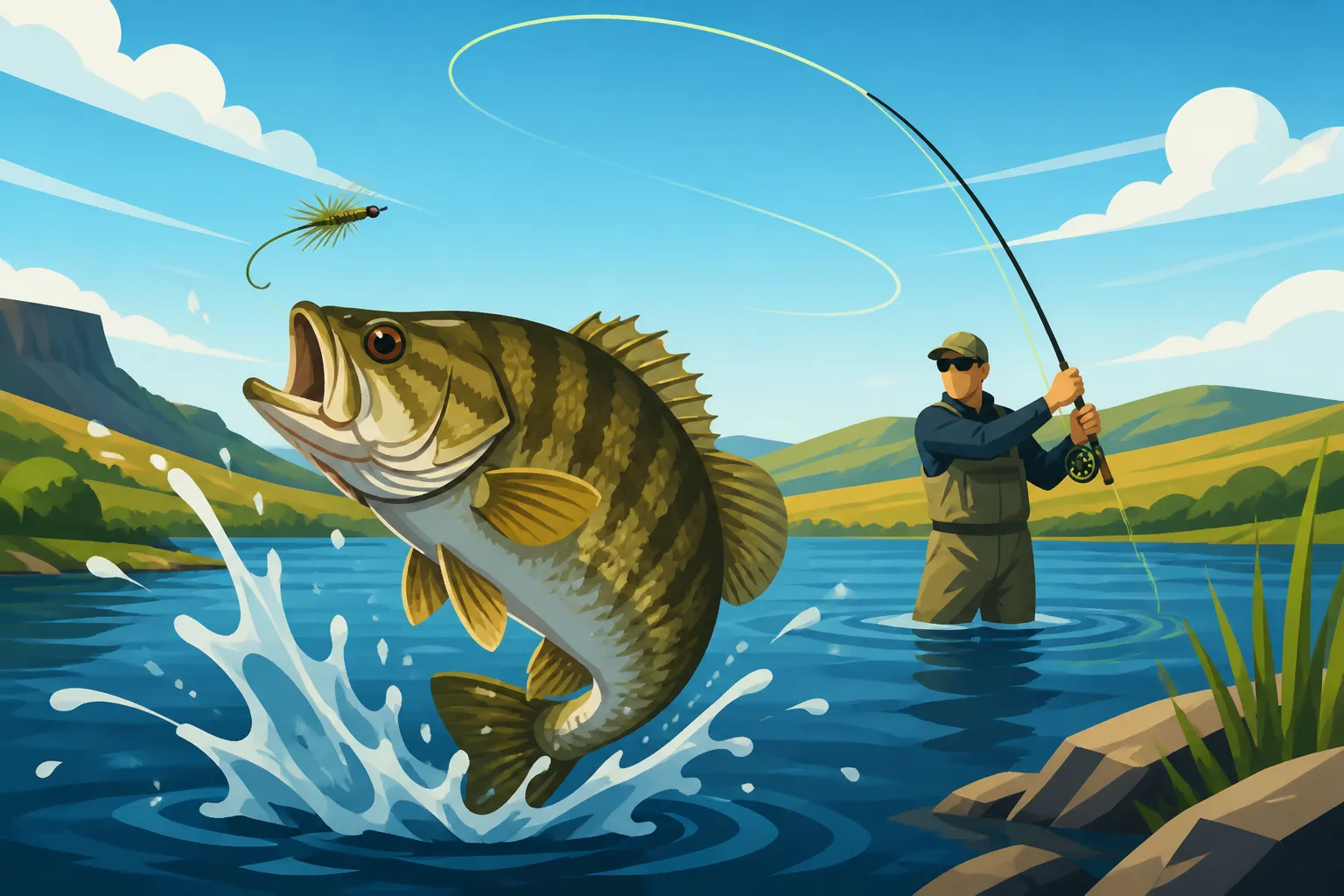
Smallmouth bass are often called "bronzebacks" for a reason – they're pound-for-pound one of the hardest-fighting freshwater fish out there, especially on a fly rod. Unlike their largemouth cousins who tend to hide in dense cover, smallmouth prefer rocky bottoms, current breaks, and drop-offs, making them excellent targets for specific fly fishing techniques. When hooked, they put up an incredible fight, jumping, diving, and making powerful runs that will test your tackle and your angling skills. You might be surprised at the sheer power a 2-3 pound smallmouth can exhibit when it’s angry.
They're also incredibly aggressive, often striking flies with a ferocity that can be startling. This aggressive nature makes them a fantastic species for fly anglers, as they're usually willing to chase down and hit a well-presented fly. Plus, many of North Dakota's smallmouth waters are absolutely stunning, offering a peaceful backdrop to your fishing escapades. Always remember to check the North Dakota Fishing Regulations Explained before you head out, as rules for different species and waters can vary.
The Unique Challenge of Fly Fishing for Smallmouth
What makes fly fishing for smallmouth particularly captivating is the blend of subtlety and power it demands. You're often imitating baitfish, crayfish, or even large insects, requiring precise casting and presentation. Unlike throwing a heavy spinnerbait with a baitcaster, a fly rod demands a different kind of finesse. You need to read the water, understand the currents, and place your fly exactly where you think a smallmouth is lurking, often right up against rocky structure or a submerged log.
Then comes the retrieve, which can vary from quick strips to slow, deliberate twitches, all designed to make your fly look alive and irresistible. The challenge lies in adapting your retrieve to the fish's mood and the water conditions. And when that explosive strike comes, it’s often sudden and violent, requiring quick reflexes and a solid hookset. It's a constant mental game, a dance between angler and fish that keeps you engaged from the first cast to the last. This isn't just fishing; it's an art form that truly connects you to the environment and its inhabitants.
Prime North Dakota Waters for Smallmouth Bass Fly Fishing
North Dakota might not be the first state that comes to mind for smallmouth bass, but it holds some hidden gems, especially for the fly angler. These waters offer diverse opportunities, from massive reservoirs to scenic river systems, each with its own unique characteristics and challenges. Understanding these prime locations is key to successful fly fishing. You'll want to review the Best Places to Fish in North Dakota for a broader overview of angling opportunities across the state.
Lake Sakakawea and Its Tributaries
Lake Sakakawea, a sprawling reservoir on the Missouri River, is a true titan among North Dakota's fisheries. While famous for its walleye and salmon, it also boasts a thriving smallmouth bass population, particularly in its rocky bays, points, and tributary arms. The sheer size of Sakakawea can be daunting, but focusing on areas with prominent rock structure, submerged timber, or sharp drop-offs will yield results. Think about the many fingers and inlets, like the Van Hook Arm or Deepwater Bay, where smallmouth can find ample cover and ambush points.
Fishing from a boat is almost essential here due to the vastness of the lake, but some accessible points along the shoreline, especially near state parks or developed access areas, can also hold fish. Target areas where wind and waves crash against rocky shores, churning up baitfish and dislodging crayfish, creating prime feeding opportunities for hungry smallmouth. Exploring the coves and submerged islands here will open up fantastic opportunities. You can find more specific tips in our guide on Lake Sakakawea Smallmouth Bass Fishing.
The Missouri River System
Below the Garrison Dam and stretching throughout the state, the Missouri River offers outstanding fly fishing for smallmouth bass. The flowing water, diverse bottom structure, and abundant food sources make it a prime habitat. Smallmouth here often relate to current breaks, eddies behind submerged rocks, rip-rap banks, bridge pilings, and log jams. Fishing from a drift boat, canoe, or kayak allows you to cover water effectively and target these varied structures.
The sections of the Missouri River around Bismarck are particularly popular, offering good access and a healthy population of smallmouth. Look for seams where faster current meets slower water, as these are classic ambush points. Working flies through these zones, allowing them to drift naturally before initiating a retrieve, can be incredibly effective. Make sure you're aware of access points and any specific regulations for river fishing. Our Missouri River Fishing Guide has extensive information to help you plan your trip.
Other Notable Smallmouth Destinations
While Sakakawea and the Missouri River are big names, North Dakota has other, often overlooked, spots that can offer fantastic smallmouth action. Lake Audubon, for instance, a beautiful lake adjacent to Sakakawea, is renowned for its excellent smallmouth fishery. It features clear water and abundant rocky structure, making it a fly angler's dream. Check out our detailed guide on Lake Audubon Smallmouth Bass Fishing for specific tips. Smaller impoundments and even some stretches of rivers like the Sheyenne and James can also surprise you with quality smallmouth, especially in areas with good rock or gravel bottoms.
When exploring these smaller waters, pay close attention to any visible structure – fallen trees, boulders, bridge abutments, and even docks can hold fish. These smaller bodies of water often offer a more intimate fly fishing experience, sometimes allowing for more effective wade fishing if conditions are right. Always consult local maps and talk to tackle shops for up-to-date information on smaller, productive smallmouth spots. Knowing the Smallmouth Bass Habitat in North Dakota characteristics will greatly improve your chances on any of these waters.
Essential Gear for Your North Dakota Smallmouth Fly Adventure
Having the right gear is crucial for a successful and enjoyable fly fishing trip, especially when targeting hard-fighting smallmouth bass in North Dakota's diverse environments. While you don't need to break the bank, investing in quality, appropriate tackle will make a significant difference in your ability to cast effectively, fight fish, and enjoy your time on the water.
Rods, Reels, and Lines
For smallmouth bass, a 6 to 8-weight fly rod is generally considered the sweet spot. A 6-weight offers a bit more finesse for smaller flies and lighter conditions, while an 8-weight provides the backbone needed to cast larger, heavier flies (like bulky poppers or weighted streamers) into the wind, and to handle bigger fish in heavier current. A fast-action rod will typically be preferred for its ability to generate line speed and cast bigger flies, but a medium-fast action can also work well, offering a bit more feel. You can find excellent options for various budgets on platforms like Amazon.
Pair your rod with a matching reel that has a smooth drag system. While smallmouth often don't spool you like a large salmon, a good drag is essential for managing their powerful runs and preventing snapped leaders. For fly lines, a weight-forward floating line is versatile for topwater and shallow subsurface presentations. However, having a sink-tip or even a full intermediate sinking line can be invaluable for getting flies down to deeper structure or into stronger currents, especially on the Missouri River or deeper parts of Lake Sakakawea. For more general advice, you might find our guide on Best Fishing Rods for North Dakota Anglers helpful, and definitely check out Best Fishing Line for North Dakota Lakes for detailed line recommendations.
Must-Have Fly Patterns
Smallmouth bass are opportunistic predators, and their diet includes a variety of forage. Your fly box should reflect this diversity. Here’s a basic breakdown of essential patterns:
| Fly Type | Description | Ideal Conditions | Target Forage Imitated |
|---|---|---|---|
| Poppers/Sliders | Topwater flies designed to make noise and splash on the surface. | Calm mornings/evenings, active fish | Frogs, injured baitfish |
| Streamers | Imitate baitfish like shiners, perch, or juvenile suckers. | All conditions, especially subsurface | Baitfish |
| Clouser Minnows | Weighted, jig-like streamers that sink quickly. | Deeper water, current, windy conditions | Baitfish |
| Crayfish Patterns | Realistic or impressionistic crayfish flies, often weighted. | Rocky bottoms, near structure | Crayfish |
| Woolly Buggers | Versatile, weighted streamer. Can imitate leeches, baitfish, or even crayfish. | All conditions, highly effective | Leeches, various forage |
| Dragonfly/Damselfly Nymphs | Larger nymphs, often fished subsurface near weed lines. | Near vegetation, slower water | Aquatic insects |
Having a variety of sizes and colors (natural greens/browns for crayfish, whites/silvers for baitfish, black for leeches, bright colors for aggressive strikes) will prepare you for different situations. Don't be afraid to experiment!
Waders, Boats, and Accessories
Depending on where you fish, access can vary greatly. For smaller rivers or shallow bays, a good pair of breathable chest waders can be invaluable, allowing you to wade out and reach fish that shore anglers can't. If you're tackling the larger waters of Lake Sakakawea or the main stem of the Missouri River, a boat – whether it's a traditional fishing boat, a canoe, or a fishing kayak – becomes essential. A kayak offers a fantastic blend of maneuverability and stealth, allowing you to explore tight spots and approach fish quietly. Many anglers enjoy Fishing From a Kayak in North Dakota for its versatility.
Beyond the big items, a few accessories are crucial:
- Polarized Sunglasses: Absolutely non-negotiable. They cut glare, allowing you to see structure and, most importantly, fish under the water.
- Clippers/Nippers: For quickly trimming leader and tippet.
- Hemostats/Pliers: Essential for safely removing hooks from fish, especially those feisty smallmouth that might swallow a fly.
- Fly Floatant: For keeping your dry flies riding high on the surface.
- Leader and Tippet: Carry extra spools in various strengths (e.g., 8-12 lb for leaders, 6-10 lb for tippet) to adapt to different fly sizes and conditions.
- Sun Protection: Hat, long-sleeved shirts, and sunscreen are vital for long days on the water.
Having a good selection of gear, much of which can be conveniently found on Amazon, will ensure you're prepared for whatever North Dakota's smallmouth bass waters throw your way.
Master the Techniques: Fly Fishing Strategies for North Dakota Smallmouth
Successfully fly fishing for smallmouth bass in North Dakota is all about understanding their behavior, presenting your fly naturally, and adjusting your tactics to the conditions. It's a game of observation, patience, and quick reflexes. Once you grasp these core strategies, you'll be well on your way to consistent success.
Reading the Water and Approach
The first step to catching smallmouth is finding them. Smallmouth bass love structure and current. Look for:
- Rocky Shorelines and Points: These offer ambush points and hold crayfish, a prime food source.
- Submerged Logs and Brush Piles: Great cover for fish, especially in slower currents.
- Current Seams and Eddies: Where faster water meets slower water, baitfish get disoriented, and smallmouth lie in wait.
- Drop-offs and Ledges: Fish often patrol these transition areas.
- Bridge Pilings and Rip-Rap: Man-made structures that mimic natural rock features.
Your approach is critical. Smallmouth, especially in clear water, can be spooky. Make long casts, keep a low profile, and avoid splashing or making excessive noise. If you're wading, move slowly and deliberately. If you're in a boat or kayak, use your trolling motor or paddle sparingly, and try to position yourself to make casts to the structure rather than over it. Understanding Smallmouth Bass Techniques on Rocky Shorelines will be particularly beneficial here, as rocky areas are paramount.
Presentation and Retrieve Tactics
Once you've identified a promising spot, your presentation and retrieve become paramount. This isn't trout fishing with delicate dry flies; smallmouth often react well to a more aggressive approach, but it still needs to be refined.
For Topwater Flies (Poppers/Sliders):
Cast your popper or slider close to the structure – a submerged log, a rock, or a weed line. Let it sit for a few seconds, letting the ripples die down. Then, give it a sharp strip to make it gurgle or splash. Pause. Repeat. The pauses are often when the strike comes, as the bass thinks its prey is injured or confused. Vary the speed and intensity of your strips until you find what the fish prefer. Some days they want an aggressive "splat-pause," others a subtle "sip-sip-pause."
For Subsurface Flies (Streamers/Crayfish):
Cast your streamer or crayfish pattern upstream or upcurrent of the target structure, allowing it to sink and drift naturally towards the fish. Once it's near or past the structure, begin your retrieve. This can be short, sharp strips to imitate a fleeing baitfish, or longer, slower strips with pauses to mimic a crawling crayfish. For weighted patterns like Clouser Minnows, a "jigging" retrieve – lifting the rod tip and letting the fly fall – can be deadly. Always maintain a tight line so you can feel even the most subtle takes. Sometimes, smallmouth will just "tick" your line before taking the fly.
Seasonal Adjustments and Best Times
The best times to fly fish for smallmouth in North Dakota will largely depend on the season.
- Spring (Post-Spawn): After the ice-out (which you can learn more about in our North Dakota Ice Out Fishing Guide), smallmouth will be hungry and moving into shallower, warmer waters. This is an excellent time for aggressive topwater action or fast-retrieved streamers. They'll be recovering from spawning and actively feeding.
- Summer: During the heat of summer, smallmouth may move to deeper water during the day, relating to main lake points, deeper rock piles, and current breaks in rivers. Early mornings and late evenings often provide the best topwater bite. During midday, you'll want to focus on weighted flies fished deeper.
- Fall: As water temperatures drop, smallmouth will go on a feeding frenzy, packing on weight for the winter. This can be one of the most productive times of year. Fish will be aggressive, often hitting large streamers and crayfish patterns with gusto as they chase baitfish into shallower pockets before retreating to wintering grounds. Our North Dakota Fall Fishing Guide has more details on this season.
Generally, overcast days or periods of stable weather can be better than bright, sunny days, especially in clear water. Also, fish tend to be more active during low light conditions (dawn and dusk) throughout the warmer months. Remember to keep an eye on the overall North Dakota Fishing Season Dates and Limits to ensure you're always fishing within the legal framework for specific species.
Disclaimer
This article is for general informational purposes only and does not constitute professional advice. Laws, prices and regulations vary by location and change over time. Consult a qualified professional for guidance on your specific situation.