Best Places to Fish in North Dakota
It can feel overwhelming when you're dreaming of a North Dakota fishing adventure, but you’re staring at a map that shows thousands of lakes and rivers. How do you even begin to pick the best spot? Whether you’re chasing a trophy walleye, battling monstrous catfish, or trying your hand at ice fishing for a mess of perch, knowing where to start your journey can make all the difference between a memorable trip and a frustrating one. This comprehensive guide is here to cut through the confusion, highlighting the absolute best places to fish in North Dakota and equipping you with the knowledge to make your next angling excursion a resounding success.
Lake Sakakawea: North Dakota's Crown Jewel for Anglers
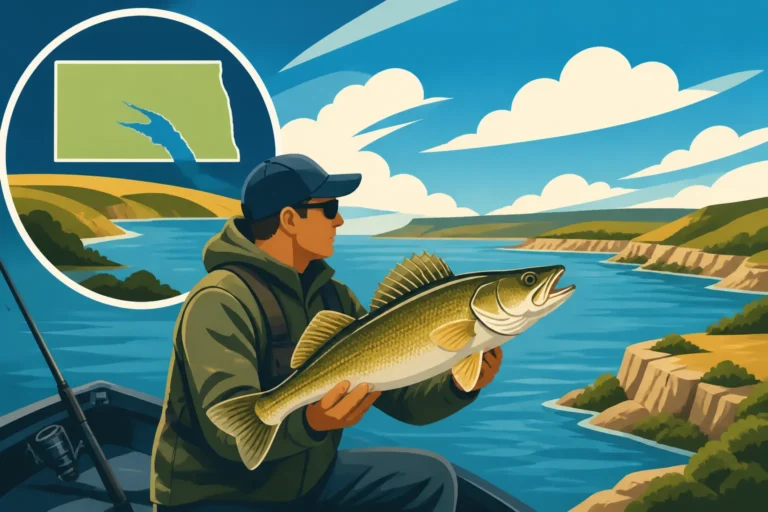
When you talk about fishing in North Dakota, Lake Sakakawea inevitably comes up first, and for good reason. This massive reservoir, stretching over 178 miles long with a shoreline of more than 1,300 miles, is truly an inland ocean. It's an incredible fishery, holding numerous state records and offering some of the most diverse angling opportunities in the state. Anglers from all over the country flock to Sakakawea, drawn by its reputation for big walleye, hard-fighting Chinook salmon, and abundant smallmouth bass. The sheer size of the lake can be intimidating, but once you understand its nuances, you’ll find endless spots to explore. For a deep dive into this incredible body of water, check out our full Lake Sakakawea Fishing Guide for North Dakota Anglers.
Walleye Hotspots and Structure Fishing
Walleye are undoubtedly the main attraction on Lake Sakakawea, and anglers employ a variety of techniques throughout the year to target them. In spring, as the ice recedes and water temperatures begin to rise, walleye will move shallower, often congregating around points, bays, and feeder creek mouths as they prepare to spawn. Areas like Van Hook Arm, Deepwater Bay, and the Little Missouri arm become prime locations. Early season fishing often involves pitching jigs and soft plastics, or slowly trolling shallow-running crankbaits. The key is to cover water and find those active schools. As summer progresses, walleye move to deeper structures, feeding on the abundant baitfish, particularly smelt.
This is when understanding the lake's vast underwater landscape becomes crucial. You'll find walleye relating to submerged humps, deep points, rock piles, and old creek channels. Trolling crankbaits, employing bottom bouncers with spinner rigs or live bait (like nightcrawlers or minnows), and even vertical jigging spoons or blade baits become highly effective tactics. Electronics are your best friend here, helping you locate subtle depth changes, baitfish schools, and the walleye themselves. A good GPS mapping system can also help you mark these productive structures and return to them. Understanding North Dakota Walleye Fishing Techniques specific to Sakakawea's vastness can greatly improve your success.
The sheer size of Lake Sakakawea means that fishing spots are almost limitless. For instance, the main lake points and humps near the Garrison Dam area are always a strong bet, especially during the summer and fall. Anglers often focus on depths ranging from 15 to 30 feet, but don't be afraid to experiment. The walleye will tell you where they are. During periods of strong wind, looking for the protected side of large bays or points where baitfish might be pushed can also produce excellent results.
Chinook Salmon and Smallmouth Bass Opportunities
While walleye steal most of the headlines, Lake Sakakawea also boasts a unique and thrilling Chinook salmon fishery, primarily in the deeper, colder waters of the eastern half of the lake, closer to the Garrison Dam. These landlocked salmon offer a completely different kind of fight, often making screaming runs that test your drag and your patience. They are typically targeted by trolling large spoons and flashers at specific depths, usually in the thermocline where the water temperature is ideal for them and their primary forage, smelt, gather.
Chinook salmon are actively stocked by the North Dakota Game and Fish Department to maintain this exciting sport fishery. Anglers often launch from facilities near the dam, like the Fort Stevenson State Park boat ramp, and head for the main lake basin. Early mornings and late evenings often provide the best bite, as salmon are sensitive to light. Beyond salmon, the lake's rocky shorelines, points, and submerged timber provide excellent habitat for smallmouth bass. These bronze beauties are feisty fighters on light tackle, and they can be found throughout the reservoir, particularly in areas with rocky bottoms and clear water. Casting crankbaits, spinnerbaits, or soft plastics like tubes and grubs along these rocky areas can lead to explosive strikes. Don't overlook the potential for a smallmouth bass in areas where you might be targeting walleye, as they often share similar structures.
Best Access Points and Camping
Given its immense size, accessing Lake Sakakawea requires some planning, but there are numerous well-maintained boat ramps and public access areas scattered along its perimeter. On the eastern end, near the Garrison Dam, popular access points include the facilities at Fort Stevenson State Park and Garrison Bay. These offer multiple ramps, ample parking, and often nearby amenities like bait shops and campgrounds. Moving west, the Beulah Bay and Indian Hills Resort areas provide excellent access to central sections of the lake. Further west, the Van Hook State Recreation Area is a favorite, known for its extensive fishing opportunities and camping.
For those venturing to the western reaches, the Little Missouri Bay and Tobacco Gardens recreation areas are popular choices. Many of these areas also offer fantastic camping opportunities, from primitive sites to full-service RV hookups, allowing anglers to stay right on the water and maximize their fishing time. Imagine waking up, stepping out of your camper, and being just a short walk from your boat or a prime shore fishing spot. Many guides, often found through services like FishingBooker, operate out of these popular access points, making it easy to connect with local experts for a guided trip. Remember to check local conditions, especially water levels, as access can sometimes change. You can also find detailed information on North Dakota Fishing Access Sites on Lake Sakakawea.
Devils Lake: The Perch and Walleye Mecca
Devils Lake holds a legendary status among ice anglers and open-water enthusiasts alike, particularly for its incredible yellow perch and walleye populations. Unlike the man-made Lake Sakakawea, Devils Lake is a natural lake, and its unique, dynamic ecosystem—characterized by rising water levels that have flooded vast amounts of timber and farmland—has created an unbelievably fertile environment for fish. This "flooded timber" environment provides endless structure and forage, making it a true angler's paradise. If you're planning a trip, our Devils Lake Fishing Guide for North Dakota Anglers is an invaluable resource.
Navigating the Flooded Timber for Perch
Devils Lake is perhaps most famous for its jumbo yellow perch. These panfish grow to impressive sizes here, with fish over 12 inches being a common catch, and even some topping 14 or 15 inches. The key to finding them often lies in understanding the flooded timber and old road beds that define much of the lake's underwater landscape. Perch, especially during the colder months, will relate heavily to these submerged trees, using them for cover and as ambush points for smaller baitfish and invertebrates.
During open water season, anglers target perch by drifting with jigs and live bait (like minnows or worms), casting small spinnerbaits, or using slip bobbers around the edges of the flooded timber or over submerged grass beds. In winter, the flooded trees become critical ambush points, and anglers will drill holes strategically around groups of trees, using electronics to pinpoint schools of perch. Small tungsten jigs tipped with wax worms, spikes, or plastics are deadly effective. It's not uncommon to pull dozens of perch from a single hole once you locate a school. Remember, navigating these areas requires caution, especially with a boat in open water, as stumps and logs can be hidden just beneath the surface.
Walleye Tactics on this Dynamic Lake
Devils Lake's walleye fishery is equally impressive, offering some of the fastest action and largest fish in the state. Like perch, walleye thrive in the flooded environment, utilizing the submerged structure for cover and feeding. Walleye in Devils Lake are often found in conjunction with the perch, preying on them as well as other baitfish like fathead minnows and young-of-the-year white bass. Their movements are often dictated by wind, baitfish migration, and water temperatures.
In spring, walleye are found in shallower bays and points, often near areas of new green growth or submerged timber. Casting jigs with plastics or live bait is a popular and effective method. As summer progresses, walleye might move deeper, but they'll still be associated with the abundant structure. Trolling crankbaits over flats, along old road beds, or through sparse timber can be incredibly effective. Bottom bouncers with spinner rigs or slow death rigs are also a go-to choice. During periods of low light, such as dawn, dusk, or even night, walleye become more active and will often move shallower to feed. Vertical jigging spoons or larger jigs can also produce fish when you locate them on your electronics, especially in deeper channels or around prominent underwater features. For specific hotspots, many local guides, including those you can find through FishingBooker, specialize in these walleye tactics.
Ice Fishing Access and Strategies
Devils Lake truly shines as an ice fishing destination, often considered one of the Best Ice Fishing Lakes in North Dakota. Once the lake freezes, anglers descend upon it in droves, creating temporary cities of ice shanties and portable shelters. The flooded timber, which can be challenging to navigate in open water, becomes a map of productive fishing zones in winter. Access points are numerous around the lake, with many resorts and bait shops providing plowing services to create access roads onto the ice. Popular access areas include Grahams Island State Park, Six Mile Bay, and the various ramps around the city of Devils Lake itself.
Safety on the ice is paramount, and it's crucial to always check ice thickness, especially early and late in the season. You can learn more about How to Ice Fish in North Dakota safely. Once on the ice, anglers will target perch and walleye using a variety of methods. For perch, small jigs tipped with live bait or plastics are the norm, often fished in conjunction with a fish finder (flasher or sonar unit) to detect fish approaching the bait. Walleye often respond well to larger jigs, spoons, or even tip-ups set with live minnows. The flooded timber provides abundant cover, so don't be afraid to drill many holes and move frequently until you locate an active school. The sheer abundance of fish in Devils Lake makes it an incredibly rewarding ice fishing experience, with many anglers easily catching their daily limits of both perch and walleye.
The Mighty Missouri River System: Diverse Fishing Opportunities
The Missouri River, along with its associated reservoirs like Lake Oahe and the tailrace below Garrison Dam, forms a continuous and diverse fishing system through North Dakota. This isn't just a river; it's a dynamic and ever-changing fishery, offering everything from fast-action walleye and sauger to giant catfish and even some smallmouth bass. Its constant current and varied bottom structure create unique challenges and rewards for anglers. A comprehensive understanding of this system can be found in our Missouri River Fishing Guide.
Tailrace Fishing Below Garrison Dam
The area immediately below the Garrison Dam, often referred to as the tailrace, is a legendary fishing spot for its incredible concentration of walleye and sauger. The churning water released from the dam creates a nutrient-rich, oxygenated environment that attracts vast numbers of baitfish, which in turn draws in predatory game fish. This is a high-current environment, so heavy jigs, three-way rigs, and stout tackle are often necessary to get your bait down to the fish.
Anglers here often anchor upstream and drift jigs, crankbaits, or live bait rigs downstream, or they may utilize controlled drifts in their boats to present baits effectively. Walleye and sauger stack up in the seams and eddies created by the current, waiting for an easy meal to pass by. Early spring and late fall can be particularly productive as fish migrate through this bottleneck. It's a challenging but highly rewarding fishery, often producing some of the largest walleye and sauger in the state. Always be aware of safety, as the current can be swift and conditions can change rapidly. This section of the river is also known for big Northern Pike and even some massive Channel Catfish, making it a truly diverse spot.
River Fishing Through Bismarck and Beyond
As the Missouri River flows south from the tailrace, it takes on a more traditional riverine character, winding its way through diverse landscapes, including the state capital, Bismarck. This section of the river offers a different fishing experience, with opportunities for walleye, sauger, Northern Pike, and especially robust populations of Channel Catfish. The current is still a factor, but often less extreme than directly below the dam, allowing for a wider range of techniques.
Walleye and sauger are often found relating to current breaks, wing dams, submerged logjams, and deeper holes. Trolling crankbaits, drifting with live bait rigs (such as bottom bouncers with minnows or crawlers), or pitching jigs to visible structure can all be effective. For catfish, the Missouri River through Bismarck is excellent. Anglers will often anchor in slower current areas or deep holes and present cut bait, stink baits, or live bait (like chub minnows) on the bottom. Night fishing for catfish can be particularly productive. The river also boasts good populations of Northern Pike, which can be found in calmer backwaters, eddies, and around areas of submerged vegetation. Fly fishing for these species, particularly smallmouth bass, is also gaining popularity in sections of the river.
Lake Oahe's Southern Reach for Walleye and Catfish
Further south, the Missouri River transitions into the sprawling waters of Lake Oahe, a reservoir that extends well into South Dakota. The North Dakota portion of Lake Oahe is characterized by deep channels, extensive flats, and numerous bays and arms. While often overshadowed by Sakakawea, Oahe is a phenomenal fishery in its own right, especially for walleye and Channel Catfish. For dedicated information on this body of water, our Lake Oahe Fishing Guide is a must-read.
Walleye on Lake Oahe often relate to vast, submerged flats and the edges of the main river channel. Trolling crankbaits or spinner rigs with bottom bouncers is a very popular and effective method, allowing anglers to cover large areas of water. The walleye here are known for their strong year classes and can provide consistent action. In addition to walleye, Lake Oahe is a prime destination for large Channel Catfish. The deeper holes and slower current areas in the bays and main lake are excellent places to target them. Anglers often set up multiple rods with heavy weights and baits like cut suckers, shad, or prepared catfish baits. Early mornings and evenings, especially during the summer, can be particularly hot for catfish action. Many access points along the North Dakota side of Oahe offer boat ramps and facilities, making it easy to launch and explore this vast reservoir.
Red River of the North: Trophy Catfish Haven
The Red River of the North is unlike any other fishing destination in North Dakota. Flowing north along the border with Minnesota, this relatively shallow, muddy, and slow-moving river is renowned as one of the best trophy Channel Catfish fisheries in North America. While it might not have the pristine clarity of other lakes, its nutrient-rich waters support an incredible biomass of fish, making it a unique and highly rewarding place to wet a line. Check out our detailed Red River of the North Fishing Guide for everything you need to know.
Prime Catfish Channels and Baits
The Red River's reputation for monster Channel Catfish is well-deserved. It consistently produces fish weighing over 20 pounds, with 30-pounders not uncommon, and the state record pushing well into the 40-pound range. The key to success on the Red lies in understanding the river's subtle structure. Catfish will often hold in deeper holes, along outside bends, around submerged logjams, and in areas of slower current, especially near feeder creeks or tributaries. They are ambush predators and will position themselves to intercept food drifting downstream.
Anglers targeting these giants typically use heavy-duty rods and reels spooled with strong braided line. The most effective baits are cut baits, especially fresh-cut suckers, goldeye, or carp. These oily baits provide a strong scent trail that catfish can detect from a distance. Prepared stink baits can also work, but cut bait often proves superior for trophy-sized fish. Anglers will anchor their boats upcurrent from a suspected catfish hole and cast their baits downstream, allowing them to settle on the bottom. Using a slip sinker rig is a popular choice, as it allows the fish to pick up the bait without feeling immediate resistance. Night fishing is a particularly productive time, as catfish are primarily nocturnal feeders.
Walleye and Northern Pike on the Border Waters
While catfish dominate the conversation, the Red River also offers good fishing opportunities for walleye and Northern Pike, especially in specific sections and at certain times of the year. Walleye tend to be smaller than those found in the large reservoirs, but they are abundant and provide consistent action. They often relate to current breaks, bridge pilings, and any discernible structure that offers a break from the main current.
Trolling small crankbaits or drifting jigs tipped with minnows or worms can be effective for walleye. Spring and fall are often the best times to target them, as they become more active in cooler water. Northern Pike are also present, especially in the slower backwaters, oxbows, and areas with more vegetation. Casting spinnerbaits, spoons, or large crankbaits into these calmer areas can draw aggressive strikes from pike. Remember, since the Red River forms the border with Minnesota, specific reciprocal fishing agreements may apply. Always check the North Dakota Fishing Regulations Explained to ensure you are compliant with local rules, especially regarding boundary waters.
Accessible Shore Fishing and Boat Launches
One of the great advantages of the Red River is its accessibility, offering numerous opportunities for both boat and shore anglers. Throughout its North Dakota stretch, particularly around larger communities like Fargo, Grand Forks, and Wahpeton, you'll find well-maintained public boat ramps and various parks with excellent shore fishing access. In Fargo, spots like Lindenwood Park or Dike East Park provide great bank access, often equipped with fishing piers. Grand Forks offers similar access at places like the Greenway.
Many local towns along the river have developed riverfront parks, providing easy entry points for anglers without a boat. Shore anglers targeting catfish will often look for deeper holes or areas where the current slows down, using heavy weights to keep their baits on the bottom. For those with boats, launching facilities are readily available, allowing access to the main river channel and its countless bends and features. When planning a trip, considering areas with easy public access and amenities, like the ones you might find highlighted by FishingBooker, can make your Red River adventure more enjoyable, especially for those new to river fishing.
Hidden Gems and Local Favorites Across North Dakota
Beyond the major destination lakes and rivers, North Dakota is dotted with countless smaller lakes, reservoirs, and community fisheries that offer fantastic, often less-crowded, fishing experiences. These "hidden gems" are cherished by locals and can provide excellent action for a variety of species, from panfish to trophy trout. They often offer a more tranquil setting, perfect for a relaxing day on the water or a family outing.
Turtle Mountains Lakes: Metigoshe and Pelican
Nestled in the picturesque Turtle Mountains along the Canadian border, lakes like Metigoshe and Pelican Lake offer a completely different fishing vibe. These clear, spring-fed lakes are known for their beautiful scenery and diverse fisheries, including Walleye, Northern Pike, Perch, and even some Largemouth Bass. Lake Metigoshe, in particular, is a popular destination, with a state park offering camping and amenities.
Anglers on Lake Metigoshe can target walleye by trolling crankbaits along the main lake contours or jigging near humps and points. Northern Pike are abundant in the weedier bays, responding well to spinnerbaits and spoons. The lake also holds good populations of yellow perch and crappie, which can be found in deeper holes or around submerged brush. Pelican Lake, a smaller but equally charming lake, offers similar opportunities in a more secluded setting. The clear water in these lakes often means fishing success can be highly dependent on light conditions, with early morning and late evening bites being particularly strong. For a detailed exploration, refer to the Lake Metigoshe Fishing Guide, North Dakota.
Central North Dakota Reservoirs: Ashtabula, Jamestown, Pipestem
The central part of North Dakota features several important reservoirs that provide crucial fishing opportunities away from the largest lakes. Lakes like Ashtabula, Jamestown Reservoir, and Pipestem Reservoir are all part of the Sheyenne River system and are consistently productive fisheries for walleye, Northern Pike, and panfish. These lakes are often more accessible and less intimidating than Sakakawea or Devils Lake, making them excellent choices for a casual outing or a weekend trip.
Lake Ashtabula is known for its excellent walleye fishing, with good numbers of fish caught by trolling crankbaits or bottom bouncing. It also has a strong Northern Pike population in its weed-filled bays. The Lake Ashtabula Fishing Guide provides further insights. Jamestown Reservoir and Pipestem Reservoir, located near the city of Jamestown, are popular for their walleye, pike, and crappie. These lakes are often good choices for ice fishing, as they tend to freeze earlier and offer consistent action through the winter. Anglers often find success on these central reservoirs by targeting traditional structures like points, humps, and old creek channels. These areas are also popular for camping and offer a host of recreational activities beyond fishing, making them ideal for family trips.
Western Waters: Lake Tschida and Heart Butte Dam
Heading west towards the badlands, Lake Tschida (also known as Heart Butte Dam) stands out as a significant fishery on the Heart River. This reservoir is a multi-species lake, offering good fishing for Walleye, Northern Pike, Crappie, Smallmouth Bass, and even some Catfish. It's a vital water body for anglers in the southwestern part of the state, providing a large and diverse fishing experience.
Walleye fishing on Lake Tschida can be excellent, particularly around the numerous points, submerged islands, and main lake structure. Trolling and jigging are both effective methods. Crappie fishing can also be outstanding, with anglers often finding schools concentrated around submerged timber or brush piles in the spring and fall. Smallmouth bass thrive in the rocky areas and along the dam face. For Northern Pike, targeting the shallower, weedier bays with spinnerbaits or spoons is a good strategy. Like many North Dakota lakes, ice fishing on Lake Tschida can be very productive, especially for walleye and crappie. The lake offers multiple boat ramps and camping areas, making it a convenient destination for an extended stay.
Family-Friendly Fishing and Accessible Spots
Fishing in North Dakota isn't just about chasing trophy fish on massive lakes; it's also about creating cherished memories with family and friends. The state recognizes the importance of introducing new generations to the joy of angling and has invested in numerous accessible, family-friendly fishing spots. These locations are often stocked, have easy access, and provide a safe and enjoyable environment for anglers of all ages and skill levels, especially beginners and kids.
Stocked Ponds and Community Fisheries
Many communities across North Dakota maintain small, easily accessible ponds that are regularly stocked with catchable fish, primarily trout (rainbow and brown), but sometimes also panfish like bluegill and perch. These community fisheries are perfect for a short outing, a quick lesson for a child, or simply a relaxed afternoon. They often have paved paths, fishing piers, and amenities like restrooms and picnic areas.
Examples include Harmon Lake near Mandan, McDowell Dam near Bismarck, or various park ponds in Fargo and Grand Forks. The North Dakota Game and Fish Department does an excellent job of managing these waters and often hosts fishing events and clinics specifically for kids. The beauty of these ponds is their simplicity: a basic spinning rod, a bobber, a worm or a small power bait, and you're in business. There's nothing quite like seeing a child's face light up as they reel in their first fish, and these stocked ponds provide countless such opportunities. You can easily find information on Best Fishing Spots for Families in North Dakota through local resources or the Game and Fish website.
Piers, Shoreline Access, and State Parks
For those who prefer to keep their feet on solid ground or simply don't have a boat, North Dakota offers abundant shoreline access and numerous fishing piers on larger lakes and rivers. Many state parks, like Grahams Island State Park on Devils Lake or Fort Stevenson State Park on Lake Sakakawea, offer excellent fishing piers that extend into productive waters, often targeting walleye, perch, or Northern Pike. These piers are usually handicap-accessible, making fishing enjoyable for everyone.
Beyond state parks, many local parks and recreation areas along the Missouri River, Red River, and smaller lakes provide designated shore fishing areas. These spots are often clearly marked and offer amenities. Shore fishing can be incredibly rewarding, especially during spring and fall when fish move into shallower water to feed. A simple cast-and-retrieve approach with lures or still-fishing with live bait can yield impressive results. For more details on accessing these spots, explore resources like Fishing in North Dakota State Parks.
Choosing the Right Spot for Beginners and Kids
When fishing with beginners or children, the goal is often quantity over trophy size, and easy access is paramount. Look for locations that offer a high chance of catching something, even if it's a smaller panfish. Stocked ponds and community fisheries are ideal for this. The thrill of a bite keeps kids engaged and builds confidence. Safety is also a primary concern; choose locations with calm waters, well-maintained paths, and away from heavy boat traffic.
Consider the time of day and year. Early mornings or late evenings often provide cooler temperatures and more active fish, especially in summer. Spring and early summer are generally excellent times to introduce kids to fishing, as fish are often more active in the shallows. Keep the gear simple: a lightweight spinning rod, bobbers, hooks, and worms or small artificial baits are all you need. Always remember to check Do Kids Need a Fishing License in North Dakota, although typically younger children are exempt. Services like FishingBooker can help you find local guides who specialize in family-friendly trips, providing all the gear and expertise needed for a successful outing. Making the experience fun, patient, and educational will foster a lifelong love for fishing.
Preparing for Your North Dakota Fishing Adventure
Embarking on a fishing trip in North Dakota, whether it's to the vast expanse of Lake Sakakawea or a quiet community pond, requires a bit of preparation. Understanding the rules, having the right gear, and respecting the environment are crucial for a safe, enjoyable, and successful experience. Don't let bureaucracy intimidate you; a little homework goes a long way.
Essential Licenses and Regulations
Before you even think about casting a line, securing the proper fishing license is the first and most critical step. In North Dakota, nearly everyone 16 years of age and older needs a fishing license. There are different options available for residents and non-residents, including annual licenses, short-term non-resident licenses (e.g., 3-day or 10-day options), and even specific tags for certain species like paddlefish. You can purchase licenses online through the North Dakota Game and Fish Department website, at authorized license vendors across the state (like sporting goods stores), or sometimes even via a mobile app. Our detailed North Dakota Fishing License Guide will walk you through all the specifics.
Beyond the license itself, it's absolutely vital to familiarize yourself with the current North Dakota Fishing Regulations Explained. These regulations cover everything from daily and possession limits for various species (like walleye, Northern Pike, and perch), to size restrictions, legal fishing methods, and special rules for specific water bodies. Regulations are updated periodically, so always ensure you are referring to the most current proclamation, usually available on the Game and Fish website. Ignorance of the law is no excuse, and game wardens in North Dakota are diligent in enforcing these rules to protect the state's valuable fisheries.
Planning Your Trip with Local Resources
Effective trip planning can significantly enhance your fishing success and overall enjoyment. Start by researching your chosen destination. What are the primary target species? What are the current water levels and conditions? What are the best access points, and are there any local advisories? The North Dakota Game and Fish Department website is an invaluable resource, offering fishing reports, stocking information, access maps, and even weekly webcasts during peak seasons.
Local bait and tackle shops near your destination are also treasure troves of information. The folks working there live and breathe local fishing and can provide up-to-the-minute advice on what's biting, what baits are working, and current conditions. Don't be shy; ask questions! Many local communities also have tourism boards or chambers of commerce that can provide information on accommodations, dining, and other attractions. For those seeking guided experiences, platforms like FishingBooker can connect you with experienced local fishing guides who can tailor a trip to your specific interests and skill level, offering invaluable local knowledge and gear.
Safety and Conservation Practices
Safety should always be your top priority on the water. This includes wearing appropriate personal flotation devices (life jackets), especially in colder water or on large, windy lakes like Sakakawea. Inform someone of your float plan, including where you're going and when you expect to return. Be mindful of weather changes, as North Dakota weather can be unpredictable, with storms blowing in quickly. For ice fishing, always prioritize ice safety by checking thickness and being aware of current conditions; our guide on How to Ice Fish in North Dakota contains critical safety tips.
North Dakota Fishing Spot Comparison Table
| Lake/River System | Primary Target Species | Key Characteristics | Best Time to Fish | Access/Amenities |
|---|---|---|---|---|
| Lake Sakakawea | Walleye, Chinook Salmon, Smallmouth Bass | Massive reservoir, deep, clear water, varied structure | Summer, Fall, Winter Ice | Numerous boat ramps, camping, resorts |
| Devils Lake | Walleye, Yellow Perch, Northern Pike | Flooded timber, dynamic, fertile water, excellent ice fishing | Year-round (esp. Ice) | Resorts, public ramps, plowing, full services |
| Missouri River | Walleye, Sauger, Catfish, Pike | Strong current, diverse habitat, tailrace fishing | Spring, Summer, Fall | Public boat ramps, shore access, city amenities |
| Red River | Channel Catfish, Walleye, Pike | Slow, muddy, border water, trophy catfish | Summer, Fall | Public ramps, shore access in cities, parks |
| Turtle Mountains | Walleye, Pike, Perch, Bass | Clear, spring-fed, scenic, smaller lakes | Summer, Winter Ice | State Parks, campgrounds, local ramps |
Finally, practicing good conservation is essential to ensure that North Dakota's incredible fisheries remain healthy for generations to come. This means respecting catch limits, handling fish gently for release, disposing of trash properly, and preventing the spread of Aquatic Nuisance Species (ANS) by cleaning, draining, and drying your boat and gear after every outing. Following the recommendations in an Essential Gear Checklist for North Dakota Fishing can also ensure you have the necessary tools for ethical angling, such as proper nets and hook removal tools. Every angler plays a role in protecting these precious resources.
Disclaimer
This guide is intended for informational purposes only and does not constitute legal advice. Fishing regulations in North Dakota can change. Always consult the official North Dakota Game and Fish Department website or their latest proclamation for the most current and accurate rules and regulations before planning any fishing trip. Your safety is your responsibility; always prioritize it on the water.