Jamestown Reservoir Fishing Guide
Many North Dakota anglers grapple with finding a fishing destination that truly offers both diverse species and reliable action, often bouncing between legendary lakes without fully understanding the nuances of smaller, yet incredibly productive, waters. This guide aims to pull back the curtain on Jamestown Reservoir, offering a comprehensive look at what makes this central North Dakota gem a consistent favorite for everything from walleye and pike to panfish, ensuring your next trip is packed with success and memorable catches.
Discovering Jamestown Reservoir's Unique Appeal
Jamestown Reservoir, located just north of Jamestown, North Dakota, is a vital part of the James River system and a beloved spot for local and visiting anglers alike. Unlike some of North Dakota's truly massive bodies of water, Jamestown Reservoir offers a more intimate, yet still expansive, fishing experience. It's not just a place to catch fish; it’s a community hub for outdoor enthusiasts, blending convenience with natural beauty. Its unique structure, including both the main reservoir and various arms and bays, creates diverse habitats that attract a wide array of fish species throughout the year.
The Reservoir's Geography and Depth
Jamestown Reservoir covers approximately 2,000 surface acres at its normal pool elevation and has a maximum depth of around 30 feet, though much of the lake hovers in the 10-20 foot range. The reservoir is fed primarily by the James River, which contributes to its fertility and provides a steady flow of nutrients. Its shoreline is varied, featuring areas with submerged timber, rock piles, weed beds, and muddy flats. This diversity in underwater structure is precisely what makes it so appealing to different fish species with varying preferences.
Understanding the reservoir's contours is key to success. Anglers will find pronounced main lake points, deeper channels following the old river bed, and numerous bays that offer protection from wind and serve as crucial spawning and feeding grounds. For instance, the northern end tends to be shallower and more riverine, while the main body of the reservoir offers larger open water expanses. Early season fishing often focuses on these shallower areas where water warms quickly, while summer and fall fishing might push anglers towards deeper structure.
Amenities and Accessibility for Anglers
One of the significant advantages of Jamestown Reservoir is its accessibility. It's easily reached from Interstate 94, making it a convenient stop for travelers or a quick weekend getaway for residents. The reservoir boasts several well-maintained boat ramps, including those at Jamestown Reservoir State Recreation Area and other public access points, ensuring anglers can get their boats in the water with ease. These facilities are often accompanied by ample parking, picnic areas, and sometimes even campgrounds, making it an excellent destination for families or those looking to extend their stay.
Beyond boat ramps, there are numerous shore fishing opportunities, particularly near the dam and in various park areas. These spots are fantastic for anglers without a boat, offering a chance to catch a variety of species right from the bank. The city of Jamestown also provides all necessary services, from bait and tackle shops like Runnings or Ace Hardware to gas stations and lodging, meaning you won't be far from anything you might need for your fishing adventure. For those looking to hire a local expert, checking platforms like FishingBooker can often connect you with experienced guides who specialize in the unique waters of Jamestown Reservoir.
Target Fish Species in Jamestown Reservoir
Jamestown Reservoir is renowned for its diverse fishery, offering anglers the chance to hook into several popular game species. Each species thrives in different parts of the reservoir and responds to varied techniques, ensuring there's always something new to learn and chase.
Walleye: The Golden Opportunity
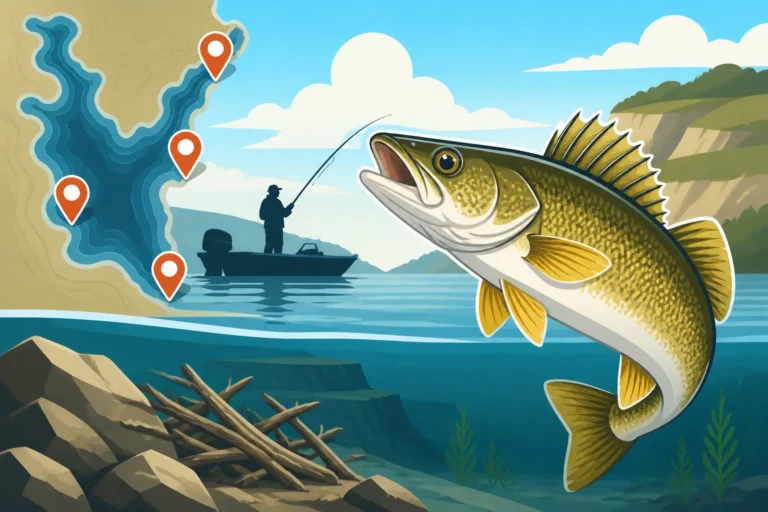
Walleye are undoubtedly the most sought-after fish in Jamestown Reservoir, attracting anglers year-round. These elusive predators are known for their delicious white flesh and challenging bite, making them a prized catch. In Jamestown, walleye tend to relate to the old river channel, humps, points, and transition areas where hard bottom meets soft mud. They are ambush predators, often found near structure where they can hide and dart out to intercept baitfish.
Successful walleye fishing in Jamestown often involves a mix of techniques depending on the season. In spring, as the water warms, walleye move shallower to spawn, making them susceptible to jigging with live bait like minnows or worms, or slow-trolling crankbaits along shoreline breaks. During summer, they often retreat to deeper, cooler waters, concentrating on main lake humps and the river channel. This is when bottom bouncers with spinner rigs tipped with leeches or nightcrawlers become incredibly effective, as does trolling deep-diving crankbaits. As fall approaches, walleye become more aggressive, feeding heavily in preparation for winter, and can be caught using similar summer techniques or by jigging blade baits. If you're looking for more detailed strategies, our guide on North Dakota Walleye Fishing Techniques can provide even deeper insights.
Northern Pike: Aggressive Predators
Northern Pike are another prominent species in Jamestown Reservoir, offering anglers thrilling battles and often trophy-sized catches. These toothy predators are widespread throughout the reservoir, often inhabiting weed beds, submerged timber, and shallower bays. They are incredibly aggressive and will readily strike a variety of lures, making them a fun target for anglers of all skill levels.
Pike fishing really shines in the cooler months, but they are present and catchable year-round. In spring and fall, look for pike lurking in shallower weed-filled bays or near drop-offs where they can ambush baitfish. Casting large spoons, spinnerbaits, or noisy topwater lures can elicit explosive strikes. During the summer, while some pike may move deeper, many will remain in the healthier weed beds, especially during low light conditions or cloudy days. Trolling large crankbaits over weed flats can also be very effective. For ice fishing, tip-ups set with large dead baits like smelt or sucker minnows are a classic and highly productive method for landing big pike. Learn more about targeting these formidable fish in our comprehensive North Dakota Northern Pike Fishing Guide.
Yellow Perch and Panfish: Abundant and Fun
Jamestown Reservoir boasts a healthy population of yellow perch, along with other panfish like crappie and bluegill, making it an excellent spot for family fishing or simply enjoying consistent action. These smaller, schooling fish are abundant and relatively easy to catch, providing a fantastic experience for beginners and seasoned anglers alike. Perch are particularly popular, known for their tasty fillets and willingness to bite.
Perch and crappie typically congregate around submerged structure, brush piles, and weed edges. They often travel in schools, so where you find one, you're likely to find many more. For yellow perch, small jigs tipped with wax worms, maggots, or a piece of nightcrawler are incredibly effective. During ice fishing season, jigging small spoons or tungsten jigs is the go-to method, especially when combined with a fish finder to locate schools. Our North Dakota Yellow Perch Fishing Guide offers more specific tips for these tasty fish. Crappie often hang around submerged trees, bridge pilings, and brush in deeper bays, and can be caught on small jigs, mini crankbaits, or live minnows suspended under a bobber. Bluegill prefer similar habitats but are often found in shallower, vegetated areas, eager to bite on tiny jigs or a piece of worm. The reservoir's numerous accessible shorelines and fishing piers make it an ideal location for kids and families to target these panfish.
Here's a quick overview of some key target species:
| Species | Primary Location | Best Season | Recommended Bait/Lures | Notes |
|---|---|---|---|---|
| Walleye | Old river channel, humps, points, drop-offs | Spring, Summer, Fall | Jigs (minnows, worms), crankbaits, bottom bouncers (leeches) | Prized for taste, challenging bite. Active in low light. |
| Northern Pike | Weed beds, submerged timber, shallow bays | Spring, Fall, Winter | Spoons, spinnerbaits, large crankbaits, dead bait (tip-ups) | Aggressive fighters, can reach trophy sizes. |
| Yellow Perch | Weed edges, brush piles, humps | Winter, Spring, Fall | Small jigs (wax worms, maggots), small spoons | Excellent eating, great for kids, often found in schools. |
| Crappie | Submerged trees, brush piles, deeper structure | Spring, Fall | Small jigs (minnows), mini crankbaits, soft plastics | Schooling fish, can be caught in large numbers. |
| Smallmouth Bass | Rocky shorelines, riprap, main lake points | Summer, Fall | Crankbaits, jigs, soft plastics, topwater lures | Strong fighters, typically found in clearer, rocky areas. |
Seasonal Fishing Strategies for Jamestown Reservoir
Fishing at Jamestown Reservoir truly offers a four-season adventure, with each part of the year presenting unique opportunities and challenges. Understanding the seasonal patterns of the fish is crucial for consistent success.
Spring: Post-Spawn Excitement
As the ice melts away, typically in late March or early April, Jamestown Reservoir bursts with activity. This "ice-out" period and the subsequent warming of the water trigger fish to become very active. In early spring, the water temperatures are still quite cold, and fish like walleye and northern pike will often be found in shallower bays and protected areas where the sun's rays warm the water first. These shallow zones are crucial for post-spawn recovery and initial feeding.
For walleye, the period just after they finish spawning (usually mid-April to early May) is prime time. They'll be hungry and often concentrated in predictable areas, especially around river inlets and rocky points. Slow presentations are key: jigging with live minnows or shiners, casting small crankbaits, or slowly dragging a slip bobber rig with a leech can be incredibly effective. Northern pike are also very active, gorging themselves after their spawn. Casting spoons or spinnerbaits into shallow, reedy bays can yield plenty of strikes. As for panfish, crappie and perch will begin to move into shallower coves, making them accessible to shore anglers using small jigs and minnows. Keep an eye on our North Dakota Ice Out Fishing Guide for more insights into this exciting transitional period.
Summer: Deep Water and Early Morning Bites
Summer fishing on Jamestown Reservoir transitions to deeper patterns as surface water temperatures rise. While early mornings and late evenings can still offer shallow water action, particularly for smallmouth bass and aggressive pike, the heat of the day often pushes fish to cooler, deeper structures. Walleye will relate heavily to the main river channel, humps, and submerged points. Trolling deep-diving crankbaits or employing bottom bouncers with crawler harnesses become go-to tactics. Look for significant depth changes, especially around the old submerged roadbeds or the dam area.
Northern pike will often be found in healthy weed lines, using them as ambush points. Casting spoons, large soft plastics, or topwater frogs (especially in low light) along these edges can be productive. Smallmouth bass, which thrive in clearer, rockier sections of the reservoir, will hit crankbaits, jigs, and soft plastics fished around riprap and rocky points. Panfish will still be present in vegetation, but may also suspend over deeper water or near brush piles. Focus on fishing during cooler periods of the day, or consider night fishing for species like walleye and catfish, which become more active after dark.
Fall: Aggressive Feeding and Big Fish
Autumn is a favorite time for many Jamestown Reservoir anglers, as fish enter a pre-winter feeding frenzy. Water temperatures begin to cool, and fish become incredibly active, often moving shallower to feed heavily. This is when some of the biggest catches of the year are made. Walleye often become more aggressive and can be found on main lake flats, points, and even shallow bays, chasing schools of baitfish. Trolling crankbaits (both shallow and deep runners), casting jigs, or using slip bobbers with large live minnows can be deadly.
Northern pike are exceptionally active in the fall, particularly in shallower weed beds and along drop-offs. Casting large spoons, swimbaits, or jerkbaits can result in savage strikes. As the water cools further, pike will often move to deeper edges of weed beds. Crappie and perch also feed voraciously, concentrating in deeper sections of bays and around submerged structures. Vertically jigging small spoons or soft plastics near these areas can be very productive. Fall provides some of the most consistent and exciting action of the year before the freeze-up.
Winter: Ice Fishing Opportunities
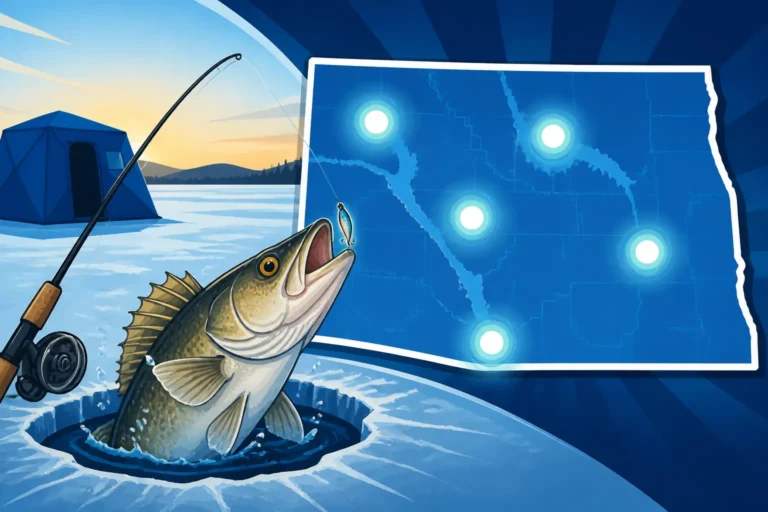
Once Jamestown Reservoir freezes solid, it transforms into an ice fishing paradise, offering ample space for anglers to spread out. The ice fishing season typically runs from December through March, although specific dates depend entirely on ice safety. Always prioritize safety and check local ice conditions before venturing out. Our North Dakota Ice Fishing Rules guide provides essential information for safe winter angling.
Walleye are a primary target through the ice. Look for them on the main lake humps, points, and along the edges of the river channel, especially during low light periods. Jigging spoons tipped with minnow heads or small tungsten jigs with plastics or live bait are effective. Northern pike are also very popular through the ice, with many anglers setting up tip-ups with large sucker minnows or smelt in shallower, weedy bays. Perch fishing is phenomenal, often found in large schools over mud flats or near weed lines. Small jigging spoons or tungsten jigs tipped with wax worms or maggots are irresistible to them. Many ice anglers use portable shelters for warmth and comfort, sometimes even enjoying extended stays by the lake.
Boating and Access on Jamestown Reservoir
Understanding the logistics of getting on the water and navigating Jamestown Reservoir is key to a stress-free and productive fishing trip. The reservoir is well-equipped for boaters, but knowing the rules and available facilities will enhance your experience.
Public Boat Ramps and Marinas
Jamestown Reservoir offers several public boat ramps, designed to accommodate various boat sizes, from small fishing boats to larger recreational vessels. The primary access points are often located within or near the Jamestown Reservoir State Recreation Area. These ramps typically feature concrete surfaces, courtesy docks, and ample parking for trailers.
Popular boat ramp locations include those near the main dam, as well as several smaller access points around the reservoir's perimeter. It's always a good idea to check the North Dakota Game and Fish Department (NDGFD) website or local resources for the most up-to-date information on ramp conditions, especially during periods of fluctuating water levels or seasonal closures. While not a full-service marina, these access points provide everything a typical angler needs to launch and retrieve their vessel efficiently. For larger boats or those unfamiliar with North Dakota's boating regulations, reviewing the North Dakota Boat Registration Requirements can prevent any issues.
Navigating the Waters and Regulations
Jamestown Reservoir is generally easy to navigate, but like any body of water, it has its quirks. The main channel of the James River, which runs through the reservoir, can be deeper, but there are numerous shallow areas, submerged humps, and old tree lines that can pose hazards, especially at lower water levels. Using a reliable depth finder and GPS-enabled chartplotter is highly recommended to safely explore the reservoir. Pay close attention to navigation markers if present, and always exercise caution in unfamiliar waters.
North Dakota has specific boating regulations that apply to Jamestown Reservoir, including requirements for life jackets, vessel registration, and safe operation. All boaters should be familiar with these rules to ensure a safe and legal outing. Additionally, there are regulations regarding aquatic nuisance species (ANS) to prevent the spread of invasive plants and animals. Boaters are required to clean, drain, and dry their boats and equipment before leaving the reservoir. This is especially important given the proximity to other major North Dakota fishing lakes.
Shoreline Access and Handicap Accessibility
For those without a boat, Jamestown Reservoir offers excellent shoreline access. The Jamestown Reservoir State Recreation Area, as well as other public parks along the reservoir, provides numerous points where anglers can fish from the bank. These areas often include designated fishing piers, which are fantastic for families and provide easier access to deeper water without needing a boat. These piers are often designed to be handicap-accessible, ensuring everyone can enjoy the fishing experience.
Some of the most productive shore fishing spots are typically found near the dam, along the riprap, or in areas with publicly accessible parklands. These spots can yield walleye, northern pike, and a variety of panfish. Carrying a portable chair, a sturdy rod holder, and a small tackle box can make a day of shore fishing incredibly comfortable and productive. For those exploring other North Dakota waters, remember that many state parks offer great fishing, as detailed in our guide to Fishing in North Dakota State Parks.
Essential Gear and Tackle for Jamestown Reservoir
Having the right gear makes all the difference, whether you're chasing trophy walleye or simply enjoying a relaxing day catching panfish. Jamestown Reservoir's diverse fishery calls for a versatile tackle box and appropriate equipment.
Rods, Reels, and Line Selection
For general fishing on Jamestown Reservoir, a medium-light to medium-heavy spinning rod in the 6'6" to 7'6" range is a great all-around choice. This setup is versatile enough for jigging, casting crankbaits, or slip bobber fishing. Pair it with a reliable spinning reel in the 2000-3000 size class, spooled with 8-10 pound monofilament or braided line with a fluorocarbon leader. Monofilament offers good stretch and shock absorption, while braided line provides superior sensitivity and casting distance, especially in windy conditions.
If you're specifically targeting larger northern pike, you might want to step up to a medium-heavy baitcasting or spinning rod, around 7 feet long, with a heavier line (15-20 pound braid) to handle the aggressive strikes and powerful fights. For ice fishing, specialized ice rods are essential, with shorter lengths and sensitive tips for detecting light bites. A medium-light ice rod for perch and crappie, and a medium-heavy rod for walleye and pike, will cover most situations. Remember that having a few different setups allows you to quickly adapt to changing conditions and target species.
Lures, Baits, and Terminal Tackle
The "best" bait or lure often depends on the season, target species, and even the time of day. However, a well-stocked tackle box for Jamestown Reservoir should include a variety of options.
- Jigs: Essential for walleye and panfish. Include jig heads in various weights (1/8 to 1/2 oz) and colors (chartreuse, white, pink, black). Tip them with live bait (minnows, nightcrawlers, leeches) or soft plastic grub tails.
- Crankbaits: A must-have for trolling and casting. Have a selection of shallow-diving and deep-diving crankbaits in natural baitfish patterns (perch, shiner) and brighter attractor colors. Brands like Rapala, Berkley, and Salmo are popular choices.
- Spoons: Great for northern pike and effective for walleye and perch through the ice. Include weedless spoons for heavy cover.
- Spinner Rigs/Bottom Bouncers: Indispensable for walleye fishing, especially in summer. Keep a variety of blade sizes and colors, and don't forget plenty of snells (leader lines) with hooks for live bait.
- Soft Plastics: Grub tails, swimbaits, and worm imitations can be deadly when fished on a jig head or Carolina rig.
- Live Bait: Always a good idea to have some on hand. Minnows, nightcrawlers, and leeches are often irresistible to walleye and panfish. Remember that local bait shops near Jamestown Reservoir, like those at larger convenience stores or dedicated tackle shops, will have fresh supplies. For comprehensive bait advice, check out our guide on Best Bait for North Dakota Fishing.
- Terminal Tackle: Stock up on swivels, snaps, weights (split shots, bullet weights, bell sinkers), hooks (various sizes, including treble hooks for crankbaits and single hooks for live bait), and bobbers (slip bobbers are especially versatile).
Essential Boating and Ice Fishing Accessories
For boaters, beyond the standard safety gear (life jackets, throwable device, horn/whistle), consider adding a good quality fish finder and a GPS unit. These tools are invaluable for locating structure, finding schools of fish, and navigating the reservoir safely. A trolling motor can be a game-changer for stealthily approaching fishing spots or maintaining precise boat control while jigging. Don't forget an anchor, a landing net (especially for pike and larger walleye), and a cooler to keep your catch fresh.
For ice anglers, the list expands to include an ice auger (manual, gas, or electric), an ice scoop, an insulated ice fishing shelter for warmth, and a portable heater. A flasher or an ice fishing specific fish finder is almost a necessity for quickly locating fish beneath the ice. Safety items like ice picks, rope, and proper cold-weather clothing (boots, gloves, insulated bibs) are paramount for a safe and comfortable experience. You can find more details on this specialized gear in our Best Ice Fishing Gear for North Dakota guide.
Tips for a Successful Trip to Jamestown Reservoir
Beyond the right gear and knowledge of fish species, a few local tips and best practices can significantly increase your chances of a successful and enjoyable outing on Jamestown Reservoir.
Timing Your Visit
The time of day and year can dramatically impact your success. As mentioned earlier, each season has its advantages. For open water, early morning and late evening often provide the best bites for walleye and pike, as these low-light conditions make them more active. On bright, sunny days, fish often retreat to deeper, cooler waters or heavy cover. During the summer, fishing after dark can be incredibly productive for walleye and catfish.
Weather conditions also play a huge role. Cloudy, overcast days can sometimes extend the shallow-water bite for walleye. Moderate winds, creating a "walleye chop" on the water's surface, can stir up baitfish and disorient predators, making walleye more active. However, strong winds can make boat control and fishing difficult, so always check the forecast. For those interested in understanding how specific regulations might influence their trip timing, consulting a resource like the North Dakota Fishing Season Dates and Limits is always a good idea.
Local Knowledge and Resources
One of the best ways to improve your success on a new body of water is to tap into local knowledge. Strike up conversations with bait shop owners, other anglers at the boat ramp, or park staff. They often have invaluable, up-to-the-minute information on recent catches, hot spots, and effective techniques. Online fishing forums dedicated to North Dakota fishing can also be a great resource for current conditions and tips.
For those who prefer a guided experience, considering a local fishing guide can be incredibly beneficial. Guides not only know the reservoir intimately but also provide all the necessary gear and expertise. Websites like FishingBooker can help you find reputable local guides who specialize in Jamestown Reservoir. This can be an excellent way to learn the ropes quickly and maximize your time on the water, especially if you're visiting for a shorter period.
Conservation and Ethical Angling
Jamestown Reservoir is a precious natural resource, and practicing responsible angling ensures its health and productivity for future generations. Always adhere to North Dakota's fishing regulations regarding daily limits, possession limits, and size restrictions for all species. These regulations are in place to manage fish populations sustainably. You can find comprehensive details in the North Dakota Fishing Regulations Explained document.
Beyond regulations, consider catch-and-release, especially for larger breeding-size fish. If you plan to release fish, handle them gently, minimize their time out of the water, and use proper de-hooking tools. Avoid leaving any trash behind; pack out everything you pack in. Dispose of fishing line responsibly, as it can be a hazard to wildlife. By being good stewards of the environment, we can all contribute to keeping Jamestown Reservoir a fantastic fishing destination for years to come.
Disclaimer
Fishing conditions and regulations in North Dakota can change. Always consult the latest North Dakota Game and Fish Department (NDGFD) regulations and local advisories before planning your fishing trip to Jamestown Reservoir. This guide is for informational purposes only and does not supersede official rules and laws.