Best Spots for Catfish on Lake Oahe
Trying to find the best spots for catfish on a colossal body of water like North Dakota's Lake Oahe can feel like an overwhelming treasure hunt. This expansive reservoir, stretching across state lines, holds some truly impressive channel catfish, but knowing where to drop your line in such vastness is key to a successful outing. This guide is dedicated to breaking down the prime catfish havens on the North Dakota portion of Lake Oahe, helping you pinpoint those whiskered giants and make the most of your fishing adventure.
Understanding Lake Oahe and Its Catfish Potential
Lake Oahe is not just a lake; it's a massive, sprawling reservoir on the Missouri River system, a true inland sea that offers an incredible diversity of fishing experiences. For catfish anglers, it's a dream come true, but its sheer size means you can't just throw a line in anywhere and expect results. You need a strategy, an understanding of the environment, and knowledge of where these bottom-dwellers prefer to hang out.
The Unique Environment of Lake Oahe for Catfish
Lake Oahe's environment is truly unique, formed by the damming of the Missouri River. This means it combines characteristics of both a massive river and a sprawling lake. You have deep main river channels, flooded timber, submerged creek beds, vast open water, and countless points and bays. This varied topography creates an abundance of prime habitat for channel catfish, which thrive in environments offering both current and calmer, food-rich areas. Unlike smaller lakes, Oahe's immense depth and nutrient-rich waters support a robust forage base, leading to healthy and often trophy-sized catfish. The water levels can fluctuate, and understanding how these changes affect catfish movement is a subtle but important part of the puzzle. For serious anglers looking to explore various sections of this massive body of water, using a service like FishingBooker can help you connect with local guides who spend countless hours deciphering these patterns.
Catfish are scavengers and opportunists, constantly seeking out food sources. In Lake Oahe, this means they're often found near areas where baitfish congregate, where current brings food to them, or where natural debris creates ambush points. The riverine nature of much of the reservoir, especially closer to the main channel, provides excellent current breaks and deeper holes that catfish adore. As you move further into the larger, more lake-like sections, you'll find them gravitating towards submerged structure like old farmsteads, roadbeds, or timber that was inundated when the reservoir was filled. The sheer scale means that while finding a general area is a start, really honing in on the best catfish spots on Lake Oahe requires patience and observation.
Identifying Prime Catfish Habitat in Big Water
When you're dealing with such vastness, identifying prime habitat becomes a focused exercise. Catfish, particularly the larger channel cats, love structure and current. Think about how a river flows and where debris and food would naturally collect. In Lake Oahe, these principles still apply, just on a grander scale. They'll often be found at the mouths of incoming creeks or rivers, where fresh water brings new food and subtle currents create feeding lanes. They'll also congregate along drop-offs, especially where a shallow flat suddenly plunges into deeper water, providing an easy ambush point for passing baitfish.
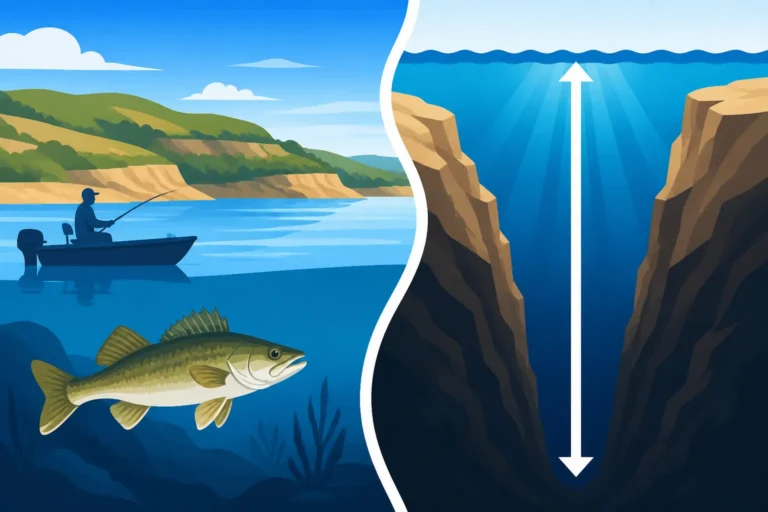
Another key factor is submerged cover. This could be anything from old submerged trees, brush piles, rock piles, or even artificial habitat structures. These areas provide sanctuary, shade, and excellent ambush points. A good sonar unit is practically a necessity to locate these hidden gems. Without it, you're essentially blind fishing on a lake that can be hundreds of feet deep in places. Look for subtle changes in the bottom contour, baitfish schools, and any indication of structure that might hold fish. Understanding these nuances is crucial for finding success on Lake Oahe, whether you're targeting walleye or the mighty catfish.
Top Catfish Hotspots on North Dakota's Lake Oahe
Alright, let's get down to brass tacks: where are the best places to actually catch those Oahe catfish? While it's always a bit of a moving target depending on the season and water levels, there are certainly some consistent areas that tend to produce year after year. Focus on areas that offer a combination of depth, current, and structure, and you'll be well on your way.
Key Structures and Submerged Features
Lake Oahe is absolutely littered with submerged structures that are magnets for catfish. When the Missouri River was impounded to create the reservoir, countless features of the old landscape were simply covered by water. These include old roadbeds, foundations of former farmhouses, fence lines, and timber stands. Catfish love to relate to these features, using them for cover and as staging areas to ambush prey. Many of these structures are now deep underwater, requiring good electronics to locate. Side imaging and down imaging on your fish finder will be invaluable for scanning large areas and marking these submerged targets.
Look for long, tapering points that extend far out into the main lake or a large bay. These points often have varying depths and currents, creating perfect holding areas for catfish. The edges of these points, especially where they drop off into the main channel, are particularly productive. Another excellent spot is any submerged island or humps that rise up from the lakebed. These can be absolute honey holes, concentrating fish in a relatively small area. Often, the top of the hump might be 20-30 feet deep, with surrounding water dropping off to 50 feet or more. The wind can also play a huge role, pushing baitfish and nutrients to certain shores and structures, which in turn attracts catfish. Local fishing reports often hint at these patterns, so keeping an eye on what's biting where is always a good idea.
River Channels and Confluences
Remember, Lake Oahe is essentially a massive river, and the original Missouri River channel still winds its way through the depths. This deep channel is a superhighway for fish, including catfish, and provides consistent current. Catfish will often sit along the edges of this channel, particularly where there are significant bends, scour holes, or areas where the current is slightly reduced. These spots act as natural feeding grounds. Knowing the path of the Missouri River Fishing Guide can give you a significant advantage.
Even more productive are the confluences, where smaller creeks or tributaries flow into the main reservoir. These areas often have natural current breaks, deeper holes, and a constant influx of food and nutrients. Think about the mouth of the Grand River, the Moreau River, or the Cannonball River where they meet Lake Oahe. These "feeder" rivers create a rich buffet for catfish. The fish will stage both in the river mouths and in the main lake where the two bodies of water merge. The combination of varied current, fresh water, and abundant forage makes these spots highly reliable. Fishing just outside these confluences in slightly deeper water, especially during warmer months, can be incredibly productive for catching large channel catfish.
Access Points and Bank Fishing Opportunities
While a boat gives you access to the vast expanses of Lake Oahe, there are still excellent opportunities for bank anglers, especially around developed recreation areas and access points. Many of these locations offer deeper water access relatively close to shore, or they are situated near areas that naturally attract catfish. Places like Fort Lincoln State Park near Mandan, Beaver Bay Recreation Area, or the Fort Yates area can offer good bank fishing. You might not hit the trophy fish as consistently as someone with a boat working deep channels, but there are plenty of eater-sized catfish to be caught.
Popular access points often have rip-rap shorelines or old submerged structures nearby that attract baitfish, and thus, catfish. Look for areas where the bank drops off quickly into deeper water. Evening and nighttime are particularly good for bank fishing for catfish, as they move shallower to feed under the cover of darkness. Don't be afraid to walk a bit and explore different stretches of shoreline. Also, consider areas around boat ramps or marinas; while busy, the underwater structure and occasional dropped bait can attract catfish. For those without a boat, these spots are invaluable for getting a line in the water, and they can be found by researching local parks and recreation maps.
Techniques and Timing for Oahe Catfish Success
Finding the best catfish spots on Lake Oahe is only half the battle; knowing how and when to fish them is the other crucial piece of the puzzle. Catfish are generally robust and forgiving, but employing the right techniques and understanding their seasonal patterns will dramatically increase your catch rates, especially for those bigger fish.
Best Baits and Rigs for Lake Oahe Catfish
When it comes to catfish, bait is king, and fresh, smelly bait often reigns supreme. For Lake Oahe channel catfish, traditional offerings are often the most effective. Cut bait is a perennial favorite; fresh pieces of oily fish like goldeye, sucker, or even carp can be incredibly potent. The natural oils and scent trail it releases are irresistible. Many anglers catch their own baitfish to ensure freshness, which can make a big difference. For those wondering, Are Goldeye Good Bait or Good to Eat?, the answer is often both!
Prepared stink baits or punch baits can also work well, especially for smaller to medium-sized catfish, and offer a convenient alternative to live or cut bait. Chicken livers are another classic, though they can be messy and harder to keep on the hook in strong currents. As for rigging, a simple bottom rig is usually all you need. A slip sinker rig, consisting of a bell or egg sinker sliding freely on your main line above a swivel, leader, and a strong hook (like a circle hook in sizes 4/0 to 8/0), is highly effective. The slip sinker allows the fish to pick up the bait without feeling immediate resistance. For heavier current, a three-way swivel rig with a heavier sinker can help keep your bait pinned to the bottom. Remember to match your hook size to your bait and target fish size; bigger baits mean bigger hooks.
Seasonal Catfish Movement and Activity
Catfish activity on Lake Oahe isn't static; it changes significantly with the seasons. Understanding these movements is critical for consistently finding fish. In early spring, as water temperatures rise, catfish begin to move out of their deep wintering holes and into shallower areas to feed and eventually spawn. Look for them in bays, creek mouths, and flats adjacent to deeper water, often in depths of 10-20 feet. This is an excellent time for aggressive feeding before the spawn.
During the summer months, catfish are highly active. They will often hold in and around the main river channel, especially where current brings food, or in deeper bends and holes. They also patrol the edges of submerged structure and weed lines, particularly during low light conditions or at night. Summer nights are prime for big catfish. As fall approaches, and water temperatures begin to drop, catfish will engage in a strong feeding frenzy, fattening up for winter. They'll often be found in similar locations to spring, but might be slightly deeper, concentrating on food sources before retreating to their winter haunts. The North Dakota Fishing Season Calendar can offer a broader view of what to expect for all species throughout the year.
Using Technology to Pinpoint Catfish
On a massive lake like Oahe, technology isn't just a luxury; it's often a necessity for serious catfish anglers. A good quality fish finder with side imaging and down imaging capabilities can literally show you the structure and fish holding on the bottom. Look for individual fish arches or dense schools of baitfish, which often indicate predators, including catfish, are nearby. Pay close attention to changes in bottom composition and contour lines as well. GPS mapping, often integrated into modern fish finders, allows you to mark productive spots, navigate safely, and return to specific areas with precision. This is particularly useful when you find a productive hump or a small section of a submerged roadbed that consistently holds fish.
Additionally, understanding water temperature is a critical piece of the puzzle. Many fish finders include temperature sensors. Catfish are warm-water species, and knowing the preferred temperature ranges for active feeding can help you narrow down where to focus your efforts. For example, during the dog days of summer, catfish might move slightly deeper to find cooler, more oxygenated water. Monitoring the current speed, if possible through your electronics or by observing your drift, can also inform your strategy, as catfish often prefer specific current breaks. Considering a guide service through FishingBooker can also provide access to top-notch technology and the expertise to use it effectively on these vast waters.
Essential Tips for a Productive Lake Oahe Catfish Trip
Fishing on Lake Oahe is an incredible experience, but its size demands respect and preparation. Beyond knowing the spots and techniques, a successful and enjoyable trip involves a few crucial considerations.
Safety and Preparedness on Large Reservoirs
Lake Oahe is immense, and its open expanses can become very dangerous very quickly, especially when strong winds kick up. Always check the weather forecast before heading out, and be prepared for rapidly changing conditions. A calm morning can turn into a white-capped nightmare in a matter of hours. Ensure your boat is adequately sized and equipped for big water. You should always have enough Best Life Jackets for Cold Water Fishing on board for everyone, and ensure they are worn, especially by children or if conditions become rough. A marine radio or a fully charged cell phone (in a waterproof case) is essential for communication in emergencies.
Beyond the boat, consider personal safety items like a first-aid kit, extra water, snacks, and appropriate clothing layers. Sun protection is vital during the summer, as reflections off the water can intensify UV exposure. If you're fishing from the bank, be aware of your surroundings, especially if fishing at night. Let someone know your plans and expected return time. The majesty of Lake Oahe is undeniable, but it's a force of nature that commands respect. Always prioritize safety over catching fish.
Respecting Regulations and Conservation
As with any fishing adventure, it's paramount to understand and abide by the North Dakota fishing regulations. This includes having a valid North Dakota Fishing License Guide, knowing the daily and possession limits for catfish, and understanding any species-specific rules. The North Dakota Game and Fish Department publishes a proclamation booklet annually, which is an invaluable resource. Always be sure to check the most current regulations as they can change from year to year.
Conservation is also key to ensuring healthy fish populations for future generations. Practice ethical angling, especially when it comes to catch and release for larger trophy catfish. Handle fish gently, minimize their time out of water, and ensure they are well-revived before release. For fish you intend to keep, dispatch them quickly and keep them on ice to ensure the best possible meat quality. Avoid littering, and if you see trash, do your part to pick it up. By adhering to regulations and practicing good stewardship, we can all contribute to the continued health and bounty of Lake Oahe's fantastic catfish fishery.
| Prime Catfish Spot Category | Description | Typical Depth | Best Time of Day | Access |
|---|---|---|---|---|
| Submerged Roadbeds/Structures | Old roads, foundations, timber submerged during impoundment. Catfish use these for cover and ambush. | 20-50+ feet | Day/Night | Boat (requires sonar) |
| River Channel Edges/Bends | Main Missouri River channel provides current breaks and deep holes. Catfish often sit on the edges. | 30-70+ feet | Day/Night | Boat |
| Creek/River Confluences | Mouths where smaller rivers/creeks (e.g., Cannonball) enter Oahe, bringing food and current. | 15-40 feet | Day/Night | Boat, some bank access |
| Tapering Points | Points extending into the main lake or large bays, offering varied depth and current. | 10-40 feet | Day/Night | Boat, some bank access |
| Deep Humps/Islands | Underwater rises from the lakebed, concentrating fish in a smaller area. | Top: 20-30 feet | Day | Boat (requires sonar) |
| Rip-rap Shorelines | Rock-lined banks at recreation areas; attract baitfish and offer easy bank access. | 5-20 feet | Evening/Night | Bank (e.g., Fort Lincoln, Beaver Bay) |
Disclaimer
Please remember that fishing conditions, regulations, and fish behavior can change rapidly. Always consult the latest North Dakota Game and Fish Department regulations before heading out. The information provided here is for general guidance and informational purposes only, and individual fishing success may vary.