Where Does Lake Oahe Cross Into South Dakota?
It's completely understandable to feel a bit confused when you're looking at a map of Lake Oahe and wondering exactly where North Dakota ends and South Dakota begins. This massive reservoir, stretching for hundreds of miles, can certainly make state lines seem blurry, especially when you're out on the water. This guide will cut through the uncertainty, clearly defining where Lake Oahe crosses into South Dakota and providing essential information for anglers navigating these border waters.
Understanding Lake Oahe's Vast Reach in North Dakota
Lake Oahe isn't just a lake; it's a sprawling, man-made wonder, a true jewel of the Missouri River system that holds incredible fishing opportunities. For those of us who love to cast a line in North Dakota, understanding its origins and how it stretches across our landscape is the first step in appreciating its majesty and, eventually, its boundaries.
The Man-Made Marvel and its Northern Extent
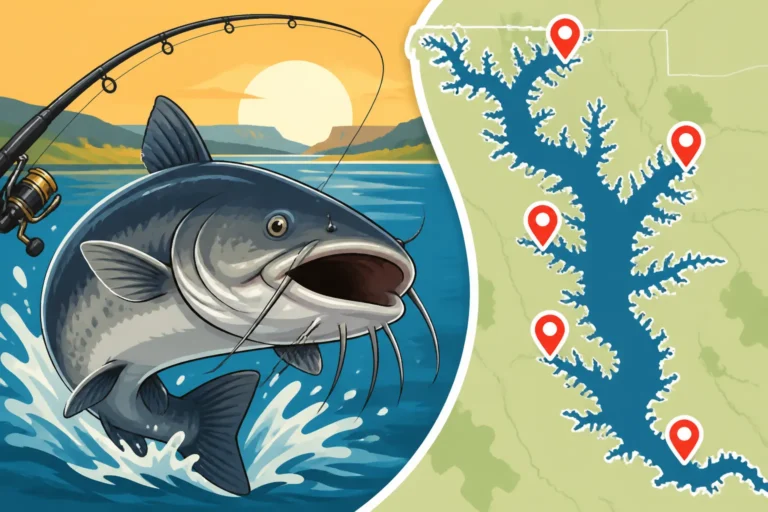
Lake Oahe was created by the construction of the Oahe Dam near Pierre, South Dakota, as part of the massive Pick-Sloan Missouri Basin Program. This monumental effort tamed the wild Missouri River, forming a reservoir that backs up water for an astonishing 231 miles! While the dam itself is deep in South Dakota, the northernmost reaches of Lake Oahe extend far into North Dakota, well past the state capital of Bismarck. When you're fishing near places like Fort Yates or even Beaver Bay, you're enjoying the northernmost stretches of this colossal reservoir. It's a truly vast body of water, offering deep channels, submerged structure, and expansive bays that were once part of the natural river valley and its tributaries. This grand scale means diverse habitats for fish, from deep-water walleye haunts to shallow, flooded timber where northern pike might lurk.
Major North Dakota Access Points and Fishing Zones
In North Dakota, Lake Oahe is easily accessible at several key points, primarily in the central and southern parts of the state along the Missouri River corridor. Anglers often launch from popular areas such as Beaver Bay Recreation Area, located south of Bismarck, which offers excellent boat ramps and camping facilities. Another well-known access point is Fort Yates, just north of the South Dakota border, providing convenient entry to the southern reaches of the North Dakota portion of the lake. These areas are renowned for their incredible walleye fishing, with anglers often targeting the river channel edges, submerged humps, and points. Beyond walleye, you can expect to find respectable populations of northern pike, channel catfish, and even some smallmouth bass, particularly around rocky structures. The sheer size of the North Dakota section of Lake Oahe means there's always a new corner to explore, and the fishing can be exceptional, offering a true sense of wilderness adventure on the water.
Pinpointing the North Dakota-South Dakota Border on Lake Oahe
When you're out on a sprawling body of water like Lake Oahe, it's easy to lose track of where one state ends and another begins. But for anglers, knowing the exact border is not just a geographical curiosity; it's crucial for staying on the right side of the law regarding licenses and regulations.
The Geographic Line of Demarcation
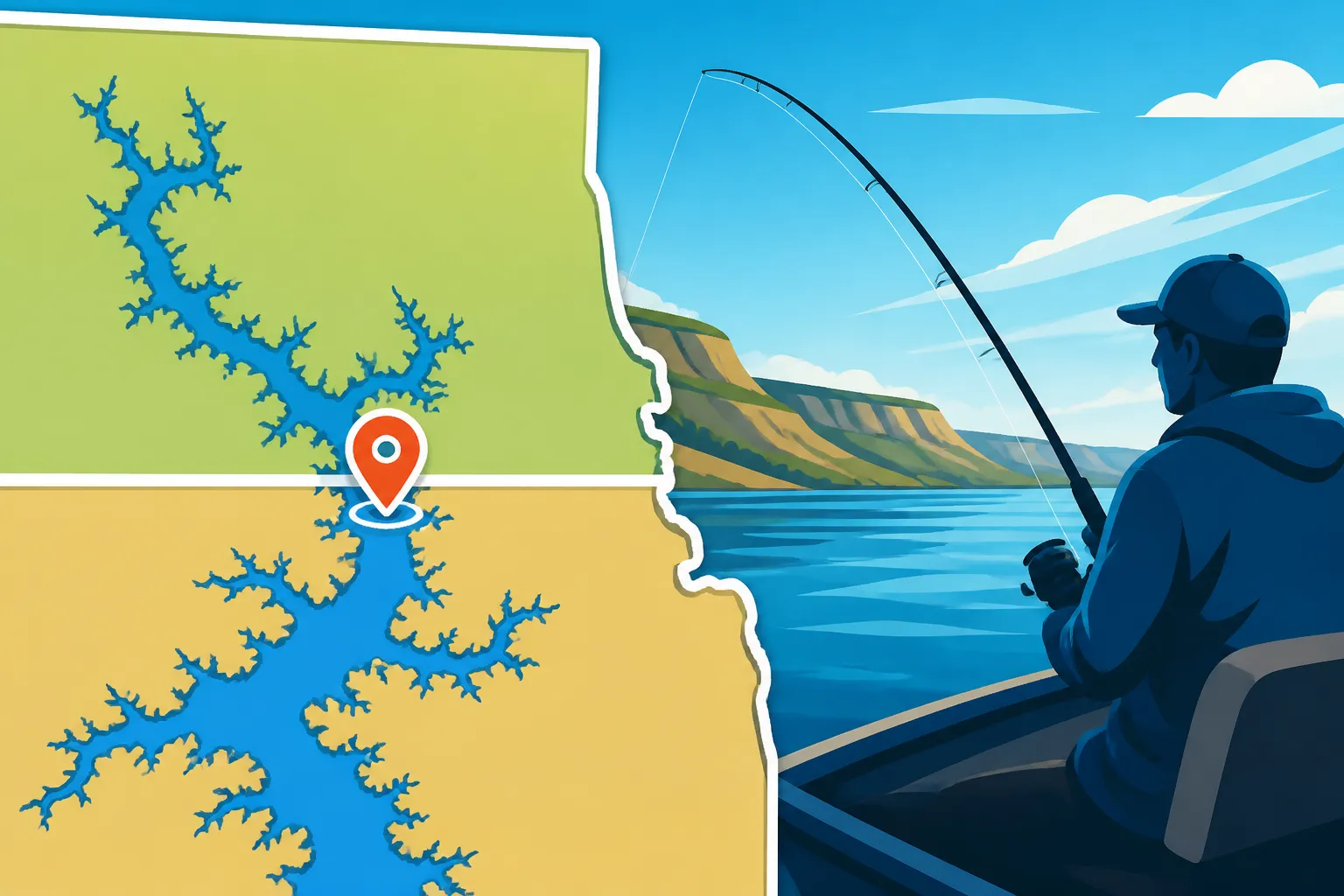
The North Dakota-South Dakota border is a clearly defined, surveyed line that cuts across the landscape, including Lake Oahe. On Lake Oahe, this border is located south of Fort Yates, North Dakota, and north of Mobridge, South Dakota. Specifically, if you're looking at a detailed map or using a GPS, the border generally crosses the lake around the latitude of the Grand River arm, which enters the lake from the west in South Dakota. It's not a fluid or ambiguous line; it's a fixed boundary that separates the two states' jurisdictions. For practical purposes, as you head south from Fort Yates, you'll eventually cross into South Dakota waters. There aren't usually big, flashing signs on the water itself, so relying on your navigation tools is paramount. Understanding that the lake itself continues seamlessly over this invisible line is key; the fish don't care about state borders, but the game wardens certainly do!
Key Landmarks Near the Border Crossing
While there might not be a physical marker floating in the middle of Lake Oahe indicating the exact state line, there are a few geographical references that can help you orient yourself. As mentioned, Fort Yates, North Dakota, is the last major population center and access point before you venture into the immediate vicinity of the border from the north. South of the border in South Dakota, the town of Mobridge, known for its strong fishing culture and multiple boat ramps, is a significant landmark. The stretch of water between Fort Yates and Mobridge is where the transition occurs.
Additionally, the Standing Rock Indian Reservation straddles the North Dakota and South Dakota border, with tribal lands on both sides. This proximity means that anglers should also be aware of any specific tribal fishing regulations that might apply if they are fishing within reservation boundaries, in addition to state laws. While the state line itself is an invisible line on the water, understanding these surrounding areas can help you stay aware of your general location and avoid inadvertently crossing into different regulatory zones.
Navigating Regulations on Border Waters
Fishing on interstate waters like Lake Oahe brings an added layer of complexity to understanding fishing regulations. It's not enough to simply have a license; you need to know which state's license you need and what rules apply at any given moment.
Understanding Licensing Requirements Across State Lines
This is where things can get tricky, and where a lot of anglers accidentally find themselves in hot water. For Lake Oahe, there is no blanket reciprocal agreement between North Dakota and South Dakota that allows you to fish both states with a single license. Unlike some other border waters, such as the Red River, where specific Reciprocal Fishing Rules on the Red River Border Waters might apply, you absolutely need the appropriate state's license for the waters you are fishing on Lake Oahe.
This means if you launch your boat in North Dakota and plan to fish the North Dakota portion of Lake Oahe, you'll need a valid North Dakota Fishing License Guide. If you then decide to venture south and fish in the South Dakota portion, you must possess a South Dakota fishing license as well. Many experienced anglers who frequent the border regions of Lake Oahe purchase both licenses to avoid any issues. Always check the official game and fish departments for the most up-to-date information on North Dakota Fishing Regulations Explained and South Dakota's specific rules, including North Dakota Resident Fishing License Options and North Dakota Nonresident Fishing License Options. It's a small investment to ensure peace of mind and prevent a hefty fine.
Aquatic Nuisance Species and Boat Registration
Beyond fishing licenses, boaters must also be vigilant about other regulations that differ between states, particularly concerning Aquatic Nuisance Species (ANS) and boat registration. North Dakota has strict North Dakota Aquatic Nuisance Species Rules for Boaters in place, requiring boaters to clean, drain, and dry their vessels and equipment to prevent the spread of invasive species like zebra mussels. South Dakota has similar, equally stringent regulations.
Even if your boat is registered in one state, like under North Dakota Boat Registration Requirements, those registration rules and ANS compliance measures are specific to the state you are currently operating in or launching from. For instance, if you launch in North Dakota, you must abide by North Dakota's ANS inspection protocols. If you then cross into South Dakota waters and decide to remove your boat there, you'll be subject to South Dakota's regulations. The key takeaway here is always to assume the strictest rules apply, and ensure your boat is meticulously cleaned and drained every time you move it between different bodies of water, regardless of state lines. This collective effort is vital to protect our precious fishing resources.
| Feature | North Dakota Regulations | South Dakota Regulations |
|---|---|---|
| Fishing License | Required for ND waters (no reciprocity for Oahe) | Required for SD waters (no reciprocity for Oahe) |
| Boat Registration | ND-registered boat for ND waters, compliant with ND laws | SD-registered boat for SD waters, compliant with SD laws |
| ANS Rules | Clean, Drain, Dry protocols enforced by NDGF | Similar Clean, Drain, Dry protocols enforced by SDGFP |
| Daily Limits | Specific to ND Game & Fish proclamation for ND waters | Specific to SD Game, Fish & Parks proclamation for SD waters |
| Possession Limits | Specific to ND Game & Fish proclamation for ND waters | Specific to SD Game, Fish & Parks proclamation for SD waters |
| Fish Houses | ND-specific rules apply (e.g., removal dates for ice fishing) | SD-specific rules apply |
Practical Considerations for Anglers on Lake Oahe's Border
Fishing a huge body of water that crosses state lines means you've got to be smart about your planning and on-the-water navigation. It's not just about finding the fish; it's about doing it safely and legally.
GPS and Mapping for Boundary Awareness
In today's world, technology is your best friend when it comes to navigating vast lakes like Oahe, especially near state borders. Relying solely on visual cues can be misleading on such an expansive reservoir. Modern GPS units and mapping applications (like those from Lowrance, Humminbird, or Garmin) are invaluable. Many of these units offer detailed lake maps that can clearly display state boundaries, tribal lands, and even specific fishing zones. Before you even leave the dock, take the time to study your map and mark the approximate location of the North Dakota-South Dakota border on your GPS.
When you're out on the water, keep an eye on your GPS display, especially if you plan to fish near the southern part of North Dakota's Lake Oahe. It's easy to drift or follow a school of fish across an invisible line, and a quick glance at your screen can prevent an unintentional border crossing. This is not just about avoiding legal trouble; it’s also about understanding the contours and depths on either side of the border, which can vary significantly and affect fish patterns. Knowing your exact position helps you apply the correct regulations at all times.
Planning Your Trip and Hiring Local Expertise
Successfully fishing Lake Oahe, particularly near the state line, requires thorough planning. Start by researching the specific species you're targeting and their behavior in different seasons. A general Lake Oahe Fishing Guide can offer a great starting point for understanding seasonal patterns and popular spots. Always check the long-range weather forecast; Lake Oahe can get extremely rough, extremely fast, making safety a primary concern. Ensure your boat is in top condition, and all safety gear is accessible and functional.
For those who want to eliminate guesswork and ensure they're adhering to all local laws, hiring a local fishing guide is an absolutely brilliant idea. These professionals know the nuances of the lake, the best spots, and critically, the exact boundaries and regulations of both North Dakota and South Dakota. Platforms like FishingBooker are fantastic resources for finding reputable, licensed guides who specialize in Lake Oahe. A guide booked through FishingBooker can provide invaluable insights into current fishing conditions, optimal bait and lure choices, and most importantly, steer you clear of any regulatory headaches. They often have real-time knowledge of what's biting where, helping you make the most of your valuable time on the water, whether you're focusing on North Dakota Walleye Fishing Guide tactics or searching for monster catfish. They can even provide tips on how to handle things like North Dakota Fishing License Renewal Date to keep you compliant.
Safety First on Big Waters
Finally, let's talk about safety. Lake Oahe is a massive body of water, and while it's incredibly rewarding to fish, it demands respect. Whether you're in North Dakota or South Dakota waters, always prioritize safety. Check weather conditions frequently, as unexpected storms and high winds can turn the lake into a formidable challenge in minutes. Ensure you have all required safety equipment on board, including life jackets for every occupant (and ensure Fishing License Age Requirements in North Dakota for accompanying children are met if applicable), a first-aid kit, a reliable communication device, and plenty of water and snacks. Always inform someone on shore of your float plan – where you're going and when you expect to return. This is especially critical if you plan on exploring remote areas or pushing close to the state line, as assistance might be further away. A safe trip is always the most successful trip, no matter how many fish you catch.
Disclaimer
The information provided in this guide is for general informational purposes only and is subject to change. Anglers are responsible for consulting the most current North Dakota Game and Fish Department regulations and South Dakota Game, Fish and Parks regulations before engaging in any fishing activities. Laws and rules can change frequently, and it is crucial to stay informed directly from official sources.