Lake Oahe Fishing Guide
When you picture fishing in North Dakota, the vastness of Lake Sakakawea or the legendary walleye bite of Devils Lake often come to mind first. But let me tell you, overlooking Lake Oahe's northern stretch in our great state would be a colossal mistake for any serious angler. This immense reservoir, extending all the way up from South Dakota, holds incredible opportunities, diverse fisheries, and unique challenges that make it a truly rewarding destination. If you've been curious about tackling Oahe's waters but felt a bit overwhelmed by its sheer size, this guide is here to break down everything you need to know, helping you unlock its incredible potential.
Understanding the Behemoth: Lake Oahe's Unique Characteristics
Lake Oahe is not just a lake; it's an enormous reservoir created by the Oahe Dam on the Missouri River, stretching for over 230 miles through both South and North Dakota. Its sheer scale can be daunting, but understanding its unique characteristics is the first step to mastering its waters.
Geography and Scale: North Dakota's Portion
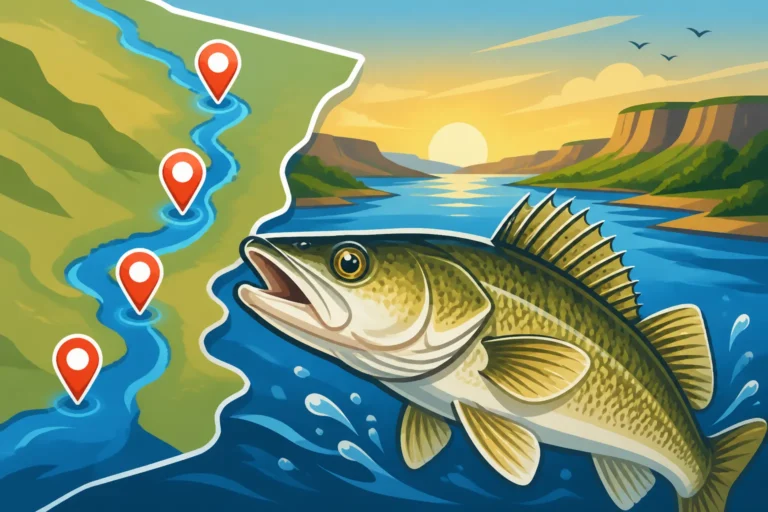
While the bulk of Lake Oahe resides in South Dakota, a significant and highly productive portion extends well into North Dakota, winding south of Bismarck. This northern section, often referred to as the "upper Oahe," begins roughly around the tip of Lake Sakakawea's tailrace near Bismarck and stretches south along the Missouri River valley. Unlike the wide-open expanse of Sakakawea in some areas, the North Dakota portion of Oahe tends to be narrower, following the original river channel more closely. It's characterized by steep bluffs, numerous bays, and deep main channel ledges. The towns of Bismarck and Mandan sit at its northernmost reaches, providing convenient access to its bountiful waters. The sheer length means that conditions can vary significantly from one end to the other, making local knowledge or a good GPS crucial for navigation.
Habitat Diversity: From Deep Channels to Rocky Points
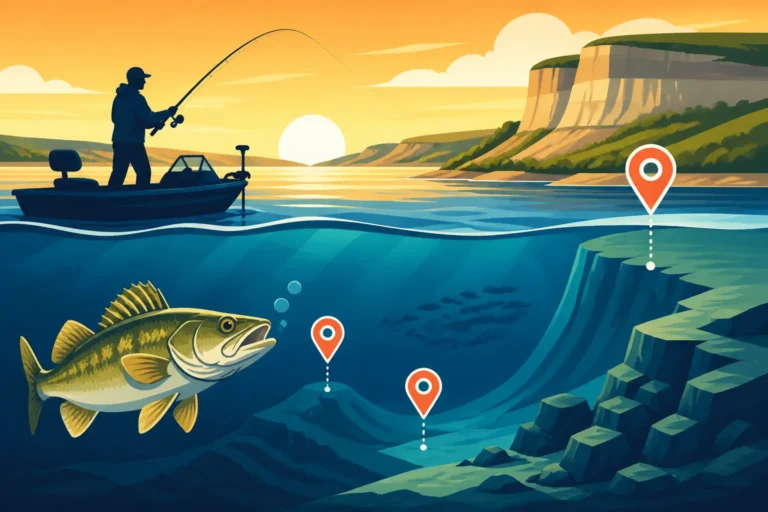
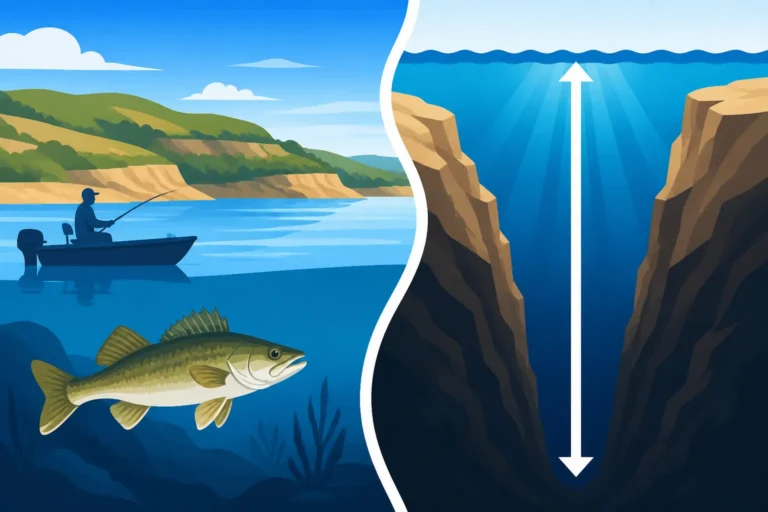
What makes Lake Oahe so special for fishing is its incredible diversity of habitats. Imagine a mosaic of underwater environments, each supporting different fish species and offering distinct fishing challenges. The main river channel, which runs through the entire length of the lake, is essentially a deep, cold highway for fish movement, often reaching depths of 50 to over 100 feet in places. This channel is a prime location for those deep-water walleye, especially during the warmer months, and a critical highway for forage fish.
Beyond the main channel, you'll find numerous submerged creek beds and old farmsteads, which now act as fantastic structure, attracting baitfish and predators alike. These areas, particularly those with residual timber or old fence lines, are ambush points for northern pike and provide excellent cover for smaller panfish. As you move away from the main channel into the arms and bays, the water often becomes shallower and warmer, creating ideal conditions for species like channel catfish and crappie. Many of these bays feature rocky points and shelves that drop off into deeper water, which are magnets for smallmouth bass. The variety ensures that no matter your preferred target species or fishing style, Lake Oahe likely has the perfect habitat waiting for you.
Water Levels and Their Impact
Like all large reservoirs, the water levels on Lake Oahe are subject to the Missouri River system's management, influenced by snowmelt, rainfall, and dam operations. These fluctuations have a profound impact on fishing. When water levels are high, new shoreline vegetation becomes submerged, creating fresh cover and feeding grounds for many species, particularly panfish and northern pike. Fish often spread out into these newly flooded areas, making them harder to locate but potentially opening up new, less pressured spots. Access to some boat ramps can also change with high water, requiring a check before you head out.
Conversely, low water levels can concentrate fish in existing deeper structures, making them easier to pinpoint. However, low water can also expose hazards like submerged stumps and rocks that are usually well below the surface, posing a risk to boaters. It can also make launching boats more difficult at certain ramps, potentially closing some altogether. Staying informed about current water levels, especially if you're planning a trip to a specific area, is always a good idea. Websites like the US Army Corps of Engineers provide real-time data that can be incredibly useful for planning your trip and ensuring safety.
Prime Fishing Opportunities on Lake Oahe
Lake Oahe truly shines as a multi-species fishery, offering anglers a chance to hook into a variety of popular game fish. While some lakes might be known for one or two dominant species, Oahe presents a diverse menu of exciting catches.
Walleye: The King of Oahe
Just like its northern neighbor, Lake Sakakawea, Lake Oahe is a premier destination for walleye. These golden-sided predators thrive in Oahe's varied structure and abundant forage base. Many anglers target walleye using a variety of techniques, depending on the season and location. In the spring, after the spawn, walleye often move to shallower bays and points to feed aggressively. As summer progresses, they typically retreat to deeper waters, holding on ledges, humps, and the main river channel edges.
Successful walleye fishing on Lake Oahe often involves trolling crankbaits or spinner rigs along contour lines, especially those deep breaks where the main channel meets shallower flats. Bottom bouncers with live bait, like leeches or minnows, are also incredibly effective, particularly when targeting fish that are hugging the bottom structure. The key is often finding the baitfish, as the walleye will never be far behind. Anglers serious about pursuing these elusive fish might find our guide on North Dakota Walleye Fishing Guide particularly useful for more in-depth strategies. Keep an eye on your fish finder for schools of bait and individual walleye lurking nearby; sometimes even a slight drop in the bottom contour can hold a whole school.
Channel Catfish: A Powerful Fight
If you're looking for a hard-fighting, often overlooked game fish, the channel catfish in Lake Oahe will not disappoint. While the Red River of the North gets most of the glory for its colossal "flatheads," Oahe's channel catfish fishery is robust, offering plenty of action and impressive size. These fish prefer the muddier, warmer back bays and creek mouths, especially where there's current or structure that provides ambush points.
Catfishing on Oahe is typically a warm-weather pursuit, with the best action occurring from late spring through early fall. Cut bait, shrimp, chicken liver, and stink baits are all highly effective. Many anglers prefer fishing from shore or anchored boats in bends of the river or in the deeper holes of bays. You'll want a sturdy rod and reel setup, as these catfish can put up a surprisingly strong fight, often making long, powerful runs. Don't be surprised to tie into a 10-pounder or more; Lake Oahe produces some excellent trophy cats. For specific tips on landing these whiskered giants, check out our North Dakota Channel Catfish Fishing Guide.
Northern Pike: Aggressive Predators
Northern pike are another staple of the Lake Oahe fishery, known for their aggressive strikes and sharp teeth. These torpedo-shaped predators can be found throughout the lake, but they particularly favor areas with submerged vegetation, fallen timber, or abrupt drop-offs where they can ambush unsuspecting prey. The numerous bays and submerged creek channels in the North Dakota portion of Oahe are prime pike habitat.
Pike fishing can be fantastic year-round, from casting large spoons and spinnerbaits in the spring and fall to using tip-ups with large shiners or smelts during the ice fishing season (where safe ice allows). Many anglers also find success trolling large crankbaits parallel to weed lines or along the edges of submerged timber. Remember, these fish have a mouthful of razor-sharp teeth, so a steel leader is an absolute must to prevent bite-offs. Landing a 15-pound pike from Oahe is a common occurrence, and larger ones are certainly present.
Smallmouth Bass: Rocky Reaches
Smallmouth bass are a growing attraction on Lake Oahe, particularly in the clearer, rocky areas and along the many points and riprap shorelines. These bronze beauties are renowned for their acrobatic fights and willingness to chase a variety of lures. They prefer hard bottom, so look for them around rocky main lake points, submerged rock piles, and gravel beds.
Successful smallmouth techniques include casting crankbaits, spinnerbaits, tube jigs, and plastic worms around structure. They are often found in relatively shallow water, especially during early morning and late evening, but can retreat to deeper rock piles during the midday sun. Their aggressive nature makes them a thrilling target on light to medium tackle. If you're looking to switch things up from walleye, targeting smallmouth bass can provide some fast-paced action.
Other Species: Crappie, Perch, Salmon
Beyond the mainstays, Lake Oahe offers even more. You'll find healthy populations of crappie, particularly black crappie, which can be found in bays around submerged wood and brush piles. Jigging with small plastics or minnows is often the most effective method for these panfish. Yellow perch are also present, though perhaps not in the same densities as Devils Lake, but they can still provide fun action, especially through the ice in certain shallower bays.
Intriguingly, the North Dakota portion of Lake Oahe can also hold Chinook salmon, especially closer to the Garrison Dam tailrace which feeds into the reservoir. While more commonly associated with Lake Sakakawea's main body, stray salmon can make their way downstream. Trolling with spoons and cut bait is the primary method for targeting these powerful, ocean-going transplants. The diversity of species ensures that there's always something biting on Lake Oahe, making every outing an adventure.
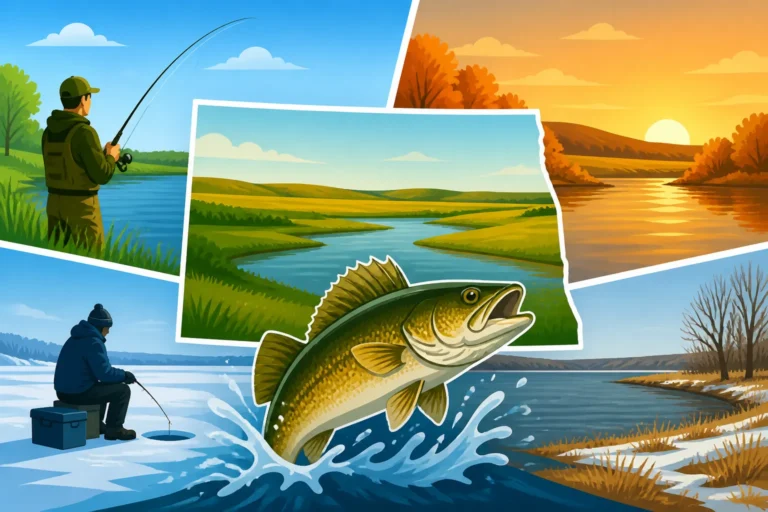
Seasonal Strategies for Lake Oahe Success
Understanding the seasonal movements and behaviors of fish is paramount to consistent success on a large body of water like Lake Oahe. What works in spring will likely be ineffective in the heart of summer, and vice versa.
Spring: Post-Spawn Feasts
Spring on Lake Oahe is a time of transition and renewed activity. As the ice recedes and water temperatures begin to climb, fish shake off their winter lethargy and begin their spawning rituals. For walleye, this typically happens in the main river channel and shallower rocky areas. After the spawn, usually from late April through May, walleye move into shallower bays and flats, gorging themselves to recover energy. This is an excellent time for casting jigs tipped with minnows or plastics, or slowly trolling shallow-running crankbaits. Focus on the northernmost sections of Oahe, closer to Bismarck, where the water warms up faster.
Northern pike will also be active in the shallows during spring, often found in flooded vegetation or around emergent weeds as they finish their spawn. Large spoons and spinnerbaits cast into these areas can yield explosive strikes. Catfish will start to become active as water temperatures rise, moving into creek mouths and warmer bays. Don't overlook the potential for a massive post-spawn feeding frenzy across multiple species during this exciting time. Spring can also bring unpredictable weather, so always check the forecast and be prepared for changing conditions on the water.
Summer: Deep Water Tactics
As North Dakota's summer temperatures soar, Lake Oahe's fish populations undergo a significant shift. Many species, especially walleye, will move to deeper, cooler water, seeking refuge from the sun and congregating around structure along the main river channel. This is the prime time for deep-water trolling with crankbaits or bottom bouncers with worms or leeches. Look for humps, submerged islands, and sharp breaks where the main channel drops off. Side imaging and down imaging on your fish finder become invaluable tools for locating these deep-water haunts.
Catfish, however, will often remain active in the warmer bays and along current seams, particularly during low light hours or overnight. Night fishing for catfish can be incredibly productive during summer on Oahe. Smallmouth bass will relate to rocky points and deeper humps, often moving shallower early and late in the day. Summer on Oahe means adapting to the heat and the fish's preference for depth. Being able to successfully locate and present baits in deeper water is the mark of a seasoned Oahe angler.
Fall: Feeding Frenzy
Fall is arguably one of the best times to fish Lake Oahe. As water temperatures begin to cool, fish go into a "feeding frenzy" mode, actively bulking up for the long winter ahead. Walleye will often move back to shallower flats and points, becoming incredibly aggressive. Trolling crankbaits, jigging plastics, or pitching rip baits can all be highly effective. The key is to cover water and find those actively feeding schools.
Northern pike will also be on the hunt, often moving into relatively shallow bays or along weed lines, eager to strike large spoons, jerkbaits, or even live suckers under a bobber. Catfish activity will remain strong until water temperatures drop significantly, still found in their summer haunts but perhaps a bit deeper as days shorten. The fall colors along the bluffs, combined with aggressive fish, make for a beautiful and productive time to be on Lake Oahe. Just be prepared for colder weather and potentially windy conditions, as autumn can be quite blustery in North Dakota.
Winter: Ice Fishing Potential
While the vastness and depth of Lake Oahe mean it doesn't freeze over as reliably or uniformly as shallower lakes like Devils Lake, certain protected bays and shallower sections of the North Dakota portion do offer ice fishing opportunities. Always prioritize safety and verify ice thickness before venturing out. The areas closer to Bismarck and Mandan, particularly in specific bays, may offer safe ice earlier and longer than the main lake body.
When ice fishing on Oahe, target species generally include walleye, northern pike, and yellow perch. For walleye, jigging Rapalas, spoons, or small jigs tipped with minnow heads near structure or deep breaks can be effective. Northern pike will readily hit large tip-ups rigged with live minnows or smelt, set over weed beds or along drop-offs. Perch can be found in shallower bays, hitting small jigs tipped with wax worms or spikes. Always check local ice reports and be extremely cautious on such a large, river-influenced body of water. Keep an eye on the North Dakota Ice Fishing Rules for specific regulations.
Essential Gear and Techniques for Lake Oahe
Equipping yourself correctly is half the battle when taking on a lake the size of Oahe. From the right boat to the best lures, having the proper gear can make all the difference in your success and enjoyment.
Boat Requirements and Navigation
Fishing Lake Oahe effectively often necessitates a capable boat. Given its size and the potential for strong winds and choppy water, a boat that can handle big water is highly recommended. Many anglers opt for 18-20 foot (or larger) fiberglass or aluminum boats with deeper V-hulls for a smoother, safer ride. Boats commonly seen on Oahe include Lund, Ranger, and Skeeter, known for their stability and fishing features. Remember, all motorized boats in North Dakota must be registered. Our guide to North Dakota Boat Registration Requirements provides all the details you'll need.
Navigation on Lake Oahe is critical. A reliable GPS chartplotter is essential for marking waypoints, following contour lines, and safely navigating the sometimes complex underwater topography, especially in areas with submerged hazards. Understanding your boat's capabilities and knowing when to stay off the water in rough conditions is paramount to safety.
Recommended Rods, Reels, and Line
For walleye, a versatile medium-light to medium power spinning rod, 6'6" to 7' long, paired with a 2500 or 3000 series spinning reel spooled with 8-10 lb braided line and a fluorocarbon leader, is a popular choice for jigging and slip bobber fishing. For trolling, longer, softer action trolling rods (7' to 9') with line counter reels are preferred, allowing for precise bait presentation. Check out our recommendations for the Best Fishing Rods for North Dakota Anglers for more detailed insights.
For channel catfish, a medium-heavy action rod, 7' to 8' long, with a baitcasting reel spooled with 15-30 lb monofilament or braided line, will provide the power needed to handle big cats. Northern pike demand similar heavy-duty tackle, with stout rods and reels capable of handling heavy lures and the explosive power of these fish, often with a wire leader. Smallmouth bass can be targeted with lighter tackle, similar to walleye setups, but perhaps a bit shorter for better casting accuracy around structure.
Effective Lures and Baits
The diversity of fish species and fishing conditions on Lake Oahe means a varied tackle box is crucial.
- Walleye:
- Jigs: 1/8 to 3/8 oz jigs tipped with live minnows, plastic grubs, or paddle tails are highly effective, especially in spring and fall.
- Crankbaits: Deep-diving crankbaits (e.g., Rapala Shad Raps, Berkley Flicker Shads) in natural baitfish patterns or bright colors are staples for trolling. Shallow-running models work well in spring.
- Bottom Bouncers/Crawler Harnesses: Essential for summer walleye, rigged with live nightcrawlers.
- Blade Baits: Effective for vertical jigging on deep structure.
- Channel Catfish:
- Cut Bait: Fresh cut suckers, goldeye, or carp are incredibly effective.
- Stink Baits/Prepared Baits: Various commercial stink baits, chicken liver, and shrimp often produce bites.
- Live Bait: Large worms or leeches.
- Northern Pike:
- Spoons: Large casting spoons (e.g., Daredevils, Johnson Silver Minnows) are classic pike lures.
- Spinnerbaits: Large spinnerbaits with big blades are excellent for covering water.
- Jerkbaits/Swimbaits: For mimicking fleeing baitfish.
- Live Bait: Large minnows or suckers, especially on tip-ups.
- Smallmouth Bass:
- Tube Jigs: Fished around rocky structure.
- Plastic Worms/Creature Baits: Texas or Carolina rigged.
- Crankbaits: Smaller, shallow-diving models.
- Spinnerbaits: For covering water.
A good rule of thumb is to match the hatch – observe what baitfish are present and try to mimic them with your lures. Having a variety of colors, sizes, and depths available will allow you to adapt to changing conditions.
Electronics: Fish Finders and GPS
On a body of water the size of Lake Oahe, modern electronics are less of a luxury and more of a necessity.
- Fish Finders (Sonar): A quality fish finder with 2D sonar, Down Imaging, and Side Imaging capabilities will dramatically increase your success. These tools help you locate baitfish schools, identify structure like submerged timber and rock piles, and pinpoint individual game fish. Brands like Humminbird and Lowrance offer excellent units suitable for Oahe. Understanding how to interpret what your screen is telling you is a skill that comes with practice but is invaluable for finding those elusive schools of walleye or catfish.
- GPS Chartplotter: Integrated into most modern fish finders, a GPS chartplotter allows you to navigate safely, mark productive fishing spots (waypoints), and follow precise trolling passes along contour lines. Having detailed mapping, such as Lakemaster or Navionics chips, loaded into your unit provides crucial information about underwater topography, depths, and potential hazards. Without it, you're essentially fishing blind on such a vast body of water.
- Trolling Motor with Spot-Lock: A bow-mounted electric trolling motor with GPS-enabled "Spot-Lock" technology (like those from Minn Kota or Garmin) is a game-changer for Oahe. It allows you to automatically hold your boat in position over a productive spot, even in wind or current, freeing you up to focus on fishing. This is particularly useful when vertical jigging for walleye on a deep hump or holding steady while battling a big catfish.
Accessing Lake Oahe: Ramps, Shore Fishing, and Guides
Getting onto or near Lake Oahe is easier than you might think, with options for both boaters and those who prefer to keep their feet on solid ground.
Public Boat Ramps and Access Points
Throughout the North Dakota portion of Lake Oahe, particularly around the Bismarck-Mandan area and south, you'll find numerous public boat ramps and access points maintained by the North Dakota Game and Fish Department (NDGFD) and other entities. Popular ramps include those near Fort Lincoln State Park, Kimball Bottoms (Little Heart), and various points further south. These ramps typically offer concrete surfaces and ample parking.
Before heading out, it's always wise to check the current conditions of the ramps, especially during periods of high or low water, as access can be affected. Websites like the NDGFD usually provide updated information. Always be courteous at the ramps, prepare your boat before backing down, and launch/retrieve efficiently to keep things moving smoothly, especially on busy weekends.
Shore Fishing Opportunities
While Lake Oahe is often thought of as a boater's lake, there are still some excellent opportunities for shore anglers, particularly in the upper sections near Bismarck-Mandan. Public parks along the river, like those within Bismarck or the grounds near Fort Lincoln State Park, often have designated fishing areas or accessible banks. The causeway areas or rocky points that jut out into the lake can also provide good access.
Shore anglers can target a variety of species, including channel catfish, northern pike, and even walleye, particularly during spring and fall when these fish move shallower. Using heavier tackle to cast longer distances and bottom-fishing rigs are generally effective from shore. Always be aware of your surroundings, respect private property, and carry out anything you bring in. Fishing in North Dakota State Parks can also offer accessible shore fishing options.
Hiring a Fishing Guide
For those unfamiliar with Lake Oahe's immense waters, or if you simply want to maximize your chances of success and learn the nuances of the lake quickly, hiring a local fishing guide is an excellent investment. A good guide knows the lake intimately, understands seasonal patterns, has the right gear, and can put you on fish faster than you could on your own. They can teach you specific techniques for Oahe and help you target particular species.
There are many reputable guides who specialize in Lake Oahe fishing. Services like FishingBooker can connect you with experienced, licensed fishing charters and guides operating in the Bismarck-Mandan area and other parts of North Dakota. It's a fantastic way to learn the ropes, especially on a large, complex system like Oahe, and dramatically increase your chances of a successful and memorable day on the water without the initial investment in all the specialized gear.
Rules, Regulations, and Conservation Efforts
Adhering to North Dakota's fishing regulations is not just about avoiding penalties; it's about being a responsible angler and contributing to the long-term health of our fisheries.
North Dakota Fishing Licenses and Stamps
Before you even think about wetting a line in Lake Oahe, you must have a valid North Dakota fishing license. All residents and nonresidents age 16 and older need a license. There are various options available, including annual licenses, short-term nonresident licenses (like the Nonresident 3-Day Fishing License in North Dakota or Nonresident 10-Day Fishing License in North Dakota), and special licenses for seniors or disabled anglers. In addition to a general fishing license, many anglers will also need to purchase the Fishing, Hunting, Furbearer Certificate Explained. This certificate helps fund conservation efforts across the state.
It's crucial to understand the specific requirements for your situation. You can purchase licenses online through the NDGFD website, at most sporting goods stores, or at approved vendors like Walmart. Make sure your license is always on your person while fishing, as game wardens regularly patrol the waters. For a full breakdown, consult our comprehensive North Dakota Fishing License Guide.
Specific Creel and Size Limits for Oahe Species
North Dakota has specific creel (daily limit) and size limits for various fish species, and these can sometimes vary by water body. For Lake Oahe, it's critical to be aware of these regulations, especially for popular species like walleye, northern pike, and catfish. For instance, the North Dakota Walleye Size Limit Rules dictate how many walleye you can keep per day and if there are any slot limits (specific length ranges that must be released). Similarly, the North Dakota Northern Pike Daily Limit specifies how many pike you can harvest.
These limits are put in place by the NDGFD to manage fish populations, prevent overharvest, and ensure sustainable fishing for future generations. Always consult the most current North Dakota Fishing Regulations Explained, typically published in the annual fishing proclamation, before each outing. Ignorance of the law is not an excuse, and penalties for violations can be significant, ranging from fines to loss of fishing privileges.
Aquatic Nuisance Species Prevention
Aquatic Nuisance Species (ANS) pose a severe threat to North Dakota's waterways, including Lake Oahe. These invasive plants and animals, such as zebra mussels and Eurasian watermilfoil, can outcompete native species, disrupt ecosystems, and even damage boating equipment. North Dakota takes ANS prevention very seriously, and all boaters are legally required to follow strict "Clean, Drain, Dry" protocols.
This means:
- Clean: Remove all aquatic vegetation and mud from your boat, trailer, and fishing equipment before leaving any water access area.
- Drain: Drain all water from your boat, including the bilge, livewell, and bait bucket, before leaving the access area. This includes pulling the drain plug.
- Dry: Allow your boat and equipment to dry completely before launching into another water body. If drying isn't possible, a thorough wash with hot, high-pressure water is recommended.
These steps are not optional; they are mandatory. Failing to comply can result in fines and legal action. You can learn more about specific regulations in our Aquatic Nuisance Species Rules for Boaters guide. We all have a responsibility to protect our precious fishing resources.
| Species | Common ND Daily Limit (Check Proclamation) | Common ND Possession Limit (Check Proclamation) | Common ND Size Limits (Check Proclamation) |
|---|---|---|---|
| Walleye | 5 (e.g., in total) | 10 (e.g., in total) | Often varies, sometimes 1 over 20" |
| Northern Pike | 3 | 6 | Often varies, sometimes 1 over 24" |
| Channel Catfish | 10 | 20 | No size limit |
| Smallmouth Bass | 5 | 10 | No size limit |
| Crappie | 10 (e.g., in total) | 20 (e.g., in total) | No size limit |
Note: The limits provided in this table are examples and can change frequently. Always refer to the most current North Dakota Fishing Proclamation for precise and up-to-date regulations before fishing.
Safety on Lake Oahe's Expansive Waters
Fishing on a large body of water like Lake Oahe comes with unique joys and unique responsibilities. Safety should always be your top priority, especially given the lake's vastness and exposure to weather.
Weather Awareness and Preparation
The weather in North Dakota, especially on large open waters like Oahe, can change rapidly and dramatically. A sunny, calm morning can quickly turn into a windy, choppy afternoon, making navigation difficult and dangerous. Always check the weather forecast before heading out, paying close attention to wind predictions. High winds (15-20 mph or more) can create significant waves on Oahe, making smaller boats unsafe.
Beyond wind, be aware of thunderstorms. They can form quickly and bring lightning, heavy rain, and strong gusts. If you see dark clouds forming or hear thunder, it's best to head back to shore or seek safe harbor immediately. Carrying a weather radio or using a reliable weather app on your phone with marine forecasts can provide crucial real-time updates. It's better to be overly cautious than to find yourself in a dangerous situation far from shore.
Essential Safety Gear
Just like a good angler has a well-stocked tackle box, a responsible boater on Lake Oahe has a well-stocked safety kit. This isn't just about compliance with the law; it's about ensuring you, your passengers, and your vessel are prepared for emergencies.
Your boat should always carry:
- Life Jackets (PFDs): One Coast Guard-approved life jacket for every person on board. Children under 13 must wear one at all times while the boat is underway. These aren't just for decoration; they save lives.
- Throwable Flotation Device: A buoyant cushion or ring buoy, easily accessible.
- Fire Extinguisher: Type B-I, fully charged and readily accessible, especially if you have an enclosed engine compartment.
- Sound-Producing Device: A whistle, horn, or air horn to signal distress.
- Visual Distress Signals: Flares (day and night signals) or an orange flag.
- Navigation Lights: Ensure they are working properly, especially if you plan on being out at dawn, dusk, or after dark.
- First-Aid Kit: Stocked with essentials for minor injuries.
- Anchor and Rope: Enough rope to anchor effectively in deep water, in case of engine trouble.
- Paddle/Oars: Even with a motor, a backup means of propulsion can be a lifesaver.
- Communication Device: A fully charged cell phone (though coverage can be spotty in some areas) or, ideally, a marine band VHF radio.
Before each trip, do a quick safety check of your vessel and all gear. An Essential Gear Checklist for North Dakota Fishing can help ensure you don't forget anything important.
Navigating Big Water Hazards
Lake Oahe, despite its size, can present various hazards that require careful navigation. Submerged timber, old fence lines, and rock piles are common, especially in areas that were once dry land. These can be difficult to see, particularly when the water is choppy, and can cause significant damage to your lower unit or prop. This is where a reliable GPS chartplotter with up-to-date mapping becomes critical, allowing you to identify and avoid known hazards.
Another significant hazard is the presence of floating debris, especially after heavy rains or periods of high water. Large logs, branches, and even entire trees can be carried downriver and pose a collision risk. Always keep a watchful eye on the water ahead, especially when traveling at higher speeds. When in doubt, slow down. Respect the power of this immense body of water, and it will reward you with incredible fishing experiences.
Disclaimer
Please remember that fishing regulations, water levels, and environmental conditions are subject to change. Always consult the most current North Dakota Game and Fish Department (NDGFD) regulations and local advisories before planning your fishing trip to Lake Oahe. Safety on the water is paramount.