Devils Lake Fishing Guide for North Dakota Anglers
Devils Lake in North Dakota can feel like a riddle wrapped in a mystery, especially for anglers new to its ever-changing waters. Its fluctuating levels and unique ecosystem present both challenges and incredible opportunities, often leaving even seasoned fishers scratching their heads. This comprehensive guide is designed to peel back the layers of this fascinating fishery, offering practical advice and seasoned insights to help you unlock the phenomenal fishing potential of Devils Lake, no matter the season or your experience level.
The Enigma of Devils Lake Understanding North Dakota's Largest Natural Lake
Devils Lake isn't just another body of water; it's a living, breathing entity that changes with the seasons and the years. For decades, anglers have been drawn to its immense productivity, but also humbled by its complexity. If you've ever felt like you were chasing ghosts on this lake, you're not alone. Its unique characteristics are what make it both frustrating and utterly captivating.
A Brief History of Its Fluctuating Water Levels
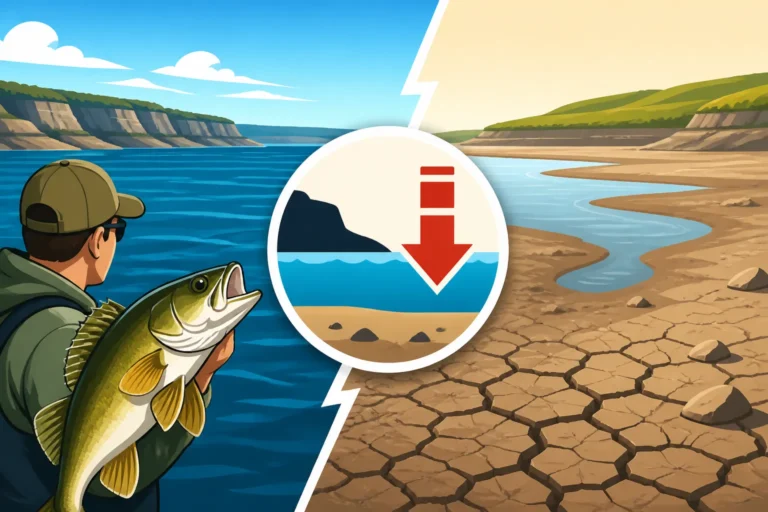
One of the most defining features of Devils Lake is its dramatically fluctuating water levels. Unlike many lakes with controlled outlets, Devils Lake is a closed-basin lake, meaning water only leaves through evaporation or seepage. Over the past few decades, it's experienced massive increases in size, flooding vast tracts of farmland, roads, and even entire towns. Imagine driving past a submerged barn or a forgotten road sign sticking out of the water – that's the reality of Devils Lake's history. These changes create a constantly evolving underwater landscape, with new structure appearing and disappearing, impacting fish movements and patterns. It's like fishing a different lake every few years, which can be a real head-scratcher when you're trying to replicate past success.
This dynamic nature means that maps become outdated quickly, and local knowledge is paramount. What was a productive point last year might be too deep or completely eroded this year. This constant shift is why a proactive approach to scouting and using up-to-date electronics is so crucial for success here. Understanding the historical context of these changes helps us appreciate why the fish relate to the structure (or lack thereof) in particular ways. It's a testament to nature's resilience and adaptability, and it certainly keeps anglers on their toes.
Unique Salinity and Ecosystem
Another factor that sets Devils Lake apart is its slightly saline water. Because it's a closed basin, minerals accumulate, leading to a higher salt content than most freshwater lakes in the region. While it's not ocean-salty, it's enough to influence the types of baitfish and forage available, and thus, the primary game species that thrive here. This unique water chemistry has fostered a incredibly rich food chain, supporting robust populations of fish.
The ecosystem is a powerhouse, producing an abundance of fathead minnows, shiners, and young perch, which serve as the primary forage for the larger predators like walleye and pike. This rich buffet is a huge reason why fish in Devils Lake grow large and healthy. However, it also means that your bait choices sometimes need to reflect what the fish are naturally preying on. Understanding this delicate balance helps you pick the right lures and presentations to mimic their preferred meals.
What Makes Devils Lake So Special for Fishing?
For many, Devils Lake isn't just special; it's legendary. Its sheer productivity is hard to match, offering incredible opportunities for trophy-sized walleye, jumbo yellow perch, and aggressive northern pike. The submerged trees, fences, and roadbeds created by the rising water levels provide an almost endless array of complex structure for fish to hide and ambush prey. This structure is a double-edged sword: it holds a lot of fish, but it also loves to hold onto your lures!
Beyond the fish themselves, the sense of adventure is palpable. You're fishing in a landscape that literally transformed before people's eyes, and there's a unique satisfaction in cracking the code of a lake that refuses to stay the same. Whether you're a seasoned pro or a novice, Devils Lake offers a challenge and a reward that keeps anglers coming back, season after season, hoping to land that next big one. Plus, the sheer vastness of the lake means there's always a new spot to explore, ensuring you rarely feel crowded, even during peak times.
Prime Fish Species You'll Encounter in Devils Lake
When you drop a line into Devils Lake, you're entering a realm where certain fish species don't just survive, they absolutely thrive. It's a unique fishery, and while you might catch a variety of fish, there are three main species that draw anglers from all over the country. Understanding their habits, preferred habitats, and what makes them bite is crucial for a successful trip.
Targeting Walleye: The King of Devils Lake
Ah, walleye. For many North Dakota anglers, the walleye is king, and Devils Lake is one of its most regal courts. These cunning predators are abundant here, with a reputation for both size and delicious table fare. You'll find walleye throughout the lake, but they tend to relate heavily to the flooded timber, old roadbeds, and submerged contours that define the lake's structure.
The beauty of Devils Lake walleye fishing is its year-round appeal. In spring, after the ice recedes, they'll be shallower, gorging on minnows in preparation for spawning. As summer progresses, they move to deeper humps, points, and basin edges, often congregating in large schools. During fall, they're on the hunt, fattening up before winter, making for some aggressive bites. And in winter, through the ice, they remain a primary target, often found relating to similar structures as in open water, just under a different lid. Knowing the current North Dakota Walleye Size Limit Rules is important before you hit the water.
Chasing Devils Lake's Legendary Yellow Perch
If walleye are the kings, then yellow perch are the beloved common folk of Devils Lake – but "common" hardly does justice to their size and fighting spirit here. Devils Lake is famous for its jumbo perch, often reaching impressive lengths and girths that would be state records in other places. These schooling fish provide fast action and are absolute delights on the dinner table.
Perch tend to stick together in large schools, often roaming flats, weed edges, and soft bottom areas where they can find their preferred forage of invertebrates and small minnows. Locating a school of perch can mean non-stop action, especially through the ice. It's not uncommon to catch dozens, sometimes hundreds, of perch in a single outing once you find them. Their willingness to bite, combined with their incredible taste, makes them a favorite among families and those looking for consistent action. Plus, trying to beat the Yellow Perch and Panfish Daily Limits Explained can be a fun challenge.
Battling Northern Pike and White Bass
While walleye and perch steal most of the headlines, don't overlook the other fantastic opportunities Devils Lake offers. Northern pike are plentiful, aggressive, and can reach impressive sizes, providing a thrilling fight for any angler. They lurk in and around the flooded timber, weed beds, and shallow bays, waiting to ambush unsuspecting prey. If you're looking for a hard-fighting fish that will test your tackle, the pike here will not disappoint.
White bass, though often considered a secondary species, provide some of the most exciting, high-energy fishing experiences on the lake. They travel in massive schools, often creating boils on the surface as they chase baitfish. When you find a school of white bass, it's pure pandemonium, with multiple hookups common. They might not be as big as the walleye or pike, but their sheer numbers and aggressive strikes make for an unforgettable fishing frenzy. They're also surprisingly good fighters for their size and provide excellent table fare.
Navigating the Seasons Best Times to Fish Devils Lake
Devils Lake isn't a one-trick pony; it offers incredible fishing opportunities year-round, but the strategies and target species shift with the seasons. Understanding the seasonal patterns is key to maximizing your success and making sure you're geared up for what the lake has to offer.
Spring Ice-Out Action and Early Season Bites
When the ice finally relents and the open water appears, usually in late April or early May, Devils Lake comes alive with what many consider some of the best fishing of the year. This period, often called "ice-out," sees fish transitioning from their winter patterns to aggressive spring feeding. Walleye, in particular, become highly active as they move towards shallower areas and spawning grounds. The water temperatures are cold, but the fish are hungry!
This early season is prime for pitching jigs and minnows or working crankbaits in shallower bays, along old roadbeds, and around the flooded timber edges. The fish haven't seen a lure in months, and they're ready to eat. Perch also start to spread out, often found in transition zones from deeper wintering holes to shallower feeding flats. It's a fantastic time for both numbers and quality fish, as they are often still concentrated from their winter patterns. Just be mindful of the often-unpredictable spring weather; it can change from sunny to snowy in a heartbeat.
Summer Open Water Strategies
Summer on Devils Lake is a time for exploration and adapting to deeper, more spread-out fish. As water temperatures rise, fish move to their deeper summer haunts, often relating to submerged humps, points, and main lake basin edges. This is when your electronics become your best friend, helping you locate schools of walleye or perch suspending over deeper water or tucked tight to structure.
Trolling with crankbaits or bottom bouncers with spinner rigs becomes a popular and effective method for covering water and finding active walleye. For perch, you might be jigging with small spoons or soft plastics over subtle depth changes on large flats. White bass schools will often reveal themselves by busting bait on the surface, creating an exciting opportunity for casting spoons or small crankbaits. The sheer size of Devils Lake during summer means you can spend days, even weeks, discovering new productive spots. Hiring a local guide through platforms like FishingBooker can give you a serious edge in quickly finding those summer hotspots.
Fall Transition and Pre-Ice Frenzy
As the days shorten and the leaves turn, Devils Lake experiences a "fall turnover" and a definite shift in fish behavior. The cooling water temperatures signal an intense feeding period for all species as they prepare for the long winter ahead. This can mean some of the most aggressive bites of the year, often yielding trophy-sized fish. Walleye will move shallower again, gorging on baitfish, and often suspending in the water column or relating to rocky points and sharp breaks.
Jigging raps, blade baits, and larger crankbaits become highly effective during this time. Perch also become incredibly active, often schooling up in deeper basins or along flats, readily hitting jigging spoons and minnows. This pre-ice frenzy is a golden opportunity to catch some of the biggest fish of the season, often in shallower water than during the summer. The cooler weather also means fewer recreational boaters, offering a more serene fishing experience, though you'll need to layer up!
Winter Ice Fishing Dominance
When Devils Lake freezes solid, it transforms into an ice fishing paradise, arguably one of the best in the world. Anglers flock to the lake, setting up elaborate ice cities with portable and permanent shelters. The expansive frozen landscape provides unparalleled access to countless spots that are unreachable by boat in open water, making it truly unique. For more in-depth information, check out our guide on how to Ice Fish in North Dakota.
Walleye, perch, and pike are all aggressively pursued through the ice. Walleye can be found on humps, points, and even shallow flats during low-light hours, often biting on jigging spoons, Rapalas, or deadsticks with minnows. Jumbo perch are the main draw, often schooling up on vast flats or over flooded timber, eagerly hitting small spoons and tungsten jigs tipped with maggots or wax worms. Northern pike provide heart-stopping action on tip-ups baited with large smelt or sucker minnows. The ice fishing season is long and productive, offering months of incredible angling, but understanding the Ice Fishing Shelter Rules on North Dakota Lakes is critical.
Top Fishing Techniques and Tactics for Devils Lake Success
Fishing Devils Lake isn't just about showing up; it's about employing the right techniques for the right species at the right time. The lake's varied structure and the feeding habits of its fish demand a versatile approach. Let's break down some of the most effective ways to put fish in the boat or on the ice.
Mastering Walleye Techniques: Jigging, Trolling, and Slip Bobbers
Walleye fishing on Devils Lake is an art form, with several highly effective techniques depending on the conditions.
-
Jigging: This is a classic and incredibly effective method, especially in colder water or when fish are concentrated on structure. Pitching a jig and minnow or a soft plastic grub into flooded timber, along rocky breaks, or over submerged roadbeds can be deadly. The key is to feel for that subtle "thunk" or mushy bite that signals a walleye. For spring and fall, jigging often outproduces other methods. During ice fishing, vertical jigging spoons or Rapalas is the go-to technique.
-
Trolling: When walleye are more dispersed or holding deeper, especially in summer, trolling crankbaits or bottom bouncers with spinner rigs is the way to go. Crankbaits like Berkley Flicker Shads or Rapala Shad Raps are popular choices, varied by color and diving depth. Bottom bouncers allow you to present live bait (like a crawler harness) or plastics near the bottom, effectively covering large flats or the edges of humps. Speed and lure depth are critical here, so pay attention to your electronics.
-
Slip Bobbers: For targeting walleye holding tight to specific structures like flooded timber or emerging weed lines, a slip bobber rig with a live minnow or leech can be incredibly effective. It allows for a natural presentation, keeping your bait in the strike zone without constant retrieving. This technique is often overlooked but can be a game-changer when fish are finicky or in tight cover. You can learn more in our detailed guide on North Dakota Walleye Fishing Techniques.
Unlocking Perch Secrets: Jigging and Deadsticking
Devils Lake's jumbo perch are a blast to catch, and while they can be finicky, there are tried-and-true methods for getting them to bite.
-
Jigging: Whether in open water or through the ice, jigging is the primary technique for perch. Small spoons, tungsten jigs, or micro-plastics are excellent choices. Tipping these with maggots, wax worms, or a small piece of minnow can significantly increase your bites. The key is to find the school, often by drilling many holes in winter or using your side imaging in open water, and then present your jig with subtle movements. Perch often prefer a slow, methodical lift-drop action, or even just holding the bait still.
-
Deadsticking: This technique is especially popular and productive during ice fishing. A "deadstick" is essentially a second rod (where legal, typically up to four lines per angler in North Dakota) rigged with a simple hook and minnow, suspended just off the bottom or at the same depth as your jigging rod. Often, the perch that ignore your active jigging presentation will readily take a motionless minnow. It's surprising how many of the biggest perch are caught on a deadstick. The subtlety of a motionless bait can be irresistible to a large, wary perch. For more tips on catching these sought-after fish, check out our guide on How to Catch Perch Through the Ice in North Dakota.
Pike and White Bass: Aggressive Approaches
For northern pike and white bass, aggression is often key.
-
Northern Pike: Big, flashy lures that draw attention are the ticket for pike. Large spoons (like Daredevls or Johnson Silver Minnows), spinnerbaits, and big crankbaits retrieved quickly through shallow bays, weed beds, or along timber edges are excellent. For a more relaxed approach, or through the ice, tip-ups baited with large sucker minnows or smelt are incredibly effective. Pike are ambush predators, so targeting areas with cover is paramount. Be sure to use a steel leader to prevent bite-offs from their razor-sharp teeth!
-
White Bass: When white bass are active, they'll hit almost anything, but spoons, small crankbaits, and even topwater lures (when they're schooling on the surface) are incredibly effective. The key is to locate the schools, which can often be found chasing baitfish in open water. Keep an eye out for birds diving or splashes on the surface, indicating a feeding frenzy. Cast your lure into the commotion and retrieve quickly; multiple hookups are not uncommon, making for an exhilarating fishing experience! They're less structure-oriented than walleye and perch and more focused on open-water baitfish schools.
| Species | Best Techniques (Open Water) | Best Techniques (Ice Fishing) | Primary Lure/Bait Types |
|---|---|---|---|
| Walleye | Jigging, Trolling, Slip Bobbers | Vertical Jigging, Deadsticking | Jigs & Minnows, Crankbaits, Spoons |
| Yellow Perch | Jigging, Bottom Bouncers, Bobbers | Vertical Jigging, Deadsticking | Small Jigs, Spoons, Maggots, Minnows |
| Northern Pike | Casting Spoons/Spinnerbaits | Tip-Ups, Large Jigs & Minnows | Large Spoons, Crankbaits, Sucker Minnows |
| White Bass | Casting Spoons/Small Crankbaits | Vertical Jigging (if found deep) | Small Spoons, Chatterbaits, Minnows |
Essential Gear and Equipment for Devils Lake Anglers
Tackling a fishery as diverse and dynamic as Devils Lake requires more than just a rod and reel. Having the right gear, tailored to the conditions and the species you're targeting, can make all the difference between a frustrating outing and a banner day.
Rods, Reels, and Line for Each Species
Matching your rod, reel, and line to the fish you're chasing and the techniques you're using is fundamental on Devils Lake.
-
Walleye: For jigging, a sensitive 6'6" to 7' medium-light to medium power spinning rod with a fast action is ideal. This allows you to feel subtle bites and quickly set the hook. Pair it with a 2000-2500 series spinning reel spooled with 8-10 lb braided line and a 6-8 lb fluorocarbon leader. For trolling, a 7' to 8' medium-heavy action casting or spinning rod paired with a line counter reel (for precision depth control) and 10-14 lb monofilament or braid is preferred. The stretch of mono can be beneficial for trolling, absorbing shock from boat movement and fish strikes. For ice fishing, 28-32 inch medium-light to medium power fast action ice rods are excellent, spooled with 6-8 lb fluorocarbon or specialized ice braid.
-
Yellow Perch: Sensitivity is key for perch. A 5'6" to 6'6" ultra-light to light power fast action spinning rod with a small 1000 series reel and 4-6 lb monofilament or fluorocarbon line is perfect for open water. Through the ice, a 24-28 inch ultra-light to light power panfish-specific ice rod with a sensitive spring bobber or noodle tip, spooled with 2-4 lb test line, will help you detect those notoriously light perch bites. Using a small diameter, low-stretch line like fluorocarbon is critical for feeling those subtle taps.
-
Northern Pike: You need robust gear for these toothy critters. A 6'6" to 7'6" medium-heavy to heavy power casting or spinning rod with a strong 3000-4000 series reel, spooled with 20-30 lb braided line, is essential. Always use a steel or heavy fluorocarbon leader (30-50 lb test) to prevent bite-offs. For ice fishing, a 36-40 inch medium-heavy ice rod or stout tip-ups with heavy braided line (30-50 lb) are necessary to handle big pike.
-
White Bass: While they fight hard, white bass don't require super heavy gear. A 6' to 7' medium-light to medium power fast action spinning rod with a 2000-2500 series reel and 8-10 lb mono or braided line is ideal. This setup provides the casting distance for schooling fish and enough power to handle multiple hookups.
Electronics: Fish Finders and GPS for Navigation
On a vast and structure-rich lake like Devils Lake, electronics are not just a luxury; they're almost a necessity.
-
Fish Finders (Sonar): A good fish finder is your window into the underwater world. For open water, a unit with side imaging and down imaging capabilities, like those from Humminbird or Lowrance, will help you identify flooded timber, rock piles, and schools of fish from a distance. Being able to see fish holding tight to a submerged roadbed that's invisible from the surface is a game-changer. For ice fishing, a flasher or a portable sonar unit with a transducer that can read through the ice is invaluable for pinpointing fish and your lure's depth. Companies like Vexilar and Marcum specialize in ice fishing specific units that help you see fish reacting to your bait in real-time.
-
GPS and Mapping: Devils Lake's ever-changing landscape makes a reliable GPS and up-to-date mapping crucial. A unit with detailed lake maps (like those from Lakemaster or Navionics) will help you navigate safely through flooded areas, identify submerged contours, and mark productive waypoints. With roads and landmarks underwater, relying solely on visual cues can be dangerous. A good GPS allows you to confidently explore new areas and return to your hot spots, especially important when considering the sheer size of the lake. It's truly a safety and efficiency tool.
The Right Boat or Ice Shelter for the Conditions
Your choice of vessel or shelter significantly impacts your Devils Lake experience.
-
Boats (Open Water): Given the size and potential for rough water on Devils Lake, a stable, well-powered boat is recommended. Alumacraft or Lund multi-species boats (17-20 feet) are popular choices, offering a good balance of fishability and rough-water capability. A reliable outboard motor is essential for covering vast distances and getting you back safely if the weather turns. Kayaks can be used, but generally on calmer days or in more protected bays, as the main lake can get quite choppy. Always ensure your boat registration is up to date according to North Dakota Boat Registration Requirements.
-
Ice Shelters (Winter): For ice fishing, your shelter is your mobile command center and protection from the elements. Portable flip-over shelters from brands like Clam or Eskimo are popular for their quick setup and portability, especially for chasing perch. For more comfort and longer stays, permanent wheelhouses (fish houses) are common, offering amenities like heat, beds, and even stoves. The choice depends on your fishing style, budget, and how long you plan to stay on the ice. Having a good heater is non-negotiable for North Dakota winters.
Key Access Points and Where to Find Fish
Knowing where to launch your boat or access the ice is just the first step; understanding where to find fish in Devils Lake's complex environment is the true challenge. Its unique structure, created by rising water, demands a specific approach.
Popular Boat Ramps and Shoreline Access
Devils Lake offers numerous access points around its massive perimeter, catering to different boat sizes and preferences. Choosing the right one can save you time and provide easier access to certain parts of the lake.
-
Grahams Island State Park: This is one of the most popular and well-maintained access points, offering multiple concrete boat ramps, docks, and plenty of parking. It's centrally located and provides excellent access to a large portion of the lake, including prime walleye and perch grounds. It’s also a great spot if you’re looking for fishing in North Dakota State Parks. The park also offers camping facilities, making it a convenient base for a multi-day trip.
-
Spirit Lake Casino & Resort Boat Launch: Located on the south side of the lake within the Spirit Lake Nation, this access point offers a large, modern boat ramp and dock facilities. It's often less crowded than Grahams Island and provides good access to the western and southern arms of the lake, known for excellent fishing. Remember to be mindful and respectful when fishing on North Dakota Tribal Waters.
-
Public Access Sites: Throughout the lake, the North Dakota Game and Fish Department maintains various public access sites, some with gravel ramps, others offering just shore fishing opportunities. Places like Ackerman, Minnewaukan, and the East Bay access points are worth exploring. Many anglers also find success fishing from causeways and bridges that cross parts of the lake, especially during spring and fall. These public access points are crucial for dispersing pressure and giving everyone a chance to get on the water.
Understanding Structure: Flooded Timber, Humps, and Points
Devils Lake is essentially an underwater forest and field, offering an incredible array of fish-holding structure. Learning to "read" this structure is paramount.
-
Flooded Timber: This is perhaps the most iconic feature of Devils Lake. Entire forests were submerged by rising water, creating vast areas of standing trees, brush, and woody debris. Walleye and northern pike absolutely love to relate to this timber, using it for ambush points and cover. Jigging through pockets in the trees or slowly trolling along the edges can be incredibly productive, but prepare for snags. Often, the bigger fish are found tight to the thickest cover. For more specific spots, check out guides like Devils Lake Flooded Timber Fishing Spots.
-
Submerged Humps and Points: As the water rose, hills became humps, and peninsulas became points, all underwater. These variations in depth are natural fish magnets, especially for walleye and perch. Humps in the main lake basin can hold large schools of suspended walleye, while points extending into deeper water serve as highways for migrating fish. Using your GPS to locate these contours and your fish finder to identify transitions (like where hard bottom meets soft bottom) is essential.
-
Old Roadbeds and Farmsteads: Imagine fishing over a paved road that hasn't seen a car in decades. Devils Lake is full of them. These old roadbeds and farmstead foundations provide hard structure in an otherwise soft-bottomed lake, attracting baitfish and, consequently, game fish. Trolling parallel to these submerged roads or jigging along their edges can produce excellent results. These areas often hold a mix of species, including some of the largest walleye and pike.
Finding Productive Ice Fishing Access Points
Ice fishing on Devils Lake offers unparalleled access, but some spots are consistently better or safer than others.
-
Sheltered Bays: For early and late ice, or during strong winds, sheltered bays like Creel Bay, Six Mile Bay, or Pelican Lake offer safer conditions and often good fishing. These areas tend to freeze earlier and offer some protection from brutal North Dakota winds. They're also often good starting points for perch and sometimes walleye.
-
Main Lake Access for Deeper Water: As the ice thickens and conditions stabilize, venturing onto the main lake from points like Grahams Island, Minnewaukan, or Woodland Resort opens up access to deeper humps, main lake points, and basin edges. This is where you'll find those schooling perch and often the biggest walleye. Access from these points often involves driving vehicles onto the ice, so always prioritize safety and check ice conditions meticulously. Many local bait shops provide daily ice reports, which are invaluable. Knowing the best Ice Fishing Access Points on Devils Lake can significantly improve your odds.
Regulations and Licenses Staying Legal on Devils Lake
Fishing on Devils Lake, like anywhere in North Dakota, requires adherence to specific regulations and license requirements. It’s not just about avoiding fines; it’s about contributing to the conservation efforts that keep this fishery so productive for everyone. Ignorance of the law is not an excuse, and a quick check before you head out can save you a lot of headache.
Understanding Daily Limits and Size Restrictions
North Dakota's fishing regulations are designed to manage fish populations sustainably. These rules can vary by species and even by specific bodies of water, so it's vital to stay informed.
-
Walleye, Perch, and Pike Limits: On Devils Lake, there are specific daily creel limits for walleye, yellow perch, and northern pike. For example, the current walleye limit might be five, with no size restrictions, but these can change. Yellow perch often have higher daily limits, reflecting their abundance. Northern pike usually have a daily limit as well, sometimes with a protected slot limit to encourage the growth of trophy-sized fish. It's your responsibility to know these limits for each species you target. These limits are subject to change with each new North Dakota Fishing Regulations Explained proclamation, so always check the latest guide.
-
Possession Limits: Beyond the daily creel limit, there’s also a possession limit, which is typically one or two times the daily limit, referring to the number of fish you can have in your possession total, including those at home in your freezer. This prevents overharvesting and ensures everyone has a fair chance. Always ensure any fish you keep are immediately counted towards your limit and, if a size restriction applies, measured accurately.
-
Special Regulations: Occasionally, specific areas of Devils Lake might have unique regulations due to conservation efforts or fish stocking programs. While generally consistent, it pays to check the North Dakota Game and Fish Department’s official guide for any localized rules. For instance, there might be specific rules about bait usage in certain areas or changes to how you can dispose of fish carcasses.
Fishing Licenses and Certificates
Before you even think about wetting a line, you need to make sure you're legally permitted to fish in North Dakota waters. This means purchasing the correct license.
-
North Dakota Fishing License: Almost everyone aged 16 and older needs a North Dakota Fishing License Guide. This applies to both residents and nonresidents. The license period typically runs from April 1st through March 31st of the following year. There are various options available, including annual licenses, short-term nonresident licenses (like the Nonresident 3-Day Fishing License in North Dakota or Nonresident 10-Day Fishing License in North Dakota), and special licenses for seniors or disabled veterans. You can easily purchase these online through the NDGF website or at numerous retail vendors like Walmart.
-
Fishing, Hunting, Furbearer Certificate: In North Dakota, beyond your basic fishing license, you'll also need a separate "Fishing, Hunting, Furbearer Certificate." This certificate is an additional fee and is required for most residents and nonresidents to legally purchase fishing and hunting licenses. It's essentially a state conservation fee. Even if you only plan to fish, you need this certificate. It’s important to understand What Is the Fishing, Hunting, Furbearer Certificate For? to ensure you're fully compliant.
-
Age Requirements: While individuals 15 years and younger do not require a fishing license in North Dakota, they are still subject to all daily limits and other fishing regulations. It's a fantastic way to introduce kids to the sport without the initial barrier of a license fee, but parents or guardians should still be aware of the North Dakota Fishing Rules for Kids and Families.
Aquatic Nuisance Species Prevention
Protecting Devils Lake from aquatic nuisance species (ANS) is a collective responsibility, and regulations are in place to help prevent their spread. ANS like zebra mussels can devastate ecosystems and impact fishing quality, and North Dakota is very proactive in trying to keep them out.
-
"Clean, Drain, Dry" Policy: All boaters and anglers are required to follow the "Clean, Drain, Dry" protocol before leaving any body of water, including Devils Lake. This means:
- Clean: Remove all aquatic vegetation, mud, and foreign objects from your boat, trailer, and fishing gear.
- Drain: Drain all water from your boat (livewells, bilges, transom, motor), bait buckets, and any other water-holding containers before leaving the ramp. This is especially critical for livewells that might contain water or bait.
- Dry: Allow your boat and equipment to thoroughly dry for five days or more before launching into another body of water. If you can't dry for that long, you must use a high-pressure wash with hot water.
-
Bait Regulations: There are specific rules regarding the transportation of live bait. It is generally illegal to transport live aquatic bait (such as minnows) from Devils Lake and release them into another body of water, or to transport live bait in water from one body of water to another. This is to prevent the spread of diseases and ANS. You need to use fresh, clean water for your bait if you plan to move it. Understanding these Aquatic Nuisance Species Rules for Boaters is not just a suggestion; it's a legal requirement with steep penalties for non-compliance.
Maximizing Your Devils Lake Experience Tips from a Veteran
Devils Lake is a beast, but it’s a beautiful beast. To truly maximize your experience and ensure a safe, successful, and enjoyable trip, there are a few extra nuggets of wisdom that can make all the difference. These come from years of trial, error, and shared stories on the water.
Safety First: Weather and Ice Conditions
North Dakota weather is notoriously unpredictable, and Devils Lake, being a large body of water, can turn from calm to treacherous in a matter of minutes.
-
Open Water Safety: Always check the weather forecast before heading out, paying close attention to wind speed and direction. Wind can quickly whip up large waves on Devils Lake, making navigation dangerous for smaller boats. Let someone know your float plan, wear your life jacket (especially important in cold water), and carry essential safety gear like a fully charged cell phone, flares, and a first-aid kit. A marine radio is also a wise investment for communicating with other boats and monitoring weather alerts. The lake is vast, and help can be a long way off.
-
Ice Fishing Safety: Ice fishing presents its own unique set of hazards. Never assume the ice is safe. Always check ice thickness before venturing out, and continue to check as you move across the lake. A minimum of 4 inches of clear, solid ice is generally recommended for walking, and significantly more for ATVs, snowmobiles, or vehicles. Be aware of pressure ridges, areas of current (especially near inlets/outlets, though Devils Lake has few), and areas around flooded timber where ice can be thinner due to heat absorption or current. Carry ice picks, a spud bar, and a rope. It sounds dramatic, but being prepared if you fall through can save your life. Our detailed guide on Drilling Safe Ice Thickness Guide provides crucial information.
Hiring a Local Guide for an Edge
If you're new to Devils Lake, or even if you've fished it before but want to unlock its secrets quickly, hiring a local fishing guide can be one of the best investments you make.
-
Local Knowledge is King: Devils Lake changes constantly. A good guide spends hundreds of days a year on the water and has an intimate, up-to-the-minute understanding of fish movements, current hot spots, and effective techniques. They know where the submerged hazards are, where the fish are holding in different conditions, and what lures are working right now. This kind of knowledge is invaluable and simply can't be gained from a map or a few days on the water.
-
Equipment and Technique Expertise: Guides come equipped with top-notch gear, including modern electronics, high-quality rods and reels, and a vast array of proven lures. They can teach you the nuances of different techniques, from reading your fish finder to setting up the perfect slip bobber rig. It’s a hands-on learning experience that accelerates your own fishing skills. Many excellent local guides can be found and booked through services like FishingBooker, which makes finding a reputable captain easy and secure. They often offer full-day or half-day trips tailored to different species and seasons.
-
Saving Time and Frustration: Instead of spending your precious fishing time searching for fish, a guide puts you directly on them. This translates to more hookups, more fish in the cooler, and a significantly more enjoyable experience, especially if your time on the lake is limited. You'll learn more in one day with a good guide than you might in a week on your own.
Respecting the Lake and Fellow Anglers
Devils Lake is a natural treasure, and its continued productivity relies on the responsible actions of all who visit. Good etiquette and stewardship ensure everyone can enjoy this incredible fishery for years to come.
-
Practice Catch and Release: While keeping your limits for the dinner table is certainly part of the fun, consider practicing selective harvest, especially with larger fish. Releasing trophy-sized walleye or pike helps maintain the breeding stock and ensures future generations have the opportunity to catch big fish. Handle fish gently, especially when releasing them, to maximize their survival chances.
-
Leave No Trace: Pack out everything you pack in. This includes fishing line, bait containers, food wrappers, and any other trash. Do not discard used bait or invasive species into the lake. Keep boat ramps, shorelines, and ice access points clean for everyone. A clean lake is a healthy lake, and it makes the experience better for all.
-
Be Considerate: On the water or on the ice, be mindful of your fellow anglers. Maintain respectful distances from other boats or ice shelters, especially if they are actively fishing. Avoid loud noises, excessive light, or aggressive driving on the ice. Share access points courteously. We're all out there to enjoy the peace and thrill of fishing, and a little consideration goes a long way to ensuring a positive experience for everyone.
Disclaimer
The information provided in this guide is for general informational purposes only and is not a substitute for official regulations. Fishing regulations, license requirements, and ice conditions can change frequently. Always consult the most current North Dakota Game and Fish Department official publications and local advisories before engaging in any fishing activities on Devils Lake. Safety should always be your top priority.