Lake Sakakawea Fishing Guide for North Dakota Anglers
Alright, fellow anglers, let's talk about a real behemoth of a fishing destination: Lake Sakakawea. For anyone venturing out onto its vast, shimmering waters, the sheer size alone can feel incredibly daunting. It's not uncommon to feel a bit lost amidst its miles of shoreline and seemingly endless opportunities, wondering where to even begin to find those elusive fish. But don't you worry! This guide is here to untangle the complexities and provide you with a comprehensive roadmap for successful fishing on North Dakota's crown jewel.
Understanding Lake Sakakawea: A Colossal Fishery
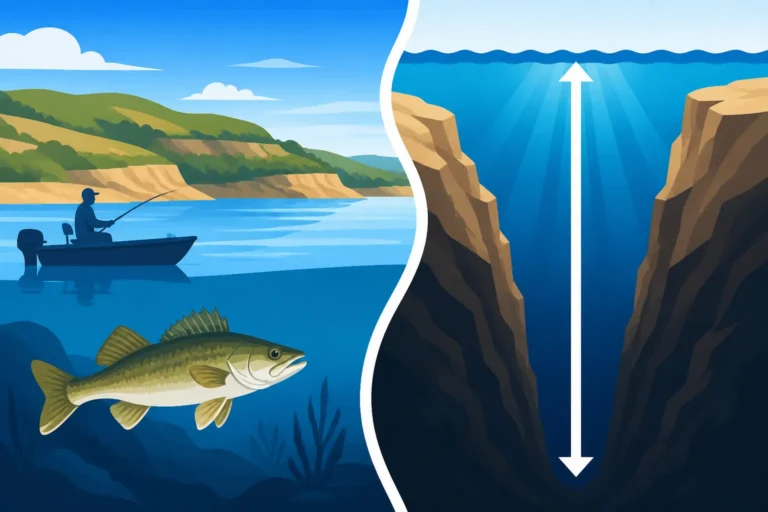
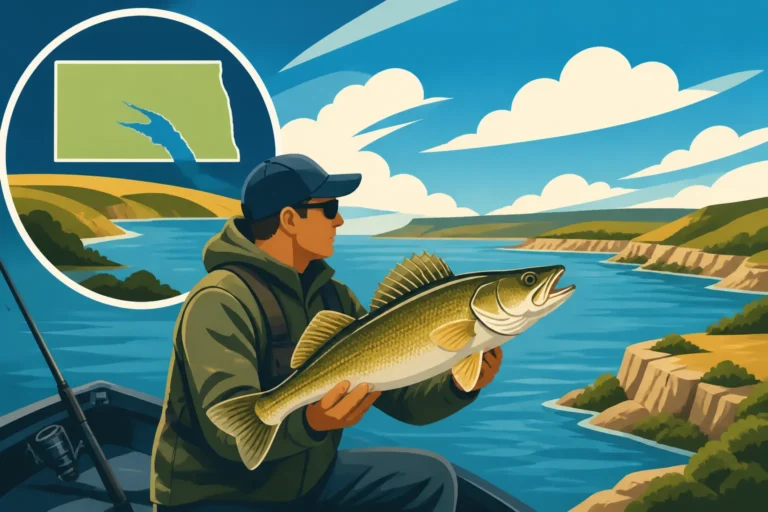
Lake Sakakawea isn't just a lake; it's an inland sea, stretching for nearly 180 miles across the heart of North Dakota, boasting over 1,600 miles of shoreline — more than the entire coast of California! This massive reservoir, formed by the Garrison Dam on the Missouri River, holds an incredible volume of water and presents a diverse range of fishing environments. From deep, open basins to flooded timber, rocky points, and expansive flats, Sakakawea offers an array of habitats that can challenge and reward any angler.
The Sheer Scale of Sakakawea
When you first lay eyes on Lake Sakakawea, it’s hard not to be awestruck by its immensity. It’s the third-largest man-made lake in the United States by volume, meaning there's a lot of water to cover and a lot of ground (or rather, submerged terrain) to learn. This vastness can be both a blessing and a curse. On one hand, it supports a thriving ecosystem and massive populations of game fish, allowing for incredible fishing opportunities. On the other, it can make finding those fish feel like searching for a needle in a haystack, especially if you're unfamiliar with the lake's unique contours and seasonal patterns. Understanding the different arms and bays, like the Little Missouri arm or the Van Hook arm, is crucial, as each can fish like its own independent lake.
Navigating such a large body of water also means being prepared for rapidly changing conditions. What starts as a calm morning can quickly turn into white caps with a strong North Dakota wind, making good boat handling and safety paramount. Having a reliable GPS and up-to-date mapping is not just a convenience; it's a necessity for understanding the underwater topography and staying safe on the open water. Many anglers find that exploring the lake in sections, perhaps focusing on the western arm one trip and the eastern part near the dam on another, helps to break down the immensity into manageable pieces.
Water Levels and Their Impact on Fishing
One of the most significant factors influencing fishing on Lake Sakakawea is its fluctuating water level. Being a reservoir, its levels are managed, primarily for flood control and power generation, which means they can vary considerably from year to year and even month to month. These changes have a profound impact on fish behavior and access to certain areas. When water levels are high, new structure, like flooded timber and vegetation, becomes available, offering new hiding spots and feeding grounds for fish. Conversely, low water levels can expose traditional fishing spots, concentrating fish in deeper channels or making some boat ramps unusable.
Experienced Sakakawea anglers constantly monitor the current lake levels, often checking resources like the U.S. Army Corps of Engineers updates. This information helps them predict where fish might be holding and how to approach different areas. For instance, a dropping lake level in late summer might pull walleye off shallow flats and concentrate them on deeper breaks. An understanding of these dynamics is absolutely vital for consistent success. It means that what worked last year, or even last month, might require a completely different approach due to a shift in the water line. Always be ready to adapt!
Prime Species to Target on Lake Sakakawea
Lake Sakakawea is a multi-species angler's dream, offering incredible opportunities for several highly sought-after game fish. Each species presents its own unique challenges and rewards, making every trip an adventure. While walleye often steal the spotlight, it would be a mistake to overlook the other fantastic fishing available here.
Walleye: The King of Sakakawea
Without a doubt, walleye are the reigning monarchs of Lake Sakakawea. Anglers from across the country flock here for the chance to catch these delicious and hard-fighting fish. Sakakawea's vastness, combined with its abundant forage base of smelt and cisco, allows walleye to grow to impressive sizes, with trophy fish exceeding 10 pounds being caught regularly. The challenge with walleye on such a large lake is finding them. They are notorious for roaming and relating to subtle changes in underwater structure.
During the spring, after the ice recedes, walleye often congregate in shallower bays and tributary mouths as they prepare for or complete their spawn. This is a fantastic time for casting jigs and plastics or slowly trolling shallow-running crankbaits. As the water warms into summer, they tend to move to deeper structure – humps, points, submerged islands, and main lake flats – often holding near baitfish schools. This is when trolling crankbaits or bottom bouncers with spinner rigs becomes incredibly effective. You can find more specific advice in our North Dakota Walleye Fishing Guide. Come fall, walleye will often move back to shallower areas, feeding aggressively before winter, presenting another prime opportunity for active anglers.
Chinook Salmon: A Unique North Dakota Challenge
Lake Sakakawea holds a truly unique fishery for North Dakota: the landlocked Chinook salmon. These powerful, ocean-going fish thrive in the deep, cold waters of Sakakawea, making it one of the few places in the central United States where you can target them. Chinook salmon were introduced to help control the abundant smelt population and provide an exciting sport fishing opportunity. Catching a Sakakawea Chinook is often described as a battle, as they make powerful runs and spectacular leaps.
The best time to target Chinook salmon is typically during the cooler months, from late spring through fall, when they are actively feeding on smelt in the deeper, open water sections of the lake. Trolling is the most common and effective method for these fish, using downriggers to get spoons or plugs down to the thermocline where the salmon typically feed. Popular areas include the main lake basin near the dam and other deep sections. Knowing the lake's contours and understanding how to read your fish finder to locate schools of smelt is paramount to success. While not as abundant as walleye, the sheer thrill of landing a large Sakakawea Chinook makes them a bucket-list fish for many. Our North Dakota Chinook Salmon Fishing Guide dives deeper into this exciting pursuit.
Northern Pike: The Aggressive Predator
If you're looking for a fish that will aggressively strike a lure and put up a serious fight, the Northern Pike of Lake Sakakawea are your target. Sakakawea produces some truly monstrous pike, with fish pushing into the 20-pound range and beyond. These ambush predators lurk in and around submerged vegetation, flooded timber, and rocky points, ready to dart out and devour unsuspecting prey. They're often found in shallower water than walleye, making them accessible to a wider range of anglers, including those fishing from shore or smaller boats.
Pike fishing on Sakakawea is fantastic throughout the open water season. In spring, they'll be found in very shallow, vegetated bays and marshy areas, often making sight-fishing possible. During the summer, they retreat slightly deeper to weed lines and cool water pockets but remain aggressive. Large spoons, spinnerbaits, bucktails, and big swimbaits are all excellent choices for enticing a strike. Many anglers also enjoy targeting pike through the ice in winter, often using tip-ups with large dead bait. Just be prepared for a fight, as these toothy critters are known for their strong runs and head shakes!
Smallmouth Bass: Rocky Structure Fighters
While often overshadowed by walleye and salmon, Lake Sakakawea offers an excellent smallmouth bass fishery, particularly in the clearer, rockier sections of the lake. Smallmouth bass are incredibly fun to catch, known for their powerful fights, acrobatic jumps, and willingness to strike a variety of lures. They thrive in areas with abundant rock structure, gravel points, and broken rubble, which provides both cover and prime ambush points.
You'll typically find smallmouth bass along the main lake points, rocky shorelines, and submerged rock piles, especially in the clearer water near the central and eastern portions of the lake. Techniques like casting tube jigs, Ned rigs, spinnerbaits, and small crankbaits parallel to rocky banks or over submerged structure are highly effective. They are most active during the warmer months, from late spring through early fall. Many anglers who come for walleye find themselves pleasantly surprised by the quality and quantity of smallmouth bass available, making for a great multi-species day on the water.
Essential Gear for Lake Sakakawea Fishing
Fishing a body of water the size of Lake Sakakawea isn't like fishing a small farm pond. It demands appropriate gear that can handle vast distances, diverse conditions, and powerful fish. Having the right tools for the job can make all the difference between a frustrating day and a memorable one.
Rods and Reels for Diverse Species
Given the variety of species available, a versatile rod and reel setup is crucial for Lake Sakakawea. For walleye, a medium-light to medium power spinning rod, around 6'6" to 7' in length, paired with a 2500-3000 series spinning reel spooled with 8-10 pound test braided line (with a fluorocarbon leader) is a popular choice for jigging, rigging, and casting lighter crankbaits. This setup offers sensitivity for detecting subtle walleye bites and enough backbone to handle a good-sized fish.
When you transition to trolling for walleye or Chinook salmon, you'll need a different setup. Trolling rods are typically longer and have a more moderate action to absorb the shock of strikes while moving. A medium to medium-heavy power trolling rod, 7' to 9' in length, paired with a line counter baitcasting reel spooled with 10-14 pound mono or braided line, is ideal. The line counter is invaluable for replicating trolling depths. For Northern Pike, a medium-heavy spinning or baitcasting rod, 7' to 7'6" in length, with a robust reel spooled with 20-30 pound braided line, will give you the power to cast larger lures and control powerful fish. These setups also work well for smallmouth bass, though a slightly lighter rod might offer more finesse.
Tackle Box Must-Haves
Your tackle box for Lake Sakakawea should be as diverse as its fish population. For walleye, a selection of jig heads (1/8 oz to 1 oz) in various colors (chartreuse, white, pink, orange), paired with soft plastics like paddle tails, minnow profiles, and twister tails, is essential. Live bait, especially minnows and nightcrawlers, are perennial favorites. Don't forget an assortment of crankbaits in different diving depths and colors. Brands like Rapala, Berkley, and Salmo are popular choices. Bottom bouncers and spinner rigs are also critical for covering vast flats. For Chinook salmon, a variety of trolling spoons (like Daredevles, Little Cleos, or specific salmon spoons in silver, blue, green patterns) and plugs that can dive deep are necessary.
For Northern Pike, pack plenty of large, flashy spoons (silver, red/white), heavy spinnerbaits with large blades, and robust swimbaits. Wire leaders are an absolute must to prevent bite-offs from their razor-sharp teeth. Smallmouth bass will hit many walleye lures, but also consider tube jigs, small crankbaits, Ned rigs, and jerkbaits. Always carry extra line, various hook sizes, weights, and essential tools like pliers, a hook remover, and a good fillet knife. A robust tackle storage system, perhaps even a boat bag with multiple utility boxes, will help keep you organized on the big water.
Boats and Electronics for Big Water
Given Lake Sakakawea's size and propensity for rough water, a well-equipped boat is a non-negotiable for serious anglers. Most successful Sakakawea anglers run substantial boats, often 18-22 foot multi-species or deep-V aluminum boats, or even fiberglass walleye boats. These vessels offer stability, storage, and the ability to comfortably cover long distances. A powerful and reliable outboard motor is also essential. For those looking for a truly versatile vessel, our guide on the Best Boats for Lake Sakakawea's Big Water offers some great insights. If you plan to register a new boat, be sure to check the North Dakota Boat Registration Requirements.
Beyond the boat itself, high-quality marine electronics are your eyes underwater. A modern fish finder with GPS and mapping capabilities is paramount. Look for units with side imaging and down imaging, which allow you to scan vast areas quickly and precisely pinpoint structure and schools of fish. Humminbird and Lowrance are popular brands offering advanced features. A reliable trolling motor, preferably with GPS spot-lock capabilities, is also invaluable for holding position on subtle structure or slowly working a weed line in windy conditions. Don't forget a quality marine battery system to power all your electronics for a full day on the water.
Mastering Lake Sakakawea Fishing Techniques
Fishing Lake Sakakawea is a dynamic experience that requires adapting your techniques to the season, weather, and the specific species you're targeting. There’s no single magic bullet, but rather a toolbox of methods that, when applied correctly, can lead to consistent success.
Spring Ice-Out Tactics and Early Season Success
Ah, spring! The ice just finally gives way, and anglers are chomping at the bit to hit the open water. The "ice-out" period on Lake Sakakawea, which typically occurs from late March through April, signals the beginning of prime fishing. The warming water temperatures trigger fish to become more active, moving into shallower areas. This is a fantastic time for aggressive walleye and pike. Walleye often congregate near river inlets, stream mouths, and shallow bays where warmer water first appears and where they either spawn or recover from spawning.
For walleye, casting jigs tipped with minnows or soft plastics into these shallow transitions is incredibly effective. Focus on depths of 5-15 feet, especially areas with emerging weeds or rocky bottoms. Slowly retrieved crankbaits that mimic baitfish are also killer. For Northern Pike, target the very shallow, vegetated back bays where they're actively feeding and basking in the sun. Large spoons, spinnerbaits, and even topwater lures can elicit explosive strikes. The fish can be concentrated during this period, so if you find one, chances are more are nearby. Keep an eye on the official North Dakota Fishing Season Dates and Limits to ensure you're compliant with any specific regulations for the early season.
Summer Trolling and Jigging Strategies
As summer progresses and water temperatures rise, Lake Sakakawea's fish tend to spread out and move into deeper, cooler water. This is when trolling becomes one of the most productive techniques, particularly for walleye and Chinook salmon. For walleye, covering vast areas with crankbaits and bottom bouncer rigs is key. Experiment with different depths, speeds, and lure colors until you find a pattern. Depths of 15-30 feet over submerged humps, main lake points, and extended flats are common holding areas. Trolling speeds typically range from 1.5 to 2.5 mph, but always let the fish tell you what they prefer.
Jigging, particularly vertical jigging with a jigging rap or spoon, also remains highly effective, especially when you locate schools of walleye on specific pieces of structure. Using your electronics to pinpoint fish and then dropping a jig directly onto their heads can be incredibly productive. For Chinook salmon, trolling spoons and plugs with downriggers in the deeper, open water basin sections, often near the thermocline (where water temperatures rapidly change), is the go-to strategy. Look for large schools of smelt on your fish finder, and the salmon won't be far behind. This is also a great time to hit deeper rock piles and points for smallmouth bass.
Fall Feeding Frenzy and Pattern Changes
Autumn on Lake Sakakawea is a magical time for fishing. As water temperatures begin to drop, fish enter a "feeding frenzy" phase, aggressively putting on weight for the upcoming winter. This means they are often more willing to strike lures and can be found in predictable patterns. Walleye will often move back to shallower flats and points, actively pursuing schools of baitfish. Trolling crankbaits, casting jigs, and even pulling spinner rigs can be very productive. The key is to find those baitfish schools, as the walleye will be right on their tails.
Northern Pike also remain very active, often concentrating in weed lines and shallow bays, ready to ambush prey. Large spoons and soft plastics are excellent choices. Chinook salmon will continue to feed heavily in the deeper parts of the lake, making fall a prime time for trophy salmon. The beautiful fall scenery combined with aggressive fish makes this a favorite season for many Lake Sakakawea regulars. Pay close attention to water temperature as it drops, as this will dictate fish movement and preferred depths.
Ice Fishing on Sakakawea: A Winter Wonderland
When winter blankets North Dakota, Lake Sakakawea transforms into an ice fishing paradise. While challenging due to its vastness and potential for deep snow, the rewards can be immense, especially for walleye and Northern Pike. Access points can be limited, so always check local conditions and ensure you have the proper gear for safe travel over the ice. Our How to Ice Fish in North Dakota guide has tons of tips for staying safe and successful in the cold.
For walleye through the ice, focus on main lake points, submerged humps, and structural elements where fish will school up. Jigging spoons tipped with minnow heads or small minnows, as well as dead sticking with a plain hook and minnow, are popular methods. Using a fish finder (flasher or graph) is almost essential for locating fish and understanding their behavior beneath the ice. For Northern Pike, setting tip-ups with large dead bait (smelt, sucker minnows) in bays and along weed lines can lead to exciting flag-ups. Always prioritize safety on the ice, checking ice thickness regularly, and being aware of weather changes. Remember that Ice Fishing Shelter Rules on North Dakota Lakes apply, so know the regulations for leaving your shack overnight.
| Species | Best Time to Target | Typical Methods | Preferred Habitat | Average Size Range |
|---|---|---|---|---|
| Walleye | Spring, Summer, Fall, Winter | Jigging, Trolling Crankbaits, Bottom Bouncers | Humps, Points, Flats, Bays, River Mouths | 15-25 inches (1-5 lbs) |
| Chinook Salmon | Late Spring, Summer, Fall | Trolling Spoons & Plugs with Downriggers | Deep Open Water Basins, Near Thermocline | 20-30 inches (5-15 lbs) |
| Northern Pike | Spring, Summer, Fall, Winter | Casting Spoons & Spinnerbaits, Tip-ups | Shallow Bays, Weed Lines, Flooded Timber, Rocky Points | 25-40 inches (5-20 lbs) |
| Smallmouth Bass | Late Spring, Summer, Early Fall | Casting Jigs, Crankbaits, Soft Plastics | Rocky Points, Shorelines, Submerged Rock Piles | 12-18 inches (1-3 lbs) |
Navigating Lake Sakakawea's Top Fishing Spots
Knowing the general techniques is one thing, but knowing where to apply them on Lake Sakakawea is the key to consistent success. While fish can be found throughout the reservoir, certain areas consistently produce excellent results due to their unique features and forage availability.
Van Hook Arm and Deepwater Bay
The Van Hook Arm, located on the northern side of Lake Sakakawea near New Town, is one of the most popular and productive fishing areas on the entire lake. It’s known for its abundant walleye and Northern Pike populations. This arm features a diverse topography, including numerous submerged points, humps, and expansive flats, along with plenty of flooded timber in its upper reaches. Its structure provides excellent habitat for both game fish and their prey.
Deepwater Bay, situated within the Van Hook Arm, lives up to its name, offering access to deeper water relatively close to shore. This makes it a great spot even when fish are holding deep in the summer months. Anglers often target walleye by trolling crankbaits along the numerous breaks and points within the arm, or by jigging spoons and plastics on specific humps. The shallower, timbered sections further up the arm are pike heaven, especially in the spring and fall. The numerous access points and amenities in the Van Hook area also make it a convenient base for a fishing trip. Many guides on FishingBooker (a popular platform for finding fishing charters) often operate out of this well-known area. For more detailed information, consider checking out specific resources on Lake Sakakawea Walleye Fishing Spots.
The Main Lake and Tributary Mouths
While the arms and bays are popular, the main body of Lake Sakakawea, especially the central and eastern portions, offers incredible opportunities, particularly for Chinook salmon and big walleye. The main lake features vast, deep basins, strong current areas from the Missouri River, and large, exposed points. This is where you'll spend a lot of time trolling for salmon, often targeting depths of 50-100 feet or more, following the thermocline. Walleye also utilize these deeper main lake structures, especially in summer.
The mouths of tributary rivers and large coulees emptying into the main lake are also hotspots, especially during spring and fall. These areas often bring in warmer water, nutrients, and baitfish, attracting hungry walleye and pike. Good examples include the area around the Little Missouri River confluence (though this is further west) and other larger drainage areas along the central part of the lake. These locations are dynamic, and understanding how current, wind, and water levels affect them is crucial. For detailed insights on seasonal movements, a guide on Seasonal Fish Movement Patterns in North Dakota Lakes might be helpful.
Around the Garrison Dam Tailrace
The area immediately below the Garrison Dam, known as the tailrace, is a unique and incredibly productive fishing spot. The dam regulates the flow of the Missouri River, and the constant current, aeration, and churning water here create a rich environment for various fish species. Walleye, sauger, Northern Pike, and even some large trout are regularly caught in this area. The current concentrates baitfish and provides prime ambush points for predators.
Fishing the tailrace typically involves jigging, casting crankbaits, or bottom bouncing in the strong current. It's a challenging environment to fish due to the strong flows, but the rewards can be substantial. Anglers often position their boats upstream or downstream of current breaks, eddies, and seams, allowing their baits to drift naturally. Be mindful of boating safety here, as the currents can be powerful and unpredictable. This area also sees a good run of walleye and other species, offering fantastic action, especially during specific times of the year. For current conditions and specific tactics, consulting local bait shops or guides found on FishingBooker can be invaluable.
Rules, Regulations, and Safety on Lake Sakakawea
Fishing on a large public waterway like Lake Sakakawea comes with important responsibilities regarding regulations and safety. Understanding and adhering to these guidelines is not just about avoiding fines; it’s about preserving the fishery for future generations and ensuring everyone has a safe and enjoyable experience.
Understanding North Dakota Fishing Regulations
Before you even think about dropping a line in Lake Sakakawea, you absolutely need to have a current North Dakota fishing license. Whether you're a resident or a nonresident, knowing the specifics of how to obtain your North Dakota Fishing License Guide is the first step. The regulations cover everything from statewide rules to specific limits and seasons for individual bodies of water, and Lake Sakakawea often has its own unique nuances. Pay close attention to daily limits and possession limits for species like walleye, Northern Pike, and Chinook salmon. For example, the North Dakota Walleye Size Limit Rules are critical to follow.
Beyond basic limits, there are rules concerning the number of lines you can fish with, bait restrictions, and even length limits on certain species intended to protect spawning populations and trophy fish. Always consult the most current North Dakota Fishing Guide, available online through the North Dakota Game and Fish Department (NDGFD) website or at license vendors. Ignorance of the law is not an excuse, and game wardens regularly patrol Lake Sakakawea. A quick review of the North Dakota Fishing Regulations Explained will save you a lot of potential headaches and ensure you're fishing legally and responsibly.
Boating Safety and Aquatic Nuisance Species
Boating on Lake Sakakawea is no small feat. Its immense size means that weather can change rapidly, and calm waters can quickly turn into dangerous chop. Always check the marine forecast before heading out and be prepared to cut your trip short if conditions deteriorate. Essential boating safety gear includes life jackets (with children 12 and under required to wear them), a throw cushion, fire extinguisher, sounding device, and navigation lights for dawn/dusk/night operation. Carrying a marine radio or fully charged cell phone (though service can be spotty in some areas) is also highly recommended. For more comprehensive details, you can refer to the North Dakota Boat Registration Requirements.
Another critical aspect of boating on Sakakawea is preventing the spread of Aquatic Nuisance Species (ANS), such as zebra mussels. These invasive species can devastate native ecosystems and fishing opportunities. North Dakota has strict "Clean, Drain, Dry" regulations. This means:
- Clean all aquatic vegetation and mud from your boat, trailer, and gear.
- Drain all water from your boat, including the bilge, livewell, and motor, before leaving the access area.
- Dry your boat and gear thoroughly before launching into another body of water.
These simple steps are vital to protecting North Dakota's precious waters. You'll often find inspection stations at popular boat ramps during peak season, and compliance is mandatory. Don't be the angler who accidentally spreads a harmful invasive species.
Permits and Guides
For those looking for an extra edge or who are new to the lake, hiring a licensed fishing guide can be an invaluable investment. A good guide knows the lake's ever-changing patterns, the best techniques for current conditions, and can put you on fish quickly. Many experienced guides are available to help you navigate this massive body of water, and you can often find reputable ones through platforms like FishingBooker or by asking at local bait shops and marinas. Guides often have the most up-to-date intel on fish movements and the most productive spots, especially on a lake as dynamic as Sakakawea.
Also, if you're planning to participate in or organize a fishing tournament, be aware that specific permits may be required. The NDGFD oversees these events to ensure they comply with regulations and minimize impact on the fishery. Even for casual anglers, being aware of ongoing tournaments can sometimes help you avoid crowded areas. Remember that any fishing activity must align with North Dakota's conservation efforts, ensuring the incredible resources of Lake Sakakawea remain healthy and productive for generations to come.
Disclaimer
Please note that fishing regulations, conditions, and best practices can change. Always consult the latest North Dakota Game and Fish Department regulations and local advisories before planning your fishing trip to Lake Sakakawea. Your safety on the water is paramount.