Best Fishing Lakes Near Bismarck
Finding the perfect fishing spot near Bismarck can feel like a real treasure hunt, especially if you're new to the area or just overwhelmed by all the options. You want a place that's productive, maybe offers a bit of scenery, and isn't too much of a hassle to get to after a long week. This guide is here to cut through the confusion and highlight the best fishing lakes and rivers close to Bismarck, offering detailed insights into what makes each spot special and how to make the most of your time on the water.
Understanding Bismarck's Fishing Landscape
Bismarck, nestled on the eastern bank of the mighty Missouri River, is a gateway to some truly fantastic fishing opportunities in North Dakota. We're not just talking about one or two lakes; the region boasts a diverse array of water bodies, each with its own character and species to chase. It's a landscape sculpted by ancient glaciers and the powerful flow of the Missouri, resulting in a variety of habitats from expansive reservoirs to intimate community ponds.
Geographic Overview of Local Water Bodies
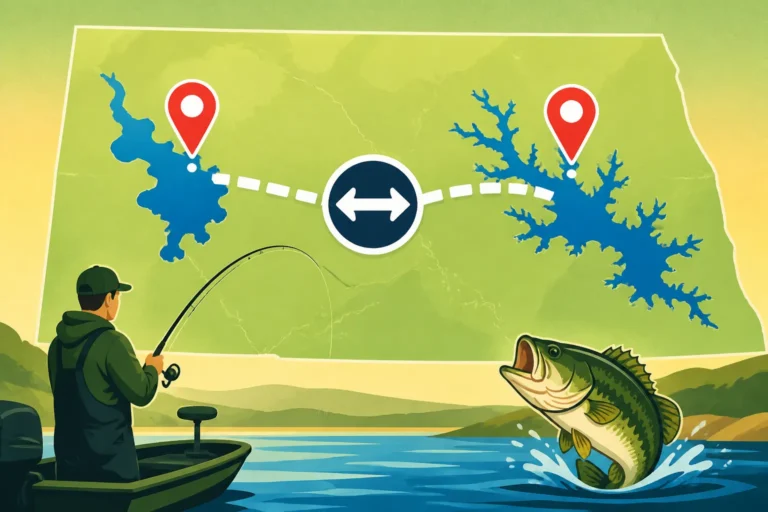
The fishing scene around Bismarck is dominated by a few key players. First and foremost, you have the Missouri River itself, a vast, powerful waterway that offers unique challenges and rewards. Then there are the large impoundments like Lake Sakakawea and Lake Oahe, created by dams on the Missouri, providing massive stretches of water with diverse structure. Beyond these giants, several smaller reservoirs and community fishing ponds dot the landscape, offering more accessible and often family-friendly experiences. Each body of water presents different conditions, from river currents and deep channels to shallow, weedy bays, catering to every style of angler. Understanding this variety is the first step to pinpointing your ideal fishing destination.
Key Fish Species to Target Near Bismarck
When you cast a line in the waters around Bismarck, you're entering a diverse aquatic ecosystem. The star of the show for many anglers is undoubtedly the walleye, known for its delicious fillets and challenging bite. These fish thrive in the big waters of the Missouri River and its reservoirs. But walleye are far from the only game in town. You'll also find substantial populations of northern pike, especially in shallower, weedier areas, offering thrilling fights. Channel catfish are abundant, particularly in the river and its slower sections, providing powerful pulls and great eating. For those looking for smaller, panfish action, yellow perch and crappie are often plentiful in many of the region's lakes and ponds, perfect for a relaxed day or introducing kids to fishing. Depending on the season and the specific water body, you might even encounter smallmouth bass, sauger, or, in the massive expanse of Lake Sakakawea, even chinook salmon.
Lake Sakakawea: The Big Water Experience
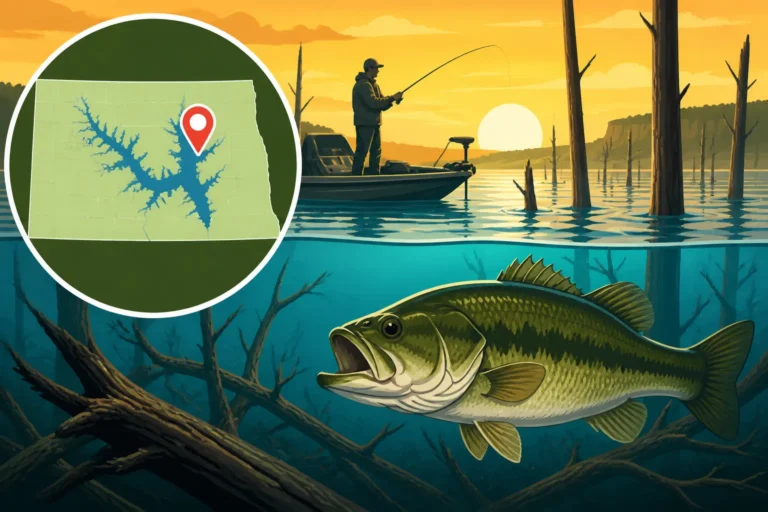
Ah, Lake Sakakawea. This isn't just a lake; it's an inland sea, stretching for nearly 180 miles across North Dakota. Formed by the Garrison Dam on the Missouri River, it's one of the largest man-made lakes in the United States. Its sheer size means endless opportunities but also demands respect for its vastness and ever-changing conditions. For many North Dakota anglers, Sakakawea is the ultimate destination, a place where trophy walleye and hard-fighting salmon lurk in its depths. The adventure starts the moment you decide to tackle this magnificent body of water.
Access Points and Prime Fishing Locations
While Lake Sakakawea is huge, there are numerous accessible points within a reasonable drive of Bismarck. Head north from Bismarck, and you'll find various state parks and public boat ramps that offer great starting points. Fort Stevenson State Park near Garrison and Lake Sakakawea State Park near Pick City are prime examples, providing excellent facilities for launching boats, camping, and shore fishing. These areas often feature developed marinas and campgrounds, making them convenient bases for multi-day trips. Other popular access points include the Van Hook Arm, known for its extensive bays and productive fishing, and Deepwater Bay further west. When considering access, it's wise to check current water levels, as they can fluctuate and impact ramp usability. For those without a boat, many of these state parks offer fishing piers or ample shoreline access, though the true potential of Sakakawea is best explored by boat. You can find detailed information on the various access sites in our comprehensive guide to North Dakota Fishing Access Sites on Lake Sakakawea.
Seasonal Strategies for Sakakawea Walleye and Salmon
Fishing Lake Sakakawea demands a good understanding of seasonal patterns, especially for its prized walleye and chinook salmon. In the spring, shortly after ice-out, walleye will often move into shallower areas, especially rocky points and sandy flats, as they prepare for and complete their spawn. This is a fantastic time for jigging with minnows or slowly trolling crankbaits in areas like the upper river sections or larger bays. As summer progresses, walleye move to deeper structures, following baitfish schools. Trolling crankbaits at various depths becomes very effective, particularly around submerged points, humps, and old river channels. Our North Dakota Walleye Fishing Guide delves deep into these techniques.
For chinook salmon, Lake Sakakawea is a unique fishery, as it's one of the few places in the lower 48 states where you can catch them in a freshwater lake. Salmon are primarily targeted during the summer and fall, often requiring specialized trolling setups with downriggers to reach the cooler, deeper water they prefer. They'll chase spoons and flashers, and the areas near the Garrison Dam or deeper sections of the lake are often prime spots. Understanding the feeding patterns and depths these fish prefer throughout the year is key to a successful outing on Sakakawea.
The Mighty Missouri River: Current and Structure Fishing
The Missouri River, flowing right through Bismarck, is a lifeline for anglers seeking dynamic and consistent fishing action. Unlike the vastness of the reservoirs, the river presents a more intimate yet equally challenging environment, defined by its current, depth changes, and a myriad of submerged structures. Fishing here requires a different approach, one that respects the power of the moving water and capitalizes on the fish's tendencies to hold in current breaks. It's an angler's paradise, offering year-round opportunities for a variety of species.
Fishing Opportunities Upstream and Downstream of Bismarck
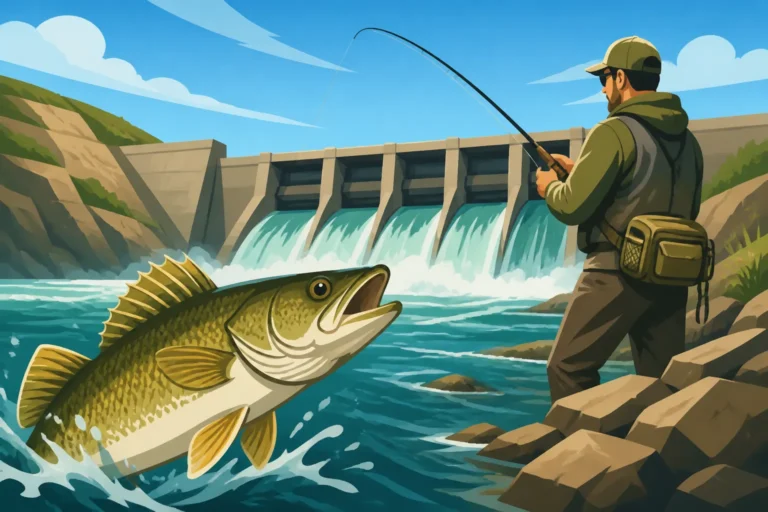
The Missouri River around Bismarck offers distinct fishing experiences depending on whether you head upstream or downstream. Upstream of Bismarck, the river's character is heavily influenced by Lake Sakakawea and the Garrison Dam. The tailrace section below the dam, often referred to as the "Garrison Dam Spillway," is legendary for its walleye and sauger fishing, especially during periods of higher flow. These areas concentrate baitfish and provide oxygenated water, drawing in predatory species. Further downstream towards Bismarck, the river widens, and while still having current, offers more diverse habitats like deeper holes, sandbars, and rocky outcroppings. The stretch right through Bismarck offers several public access points for both boat and shore anglers. Downstream from Bismarck, the river continues its journey toward Lake Oahe, featuring long stretches of relatively consistent flow interspersed with deeper bends and structure. Catfish often thrive in these slower, deeper sections, while walleye and northern pike can be found relating to submerged cover and current seams. Our Missouri River Fishing Guide provides even more localized insights.
Techniques for Catching Walleye and Catfish in the River
Fishing the Missouri River effectively often comes down to understanding current and structure. For walleye, vertical jigging is a highly effective technique, especially in the swift currents below Garrison Dam or when targeting fish holding tight to bottom structure. Using heavy jigs tipped with minnows or soft plastics allows you to maintain contact with the bottom in the flow. Trolling with crankbaits or bottom bouncers and spinner rigs can also be productive in slower current areas or along the edges of channels. Presentation is key; you want your bait to appear natural in the current, often requiring precise boat control.
Channel catfish, the other major draw of the Missouri, are less sensitive to current and often prefer deeper, slower pools or eddies. They are primarily bottom feeders, so using a slip-sinker rig with cut bait, shrimp, or even stink baits is a popular and highly effective method. Fishing at night can be particularly rewarding for catfish, as they become more active feeders under the cover of darkness. Many anglers anchor their boats in prime catfish spots or find good bank access along the river to set up multiple rods for a relaxed yet exciting night of fishing.
Heart Butte Dam (Lake Tschida): A Local Gem
Just a short drive southwest of Bismarck, you'll discover Heart Butte Dam, better known to locals as Lake Tschida. This reservoir on the Heart River offers a completely different vibe than the vastness of Sakakawea or the currents of the Missouri. It's a more contained, intimate lake, making it incredibly popular for both serious anglers and families looking for a relaxing day on the water. While perhaps not as renowned for trophy fish as its larger counterparts, Lake Tschida consistently produces good numbers of quality fish across several species.
Overview and Species Variety
Lake Tschida is a picturesque reservoir, characterized by its rolling prairie surroundings and a mix of rocky shores, sandy beaches, and some vegetated areas. Its more manageable size means that anglers can often cover a good portion of the lake in a day, without feeling overwhelmed. The primary draw for many are the walleye, which thrive in Tschida's waters, offering a steady bite. You'll also find a healthy population of northern pike, particularly in the spring and fall when they cruise the shallower bays. Channel catfish are abundant, especially in the deeper main lake basin and around the river inlet. For panfish enthusiasts, crappie and yellow perch provide excellent action, often schooling up in predictable locations. The lake also supports populations of smallmouth bass and even some largemouth bass, adding to the species diversity. This variety makes Lake Tschida a versatile fishing destination, catering to different preferences and fishing styles.
Best Times and Methods for Fishing Lake Tschida
The best times to fish Lake Tschida often mirror patterns seen in other prairie reservoirs, though its smaller size can make fish movements more concentrated. Spring and early summer are prime for walleye and northern pike, as they move into shallower areas. Trolling crankbaits or casting jigs and soft plastics along shorelines and over submerged humps can be very effective for walleye. For pike, throwing spoons, large inline spinners, or swimbaits near weed beds or rocky points is a proven tactic.
As summer heats up, walleye will retreat to deeper water, often suspending over open water or relating to deeper structure. This is when vertical jigging with live bait (like minnows or nightcrawlers) or trolling deep-diving crankbaits comes into its own. Catfish fishing is excellent throughout the warmer months, especially in the evenings and at night, with cut bait or stink bait fished on the bottom. Fall can offer another surge of activity as fish feed aggressively before winter, presenting a great opportunity for both walleye and pike. For those interested in more specific local insights, checking with local bait shops or online fishing reports can provide real-time updates on what's biting and where.
Lake Audubon: A Scenic and Productive Option
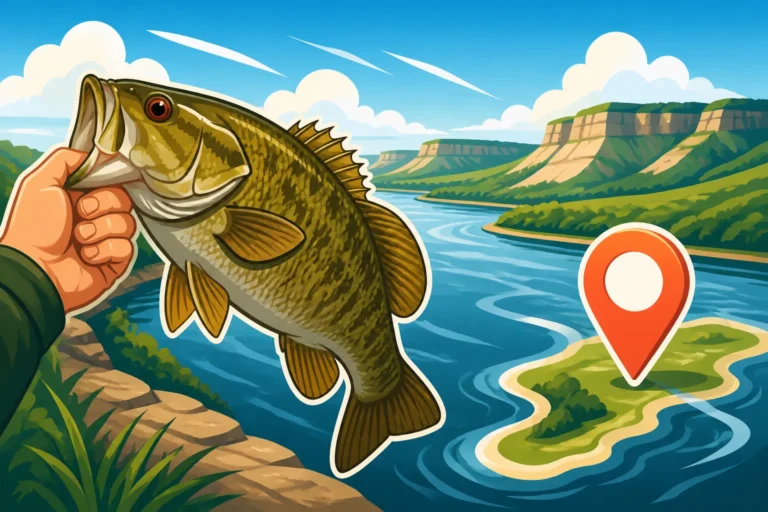
Venturing north of Bismarck, adjacent to Lake Sakakawea, lies the beautiful and often overlooked Lake Audubon. While technically connected to Sakakawea via a control structure, Audubon has its own unique character, offering a slightly different fishing experience that many anglers cherish. It's a lake known for its clear waters, scenic shores, and, perhaps most notably, its fantastic smallmouth bass fishery. If you're looking for a vigorous fight and stunning surroundings, Lake Audubon deserves a spot on your fishing itinerary.
Characteristics and Prime Fish Habitats
Lake Audubon is often characterized by its clearer water compared to some other North Dakota lakes, and a significant amount of rocky structure along its shorelines and submerged reefs. This clear water and rocky habitat make it an ideal home for smallmouth bass, which thrive in such environments. Beyond smallmouth, Audubon also supports a strong walleye population, which benefit from the lake's rich forage base and diverse bottom contours. Northern pike are also present, often found cruising the edges of emergent vegetation or around rocky points. The lake has several islands, bays, and points that create excellent fish-holding structure, concentrating baitfish and predators alike. Its connection to Sakakawea allows for some fish migration, contributing to the health and diversity of its fishery. Given its scenic beauty, it’s not uncommon to see kayakers and paddleboarders enjoying the water, making it a truly multi-use lake.
Strategies for Smallmouth Bass and Walleye
For smallmouth bass, Lake Audubon is a true gem. These feisty fighters love rocky environments, so targeting points, submerged humps, and rip-rap shorelines is highly effective. Throwing crankbaits, spinnerbaits, tube jigs, or soft plastic creature baits that mimic crayfish or baitfish are all excellent strategies. Topwater lures can also provide exhilarating strikes, especially during low-light conditions. Smallmouth bass are often very active and aggressive, making for an exciting day on the water. For more information on targeting these powerful fish, explore our guide on Lake Audubon Smallmouth Bass Fishing.
Walleye in Lake Audubon often relate to similar structures as smallmouth, though they might hold a bit deeper or closer to the bottom. Trolling with crankbaits is a popular method, covering large areas and finding active fish. Jigging with minnows or nightcrawlers along contours, especially during spring and fall, can also be very productive. As the water warms in summer, walleye may suspend over deeper water, making vertical jigging or drifting with live bait a good option. The key is to explore the varied structure and understand how the fish are relating to it based on water temperature and time of year. Many anglers utilize sonar units to locate underwater structure and schools of baitfish, which are crucial for success on a lake like Audubon.
Other Notable Smaller Lakes and Ponds
While the big water bodies certainly grab the headlines, the Bismarck area is also dotted with numerous smaller lakes and community fishing ponds. These often-overlooked spots can be fantastic for a quick fishing trip, a family outing, or for targeting specific species without the challenges of navigating vast open waters. They are typically more accessible, less intimidating, and can offer surprisingly good action, especially for panfish and stocked trout.
Exploring Smaller Reservoirs and Community Ponds
Within a short drive of Bismarck, you can find several smaller reservoirs like Nelson Lake near Center, which is unique for being a power plant cooling reservoir, meaning it stays ice-free for longer periods and supports a robust warm-water fishery, including huge northern pike and largemouth bass. While a bit further afield, Pipestem Reservoir and Jamestown Reservoir offer excellent fishing for walleye, northern pike, and panfish in a more contained setting than Lake Sakakawea. These smaller reservoirs often have well-maintained boat ramps and shoreline access, making them convenient for a half-day or full-day trip.
Community fishing ponds, found even closer to urban centers, are specifically managed by the North Dakota Game and Fish Department for easy public access and consistent fishing. These ponds are frequently stocked with trout, providing an excellent opportunity for anglers of all skill levels. They often have paved paths, fishing piers, and amenities like restrooms, making them perfect for families or individuals looking for a hassle-free fishing experience. These ponds are particularly popular during the spring and fall trout stocking periods.
Family-Friendly Fishing Spots and Stocked Ponds
For families, these smaller lakes and ponds are absolute treasures. They offer a safe and manageable environment for kids to learn how to cast, reel, and experience the thrill of a bite. Places like McDowell Dam Recreation Area and Harmon Lake, both near Bismarck, are excellent examples. McDowell Dam is known for its stocked trout, as well as bluegill and crappie, and features a fishing pier. Harmon Lake provides opportunities for trout and panfish, with easy shore access. These locations are specifically managed to maximize catch rates for beginners and young anglers, ensuring a positive introduction to the sport. Many of these ponds fall under the category of "North Dakota Fishing Rules for Kids and Families," which often simplifies regulations or offers special opportunities.
The North Dakota Game and Fish Department regularly stocks these community ponds, ensuring a continuous supply of fish for anglers. They are an ideal place to spend a few hours, whether you're trying to catch your first fish, hone your skills, or simply enjoy the outdoors. Remember to check the current stocking schedules and local regulations for these specific ponds, as they can vary from the general statewide rules. To make planning easier, especially if you're looking for a guide to take your family out, online platforms like FishingBooker list various local guides who specialize in these accessible spots.
Essential Gear and Regulations for Bismarck Area Fishing
Venturing out to fish near Bismarck means being prepared, not just with the right mindset, but with the right gear and a solid understanding of North Dakota's fishing regulations. Nobody wants to cut a trip short because of missing equipment or, worse, face a penalty for an accidental infraction. A little planning goes a long way in ensuring a safe, enjoyable, and legal fishing experience.
Recommended Tackle and Equipment
The diverse fishing opportunities around Bismarck call for a versatile tackle box. For walleye, a medium-light to medium-action spinning rod paired with a 2500 or 3000 series reel is a great all-around choice, capable of handling jigs, slip bobbers, and smaller crankbaits. Don't forget a variety of jig head weights (from 1/8 oz to 3/8 oz for lighter current or deeper water) and an assortment of soft plastics or live bait like minnows or nightcrawlers. For the larger northern pike, a medium-heavy action rod with heavier line (10-20 lb monofilament or braid) is recommended, along with a selection of spoons, spinnerbaits, and larger crankbaits.
When targeting channel catfish on the Missouri River, a stout medium-heavy to heavy-action rod with a baitcasting reel spooled with 20-30 lb braided line is ideal. Heavy sinkers (1-3 oz) and strong circle hooks will ensure your cut bait stays on the bottom. If you're planning to fish the big waters of Lake Sakakawea from a boat, having a quality fish finder is almost essential for locating structure and schools of fish in such a vast environment. And for any outing, never forget essentials like pliers, a net, sunscreen, insect repellent, and plenty of water. Our comprehensive guide on the Essential Gear Checklist for North Dakota Fishing provides an in-depth list for every scenario.
Understanding Local Fishing Regulations
Before you even think about casting a line, it is absolutely critical to understand and adhere to North Dakota's fishing regulations. The North Dakota Game and Fish Department sets these rules to ensure sustainable fisheries for everyone. The most fundamental requirement is a valid North Dakota Fishing License. You can purchase these online, at various retail vendors like sporting goods stores and some Walmart locations, or through the official Game and Fish Department website. Remember that licenses typically run from April 1st to March 31st of the following year. Our in-depth North Dakota Fishing License Guide can walk you through the process.
Beyond the license, you need to be aware of species-specific regulations. These include daily creel limits (how many fish you can keep), possession limits (how many fish you can have in your possession), and sometimes length limits (minimum or slot limits for certain species like walleye or northern pike). For instance, the North Dakota Walleye Size Limit Rules can vary by water body. These regulations are published annually in the North Dakota Fishing Guide, available both online and in print, and it's your responsibility to be familiar with the most current rules. Special regulations might also apply to certain waters, such as tribal lands, which may require additional permits. Penalties for Fishing Without a License in North Dakota can be significant, so always double-check your license status and understand the rules for your chosen fishing spot.
| Lake/River | Primary Species Targeted | Typical Depth Range | Best Season for Primary Species | Key Features |
|---|---|---|---|---|
| Lake Sakakawea | Walleye, Chinook Salmon, Pike | Deep (50-100+ ft), Shallow | Spring, Summer, Fall | Huge, diverse structure, big water, deep salmon |
| Missouri River | Walleye, Catfish, Sauger | Varied (10-50+ ft) | Spring, Summer, Fall (year-round) | Strong currents, river bends, tailrace fishing |
| Lake Tschida | Walleye, Pike, Catfish, Crappie | Moderate (15-40 ft) | Spring, Summer, Fall | Smaller, more intimate, family-friendly |
| Lake Audubon | Smallmouth Bass, Walleye | Moderate (20-60 ft) | Spring, Summer, Fall | Clear water, rocky structure, scenic |
| Community Ponds | Trout, Panfish | Shallow (5-20 ft) | Spring, Fall | Stocked, easy access, family-focused |
Planning Your Fishing Trip Near Bismarck
So, you've got your gear, you understand the regulations, and you've got a few target spots in mind. Now it's time to iron out the details and make sure your fishing trip near Bismarck is as smooth and successful as possible. A little forethought about local resources and perhaps even professional guidance can elevate your experience from a good day on the water to a truly memorable adventure.
Where to Find Local Information and Resources
Staying informed is key to successful fishing, and North Dakota has excellent resources available. The North Dakota Game and Fish Department website is your absolute best friend. Not only can you find the official regulations and license information, but they also publish weekly fishing reports, stocking schedules for community ponds, and detailed maps of public access sites. These reports often highlight what's biting, where, and what techniques are proving successful.
Local bait and tackle shops are also invaluable hubs of information. Places like Scheels in Bismarck or smaller, independent shops often have employees who are passionate local anglers themselves. They can offer real-time advice on conditions, hot baits, and specific spots. Don't be shy about asking questions when you stop in for supplies. Online fishing forums and social media groups dedicated to North Dakota fishing can also be a goldmine of shared knowledge and recent catches, giving you a sense of current trends and bite patterns. For those looking for local services, platforms like FishingBooker can help you find everything from bait shops to boat rentals in the area.
Choosing a Fishing Guide or Charter
For many anglers, especially those visiting the area, new to a specific fishery, or looking to maximize their time, hiring a fishing guide can be an incredibly worthwhile investment. A good local guide possesses an intimate knowledge of the waters, including secret spots, seasonal patterns, and the most effective techniques for the current conditions. They'll also have all the necessary safety equipment and typically provide high-quality gear, taking the hassle out of planning and packing.
Whether you're targeting trophy walleye on Lake Sakakawea, battling channel catfish on the Missouri River, or learning the nuances of smallmouth bass fishing on Lake Audubon, a guide can put you on fish faster and teach you invaluable skills. They're particularly beneficial if you're looking to learn advanced techniques or explore a new species. Many guides cater to families, making it an excellent way to introduce kids to fishing in a fun and productive way. Websites like FishingBooker allow you to browse and book professional fishing guides in the Bismarck area, offering reviews and details about their specialties. It's an excellent way to turn a good fishing trip into an unforgettable one.
Disclaimer
The information provided in this guide is for general informational purposes only and should not be considered legal advice. Fishing regulations, conditions, and fish populations can change frequently. Always consult the most current North Dakota Game and Fish Department regulations and local advisories before engaging in any fishing activities. Ensure you have the appropriate licenses and adhere to all safety guidelines.