Missouri River Smallmouth Bass Spots Near Bismarck
If you're an angler in North Dakota, you know the Missouri River near Bismarck offers some incredible fishing opportunities, but targeting smallmouth bass can sometimes feel like trying to find a needle in a haystack, especially with its vast stretches and ever-changing currents. This comprehensive guide will help demystify where these feisty bronzebacks hide and what it takes to consistently hook into them in this fantastic waterway, ensuring your next trip is a success.
Understanding Smallmouth Bass Behavior in the Missouri River
Fishing the mighty Missouri River for smallmouth bass is a unique challenge that rewards patience and understanding. Unlike their lake-dwelling cousins, river smallmouth are highly attuned to current, water levels, and available structure. They’re constantly on the move, seeking out optimal feeding lanes and protection from the river’s relentless flow. To truly unlock the secrets of this fishery, you need to think like a smallmouth.
Seasonal Movements and Preferred Habitats
Smallmouth bass in the Missouri River near Bismarck exhibit distinct seasonal patterns that dictate where you’ll find them. Understanding these movements is key to maximizing your fishing success.
In the early spring, as ice recedes and water temperatures begin to climb, smallmouth bass will start moving into shallower areas, particularly those with darker bottoms that absorb more sunlight. These could be protected bays, current breaks, or flats adjacent to deeper water. They’re looking for warmer water to shake off the winter doldrums and begin their pre-spawn feeding frenzy. Rocky points and rip-rap shorelines, especially on the outside bends of the river where current washes in nutrients, become prime real estate. You might find them congregating in relatively small areas, making for some exciting fishing if you hit it right. Keep an eye on water temperatures; once they consistently get into the upper 40s to low 50s, the bite can really turn on.
As summer progresses and water temperatures stabilize and climb into the 60s and 70s, smallmouth bass spread out and become more aggressive. They’ll actively hunt along current breaks, deeper rocky structures, and submerged wood. The main river channel, with its consistent flow and cooler, oxygenated water, becomes a key area. Look for them holding just out of the main current, in eddies or behind obstacles, waiting to ambush baitfish being swept downstream. During the peak summer heat, they might seek out slightly deeper, cooler water during the brightest parts of the day, moving shallower during dawn and dusk to feed. Areas with good depth changes and underwater contour lines are always worth exploring.
Come fall, as water temperatures begin to drop again, smallmouth bass undertake a final feeding binge to build up fat reserves for the coming winter. They often return to shallower, rockier areas initially, similar to spring, but as temperatures continue to fall, they'll gradually migrate towards deeper water. The deeper breaks, transition zones from hard to soft bottom, and substantial underwater structure in the main channel become critical. They'll continue to feed aggressively until the water gets very cold, usually below 45 degrees, at which point their metabolism slows, and they become much less active. This period can offer some of the best opportunities for trophy smallmouth if you can find their deeper staging areas.
Forage and Feeding Habits
Missouri River smallmouth bass are opportunistic predators with a diverse diet. Understanding what they're eating is crucial for selecting the right lures and presentations. Their primary forage includes a variety of baitfish, crayfish, and aquatic insects.
Crayfish are a huge part of a smallmouth's diet in river systems. These crustaceans are abundant in the rocky habitats that smallmouth prefer, making them a consistent food source. If you’re fishing rocky areas, especially where there’s a good mix of rubble and larger boulders, imitating a fleeing or vulnerable crayfish can be incredibly effective. Different species of crayfish will have slightly different colors, but browns, greens, and oranges are generally good starting points. Matching the hatch, so to speak, with your lure's size and color to the local crayfish population can make a big difference.
Beyond crayfish, various baitfish make up a significant portion of their meals. Shiners, minnows, and juvenile suckers are common in the Missouri River. Smallmouth will aggressively pursue these baitfish, often herding them against structure or into eddies. Pay attention to any signs of baitfish activity on your sonar or by observing surface commotion. If you see schools of baitfish, chances are the smallmouth won't be far behind. Lures that mimic these baitfish in shape, size, and flash can be highly productive. Consider using the article, "Best Bait for North Dakota Fishing," to learn more about selecting the right options for different species.
Insects, particularly during hatches, can also become a temporary but important food source. While not as dominant as baitfish or crayfish, smallmouth will key in on larval stages or emerging insects. This is more common in slower-moving sections or backwaters, but it's worth noting, especially if you see fish rising or splashing at the surface. Knowing these dietary preferences allows you to present lures that perfectly mimic their natural prey, making them irresistible to hungry smallmouth.
Top Smallmouth Bass Fishing Spots Near Bismarck
The Missouri River around Bismarck offers a fantastic playground for smallmouth bass anglers. While specific "spots" in a river can change with water levels and current, focusing on particular types of structure and general areas will put you on fish. The key is understanding how current interacts with the riverbed and shoreline.
Specific River Sections and Access Points
The stretch of the Missouri River from just below Garrison Dam all the way down past Bismarck offers excellent smallmouth opportunities. Closer to Bismarck, there are several key areas that consistently produce.
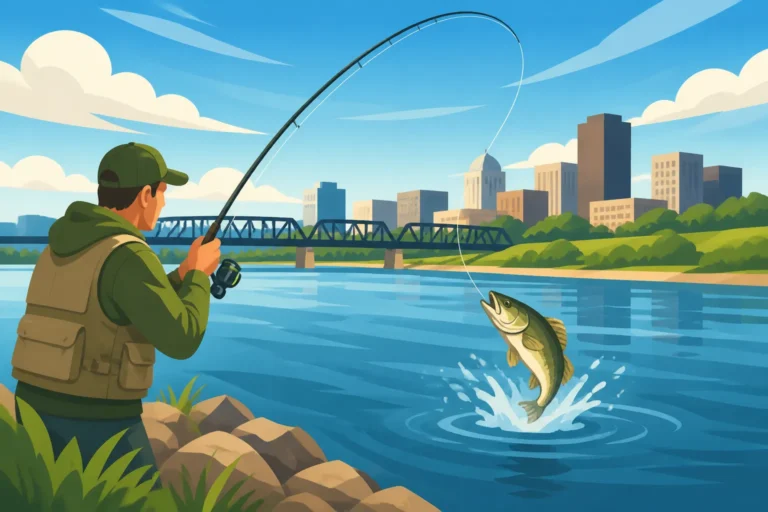
The section directly within and just outside the Bismarck-Mandan metropolitan area is highly accessible and often productive. Public access points like those at Bismarck's General Sibley Park or Mandan's Fort Lincoln State Park provide launching ramps for boats and often good shore access. The current in these areas can be strong, but there are numerous eddies, current seams, and backwaters where smallmouth will hold. The bridges that span the river between Bismarck and Mandan create significant current breaks and underwater structure (piers, rip-rap) that are magnets for smallmouth. Casting near these structures, especially on the upstream side where fish can ambush prey, can be very effective. Anglers often find success working both sides of the main channel here. If you're looking for more general information on fishing this vital waterway, check out the guide, "Missouri River Fishing Through Bismarck, North Dakota."
Moving slightly upstream from Bismarck, the river below the Garrison Dam spillway offers a unique and highly productive environment, albeit one that is subject to strong currents and fluctuating water releases. While this area is famous for walleye and sauger, smallmouth bass also thrive in its turbulent, oxygen-rich waters and rocky bottoms. Access can be found at boat ramps like those near Riverdale. Here, smallmouth will often hold in the seams where fast water meets slower water, or behind any large rocks and current breaks. Downstream from Bismarck, the river continues its meandering course, offering miles of potential smallmouth habitat. This area can be less pressured and rewards exploration. Look for bends in the river, sudden depth changes, and tributary mouths like the Heart River near Mandan. The mixing of waters and introduction of new forage can concentrate smallmouth. Consider exploring the "Missouri River Fishing Below Garrison Dam in North Dakota" article for more details on that specific stretch.
Key Structures to Target
River smallmouth are structure-oriented fish, always looking for places to ambush prey or rest out of the main current. Understanding these structures is paramount.
Rocky Points and Rip-Rap: These are classic smallmouth havens. The rocks provide cover, attract baitfish and crayfish, and often create subtle current breaks. Look for points that extend into the river or areas where rip-rap shorelines transition to natural bank. The depth where the rocks meet the bottom is often a sweet spot. Cast parallel to the bank, letting your lure tumble down the rip-rap, or cast to the tip of the point and work your bait back.
Current Breaks and Eddies: The Missouri River has a consistent flow, and smallmouth will always seek out spots where they can expend minimal energy while waiting for food. This means focusing on current breaks behind large boulders, submerged logs, bridge pilings, or even subtle changes in bottom contour. Eddies, where the water swirls back upstream, are particularly productive as they concentrate food and offer a resting area. Cast into the main current just above the break and let your lure drift into the slower water, or cast directly into the eddy and work it slowly.
Submerged Wood and Drop-offs: While less common than rocky structure in some parts of the Missouri, submerged trees, log jams, and root wads can be exceptional smallmouth cover. These provide shade, ambush points, and often hold baitfish. Fish these areas carefully, as snags are common. Furthermore, sudden drop-offs or ledges, where shallow flats quickly transition to deeper water, are prime locations. Smallmouth will stage along these breaks, especially during seasonal transitions. Using your electronics to identify these contours can be a game-changer.
Essential Techniques and Tackle for Missouri River Smallmouth
Successfully catching smallmouth bass in the Missouri River demands specific techniques and the right tackle to contend with the current and aggressive bites. It's not just about throwing a lure; it's about making that lure look as natural as possible in a dynamic environment.
Best Lures and Presentations
When it comes to lures for Missouri River smallmouth, versatility and durability are key. You'll want baits that can withstand rocky encounters and present effectively in current.
Crankbaits: Medium-diving crankbaits are excellent for covering water and probing rocky areas. Choose colors that imitate crayfish (browns, greens, oranges) or baitfish (silver, chrome, chartreuse). Make sure your crankbait has a tight wobble, which is often more effective in river currents. Cast them upstream or across current and retrieve them at a moderate pace, allowing them to dive and deflect off structure. For deeper areas, a lipless crankbait can be effective, especially when yo-yoed or ripped through current breaks.
Jigs and Soft Plastics: Jigs are perhaps the most versatile smallmouth lure. Hair jigs, tube jigs, and football jigs are all highly effective when tipped with soft plastics like grubs, craws, or creature baits. Colors again lean towards natural hues – greens, browns, and black. The key to jig fishing in current is using enough weight to maintain bottom contact without getting swept away too quickly. Cast upstream and allow the jig to drift naturally downstream, just ticking the bottom. Pay close attention to subtle bites, as smallmouth will often just "thump" the bait. Texas-rigged or Carolina-rigged soft plastics are also excellent for covering rocky bottom with fewer snags. For more insights on choosing the right artificial baits, refer to our article on "Best Lures for Smallmouth Bass in North Dakota."
Topwater Lures: On calmer mornings or evenings, especially during summer, topwater lures can provide explosive strikes. Poppers, walk-the-dog baits, and prop baits can all entice aggressive smallmouth. Target areas with less current, like eddies, slack water behind islands, or along protected shorelines. The visual thrill of a smallmouth blowing up on a topwater is hard to beat!
Rods, Reels, and Line for River Smallmouth
Having the right gear makes a significant difference when fighting strong river smallmouth in current.
Rods: A medium-heavy spinning or casting rod, typically 6'6" to 7'6" in length, is ideal. The medium-heavy power provides the backbone needed to cast heavier lures, set the hook effectively, and horse fish out of current and structure. A fast action tip is preferred for sensitivity and quick hook sets. For techniques like jigging, a slightly shorter, more sensitive rod can be beneficial. For general information on selecting your gear, you might find our guide on "Best Fishing Rods for North Dakota Anglers" quite helpful.
Reels: A reliable spinning reel in the 2500-3000 size range or a baitcasting reel with a good braking system is recommended. Smooth drag is crucial for battling hard-fighting smallmouth, and a decent retrieve speed will help you keep up with fish running with the current.
Line: Braided line in the 10-20 lb test range is a popular choice for river smallmouth. Its lack of stretch offers superior sensitivity, which is vital for detecting subtle bites in current, and its strength allows for pulling lures free from snags. Always tie on a fluorocarbon leader (8-15 lb test) of about 2-4 feet. Fluorocarbon is nearly invisible underwater and offers excellent abrasion resistance, which is important when fishing around rocks. Alternatively, a good quality 8-12 lb fluorocarbon main line can also be effective, offering a balance of sensitivity and stealth. Our guide on "Best Fishing Line for North Dakota Lakes" can give you more details on line choices.
Navigating the Missouri River Safely for Smallmouth
Fishing the Missouri River, especially near a bustling area like Bismarck, comes with its own set of challenges and safety considerations. The river is vast, the current can be strong, and conditions can change rapidly. Prioritizing safety will ensure a successful and enjoyable trip.
Boating Considerations and River Hazards
For most serious smallmouth anglers, a boat is essential for accessing the best spots on the Missouri. However, the river presents various hazards that require careful navigation.
Current and Depth Changes: The Missouri River's current is a constant factor. Always be aware of its strength and direction. When approaching structure, plan your drift or approach so you can present your lure effectively without being swept past your target. The river also has significant depth changes, including sudden drop-offs, submerged sandbars, and shallow flats. Use your boat's sonar and GPS with up-to-date mapping to identify these features and avoid running aground. While the main channel is generally deep enough for navigation, venturing into side channels or near shorelines requires extra caution.
Debris and Obstructions: Especially after heavy rains or during periods of high water, the Missouri River can carry a significant amount of debris, including logs, tree branches, and other floating hazards. Always maintain a vigilant watch, particularly when moving at higher speeds. Submerged trees and log jams are excellent fish habitat but can also be dangerous if you get too close. Be prepared for strong winds that can quickly whip up waves on larger stretches of the river, making navigation challenging.
Navigation Rules and Courtesy: Familiarize yourself with basic boating safety rules and navigation etiquette. Always yield to larger vessels, maintain a safe distance from other anglers, and operate your boat responsibly. Wearing a life jacket, especially during colder months or in swift current, is not just a good idea, it's often legally required for certain individuals or under specific circumstances according to "North Dakota Boat Registration Requirements." Keep an eye out for buoys and markers that indicate navigation channels or hazards.
Weather and Water Conditions
North Dakota weather can be unpredictable, and river conditions can change quickly as a result. Staying informed is vital for safety and fishing success.
Impact of Rain and Runoff: Heavy rainfall in the Missouri River basin, even far upstream, can lead to significant increases in water levels and current speed. This can make fishing challenging, as the river might become murky and fish can be harder to locate. While smallmouth can still be caught in stained water, their location and preferred lures might change. Always check the latest river reports from the U.S. Geological Survey (USGS) or the National Weather Service before heading out. High, muddy water often pushes fish closer to shore or into protected backwaters.
Temperature Fluctuations: Air and water temperatures greatly influence smallmouth bass activity. Rapid drops in air temperature, especially a "cold front," can sometimes put fish into a funk, making them less willing to bite. Conversely, stable weather patterns with gradual temperature changes generally lead to more predictable fishing. Dressing in layers is always a good idea, as mornings can be chilly, and afternoons can warm up significantly. Be prepared for the unexpected; North Dakota weather doesn't mess around! Understanding "Fishing During a Cold Front in North Dakota" can help you adapt your strategy.
Planning Your Smallmouth Bass Trip and Hiring a Guide
A successful fishing trip on the Missouri River for smallmouth bass goes beyond just knowing where to cast. Thoughtful planning, especially if you're new to the area, can dramatically improve your experience and your catch rates.
Optimizing Your Fishing Days
Planning your fishing trip well in advance, considering local conditions and forecasts, is crucial.
Checking Regulations: Before you even think about casting a line, ensure you're up-to-date on all the latest "North Dakota Fishing Regulations Explained." This includes understanding statewide limits, any specific length or creel limits for smallmouth bass on the Missouri River, and general season dates. Regulations can change, so a quick check of the North Dakota Game and Fish Department website is always a good idea. Also, make sure your "North Dakota Fishing License Guide" is in order, whether you're a resident or a nonresident.
Weather and River Forecasts: Always check the long-range and short-term weather forecasts for the Bismarck area. Pay attention to wind speed and direction, as strong winds can make boating the river very uncomfortable and even dangerous. River flows and levels are equally important; these can be checked through various online resources. High water or rapidly changing levels can make fish hard to pattern. Look for periods of stable weather and river conditions for the best fishing.
Time of Day: While smallmouth can be caught throughout the day, low light conditions often provide the best action. Early mornings, late evenings, and overcast days tend to be prime times. During the bright mid-day sun, smallmouth might retreat to deeper water or denser cover, requiring a slower, more deliberate approach.
The Value of a Local Expert
While this guide offers a wealth of information, there's no substitute for firsthand experience, especially on a large and complex system like the Missouri River.
Hiring a Guide: If you're unfamiliar with the Missouri River or just want to maximize your chances of success, consider hiring a local fishing guide. A good guide knows the nuances of the river, understands seasonal patterns, and can put you directly on fish. They have the right equipment, understand the local "North Dakota Fishing Season Dates and Limits," and can teach you techniques tailored to the specific conditions of the day. They can also navigate safely and efficiently, allowing you to focus purely on fishing. Platforms like FishingBooker can connect you with experienced, local North Dakota fishing guides who specialize in species like smallmouth bass on the Missouri River. This can be an invaluable investment for a memorable and productive trip.
Learning from Experience: Even if you choose not to hire a guide for every trip, observing other successful anglers (from a respectful distance!), talking to bait shop owners, and reading local fishing reports can provide invaluable insights. The more time you spend on the water, the more you'll learn about the subtle cues and patterns of the Missouri River's smallmouth bass. Don't be afraid to experiment with lures and techniques; what worked yesterday might not work today, and that's part of the fun and challenge of river fishing!
| Season | Preferred Habitat | Key Lures | Techniques | Notes |
|---|---|---|---|---|
| Spring | Shallow rock points, rip-rap, current breaks | Jerkbaits, crankbaits, jigs with craw plastics | Slow retrieve, pausing, working structure | Pre-spawn, fish moving shallow for warmth. |
| Summer | Deep rocky structure, current seams, submerged wood | Spinnerbaits, topwater, jigs, soft plastics | Faster retrieves, targeting ambush points, topwater at low light | Active feeding, spread out along current breaks. |
| Fall | Rocky main channel edges, deeper breaks | Crankbaits, jigs, blade baits | Slower, deliberate retrieves, probing deep structure | Post-spawn feeding binge, gradually moving deep. |
| Winter | Deep holes, slack water, slow main channel | Blade baits, vertical jigging, suspending baits | Very slow presentations, subtle movements | Fish are lethargic, focus on depth and minimal current. |
Disclaimer
Please remember that fishing conditions, regulations, and fish behavior can change. Always consult the official North Dakota Game and Fish Department website for the most current rules and information before planning your trip. Practice safe boating and angling, and always prioritize conservation to ensure these incredible fisheries remain healthy for future generations.