Best Time to Fish the Garrison Dam Spillway
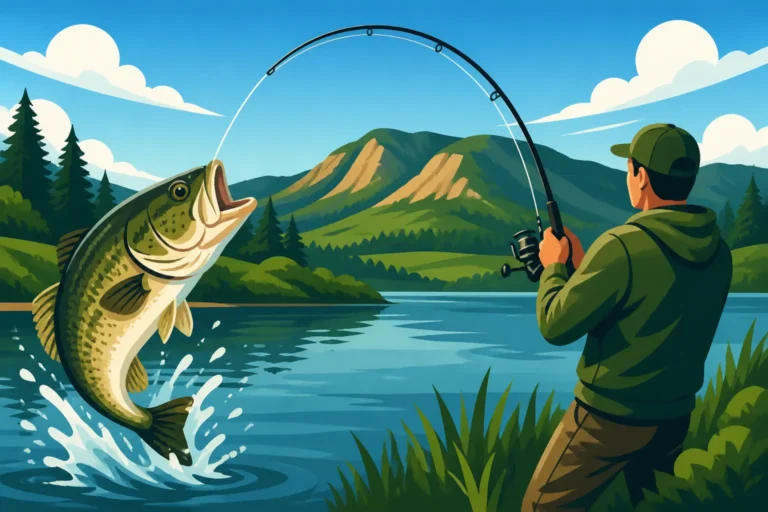
Many anglers find themselves staring at the vast, dynamic waters below the Garrison Dam Spillway, wondering when the stars will align for that perfect bite. It’s a truly epic North Dakota fishing destination, but its constantly changing conditions can make timing your trip a real head-scratcher. This comprehensive guide will peel back the layers of this challenging yet rewarding fishery, helping you pinpoint the absolute best times to hit the Garrison Dam Spillway for various species and make your next outing a memorable success.
Understanding the Unique Dynamics of the Garrison Dam Spillway Fishery
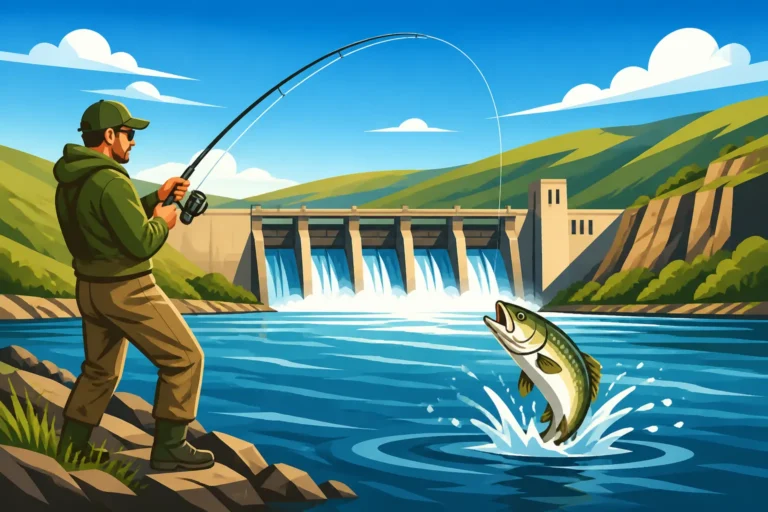
The Garrison Dam Spillway isn't just any stretch of river; it's a powerhouse of water movement and fish activity, largely dictated by the massive Garrison Dam. The sheer volume of water released, the fluctuating current speeds, and the changes in water temperature create a constantly evolving environment. This isn't your peaceful, stagnant lake; it's a wild, untamed section of the Missouri River where understanding the flow is key to understanding the bite.
The Impact of Dam Operations and Water Release
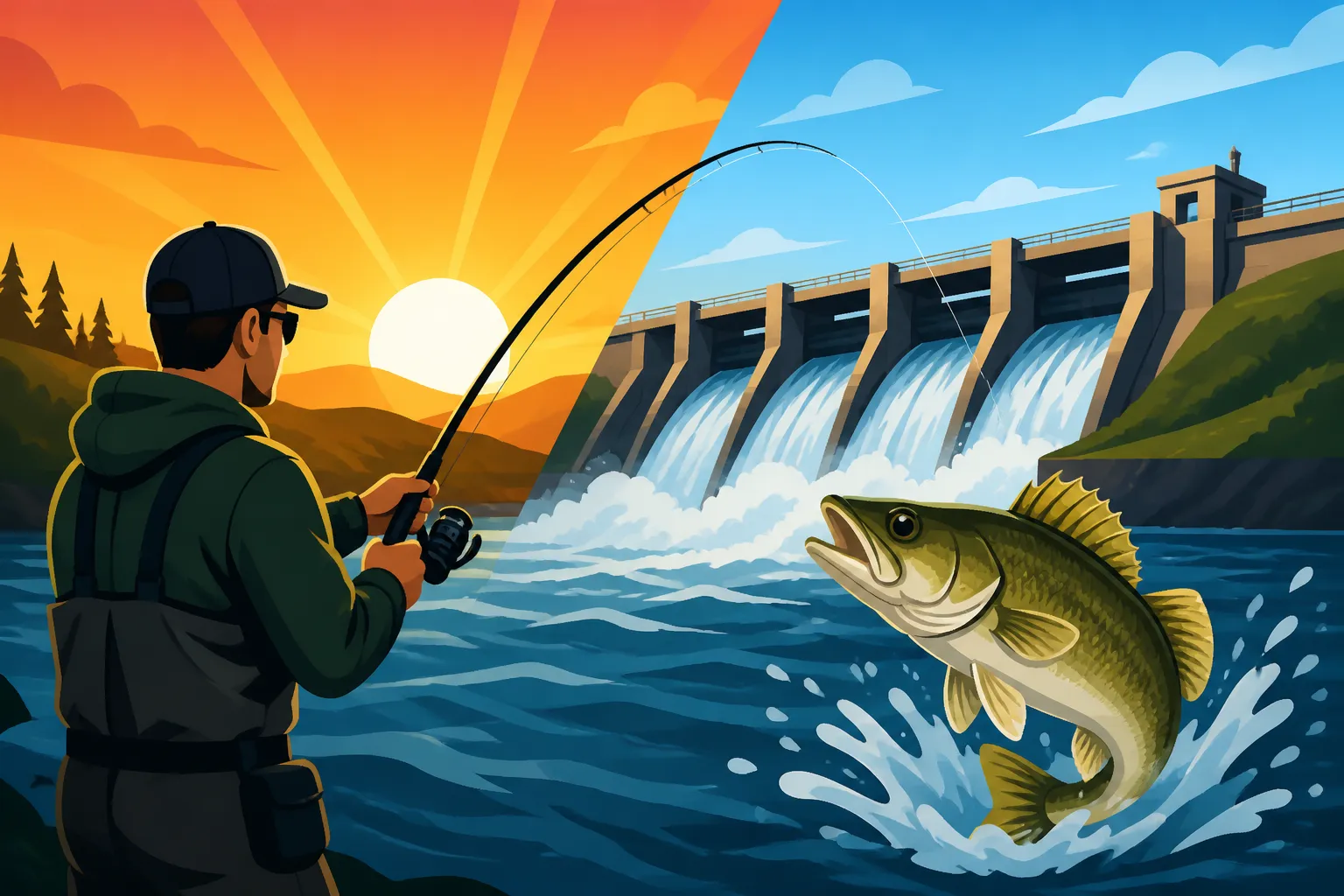
The U.S. Army Corps of Engineers manages the releases from Garrison Dam, and these operations are the single biggest factor influencing fishing success in the spillway. When the dam is releasing a lot of water, the current can be incredibly strong, making it tough to hold bottom with your bait or lure. This often requires heavier weights or different techniques to get your presentation into the strike zone. Conversely, lower flows can concentrate fish in specific areas, making them more predictable and easier to target with lighter gear. Anglers often check the daily discharge rates, usually measured in cubic feet per second (cfs), as a primary predictor of fishing conditions. You'll find that a consistent flow, whether consistently high or consistently low, is often easier to fish than conditions that are rapidly changing throughout the day, which can throw fish off their feed and make them less willing to bite. It's a constant dance with Mother Nature and the Corps, which is why local knowledge or a quick call to a tackle shop near Riverdale can make a huge difference in your approach.
Key Fish Species to Target in the Spillway
The Garrison Dam Spillway is a vibrant ecosystem supporting a diverse range of fish. While walleye and sauger often steal the spotlight, thanks to their delicious table fare and aggressive bites, there are plenty of other exciting species to pursue. You'll find a healthy population of common carp, which can provide a powerful, drag-screaming fight for those targeting them with heavier setups. White bass often school up in large numbers, offering fast and furious action, especially during warmer months when they're actively chasing baitfish. Catfish, particularly channel cats, thrive in the moving water and can be targeted effectively with various baits, especially in slower eddies or deeper holes. And let's not forget the occasional smallmouth bass that might surprise you near rocky structure, providing a hard-hitting fight. The sheer diversity of species means that even if one particular fish isn't biting, another might be ready to play, keeping your fishing interesting and productive throughout the day. This area is truly known for its fantastic opportunities, as highlighted in the broader guide to Missouri River Fishing Below Garrison Dam in North Dakota.
Seasonal Strategies for Fishing the Garrison Dam Spillway
Like any dynamic fishery, the Garrison Dam Spillway has distinct seasonal patterns that dictate the best times to target specific species. Adapting your approach with the changing seasons is absolutely crucial for consistent success and making the most of your time on the water.
Spring: The Wake-Up Call for Walleye and Sauger
Spring is an electrifying time at the Garrison Dam Spillway. As the stubborn North Dakota ice finally melts off the larger lakes and the Missouri River begins to warm, walleye and sauger become incredibly active. This period, usually spanning April and May, often sees the dam increasing its water releases, creating strong currents that sweep baitfish into specific feeding lanes. Early spring sees these fish congregating as they recover from spawning or prepare for it, making them quite accessible. They're often hungry and less finicky about presentations, which is music to an angler's ears. This is a prime window for targeting them with jigs tipped with minnows, or even crankbaits fished in current breaks and eddies. The water clarity can sometimes be a challenge with spring runoff and snowmelt, but experienced anglers know how to adapt their lure colors and retrieve speeds. For a more general overview of these prized game fish, check out our guide on the North Dakota Walleye Fishing Guide and North Dakota Sauger Fishing Guide.
Summer: Diverse Opportunities and Consistent Bites
Summer at the spillway offers a mixed bag of opportunities. While the intense heat of July and August can sometimes slow the walleye and sauger bite during the brightest parts of the day, the early mornings and late evenings often remain incredibly productive. This is also a fantastic time for other species that thrive in warmer water. Channel catfish become much more active, readily taking cut bait, stink baits, or even large nightcrawlers fished on the bottom. White bass can be found schooling and feeding aggressively on shad and other baitfish, particularly when current is strong and bait is concentrated. Smallmouth bass will be patrolling rocky areas and points, eager to strike at crankbaits, jigs, or soft plastics. If you're planning a trip during the summer, especially if you're traveling from out of town, consider booking a local guide through platforms like FishingBooker to get up-to-the-minute reports on what's biting and where, as conditions can change daily based on dam operations and weather.
Fall: Trophy Potential and Chinook Salmon Runs
Autumn might just be the most magical time to fish the Garrison Dam Spillway. As water temperatures begin to cool, many fish species enter a frantic feeding frenzy, instinctively bulking up for the long North Dakota winter. Walleye and sauger can be incredibly aggressive, and this is often when some of the largest fish of the year are caught, offering true trophy potential. The cooler, more stable water conditions often make for fantastic and comfortable fishing. But what truly sets fall apart at the spillway is the highly anticipated Chinook salmon run. While Lake Sakakawea is their primary home, mature salmon will stage near the dam and sometimes enter the spillway in September and October, drawn by the currents, making for an unforgettable angling experience on heavy tackle. It's a short but intense window, so planning ahead is key to hitting this incredible migration. Our North Dakota Chinook Salmon Fishing Guide provides more detail on targeting these impressive sport fish.
Winter: Ice Fishing Considerations and Unique Opportunities
While the immediate spillway area itself usually remains open water due to strong currents and dam releases, making traditional ice fishing impossible and incredibly dangerous, the downstream stretches of the Missouri River can offer unique winter fishing opportunities. These opportunities often focus on areas with slower flows, deeper pools, or backwater eddies that might freeze over. Ice fishing directly in the high-current areas of the spillway is generally not recommended and can be incredibly dangerous due to unpredictable ice formations and strong undercurrents that can erode ice from below. Always prioritize safety above all else. However, nearby Lake Sakakawea and other impoundments like Lake Audubon do freeze solid and offer excellent, safe ice fishing for a variety of species. For those looking for calmer winter waters, exploring options in the Best Ice Fishing Lakes in North Dakota is a much safer and often more productive bet, where you can target perch, pike, and walleye through the ice.
Daily Timing and Environmental Factors for Spillway Success
Beyond the broad seasonal changes, the daily rhythm and specific environmental cues play a massive role in whether your fishing trip to the Garrison Dam Spillway is a bust or a boom. Paying close attention to these subtle (and not-so-subtle) factors can dramatically increase your chances of success and help you optimize your time on the water.
Peak Feeding Times: Dawn, Dusk, and Beyond
Like most fish species, those in the flowing waters of the Garrison Dam Spillway often have peak feeding times associated with low light conditions. Dawn and dusk are universally excellent times to be on the water. The reduced light gives visual predators like walleye and sauger a distinct advantage over their prey, making them more active and willing to strike. However, the spillway's unique, current-driven environment means these "rules" can sometimes be bent or even broken. Strong currents or significant water releases can trigger opportunistic feeding activity at any time of day, even under bright sun, as disoriented baitfish become easy targets. During slower periods in the summer, especially on hot days, night fishing for catfish can be exceptionally rewarding, as these nocturnal feeders truly come alive after the sun dips below the horizon. Sometimes, the best bite will occur when the conditions are most uncomfortable for the angler – think overcast skies, light rain, or even snowfall, which can surprisingly turn the fish on.
The Influence of Current and Water Levels
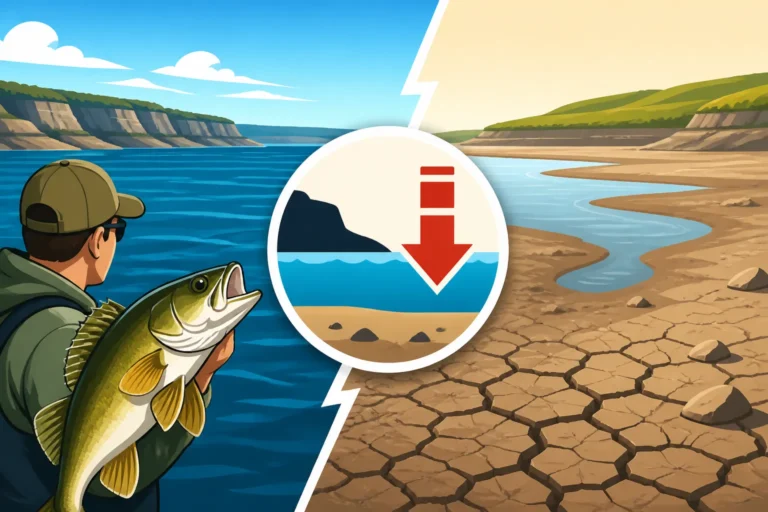
This is arguably the most critical factor for successful spillway fishing. Fish in flowing water orient themselves to the current, using it to ambush prey or conserve energy by holding in slower seams. When the current is too strong, fish will often tuck into eddies, behind large rocks, or in deeper holes to escape the main flow, making them harder to find and sometimes less active. When the current is too slack, they might disperse widely across the river, becoming harder to locate. The "Goldilocks" zone for current – not too fast, not too slow – is often the most productive. Monitoring the U.S. Army Corps of Engineers' daily discharge schedule for the Garrison Dam can give you a significant advantage and help predict fish behavior. If you can time your trip for when the releases are stable or slightly increasing, you're often in for better action. Many experienced anglers will look for online resources or fishing forums to get real-time updates on these critical factors, or even consider hiring a guide through services like FishingBooker who has their finger on the pulse of the daily changes. Our detailed guide on How to Fish Current Seams on the Missouri River can provide even more specialized advice on this effective technique.
Weather Patterns and Barometric Pressure
North Dakota weather is notoriously fickle, and the Garrison Dam Spillway is no exception to its unpredictability. While a clear, bluebird sky with high-pressure day might seem ideal to us humans, it can often correlate with slower fishing activity for many species. Conversely, stable low-pressure systems, often associated with overcast skies or light, consistent rain, can really turn the bite on, especially for walleye and sauger. Rapid changes in barometric pressure, like those right before or immediately after a major storm front, can sometimes trigger a frantic feeding frenzy, but can also shut fish down completely for a period. Wind, too, plays a complex role. A moderate chop on the water can break up sunlight penetration and activate fish, especially in shallower areas, while extremely high winds can make boat control impossible, reduce visibility, and make fishing challenging and potentially dangerous. Always check the comprehensive weather forecast before heading out to the spillway and be prepared for anything Mother Nature can throw at you.
Here's a quick summary of general seasonal and daily considerations for the Garrison Dam Spillway:
| Season | Primary Target Species | Best Times of Day | Key Environmental Factors | Notes |
|---|---|---|---|---|
| Spring | Walleye, Sauger, Northern Pike | All Day, especially mid-morning/late afternoon | Increasing Flows, Warming Water, Post-Spawn Feeding | Excellent opportunity for active fish. Be mindful of runoff. |
| Summer | Catfish, White Bass, Walleye | Early Morning, Late Evening, Night (Catfish) | Warmer Water, Stable Flows, Stronger Daytime Current | Diverse species. Heat can slow mid-day walleye/sauger bite. |
| Fall | Walleye, Sauger, Chinook Salmon, Northern Pike | All Day, especially mid-morning/late afternoon | Cooling Water, Chinook Runs, Fish Feeding Heavily | Arguably the best overall fishing, especially for trophies. |
| Winter | (Downstream areas only) | Mid-day in areas with slower current or eddies | Slowed Flows, Deeper Pools, Ice Safety Critical | Direct spillway generally unfishable/unsafe due to strong current. |
Essential Tips for a Productive Spillway Fishing Experience
Successfully navigating the challenging but rewarding waters of the Garrison Dam Spillway requires more than just good timing; it demands preparation, the right gear, and a solid understanding of local regulations. Don't let your excitement overshadow these crucial details, as they can truly make or break your trip.
Gear Selection: Rods, Reels, and Line
Given the strong currents and the potential for hooking into large, hard-fighting fish, your fishing gear needs to be robust and up to the task. Medium-heavy to heavy power rods, typically ranging from 6'6" to 7'6" in length, paired with sturdy spinning or baitcasting reels, are generally recommended. For fishing line, many seasoned anglers opt for braided line (20-30 lb test) for its incredible sensitivity, minimal stretch, and superior strength, often tying on a fluorocarbon or monofilament leader (10-20 lb test) for added abrasion resistance against rocks and invisibility to wary fish. This setup allows you to feel subtle bites even in strong current and effectively battle the powerful fish that call this river home. Lure selection is critical as well: heavy jigs (1/2 oz to 1 oz or even more, depending on current strength and depth), bottom bouncers, and stout crankbaits that can dive effectively in current are staples. Don't forget a good, sturdy landing net; trying to land a trophy walleye or a massive channel cat in swift current by hand is a recipe for disaster! Our Best Fishing Rods for North Dakota Anglers guide offers more generalized advice, but definitely lean towards heavier gear for the unique challenges of the spillway.
Bait and Lure Strategies for Current
Fishing in current is a different beast entirely compared to fishing in still water. You need baits and lures that can quickly get down to where the fish are holding and then stay in the strike zone without being swept away. Live bait, especially large shiners, fathead minnows, or cut bait (for catfish), fished on a three-way rig or a heavy slip sinker setup, can be incredibly deadly. The natural scent and action of live bait are often irresistible to hungry fish. For artificials, jigs tipped with soft plastics or even pieces of live bait are go-to choices. Think about jigging aggressively to attract attention, or using a slow, controlled drift to present your offering naturally down current. Trolling crankbaits that are specifically designed for river current, often with heavier bills to dig deep and maintain their running depth, can also be very effective. The key is to present your bait in a way that looks easy for the fish to ambush without expending too much energy fighting the current. If you're unsure about what's working best on a particular day, consider consulting a local expert or guide through FishingBooker; they often have up-to-the-minute insights on successful presentations and bait choices.
Safety First: Navigating Strong Currents and Changing Conditions
Safety at the Garrison Dam Spillway cannot be overstated. The currents can be deceptively powerful, and conditions can change rapidly and without warning. Always wear a U.S. Coast Guard-approved personal flotation device (PFD), especially if you're boating or wading near the main flow. If wading, always use a wading staff for stability, never wade alone, and never venture into unfamiliar areas or water that seems too deep or fast. Be acutely aware of submerged hazards like rocks and debris, sudden depth drops, and swift undertows. Boat operators must be highly experienced in navigating strong river currents and always be vigilant for floating debris. Keep a constant eye on the weather forecast and dam release schedules; a sudden increase in flow can quickly turn a calm outing into a dangerous situation. Remember, no fish is worth risking your life over. It's also vital to always adhere to the North Dakota Fishing Regulations Explained to ensure a safe and legal outing.
Permits, Licenses, and Regulations
Before you even think about casting a line, ensure you have all the necessary permits and licenses. A valid North Dakota fishing license is required for all residents 16 years and older and for all non-residents 16 years and older. Depending on what you're targeting, there might be specific tags or endorsements needed, such as for paddlefish, which require a special lottery draw. Always check the current North Dakota Game and Fish Department (NDGFD) regulations booklet or their website for the most up-to-date information on limits, seasons, and any special rules pertaining to the Missouri River system and the Garrison Dam Spillway area. For instance, the rules for How Many Lines Can You Fish With in North Dakota? can vary by water body and season. Ignorance of the law is never an excuse, and game wardens actively patrol this popular area. A good starting point for understanding all requirements is always our comprehensive North Dakota Fishing License Guide.
Respecting the Resource and Other Anglers
The Garrison Dam Spillway is a heavily trafficked area, especially during peak seasons. Practicing good angling etiquette is essential for everyone's enjoyment. Always maintain a respectful distance from other anglers, especially if they are actively fighting a fish. Dispose of all trash properly – remember the mantra: pack it in, pack it out, leaving no trace behind. Consider practicing catch-and-release, especially for larger breeding-size fish, to help sustain the fishery for future generations. If you decide to keep fish, know your limits, handle your catch ethically, and clean your fish responsibly, avoiding discarding carcasses in public areas. Being a courteous and conservation-minded angler helps ensure everyone can continue to enjoy this incredible North Dakota fishing hotspot for years to come.
Disclaimer
Fishing carries inherent risks, and conditions at the Garrison Dam Spillway can change rapidly. Always prioritize your safety, wear appropriate personal flotation devices, and exercise extreme caution. This guide is for informational purposes only and does not replace official regulations or professional safety advice. Refer to the North Dakota Game and Fish Department for the most current rules and safety guidelines.