How to Fish Current Seams on the Missouri River
Fishing on the Missouri River is an incredible experience, offering opportunities for a variety of species, but it also presents a unique challenge: the current. Many anglers, especially those new to river fishing, can feel overwhelmed trying to figure out where the fish hold in such dynamic water. This comprehensive guide will demystify current seams on the Missouri River, showing you exactly how to identify them, what gear you'll need, and the most effective techniques to fish these productive areas, helping you land more fish and gain confidence in river angling.
Understanding Missouri River Current Seams
The Missouri River isn't a static body of water; it's a living, breathing system with intricate flows and eddies. Understanding these movements is the first step to unlocking its fishing potential. When you grasp how water behaves, you start to see the river not as a chaotic force, but as a series of predictable holding areas for fish.
What is a Current Seam?
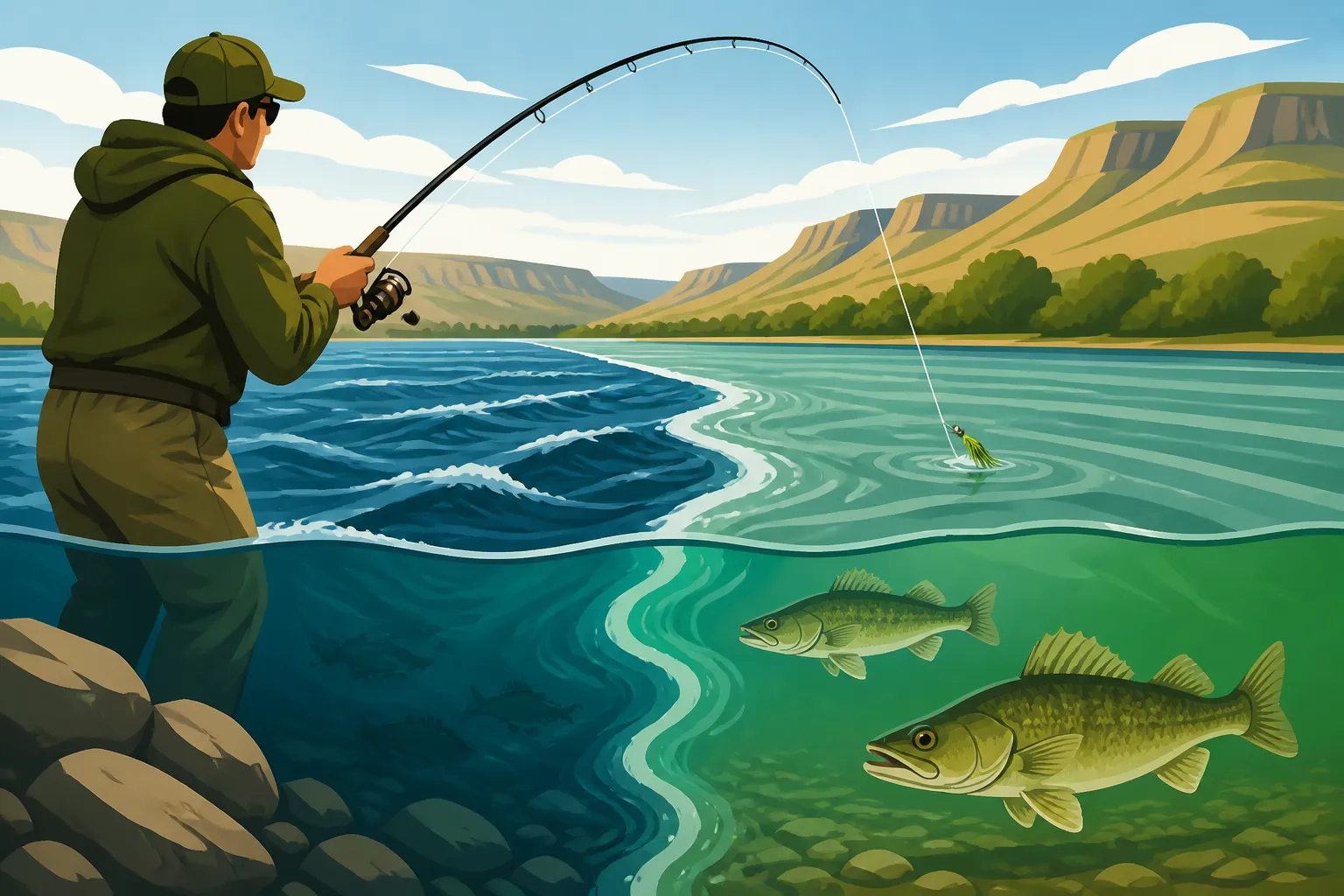
Think of a current seam as a boundary line where two different speeds of water meet. Imagine a fast-moving river current flowing alongside a slower current or even still water, like in an eddy. The visible line, often marked by a foam line, debris, or a subtle change in water texture, is the current seam. These seams aren't always perfectly straight; they can curve, swirl, and change with the river's contours. They form anywhere there's a break in the main flow: behind bridge pilings, around submerged structures, along the edges of sandbars, at creek mouths, or even where a major tributary joins the main river. The Missouri River Fishing Guide gives a great overview of the river itself.
The dynamics at play are fascinating. The faster water rubs against the slower water, creating a "friction zone." This isn't just a visual phenomenon; it's a critical area for fish. The transition zone creates a slight pressure differential and often accumulates food. It’s where the river delivers sustenance to fish without them having to expend excessive energy fighting the main current. These areas are constantly changing based on discharge rates from dams like Garrison Dam, recent rainfall, and even wind direction, so what was a prime spot yesterday might be less productive today.
Why Fish Hold in Current Seams
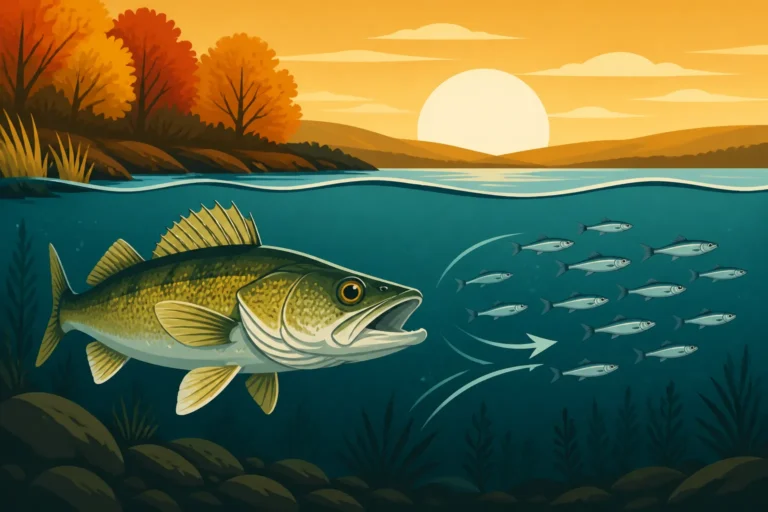
Fish are opportunistic creatures, and above all, they are energy conservers. Fighting a strong current all day long is exhausting, so they naturally seek out places where they can rest, yet still have access to food. Current seams provide the perfect balance. They offer a "sweet spot" where fish can sit comfortably in the slower water, just out of the main force of the current, and wait for food to be swept past them in the faster flow. It’s essentially a natural conveyor belt for baitfish, insects, and other forage.
Consider a walleye or a channel catfish. They don't want to burn calories unnecessarily. By positioning themselves along a current seam, they can dart out into the faster water to snatch a passing meal and then retreat to the less strenuous zone. It's like having a restaurant right next to your comfortable armchair. These seams also provide a measure of ambush cover. The turbulent water at the seam can obscure a predator's presence, allowing them to surprise unsuspecting prey. Knowing Seasonal Fish Movement Patterns in North Dakota Lakes can further inform when fish might be holding in these areas more or less actively.
Identifying Productive Current Seams
Spotting a current seam is one thing, but knowing which ones are truly productive takes practice and observation. Visually, look for distinct foam lines, lines of floating debris, or sudden changes in water color or surface ripple. If you see a clear line where choppy water meets calm water, you've likely found a seam. Often, you'll see a distinct change in the water's surface, almost like a visible crease. Pay attention to structure as well; bridge pilings, large rocks, fallen trees, and sharp bends in the river often create ideal current breaks.
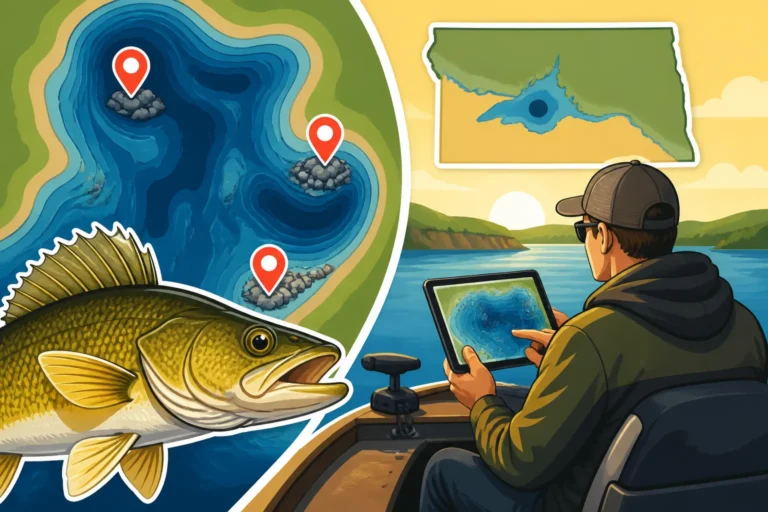
Beyond visual cues, your sonar or fish finder is an invaluable tool. Look for schools of baitfish congregating along these transition zones. Productive seams often hold baitfish because that's where their food collects, and where they feel safer from the strongest currents. Where there are baitfish, predatory fish won't be far behind. Your electronics can also help you identify submerged structure like drop-offs, humps, or old river channels that create current breaks below the surface, even if they aren't visible from above. The Best Fish Finders for North Dakota Lakes can be a huge asset in this regard.
Essential Gear and Tackle for Current Seam Fishing
Successfully fishing current seams on the Missouri River demands specific gear that can handle the power of the water and present your lure or bait effectively. You can't just use your typical calm-lake setup here; you need something with a bit more backbone.
Rods, Reels, and Line Choices
When you're battling current, you need rods that are robust enough to handle the strain and still provide sensitivity. For walleye and sauger, a medium-heavy to heavy power spinning or baitcasting rod, typically 6'6" to 7'6" in length, is ideal. This extra power helps you control your lure in the current and set the hook effectively against strong resistance. For heavier species like channel catfish, you might even step up to an even heavier rod.
Your reel should be equally robust. A quality spinning reel in the 3000-4000 series or a baitcasting reel with a good drag system is recommended. The retrieve ratio isn't as critical as the smooth, consistent drag, which will be tested when a fish hits in strong current.
Line choice is paramount. Braided line, with its minimal stretch and thin diameter for its strength, is often the go-to for current fishing. It cuts through the water better, reducing bow in your line from the current, which improves sensitivity and control. A 10-20 lb test braided mainline is common for walleye and sauger, often with a 6-12 lb fluorocarbon leader to provide invisibility and abrasion resistance. For species like catfish, you might go heavier, perhaps 20-30 lb braid. Fluorocarbon leaders are essential because the main braided line can be quite visible in clearer water, and the abrasion resistance protects against unseen snags on the river bottom. Many excellent options can be found on Amazon.
Lure and Bait Selection
The Missouri River's current seams are diverse, and so should be your tackle box. Jigs are foundational. Think heavier jigs, from 3/8 oz to 1 oz or even more, depending on current speed and depth. Tipping jigs with soft plastics like paddle tails or grubs, or live bait like minnows or nightcrawlers, is incredibly effective. For colors, natural tones often work, but don't shy away from brighter colors like chartreuse or orange in stained water. The Best Jig Head Weight for Deep Water Walleye will give you more specific guidance on jigging tactics.
Crankbaits are fantastic for trolling along current seams, especially when fish are suspended or actively chasing bait. Deep-diving crankbaits that can get down to the fish's depth are key. Colors vary, but shad and perch patterns are perennial favorites. Experiment with different lip designs to find baits that dig into the current without blowing out. Look at Best Crankbait Diving Depth for Trolling for more on selecting the right crankbaits.
Bottom bouncers are another current-friendly presentation, particularly for walleye and sauger. Paired with spinner rigs or snelled hooks dressed with live bait (minnows, worms, leeches – check out Best Live Bait for North Dakota Walleye), they keep your offering tantalizingly close to the bottom while maintaining control in the current.
Anchoring and Boat Positioning
Boat control is arguably the most critical aspect of fishing current seams. Without it, you'll be constantly fighting the river instead of fishing it. A good anchoring system is indispensable. You'll often need two anchors – one off the bow and one off the stern – to precisely position your boat and hold it steady in strong currents. River anchors, like those with flukes or grappling designs, are excellent for digging into the varied river bottom. Depending on the size of your boat and the strength of the current, you'll want heavy anchors, often 20-30 lbs each, with plenty of rope.
For those with trolling motors, a strong thrust motor with GPS spot-lock capabilities is a game-changer. Brands like Minn Kota and MotorGuide offer models that can hold your boat perfectly in place, even in significant current, freeing you up to focus on fishing. If you're considering one, check out Best Trolling Motors for North Dakota Lakes to see what's available. This precision allows you to work a seam thoroughly without constantly repositioning or battling your boat. Whether anchoring or using a trolling motor, positioning your boat strategically upstream of where you want to fish, allowing your bait to drift naturally into the seam, is key. Learning How to Anchor in Current for Catfish will give you excellent insights, even if you're targeting other species.
Techniques for Fishing Current Seams Effectively
Once you understand where the fish are likely holding and what gear to use, it's time to put it all into practice with proven techniques. Fishing current seams requires a methodical approach and often a bit of finesse, even with heavy tackle.
Jigging the Seams
Jigging is a highly effective method for targeting fish holding tight to the bottom in current seams. The key is to use enough weight to maintain bottom contact without getting swept away, but not so much that your presentation looks unnatural. Vertical jigging directly below the boat, especially if you have a spot-lock trolling motor, allows for precise control. Drop your jig to the bottom, then lift and drop it, letting the current impart action. Keep your line as vertical as possible for the best feel.
Another deadly technique is pitching jigs upstream. Cast your jig at a 45-degree angle upstream from your boat, let it sink, and then retrieve it slowly, allowing it to "walk" the bottom as it drifts downstream into the current seam. This mimics a baitfish being swept along the current. Pay close attention for subtle taps or a sudden feeling of weight – strikes can be very light in current. This technique works exceptionally well for walleye and sauger on the Missouri River, especially in the stretches around Bismarck, as described in Missouri River Fishing Through Bismarck, North Dakota.
Trolling Along Current Breaks
Trolling is an excellent way to cover water and locate active fish along extended current seams. This often involves running deep-diving crankbaits or bottom bouncer setups. The challenge is controlling your speed relative to the current. You might need to troll significantly faster or slower than your typical lake speeds to achieve the desired lure action and depth. Downstream trolling (with the current) can allow for slower lure speeds and precise presentations, while upstream trolling (against the current) often requires more power but can keep your lures running deeper and more directly.
When trolling, pay close attention to the depth of the current seam and the surrounding structure. Use your fish finder to track the bottom and adjust your speed and line out to keep your lures in the strike zone. Trolling contour lines or along the edges of submerged sandbars that create current breaks can be incredibly productive. For instance, in the stretches of the Missouri River below Garrison Dam, as detailed in Missouri River Fishing Below Garrison Dam in North Dakota, trolling along current-swept ledges can entice larger fish. Remember, you can find a huge variety of crankbaits suitable for trolling on Amazon.
Bottom Bouncing and Live Bait Rigs
Bottom bouncing is a classic river fishing technique that excels in current seams. The design of a bottom bouncer allows it to "bounce" along the riverbed with minimal snagging, while the attached snelled hook or spinner rig trails slightly above, presenting live bait in a very natural way. This method is particularly effective when fish are hugging the bottom and are less inclined to chase a fast-moving lure.
Common live baits include large shiner minnows, nightcrawlers, or leeches. Threading a nightcrawler onto a snell or hooking a minnow through the lips allows it to swim enticingly behind the bouncer. The weight of your bottom bouncer is critical; it needs to be heavy enough to maintain bottom contact but light enough to occasionally "trip" and move along. Typically, you'll use 1-3 oz bouncers, adjusting for current speed and depth. Slowly drift or motor upstream, just fast enough to keep the bouncer occasionally tapping the bottom, and let the current do the work of presenting your bait. This is a top choice for walleye, sauger, and even larger perch that frequent these areas.
Casting and Drifting
Sometimes, the most effective approach is a controlled drift or casting directly into the seam. If you're in a boat, you can make a long drift downstream, casting various lures – jigs, spinners, or even small crankbaits – into the current seam as you go. The key is to maintain boat speed roughly equal to the current, allowing your lure to sink and drift naturally without excessive drag.
For shore anglers or those in smaller vessels like kayaks, fan casting parallel to the bank or out to a visible seam can be very productive. Cast slightly upstream of the seam, let your lure sink, and then slowly reel it in as it sweeps past. This method is excellent for covering a wider area and can be particularly effective during periods of active feeding. A quality spinning combo from Amazon can handle this type of casting with ease. Don't be afraid to experiment with different retrieve speeds and lure actions until you find what the fish are responding to on a given day.
Safety and Practical Tips for River Fishing
The Missouri River is magnificent, but it demands respect. Strong currents, changing conditions, and varied depths mean that safety should always be your top priority. Beyond safety, a few practical tips can make your time on the water more enjoyable and productive.
Navigating Strong Currents
Never underestimate the power of the Missouri River's current. If you're in a boat, always wear your life jacket, and ensure all passengers, especially children, wear theirs. When navigating, understand that the river will push your boat. Always approach obstacles like bridge pilings or wing dikes from upstream, giving yourself plenty of room to maneuver. If your motor stalls in current, immediately drop an anchor (if safe to do so) to prevent being swept downstream uncontrollably.
Be mindful of submerged hazards. Logs, sandbars, and rock piles can appear suddenly or shift with current changes. If you're unfamiliar with a section of the river, proceed with caution, keep an eye on your depth finder, and watch for other boaters. For those operating larger vessels, understanding Best Boats for River Fishing in North Dakota can help you select a craft that can safely handle these conditions. Always let someone know your float plan, including where you're launching, where you intend to fish, and when you expect to return.
Weather and Water Conditions
Weather plays a huge role in river fishing. High winds can make boat control nearly impossible, even with a powerful trolling motor. Strong winds blowing against the current create steep, choppy waves that can be dangerous. Always check the forecast before heading out. Heavy rainfall upstream can lead to rapidly rising water levels and increased current speeds, which can alter fish behavior and create new hazards.
Water temperature and clarity are also critical. Fish activity often correlates with water temperature, and drastic changes can put fish off the bite. Clear water might call for lighter lines and more natural presentations, while stained or muddy water might require louder, more vibrant lures. Keep a keen eye on these conditions, as they'll inform your lure choices and fishing strategies.
Environmental Responsibility
As anglers, we have a responsibility to protect the beautiful waters we enjoy. Always practice "Leave No Trace" principles. Pack out everything you pack in, including all fishing line, bait containers, and food wrappers. Do not litter. Dispose of fish waste properly, away from boat ramps and public access points.
Respect private property along the riverbanks. Obtain permission before accessing private land for shore fishing. Understand and adhere to all North Dakota Game and Fish Department regulations regarding catch limits, size restrictions, and fishing seasons. These rules are in place to ensure healthy fish populations for future generations. Check the official regulations booklet before each season, as rules can change. By being responsible stewards of the environment, we ensure that the Missouri River remains a fantastic fishing destination for everyone.
| Technique | Ideal Conditions | Target Species | Key Gear Considerations |
|---|---|---|---|
| Vertical Jigging | Fish holding tight to bottom in strong current | Walleye, Sauger, Catfish | Heavy jigs (3/8oz+), Sensitive rod, Spot-lock trolling motor |
| Pitching Jigs | Fish near structure or seams, moderate current | Walleye, Sauger | Medium-heavy rod, Braided line, Variety of jig weights |
| Trolling Crankbaits | Covering water, suspended fish, longer seams | Walleye, Sauger, Pike | Deep-diving crankbaits, Rod holders, Trolling motor/main motor |
| Bottom Bouncing | Fish hugging bottom, slower drifts, live bait | Walleye, Sauger, Smallmouth Bass | 1-3oz bottom bouncers, Spinner rigs, Live bait |
| Casting & Drifting | Exploring new areas, variable depths, active fish | Walleye, Sauger, Bass, Catfish | Versatile lures (jigs, spinners), Good casting rod |
Disclaimer
This article is for general informational purposes only and does not constitute professional advice. Laws, prices and regulations vary by location and change over time. Consult a qualified professional for guidance on your specific situation.