Best Trolling Speed for Chinook Salmon
Few things are more frustrating for a North Dakota angler than targeting elusive Chinook Salmon on Lake Sakakawea and feeling like you're just dragging lures aimlessly. Getting your trolling speed just right is one of those critical, often overlooked, details that can turn a slow day into an epic one, and this guide is here to walk you through exactly how to dial it in for those powerful silver torpedoes.
Why Trolling Speed Matters for Chinook Salmon
When you're out on the vast waters of Lake Sakakawea, trying to entice a wary Chinook Salmon, every little detail matters. Unlike some other species that might be more forgiving, Chinook are often particular about how their meal is presented. Trolling speed isn't just a number on your GPS; it's the conductor of your underwater symphony, influencing everything from lure action to how those salmon perceive your offering. Getting it wrong means your expensive gear might just be getting a scenic tour of the lake bottom without any interested onlookers.
Mimicking Baitfish Movement
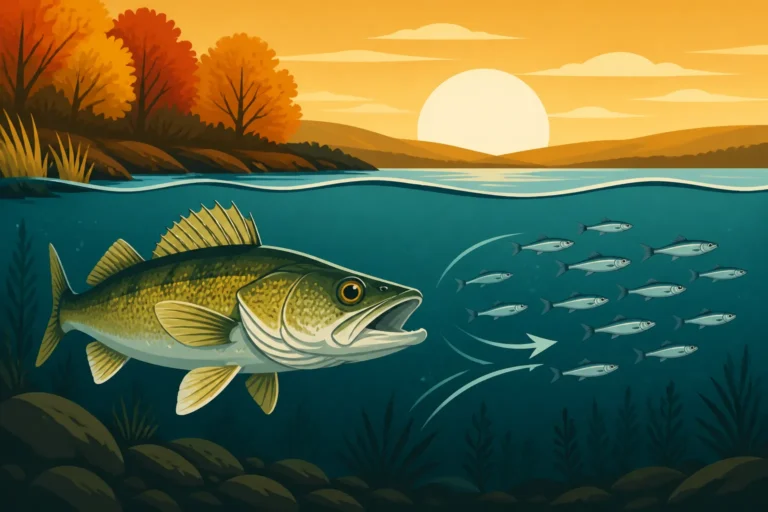
Think about what Chinook Salmon eat: typically, smaller baitfish like smelt or juvenile perch. These aren't static targets; they're constantly moving, darting, and struggling. Your trolling speed directly dictates how your artificial lure mimics this natural movement. Too slow, and your spoon might just wobble listlessly, looking like an injured fish that's almost dead – sometimes that works, but often it's ignored. Too fast, and your crankbait might blow out of its swimming pattern or move so unnaturally that it signals "fake" to a discerning salmon, making them uninterested in chasing it down. The goal is to present a lure that looks alive, vulnerable, and worth the energy for a salmon to pursue.
Reacting to Salmon Behavior
Chinook Salmon aren't always in the same mood. Their aggression levels can change dramatically based on factors like water temperature, light conditions, and whether they're actively feeding or just cruising. A slower, more erratic presentation might be perfect for a lethargic salmon that needs more time to decide if it wants to strike. Conversely, a faster, more aggressive troll can trigger a reactionary bite from an active, territorial salmon that sees a rapidly escaping meal. Understanding their current disposition and adjusting your speed accordingly is like speaking their language; it tells them exactly what kind of meal you're offering and if it's worth their attention.
Optimal Trolling Speed Ranges for Chinook Salmon
When you're out on Lake Sakakawea, the biggest question often is, "How fast should I be going?" It's a fair question, and while there's no single magic number, there are definitely optimal ranges that seasoned anglers rely on. These speeds are the sweet spot where your lures look their best and are most likely to entice a strike from a hungry Chinook.
General Guidelines for Lake Sakakawea
For Chinook Salmon trolling on Lake Sakakawea, most successful anglers will tell you to aim for a speed range of 1.8 to 3.0 miles per hour (MPH) over ground. This isn't a hard and fast rule, but it's an excellent starting point. Within this range, spoons will have a nice, enticing flutter, and most plugs will swim true, imitating fleeing baitfish effectively. You'll often find yourself experimenting within this window, perhaps bumping up to 2.5 MPH when the salmon are aggressive and chasing, or slowing down closer to 2.0 MPH if they seem a bit more hesitant or the water is colder. Remember, "speed over ground" is crucial, as current can significantly alter your "speed through water," which is what the fish actually feel. Modern GPS units will give you this critical data, so make sure you're using one to track your true speed.
Adjusting for Water Temperature and Season
Water temperature is a huge factor in a Chinook Salmon's metabolism and activity level, and consequently, your ideal trolling speed. In the colder waters of early spring or late fall, salmon tend to be more sluggish. Their metabolism is slower, and they're less likely to expend a lot of energy chasing down a fast-moving lure. During these periods, you'll often find success by slowing your troll down to the lower end of the spectrum, maybe 1.8 to 2.2 MPH. This slower speed gives the salmon more time to react and inspect your lure.
As the summer progresses and Lake Sakakawea's waters warm up, Chinook Salmon become more active and aggressive. Their metabolism is humming, and they're more willing to chase. This is when you can confidently bump your trolling speed up to the 2.5 to 3.0 MPH range, or even slightly higher, to trigger those aggressive reactionary strikes. Think about how salmon often feed in short, powerful bursts; a faster lure can mimic a panicking baitfish, which is often irresistible. Knowing the water temperature, which you can often get from your fish finder or a dedicated thermometer, is key to making these informed adjustments. This kind of nuanced approach is part of mastering North Dakota Fishing Season Dates and Limits, as optimal strategies shift throughout the year.
Impact of Lure Type and Depth
The type of lure you're pulling and the depth at which you're presenting it also play a huge role in determining your optimal trolling speed. Different lures are designed to perform best at specific speeds. For example, a flasher-and-fly combination, a classic for Chinook, often works best at speeds around 2.0 to 2.5 MPH. The flasher needs enough speed to rotate and create its fish-attracting flash and vibration, but too much speed can cause it to spin erratically or "blow out" its action. The fly, following behind, needs to flutter enticingly, not just zip through the water.
Spoons, like those from familiar brands you might find on Amazon, are incredibly versatile. Smaller, lighter spoons might require a slightly slower speed to achieve their seductive wobble, while larger, heavier spoons can handle faster speeds and still maintain their action. Crankbaits, on the other hand, are often designed to dive and swim at a specific speed range. If you troll too slowly, they won't reach their advertised diving depth or swim correctly. Too fast, and they might blow out, losing their action and just skittering across the water. Always check the manufacturer's recommendations for your specific lure, but be prepared to experiment, as conditions and the fish's mood can override even the best-designed lure's intended action. This knowledge directly impacts your choice of Best Fishing Tackle for North Dakota Lakes.
Factors Influencing Your Trolling Speed
While those optimal speed ranges give you a fantastic starting point, fishing for Chinook Salmon in North Dakota's vast waters is rarely a static endeavor. There are so many variables at play that can affect how those fish react to your presentation. A truly successful angler is constantly aware of these environmental factors and ready to adjust their trolling speed on the fly. It's not just about what you want your boat to do, but how the lake allows your lures to move.
Water Conditions and Current
Lake Sakakawea is a massive body of water, and it can throw all sorts of conditions at you. Wind, for instance, is a major player. A strong headwind will naturally slow your boat's speed over ground, while a tailwind will push you faster. More importantly, wind can create surface current, which directly impacts your lures' speed through the water. You might be doing 2.0 MPH on your GPS, but if there's a 0.5 MPH current pushing against you, your lures are only moving at 1.5 MPH through the water. Conversely, if the current is with you, your lures could be moving faster than your GPS indicates.
Waves also factor in. Choppy water can cause your boat to surge and slow, creating an inconsistent lure presentation. In these conditions, you might need to adjust your engine RPMs to average out your speed, or even troll into the waves or quartering to them to maintain a more consistent pace. A consistent speed is often more important than a specific number. When the lake is calm, your boat moves smoothly, and your lures have a consistent action. When it's rough, the boat's movement can create a "stop-and-go" action on your lures, which sometimes triggers strikes, but often requires careful speed management to avoid an unnatural presentation.
Baitfish Presence and Activity
Chinook Salmon are predators, and their entire world revolves around finding and eating baitfish. Observing the presence and activity of baitfish is a huge clue for what trolling speed will be most effective. If your fish finder is showing dense schools of baitfish, whether they're smelt or shiners, you want your lures to mimic them. Are these baitfish tightly schooled and moving quickly to evade a predator? Then a faster, more aggressive troll might be the ticket. Are they more scattered, slowly cruising, perhaps feeding on plankton? A slower troll could be more appropriate.
Sometimes, you'll actually see baitfish jumping or boiling on the surface, indicating a feeding frenzy – a prime time for Chinook. In these situations, matching the frantic, fleeing action of distressed baitfish with a slightly faster speed can be incredibly effective. Conversely, if baitfish are sparse or very lethargic, a slower, more deliberate approach might be necessary to entice a salmon that's not actively hunting but might strike an easy meal. Your ability to read the baitfish patterns will inform whether you need to speed up or slow down. For more insights on this, check out our guide on Chinook Salmon Fishing Guide for North Dakota Anglers.
Salmon Activity Levels
Just like us, salmon have different moods and activity levels. They're not always in a full-on feeding frenzy. Sometimes they're aggressive and willing to chase down a fast-moving meal. Other times, they might be more lethargic, holding tight to structure, and needing an easier, slower-moving target to tempt them. You'll often figure this out through trial and error, but paying attention to the bite can tell you a lot.
If you're getting short strikes, or fish are hitting and missing the lure, it could indicate they're chasing but not quite committing. In this scenario, sometimes a slight increase in speed can trigger a more aggressive, committed strike, making the lure seem like it's escaping. Conversely, if you're not getting any bites at all, trying a significant reduction in speed might activate those less aggressive fish who prefer an easier meal. Factors like sudden weather changes, cold fronts, or even bright sun can make salmon more passive, calling for a slower, more deliberate approach. Conversely, overcast days or stable weather often mean more active fish and a willingness to chase at higher speeds. Monitoring the When Do Chinook Salmon Bite on Lake Sakakawea? guide can provide more context here.
Practical Tips for Dialing in Your Speed
Finding the perfect trolling speed for Chinook Salmon isn't always something you can just set and forget. It requires active participation, keen observation, and the smart use of your available tools. This isn't just about the boat's speed; it's about how your entire fishing system is interacting with the water and the fish.
Using Your Electronics
Modern fishing electronics are your best friends when it comes to dialing in trolling speed. Your GPS unit is paramount because it gives you your speed over ground (SOG). This is generally the most important metric, as it tells you how fast your lures are actually covering territory relative to the lakebed and potential fish-holding structure. However, many advanced fish finders and chartplotters, especially those that come with a dedicated through-hull transducer or pitot tube, can also show you your speed through water (STW). The difference between SOG and STW will tell you if there's a current that's pushing or pulling your boat, which, as we discussed, directly impacts your lure's action.
Beyond speed, your fish finder is invaluable for identifying baitfish schools and marking Chinook Salmon. If you see fish at a certain depth, note your speed. If you get a strike shortly after marking fish, you know you're in the ballpark. A good fish finder can also help you identify temperature breaks and underwater structure where salmon might be holding. Using your electronics effectively allows you to make data-driven adjustments rather than just guessing. Investing in one of the Best Fish Finders for North Dakota Lakes is a smart move for any serious angler.
Experimentation and Observation
Perhaps the most crucial tip is to always be experimenting and observing. Don't be afraid to change things up if you're not getting bites. Start with the general guidelines (1.8-3.0 MPH), but then make incremental adjustments. Try speeding up by 0.2 MPH for 15-20 minutes, then slow down by 0.4 MPH. Pay close attention to when and where you get bites. Is it always on a turn when your inside lures slow down and the outside lures speed up? Or is it consistently when you're running at a specific, steady speed?
Observing your rods is also key. Are your rod tips vibrating with a consistent rhythm, indicating good lure action? Or are they flailing erratically, suggesting your lure might be spinning out? Watch the water, too – are birds diving, indicating baitfish activity? Are other boats around you getting strikes, and if so, what speed do they seem to be running (if you can tell)? Keep a mental or even physical log of what works and under what conditions. This kind of systematic approach is the bedrock of successful Chinook Salmon Trolling on Lake Sakakawea.
The Role of Downriggers and Dipsy Divers
Downriggers and Dipsy Divers are incredibly valuable tools for controlling your lure depth, but they also indirectly influence your effective trolling speed. Downriggers allow you to precisely place your lure at a specific depth, completely independent of your boat's speed, within reasonable limits. This means you can focus on the horizontal speed (your SOG) and know your lure is still where the fish are. When running multiple lines, understanding North Dakota Fishing Regulations Explained, especially rules about how many lines can you fish with in North Dakota, is essential to stay compliant.
Dipsy Divers, on the other hand, use water pressure to dive, and their diving depth is directly affected by your boat's speed. The faster you go, the deeper they'll dive. This means if you're aiming for a certain depth with a Dipsy Diver, you'll need to maintain a very consistent speed. If you speed up or slow down, your lure's depth will change, potentially pulling it out of the strike zone. Learning how to properly set up and deploy these tools will give you much more control over your entire presentation and allow you to optimize your trolling speed for both lure action and depth. You can find a wide selection of these tools, like specific Dipsy Diver models, on Amazon, helping you gear up for precision fishing.
Common Mistakes to Avoid
Even with the best intentions and the right gear, it's easy to fall into some common traps when trolling for Chinook Salmon. Avoiding these pitfalls can save you a lot of time and frustration, and ultimately put more fish in the net. The subtle nuances of trolling, especially on a vast lake like Sakakawea, demand constant attention and adjustment.
Sticking to One Speed
This is probably the most common mistake new (and sometimes even experienced) anglers make. They find a speed that worked once, or they simply get comfortable, and they stick to it no matter what. Remember, Chinook Salmon activity levels change throughout the day, with changing light conditions, shifting weather patterns, and even just the movement of baitfish. What was working at dawn might not work at midday, and a sudden cloud cover might trigger a different bite.
If you're not getting bites, change something. Your speed is one of the easiest variables to adjust. Try speeding up, try slowing down. Make small, incremental adjustments and observe the results. Often, just a 0.2 to 0.5 MPH change can make all the difference. Think of your boat as a giant experiment, and your job is to find the winning formula for that specific moment on the lake. If you’re not changing, you’re not learning, and you’re likely missing opportunities.
Ignoring Lure Action
You can be at the "perfect" speed on your GPS, but if your lures aren't performing correctly, it's all for nothing. Different lures have different sweet spots for action. A spoon should have a natural flutter and kick, not just drag through the water or spin wildly. A crankbait should be swimming with a tight wobble, not blowing out to one side or surfacing prematurely. If you're running flashers and flies, ensure the flasher is rotating correctly and the fly is trailing enticingly, not getting tangled or just moving stiffly.
It's a good practice, especially with new lures or after making significant speed changes, to pull your lures close to the boat (if conditions allow) and visually inspect their action. Are they doing what they're supposed to? If not, adjust your speed until they do. Sometimes, even a slight change in speed can transform a dead lure into a lively, fish-attracting one. This often comes down to understanding the nuances of the Best Trolling Speed for Chinook Salmon and how it impacts your tackle.
Forgetting About Boat Control
Trolling is more than just driving in a straight line; it's about precise boat control. Maintaining a consistent speed is vital, but so is maintaining a consistent direction, especially in windy or choppy conditions. If your boat is constantly veering off course, surging with waves, or making sharp, unintentional turns, your lures are not going to have a consistent presentation.
Use your autopilot or set a straight course if your electronics allow for it. Pay attention to wind and current and make small steering adjustments to keep your boat on track. Even subtle turns can cause your inside lures to slow down and sink, and your outside lures to speed up and rise, which can sometimes trigger strikes but also create inconsistency. For example, if you're trying to target specific depths for Chinook Salmon, uncontrolled boat movement will constantly move your lures out of the strike zone. Investing in a reliable trolling motor, like some of the highly-rated models available on Amazon, can greatly enhance your ability to maintain precise boat control and optimal trolling speed. Knowing the capabilities of your Best Boats for Lake Sakakawea's Big Water also plays a role in how well you can maintain control.
Disclaimer
Please note that fishing regulations, including license requirements, catch limits, and open seasons, can change. Always consult the latest North Dakota Game and Fish Department (NDGFD) official regulations before heading out on the water. This guide is for informational purposes only and does not supersede state laws.