How to Fish for Bluegill and Sunfish
There's something truly special about fishing for bluegill and sunfish here in North Dakota. For many, these feisty little panfish are the first fish they ever catch, sparking a lifelong love affair with the water. But don't let their size fool you; consistently finding and catching these prolific beauties requires a bit of know-how, and this guide is here to walk you through everything you need to know to fill your cooler with these delicious and fun-to-catch species.
Understanding Bluegill and Sunfish in North Dakota Waters
Before you even think about casting a line, getting to know your quarry is always a good idea. Bluegill and other sunfish species are incredibly common across North Dakota's diverse waterways, from the smallest farm ponds to the massive reservoirs. They're often grouped together as "panfish" because, well, they fit perfectly in a frying pan!
What Makes Them Tick
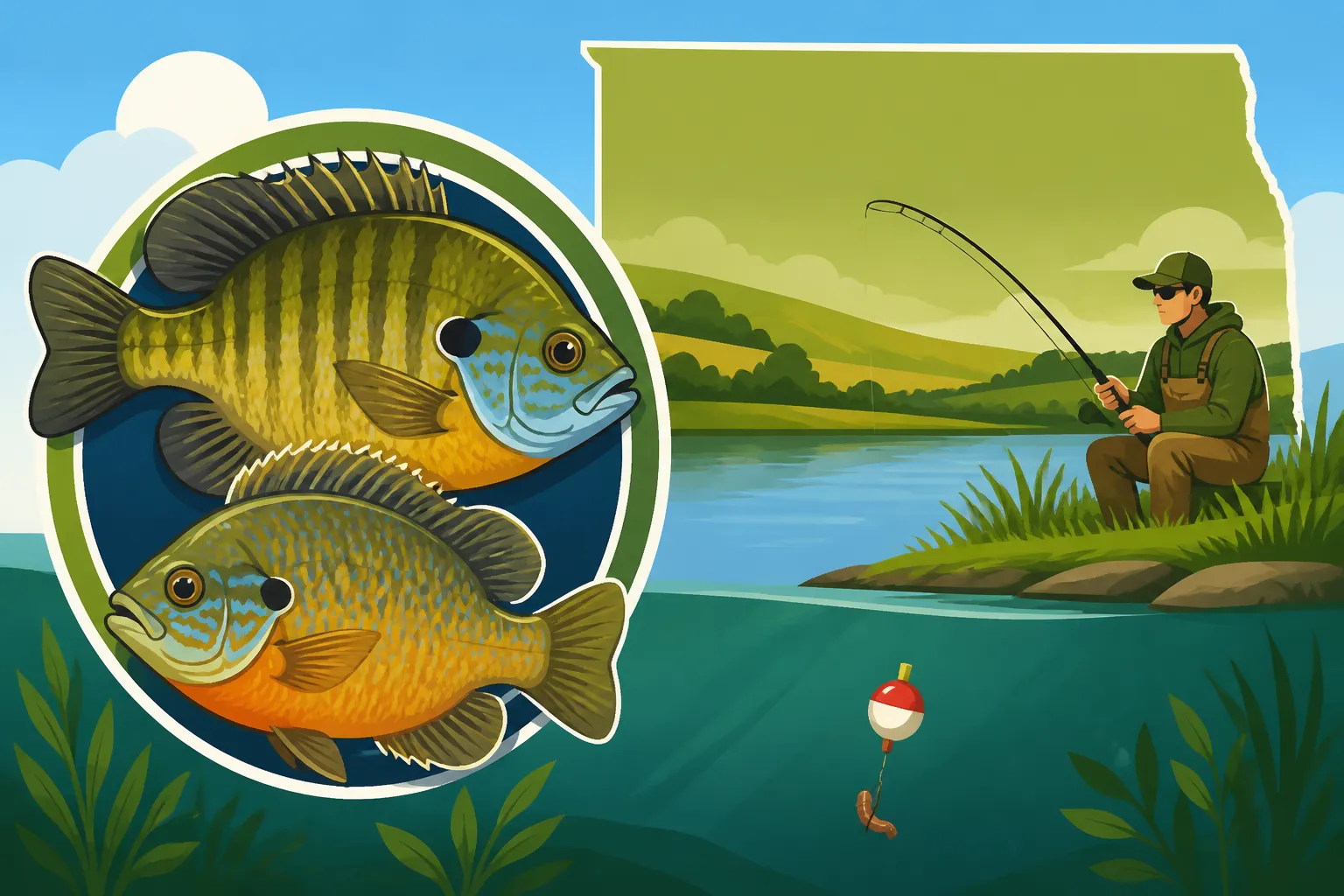
Bluegill ( Lepomis macrochirus) are arguably the most popular and widespread sunfish species. They're typically identified by a dark spot on their dorsal fin, vertical bars along their sides, and a distinct black "ear flap." Other common sunfish in our waters include pumpkinseeds, green sunfish, and hybrid sunfish, which often have a mix of characteristics from their parent species. They all share similar behaviors and preferences, making it easy to target them together.
These fish are highly social creatures, almost always found in schools. They love structure and cover – think submerged logs, weed beds, lily pads, old dock pilings, and brush piles. This cover provides them with both protection from larger predators and a rich hunting ground for insects and small aquatic invertebrates, which make up the bulk of their diet. Knowing where they like to hide is your first step to finding them. If you're keen to learn more about where to find these little fighters, check out Bluegill Habitat in North Dakota.
Their Role in the Ecosystem
Beyond just being fun to catch and tasty to eat, bluegill and sunfish play a vital role in our aquatic ecosystems. They are a primary food source for larger game fish like walleye, northern pike, and bass. Their prolific breeding habits mean there's usually a healthy population, but overharvesting the larger ones can sometimes impact the overall size structure of a population in smaller bodies of water. Understanding their place in the food chain helps us appreciate the complexity of our local fishing holes and encourages responsible angling practices.
Essential Gear and Bait for Panfish Success
One of the great things about fishing for bluegill and sunfish is that you don't need a massive amount of specialized gear. In fact, it’s an excellent way to introduce new anglers to the sport without breaking the bank.
Rods, Reels, and Line
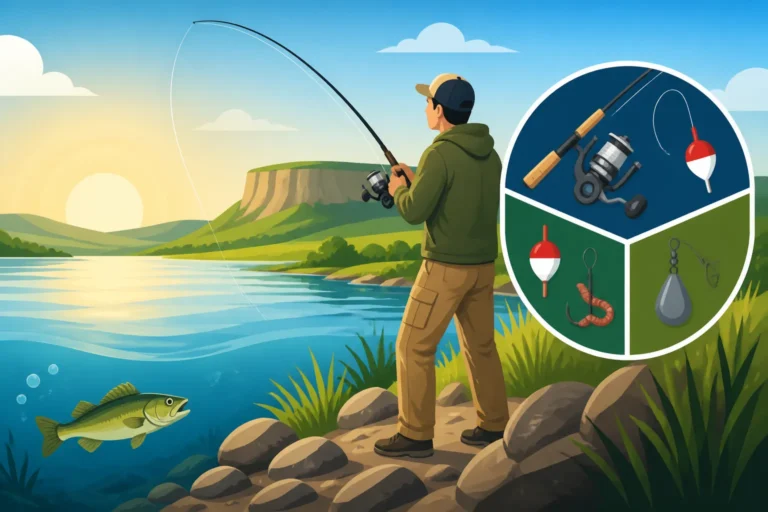
For these smaller, yet feisty, fish, lighter tackle is your best friend. An ultra-light or light-action spinning rod, typically 5 to 6 feet long, paired with a small spinning reel (like a 500 or 1000 series) is perfect. This setup allows you to feel even the slightest nibble and makes reeling in a feisty sunfish a real thrill.
When it comes to fishing line, think light! Two to four-pound test monofilament or fluorocarbon line is ideal. Anything heavier can be too visible and reduce your bite count. Light line also allows your small baits and jigs to fall more naturally through the water, which can be critical for tempting finicky panfish. You don't need anything fancy, and often you can find great starter combos on sites like Amazon. For a comprehensive look at beginner setups, you might find Best Rod and Reel Combo for Beginners in North Dakota helpful.
Hooks, Sinkers, and Bobbers
Small, sharp hooks are absolutely non-negotiable for panfish. Sizes 8, 10, or even 12 are generally what you'll want to use. You can opt for Aberdeen hooks, which have a thin wire that bends easily to prevent snagging on weeds and snags, or small, octopus-style hooks.
For sinkers, tiny split shots are usually all you need to get your bait down. Just enough weight to help your bait sink slowly and naturally is key. Too much weight can make your presentation look unnatural and spook the fish.
And then there's the classic bobber! Whether it’s a small clip-on bobber or a slip bobber rig, these indicators are essential for detecting those subtle panfish bites. A slip bobber is particularly effective when you need to fish at a specific depth or cast further, as it slides freely on your line, allowing you to easily adjust your depth and cast efficiently.
Natural Baits
Panfish are not picky eaters, which is another reason they are so popular! Natural baits are often the most effective.
- Worms: A classic for a reason. Nightcrawlers, redworms, or garden worms, cut into small pieces, are irresistible to bluegill and sunfish. Thread a small piece onto your tiny hook, making sure the barb is exposed.
- Wax Worms/Maggots: These small, live grubs are absolute panfish magnets, especially when the water is cooler or during ice fishing season. Their wiggling action is very enticing.
- Corn: Believe it or not, a kernel or two of sweet corn can be incredibly effective, particularly in waters where fish are used to seeing it.
- Small Minnows: While not as common for bluegill, very small minnows can attract larger sunfish species or even crappie, which often hang out in similar areas. If you're using minnows, consider a light wire hook to keep them lively.
Artificial Lures
Don't underestimate the power of artificials for bluegill and sunfish, especially when you want to cover more water or practice your jigging skills.
- Tiny Jigs: Jigs in the 1/32 to 1/16 ounce range are perfect. Marabou jigs, tiny tube jigs, or micro-spoons are all excellent choices. You can fish them plain or tip them with a small piece of worm or a wax worm for added appeal.
- Soft Plastics: Miniature soft plastic baits, like tiny grubs, minnow imitations, or small worms, can be threaded onto those tiny jig heads. Experiment with colors; sometimes a chartreuse, pink, or white can make all the difference. Many anglers find specific color patterns to be effective, and you can stock up on a variety of options from stores or online retailers like Amazon.
- Fly-Fishing Flies: For the fly-fishing enthusiast, small poppers, sponge spiders, nymphs, and wet flies are incredibly effective, especially during warmer months.
Effective Techniques for Catching Bluegill and Sunfish
Once you have your gear sorted, it's time to talk tactics. Because bluegill and sunfish are so adaptable, there are several ways to target them, whether you're fishing from shore or out on the ice.
Shore Fishing Strategies
Shore fishing is a fantastic way to target panfish, especially for beginners or those fishing with kids. You don't need a boat, just a good spot and the right approach.
- Find the Cover: Look for areas with visible cover – docks, fallen trees, brush, reeds, or thick weed beds. These are natural congregating points for panfish. Cast your bait near these structures, giving it time to sink slowly.
- Bobber Fishing: This is the quintessential panfish technique. Rig a small bobber a foot or two above a small split shot and a tiny hook baited with a piece of worm or a wax worm. Cast it out and watch the bobber. When it dips or goes under, gently set the hook with a slight lift of your rod. This is a wonderfully relaxing and effective method, and it's particularly great for family outings. If you're new to this, exploring Shore Fishing Techniques for Beginners can give you an edge.
- Bottom Bouncing: Sometimes, panfish are tight to the bottom. A small bottom rig with a walking sinker or a small bell sinker above a swivel, then a short leader (6-12 inches) to your hook, can get your bait right in front of them. This is less common for bluegill but can be effective for some of the larger sunfish and crappie that share similar habitats.
Boat and Kayak Fishing Approaches
Having a boat or kayak opens up a lot more possibilities for targeting bluegill and sunfish, allowing you to reach areas inaccessible from shore.
- Vertical Jigging: This is incredibly effective, especially when you find a school on your fish finder. Position your boat directly over the structure or school of fish and drop a tiny jig or baited hook straight down. Gently lift and drop your rod tip, keeping slack out of your line to feel bites. A quality fish finder can pinpoint those schools, and Amazon carries a wide range of portable options.
- Drifting with a Bobber: Let the wind or a very slow current push your boat along, with a baited bobber rig trailing behind. This allows you to cover more water and find active schools. Pay attention to where you get bites, then you can anchor or make another pass.
- Flipping and Pitching: For dense cover like lily pads or heavy brush, precisely dropping your bait into small pockets of open water can yield impressive results. This requires a bit more practice but can be very rewarding.
Ice Fishing for Panfish
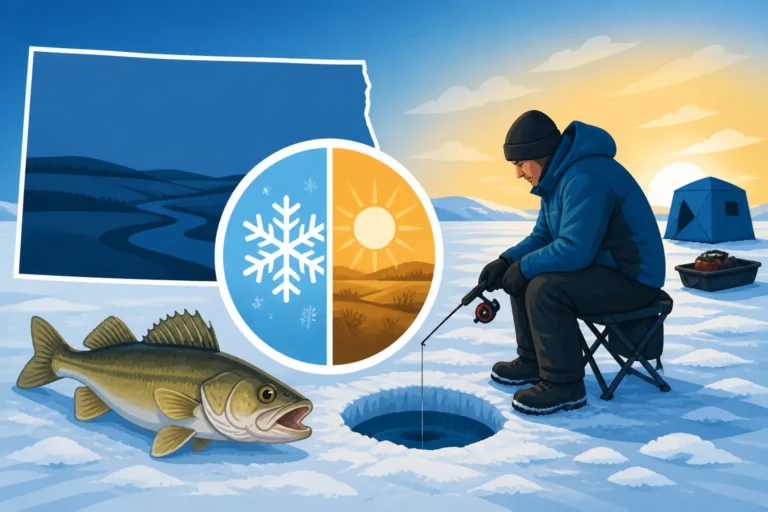
When North Dakota's lakes freeze over, the panfish bite doesn't stop; it just changes. Ice fishing for bluegill and sunfish is a beloved winter pastime for many anglers.
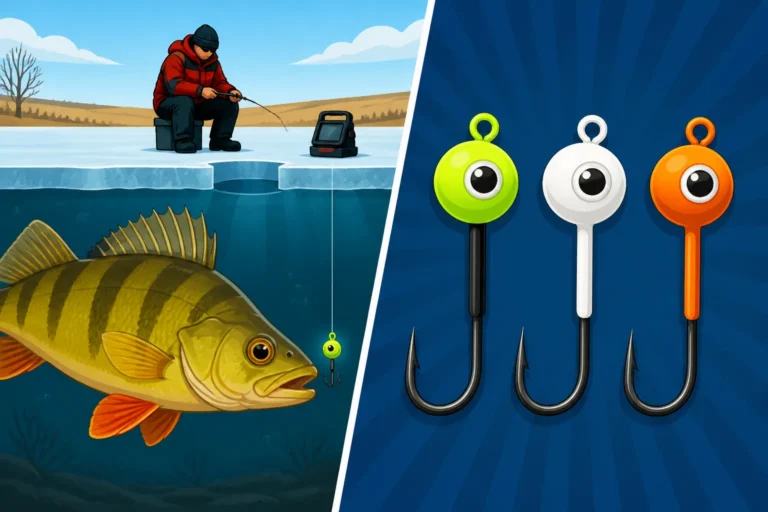
- Tiny Jigs and Live Bait: Similar to open water, tiny jigs (especially tungsten jigs, which sink faster) tipped with wax worms, maggots, or a small piece of plastic are deadly.
- Find the Green Weeds: Even under the ice, panfish will gravitate towards remaining green weed beds, which provide oxygen and food. Use an ice auger to drill a series of holes in promising areas until you find an active school. Remember, they are often in schools, so where there’s one, there are usually more.
- Electronics are Key: A small Vexilar or other flasher unit can show you your bait and the fish, allowing you to understand their reactions and adjust your presentation. This makes a huge difference in ice fishing success. You can learn more about specific techniques in How to Ice Fish in North Dakota and Best Ice Fishing Rods for Perch.
Seasonal Considerations and Best Times to Fish
Just like any other fish, bluegill and sunfish behavior is heavily influenced by the seasons and time of day. Knowing these patterns will significantly improve your chances of a successful outing.
Spring and Spawning Season
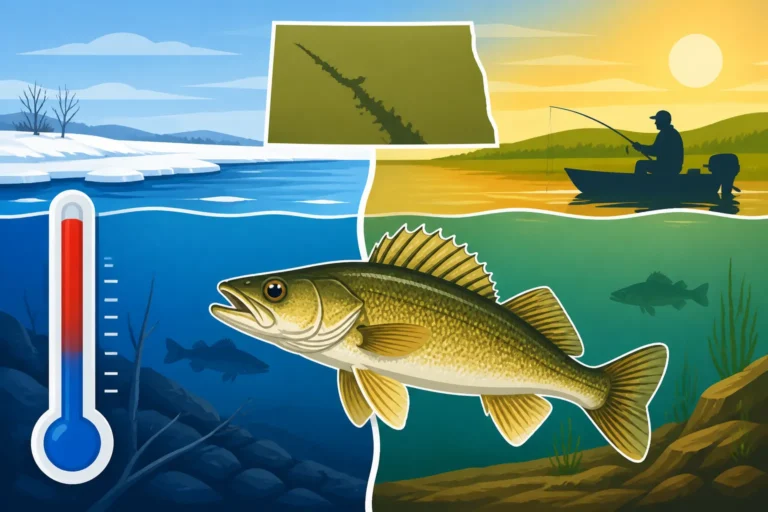
As the ice goes out and water temperatures begin to rise in late spring, bluegill and sunfish become very active. They move into shallower waters to feed aggressively and eventually to spawn.
- Pre-Spawn Feast: In late April and May, they'll be found in shallow bays and flats, gorging themselves on available food. This is an excellent time to catch numbers of fish.
- Spawning Beds: Typically in late May to early July (depending on water temperature), bluegill will create visible, circular "nests" or spawning beds in shallow, sandy, or gravelly areas. These beds are often clustered together, sometimes in water as shallow as one to three feet. While it's easy to catch them off the beds, consider limiting your harvest of the larger males guarding the beds to ensure future generations. Always be mindful of local North Dakota Fishing Season Dates and Limits and catch limits.
Summer Heat
Summer fishing for bluegill and sunfish can be fantastic, but as water temperatures peak, they might move to deeper, cooler water during the brightest parts of the day.
- Early Morning and Late Evening: These are prime times. The fish will move into shallower feeding areas as the sun is low, making them more accessible.
- Mid-Day Strategy: During midday heat, target deeper weed lines, the shaded side of docks, or submerged brush piles. Vertical jigging or using a slip bobber to present bait at specific depths can be very effective.
- Finding Structure: Always look for structure. Whether it's a deep point, a rock pile, or a dense weed bed, these areas offer refuge and food. The sheer abundance of insects and aquatic life during summer makes these areas particularly productive.
Fall Feeding Frenzy
As autumn arrives and water temperatures begin to drop, bluegill and sunfish embark on another feeding frenzy, trying to pack on weight for the upcoming winter.
- Shallow to Deep Transition: They'll often start shallow, similar to spring, but as the water cools, they'll gradually move deeper, following baitfish and insect hatches.
- Concentrated Schools: Fall can be a great time to find large, concentrated schools of panfish. They'll often hold on drop-offs, points, and humps adjacent to deep water. Using your electronics to locate these schools is highly beneficial.
- Aggressive Bites: The bites can be very aggressive as they feed heavily. Small jigs, particularly those tipped with live bait, are excellent producers during this time.
Winter and Ice Fishing
Winter fishing provides a unique opportunity to target bluegill and sunfish through the ice.
- First Ice: As soon as the ice is safe, often in late November or early December, bluegill can be found relatively shallow, still associated with green weeds. The bite can be fantastic.
- Mid-Winter Patterns: In the dead of winter, they often move to deeper areas, congregating near main lake basins, deep humps, or distinct points. They can become more lethargic, requiring very subtle presentations and tiny baits.
- Late Ice: As spring approaches and the ice starts to break up, bluegill often move back to shallower water, similar to their early spring patterns. This can be another productive period before open water returns.
Catching bluegill and sunfish in North Dakota is a joy that can be experienced year-round. From a simple bobber and worm on a warm summer evening to meticulously jigging a tiny plastic through the ice, these lively little fish offer endless angling opportunities. Get out there, explore our incredible North Dakota waters, and enjoy the thrill of the chase! For general angling advice, you may also find Best Fishing Tackle for North Dakota Lakes and Essential Gear Checklist for North Dakota Fishing to be useful resources.
| Season | Typical Location | Preferred Baits/Lures | Best Time of Day | Notes |
|---|---|---|---|---|
| Spring | Shallow bays, weed edges, spawning beds | Small worms, wax worms, tiny jigs, small poppers | Morning/Evening, all day during spawn | Aggressive feeding, easy to locate. |
| Summer | Deeper weed lines, shaded docks, brush piles | Worms, wax worms, small plastics, tiny jigs | Early morning, late evening | Mid-day deeper, focus on shade and cover. |
| Fall | Drop-offs, points, humps, deeper weeds | Wax worms, small jigs, cut bait (for larger sunfish) | All day, especially midday | Actively feeding to prepare for winter. |
| Winter | Green weed beds, deep basin edges, humps | Tungsten jigs, maggots, wax worms, micro-spoons | Mid-day often best | Patience required, use electronics. |
Disclaimer
This article is for general informational purposes only and does not constitute professional advice. Laws, prices and regulations vary by location and change over time. Consult a qualified professional for guidance on your specific situation.