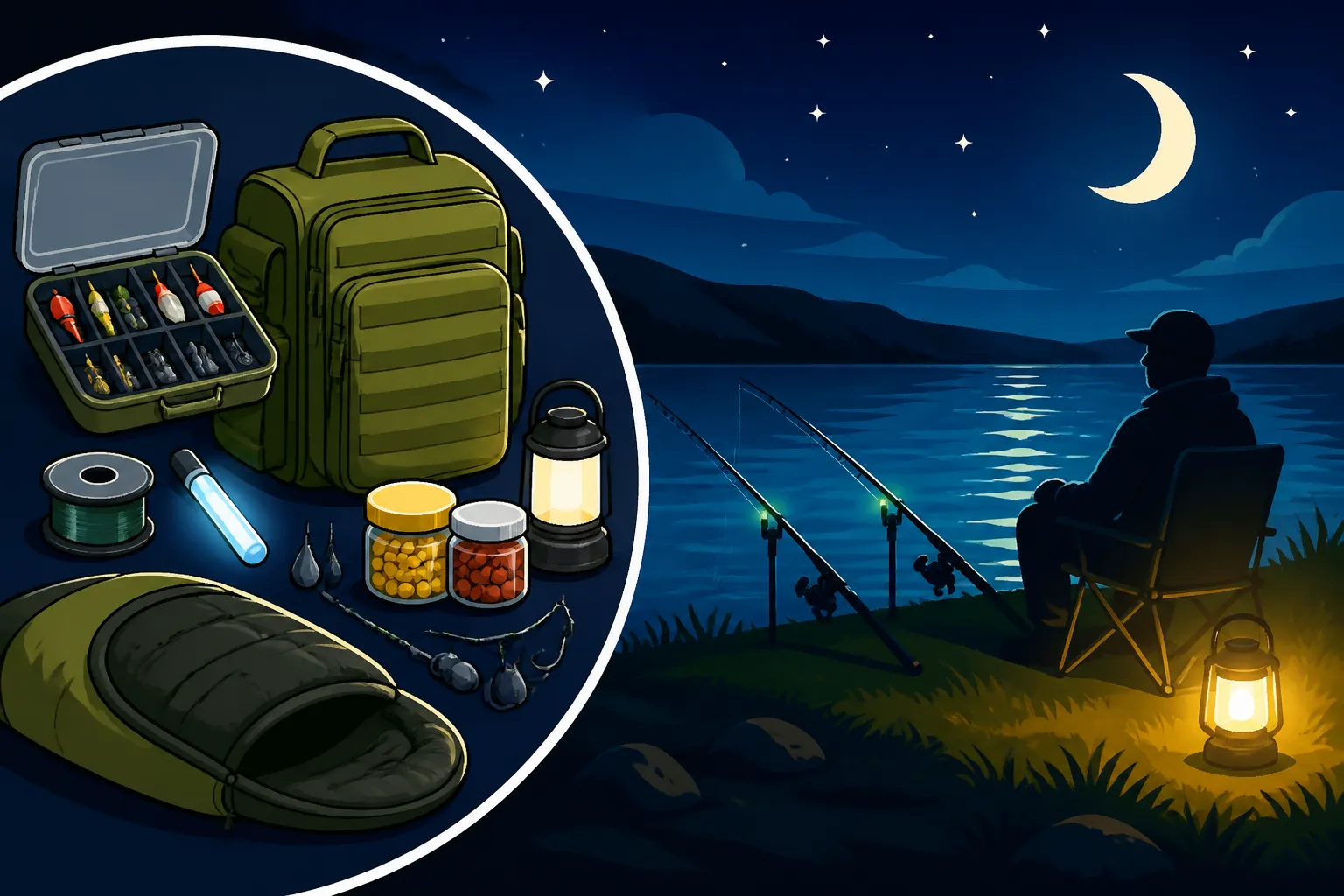
Best Setup for Bank Fishing Overnight
There's nothing quite like the tranquility of a North Dakota evening transforming into a crisp, dark night by the water, but the thought of setting up for an overnight bank fishing trip can feel a bit daunting. You’re not just packing a rod and a few lures; you’re essentially preparing for a mini camping adventure right by the water's edge. This comprehensive guide will walk you through everything you need to know to safely and successfully set up for an enjoyable night of bank fishing, ensuring you're comfortable, well-equipped, and ready for whatever bites.
Essential Gear for Overnight Bank Fishing
When you're planning to spend a full night on the bank, your gear list expands significantly beyond a simple day trip. You're essentially moving your "base camp" to the shoreline, and that means considering comfort, safety, and all the fishing essentials in a new light.
Rods, Reels, and Line for the Long Haul
For overnight bank fishing in North Dakota, especially if you're targeting species like channel catfish or northern pike that are active after dark, you'll want a robust setup. Think medium-heavy to heavy power rods, typically 7 to 9 feet in length. This extra length helps with casting further from shore, which can be crucial for reaching deeper channels or structure where bigger fish might be lurking, especially as they often move closer to the bank at night. A sturdy spinning reel or a baitcasting reel with a good drag system is essential, spooled with a strong braided line (think 30-50 lb test) or a heavy monofilament (15-25 lb test). Braided line offers superior sensitivity, which is a huge advantage when you're relying on feel in the dark, and its lack of stretch means better hooksets. You'll want to use a heavy leader, like fluorocarbon, to prevent break-offs from abrasive rocks or sharp-toothed fish.
Consider bringing multiple rod setups if you plan to target different species or use varying techniques. For instance, you might have one rod specifically for large catfish with a heavy sinker and cut bait, and another lighter setup for walleye or crappie that might come into the shallows. Having spare spools with different line types or strengths can also be a lifesaver if you encounter unexpected conditions or break a significant amount of line. Remember, fixing a complex tackle issue in the dark is far more difficult than in broad daylight, so having backup options is smart.
Lighting and Navigation Must-Haves
When the sun dips below the horizon, your ability to see transforms from a convenience into an absolute necessity. A reliable headlamp is perhaps your most important piece of non-fishing gear for overnight excursions. Look for one with adjustable brightness settings, red light options (to preserve night vision and avoid attracting too many bugs), and a long-lasting battery. Bring extra batteries, or better yet, a portable power bank to recharge USB-powered headlamps or other small electronics. I always recommend having a backup light source, like a small lantern or a second headlamp. Many quality headlamps can be found on Amazon, offering different beam patterns and battery life.
Beyond personal lighting, consider a camp lantern for your immediate area. This provides ambient light for baiting hooks, organizing tackle, and simply navigating your setup without blinding yourself every time you look up. Glow sticks or small LED lights attached to your rod tips are fantastic for bite detection in the dark. They allow you to relax and watch for subtle dips or tugs without constantly holding your rod or straining your eyes. For safety, a GPS device or a mapping app on your phone (with downloaded offline maps) can be invaluable if you're in an unfamiliar area, helping you navigate back to your vehicle or a safe spot in an emergency. Night Fishing Rules in North Dakota often emphasize visibility, so bright lights on your person or near your setup are not just for convenience but for safety too.
Comfort and Sustenance for the Night
Don't underestimate North Dakota's evening chill, even in summer. Temperatures can drop significantly once the sun sets, so layering your clothing is crucial. Start with a moisture-wicking base layer, add insulating layers like fleece or wool, and top it off with a waterproof and windproof outer shell. Comfortable, waterproof boots are non-negotiable. A sturdy, comfortable chair, ideally one with rod holders built-in or attachable, will make those long hours much more enjoyable.
For sustenance, pack plenty of water and easy-to-eat snacks. Sandwiches, granola bars, fruit, and trail mix are great options. A thermos with hot coffee, tea, or soup can be a real morale booster during the cooler hours. Don't forget bug repellent! North Dakota mosquitos can be legendary after dark. A small first-aid kit, a multi-tool, and a fully charged cell phone are also absolute essentials for safety. Think about a sleeping bag or a warm blanket if you plan to truly rest for a few hours.
Bait, Tackle, and Fish Care
Your bait choice will largely depend on your target species. For popular night fishing targets like channel catfish, cut bait (like shad, suckers, or even hot dogs), stink baits, or live minnows are excellent choices. For walleye that might move shallow, crankbaits, jigs tipped with minnows, or nightcrawlers under a slip bobber can be effective. Pack a variety of hooks, sinkers (especially heavier ones for current or wind), swivels, and extra leader material. Having a robust tackle box or bag that's easy to access in the dark is vital.
For fish care, a large cooler with plenty of ice is a must, especially if you plan to keep your catch. A good set of pliers for hook removal, a long-nosed release tool, and a large landing net are crucial. If you're targeting big northern pike or catfish, a landing net with a wider hoop and deeper mesh will be beneficial. Remember to check local regulations regarding slot limits and daily creel limits for the species you're targeting. North Dakota Channel Catfish Fishing Guide and North Dakota Walleye Size Limit Rules are good resources to review before you go.
Setting Up Your Overnight Bank Fishing Camp
The success and enjoyment of your overnight bank fishing trip hinge significantly on how well you choose and prepare your fishing spot. It's not just about where the fish are; it's also about your comfort and safety for the duration of your stay.
Choosing the Right Overnight Spot
Selecting your location is paramount. Look for areas with relatively flat, stable ground that's elevated slightly above the waterline to avoid any sudden rises in water levels or morning dew saturation. Consider accessibility – how far do you have to carry your gear from your vehicle? An ideal spot offers natural cover from the wind, like a treeline or a slight embankment, but still provides good casting access. Avoid areas with dense brush directly behind you, as it can snag your casts in the dark.
Think about structure in the water. Drop-offs, submerged timber, rock piles, or current seams are often fish magnets, especially for nocturnal feeders. Using a portable fish finder or consulting maps of the lake or river during daylight hours can help identify these prime spots. Public fishing access sites often have amenities like parking, restrooms, and established trails, making them safer and more convenient for overnight stays. For instance, certain areas along the Missouri River Fishing Guide might offer good bank access and varied structure. Always check for any specific regulations regarding overnight stays or camping at your chosen location, as some areas may have restrictions.
Tent or Shelter Setup for Comfort
While some seasoned anglers might brave the elements with just a chair, having a proper shelter significantly enhances comfort and provides protection from unexpected weather changes, bugs, and dew. A small, easy-to-pitch tent or a sturdy pop-up ice shelter (even in warmer months, they offer excellent wind and bug protection) is ideal. Make sure your tent is waterproof and has good ventilation. Position your shelter slightly back from the immediate bank edge, but close enough for quick access to your rods.
Inside your shelter, an inflatable sleeping pad or a comfortable cot will make a huge difference to your rest. Keep your sleeping gear dry and organized. A small tarp under your tent can add an extra layer of moisture protection. If you're using a propane heater inside an enclosed space, ensure you have proper ventilation to prevent carbon monoxide buildup and never leave it unattended while sleeping. Remember, even a brief catnap can refresh you, but only if you're genuinely comfortable and safe.
Organizing Your Gear for Easy Access
Fishing in the dark requires meticulous organization. You don't want to be fumbling around for bait or a hook in pitch black. Use tackle boxes or bags with multiple compartments to keep your lures, hooks, weights, and tools neatly separated. Headlamps with red light modes are perfect for rummaging through tackle without ruining your night vision or alerting fish. Before darkness sets in, lay out your frequently used items (bait, cutting board, pliers, net, extra weights) in an easily reachable area near your rods.
Consider a small folding table or a bucket organizer to keep things off the damp ground. Pack a separate bag for your food and drinks, and another for your personal items like first aid, bug spray, and phone. Keep your trash bag easily accessible to maintain a clean campsite. By establishing a designated spot for everything before nightfall, you'll minimize frustration and maximize your fishing time.
Techniques and Safety for Night Fishing
Night fishing brings a unique set of challenges and opportunities. Understanding how fish behave in the dark and how to prioritize your safety are key to a successful outing.
Nighttime Fishing Strategies for North Dakota Species
Many popular North Dakota species become more active or move into shallower waters after dark. Channel catfish are perhaps the most notorious nocturnal feeders. They use their keen sense of smell and barbels to locate food, making smelly baits incredibly effective. Catfishing at Night in North Dakota techniques often involve setting multiple lines with cut bait or stink bait on the bottom, often using slip-sinker rigs to allow the fish to take the bait without feeling resistance.
Walleye, too, will often move from deeper, daytime haunts into shallower flats, points, and weed lines to feed during low light or under the cover of darkness. Trolling shallow-running crankbaits or casting jigs tipped with live bait can be very productive. Northern pike might also be more aggressive in the dark, lurking in ambush spots near structure. Using larger, dark-colored lures or live bait can tempt these predators. For perch and crappie, finding them under lights (if permitted and safe) or in shallower vegetation can yield good results. Remember that fish behavior can change based on moon phase, water temperature, and pressure, so be ready to adapt your strategy.
Prioritizing Safety in the Dark
Safety should always be your number one concern when fishing overnight. Notify someone of your exact location and your expected return time. Bring a fully charged phone for emergencies. Wear a life vest, especially if you're near deep water or in an area with a strong current. The bank itself can be treacherous in the dark; uneven terrain, hidden holes, and slippery mud can lead to falls. Always use your headlamp when moving around and be mindful of your footing.
Keep a safe distance from other anglers, especially if they are casting heavy rigs. Be aware of your surroundings for wildlife, as many animals are more active at night. Store food properly to avoid attracting critters. If you're using a campfire, ensure it's contained, attended, and fully extinguished before you leave or go to sleep. Always follow local fire regulations. Being prepared for common mishaps like tangled lines or minor cuts is part of the safety plan.
Dealing with Wildlife and Weather
North Dakota's diverse ecosystem means you're likely to encounter wildlife during an overnight trip. Most animals, like deer or raccoons, are harmless and simply curious. Keep your food sealed in containers and garbage secured to avoid attracting unwanted guests. Larger animals like coyotes are generally timid but can be drawn by unsecured food. Bear encounters are rare but possible in heavily wooded areas; know how to react calmly if you encounter one.
Weather can change rapidly in North Dakota. A clear evening can quickly turn into a windy, rainy, or even stormy night. Check the forecast thoroughly before you go and prepare for the worst-case scenario. Make sure your shelter is securely anchored to withstand wind. Have a dry bag for electronics and anything you need to keep absolutely dry. If a severe storm rolls in, pack up immediately and seek safer shelter. Don't risk your safety for a few extra bites. Having good rain gear readily accessible is a basic necessity for any North Dakota fishing trip, day or night. Best Cold Weather Gear for Ice Fishing might not seem relevant for summer, but understanding layering principles from that guide can be incredibly helpful for cold overnight conditions in any season.
Maximizing Your Catch During Overnight Sessions
Overnight fishing isn't just about enduring the night; it's about capitalizing on the unique opportunities it presents for catching fish. With careful planning and attention, you can make those dark hours incredibly productive.
Targeting Nocturnal Feeders
As mentioned, some of North Dakota's most popular game fish, like channel catfish, are predominantly nocturnal feeders. They use their heightened senses in the dark to hunt for food, making them prime targets after sunset. Beyond catfish, species like walleye, sauger, and even some panfish can become more active in the low light, moving into shallower feeding grounds where they feel less exposed. This is often your best chance to catch trophy-sized fish that are too wary to approach the shallows during the day.
Vary your baits and presentation until you find what works. Sometimes, a slow, steady retrieve with a crankbait is all it takes for walleye, while other times, a still-fished cut bait on the bottom is ideal for catfish. Pay attention to changes in water temperature, current, and wind, as these can influence fish behavior. If the bite slows down, don't be afraid to try different depths or move to a slightly different spot on the bank, especially if you've done your scouting during the day.
Monitoring Lines and Strikes
In the dark, visual bite detection can be challenging. This is where those glow sticks or small LED lights attached to your rod tips become invaluable. Any sudden twitch, dip, or pull of the light tells you a fish is investigating or taking your bait. Many anglers also use electronic bite alarms, which emit an audible signal when a fish pulls on the line. These can be particularly useful if you're running multiple lines or trying to catch a short nap.
Even with visual or audible cues, it's important to develop a feel for the subtle takes. Hold your rod occasionally, or keep an eye on your line, feeling for those faint taps that might indicate a cautious bite. If you're using braided line, its sensitivity will transmit even the slightest disturbance. Don't be too eager to set the hook at the first sign of activity; sometimes, waiting a moment allows the fish to fully commit to the bait. This patience is often rewarded with a solid hookset.
Keeping Fish Fresh Overnight
If you're planning to keep fish, proper handling and storage are critical, especially during a longer overnight session. A large, well-insulated cooler filled with plenty of ice is your best friend. As soon as you land a fish you intend to keep, dispatch it humanely and immediately place it on ice. This chills the fish quickly, preserving its flavor and texture. Avoid letting fish lay on the bank or in warm water, as this degrades the quality of the meat rapidly.
If you don't have enough ice, an aerated livewell or a sturdy stringer in cool, flowing water can keep fish alive for a time, but this isn't always practical or legal depending on the species and location. Always double-check North Dakota Fishing Regulations Explained for specific rules on live wells or stringers. For species like walleye, a quick gutting before icing can also help maintain freshness. Ensure your cooler is closed tightly to prevent ice from melting too quickly and to keep any unwanted critters out.
Overnight Bank Fishing Gear Checklist
To help you get organized, here's a quick checklist of essential gear for your North Dakota overnight bank fishing adventure:
| Category | Essential Items | Notes |
|---|---|---|
| Fishing Gear | 2-3 Rods & Reels (Med-Heavy) | Spooled with strong line, multiple setups for variety |
| Tackle box with hooks, sinkers, swivels, leaders | Organized for easy access in the dark | |
| Variety of Bait (cut bait, live bait, lures) | Suited to target species | |
| Landing Net (large, robust) | Essential for landing larger fish safely | |
| Pliers, Hook Remover, Fillet Knife | For fish handling and processing | |
| Cooler with Ice | For keeping fish fresh and drinks cold | |
| Lighting | Headlamp (with extra batteries/power bank) | Red light option preferred for night vision |
| Camp Lantern | For ambient light in your immediate area | |
| Rod Tip Lights / Glow Sticks | For bite detection | |
| Comfort & Shelter | Tent or Pop-up Shelter | Waterproof, good ventilation |
| Sleeping Bag/Blanket & Sleeping Pad/Cot | For comfortable rest | |
| Comfortable Fishing Chair (with rod holders) | For long hours by the water | |
| Layered Clothing (base, mid, outer shell) | For temperature fluctuations | |
| Waterproof Boots | Essential for damp ground | |
| Safety & Essentials | First-Aid Kit | For minor injuries |
| Bug Repellent | Non-negotiable for North Dakota evenings | |
| Plenty of Water & Snacks | Stay hydrated and fueled | |
| Thermos (hot drinks/soup) | For warmth and comfort | |
| Multi-tool | Versatile for various tasks | |
| Fully Charged Phone & Portable Charger | For emergencies and communication | |
| Trash Bags | Pack out everything you pack in | |
| GPS Device / Offline Maps | For navigation in unfamiliar areas | |
| Life Vest | Especially near deep or moving water |
With a solid plan and the right gear, your overnight bank fishing trip in North Dakota can be an incredibly rewarding and peaceful experience. Just remember to be prepared, stay safe, and enjoy those quiet moments under the stars.
Disclaimer
This article is for general informational purposes only and does not constitute professional advice. Laws, prices and regulations vary by location and change over time. Consult a qualified professional for guidance on your specific situation.