Is It Safe to Drive a Truck on North Dakota Ice?
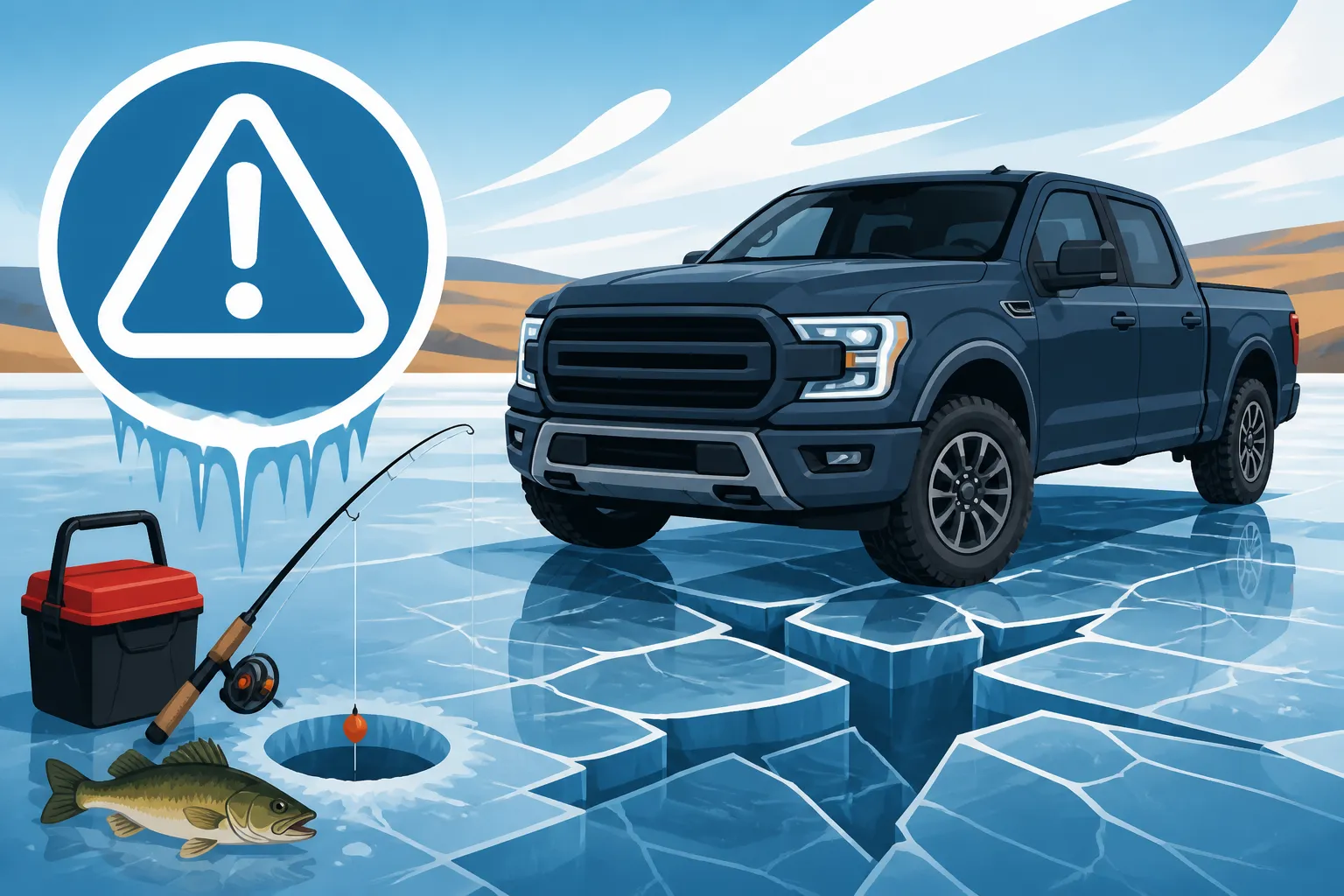
That annual freeze-up across North Dakota brings with it a special kind of excitement for ice anglers, but it also brings a very serious question: "Is it really safe to drive my truck out onto the ice?" It’s a concern that weighs heavily on many minds, especially those of us who cherish our vehicles as much as our fishing gear. The thought of getting that heavy rig bogged down or, even worse, submerged, is enough to give anyone a chill deeper than any winter morning. This guide aims to thoroughly explore the realities, risks, and responsible practices associated with driving vehicles on North Dakota’s frozen lakes, helping you make informed decisions for your winter adventures.
The Allure and The Apprehension of Driving on Ice
There's a unique draw to driving your truck directly onto a frozen lake. It’s a convenience that open-water anglers can only dream of, and it offers access to prime fishing spots that might otherwise be unreachable. But with that allure comes a deep-seated apprehension, born from countless stories and undeniable dangers.
Why Anglers Consider Driving on Ice
Let's be honest, the convenience factor is huge. Imagine being able to load all your gear – your portable fish house, auger, propane tanks, buckets of minnows, even a comfortable chair – directly into the bed of your truck and drive straight to your desired spot. No more hauling heavy sleds across vast stretches of snow and ice, battling drifts and numb fingers. For many, a truck acts as a mobile base camp, providing warmth, shelter, and easy access to snacks and extra layers.
This direct access also means you can often reach those elusive, less-pressured spots that might hold bigger fish. Think of those distant points on Lake Sakakawea or the sprawling bays of Devils Lake where the best walleye or perch schools might be holding. Driving out offers a comfort that foot travel or even ATVs can’t always match, especially when you're planning a full day or even an overnight trip. It transforms a potentially grueling expedition into a more relaxed and enjoyable experience, especially for families or those with mobility challenges.
The Underlying Fears and Risks
Despite the undeniable benefits, the fear of driving on ice is completely valid, and it’s rooted in reality. We’ve all seen the pictures or heard the stories: a pick-up truck with just its cab visible above the icy surface, or an expensive ice house swallowed whole. These aren't just cautionary tales; they're stark reminders of the immense power of nature and the unforgiving nature of ice.
The risks are multi-faceted. First and foremost, there's the danger to human life. Falling through the ice, especially with a heavy vehicle, can quickly turn into a life-threatening emergency, even if you manage to escape the sinking vehicle. Beyond personal safety, there's the substantial financial burden of losing a truck or an ice house, not to mention the potential costs associated with recovery efforts. Then there are the environmental concerns—leaking fluids from a submerged vehicle can contaminate the very waters we seek to enjoy. These legitimate dangers are why this decision should never be taken lightly or approached with overconfidence. Every time you consider driving on ice, you're weighing convenience against considerable risk.
Understanding Ice Thickness: More Than Just a Number
When it comes to ice, thickness is the primary, but not the only, indicator of safety. There are general guidelines, but relying solely on them without considering other factors can be a grave mistake.
Official Guidelines and What They Really Mean
Most wildlife and parks departments, including those in North Dakota, provide ice thickness guidelines for various activities and vehicles. While I can't give you exact figures, the principle is clear: different activities and vehicle weights require progressively thicker ice. For instance, walking on ice requires the least amount of thickness, followed by snowmobiles and ATVs. Light passenger vehicles and small trucks need considerably more, and heavier trucks, especially those towing large, fully-equipped ice houses, demand the most substantial and consistent ice.
These guidelines are not absolutes; they are minimum recommendations. They serve as a starting point, a baseline for what might be safe under ideal conditions. Think of them as the lowest common denominator. Just because the ice in one spot reaches a certain thickness doesn't automatically mean it's safe to drive a truck across the entire lake. Always consider these guidelines with a healthy dose of skepticism and supplement them with your own vigilant checks. If you're wondering about the foundational requirements, our guide on How Thick Ice Needs to Be for Ice Fishing provides more general context for different activities.
Factors Affecting Ice Strength Beyond Thickness
Here's where it gets tricky, and where many experienced ice anglers exercise extreme caution. Ice strength isn't just about how many inches you measure; it's about the quality of those inches.
- Clear, Blue Ice vs. Cloudy or Snow-Covered Ice: Clear, "black" or blue ice formed from a deep freeze is generally much stronger than an equal thickness of cloudy, white, or snow-covered ice. Cloudy ice often contains air bubbles or frozen slush, making it weaker and more porous. Snow acts as an insulator, slowing ice formation and often leading to softer, slushy layers beneath the surface. Heavy snow can also depress the ice, causing water to seep up through cracks and create unsafe slush layers.
- Currents and Inflows: Areas with strong currents, river channels, or points where water flows in or out (like culverts or springs) will always have thinner, weaker ice. Even seemingly minor currents can constantly erode the underside of the ice, creating unpredictable soft spots. These areas are particularly dangerous for vehicles.
- Temperature Fluctuations: A sudden warm spell, even if it doesn't melt the entire ice sheet, can weaken it significantly. Repeated freezing and thawing cycles can make ice brittle and honeycombed, losing its structural integrity. Look for signs of surface melt or water pooling on the ice.
- Pressure Cracks and Heaves: These are dynamic features where ice sheets expand, contract, and collide. While some cracks might refreeze and become solid, others can be areas of open water or dangerously thin ice, especially if they are actively moving. Driving over a pressure ridge, even a seemingly small one, can put immense stress on your vehicle and the ice, with potentially catastrophic results.
- Repeated Use: A well-used ice road can become safer over time due to compaction, but too many vehicles in one concentrated area can also weaken the ice. The constant vibration and stress from vehicles can cause cracks to propagate and expand. Also, areas near popular access points or ramps often see a lot of traffic, and while they might seem safe due to being "broken in," they can also be areas of stress.
Considering these factors means constantly evaluating the conditions, not just at the access point, but across the entire route you intend to travel. A veteran angler knows that one section of ice might be perfectly safe, while just a few hundred yards away, conditions could be deadly.
Essential Safety Protocols Before You Venture Out
The decision to drive on ice should be backed by meticulous preparation and a strong commitment to safety. This isn't just about protecting your truck; it's about protecting yourself and others.
Pre-Trip Preparation and Scouting
Never, ever make the decision to drive on ice lightly. This isn't the time for guesswork or wishful thinking. Your first line of defense is thorough pre-trip preparation.
- Check Conditions Relentlessly: Start by checking official sources like the North Dakota Game and Fish Department website or local conservation authorities. These resources often provide general ice reports, but remember they can't cover every single spot on every lake.
- Talk to Locals and Bait Shops: This is probably your best source of real-time, hyper-local information. Call the bait shops around the lake you plan to visit, ask fellow anglers you trust, or check local online fishing forums. They’ll know where pressure ridges are forming, which access points are being used, and if any vehicles have had issues. They're often on the ice daily and have a pulse on specific conditions.
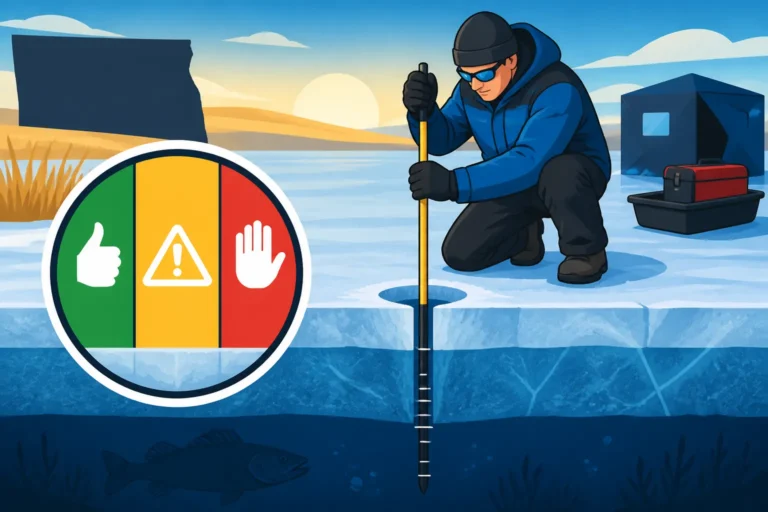
- Scout Your Route: If possible, walk or take an ATV/snowmobile out first, especially if you're venturing onto a new area. Use a spud bar (a heavy chisel-like tool) to test the ice ahead of you. It's slow, but it's the most reliable way to confirm thickness and quality. Pay close attention to changes in ice color or texture. Our guide on Early Ice Fishing Safety Tips offers more advice for those initial excursions.
- Identify Your Exit Strategy: Always know your way back to shore, especially if snow starts to fall or visibility decreases. Have a GPS on your phone or a dedicated unit, and mark your path. Knowing where you are relative to shore and identifying potential weak spots on your route is critical.
Gear for Peace of Mind (and Emergency)
Even with the best preparation, unexpected things can happen. Having the right safety gear can be the difference between a minor scare and a major catastrophe.
- Ice Picks: These are non-negotiable for any ice angler, regardless of whether you're driving a truck or walking. Worn around your neck, they provide vital grip if you fall through the ice, allowing you to pull yourself out. You can find reliable sets on platforms like Amazon.
- Rope: A long, strong rope (at least 50 feet) is essential. It can be used to pull a person out, or even to help secure a vehicle if it starts to break through. Make sure it's easily accessible, not buried under a pile of gear.
- Spud Bar/Auger: As mentioned, use a spud bar or a small auger to continually check ice thickness as you drive or walk. Never assume the ice ahead is the same as where you currently are.
- Recovery Gear: For truck drivers, this might include a heavy-duty tow strap, shackles, and possibly even a high-lift jack. While you hope to never need it, having it can be invaluable. Consider a shovel to clear snow and expose the ice.
- Communication Device: A fully charged cell phone is a must, but remember that service can be spotty in remote areas. A satellite messenger or a VHF radio can provide a more reliable means of communication in an emergency.
- Warm, Dry Clothes: Have a spare set of warm, dry clothes packed in a waterproof bag, even if you’re just going out for a few hours. Hypothermia is a serious risk if you get wet. Our article on What to Wear Ice Fishing in North Dakota provides comprehensive advice on dressing for the cold.
Remember, safety gear isn't just for you. If you come across someone else in distress, having the right equipment could allow you to assist them safely. For more insights on this specific piece of gear, check out Should You Carry Ice Picks While Ice Fishing?.
Driving on Ice: The Act Itself
Once you've made the informed decision to drive your truck onto the ice, how you actually do it can significantly impact your safety and the safety of others around you. This isn’t like driving on pavement.
Best Practices for Driving and Parking
This is where common sense and respect for the environment (and the ice itself) come into play.
- Slow and Steady Wins the Race (and Keeps You Safe): Speed is your enemy on ice. Drive extremely slowly, no faster than a slow walk. This minimizes the shock waves your vehicle sends through the ice, reducing the risk of cracks. Rapid acceleration or braking can also cause sudden shifts in stress on the ice.
- Windows Down, Seatbelt Off: This is a widely adopted practice among experienced ice drivers, though it sounds counter-intuitive. The idea is to make an escape as quick as possible if the worst happens. Having your windows down ensures they won't get stuck, and removing your seatbelt means one less impediment to getting out of a sinking vehicle.
- Maintain Distance: Never drive in a convoy or follow another vehicle too closely. Give ample space between trucks. The weight of multiple vehicles concentrated in one area can overstress the ice. If one vehicle breaks through, you don't want to be right behind it.
- Spread Out When Parking: Once you reach your fishing spot, don't park in a tight cluster with other vehicles. Spread out your weight as much as possible. If you’re in a group, try to distribute vehicles over a wider area.
- Avoid Pressure Ridges and Known Weak Spots: Steer clear of any visible pressure cracks, areas of slush, or spots where ice thickness is known to be compromised. Even seemingly refrozen cracks can be unstable under heavy loads.
- Know Your Vehicle's Weight: Be honest about how much your truck and gear weigh. A fully loaded half-ton truck, especially with a heavy ice house in tow, can easily exceed what some ice conditions can safely support.
Remember, every move you make on the ice needs to be deliberate and cautious. Don't let the excitement of fishing override your good judgment.
What to Do in an Emergency
No one wants to think about it, but knowing what to do if your truck starts to break through the ice is absolutely critical. Panic is your biggest threat.
- Act Immediately and Decisively: If you feel the ice give way or hear ominous cracking, your immediate goal is to get out of the vehicle and onto stable ice.
- Windows Down, Doors Open: If your windows are already down and seatbelt off, you're ahead of the game. If not, get them down now. Attempt to open your doors to create an escape route.
- Get Out and Spread Your Weight: Once out, do not stand upright. Lie flat on the ice to distribute your weight and crawl or roll away from the hole. Use those ice picks to help pull yourself forward if necessary. Our guide on What to Do If You Fall Through the Ice offers more detailed, life-saving steps for such a scenario.
- Signal for Help: Once you're safely away from the immediate danger, assess the situation and signal for help using your phone or communication device.
This isn't just about saving your truck, it's about saving lives – yours and potentially those trying to help you.
The Consequences: Why Caution is Paramount
The aftermath of a vehicle going through the ice extends far beyond a ruined fishing trip. The consequences can be severe, impacting lives, wallets, and the environment.
Risks to Life and Property
The most devastating risk, as mentioned, is the potential loss of life. Cold water immersion can quickly lead to hypothermia, and the shock of falling through can cause disorientation. Even if you escape the vehicle, getting to safety in frigid conditions is a monumental challenge.
Then there's the property loss. A truck, an SUV, or a large ice house represents a significant investment. Recovering a submerged vehicle is an incredibly complex, dangerous, and expensive operation. Even if the vehicle is recovered, it's often a total loss due to water damage. Insurance might cover some of it, but the deductible and the hassle can be immense.
Consider also the impact on your fishing companions or other anglers on the lake. A major incident can put others at risk, either directly in the event of a broad ice collapse, or indirectly if they attempt a rescue without proper training or equipment.
Legal and Financial Repercussions
Beyond the immediate costs of property loss and recovery, there can be significant legal and financial repercussions.
- Recovery Costs: If your vehicle goes through, you are typically responsible for the full cost of recovery. This often involves specialized diving teams, heavy equipment, and environmental cleanup crews. These costs can quickly escalate into thousands, if not tens of thousands, of dollars.
- Environmental Fines and Liability: If your vehicle leaks fuel, oil, or other fluids into the lake, you could face substantial fines for environmental contamination. You may also be held liable for the environmental cleanup, which again, can be incredibly expensive. This isn't just a North Dakota thing; states take water quality very seriously.
- Violation of Regulations: While there isn't usually a specific "no driving on ice" law, breaking through can lead to other charges if it's deemed you acted recklessly or violated safety guidelines. For example, if you caused a public nuisance or damaged state property. While different from Penalties for Fishing Without a License in North Dakota, which focuses on licensing, the principle of facing legal consequences for unsafe or illegal actions on public waters remains.
- Insurance Implications: Even if your insurance covers the loss, future premiums can skyrocket. Some policies may even have exclusions for "reckless" behavior on ice, leaving you entirely on the hook.
These potential consequences underscore why extreme caution and adherence to all North Dakota Ice Fishing Rules are not just recommendations, but necessities.
Alternatives to Driving a Truck on Ice
For many, the risks associated with driving a full-size truck on the ice simply aren’t worth it. Thankfully, there are excellent, safer alternatives that still allow you to enjoy North Dakota's incredible winter fishing.
Relying on ATVs, Snowmobiles, and Portable Gear
These lighter, more nimble machines offer a fantastic balance of access and safety.
- Increased Safety Margin: ATVs and snowmobiles, being significantly lighter than trucks, require less ice thickness for safe travel. This means you can often get out earlier in the season and stay out later, or access areas where a truck simply couldn't go. They also exert less pressure on the ice, making them inherently safer.
- Mobility and Access: These vehicles excel at navigating snowdrifts, uneven ice, and even slushy areas that would easily bog down a truck. They allow you to cover more ground and quickly move between fishing spots, which is a huge advantage when searching for active fish.
- Efficient Gear Hauling: Modern ice fishing sleds, often pulled behind ATVs or snowmobiles, are designed to carry a surprising amount of gear. You can fit your auger, portable shelter, electronics, bait, and all your rods and tackle. For example, a quality Best Ice Fishing Sled for Hauling Gear can make your life much easier, allowing you to transport everything you need without the truck.
- Portable Shelters: Paired with an ATV or snowmobile, a lightweight, portable ice shelter makes a fantastic combination. These shelters are quick to set up and take down, and they're easy to tow. There are many fantastic options, including some you can find on Amazon, known for their durability and ease of use, perfect for handling North Dakota's How Cold It Gets Ice Fishing in North Dakota conditions. If you're looking for something that can stand up to the elements, our guide on the Best Portable Ice Shelters for Wind might be a great read.
Foot Travel and Shuttles
Sometimes, the simplest method is truly the safest and most enjoyable.
- The Ultimate Safety: Walking onto the ice, equipped with your spud bar, is the safest way to fish. You can constantly check the ice ahead, and if you do encounter thin ice, you're much less likely to break through completely, and if you do, recovery is far less complicated and dangerous.
- Lightweight Gear is Key: For foot travel, investing in lightweight, compact gear is essential. Modern ice fishing rods, smaller augers (manual or battery-powered), and lightweight insulated clothing make walking much more feasible.
- Shuttle Services: On some of North Dakota's most popular lakes, like Devils Lake, you'll find local outfitters offering shuttle services. These services typically use specialized tracked vehicles or heavier-duty ATVs with drivers who are intimately familiar with the lake's ice conditions. This allows you to access prime spots without the risk of driving your own vehicle, and they often know exactly where the fish are biting. This is a fantastic option for those who want to maximize their time fishing without the worry of vehicle safety.
- Embrace the Hike: Walking also offers a unique opportunity to connect with the winter landscape, enjoying the quiet solitude and the crisp air. It’s a rewarding experience in itself, allowing you to truly appreciate the Best Ice Fishing Lakes in North Dakota.
While driving a truck onto North Dakota ice offers unparalleled convenience, it's a practice that demands extreme caution, thorough preparation, and a healthy respect for the power of nature. Always prioritize safety above all else. Assess the conditions rigorously, equip yourself with necessary safety gear (many of which are readily available on Amazon), and be prepared for the worst-case scenario. When in doubt, err on the side of caution. Consider the safer alternatives like ATVs, snowmobiles, or even walking. A successful and memorable ice fishing trip is one where everyone, and everything, makes it home safe and sound.
| Mode of Ice Travel | Pros | Cons | General Risk Level |
|---|---|---|---|
| Foot Travel | Safest, least impact, full ice assessment | Slow, limited gear capacity, physically demanding | Low |
| ATV/Snowmobile | Good mobility, decent gear capacity, faster | Still requires ice checks, can get stuck in deep snow | Medium |
| Light Truck | High comfort, good gear capacity, warm | Requires substantial ice, higher risk of break-through | High |
| Heavy Truck | Ultimate comfort/capacity | Requires very thick, consistent ice; extreme risk | Very High |
Disclaimer
This article is for general informational purposes only and does not constitute professional advice. Laws, prices and regulations vary by location and change over time. Consult a qualified professional for guidance on your specific situation.