Trolling Crankbaits for Walleye
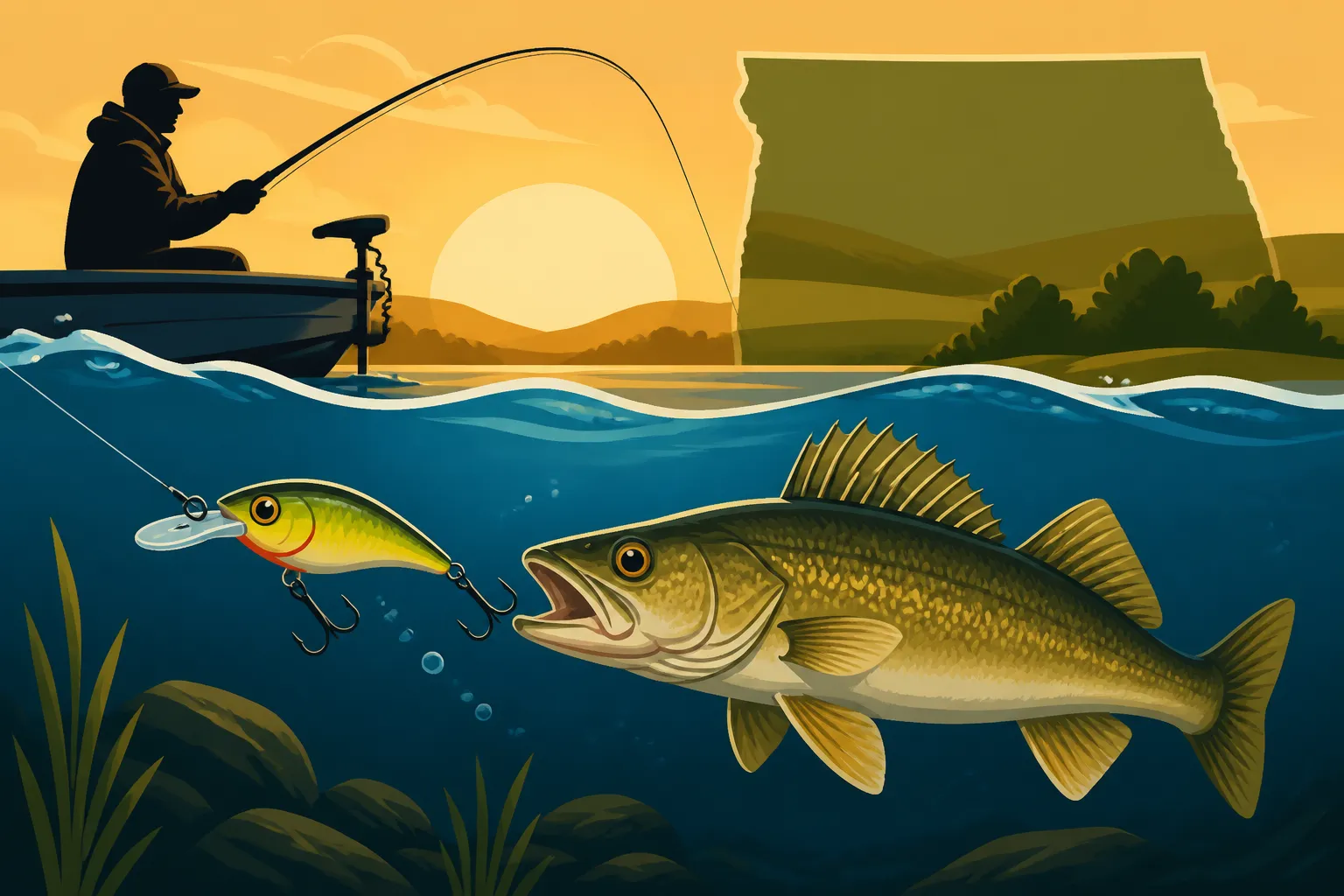
There's nothing quite like the thrill of chasing walleye in North Dakota's vast and often challenging waters, but sometimes, those elusive fish can feel like ghosts. If you've ever felt frustrated by covering miles of water without a bite, or struggling to consistently put fish in the livewell, you're not alone. This comprehensive guide is here to transform your approach, diving deep into the art and science of trolling crankbaits, a highly effective method for locating and catching more walleye across North Dakota's diverse fishing landscapes.
Understanding Walleye Behavior and Habitat for Trolling Success
Before you even think about dropping a line, understanding how walleye behave and where they prefer to hang out is paramount. Trolling crankbaits isn't just about dragging a lure; it's about presenting the right bait, at the right depth, in the right place, at the right time. North Dakota's walleye fisheries, from the sprawling expanse of Lake Sakakawea to the timber-filled depths of Devils Lake, offer varied environments that demand a nuanced understanding.
Seasonal Movements and Preferred Depths
Walleye are constantly on the move, dictated by water temperature, forage availability, and spawning cycles. Knowing these patterns helps you predict where to start your troll.
In the spring, after the ice melts and the water begins to warm, walleye are often found in shallower areas. Post-spawn fish might be recovering in bays, river mouths, or along shorelines where the water warms up first. They're looking for easy meals in depths ranging from 5 to 15 feet. As spring progresses into early summer, they'll start to spread out, often following baitfish into slightly deeper water but still close to structure. The key here is identifying those transition zones where baitfish are congregating, as walleye will never be far behind. Often, they're not looking for a chase but rather waiting to ambush unsuspecting prey.
By summer, especially during the heat of July and August, walleye tend to move to deeper, cooler water. On lakes like Sakakawea, this often means deeper main lake points, humps, and submerged islands. They'll relate strongly to the thermocline – the layer of water where temperature changes rapidly – as this often holds the most oxygen and baitfish. Depths can vary dramatically, from 15 to 40 feet or even deeper, depending on the lake and specific conditions. In more turbid systems like parts of the Missouri River, they might remain shallower if light penetration is limited. Understanding their patterns during this time is crucial, and targeting them means getting your crankbaits down to precisely where they are holding.
As fall approaches and water temperatures begin to drop, walleye enter a major feeding frenzy. They know winter is coming, and they need to pack on calories. This is often when some of the biggest walleye are caught. They might be found shallower again, especially during low light conditions or on cloudy days, but will also utilize deep points and steep breaks throughout the day. They're actively chasing baitfish in open water and aggressively hitting trolled crankbaits. This is a prime time to cover large areas of water with your trolling setup, as the walleye are often less finicky and more willing to chase down a meal. The challenge then becomes finding the schools of baitfish, and consequently, the hungry walleye.
Key Structures and Bottom Composition
Walleye are structure-oriented fish, meaning they'll relate to changes in the underwater landscape. Knowing what kind of structure to look for can significantly narrow down your search.
Points and Humps are classic walleye magnets. Points that extend out into a lake, especially those with sharp breaks or submerged rocks, create current seams and ambush points. Humps, which are underwater hills or mounds, provide elevated feeding areas and resting spots. Trolling around these features, paying close attention to the contours, is often highly productive. On a massive water body like Lake Sakakawea, locating these subtle underwater features on your sonar and mapping system is essential. When you're trolling, you're not just going in a straight line; you're tracing the edges and tops of these structures, trying to entice a bite.
Flats and Breaks are also crucial. A large, relatively flat area can hold scattered walleye, especially if it has subtle changes in depth or bottom composition. The "breaks" are where these flats transition to deeper water, often serving as migration routes and feeding corridors. Trolling along these breaklines, keeping your crankbait just above the bottom, can be incredibly effective. Consider the large flats on Devils Lake; while they might seem featureless, subtle depth changes or pockets of flooded timber can hold significant numbers of walleye, particularly if yellow perch, a primary forage, are present. For deeper insights into specific locations, you might want to read our guide on Lake Sakakawea Walleye Fishing Spots.
Weed Lines are another often-overlooked area, particularly in shallower lakes or bays. Walleye will patrol the edges of healthy weed beds, ambushing baitfish that use the weeds for cover. Trolling crankbaits that run just above or along the outside edge of these weeds can be deadly, especially during low light. However, be prepared for occasional snags. The challenge here is finding the balance between getting close enough to the cover without constantly fouling your lures.
The bottom composition also plays a role. Walleye often prefer hard bottom areas like rock, gravel, or sand, but they will also utilize soft bottom areas if there's an abundance of invertebrates or burrowing baitfish. Your sonar can give you clues about bottom hardness, and knowing what's below you can help you select the right crankbait that won't dig into muck too easily. Experimentation is key; sometimes, what looks like an ideal spot on the map might not hold fish, while a seemingly less promising area could be teeming with them.
Essential Gear for Trolling Crankbaits
Having the right equipment makes all the difference when you're trolling for walleye, especially on North Dakota's expansive and sometimes unforgiving waters. Using gear specifically designed for this technique can significantly improve your success rate and overall fishing experience. It reduces fatigue, improves bait presentation, and gives you a better chance to land that trophy fish.
Rods, Reels, and Line Selection
Your rod, reel, and line work together as a system, and each component plays a critical role in effective crankbait trolling. Skimping on one part can compromise the performance of the whole setup.
For rods, look for models that are typically 7 to 9 feet long, with a medium-light to medium power and a moderate or moderate-fast action. The longer length helps spread lines, absorb shock from rough water, and allows the crankbait to achieve its maximum diving depth more easily. The moderate action is crucial because it acts like a shock absorber, preventing hooks from tearing out of a walleye's mouth, especially when they hit a fast-moving crankbait. A good trolling rod will have enough backbone to handle a larger walleye, yet still be sensitive enough to detect subtle bites or changes in lure action. Many reputable brands offer specialized trolling rods that are perfect for this application, and you can find a wide range of options to explore on Amazon. If you're looking for more guidance, our article on Best Fishing Rods for North Dakota Anglers offers excellent insights.
Reels are perhaps the most critical component for precision trolling. A line counter reel is almost a necessity. These reels have a built-in counter that tells you exactly how much line you have out, allowing you to replicate successful presentations and maintain consistent depth. Both baitcasting and spinning line counter reels are available, though baitcasters are generally preferred for their smoother line payout and cranking power when fighting a larger fish or pulling in a deeper-diving crankbait. Choose a model with a smooth drag system and a decent gear ratio that allows for controlled retrieves. A robust, well-maintained reel is an investment that pays dividends in consistency. For specific recommendations, check out our guide on Best Spinning Reels for Walleye.
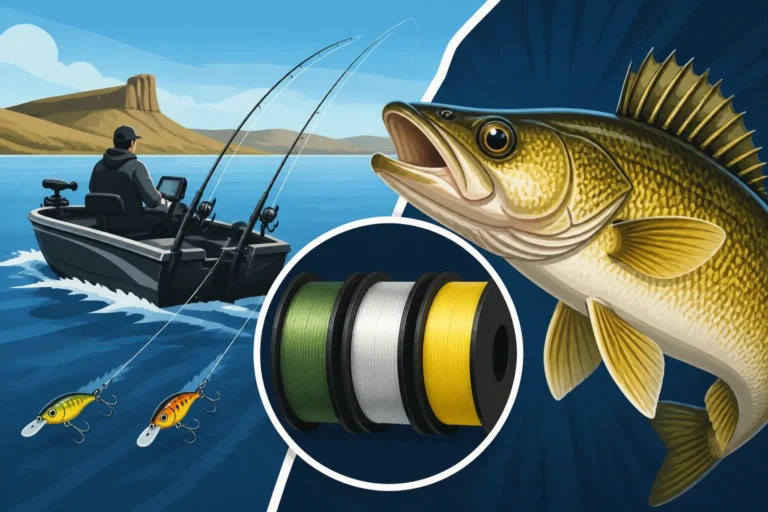
When it comes to line selection, you have a few good options, each with its own advantages:
- Monofilament: Often preferred for its stretch, which can act as an additional shock absorber. It's also more forgiving if you're hitting bottom frequently, as it won't transmit every snag directly to your rod tip. However, its stretch means less sensitivity and can make it harder to achieve maximum crankbait depths.
- Fluorocarbon: Has less stretch than mono, offering increased sensitivity and better depth control. It's also virtually invisible underwater, which can be an advantage in clear North Dakota waters. The downside is it's more expensive and can have memory issues if not spooled correctly.
- Braided Line: Offers the least stretch and maximum sensitivity, allowing you to feel every quiver of your crankbait and the lightest of bites. Its thin diameter for its breaking strength also helps crankbaits dive deeper. The lack of stretch, however, means you need a rod with a good amount of give, and braided line is highly visible, so a fluorocarbon or monofilament leader (often 10-20 feet) is highly recommended. Many anglers opt for a braided main line with a fluorocarbon leader for the best of both worlds. Our piece on Best Fishing Line for North Dakota Lakes provides even more detail.
| Line Type | Stretch | Sensitivity | Visibility | Depth Control | Best Use Case for Trolling |
|---|---|---|---|---|---|
| Monofilament | High | Low | Medium | Good | Forgiving, good for beginners or snaggy areas |
| Fluorocarbon | Medium | Medium-High | Low (invisible) | Very Good | Clear water, increased sensitivity without full braid |
| Braided | Very Low | High | High | Excellent | Max depth, max sensitivity (use with leader) |
The Right Crankbaits for North Dakota Walleye
Choosing the right crankbait can feel overwhelming with the sheer number of options available, but focusing on a few key characteristics will simplify the process. The best crankbait is the one that accurately mimics the local forage and runs at the depth where the walleye are holding.
Types of Crankbaits:
- Shallow Divers: These typically have smaller bills and dive from 2 to 10 feet. They are excellent for spring and fall fishing when walleye are shallower, or for trolling over submerged weed beds.
- Deep Divers: Characterized by large, aggressive bills, these baits can dive anywhere from 10 to 30+ feet. They are your workhorses for summer fishing on deep main lake structures or for targeting walleye suspended over deep water.
- Suspending Crankbaits: These baits, once they reach their desired depth, will "suspend" in the water column when you pause your troll. This can be deadly when walleye are finicky, giving them more time to commit to the bite.
- Floating Crankbaits: These baits float at rest and dive when retrieved or trolled. They are great for casting and retrieving, or for light trolling in shallower water where you might want the bait to float up over snags.
Colors and Sizes:
- Natural Colors: Shad, perch, smelt, and minnow patterns are consistently effective. Think about the primary forage in the lake you're fishing. On Lake Sakakawea, smelt patterns are often king for Chinook salmon and walleye, while on Devils Lake, yellow perch patterns can be devastating.
- Bright Colors: Firetiger, chartreuse, and clown patterns can be incredibly effective in stained or turbid water, or on dark, overcast days when fish need a little extra flash to find the lure.
- UV Colors: Lures with UV coatings can be more visible in deeper, darker water or on cloudy days, making them a smart choice for North Dakota's often-murky conditions.
The size of your crankbait should generally match the size of the baitfish the walleye are feeding on. Most walleye crankbaits range from 2 to 5 inches. Don't be afraid to experiment; sometimes a slightly larger or smaller profile can trigger bites when others won't. You can find a fantastic selection of reliable walleye crankbaits on Amazon from popular brands like Rapala, Berkley, and Bandit, which are all proven performers in North Dakota. For an exhaustive list of top lures, check out Best Crankbaits for North Dakota Walleye.
Mastering Trolling Techniques and Strategies
Trolling crankbaits for walleye is more than just driving in a straight line; it's a dynamic process that requires constant attention to detail and a willingness to adjust. The nuances of speed, depth, and line management can make a world of difference between a slow day and a banner day.
Speed, Depth, and Boat Control
These three elements are the core pillars of effective crankbait trolling. Getting them dialed in is crucial for consistent success.
-
Optimal Trolling Speeds: There's no single magic speed, as it can vary based on water temperature, fish mood, and bait type. However, a common range for walleye crankbait trolling is between 1.0 and 2.5 miles per hour (mph).
- Slower speeds (1.0-1.5 mph) are often effective in colder water (spring, late fall) or when fish are lethargic. It gives them more time to inspect the lure.
- Faster speeds (1.8-2.5 mph) can trigger reaction strikes from active fish, especially in warmer water during summer and early fall. Sometimes, faster speeds also help cover more water and locate aggressive schools quicker.
Experimentation is key! Watch your rod tips; a crankbait should have a noticeable wiggle. If your boat speed is too fast or too slow, the lure's action might be compromised. Using your GPS on your fish finder to maintain a consistent speed is critical. Brands like Lowrance, Humminbird, and Garmin offer excellent GPS chartplotters that can help you maintain precise speeds and track your trolling passes. Our guide on Best Fish Finders for North Dakota Lakes can help you pick the right unit.
-
Achieving and Maintaining Depth: This is where the line counter reel really shines. Most crankbaits have advertised dive curves, but actual depth can be influenced by line type, diameter, trolling speed, and lead length. Many serious walleye anglers use resources like the "Precision Trolling" app or physical depth charts, which provide precise depth information for various lures and line-out distances.
- To get your crankbait to its advertised depth, you typically need to let out a significant amount of line. For example, a crankbait rated to dive 15 feet might need 100 feet of line out to hit that depth.
- It's generally a good strategy to run your crankbait just above the fish or slightly above the bottom to avoid snags, especially in North Dakota's diverse lakes, which can have rocks, weeds, and flooded timber. Making subtle turns with your boat can also make your inside lures run deeper and outside lures run shallower, often triggering a strike as the lure changes its speed and action.
-
Boat Control: Maintaining precise boat control is paramount, especially when trolling specific contours or dealing with wind.
- Wind and Waves: North Dakota is known for its wind, particularly on big lakes like Sakakawea and Devils Lake. A bow-mounted electric trolling motor with GPS capabilities (like those from Minn Kota or Motorguide) can be invaluable for maintaining a consistent heading and speed, even in choppy conditions. They allow you to "spot-lock" or use advanced navigation features to troll a specific path.
- Current: On rivers like the Missouri, understanding current seams and eddies is vital. Trolling with or against the current will affect your boat speed relative to the water, and thus your lure's action. Often, trolling just outside the main current or along a current seam can be productive.
Remember, the goal is often to stay within a few feet of the desired depth, whether that's the bottom, a thermocline, or suspended baitfish. Any deviation from this can mean missing fish. For deeper insights into avoiding snags, check out our piece on How to Troll Crankbaits Without Snagging Bottom.
Lead Length, Planer Boards, and Line Counters
Once you have your speed and depth strategy in mind, these tools help you execute it precisely and efficiently.
-
Lead Length: This refers to the amount of line you let out from your rod tip to your crankbait. Consistency is king here. If you find a productive depth and speed, marking your line counter reading (e.g., "120 feet out") allows you to repeat that exact presentation later or set up multiple rods at the same successful depth. Keep a notepad or use your phone to log successful lead lengths for different lures and conditions. Even slight changes in lead length can alter a crankbait's depth by several feet. For more on this, our article How Deep to Troll for Walleye in Spring offers additional context.
-
Planer Boards: These ingenious devices are game-changers for trolling, especially on big lakes. They allow you to spread multiple lines out to the sides of your boat, covering a much wider swath of water than you could with just rods off the transom.
- Types: There are "inline" planer boards (like those from Off Shore Tackle or Church Tackle) which clip directly to your fishing line, and "mast systems" that use larger boards attached to a mast on your boat. Inline boards are simpler for smaller boats and fewer lines.
- Advantages:
- Cover More Water: This is the primary benefit. You can run baits through areas that might be spooked by your boat's presence.
- Prevent Tangling: By spreading lines, you minimize tangles, especially when making turns or fighting a fish.
- Gauge Bites: When a fish hits, the board will often pull back or dip dramatically, making it easy to see which line has a fish.
- Setup: Attach the board to your line, usually a few feet in front of your lure, and then let out line. The board will "plane" out to the side. When a fish hits, the board often releases or flags, and you reel in the fish (and the board). Mastering planer board deployment and retrieval takes practice, but it's an invaluable skill for serious walleye trolling.
-
Line Counters: We've touched on them, but it's worth reiterating their importance. A line counter reel is not a luxury; it's a necessity for precise trolling.
- Repeatability: Without a line counter, you're guessing how much line you have out. With it, you can accurately replicate the exact successful setup.
- Pattern Development: When you catch a fish, you can note the exact lead length. If you catch another, and another, at similar lead lengths, you've started to establish a pattern, allowing you to fine-tune your presentation.
- Troubleshooting: If you're not getting bites, you can systematically adjust your lead lengths by precise increments to find the fish.
Using these tools in conjunction allows for a highly systematic and effective approach to trolling, giving you the best chance to put more North Dakota walleye in the boat.
Adapting to North Dakota's Unique Challenges
Fishing in North Dakota isn't always sunshine and calm waters. Our state is known for its wide-open spaces, which often means wide-open wind and rapidly changing conditions. Successfully trolling for walleye here means being prepared to adapt to these specific environmental factors.
Dealing with Wind and Waves
If you've spent any time on North Dakota's larger lakes like Sakakawea or Devils Lake, you know the wind can pick up fast, transforming calm waters into a washing machine. Trolling in these conditions presents significant challenges, but with the right tactics and gear, it's still possible to be effective and, most importantly, safe.
-
Maintaining Boat Control: A strong wind can push your boat off course and make maintaining a consistent speed extremely difficult.
- Electric Trolling Motor with GPS: This is arguably the most crucial piece of equipment for battling North Dakota wind. A bow-mounted electric motor (e.g., Minn Kota's Terrova or Ultrex, Motorguide's Xi5) with GPS functionality allows you to set a course, and the motor will automatically adjust thrust and direction to keep you on track. The "spot-lock" feature is also invaluable for holding your boat precisely over a productive spot, even in stiff breezes.
- Drift Socks/Bags: These parachute-like devices are deployed off the bow or stern to slow your boat down, especially when trolling with the wind, or to help stabilize your boat when drifting across a flat. They act as a sea anchor, providing drag and helping you maintain a slower, more controlled speed that might be necessary for specific crankbait presentations.
- Larger Outboard Motors: Sometimes, you'll need the sheer power of your main outboard motor, especially if you're trolling into a strong headwind. Using it in conjunction with your electric motor for fine-tuning can give you the necessary thrust to maintain speed.
- Steering: Don't fight the waves head-on unless absolutely necessary. Quartering into or with the waves can make for a much smoother ride and better boat control, minimizing the erratic movements that can negatively impact your lure's action.
-
Safety Considerations: Wind and waves aren't just an inconvenience; they can be dangerous.
- Life Jackets: Always wear your life jacket, especially when alone or when conditions are rough. It's not worth the risk. Our article on Best Life Jackets for Cold Water Fishing emphasizes the importance of safety.
- Weather Monitoring: Keep a close eye on weather forecasts and radar. Conditions can change rapidly, and knowing when to head back to shore is a critical part of being a responsible angler.
- Boat Capacity: Don't overload your boat. Be aware of your vessel's limits and ensure all safety equipment (flares, horn, spare paddle, etc.) is easily accessible.
While trolling in wind can be challenging, it can also be incredibly productive. The chop on the water surface breaks up light penetration, often making walleye less spooky and more willing to bite. The erratic motion of the boat can also impart an irresistible action to your crankbaits. For more tips on battling the elements, our guide on Fishing in North Dakota's Windy Conditions is a must-read.
Water Clarity and Forage Base
North Dakota's diverse waters range from the relatively clear depths of Lake Sakakawea to the often-turbid, fertile waters of Devils Lake and parts of the Red River. This variability directly impacts crankbait selection and trolling strategy.
-
Lake Sakakawea (Clearer Water, Smelt-Based Forage):
- Crankbait Selection: In clearer water, walleye rely heavily on sight. Naturalistic patterns that mimic rainbow smelt, ciscos, or shiners are often highly effective. Colors like silver, chrome, natural greens, and blues tend to shine.
- Tactics: Longer leaders (if using braid), smaller diameter lines, and careful bait presentation are important to avoid spooking fish. Trolling during low light conditions (dawn, dusk, cloudy days) can also be more productive in clear water. Walleye in Sakakawea are often suspended, so precise depth control is paramount.
- Forage Impact: The abundance of rainbow smelt means walleye are often chasing pelagic baitfish in open water. Your trolling runs might be long, covering vast areas in search of schools.
-
Devils Lake (Turbid Water, Perch-Based Forage):
- Crankbait Selection: In more stained or turbid water, visual cues are reduced, so walleye rely more on vibration and flash. Brighter, bolder colors like firetiger, chartreuse, clown, and patterns with strong orange or yellow accents tend to perform well. Lures with rattles can also be highly effective.
- Tactics: You might not need to be as stealthy with line choices. The walleye might be more aggressive in hitting louder, more visible baits. Trolling closer to flooded timber or rock rubble is common here, so choosing crankbaits that are less prone to snagging is a good idea.
- Forage Impact: Yellow perch are a huge forage base in Devils Lake. Crankbaits that mimic a perch profile and color can be extremely successful. Additionally, Devils Lake walleye often relate to the abundant flooded timber, so trolling the edges of these submerged forests is a common and productive tactic. For more on this, check out our guide on Devils Lake Walleye Fishing Spots.
-
Missouri River (Varied Clarity, Mixed Forage):
- Crankbait Selection: Clarity can vary from relatively clear below Garrison Dam to more stained downstream. Be prepared with a mix of natural and bright colors. Shad and minnow patterns are good all-around choices, but don't shy away from a firetiger if the water is murky.
- Tactics: Current is a major factor here. Trolling up-current or down-current will affect how your lure acts. Walleye will often sit in current breaks, so trolling along the edges of these breaks is key.
Always observe the water clarity on the day you're fishing. If it's muddy after a rain, opt for brighter colors and more vibration. If it's gin clear, go natural and subtle. Carrying a diverse selection of crankbaits, covering various colors, sizes, and diving depths, will ensure you're ready for whatever North Dakota's waters throw at you.
Advanced Tips and Troubleshooting for Consistent Catches
Even with the right gear and a solid understanding of basic techniques, there will be days when the walleye just don't cooperate. That's when a willingness to troubleshoot and adapt, combined with some advanced insights, can turn a tough day around.
Reading Your Electronics and Adjusting on the Fly
Your fish finder isn't just for locating fish; it's a window into the underwater world, providing vital information about structure, baitfish, and bottom composition. Learning to interpret this information on the fly is a hallmark of successful walleye anglers.
-
Interpreting Sonar:
- Fish Arches: Classic arches often indicate walleye or other game fish. Pay attention to the size and density of the arch. A thick, strong arch typically means a larger fish.
- Baitfish Schools: Dense clouds of small dots indicate baitfish. Where there's bait, there are usually predators. If you see baitfish at a certain depth, adjust your crankbaits to run through or just below that school.
- Structure: Your sonar will show you ledges, humps, old creek beds, and flooded timber. Learn to identify these features and understand how walleye relate to them. Side imaging and down imaging technologies, available on many modern fish finders, provide even more detailed views of the underwater terrain and fish holding tight to structure.
- Bottom Composition: Hard bottoms (rock, gravel) will show a thicker, brighter return on your sonar compared to soft bottoms (mud, silt). This can help confirm your structural understanding.
-
Making Real-time Adjustments: The ability to react to what your electronics are telling you is critical.
- Depth Adjustments: If you see fish at 20 feet, and your crankbaits are running at 15 feet, don't hesitate to let out more line or switch to a deeper-diving lure. Conversely, if you're marking fish shallower, reel in some line.
- Speed Changes: Sometimes a slight increase or decrease in trolling speed can trigger bites. If you pass over a school of fish and don't get a bite, try speeding up or slowing down on your next pass.
- Lure Changes: If a certain color or profile isn't working, try another. Sometimes a subtle change is all it takes. Keep a variety of proven crankbaits on hand.
- Waypoints: When you catch a fish, immediately mark a waypoint on your GPS. This allows you to return to that exact spot, or to identify a pattern of successful locations. If you're marking fish but not getting bites, try making a tight turn through the school; the change in lure speed and action can often trigger a strike. For more detailed insights into optimizing your electronics, our guide on Best Fish Finder Settings for Walleye is invaluable.
Experimentation and Pattern Development
Walleye are creatures of habit, but those habits can change daily, or even hourly. The most successful anglers are those who are willing to experiment and painstakingly develop a pattern.
- Systematic Experimentation: Don't just stick to what worked last week or what your buddy told you. Start with a few different crankbaits, colors, and depths. If you're not getting bites, change one variable at a time: change speed, change lead length, change lure color, or change to a different diving lure. This systematic approach helps you isolate what's working and what isn't.
- Keep a Logbook: This is an old-school but incredibly effective tip. Record details like:
- Date, time, location (GPS coordinates)
- Water temperature, air temperature, weather conditions (wind, clouds)
- Lure type, color, size
- Lead length, trolling speed
- Depth of fish caught
- Observations (fish stomach contents, type of bite)
Over time, this logbook will become an invaluable resource, helping you predict patterns and make quicker decisions on the water. You can then apply successful patterns from similar conditions or seasons to new fishing trips.
- Don't Be Afraid to Break Rules: While there are general guidelines, walleye don't always read the rulebook. Sometimes, a bizarre color or an unusual speed is what they're looking for. The best anglers are often those who are willing to try something completely different when conventional methods aren't producing. For example, some days a fast, erratic retrieve can entice a bite even when slow and steady is recommended. The "pattern" might be completely counter-intuitive.
Safety and Etiquette on Busy Waters
North Dakota's popular fishing destinations can get crowded, especially during peak seasons. Practicing good safety and etiquette ensures a pleasant experience for everyone.
- Navigation Rules: Understand and follow basic boating navigation rules. Yield to boats on your starboard (right) side, maintain a safe distance from other vessels, and be predictable in your movements. When trolling, try to maintain a straight line if possible, or make wide, sweeping turns.
- Awareness of Other Anglers: Be mindful of other boats, especially those jigging or casting. Don't troll directly through someone else's fishing spot or cut them off. If you see someone reeling in a fish, give them space. A simple wave or nod can go a long way in fostering a friendly atmosphere on the water.
- Right of Way: Boats engaged in commercial fishing (if applicable) or those with limited maneuverability generally have the right of way. In North Dakota, most recreational vessels should be aware of each other.
- Emergency Preparedness: Beyond your life jacket, ensure your boat has all required safety equipment, including a fire extinguisher, signaling devices, and a first-aid kit. File a float plan with someone on shore, letting them know where you're going and when you expect to return, especially on large, remote lakes. Our comprehensive North Dakota Fishing Regulations Explained guide is an excellent resource for all the rules of the water.
Trolling crankbaits for walleye in North Dakota is a rewarding pursuit that combines skill, patience, and a deep appreciation for the natural environment. By mastering these techniques and continuously learning from your experiences, you'll not only catch more fish but also gain a profound understanding of these incredible fish and their vast prairie home.
Disclaimer
Fishing regulations, license requirements, and safety guidelines can change. Always consult the latest North Dakota Game and Fish Department proclamations and regulations before heading out. The information provided in this guide is for informational purposes only and should not be considered a substitute for official sources.