Fall Walleye Fishing Patterns in North Dakota
Oh, the crisp air, the changing leaves, the promise of a hot thermos of coffee on the water – fall fishing in North Dakota is something special, isn't it? But let's be real, it can also be incredibly frustrating trying to figure out where those walleye went after a hot summer bite. They seem to vanish or change their entire personality! If you're tired of guessing and want to dial in your tactics for consistent fall walleye success, you've come to the right place. This guide will help you decode the mysteries of autumn walleye behavior, understand seasonal patterns, and equip you with the knowledge to make your fall fishing trips truly memorable.
Understanding the Fall Transition for Walleye
Fall in North Dakota isn't just a change of scenery; it's a monumental shift for the walleye in our lakes and rivers. This isn't like flicking a switch, it's a gradual, dynamic process, and understanding it is key to putting more fish in the boat. The fish are reacting to fundamental environmental changes, and if we can anticipate those reactions, we're already ahead of the game.
Water Temperature and Oxygen Levels
As the days shorten and the nights grow colder, the surface water temperatures begin to drop. This is the primary driver of fall walleye movement. In the warmer months, many of our deeper lakes experience stratification, where distinct layers of warm and cold water form, often with an oxygen-depleted zone (hypolimnion) at the bottom. As fall progresses, the surface water cools, becoming denser, and eventually sinks. This leads to what's known as "fall turnover" or "fall mixing." During turnover, the entire water column mixes, redistributing oxygen throughout the lake. This can temporarily disorient fish, making the bite tough, but once it settles, it opens up a huge amount of new habitat for walleye that might have been oxygen-starved previously. They can now access deeper structure and forage that was unavailable during the summer.
Beyond turnover, the steadily cooling water impacts the walleye's metabolism. They become more active as they sense the approaching winter. This isn't just a leisurely swim; it's a frantic feeding frenzy, a biological imperative to pack on fat reserves. Knowing this means we should expect more aggressive bites and a willingness to chase bait. However, it also means finding those pockets of ideal temperature where they're most comfortable and actively feeding. Different parts of a large system like Lake Sakakawea will cool at different rates, leading to varied patterns across the lake.
Baitfish Movement and Forage
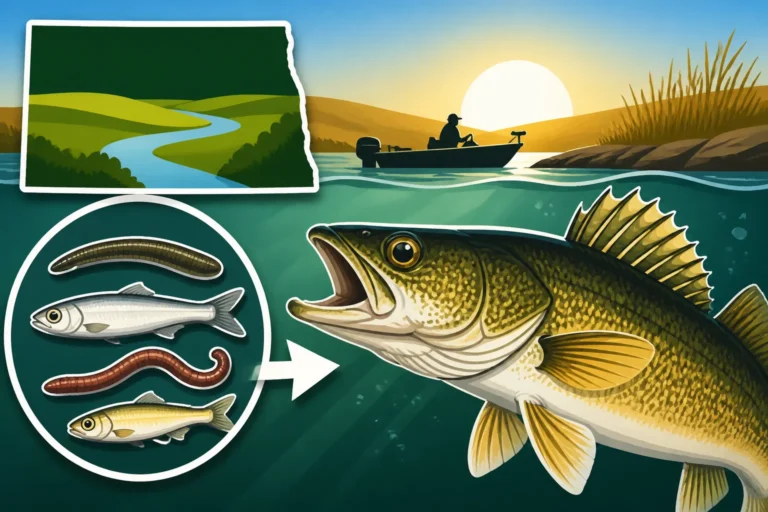
The cooling water doesn't just affect walleye; it impacts their entire food chain. Baitfish like shiners, smelt, and yellow perch, which were often scattered throughout the lake in summer, start to school up tightly and move. Their movements are largely dictated by water temperature and the search for their own food sources. As water cools, baitfish often move from shallower bays and weed beds, which lose their warmth and protective cover, out to more open water or deeper main lake points and flats.
Walleye, being opportunistic predators, follow this forage. If you can find the bait, you're a big step closer to finding the walleye. This might mean looking for schools of bait on your electronics in open water, or concentrating on areas where baitfish are naturally funneled, such as points, humps, or the mouths of feeder creeks. This "follow the food" strategy is paramount in the fall. Anglers need to adapt their presentations to mimic these schooled-up baitfish, often requiring larger, more aggressive lures as the walleye are keyed into gorging on substantial meals.
Key Fall Walleye Patterns by Month
North Dakota's fall is a dynamic season, and walleye patterns evolve significantly from early September to late November. What works one month might be completely ineffective the next. Successful anglers are those who can read these changes and adjust their approach.
Early Fall (September) Strategies
As September rolls in, the oppressive summer heat starts to recede, and water temperatures begin their gradual descent, typically from the high 60s down into the low 60s Fahrenheit. This is often a fantastic time to target walleye, especially in the first half of the month. The fish are starting to feel the urge to feed heavily but haven't yet committed to their full deep-water wintering grounds. You'll find a mix of patterns during this time. Some walleye might still be relating to the deeper edges of weed lines and submerged structure that provided cover and food through the summer. Others, particularly on larger lakes, will begin to stage on main lake points, humps, and subtle breaks in 15-30 feet of water, often near access points like those on Lake Sakakawea.
Technique-wise, you'll want to be versatile. Trolling crankbaits for walleye is still highly effective, especially with baits that dive to medium depths (15-25 feet), as you cover a lot of water and locate active schools. Think Rapala Shad Raps or Berkley Flicker Shads. Jigging raps, blade baits, or even a classic jig and minnow can produce when you find a concentrated school. Don't overlook pitching jigs to the remaining green weed edges in shallower bays during low light conditions. The walleye will often move shallower to feed under the cover of darkness or heavy cloud cover before retreating to deeper water as the sun rises.
Mid-Fall (October) Deep Water Tactics
By October, the cooling trend is well underway, and in many North Dakota lakes, the fall turnover has either just finished or is in full swing. Water temperatures will generally be in the 50s. This is when walleye make a more pronounced move towards deeper, more stable water. They're still feeding aggressively, but their locations become more predictable: deep main lake basins, significant structural elements like submerged islands, prominent points that drop off sharply, and river channels. Finding the bait is absolutely paramount now, as walleye will be tightly schooled around these forage concentrations. This is also when some of the biggest walleye of the year are caught, as they are actively bulking up.
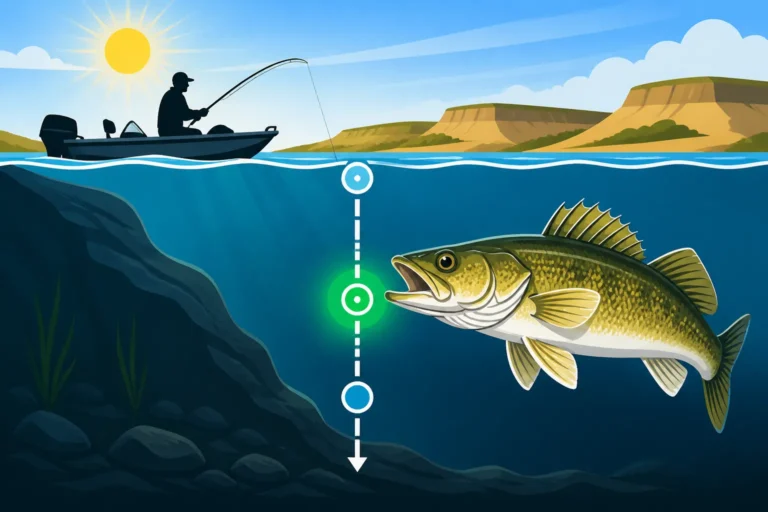
Vertical jigging becomes a dominant technique in mid-fall. Spoons, like a Northland Forage Minnow, or heavier jigging raps in 20-40 feet of water can be deadly when dropped directly onto fish showing on your sonar. Look for these fish holding tight to the bottom or suspended just above bait balls. Large shiner minnows or chub minnows on a traditional jig or a slip bobber rig are also incredibly effective. This is a time when the fish might not chase a fast-moving bait as readily as in September, preferring a slower, more deliberate presentation. On large systems like the Missouri River, focus on the deeper holes and current seams where baitfish are swept through.
Late Fall (November) Pre-Ice Bite
November in North Dakota is often a race against the ice. Water temperatures will drop into the low 40s and even high 30s. This is the last major feeding window before the lakes freeze over. Walleye, sensing the impending winter dormancy, can enter a powerful "pre-ice" bite, gorging themselves on anything they can find. The fishing can be phenomenal, but it can also be challenging due to unpredictable weather, strong winds, and rapidly fluctuating conditions. This is the period when walleye concentrate in their deepest wintering holes, often adjacent to prime spawning areas, preparing to hunker down.
When chasing late fall walleye, focus on the deepest structure available – humps, points, and basins in 30-50+ feet of water, especially on expansive lakes like Lake Sakakawea. Your electronics, like those from Garmin or Humminbird, become indispensable for locating these deep fish and the bait they're feeding on. Presentations need to be slower, more methodical. Large jigging spoons, heavy jig and minnow combinations, or even deadsticking live bait on a rod holder can be incredibly effective. Sometimes, the walleye are so cold they just want an easy meal. This is also the time of year when those massive northern pike will often hit walleye presentations, providing an exciting bonus. Remember to bundle up with appropriate cold weather gear for ice fishing, as conditions can be brutally cold.
Top North Dakota Lakes for Fall Walleye
North Dakota is blessed with incredible walleye fisheries, and fall truly highlights some of the best. While many lakes offer opportunities, a few stand out for their consistent fall bite and the chance at truly trophy-sized fish.
Lake Sakakawea's Fall Walleye Bonanza
Lake Sakakawea, the largest reservoir in North Dakota, becomes a walleye factory in the fall. Its immense size and diverse structure—from rocky points and sharp breaks to flooded timber and expansive flats—hold an incredible population of walleye. As temperatures drop, especially after the lake completes its turnover, walleye will move to the deeper portions of the main lake and its numerous arms and bays. Early fall sees good action in the shallower bays and points of areas like Van Hook Arm and Deepwater Bay, where fish might still be chasing bait on the weed lines. As fall progresses, the action shifts to deeper main lake points and structure in areas like Garrison Bay, the Little Missouri Arm, and the Big Knife Bay.
Look for areas where schools of smelt and cisco are concentrated, often suspended over deeper water or tight to underwater humps and drop-offs. Trolling deep-diving crankbaits or pulling bottom bouncers with larger minnows or artificial swimbaits can be highly effective for covering water and locating active fish. Jigging spoons or heavy jigs with minnows are also key once you've found a school. Check out specific Lake Sakakawea Walleye Fishing Spots for detailed insights into productive areas. The sheer size of Sakakawea means fishing can vary significantly from one end of the lake to the other, so paying attention to local reports and water temperatures is crucial.
Devils Lake's Legendary Fall Bite
Devils Lake offers a unique and often explosive fall walleye fishery, characterized by its sprawling, flooded timber and constantly changing water levels. Unlike clear-water lakes, Devils Lake's turbid nature means walleye often relate to different types of structure, particularly the flooded trees, rock piles, and old roadbeds. In early fall, walleye can still be found in and around the extensive weed beds, but as the water cools, they'll begin to move out to deeper areas, often staging along the edges of the flooded timber or on the main lake points and humps. The perch population provides an abundant food source, and walleye will aggressively target schools of yellow perch.
Mid-to-late fall on Devils Lake often means focusing on the deeper flooded timber areas, distinct contour lines, and rock piles in 20-40 feet of water. Vertical jigging with a lively minnow or a jigging rap is a go-to technique here. Don't be afraid to experiment with brighter colors, as the water can be stained. The Walleye Fishing Guide for North Dakota Anglers provides more insight into species-specific strategies. The key to Devils Lake is often finding the "sweet spots" – specific pockets of timber or rock where fish are concentrated. It can be a puzzle, but once you solve it, the rewards can be incredible. Look for concentrations of baitfish on your fish finder, as walleye will be right on their tails.
Missouri River System Opportunities
The Missouri River, especially below Garrison Dam and through Bismarck, offers a fantastic, consistent fall walleye bite, often extending well into winter due to its flowing water. The river system doesn't experience the same dramatic turnover as large lakes, though water temperatures will still drop. Walleye in the river system are highly influenced by current and the availability of stable deep-water holding areas and current breaks. Early fall sees walleye active on sand flats and shallower current seams, but as the water cools, they move to deeper holes, scour areas, and behind wing dams or significant current breaks.
Target deeper sections of the river, especially those with good current breaks where walleye can ambush baitfish without expending too much energy. Jigging with heavier jigs (1/2 oz to 1 oz) tipped with minnows or plastics is a common and effective technique. Pitching jigs to the upstream side of wing dams or current breaks, allowing them to drift naturally into the slack water, can be deadly. Trolling with crankbaits is also effective, especially in wider river sections or reservoirs like Lake Oahe, focusing on areas where the river channel intersects with main lake points. For more detailed information on specific river sections, check out the Missouri River Fishing Guide.
Essential Gear and Techniques for Fall Walleye Success
Having the right tools and knowing how to use them can make all the difference in targeting fall walleye. The conditions can be challenging, but modern gear and refined techniques can give you a significant advantage.
Rods, Reels, and Line Choices
When it comes to rods for fall walleye, versatility is your friend. A good medium-light to medium power spinning rod, around 6'6" to 7'6" in length, is a solid choice for jigging, rigging, and even light crankbait trolling. Look for a fast action tip, which allows you to feel subtle bites even in deep water or windy conditions, but with enough backbone to set the hook firmly and fight larger walleye. For heavier jigging applications or when fishing current on the Missouri River, a medium-heavy rod might be beneficial. Brands like St. Croix or Fenwick offer excellent options that can be found on Amazon.
Pair your rod with a quality spinning reel in a 2500 or 3000 size. Smooth drag and good line capacity are critical. For line, braided line in 8-15 lb test is a popular choice for its sensitivity and lack of stretch, especially when fishing deeper. However, always use a fluorocarbon leader (6-10 lb test, 3-6 feet long) to make your presentation invisible to wary walleye and provide abrasion resistance. If you prefer monofilament, a high-quality 8-10 lb test mono with low memory is a good all-around choice. For trolling, many anglers stick with a 10-14 lb monofilament or a lead core line for achieving specific depths. Understanding the best fishing line for North Dakota lakes can help you make an informed decision.
Best Baits and Lures for Fall
Fall walleye are often aggressive and looking for a substantial meal, but sometimes they can be finicky. This means having a diverse tackle box is crucial.
- Live Bait: Minnows are king in the fall. Large shiner minnows, chubs, or even redtail chubs are highly effective on jigs, under a slip bobber, or pulled on a bottom bouncer. The "Best Live Bait for North Dakota Walleye" is almost always a lively minnow in the fall.
- Jigging Spoons/Raps: Metal jigging spoons (e.g., Northland Forage Minnow, Acme Kastmaster) and jigging raps (e.g., Rapala Jigging Rap, Moonshine Shiver Minnow) are deadly, especially when vertical jigging over deep schools of fish. They mimic injured baitfish and trigger aggressive strikes. Sizes from 1/4 oz to 1 oz are common.
- Crankbaits: Trolling crankbaits remains a strong technique, particularly in early fall and on larger, more expansive waters. Deep-diving models in natural baitfish patterns (perch, shiner, silver/blue) are excellent. Consider specific Best Walleye Crankbait Colors for Lake Sakakawea that might work best for your target lake.
- Blade Baits: Vibrating blade baits (e.g., Johnson ThinFisher, Heddon Sonar) are fantastic for vertical jigging or casting and retrieving, especially when walleye are suspended or holding tightly to structure. Their strong vibration can call fish in.
- Soft Plastics: Paddle-tail swimbaits on jig heads, grubs, or even traditional worm harnesses can still produce, especially if you tip them with a piece of real minnow.
Electronics and Boat Control
In fall, especially when chasing deep-water walleye, your electronics are no longer an accessory; they're a necessity. A good fish finder with clear side-imaging, down-imaging, and 2D sonar is essential for locating baitfish schools, understanding bottom contours, and identifying individual fish. When fishing deep, your ability to discern subtle changes in bottom composition or suspended bait is paramount. Look for fish holding tight to the bottom, near structure, or suspended just above dense bait balls. A quality GPS chartplotter is also critical for marking productive spots and navigating safely, particularly on vast waters like Sakakawea. Many excellent models can be found from brands like Lowrance or Humminbird, often available on Amazon. For deeper insights, explore the Best Fish Finders for Boat Fishing.
Effective boat control allows you to stay on top of schools once you find them. A reliable trolling motor (bow-mount is preferred for precision) with spot-lock or anchor mode is invaluable. This allows you to precisely position your boat over structure or a school of fish, even in North Dakota's notoriously windy conditions. Whether you're vertical jigging, slipping rigs, or slow trolling, maintaining control over your presentation is key to enticing bites from often finicky fall walleye. Without precise boat control, you'll constantly be drifting off the mark and missing opportunities.
Navigating Fall Fishing Challenges
Fall fishing in North Dakota is incredibly rewarding, but it's not without its hurdles. From rapidly changing weather to the inherent dangers of cold water, being prepared and safety-conscious is just as important as knowing your fishing patterns.
Dealing with North Dakota's Unpredictable Fall Weather
North Dakota's fall weather is, well, North Dakota weather. It can be glorious one day with calm winds and sunshine, and then a blizzard warning the next. Anglers need to be constantly monitoring forecasts and be ready to adapt or reschedule. Strong winds are a frequent challenge, making boat control difficult and creating hazardous conditions on large lakes. Always check wind forecasts and understand that a small craft advisory is a serious warning. Dressing in layers is absolutely crucial. Start with a moisture-wicking base layer, add insulating layers (fleece, down), and top with waterproof and windproof outerwear. This allows you to adjust to temperature fluctuations throughout the day.
Rapid temperature drops can also impact fish activity. While walleye are generally feeding aggressively, a sudden cold front can sometimes put them into a funk, making them less willing to bite. In these situations, slowing down your presentation and trying smaller, more subtle baits can sometimes coax a strike. Don't be afraid to take a break or call it a day if the weather turns genuinely nasty. No walleye is worth risking your safety. Always let someone know where you're going and when you expect to return.
Cold Water Safety Considerations
This is perhaps the most critical aspect of late fall fishing. As water temperatures plummet below 50 degrees Fahrenheit, the risk of hypothermia and cold water shock increases dramatically. Even a short immersion in cold water can quickly incapacitate you. Always wear a U.S. Coast Guard-approved life jacket or personal flotation device (PFD), even if you're an experienced swimmer. In cold water, your body's initial reaction to immersion can cause involuntary gasping, leading to drowning if you're not wearing a PFD. Many modern PFDs are comfortable to wear and won't hinder your casting or fishing.
Additionally, consider investing in a cold-weather immersion suit or at least layering your clothing to include waterproof and insulated outer layers that provide some thermal protection if you end up in the water. Never fish alone in extremely cold conditions, and always carry safety gear such as a throw rope, extra dry clothes in a waterproof bag, and a fully charged cell phone. Be extra cautious around boat ramps and docks, which can become icy. For more information on staying safe, especially as ice season approaches, check out the Best Cold Weather Gear for Ice Fishing.
Conservation and Responsible Angling
As dedicated anglers, we all have a role to play in preserving North Dakota's incredible fishing resources for future generations. Fall fishing, particularly the aggressive pre-spawn bite, can result in high catch rates, making responsible angling even more important. Always be familiar with and abide by the North Dakota Fishing Regulations Explained, including length limits, daily limits, and possession limits for walleye. These rules are in place to ensure sustainable fisheries.
Practice selective harvest, especially if you're catching a lot of fish. Consider releasing larger, mature female walleye, which are crucial for the spawning stock. Take care when handling fish you intend to release, minimizing their time out of water and using appropriate tools like a net or BogaGrip. Avoid needlessly rough handling. Also, be diligent about preventing the spread of aquatic nuisance species (ANS) like zebra mussels. Always clean, drain, and dry your boat and gear every time you leave the water, especially when moving between different lakes. These simple practices help protect our waters and keep them healthy and productive for years to come.
Fall Walleye Fishing at a Glance
To give you a quick overview of how walleye patterns shift throughout the fall, here's a helpful table. Remember, these are general guidelines, and local conditions can always vary!
| Fall Period | Water Temp Range (approx.) | Walleye Location Focus | Primary Forage | Recommended Techniques | Key Gear Considerations |
|---|---|---|---|---|---|
| Early Fall | 60-68°F | Weed edges, main lake points, breaks | Shiners, small perch, cisco | Trolling crankbaits, jigging minnows/plastics, slip bobbers | Medium-light spinning rod, various crankbaits, live minnows |
| Mid-Fall | 50-59°F | Deeper structure (humps, points), basin edges, river channels | Larger perch, cisco, smelt | Vertical jigging (spoons, raps), bottom bouncing, live bait rigs | Sensitive medium spinning rod, heavier jigs/spoons, fish finder |
| Late Fall | 38-49°F | Deepest wintering holes, main lake basins, sharp breaks | Large forage, injured baitfish | Slow vertical jigging, deadsticking live bait, blade baits | Medium-heavy rod, large minnows, cold weather gear, PFD |
Disclaimer
The information provided in this guide is for general informational purposes only. Fishing conditions and regulations can change rapidly. Always consult the most current North Dakota Game and Fish Department regulations and local advisories before heading out on the water. Your safety is paramount, especially when fishing in cold water conditions.