Best Live Bait for Early Season Walleye
The early season can be one of the most exciting, yet frustrating, times to chase walleye in North Dakota. As the ice finally melts away and the waters slowly warm, walleye are often in a transitional state, making them a bit finicky and challenging to locate. Knowing which live bait to present and how to present it effectively can make all the difference between a triumphant day on the water and coming home empty-handed. This guide will dive deep into the best live bait options and proven techniques to help you hook into those elusive early season walleye.
Understanding Early Season Walleye Behavior
Catching walleye right after ice-out isn't just about throwing out any old bait; it's about understanding what these fish are doing and what they're looking for when the water is still biting cold. Their behavior in early spring is vastly different from their summer or fall patterns, and dialing into that can give you a significant advantage.
Cold Water Metabolism and Location
When the water temperatures are still hovering in the low 40s or even upper 30s, a walleye's metabolism is incredibly slow. Think of it like trying to run a marathon right after waking up from a long winter nap – they're just not built for speed or high-energy pursuits yet. This means they're generally less aggressive, less likely to chase down a fast-moving lure, and will often hold tight to specific structures where they can conserve energy. You'll find them hugging breaklines, subtle points, or deeper flats adjacent to spawning areas. In expansive waters like Lake Sakakawea or even the vastness of Devils Lake, locating these key areas where warmer water might be pooling, or where structure provides a current break, becomes paramount. They're not going to expend much energy chasing, so your presentation needs to be right in their face, or very close to it, and enticing enough for them to take notice without much effort.
The Post-Spawn Period
Depending on how early in the season you're fishing and where you are in North Dakota, you might encounter walleye that are either pre-spawn or post-spawn. Often, early season means many of the larger female walleye are either just finishing their spawning rituals or are in the recovery phase immediately afterward. Post-spawn walleye, especially the females, are typically exhausted and lethargic. Their priority isn't aggressive feeding; it's about regaining energy and recovering from the rigors of reproduction.
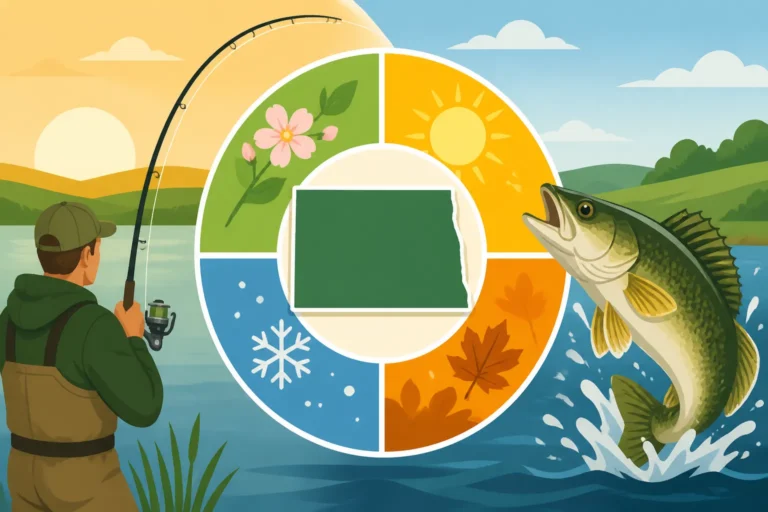
This recovery period means they're looking for an easy meal, something that doesn't require much effort to catch. They're not interested in high-speed chases. Instead, they prefer something slow, enticing, and packed with scent and natural action that drifts right into their strike zone. This is why live bait often outshines artificial lures during this specific window. The subtle movements and inherent appeal of a natural food source are hard for even the most tired walleye to resist. Understanding the various stages of the North Dakota Fishing Season Calendar can really help pinpoint when these post-spawn patterns are most prevalent in different regions.
Top Live Bait Choices for Early Season Walleye
When those early spring walleye are playing hard to get, live bait is often your secret weapon. The natural scent, subtle movements, and irresistible appeal of a living meal can trigger bites when nothing else will. Here's a rundown of your best bets for enticing those cold-water giants.
The Mighty Minnow Shiners, Fatheads, Rainbows
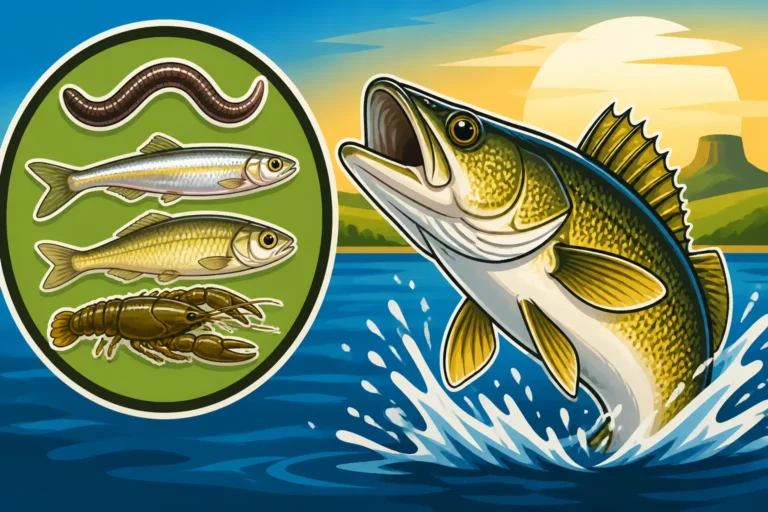
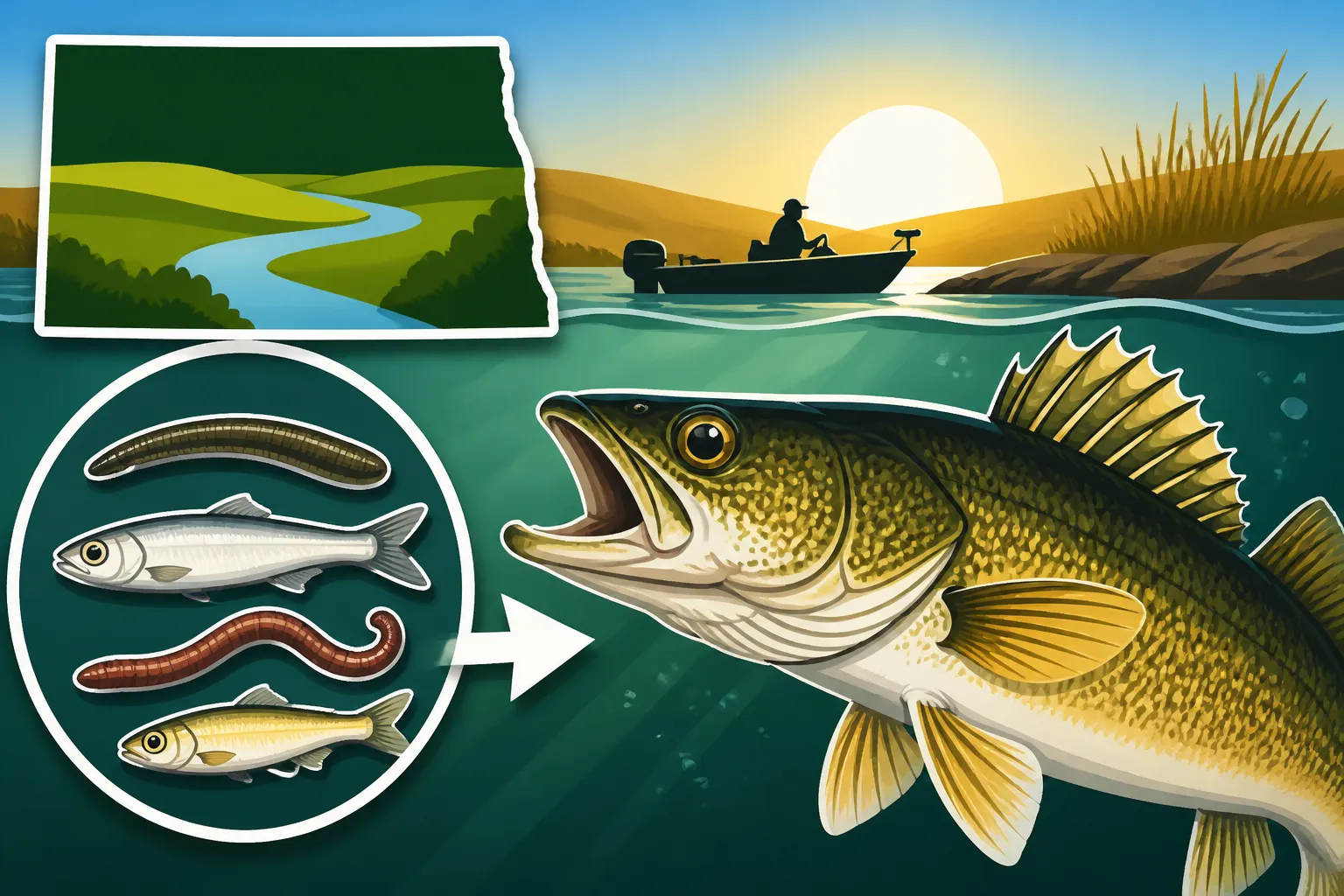
Minnows are arguably the quintessential walleye bait, and for good reason – they’re a natural forage for walleye across North Dakota's diverse waters. Their effectiveness, especially in cold, clear water, is unmatched due to their natural appearance, subtle vibrations, and the undeniable scent trail they leave. Walleye, even when sluggish, are opportunistic predators, and a struggling minnow is an easy target.
When choosing minnows, you have a few excellent options. Fathead minnows are often readily available and are a fantastic choice for a more subtle presentation, especially when the walleye are particularly inactive. They’re smaller, but their constant wiggling can be just enough to draw attention. For a slightly larger, more robust presentation, golden shiners or even dace can be incredibly effective. Their size often appeals to bigger walleye looking for a heartier meal. And then there are rainbow minnows, sometimes called "rosy reds," which offer a bit more flash and can stand out in murkier conditions, or simply provide that extra visual appeal that triggers a strike. The key is lively minnows; dull, listless bait isn't going to cut it. You want them kicking and swimming, doing all the work to attract attention.
Wriggling Worms Nightcrawlers, Leeches
While minnows get a lot of glory, never underestimate the power of worms and leeches, especially when targeting walleye in varying conditions. These baits offer a different kind of appeal, one that’s often more about scent and sustained, irresistible movement rather than flashy action. They’re universal attractors, tempting not just walleye but a host of other species, which can be a good or bad thing depending on your target.
Nightcrawlers are a classic for a reason. Their succulent body releases a potent scent trail that walleye can detect from a distance, even in stained water. When threaded onto a hook, a nightcrawler writhes and stretches, presenting a tantalizing meal. They’re particularly effective when drifted slowly on a bottom bouncer or a simple weight-and-hook setup, allowing the current or your boat's movement to impart a natural action. They're excellent for covering water and exploring breaklines on lakes like Lake Sakakawea or the Missouri River.
Leeches, on the other hand, are incredibly durable and offer a distinct, undulating swim. They can stay alive on a hook for an extended period, making them ideal for dead-sticking or slow-moving presentations under a slip bobber. Walleye often find the slow, almost serpentine movement of a leech utterly irresistible. They’re also less prone to being stolen by smaller baitfish than a nightcrawler. Many anglers will argue that leeches truly shine when the walleye are extremely lethargic and a slow, subtle offering is needed. Both nightcrawlers and leeches can be excellent choices for Early Spring Walleye Techniques in North Dakota, especially when you need to keep your bait in the strike zone for extended periods.
Other Tempting Options
While minnows, nightcrawlers, and leeches form the core of early season walleye live bait, don't shy away from specialized options if the situation calls for it. Sometimes, thinking a bit outside the box can lead to trophy-sized rewards.
Larger baitfish, such as small perch or suckers, can be incredibly effective for targeting truly big walleye. These larger offerings are particularly useful in systems where walleye grow to impressive sizes, such as the Missouri River or Lake Oahe. When a walleye is looking for a substantial meal to quickly regain energy, a 4-6 inch perch on a quick-strike rig can be absolutely deadly. You'll need heavier tackle and a bit more patience, but the potential payoff is a true giant.
Another less common, but sometimes potent, option can be frogs, where legally permitted and available. While not a primary walleye forage in all North Dakota waters, in areas with abundant shallow marshy edges or sloughs, a frog can be an unexpected delicacy for a hungry walleye. Always check current North Dakota Fishing Regulations Explained to ensure any specialized bait is legal in your specific fishing area. Remember, presentation is key with these larger baits; they need to look injured or easy to catch to appeal to those sluggish early season walleye.
Rigging and Presentation Techniques for Live Bait
Having the right live bait is only half the battle; knowing how to present it effectively to those finicky early season walleye is crucial. Your goal is to make the bait look as natural and irresistible as possible, minimizing effort for the fish while maximizing its appeal.
The Classic Jig and Minnow
The jig and minnow combination is a timeless classic for walleye fishing, and it truly shines in the early season when fish are often concentrated in specific areas and require a slow, deliberate presentation. This setup allows you to precisely control your bait and deliver it right into the walleye's strike zone.
When rigging, choose a jig head that’s heavy enough to reach the bottom and maintain contact, but light enough to present the minnow naturally. Generally, 1/8 to 1/4 ounce jigs are common for shallower waters, while 3/8 to 1/2 ounce might be needed for deeper areas or currents, such as the tailwaters below the Garrison Dam. Hook your minnow through both lips, or gently through the dorsal fin, ensuring it remains lively. The key to the presentation is a slow, methodical retrieve. A subtle lift-and-drop motion, barely moving the jig off the bottom, is often all it takes. Many anglers find success by simply "dead-sticking" the jig – letting it sit motionless on the bottom for extended periods, perhaps with a very slow drag. The struggling minnow does all the work, enticing even the most reluctant walleye. This technique is particularly effective for Jigging for Walleye on Lake Sakakawea in the spring, focusing on rocky points and submerged humps.
Slip Bobbers for Suspended Walleye
Sometimes, walleye aren't hugging the bottom. They might be suspended over weeds, submerged timber, or in open water at a specific depth. This is where a slip bobber rig becomes an indispensable tool. It allows you to present your live bait at a precise depth, keeping it in the strike zone longer, especially when wind or current makes other presentations difficult.
Setting up a slip bobber is straightforward. Start with a bobber stop on your main line, which you can adjust to set your desired depth. Slide on a bead, then your slip bobber, followed by another bead. Tie on a small swivel, then attach a leader (typically 18-36 inches of fluorocarbon) to a single hook or a small jig head. Add a split shot or two above the swivel to get your bait down. The beauty of the slip bobber is that it lets your bait float naturally with the current or wind, presenting a subtle, non-threatening meal. It's fantastic for fishing the edges of new weed growth, rocky reefs, or around flooded timber in places like Devils Lake where walleye might be ambushing prey just off the bottom. Learning How to Rig a Slip Bobber for Walleye correctly can dramatically increase your success rate in these scenarios.
Bottom Bouncers and Spinner Rigs
When you need to cover more water or when walleye are scattered along expansive flats or breaklines, a bottom bouncer rig paired with a live bait spinner can be incredibly effective. This setup allows you to troll or drift at slow speeds, presenting an appealing combination of live bait, flash, and vibration.
A typical bottom bouncer rig consists of a lead weight (the bouncer) that drags along the bottom, keeping your line and bait elevated just above the snags. Off the bottom bouncer, a leader (usually 3-6 feet long) is attached, which terminates in a spinner blade ahead of a single or tandem hook setup. For early season walleye, smaller blade sizes (like #3 or #4 Colorado or Indiana blades) in subtle colors (gold, silver, or fluorescent orange/chartreuse) are often best. You'll typically rig this with a lively nightcrawler, hooked once through the nose, or a leech. The slow rotation of the blade combined with the natural movement and scent of the live bait creates an irresistible target. This technique is excellent for exploring long contour lines or expansive flats on large reservoirs. Check out a detailed guide on the Best Bottom Bouncer Rig for Walleye to fine-tune your setup. You can find many of the components needed for these rigs, from different blade colors to bottom bouncer weights, on platforms like Amazon if your local bait shop doesn't have exactly what you're looking for.
Where to Find and Store Your Live Bait
Getting your hands on fresh, lively bait and then keeping it in prime condition throughout your fishing trip are often overlooked, but critical, steps to success. There’s nothing more frustrating than having dead or sluggish bait when the bite is on.
Purchasing from Local Bait Shops
When it comes to sourcing your live bait, nothing beats a good, reputable local bait shop. These establishments are usually staffed by passionate anglers who not only sell bait but also have their finger on the pulse of local fishing conditions. They’re an invaluable resource. When you walk into a place like Fin & Feather in Bismarck, or a small shop near Devils Lake, you’re not just buying minnows; you’re buying knowledge. Ask them what's biting, what bait they've been selling the most of, and if there are any specific local quirks to the walleye bite. They often know which species are active and which sizes of bait are producing.
More importantly, local shops typically keep their bait in optimal conditions, ensuring it's fresh, lively, and ready for action. While larger retailers like Cabela's also carry a good selection, the specialized knowledge you gain from a smaller, dedicated bait shop can be priceless. Plus, supporting local businesses ensures they continue to provide these essential services to the angling community. Many bait shops are also convenient places Where to Buy a North Dakota Fishing License, so you can kill two birds with one stone.
Keeping Your Bait Alive and Healthy
The minute you leave the bait shop, your mission shifts to keeping your live bait as vibrant and active as possible. A lively minnow, a squirming nightcrawler, or an undulating leech is exponentially more attractive to a walleye than a dead or barely moving one. Proper storage is paramount.
For minnows, aeration and cool, stable water temperature are key. A quality insulated bait bucket with an aerator is an absolute must, especially on warmer days. Avoid direct sunlight and extreme temperature fluctuations. You can add a small frozen water bottle to your minnow bucket to keep the water cool without diluting it. For nightcrawlers, a dedicated worm box filled with a proper worm bedding substrate and kept cool (an old refrigerator in the garage works wonders) will keep them healthy for weeks. Leeches are incredibly hardy but still benefit from cool, clean water. A simple plastic container with fresh water, changed daily, in a cool spot will usually suffice. You can find excellent bait aerators, insulated bait buckets, and even specialized worm bedding on Amazon, which can be delivered right to your door. Investing in proper bait storage gear, such as those recommended in a guide to the Best Live Bait Cooler for Summer Fishing, will extend the life of your bait and pay dividends on the water.
Remember, the goal is to present the most natural, appetizing meal possible. Healthy, energetic live bait does exactly that, increasing your chances of success significantly in the challenging but rewarding early season walleye bite.
| Live Bait Type | Pros | Cons | Best Rigging for Early Season |
|---|---|---|---|
| Minnows | Natural forage, visual appeal, subtle vibration/scent, highly effective in cold water. | Can die easily if not kept cool/aerated, often stolen by panfish, one-time use. | Jig & Minnow, Slip Bobber, Small Spinner Rig |
| Nightcrawlers | Strong scent trail, universal appeal, enticing wriggling action, covers water well. | Can be torn off hook by panfish, less durable than leeches, some walleye prefer baitfish. | Bottom Bouncer & Spinner, Lindy Rig, Slip Sinker Rig |
| Leeches | Very durable, stay active on hook, unique undulating movement, less prone to bait stealing. | Can be slower to attract attention, not always available early in the season, less visual flash. | Slip Bobber, Lindy Rig, Slow Jigging |
Disclaimer
Fishing regulations, license requirements, and local conditions can change frequently. Always consult the most current North Dakota Game and Fish Department (NDGFD) guidelines and local advisories before heading out on the water. This guide is for informational purposes only and should not replace official regulations.