Early Spring Walleye Techniques in North Dakota
The arrival of early spring in North Dakota can be a real head-scratcher for walleye anglers. One day you're seeing signs of ice-out, the next a late-season snowstorm hits, leaving many feeling frustrated trying to predict when and where the walleye will bite. This comprehensive guide is here to unravel the mysteries of early spring walleye behavior, offering proven techniques and strategies to help you navigate these often-fickle conditions and land more fish.
Understanding the Early Spring Walleye Challenge in North Dakota
Fishing in early spring in North Dakota isn't just about showing up with a rod and reel; it's a strategic game against challenging conditions. The walleye are waking up from their winter slumber, but they're not always eager to chase a meal, making technique and location absolutely critical.
The Post-Spawn Slump and Water Temperatures
Once the ice finally recedes from North Dakota's vast lakes and river systems, walleye typically move into their spawning routine. This usually happens when water temperatures climb into the 40-50 degree Fahrenheit range. After the physically demanding act of spawning, which can be exhaustive for both male and female walleye, they often enter what many anglers call a "post-spawn slump." They're not actively feeding aggressively, and their metabolism is still quite slow due to the cold water.
Imagine running a marathon – you're probably not thinking about a big steak dinner right after, right? Walleye are much the same. They need to recover. During this phase, they'll seek out areas where they can rest, digest, and slowly start to replenish their energy reserves. These areas are usually slightly warmer, sheltered from strong currents, and close to potential food sources that require minimal effort to catch. Understanding these fish are often lethargic is key; your presentation needs to be slow, subtle, and right in their face. Water temperature is the absolute golden ticket here. A few degrees can make all the difference, so constantly monitoring surface temps with your electronics is essential.
Dealing with Changing Weather and Water Levels
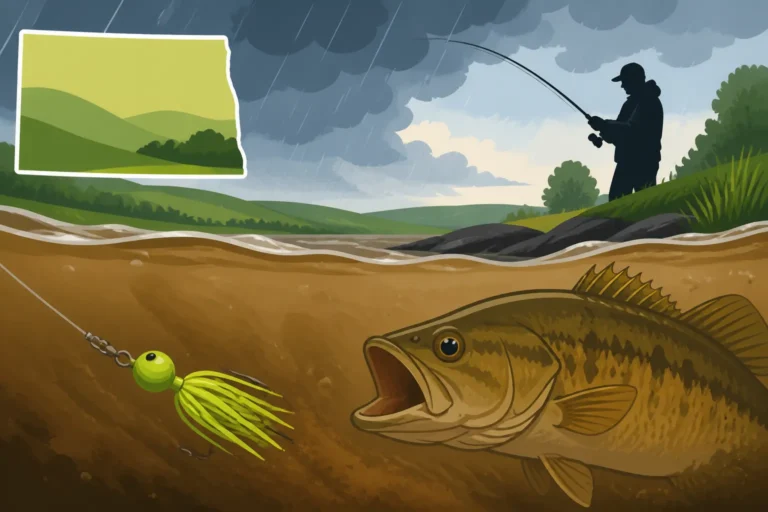
North Dakota springs are famously unpredictable. One day it's sunny and calm, thawing rapidly, and the next a blizzard rolls through, dropping temperatures and dumping more snow. This constant flux in weather directly impacts water levels, clarity, and temperature, which in turn dictate walleye behavior. Rapid snowmelt and spring rains can lead to significant runoff, turning clear waters murky and raising water levels in rivers like the Missouri River or tributaries feeding into Lake Sakakawea and Devils Lake.
Murky water can sometimes be a blessing, as it provides cover for walleye and can make them less wary, but it also means they rely more on scent and vibration than sight. High water levels can push fish into newly flooded cover, making them harder to locate. On the flip side, sudden cold fronts can send walleye deeper or cause them to suspend, shutting down an otherwise hot bite. Anglers who excel in early spring are those who can quickly adapt. This might mean changing lure colors from natural to bright, increasing rattle in your bait, or even switching fishing locations entirely to find more stable conditions. Paying attention to local weather forecasts and understanding how precipitation affects river flows or lake levels is almost as important as understanding the fish themselves.
Essential Gear for Early Spring Walleye Success
Having the right gear is non-negotiable when targeting early spring walleye. These fish are often finicky, and the conditions can be brutal, so you need equipment that performs reliably and gives you a distinct advantage.
Rods, Reels, and Line Choices
When you're dealing with sluggish, cold-water walleye, sensitivity is paramount. You need to feel the slightest tap, not a strong strike. This calls for specific rod and reel setups. For most early spring techniques, a medium-light to medium power spinning rod, around 6'6" to 7'6" in length, with a fast or extra-fast action tip, is ideal. The fast tip allows you to detect those subtle bites, while the backbone of the rod provides enough power for a solid hookset. Popular brands like St. Croix, Fenwick, or even some more affordable options found on Amazon, offer excellent sensitivity.
Pair these rods with a smooth spinning reel in the 1000 to 2500 size range. A smooth drag system is crucial, especially if you hook into a bigger walleye that makes a run in cold water. For line, many anglers opt for a low-stretch braided line as their main line, typically 6-10 lb test, for its incredible sensitivity and strength. However, due to its visibility, it's almost always paired with a fluorocarbon leader (6-10 lb test, 3-6 feet long). Fluorocarbon is nearly invisible underwater and has excellent abrasion resistance, which is perfect for fishing around rocky structure or submerged timber. The lack of stretch in braid transmits every bump and subtle bite directly to your hand, giving you precious milliseconds to react.
Lure Selection for Finicky Fish
Early spring walleye are rarely aggressive, meaning loud, fast-moving baits often get ignored. Your tackle box should be stocked with baits that can be fished slowly and effectively.
- Jigs and Plastics: This is often the bread and butter. Think light jigs (1/8 to 1/4 ounce) tipped with soft plastics like paddletails, grubs, or minnow imitators. Colors often lean towards natural (greens, browns, clear with flake) in clearer water, but don't shy away from brighter options (chartreuse, orange) in stained or muddy conditions. The key is to impart minimal action – a slow lift, a subtle quiver, and a long pause is often all it takes. For live bait, jigs tipped with minnows are absolutely killer. You can find a huge variety of these on Amazon, often in multi-packs, perfect for experimenting with different colors. Check out some of the Best Jigs for North Dakota Walleye for more ideas.
- Crankbaits and Stickbaits: When fish are slightly more active, or if you're covering water, shallow-diving crankbaits and stickbaits can be deadly. Look for models that have a tight wobble at slow speeds. Trolling these baits or long-lining them from shore can be very effective, especially in bays warming up. Shad-rap style baits or slender minnow imitations are common choices. Natural patterns or perch/firetiger colors are often popular, depending on water clarity. Check out this guide on Best Crankbaits for North Dakota Walleye for specific recommendations.
- Blade Baits: These vibrating metal baits can be fantastic in early spring, especially for vertical jigging. Their unique vibration and flash can trigger strikes from even the most lethargic walleye. A slow lift-fall retrieve is usually best, letting the bait flutter enticingly. They excel in deeper holes or current seams where fish are holding tight to the bottom.
Electronics and Navigation in Spring
In a state with water bodies as vast and diverse as North Dakota, from the expansive Lake Sakakawea to the flooded timber of Devils Lake, a good fish finder is more than a luxury; it's a necessity. Early spring walleye often relate to subtle structure or temperature breaks that are invisible to the naked eye.
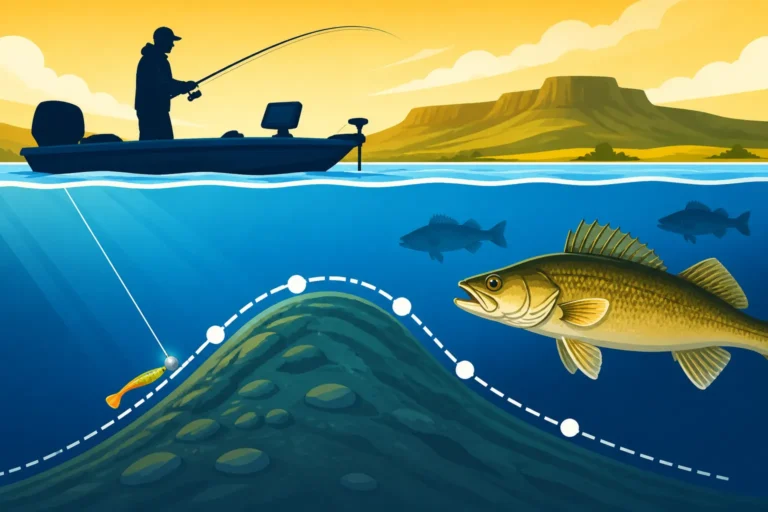
Your fish finder, whether it's a traditional 2D sonar, side imaging, or down imaging unit, will help you locate subtle depth changes, submerged rock piles, old river channels, and, most importantly, the fish themselves. Look for units that offer excellent target separation, allowing you to distinguish between fish and bottom structure. GPS mapping capabilities are equally critical. They allow you to mark productive spots, navigate safely, and return to specific areas later. You can pre-load detailed contour maps of lakes like Lake Sakakawea or Devils Lake, which can highlight drop-offs, humps, and points that walleye will utilize. In early spring, keeping an eye on water temperature through your electronics is paramount. A 1-2 degree difference can concentrate fish in a small area, and your fish finder can help you pinpoint those warmer pockets. Many anglers swear by brands like Humminbird or Lowrance for their reliability and advanced features, and you can often find great deals on these powerful tools on platforms like Amazon. For more detailed insights, check out this article on Best Fish Finders for North Dakota Lakes.
Top Techniques for Early Season Walleye
Now that you've got your gear sorted, let's dive into the actual fishing techniques that consistently put early spring walleye in the net across North Dakota. Remember, the common theme here is slow and deliberate.
Slow and Low Jigging Presentations
Jigging is arguably the most versatile and effective technique for early spring walleye, especially when they're lethargic and holding tight to the bottom. The key is to present your bait as naturally and slowly as possible, keeping it in the strike zone for extended periods.
Start with a lighter jig head, typically 1/8 to 1/4 ounce, especially if there's minimal current or you're fishing shallower water. If you're fishing deeper or in stronger current, you might need to bump up to 3/8 or 1/2 ounce to maintain bottom contact. Tip your jig with either a small, live minnow (a fathead or shiner is often preferred for early season) or a soft plastic minnow imitation. The retrieve is critical: a very slow lift of just a few inches, followed by an even slower, controlled fall, allowing the jig to flutter and gently touch down. The pause after the jig hits the bottom is often when the strike occurs, so pay close attention to your line. Any tick, mushy feeling, or even just the sudden absence of tension could be a bite. Common mistakes include jigging too aggressively or too fast, pulling the bait away from the fish before they commit. Remember, these walleye aren't chasing; they're ambushing. This technique is especially effective in deeper holes, current breaks in rivers, or around rocky points. Learn more about selecting the Best Live Bait for North Dakota Walleye to pair with your jigs.
Trolling Shallow Crankbaits and Long Lining
As water temperatures slowly creep into the upper 40s and low 50s, walleye can become more willing to chase. This is when trolling shallow-diving crankbaits or long-lining stickbaits can become incredibly productive, especially in the warming bays of large reservoirs like Lake Sakakawea or Lake Oahe.
The goal here is to cover water and find active fish. Use crankbaits that have a tight, subtle wobble and dive just enough to tick the bottom occasionally in the shallower areas (4-10 feet). Look for models that are effective at very slow trolling speeds, often as slow as 0.8 to 1.5 mph. Long-lining simply means letting out a significant amount of line (often 100-200 feet or more) to allow the bait to get down to its running depth without the aid of planer boards or lead core, although planer boards can be effective for spreading out lines if you have multiple anglers. This technique is particularly good on calm, sunny days when the sun has had a chance to warm the shallows. Walleye will often push into these warmer areas to feed on baitfish that are also seeking the warmth. Experiment with different colors, but natural perch, silver, or firetiger patterns are often go-to choices. This is also a fantastic way to fish from shore if you're using a long rod and casting out a shallow crankbait, slowly retrieving it.
Slip Bobber Fishing with Live Bait
When walleye are suspended over structure, holding in flooded timber, or relating to shallow cover, slip bobber fishing with live bait can be an absolute game-changer. This technique allows you to present a live minnow, leech, or piece of crawler at a precise depth, keeping it tantalizingly in front of the fish.
A slip bobber rig consists of a bobber stop (a small piece of string tied onto your line that you can adjust), a bead, the slip bobber itself, a small weight (split shot or an egg sinker), and a hook. The bobber stop allows your line to "slip" through the bobber, letting you set your bait at any depth you desire. This is especially useful in areas like Devils Lake where walleye might be in flooded trees or over scattered rock piles at a specific depth. Use a lively minnow hooked lightly through the lips or dorsal fin, allowing it to swim naturally. Cast your rig out, let it settle, and watch the bobber like a hawk. When it goes down, give the fish a few seconds to fully take the bait before setting the hook. This method is incredibly effective when fish are not aggressively chasing, offering a meal that requires minimal effort on their part. It's a fantastic tactic for anglers of all skill levels, offering a clear visual cue when a fish bites.
Key Locations and Structures to Target
Finding walleye in North Dakota's early spring involves understanding their movements and preferences after a long winter and through the spawning period. They're looking for warmth, food, and cover – often in that order.
River Systems and Tributary Mouths
North Dakota is crisscrossed by vital river systems like the Missouri River and the Red River of the North, along with countless tributaries feeding into its major lakes. These river systems are absolute magnets for early spring walleye. Why? Because rivers typically shed their ice earlier than large lakes, and moving water often warms faster.
Walleye will migrate up these rivers and into the mouths of smaller tributaries for a variety of reasons, including spawning. The most productive spots are often current breaks – areas where the main current slows down, creating an eddy or slack water. Think about points, inside bends, submerged timber, bridge pilings, or even just subtle changes in bottom contour. These areas provide a resting spot for walleye out of the main flow, and they also act as ambush points for baitfish being swept downstream. Another critical factor is warm water inflows. Even a small culvert or ditch spilling warmer runoff into a main river or lake can concentrate walleye significantly. They will stack up in these slightly warmer pockets, waiting for an easy meal. Focus your efforts on these transitional zones, paying close attention to your electronics to pinpoint fish holding tight to the bottom in these current breaks. Our guide on Missouri River Fishing Guide has more localized insights.
Shallow Bays and Rock/Sand Transitions
Once the ice has left the main lake, shallow bays, especially those with dark bottoms (mud or sand), will be among the first areas to warm up under the spring sun. These warming trends are like a beacon for walleye and their forage. Bays that are protected from the prevailing winds often warm up quicker and hold that warmth, making them prime real estate.
Look for bays with gradual slopes that transition from soft mud to harder sand or rock. These transition zones are where baitfish will congregate, and hungry walleye will follow. Rocks will absorb and radiate heat, creating localized warm pockets, while weeds (even newly emerging ones) provide cover and oxygen. Depth can be as shallow as 2-5 feet in these bays, especially on sunny afternoons. Use your side imaging on your fish finder to scan these areas for schools of baitfish or larger arcs that signify walleye. Jigging with a minnow, slow-rolling shallow crankbaits, or even casting a blade bait can be incredibly effective in these spots. This is particularly true for lakes like Lake Sakakawea, which boasts numerous bays and shoreline variations. Don't forget to check out the Lake Sakakawea Fishing Guide for North Dakota Anglers for detailed spot analysis.
Remaining Ice Edges and Associated Structure
Even after the main body of a lake has opened up, you might still find lingering ice edges in sheltered areas, particularly on larger lakes or during a prolonged cold spring. These seemingly uninviting spots can actually be walleye goldmines.
The edge of the ice acts as a natural current break and a barrier, concentrating both baitfish and predatory walleye. Beneath the ice, the water can be slightly warmer and more stable. Walleye will often cruise along these edges, looking for easy meals that might be disoriented near the ice or pushed into accessible areas. Safety is paramount here; never venture onto unstable ice. However, fishing alongside the ice from safe open water can be highly productive. Focus on any structure associated with these ice edges – whether it's a rocky point extending towards the ice, a drop-off, or even just a subtle break in the bottom contour. Jigging vertically or casting shallow crankbaits parallel to the ice edge are good tactics. It's a specific, often short-lived opportunity, but one that can yield some fantastic early season catches. This scenario also ties into strategies discussed in How to Fish Right After Ice-Out.
Adapting to North Dakota's Variable Spring Conditions
As we've touched on, North Dakota spring weather is notoriously unpredictable. The ability to read the conditions and adapt your approach on the fly is what separates good early season walleye anglers from great ones.
Strategies for Cold Fronts and High Winds
Ah, the dreaded spring cold front in North Dakota. One day you're fishing in a t-shirt, the next you're bundled up in layers, battling strong winds and plunging temperatures. Cold fronts typically cause a sudden drop in air temperature, often accompanied by high pressure, which can make walleye much less active. They'll often move deeper, suspend, or hug tight to the bottom, becoming much more finicky.
Your strategy needs to shift dramatically. Slow down your presentation even further. Instead of an aggressive jigging motion, think subtle twitches and long pauses. Downsize your baits – smaller jigs, smaller minnows, or plastics. You might even consider moving to a different spot entirely, seeking out deeper main lake basins or current breaks where fish might feel more stable. High winds, which are a constant companion in North Dakota, present their own challenges. They can make boat control difficult, obscure subtle bites by putting a belly in your line, and make it generally unpleasant to fish. When the wind howls, seek out sheltered bays or the lee side of islands and points. If you must fish in the wind, use heavier jigs to maintain bottom contact and consider drifting with a bottom bouncer and a crawler or minnow, letting the wind do some of the work. For more on this, check out Fishing During North Dakota's Windy Spring.
Reading Water Color and Clarity
North Dakota's diverse waterways can present a wide range of water clarity, especially in spring. Meltwater runoff can turn rivers and parts of lakes into a muddy mess, while other areas might remain surprisingly clear. Understanding how water color impacts walleye and adjusting your presentation is key.
- Clear Water: In clear water, walleye rely heavily on sight. This means your lures should be more natural in color – subtle greens, browns, clear with glitter, or realistic baitfish patterns. Fluorocarbon leaders are absolutely essential for stealth. Downsize your line and lures to be less obtrusive. Fishing during low light conditions (dawn, dusk, or overcast days) can also be advantageous in clear water, as walleye tend to be more active when light penetration is reduced.
- Stained/Murky Water: When the water is heavily stained or muddy, walleye rely more on their lateral line to detect vibrations and their sense of smell. This is when brighter, more unnatural colors can shine: chartreuse, orange, hot pink, or firetiger. Lures that create more vibration or noise, like rattling crankbaits or blade baits, become more effective. Adding scent to your baits (gel, spray, or even garlic-infused plastics) can also make a big difference. In these conditions, don't be afraid to use a slightly larger profile bait, as it can be easier for walleye to locate. The "glow" effect of certain soft plastics can also be surprisingly effective in dark water. Many of these specialized baits are readily available on Amazon.
Maximizing Success During Peak Bite Windows
Walleye, especially in early spring, often have specific periods of increased activity, known as bite windows. These windows can be influenced by a myriad of factors, and smart anglers try to maximize their time on the water during these periods.
- Time of Day: While walleye can bite all day, low light conditions often trigger their feeding instincts. Dawn and dusk are prime times, as is a heavily overcast day. On sunny days, walleye might retreat to deeper water or denser cover, becoming more active in the shadier parts of the day.
- Light Conditions: Overcast days or periods of light drizzle often produce excellent walleye fishing in spring. The reduced light penetration makes walleye less wary and more willing to venture out from cover. Conversely, bright, sunny days can push fish deeper or into heavier cover, requiring a more precise and slow presentation.
- Barometric Pressure: A stable or slowly falling barometric pressure is often associated with good fishing. Rapidly falling pressure (indicating an approaching storm) can trigger a frantic bite right before the weather hits, while rapidly rising pressure (after a cold front) often shuts fish down. While you can't control the weather, being aware of these trends can help you adjust your expectations and techniques.
Safety and Conservation Practices
Fishing in North Dakota, particularly in early spring, is an incredible experience, but it comes with responsibilities. Prioritizing safety and practicing good conservation ensures that these incredible fisheries remain healthy for generations to come.
Cold Water Safety Essentials
Early spring in North Dakota means cold water. Even if the air temperature feels mild, the water itself can be dangerously cold, often in the 30s or 40s. Hypothermia is a very real threat, and it can set in much faster than you think if you end up in the water.
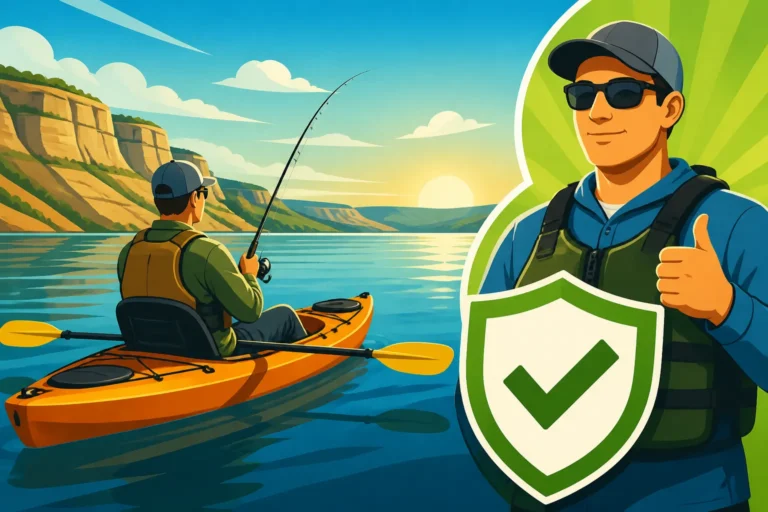
Always wear a U.S. Coast Guard-approved life jacket when on the water. Modern life jackets are comfortable and don't impede casting. Dress in layers, using synthetic or wool materials that retain warmth even when wet. Avoid cotton, which loses its insulating properties when soaked. Bring extra sets of warm, dry clothes in a waterproof bag, just in case. Tell someone where you're going and when you expect to return. Consider carrying a charged cell phone in a waterproof case, and a throw rope or other rescue device if you're boating with others. If you're near receding ice, exercise extreme caution; even seemingly solid ice can be unstable. Always consult the North Dakota Fishing Regulations Explained for specific safety requirements and guidelines.
Handling and Releasing Early Season Walleye
North Dakota's walleye fisheries are precious, and practicing responsible catch-and-release, especially for larger breeding-size fish, helps maintain healthy populations. Walleye caught in cold water are often more susceptible to stress and injury.
When handling walleye you intend to release:
- Minimize Air Exposure: Keep the fish in the water as much as possible. If you must lift it for a photo, do so quickly.
- Wet Your Hands: Always wet your hands before touching the fish. Dry hands can remove the fish's protective slime coat, leaving it vulnerable to disease.
- Support the Fish: Support the fish horizontally, especially larger ones, by cradling its belly. Avoid holding a walleye vertically by its jaw, as this can damage its internal organs and spine.
- Use Barbless Hooks or Debarb Your Hooks: Barbless hooks are much easier to remove, minimizing damage to the fish.
- Use Appropriate Tools: Have needle-nose pliers or a hook-remover tool handy for quick, efficient hook removal.
- Revive If Necessary: If a fish seems lethargic before release, hold it gently in the water, facing into the current, until it regains its strength and swims away on its own.
By following these practices, you're not only increasing the survival rate of released fish but also contributing to the overall health and sustainability of North Dakota's incredible walleye fishing. This is a topic thoroughly covered in the overarching North Dakota Walleye Fishing Guide.
| Technique | Best Conditions | Target Depth (Avg.) | Ideal Lure/Bait | Key Retrieval Action |
|---|---|---|---|---|
| Jigging (Live Bait) | Cold water, post-spawn, clear/stained | 5-20 feet | Jig head w/ minnow, plastics | Slow lift, subtle quiver, long pause, bottom contact |
| Trolling Crankbaits | Warming water, active fish, searching | 4-15 feet | Shallow-diving crankbaits (Shad Rap) | Very slow troll (0.8-1.5 mph), covering water |
| Slip Bobber (Live Bait) | Suspended fish, flooded cover, precise depth | 2-15 feet | Minnow, leech on small hook | Static presentation, visual bite detection |
| Blade Baits | Deeper holes, current breaks, stained water | 10-30 feet | Metal blade bait | Vertical lift & fall, subtle vibrations |
Disclaimer
The information provided in this guide is for general informational purposes only. Fishing conditions, regulations, and fish behavior can change rapidly. Always consult the latest North Dakota Game and Fish Department regulations before heading out on the water. Fishing can be a dangerous activity; always prioritize safety and be aware of your surroundings.