Best Auger Size for North Dakota Ice Fishing
Choosing the right ice auger size for North Dakota's diverse frozen waters can feel like a real head-scratcher. You want to make sure you're getting through that thick winter ice efficiently, but you also don't want to exhaust yourself or compromise on the size of the fish you can pull out. This comprehensive guide will help you understand the nuances of auger diameters, ensuring you pick the perfect tool for your ice fishing adventures across our beautiful state.
Understanding Ice Auger Diameters and Their Purpose
When you're out on the ice, every angler knows that the hole you cut is your direct connection to the fish below. But not all holes are created equal, and the size of your auger dramatically impacts your fishing experience. From small panfish to giant northern pike, choosing the right diameter is crucial for efficiency, comfort, and success.
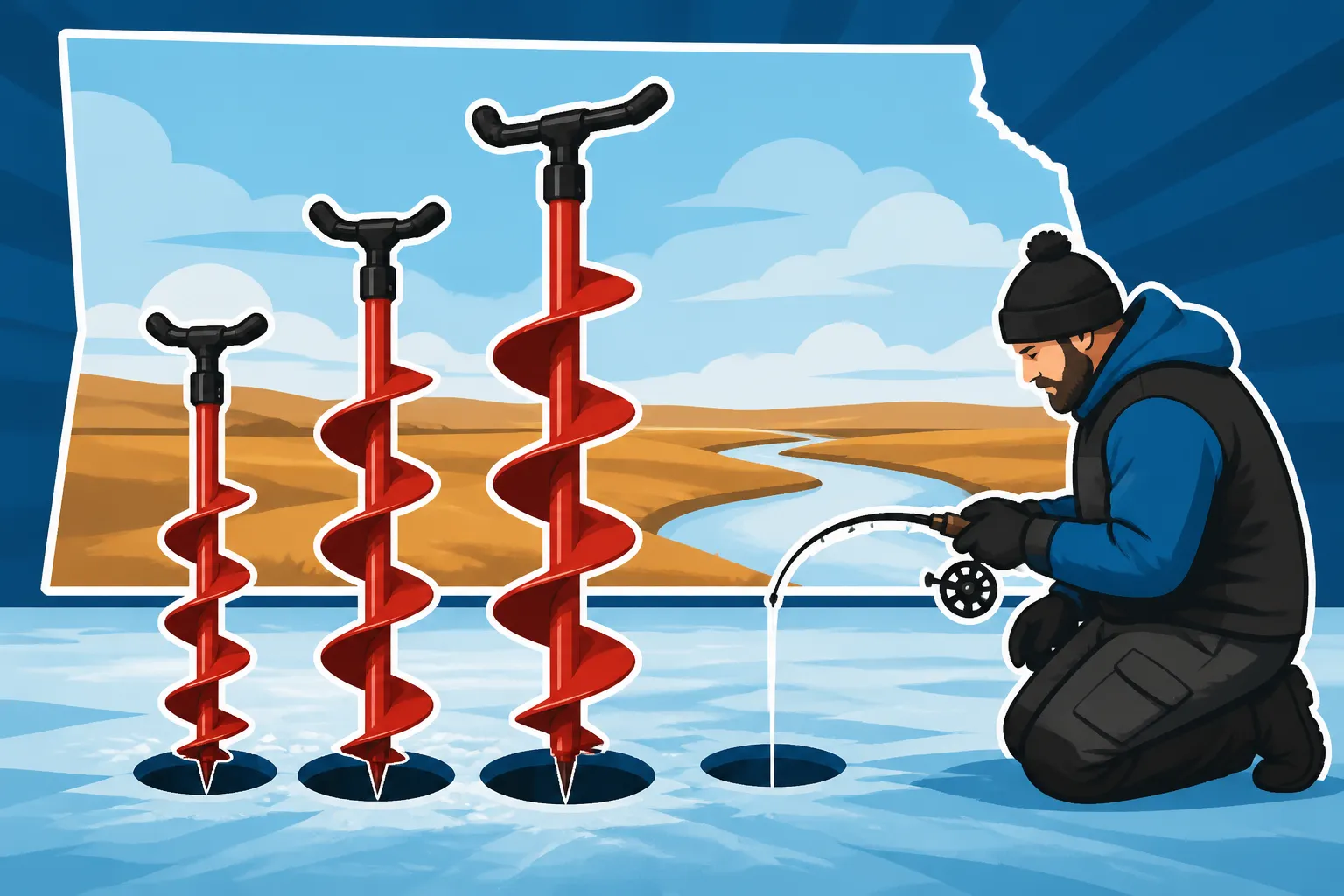
The Small Bore: 4-inch to 6-inch Augers
These smaller diameter augers are often overlooked by some, but they have a definite place in an angler's arsenal, especially here in North Dakota where perch fishing is king. A 4-inch auger, for instance, is incredibly lightweight and cuts through ice like butter, requiring minimal effort. This makes it a fantastic choice for targeting smaller species like yellow perch and crappie. You won't be struggling to pull out a monster walleye through a 4-inch hole, but for fast-paced panfish action, they're unbeatable.
The 6-inch auger offers a bit more versatility. It's still very portable and easy to drill with, but it provides a slightly wider opening, making it more forgiving for slightly larger perch or smaller walleyes. These sizes are particularly popular with anglers who prefer to walk a lot, covering vast expanses of ice on lakes like Devils Lake in search of active schools. They're also excellent for kids or those with less physical strength, ensuring everyone can participate in the fun without getting worn out. Plus, they fit neatly into smaller ice fishing shelters, making them ideal for minimalist setups.
The All-Rounder: 7-inch to 8-inch Augers
If you talk to most seasoned North Dakota ice anglers, a 7-inch or 8-inch auger is often considered the sweet spot, and for good reason. These sizes strike an excellent balance between cutting efficiency and hole size. An 8-inch auger, in particular, is perfectly suited for the majority of game fish found in our waters, including the ever-popular walleye and many northern pike. You'll have enough room to land a respectable fish without too much hassle, and the effort required to drill isn't overly strenuous, even when the ice gets thick.
The 7-inch auger is a solid option if you want something slightly lighter than an 8-inch but still want the capability to land decent-sized fish. It's often chosen by those who primarily target walleye but might occasionally hook into a smaller pike. These mid-range augers are incredibly versatile, performing well whether you're fishing early ice on a local pond or tackling the vastness of Lake Sakakawea later in the season. They're robust enough for thick ice but still manageable for mobile fishing, making them a common choice for electric augers where battery life is a consideration.
The Big Bore: 9-inch to 10-inch Augers
Now, if you're chasing truly massive fish, or engaging in specific ice fishing techniques, you'll want to consider a larger auger. A 9-inch or 10-inch auger is designed for serious business. These are the augers you'll see being used by anglers targeting trophy northern pike, especially those who practice spearfishing. The wider hole allows for more maneuverability, crucial when bringing a large fish through the ice or when using a spear. You can find excellent options for these larger augers on online marketplaces like Amazon, often with various power sources available.
While these larger augers provide ample space, they come with trade-offs. They require significantly more effort to drill, especially if you're using a manual auger, and they consume more battery power or fuel if you're using an electric or gas model. For this reason, they're typically reserved for specific situations or by anglers who prioritize the size of the hole over portability and ease of drilling. If you're running multiple lines (where regulations allow) and want plenty of room for each, a bigger auger might also be appealing. However, for general walleye and perch fishing, they can be overkill and simply more work than necessary.
Factors Influencing Your Auger Size Choice
Beyond just the size of the fish you hope to catch, several other critical factors should weigh into your decision when choosing the best auger size for your North Dakota ice fishing adventures. Ignoring these can lead to frustration, wasted money, or even missed opportunities on the ice.
Target Species and Fishing Style
Let's be real: trying to squeeze a 10-pound walleye through a 5-inch hole is a recipe for disaster and heartbreak. The primary determinant of your auger size should always be the fish you intend to catch. If your passion is filling a bucket with plump yellow perch from Devils Lake, a 6-inch auger will serve you well and save your shoulders. These smaller holes minimize the fight the fish can put up against the edge of the ice, reducing the chance of them getting off. For a deeper dive, check out our guide on how to catch perch through the ice in North Dakota.
However, if you're dreaming of landing a monster northern pike or a chunky Lake Sakakawea walleye, you absolutely need more room. An 8-inch auger gives you that crucial extra diameter for a larger fish to clear the hole, preventing snags and allowing for a smoother landing. And if spearfishing for those giant pike is your game, you're looking at a 10-inch or even larger hole to effectively target and retrieve your prize. Your fishing style matters too; if you're a run-and-gun angler, moving frequently to new spots, a smaller, quicker-drilling auger might be preferable to a large, cumbersome one.
Portability and Power Source
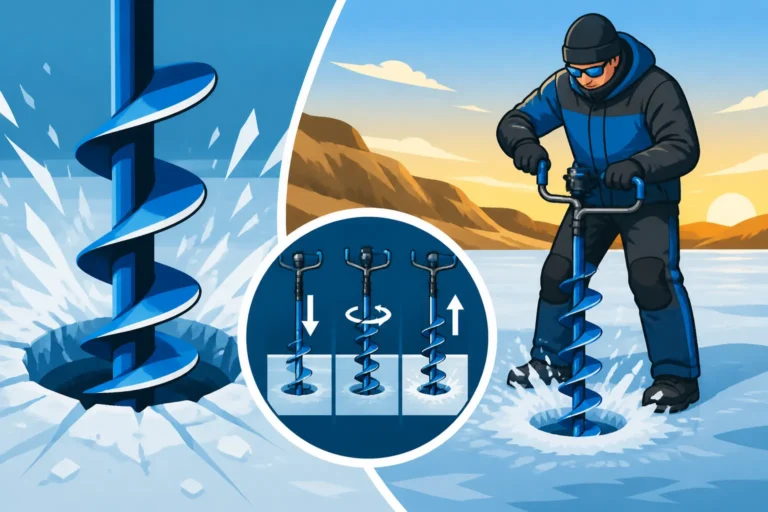
The type of auger you choose (manual, electric, or gas) has a direct relationship with how manageable different auger sizes become. A manual auger with a 10-inch blade, while effective, will give you a serious workout, especially on 2-3 feet of North Dakota ice. The sheer physical effort required to turn that large diameter can be exhausting if you're drilling more than a few holes. This is where an understanding of your own physical capabilities comes into play.
Electric augers have revolutionized the sport, offering quiet, powerful drilling without the fumes of gas. However, the larger the auger diameter, the more battery power it consumes. An 8-inch electric auger will likely get you more holes per charge than a 10-inch electric auger, which is a vital consideration during long days on the ice or in extreme cold. Many anglers looking for reliable electric models find great selections and competitive prices on Amazon. For those who prioritize raw power and don't mind the noise and maintenance, gas augers can handle any diameter with ease, albeit at the cost of being heavier and bulkier to transport. When thinking about your setup, remember to consider your options for the best ice fishing gear for North Dakota.
Ice Thickness and Conditions
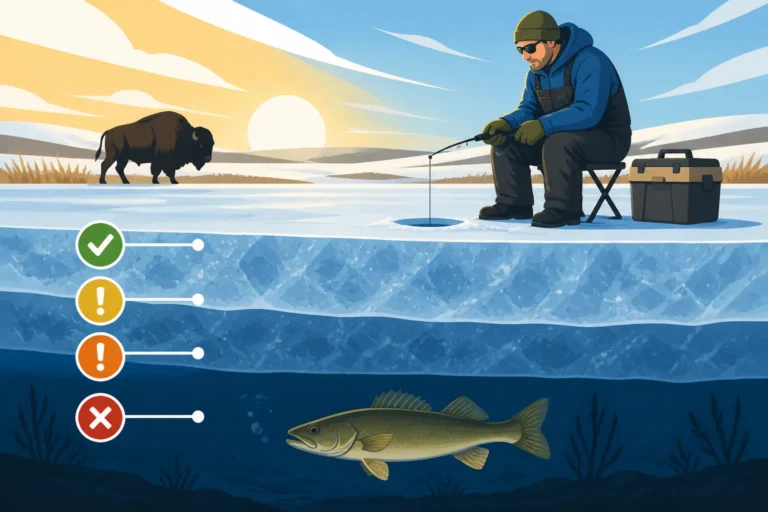
North Dakota winters are no joke, and our ice can get incredibly thick, sometimes reaching several feet. The thickness of the ice directly impacts how easy or difficult it is to drill a hole, regardless of your auger's power source. A 6-inch auger will cut faster and require less effort through 3 feet of ice than a 10-inch auger will. This is just basic physics: less ice removed equals less work. Knowing how thick ice needs to be for ice fishing is important for safety, but also for managing your auger's performance.
Consider the time of year you'll be fishing most frequently. Early ice, when it's often 8-12 inches thick, makes drilling with any size auger relatively simple. As the season progresses into late January, February, and March, the ice can grow significantly. If you primarily fish late season, investing in a robust electric or gas auger, even for an 8-inch hole, might save you a lot of grief. Conversely, if you're strictly an early ice angler or prefer exploring small sloughs, a manual auger with a smaller diameter could be all you need. Don't forget to review our guide on North Dakota Ice Fishing Rules to ensure you're compliant with any specific regulations related to hole size or spacing.
Practical Considerations for North Dakota Anglers
Beyond the technical aspects, real-world factors play a significant role in how practical and enjoyable your chosen auger size will be on the ice in North Dakota. We're talking about everything from the specific lakes you fish to who you're fishing with.
Navigating North Dakota's Varied Lakes
Our state boasts an incredible array of fishing opportunities, from the massive reservoirs of Lake Sakakawea and Lake Oahe to the sprawling, sometimes timber-filled Devils Lake, and countless smaller prairie potholes and river systems like the Red River. Each body of water presents unique challenges and opportunities that can influence your auger choice.
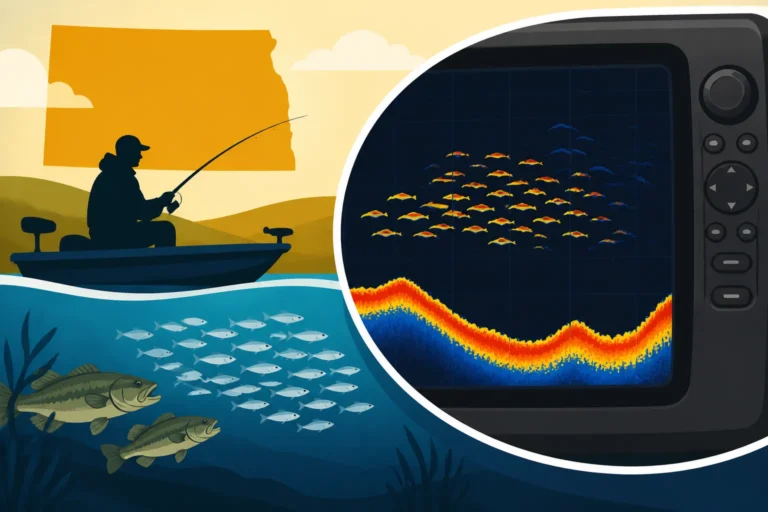
On vast, open waters like Lake Sakakawea, where fish can be scattered and mobile, many anglers prefer to be equally mobile. A more compact, easy-to-drill auger (like an 8-inch electric model) allows you to quickly move and punch new holes to stay on active fish. Conversely, if you're settled into a long-term spot on Devils Lake targeting walleye or perch, and you know the fish are coming to you, a larger auger might be acceptable if you're only drilling a few holes for the day. Remember, conditions on these big lakes can change rapidly, so versatility is key. Also, specific rules may apply when fishing in North Dakota State Parks, so always check local regulations.
Group Fishing and Shelter Considerations
Are you a solo angler, or do you often head out with family and friends? This makes a huge difference. If you're sharing an ice fishing shelter with buddies, a single large hole might suffice, or you might prefer multiple smaller holes for individual lines. For families, especially with kids, smaller holes are generally safer, reducing the risk of accidental falls. Plus, lighter, smaller augers are easier for younger anglers to operate, encouraging their participation.
Consider the layout and size of your ice fishing shelter. A large 10-inch hole can take up a lot of valuable floor space in a compact flip-over or hub-style shelter, especially when you factor in your gear, heater, and fellow anglers. An 8-inch hole is generally a good compromise that provides enough room for most fish while still leaving ample space inside the shelter. If you're looking for guidance on setting up an ice fishing shelter or choosing the best portable ice shelters for wind, we have resources that can help.
Maintenance and Blade Care
Regardless of the size, a dull auger blade is a useless auger blade. North Dakota's ice can be abrasive, and drilling through frozen slush or areas with sand can quickly dull even the sharpest blades. Regularly inspecting your blades for nicks, dents, or dull spots is essential. Dull blades make drilling significantly harder, requiring more effort and draining battery life faster.
Many auger brands offer replacement blade sets, which you can often find readily available on sites like Amazon. Keeping a spare set on hand, especially for those longer trips, is a smart move. Learning how to properly store and protect your blades when not in use can extend their lifespan. Some anglers even sharpen their own blades, though this requires specialized tools and expertise. Remember, a well-maintained auger, regardless of its size, will always outperform a neglected one.
Making Your Final Decision: Auger Size Recommendations
Okay, so you've thought about your target species, your fishing style, and the practicalities of North Dakota's ice. Now, let's put it all together and help you land on that perfect auger size.
When a Smaller Auger Makes Sense
A 4-inch to 6-inch auger is your go-to if:
- You primarily target panfish: If yellow perch, crappie, and bluegill are your main quarry, a 6-inch hole is plenty big, and a 4-inch is perfect for speed jigging small perch. Check out our Best Ice Fishing Rods for Perch guide for companion gear.
- You're a highly mobile angler: If you love to run-and-gun, drilling dozens of holes in a day, the reduced effort and weight of a smaller auger will keep you on the move longer.
- You're fishing early ice or shallower depths: When ice isn't super thick, the benefits of a larger auger for drilling power are less pronounced, making smaller holes quick and easy.
- You need something portable and lightweight: For hiking into remote spots or minimizing gear, a smaller diameter auger shines.
- Kids are joining the adventure: A smaller auger is much easier and safer for children to use, fostering their love for ice fishing.
Why the 8-inch is Often King in North Dakota
The 8-inch auger truly is the workhorse for many North Dakota ice anglers. It's the size I often recommend as a fantastic starting point for anyone getting serious about the sport, especially given our diverse fish populations.
- Ultimate versatility: An 8-inch hole is big enough for nearly all walleye, most northern pike you'll encounter, and certainly any panfish. It's a true all-around choice for our North Dakota Walleye Fishing Guide and general fishing.
- Manageable effort: Whether manual, electric, or gas, an 8-inch auger provides a good balance of drilling speed and effort. Electric 8-inch augers, in particular, offer a great number of holes per charge.
- Perfect for varying conditions: From early to late ice, an 8-inch diameter handles North Dakota's typical ice thickness without being overly cumbersome.
- Good for groups and shelters: It's a comfortable size for most ice shelters, allowing multiple anglers to fish effectively without feeling cramped.
Investing in a Larger Auger for Specific Pursuits
While not for everyone, a 9-inch or 10-inch auger is indispensable for specialized ice fishing.
- Trophy Northern Pike: If your goal is to land that elusive state record pike or participate in spearfishing, the extra room of a 10-inch hole is non-negotiable. Learn more in our North Dakota Northern Pike Fishing Guide.
- Multiple Lines with Large Fish: In areas where you can run several lines and expect bigger fish, a larger hole reduces tangles and makes landing easier.
- Comfort and Clearance: Some anglers simply prefer the extra elbow room a bigger hole provides, especially when re-baiting or managing lines in cold conditions.
Ultimately, your perfect auger size will come down to your personal fishing goals and preferences. Many seasoned anglers even own multiple augers for different situations – a smaller one for quick perch trips and a larger one for serious walleye or pike pursuits. Don't be afraid to try out a friend's auger before committing to a purchase to see what feels right for you.
Here's a quick reference table to help visualize the options:
| Auger Size (Diameter) | Primary Target Species | Key Advantages | Key Disadvantages | Ideal North Dakota Use Case |
|---|---|---|---|---|
| 4-6 inches | Perch, Crappie, Bluegill | Very light, fast cutting, low effort, portable | Too small for large fish | Mobile panfish angler on Devils Lake, kids fishing |
| 7-8 inches | Walleye, Pike, Perch | Versatile, good balance of size/effort, common | Can be tight for very large pike | All-around walleye & pike fishing on Sakakawea, local lakes |
| 9-10 inches | Trophy Pike, Big Walleye | Ample room for large fish, spearfishing | Heavy, more effort, drains battery faster | Serious trophy pike hunter, spearfishing for large fish |
Disclaimer
The information provided in this guide is for general informational purposes only and does not constitute professional advice. Always consult the official North Dakota Game and Fish Department regulations for the most current rules and requirements before engaging in any fishing activities. Fishing conditions, including ice thickness, can vary greatly and change rapidly; always prioritize safety on the ice.