Best Ice Fishing Rod for Perch
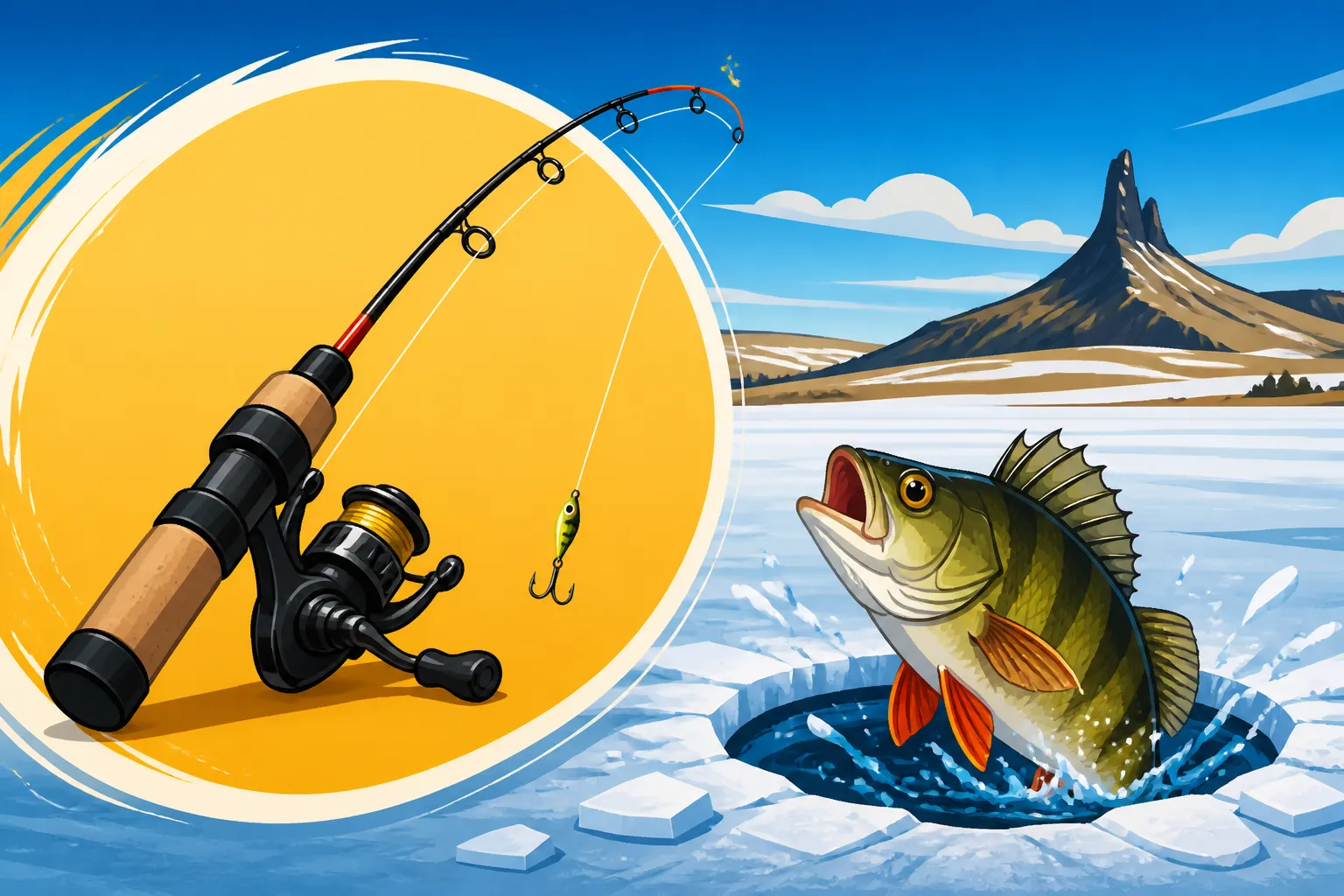
There's nothing quite as frustrating as heading out onto the frozen lakes of North Dakota, full of anticipation for a fantastic day of perch fishing, only to miss bite after bite because your rod just isn't cutting it. That subtle tap that could be a trophy perch often goes undetected, leaving you feeling like you're fishing blind. This guide is here to help you navigate the often-overwhelming world of ice fishing rods, specifically focusing on what makes the absolute best ice fishing rod for perch, ensuring you can feel even the most delicate nibbles and bring more of those delicious yellow perch up through the ice.
Understanding Perch Behavior Under the Ice
Catching perch through the ice isn't just about dropping a line; it's about understanding how these fish behave in their frigid, underwater world. Perch are often finicky eaters, especially in cold water, and their bites can be incredibly subtle. Sometimes it's a barely perceptible tick, other times it's just a slight "mush" feel as they inhale the bait. Having a rod that's specifically designed to detect these nuances is paramount to success.
How Perch React to Different Rod Actions
The "action" of a fishing rod describes where it bends when pressure is applied. For perch, especially when they're being shy, you need an action that transmits even the slightest movement to your hand.
- Fast Action: This means the rod bends mostly in the tip section. A fast-action rod is excellent for detecting those light perch bites because the tip will flex immediately, signaling a take. It also allows for quick hook sets, which is crucial when perch are just nipping at the bait. The sensitivity is key, letting you feel the texture of the bottom or the vibration of your small jig.
- Medium Action: A medium-action rod bends more through the middle of the blank. While still versatile, it might not offer the same ultra-fine bite detection as a fast-action rod, making it slightly less ideal for truly finicky perch or extremely small presentations.
- Slow Action (or "Noodle" rods): These rods bend deep into the blank, sometimes almost to the handle. While great for fighting larger, surging fish on light lines, they often lack the crispness needed to feel those tiny perch takes and deliver a swift hookset. You'll likely see the bite before you feel it with a noodle rod, which isn't always efficient when a perch decides to spit the hook quickly.
The Importance of Sensitivity for Light Bites
Perch in North Dakota, whether you're targeting them on the vast expanses of Devils Lake or one of the smaller, productive waters, are notorious for their light bites. Sometimes, it's not a bite at all, but merely the jig feeling "heavy" or your line going slack. A sensitive rod acts like an extension of your nervous system, allowing you to interpret these subtle cues. Rods made from high-modulus graphite are generally the most sensitive. They transmit vibrations incredibly well, letting you feel everything from the lightest bump of a perch to the texture of the lakebed. This sensitivity isn't just about feeling the bite; it's about understanding what your jig is doing down below, which is critical for an effective presentation. Without a sensitive rod, you're missing a significant portion of the underwater conversation, and that means fewer perch in your bucket. For more general guidelines, check out our guide on North Dakota Walleye Fishing Techniques.
Perch Size and Rod Power Considerations
While North Dakota is known for some truly jumbo perch, the reality is that you'll often be catching a mix of sizes, from smaller panfish to those coveted 12-14 inchers. "Power" refers to the amount of force it takes to bend the rod.
- Ultra-Light Power: This is often the go-to for perch. Ultra-light rods are incredibly flexible, making even a small perch feel like a monster. More importantly, they allow you to properly present and work tiny jigs and spoons, which are frequently the most effective baits for perch. They also protect light lines from snapping under sudden pressure.
- Light Power: A light power rod offers a bit more backbone than an ultra-light, making it suitable for slightly heavier jigs or when you anticipate a higher chance of hooking into a larger perch or even an incidental walleye or pike. It still provides good sensitivity and tip action for perch.
- Medium-Light Power: You might consider a medium-light rod if you're specifically targeting larger perch exclusively or fishing with slightly heavier baits in deeper water. While it has more lifting power, it generally sacrifices some of the finesse and sensitivity that can be so crucial for perch.
Choosing the right power means you can effectively fight the fish without ripping the hook out of their delicate mouths, while also being able to manage your lure effectively.
Key Components of an Ideal Perch Ice Rod
Selecting the perfect perch ice fishing rod goes beyond just picking something off the shelf. Each component plays a vital role in its overall performance, especially when you're dealing with frigid temperatures and finicky fish. Let's break down what really matters.
Rod Length and Its Impact on Control and Visibility
Ice fishing rods are typically much shorter than open-water rods, ranging from about 24 to 36 inches. For perch, the sweet spot often falls within the 26 to 30-inch range.
- Shorter Rods (24-26 inches): These are fantastic for fishing inside a small portable shelter or when kneeling right over the hole. They offer maximum control for precise jigging movements in a confined space. However, they might feel a bit awkward if you're standing up or if you want a wider sweep for a hookset.
- Medium Rods (28-30 inches): This length is a versatile choice for many perch anglers. It provides a good balance of control for jigging and enough length for a comfortable hookset, whether you're seated on a bucket or standing in a larger ice house. It also gives you a bit more leverage if you happen to hook a bonus walleye or a decent northern pike.
- Longer Rods (32+ inches): While less common for dedicated perch setups, some anglers prefer longer rods (up to 36 inches) for fishing in larger permanent ice houses or when sight fishing in clear water. The extra length can allow for a wider jigging stroke and more leverage on bigger fish, but it sacrifices some of the fine-tuned control important for tiny perch jigs.
Ultimately, your ideal rod length will depend on your fishing style, the size of your shelter, and how close you typically sit or stand to the hole.
Action Types: Fast, Medium, and Slow Explained
We touched on this earlier, but let's dive a bit deeper into how these actions feel in your hand and why it matters for perch.
- Fast Action (Tip Flex): Imagine a sharp whip. A fast-action rod bends primarily in the top 25-30% of the blank. This gives you a very sensitive tip that "snaps" back quickly. For perch, this means instantaneous feedback on even the lightest bite. When a perch mouths your jig, that tip will dip, and because there's minimal flex in the rest of the rod, you can deliver a quick, precise hookset with minimal effort. This is crucial when fish are just "puffing" at the bait.
- Moderate Fast Action (Upper Half Flex): This action bends a bit further down the blank than a true fast action, typically in the upper half. It offers a good blend of sensitivity and a slightly more forgiving bend, which can be beneficial when using slightly heavier line or slightly larger baits. It still allows for quick hooksets but might absorb a little more of the initial shock from a surging fish.
- Medium Action (Mid-Blank Flex): A medium-action rod bends more uniformly through the top two-thirds of the blank. While it can still detect bites, the longer, more parabolic bend means it takes a fraction longer for the tip to return, and the feedback might be less crisp. This is less ideal for twitchy perch, but it's a popular choice for larger species or when you need more casting distance on open water (though less relevant for ice fishing).
- Slow Action (Full Blank Flex): Often called "noodle rods," these bend almost from tip to butt. They are incredibly forgiving and excel at protecting ultra-light lines from breaking under the strain of a strong fish. However, for perch, the extended bend means a less immediate transfer of vibration to your hand and a softer, slower hookset. You might see the bite on the tip before you feel it, which, while visually exciting, can lead to missed fish if they're quick to spit the bait.
For optimal perch detection, most veteran anglers lean towards fast or moderate-fast actions.
Power Ratings: Ultra-Light, Light, and Medium-Light
The power of a rod dictates its backbone or lifting strength. It's about how much weight the rod can handle before it starts to truly bend.
- Ultra-Light (UL): This is the ultimate finesse tool for perch. An ultra-light rod is designed to handle extremely light lines (2-4 lb test) and tiny jigs (1/64 to 1/16 oz). The rod bends significantly under even minimal pressure, making smaller perch feel like giants and protecting those delicate lines. This power is fantastic for presenting tiny tungsten jigs or micro-spoons with precision. Many anglers consider the ultra-light power to be the benchmark for the best ice fishing rod for perch. You can often find a wide selection of these rods on Amazon.
- Light (L): A light power rod has a bit more stiffness than an ultra-light, making it suitable for slightly heavier lines (4-6 lb test) and jigs (1/32 to 1/8 oz). It's a versatile choice if you're not sure what size perch you'll encounter or if you want the flexibility to use a slightly larger lure. It still offers excellent sensitivity for perch but has enough backbone to handle a surprise walleye or a small northern pike.
- Medium-Light (ML): This power rating is a step up, designed for lines in the 6-8 lb test range and jigs from 1/16 to 1/4 oz. While it offers more lifting power, its increased stiffness can make it less sensitive to the lightest perch bites and might overpower smaller jigs. It's often chosen as a secondary rod for larger perch or if you're frequently fishing deeper water with heavier lures where finesse is less critical.
For most North Dakota perch scenarios, an ultra-light or light power rod with a fast action will give you the best results.
Handle Materials and Ergonomics for Cold Conditions
When your hands are cold, comfort and grip become critical. The handle, or "grip," of your ice rod makes a huge difference.
- Cork: Cork handles are a classic for a reason. They are lightweight, sensitive, and don't get as cold as some other materials. High-quality cork offers excellent grip, even when wet. It transmits vibrations well, adding to the rod's overall sensitivity.
- EVA Foam: EVA foam handles are durable, comfortable, and typically more affordable than cork. They also remain relatively warm in cold conditions and provide a good grip. Some anglers find them slightly less sensitive than cork, but modern advancements have closed that gap significantly.
- Reel Seat Design: A good reel seat securely holds your reel without wobbling. For ice fishing, many rods feature an "exposed blank" design where a portion of the rod blank is left uncovered by the handle material. This allows your fingers to directly touch the blank, maximizing sensitivity and ensuring you feel every little bump. Look for a design that fits comfortably in your hand, allowing for long hours of fishing without fatigue.
Ensure the handle is long enough to fit comfortably in your hand, but not so long that it interferes with your jigging motion in tight spaces.
Guide Types and Their Role in Line Flow
The guides on your rod are crucial for smooth line flow and protecting your line from wear, especially in freezing conditions.
- Small, Numerous Guides: For ice fishing, particularly for perch, you want a rod with several small guides. These smaller guides prevent ice buildup, which can be a real headache, especially on colder days or when slush starts forming around the hole. The increased number of guides also distributes stress more evenly along the blank, enhancing sensitivity and preventing line slap.
- Material: Guides typically feature ceramic inserts (like aluminum oxide or silicon carbide) within a metal frame. These inserts reduce friction, allowing your line to slide smoothly, which is important for jigging and fighting fish. They also resist wear from braided lines. Stainless steel frames are common, but lighter, more corrosion-resistant materials are sometimes used on higher-end rods.
Avoiding ice buildup in your guides is a constant battle in extreme cold. Smaller guides, a quality line (like a good fluorocarbon or a specially treated braided line), and a quick dip in the hole can help keep them clear.
Matching Your Rod to Your Perch Fishing Style
Just like there are many ways to catch a walleye, there are different approaches to perch fishing through the ice. Your rod choice should reflect the techniques you plan to employ, as well as the specific characteristics of the North Dakota waters you're fishing.
Jigging Small Baits: Ultra-Light and Light Setups
This is perhaps the most common and often most effective method for perch. Small tungsten jigs, tipped with a euro-larva, wax worm, or a small piece of minnow, are deadly. The key here is finesse.
- Rod Choice: For this technique, an ultra-light or light power rod with a fast or moderate-fast action is non-negotiable. Think of rods in the 26- to 30-inch range. The sensitive tip allows you to impart the subtle tremors and twitches that entice perch, while the backbone is just enough to handle the fight without ripping the hook. A good example might be a St. Croix Legend Black Ice or a Fenwick Elite Tech Ice rod.
- Why it works: When jigging small baits, you're looking for that delicate balance of control and sensitivity. The fast action helps you feel the jig's action, detect light bites, and set the hook instantly. The ultra-light power ensures that the rod loads properly with tiny lures, preventing them from feeling "dead" at the end of your line. It's about making your bait dance.
- Hypothetical Scenario: Imagine you're on Devils Lake, dropping a 1/32 oz tungsten jig down to a school of perch at 20 feet. With a sensitive, fast-action ultra-light rod, you can see and feel every subtle drop, lift, and vibration of that tiny jig. A perch approaches, and instead of a hard strike, you feel a slight pressure, almost like your line got caught on something. That's the bite! A quick flick of the wrist, and you're reeling in a feisty jumbo. You can learn more about Devils Lake Perch Fishing Spots to target these beauties.
Deadsticking for Finicky Perch
Sometimes, perch are so finicky that even the most subtle jigging motion spooks them. This is where deadsticking comes into play – leaving a bait (often a minnow on a plain hook or small spoon) motionless or with minimal movement.
- Rod Choice: For deadsticking, you might lean towards a light or medium-light power rod with a slightly softer, more moderate action. The key isn't active jigging, but rather a rod that can signal a bite with a visible bend and has enough give to let a perch inhale the bait without feeling immediate resistance. A rod around 30 to 32 inches can be effective here.
- Why it works: A softer tip allows a perch to take the bait without feeling immediate tension, increasing your hookup ratio. While sensitivity is less about feeling the jig's action, it's still important for recognizing the tell-tale "loading up" of the rod as a fish swims away with the bait. The longer length can also help spread out your lines if you're fishing multiple holes.
- Hypothetical Scenario: You've got your primary jigging rod working hard, but you set up a second hole with a deadstick. On this rod, you're using a plain hook with a small shiner minnow, just off the bottom. You glance over and notice the tip of your deadstick rod, a 30-inch light power with a moderate action, slowly but steadily bending down. No sudden jerk, just a smooth, deliberate curve. You know a perch has taken the bait and is swimming off. You grab the rod, let it load a bit more, then smoothly lift, and the fight is on.
Fishing Larger Perch and Heavier Jigs
While finesse is often key, there are times, especially when perch are aggressive or you're targeting truly large specimens, where you might opt for slightly heavier presentations. This could involve small spoons, blade baits, or larger tungsten jigs.
- Rod Choice: For this, a light or even a sensitive medium-light power rod with a fast action might be appropriate, often in the 28 to 32-inch range. You still want good sensitivity to feel the lure working and to detect bites, but you need the extra backbone to effectively work heavier baits and to handle larger fish with more authority.
- Why it works: Heavier jigs require more power to impart action, and a stiffer rod helps you do that efficiently. The added power also gives you more control when fighting a larger perch that might try to dive back down the hole. It's a balance between finesse and brute strength.
- Hypothetical Scenario: You're out on Lake Sakakawea, and the sonar shows a stacked school of big perch just off a structure. You're dropping a 1/8 oz spoon, and they're hitting it hard. Your 32-inch light power, fast-action rod allows you to rip that spoon, creating a lot of flash and vibration. When a big perch slams it, the rod absorbs the shock, and you quickly gain control, guiding the feisty fish up through the ice. The versatility of such a rod also makes it suitable for targeting walleye in the same areas, as you can see in our guide to Lake Sakakawea Walleye Fishing Spots.
Best Rods for Different North Dakota Lakes
North Dakota's diverse fishing landscape means that while perch behavior is generally similar, specific conditions can influence your ideal rod choice.
- Devils Lake: Known for its legendary jumbo perch. Here, an ultra-light to light power, fast action rod (26-30 inches) is perfect for jigging tiny tungsten jigs. However, having a slightly beefier light to medium-light rod for bigger spoons or for handling potential incidental walleye or pike isn't a bad idea.
- Lake Sakakawea: This massive reservoir can produce huge perch, but also has a lot of walleye and pike. If you're specifically targeting perch, stick with ultra-light/light power, fast action rods. But if you're fishing areas where big walleye or even Chinook salmon might show up, a light-to-medium power rod provides more versatility. Consider rods that handle 4-6 lb test line for perch, but maybe 6-8 lb for a mixed bag. For more on the species here, read about the Fish Species Found in North Dakota Lakes and Rivers.
- Smaller Lakes and Ponds: Many smaller North Dakota lakes and ponds hold good populations of perch. Here, a straightforward ultra-light, fast action rod around 26-28 inches is often all you need, especially if you're focused solely on perch. These smaller bodies of water can be great for dialing in your finesse techniques.
Top Rod Recommendations and Where to Find Them
Choosing a rod can feel overwhelming with the sheer number of options out there. However, a few brands consistently deliver quality and performance for perch ice fishing. Remember, the "best" rod is ultimately the one that feels right in your hands and suits your specific fishing style and budget.
Popular Brands and Models for Perch Ice Fishing
Several manufacturers have built a solid reputation among ice anglers for producing excellent perch rods.
- St. Croix Rods (e.g., Legend Black Ice, Avid Ice Series): St. Croix, a proudly American company, is a perennial favorite. Their Legend Black Ice series is highly regarded for its exceptional sensitivity, lightweight design, and quality components. The "Perch" specific models in this line are often 28-32 inches, ultra-light to light power, with fast actions. The Avid Ice Series offers similar quality at a slightly more accessible price point. These rods excel at transmitting those subtle perch bites.
- Fenwick (e.g., Elite Tech Ice, HMG Ice): Fenwick's Elite Tech Ice rods are another top contender, known for their solid graphite blanks that offer impressive sensitivity without breaking the bank. They come in a variety of lengths and powers, with their ultra-light and light models being perfect for perch. The HMG Ice series provides a good value option with decent sensitivity.
- Shimano (e.g., Sienna Ice, Clarus Ice): Shimano offers reliable options across various price points. Their Sienna Ice rods are a great entry-level choice, providing good performance for their cost. For more serious anglers, the Clarus Ice series offers enhanced sensitivity and lighter blanks suitable for perch.
- Jason Mitchell Elite Series (by Thorne Bros.): While sometimes harder to find locally, the Jason Mitchell Elite Series rods are custom-level rods highly revered for their specialized tapers and incredible sensitivity, designed by a North Dakota fishing legend. Their ultra-light and light power models are often considered pinnacle perch rods, though they come with a higher price tag.
- Tungsten Custom Rods (often found at smaller shops): Many smaller, local bait shops or custom rod builders offer hand-crafted ice rods specifically tuned for species like perch. These often feature premium components and unique tapers for maximum sensitivity.
When looking for a perch rod, prioritize rods labeled "ultra-light" or "light" power with a "fast" or "moderate-fast" action. The exact length can vary based on your preference, but 26-30 inches is a common sweet spot.
Balancing Price and Performance
You really can spend a little or a lot on an ice fishing rod.
- Entry-Level (Under $40): Rods in this range, like those from Ugly Stik (which are incredibly durable) or some of the basic Shimano or Fenwick models, are perfectly functional. They'll catch fish, but you might sacrifice some sensitivity and feel. They're great for beginners or as backup rods.
- Mid-Range ($40-$80): This is where you start to see a significant jump in performance. Brands like Fenwick HMG, St. Croix Tundra, or Clam (e.g., Clam Jason Mitchell Meat Hunter) offer excellent sensitivity, quality components, and good ergonomics. You get a much better feel for the subtle bites without breaking the bank. For most serious perch anglers, this is often the sweet spot for a primary rod.
- High-End ($80+): Rods like the St. Croix Legend Black Ice or custom builds from Thorne Bros. fall into this category. These rods use premium graphite, lighter guides, and specialized tapers for maximum sensitivity and minimal weight. They truly are an extension of your hand and will help you detect the most cautious bites. If you're chasing trophy perch and want every advantage, these are worth the investment.
Remember, a rod's performance can also be significantly influenced by the reel and line you pair it with. Don't cheap out on your line, especially for finesse perch fishing! For good options across all price points, you can browse a wide selection of rods on Amazon.
Essential Accessories to Complement Your Perch Rod
Having the best ice fishing rod for perch is only half the battle. The right accessories will complete your setup and maximize your success.
- Reel: A small, lightweight spinning reel (size 500 or 1000) is ideal for perch. Look for one with a smooth drag system, as this is crucial for fighting larger perch on light line. A good quality reel ensures smooth line retrieval and minimizes twists.
- Line: For perch, a 2-4 lb test monofilament or fluorocarbon line is usually best. Monofilament offers a bit of stretch, which can be forgiving with light bites, while fluorocarbon is nearly invisible underwater and incredibly sensitive. Many anglers use a braided main line with a 4-6 foot fluorocarbon leader for maximum sensitivity and stealth. This setup lets you feel everything. Our guide on Best Fishing Line for North Dakota Lakes offers more insights.
- Jigs and Baits: Stock up on various sizes and colors of tungsten jigs (1/64 to 1/8 oz) and small spoons. Live bait like wax worms, spikes, or small minnows is almost always effective. Don't forget a bait puck to keep your live bait fresh and accessible.
- Fish Finder/Flasher: A quality flasher or fish finder is an invaluable tool for locating perch and observing their behavior. Brands like Vexilar, Humminbird, and Marcum are popular in North Dakota. This allows you to see how fish are reacting to your presentation and helps you dial in your technique. For more, see our article on Best Fish Finders for Ice Fishing.
- Rod Holder/Bucket: While some anglers hold their rod constantly, a simple rod holder or a bucket with a built-in rod holder can provide a much-needed break for your hands, especially when deadsticking.
- Pliers/Forceps: Essential for removing hooks, especially from deeper-hooked fish, and for snipping line.
Having these complementary items will ensure your top-tier perch rod can perform at its absolute best, giving you the edge on those challenging North Dakota ice fishing days.
Perch Ice Rod Selection Table
Here's a quick reference table to help you choose the ideal ice fishing rod for your perch pursuits:
| Rod Characteristic | Recommendation for Perch | Why It Matters | Ideal Use Case |
|---|---|---|---|
| Power | Ultra-Light (UL) or Light (L) | Handles light lines & small jigs, protects line, enhances fight feel. | Finesse jigging, small baits, targeting average to large perch. |
| Action | Fast or Moderate-Fast | Highly sensitive tip for light bites, quick hook sets. | Detecting subtle "takes," working jigs with precision. |
| Length | 26-30 inches | Good balance of control, comfortable in shelters, effective hook sets. | All-around perch fishing in most ice shelters. |
| Blank Material | High-Modulus Graphite | Maximizes sensitivity, lightweight for long fishing sessions. | Feeling every vibration, bottom contact, and delicate bite. |
| Handle Material | Cork or Quality EVA Foam | Good grip in cold, transmits vibrations, stays warmer than metal. | Comfort during prolonged fishing, enhanced sensitivity. |
| Guides | Small, numerous, ceramic inserts | Prevents ice buildup, smooth line flow, better sensitivity. | Fishing in extreme cold, using light lines. |
This table should give you a solid starting point when you're comparing different models, whether you're browsing at your local tackle shop or looking for options on Amazon.
Disclaimer
Always consult the North Dakota Game and Fish Department's current fishing regulations before heading out on the ice. Rules regarding licenses, limits, and specific water body regulations can change. This guide is for informational purposes only and does not substitute for official regulations.