How to Fish for Sauger Below Garrison Dam
Fishing below a massive structure like the Garrison Dam on the Missouri River can feel overwhelming, with powerful currents and ever-changing water conditions that make finding fish a real challenge. Many anglers struggle to pinpoint where sauger hold and what baits will entice a strike in such a dynamic environment. This guide will help you decode the secrets of sauger fishing in this unique North Dakota powerhouse, giving you the strategies and confidence to reel in those elusive fish.
Understanding the Unique Environment Below Garrison Dam
The area immediately below Garrison Dam is a true anomaly in North Dakota fishing. It's a place where the mighty Missouri River is unleashed, creating conditions that are unlike almost any other body of water in the state. If you approach it like a typical lake, you're likely to leave frustrated. But if you understand its peculiarities, you'll unlock some incredible sauger opportunities.
The Impact of Dam Discharge on Water Conditions
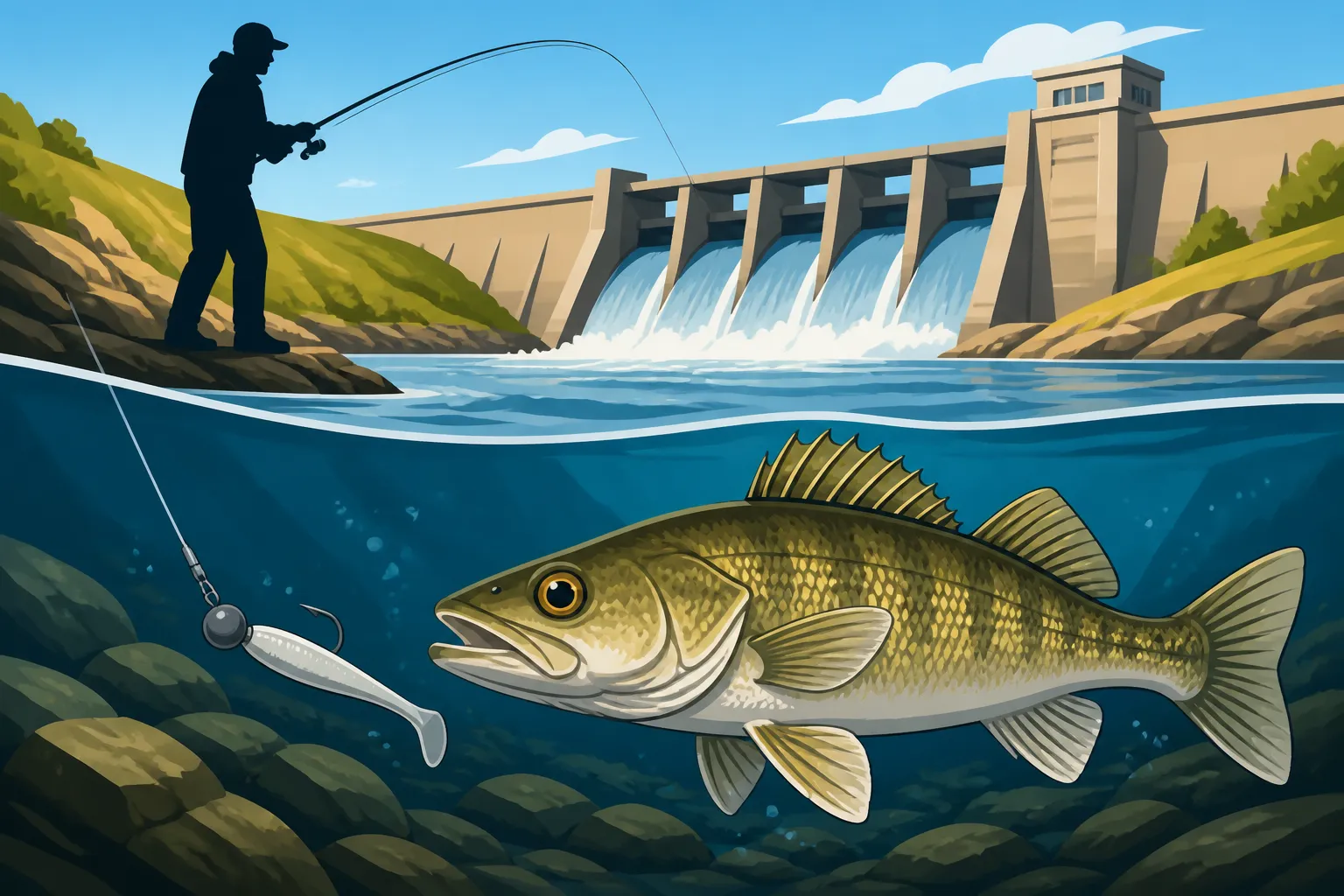
The most significant factor influencing fishing below Garrison Dam is the dam itself and its discharge schedule. When water is released, it creates powerful currents, fluctuating water levels, and temperature variations that dramatically impact where sauger will hold. These fish are masters of using current to their advantage, often tucking into seams and eddies where they can conserve energy while waiting for food to be swept past them. This constant flow also means the water is highly oxygenated, which generally makes for healthy, active fish.
However, the discharge can also bring challenges. Rapid changes in water level can move fish quickly, making them harder to locate consistently. Furthermore, debris can sometimes be an issue, especially after heavy rains or significant discharge increases. It's crucial to pay attention to current reports from the North Dakota Game and Fish Department or local bait shops, as they often have the latest on discharge rates. Understanding these dynamics is your first step to success. You can learn more about how fish populations thrive in such environments by checking out our guide on What Fish Species Live in the Missouri River?.
Identifying Prime Sauger Holding Areas
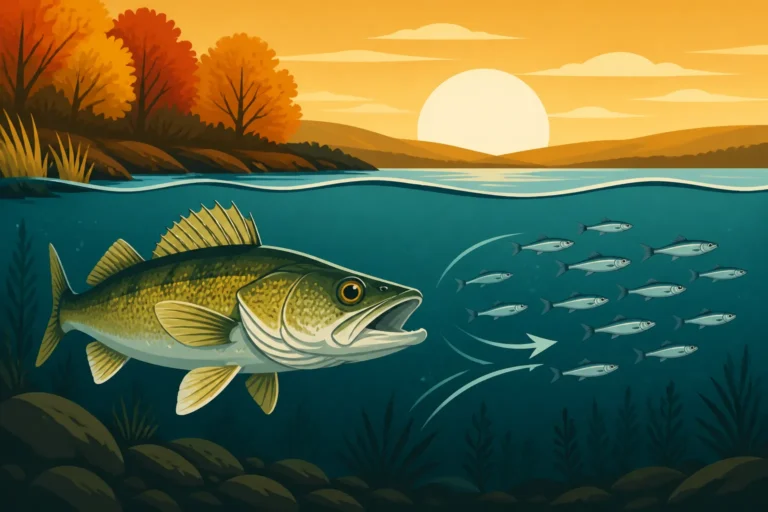
Sauger are ambush predators, and below the Garrison Dam, they're experts at exploiting current breaks. Think of these as "resting spots" where the fish can hold without fighting the main flow. Key areas include deep holes scoured out by the current, the slower water behind large boulders, points of land jutting into the river, and the vast stretches of riprap that line the banks. These areas offer both shelter from the current and prime ambush points.
The riprap, in particular, is a sauger magnet, providing endless nooks and crannies for them to hide and ambush baitfish. Eddies, those swirling pockets of water where the current reverses or slows down, are also critical. Sauger will often stack up in these zones, especially where a strong current seam meets stiller water. Understanding Sauger Habitat Below Garrison Dam is key to finding consistent success. Don't overlook the transitions where the river bottom changes from soft mud to rock or gravel; these subtle changes in structure can be significant holding spots.
Essential Gear and Tackle for Garrison Dam Sauger
Fishing below the Garrison Dam is not a place for finesse gear designed for still water. The powerful currents and the likelihood of hooking into a hard-fighting sauger or even a stray walleye demand robust tackle that can stand up to the challenge. Investing in the right tools makes all the difference, preventing break-offs and missed opportunities.
Rod, Reel, and Line Selection
For sauger below Garrison Dam, you'll want a medium-heavy power rod with a fast action tip. This combination provides the backbone needed to fight fish in current and set hooks firmly, while the sensitive tip allows you to detect subtle bites. A rod in the 6'6" to 7'6" range is versatile for both boat and shore fishing. When it comes to reels, a reliable spinning reel in the 2500-3000 size or a baitcasting reel with a good drag system is ideal. You need something that can handle heavy jigging or trolling applications without fatiguing you.
Line selection is paramount. Many anglers opt for braided main lines due to their extreme sensitivity and minimal stretch, which is fantastic for feeling those light sauger bites in deep water and current. A 10-20 lb braid is a good starting point. However, sauger can be line-shy, so always tie on a fluorocarbon leader of 8-12 lb test. The invisibility of fluorocarbon, combined with the strength of braid, creates a winning combination. For a wide range of options, you can often find great deals on various fishing lines on Amazon. Understanding Best Fishing Rods for North Dakota Anglers and Best Fishing Line for North Dakota Lakes can further inform your choices.
Baits and Lures That Dominate
Sauger in the current are primarily looking for an easy meal, and certain baits and lures consistently outperform others. Jigs are, without a doubt, the workhorse bait here. Heavily weighted jigs (1/2 oz to 1 oz, sometimes even heavier depending on current) are necessary to maintain bottom contact. Popular options include bucktail jigs, lead head jigs tipped with plastic swimbaits, or soft plastic paddle tails. Colors like chartreuse, white, orange, and natural baitfish patterns are often productive. Jigging spoons can also be deadly when vertically fished in deeper holes, mimicking injured baitfish.
Crankbaits are another excellent choice, especially for covering water from a boat. Deep-diving crankbaits that can reach the bottom and deflect off structure are very effective. Look for baits with tight wobbles that can run true in current. Trolling these baits allows you to present them to a wide range of depths and speeds. Finally, never underestimate the power of live bait. Minnows (shiners or fatheads) fished on a three-way rig or a simple jig head can be irresistible to sauger, especially when the bite is tough. You can find a huge selection of specialized jigs and crankbaits suitable for sauger on Amazon, making it easy to experiment with different presentations. For more details on effective lures, check out Best Jigs for North Dakota Walleye and Best Crankbaits for North Dakota Walleye.
Proven Techniques for Catching Sauger in the Current
Fishing in the powerful flow below Garrison Dam requires specific techniques to put your bait in front of sauger effectively. It’s not about casting and retrieving like you might in a calm lake; it’s about controlling your presentation and understanding how the current affects your lure.
Vertical Jigging Strategies
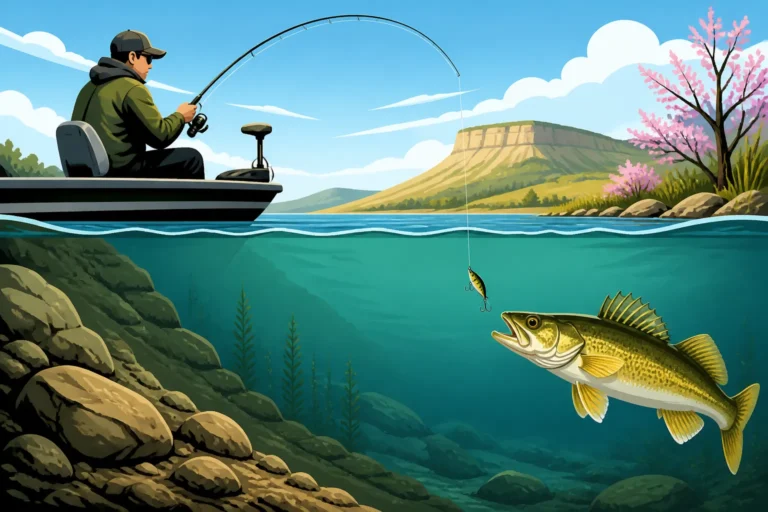
Vertical jigging is perhaps the most effective method for sauger directly below the dam, particularly in deeper water or strong current. The key is to keep your jig directly under your boat or close to the bank if fishing from shore, allowing it to drop quickly to the bottom. Once you feel the bottom, lift your rod tip a foot or two, then let the jig fall back, maintaining just enough tension to feel when it hits the bottom again. This "lift and drop" motion mimics an injured baitfish or a crayfish scuttling along.
The bites often come on the fall, so pay close attention to any sudden slack in your line or a subtle "tick." Sometimes, it's just a feeling of added weight. It's critical to use enough weight to stay in contact with the bottom, but not so much that you can't impart action to your jig. You'll often be fishing in spots with significant snags, so be prepared to lose some tackle. The reward, however, is often a feisty sauger.
Current Seam and Eddy Fishing
Sauger absolutely love current seams and eddies. These are their prime feeding lanes and resting spots. When fishing a current seam, you're looking for that distinct line where fast water meets slower water. Sauger will sit on the slower side, darting out into the current to grab passing food. From a boat, you can position yourself just outside the seam and cast into the faster water, allowing your lure to drift into the sauger's strike zone. From shore, look for distinct changes in surface current.
For eddies, it's about casting your lure into the swirling water and allowing it to settle or drift naturally. Often, a slow retrieve with a bottom-bouncing jig or a suspended minnow rig will work wonders. The fish in eddies are often less active than those on the seams, but they can be more concentrated. Learning How to Fish Current Seams on the Missouri River can significantly boost your success. It takes practice to read the water and understand these subtle nuances, but mastering them will make you a formidable sauger angler.
Boat Control and Anchoring in Strong Flow
Controlling your boat in the strong currents of the Missouri River below Garrison Dam is crucial. A powerful bow-mounted trolling motor is invaluable for precise boat positioning, allowing you to hold over specific structure or slowly drift along current seams. Using your electric motor to "spot-lock" or subtly adjust your drift is often more effective than traditional anchoring, as it keeps your presentation more natural and allows for quick adjustments.
If anchoring, choose your spots carefully and use a heavy anchor with plenty of rope or chain to ensure it holds. Always position your boat upstream of your desired fishing spot, allowing your baits to drift back into the strike zone. Safety is paramount when fishing near a dam; always be aware of changing current speeds, submerged hazards, and other boat traffic. For specific insights into river conditions, you might want to look at Best Time to Fish the Spillway Below a Dam.
Best Times and Conditions for Sauger
Just like any fish, sauger have their preferred times and conditions, especially when dealing with the dynamic environment below Garrison Dam. Paying attention to the calendar and the elements can dramatically increase your chances of a successful outing.
Seasonal Sauger Movements and Behavior
Sauger fishing below Garrison Dam can be productive year-round, but each season presents unique opportunities and challenges. In spring, after ice-out, sauger often move into shallower areas to spawn, making them accessible to both boat and shore anglers. They can be very aggressive then. As summer progresses, they tend to move to deeper, cooler water, often holding on structure or in deep current breaks. Night fishing can sometimes be effective during the warmer months when sauger move shallower to feed.
Fall is arguably the peak season for sauger fishing. As water temperatures drop, sauger go on a feeding frenzy, bulking up for winter. They are often found in concentrated schools in deeper holes and along major current seams. This is when some of the largest sauger are caught. Even through winter, ice-free areas below the dam can provide excellent open water sauger fishing, though you'll need to brave the cold. Understanding these seasonal shifts helps you adapt your tactics.
Reading the Water and Weather
Successful sauger anglers are keen observers of water and weather. Water clarity is a big one: while sauger are tolerant of some turbidity, extremely muddy water can make fishing difficult. Moderate clarity is often ideal. Water temperature plays a significant role in fish activity, with sauger generally preferring cooler water, making them more active in fall and winter.
Wind can be a double-edged sword; a light breeze can create a favorable drift for your boat, but strong winds can make boat control a nightmare and compromise your ability to feel subtle bites. Keeping an eye on the barometric pressure is also wise; stable or rising pressure often correlates with more active fish. Finally, always check the dam's discharge schedule before you go. Major changes can turn the bite on or off. Fishing can even be productive during a Fishing During a Cold Front in North Dakota, if you know how to adjust. You might want to consider some insulated gear if you're out in colder conditions, and you can find a solid selection of cold-weather fishing apparel and accessories on Amazon to stay comfortable.
| Technique | Description | Pros | Cons | Ideal Conditions |
|---|---|---|---|---|
| Vertical Jigging | Presenting a jig directly beneath the boat, lifting and dropping. | Excellent for deep water, strong current, precise presentation. | Can be labor-intensive, high snag rate, requires good boat control. | Strong current, deep holes, targeting specific structure. |
| Current Seam Drifting | Allowing a bait/lure to drift along the edge of a current seam. | Natural presentation, covers more water, less snagging. | Requires careful boat positioning, understanding current flow. | Moderate current, defined current breaks, searching for fish. |
| Shore Casting | Casting jigs or crankbaits from riprap or bank access points. | Accessible without a boat, good for specific eddies. | Limited range, high snag rate on riprap, current can be tricky. | Accessible banks, distinct current breaks near shore. |
| Trolling Crankbaits | Using a boat to slowly pull deep-diving crankbaits. | Efficiently covers large areas, good for active fish. | Less precise for individual fish, requires specific gear. | Searching vast areas, less turbulent water. |
This article is for general informational purposes only and does not constitute professional advice. Laws, prices and regulations vary by location and change over time. Consult a qualified professional for guidance on your specific situation.