Fishing During a Cold Front in North Dakota
There’s nothing quite as frustrating as planning a fishing trip to your favorite North Dakota lake, only to wake up to a sudden drop in temperature, clear skies, and a stiff north wind. A cold front has swept through, and if you’re like most anglers, you immediately start wondering if the fish have simply vanished. This comprehensive guide is here to assure you that while challenging, fishing during a cold front in North Dakota is far from impossible, offering practical strategies to help you adapt and find success when the weather takes a turn.
Understanding the Impact of a Cold Front on North Dakota Fishing
When a cold front rolls across North Dakota, it's not just the air temperature that changes. A cascade of environmental shifts occurs, and these changes directly influence how fish behave. It’s important to grasp these fundamentals to effectively adapt your fishing strategy.
How Barometric Pressure Changes Affect Fish
The most immediate and often overlooked impact of a cold front is the rapid change in barometric pressure. Before a front arrives, the pressure often drops, leading to an increase in fish activity and feeding. This is usually when you experience those fantastic "hot bites." However, as the cold front passes and high-pressure air moves in, the barometric pressure rises sharply and stabilizes at a higher point.
Fish, much like us, are sensitive to these pressure changes. Their swim bladders are essentially air sacs that help them maintain buoyancy at different depths. A rapid increase in pressure can cause discomfort, making them feel "heavy" or out of equilibrium. This discomfort often leads to them becoming lethargic and less inclined to feed aggressively. They might also move to deeper water where the pressure is more stable, or to areas with dense cover that offers a sense of security. Imagine feeling suddenly squeezed – you wouldn't be thinking about eating a big meal either! This pressure adjustment period can last for hours or even a couple of days, making the immediate post-front period particularly tough.
Water Temperature Fluctuations and Fish Metabolism
While air temperature is what we feel, it's the water temperature that truly dictates fish metabolism and activity. When a cold front brings plummeting air temperatures, especially with strong winds, it can cause the surface water temperature to drop relatively quickly, particularly in shallower areas or smaller bodies of water like those found throughout eastern North Dakota. This sudden chill signals to fish that metabolic activity should slow down.
Fish are cold-blooded, meaning their body temperature, and therefore their metabolism, is directly tied to the water temperature. A metabolic slowdown means they require less food and digest it slower. Instead of actively chasing down prey, they become more passive, conserving energy. They’ll often seek out thermal refuges – areas where water temperatures are more stable. This could mean deeper water, areas with springs, or spots with heavy bottom cover that acts as insulation. Understanding these shifts helps you pinpoint where the fish are likely to be hunkered down, waiting out the uncomfortable conditions.
The Immediate Post-Front Blues
The period immediately following a cold front is arguably the most challenging for anglers. The high, stable barometric pressure combines with the sudden drop in water temperature to create a perfect storm of fish inactivity. You might find fish scattered, huddled in dense cover, or simply suspended in open water, seemingly doing nothing. They’re not actively feeding, they’re not aggressively striking, and they’re certainly not as predictable as they were before the front hit.
This "post-front blues" can test even the most seasoned angler's patience. It's common to cast for hours without a bite, or to only get light, tentative nibbles that are hard to detect. Many anglers pack up and go home, convinced the fishing is impossible. However, with the right approach, even these tough conditions can yield results. It requires a shift in mindset from targeting active biters to coaxing reluctant ones, focusing on presentations that are easy to find and don't require much effort from the fish.
Reading the Signs: Predicting and Adapting to a North Dakota Cold Front
Being prepared for a cold front in North Dakota fishing isn't just about having the right lures; it’s about knowing when it's coming and what to expect. Paying attention to weather patterns can give you a significant advantage, allowing you to adjust your plans proactively.
Weather Patterns to Watch For
A cold front typically announces itself with clear, crisp air and often a noticeable shift in wind direction, usually from the south or southwest to the north or northwest. Before the front actually arrives, you might notice an increase in wind, a drop in humidity, and sometimes a line of thunderstorms or rain as the warm, moist air is pushed up and over the incoming cold air mass. After the front passes, the skies usually clear to a brilliant, almost painfully blue, with temperatures dropping rapidly, especially overnight.
Keep an eye on these indicators a day or two before your planned trip. If you see a strong weather system moving in that promises a significant temperature drop and a shift to northerly winds, start mentally preparing for tougher fishing conditions. This allows you to plan your bait, lure, and location choices even before you hit the water, giving you an edge over those who are caught by surprise. You can find excellent information about these seasonal shifts in the broader North Dakota Fishing Season Calendar.
Monitoring Local Forecasts and Barometric Pressure
In today's digital age, you have a wealth of information at your fingertips. Don't just check the temperature; pay close attention to the wind forecast and, crucially, the barometric pressure. Many weather apps and websites provide detailed barometric pressure graphs, showing whether it's rising, falling, or stable. A rapidly rising or high, stable pressure immediately after a significant drop indicates a strong cold front has passed.
For North Dakota anglers, local news channels and the National Weather Service (NWS) often provide highly accurate regional forecasts. Websites like Weather Underground or AccuWeather also offer hyper-local data, including detailed pressure readings. Before heading out, always check these sources. Knowing that the pressure is spiking can save you a lot of wasted time and frustration, helping you temper expectations and choose the most appropriate techniques. For example, if you're planning a trip to Devils Lake, specifically checking the local forecast for that area will be more accurate than a general state forecast.
Gear Adjustments for Cold Front Conditions
Your tackle box and clothing choices need to adapt when a cold front hits. First, let's talk about comfort: layering is absolutely critical. Even if the sun is out, the air can be brutally cold, especially with the persistent North Dakota winds. Thermal base layers, fleece, and a good waterproof/windproof outer shell are non-negotiable. Don't forget insulated gloves, a warm hat, and sturdy, warm boots. You can often find excellent deals on high-quality, cold-weather apparel on Amazon, making sure you stay warm and focused on fishing.
From a fishing gear perspective, consider lighter lines and smaller baits. Fish are less likely to strike a large, aggressive lure. Think about bringing sensitive rods that can detect those super-light, "finicky" bites. If you're ice fishing, ensuring your Ice Fishing Auger Techniques are honed and you have a reliable portable heater in your Best Portable Ice Shelters for Wind will make a huge difference in your endurance and comfort, allowing you to stay on the ice longer, increasing your chances.
Tactical Approaches for Cold Front Walleye
Walleye are one of North Dakota's most prized game fish, but they can be incredibly finicky, especially when a cold front moves in. Their reputation for being challenging only intensifies under these conditions, requiring a nuanced approach. For a general overview, check out our North Dakota Walleye Fishing Guide.
Slower Presentations and Downsizing Baits
When walleye are sluggish due to a cold front, they are not going to expend much energy chasing a fast-moving bait. This means your high-speed trolling passes or aggressive jigging strokes need to be reevaluated. The key word here is s-l-o-w. Think about presentations that hover enticingly in front of a fish's face, giving them ample time to decide if they want to bite without having to exert much effort.
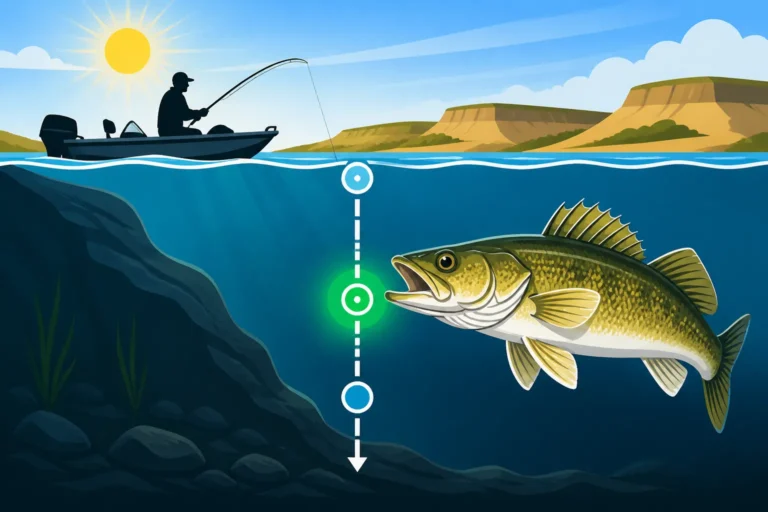
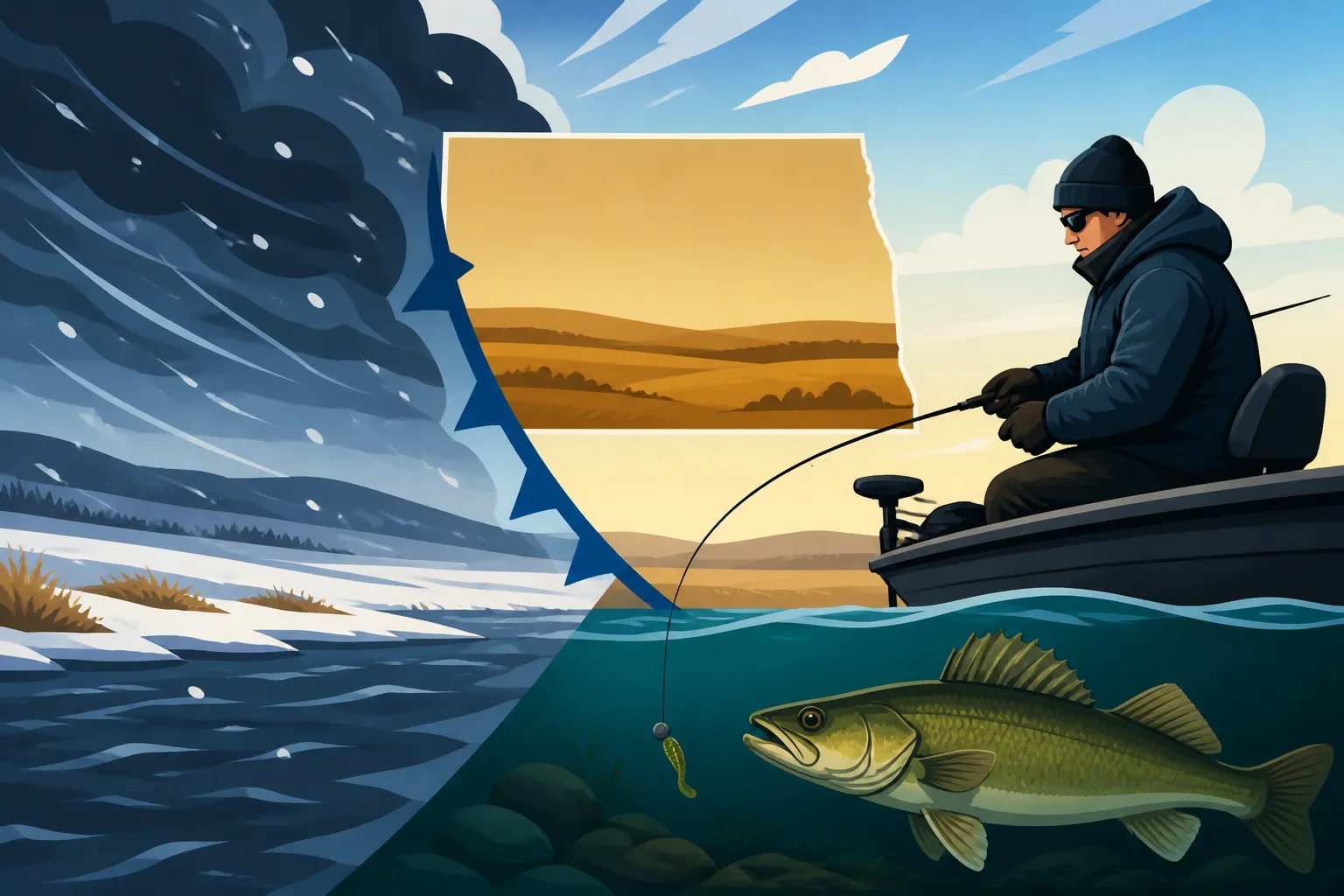
Slip bobber rigs fished with live bait, like a small minnow or a leech, are incredibly effective. You can suspend the bait right at the fish's eye level, allowing it to gently undulate without much angler input. For jigging, try a smaller jig tipped with a live minnow or a soft plastic, and employ very subtle lifts and drops, letting the bait sit motionless for several seconds between movements. If you're trolling, reduce your speed significantly and use smaller crankbaits or spinner rigs that present a less intimidating profile. Sometimes, merely twitching a jig or a spoon and letting it sit completely still for an extended period is what it takes to trigger a reluctant strike. This approach is a core element of effective North Dakota Walleye Fishing Techniques.
Targeting Transition Zones and Deeper Structure
Fish, especially walleye, will seek comfort zones when conditions get tough. This often means moving from shallower, exposed areas to deeper, more stable environments. Look for distinct transition zones: areas where a flat drops off into a channel, the edges of deep main lake humps, or submerged points that extend into deeper water. These areas provide both access to stable temperatures and depth for security.
On large bodies of water like Lake Sakakawea or Devils Lake, walleye might move into the main lake basin and relate to subtle contour changes that offer some protection. Don't overlook weed lines, even if they're sparse, as they can provide cover and a slightly more stable environment. During a cold front, fish might not be on the structure but rather around it or in the immediate deeper vicinity. Use your fish finder to identify these depth changes and any marks that might indicate schools of baitfish or larger fish relating to them. Often, walleye will suspend slightly above the bottom in deeper water, making them harder to target if you're strictly bouncing bottom.
Best Bait and Lure Choices for Finicky Walleye
Given their increased lethargy, live bait often outperforms artificial lures during a cold front. A lively minnow, leech, or nightcrawler suspended on a slip bobber or slowly retrieved on a bottom bouncer rig can be irresistible to a reluctant walleye. The natural scent and subtle movement can often trigger a strike when artificials fail.
If you prefer artificials, opt for smaller profiles and natural colors. A 1/8 oz or 1/4 oz jighead tipped with a small minnow or a finesse plastic in colors like green pumpkin, pearl white, or black can be very effective. Scented plastics or those infused with fish attractant can also give you an edge. When it comes to crankbaits, choose models with a subtle wobble and again, stick to natural baitfish patterns or muted, matte colors rather than flashy, aggressive ones. You can find a vast selection of these specialized lures and baits on Amazon, often with reviews from other anglers that can guide your choices for North Dakota's unique waters.
| Condition | Fish Behavior (Walleye) | Recommended Tactics |
|---|---|---|
| Normal Conditions | Active, aggressively feeding, often in shallower depths, predictable patterns. | Fast trolling, aggressive jigging, searching broader areas, larger baits, brighter colors. |
| Cold Front Conditions | Lethargic, deeper, relating to cover/structure, light bites, less predictable. | Slow presentations (slip bobbers, subtle jigs), downsizing baits, natural colors, focusing on stable deep water. |
Pursuing Northern Pike and Perch During a Cold Front
While walleye tend to get all the attention, North Dakota offers fantastic opportunities for Northern Pike and Yellow Perch, both of which also react distinctly to cold front conditions. Understanding these reactions is crucial for success. You can learn more about specific techniques in our guides on How to Fish for Northern Pike in North Dakota and How to Catch Perch Through the Ice in North Dakota.
Northern Pike: From Aggressive to Opportunistic
Northern Pike are often thought of as aggressive predators, always ready to smash a lure. While this is true under stable conditions, a cold front can temper their enthusiasm significantly. Instead of actively hunting, they become more opportunistic. They'll still eat, but they're less likely to chase. Their metabolism slows, and they'll prefer an easy meal that doesn't require a lot of energy. For more detailed information, consider our North Dakota Northern Pike Fishing Guide.
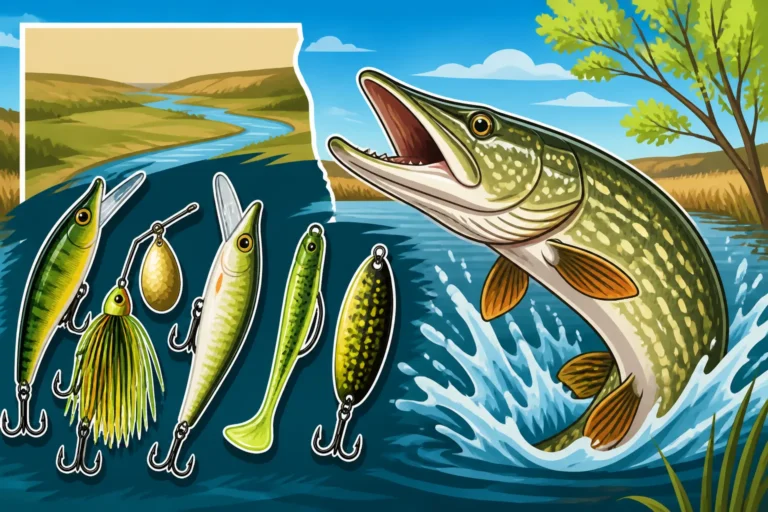
This shift means your presentation needs to be slow and inviting. Large, flashy spoons or spinnerbaits that you burn through the water might get ignored. Instead, try suspending a large dead bait, such as a smelt or a chub, under a large bobber near deep weed lines or along structure. Letting it sit motionless for extended periods can often entice a bite. Another effective strategy is slow-rolling a large swimbait or a soft plastic jerkbait with long pauses. Focus on areas where pike can ambush prey easily, like the edges of deep cover or points. Even during a cold front, a big pike might not pass up a large, easy meal if it’s presented directly in front of them.
Yellow Perch: Schools Tighten and Depth Matters
Yellow Perch are often schooling fish, and a cold front can make their schools even tighter. They'll generally move deeper to find more stable water temperatures and to escape the bright, clear post-front skies that offer little cover. Finding these schools becomes paramount. Once you locate them, the fishing can still be good, but you'll need a finesse approach. For more on this popular species, consult the North Dakota Yellow Perch Fishing Guide.
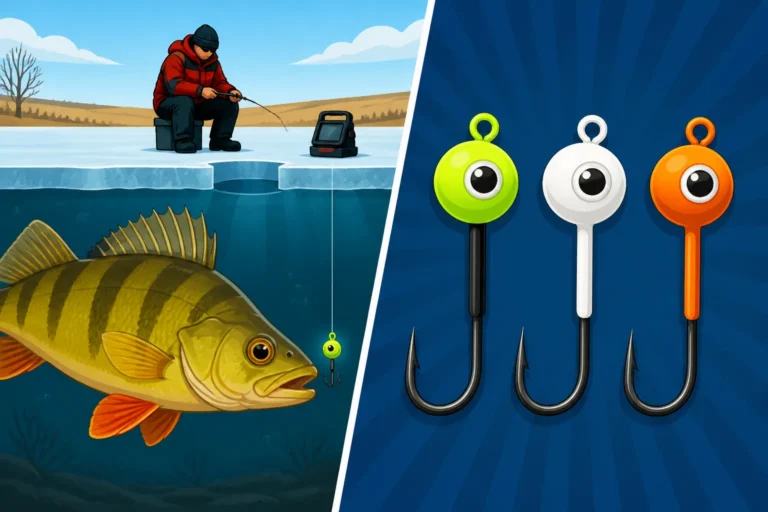
On open water, look for perch relating to main lake humps, rock piles, or steep breaklines that offer quick access to deeper water. When fishing for them, use very small jigs, tear drop jigs, or tiny spoons tipped with a piece of a minnow, a wax worm, or a maggot. The presentation should be subtle, with minimal jigging action. Often, just letting the bait sit still or imparting a slight tremble is enough. If the bite is particularly tough, even smaller baits and lighter line, such as 2-4lb test fluorocarbon, can make a difference in getting those finicky perch to commit.
Adapting Ice Fishing Strategies Post-Front
North Dakota is famous for its incredible ice fishing, and cold fronts are a constant companion during the winter months. When a front hits during ice season, the fish often become very light biters. The "post-front blues" can make even a good perch bite challenging. This is where patience, technology, and mobility become your best friends. Check out our comprehensive guide on How to Ice Fish in North Dakota for a broader perspective.
Instead of camping on one hole, consider a "hole hopping" strategy. Drill a series of holes over a suspected structure or along a breakline and spend just 5-10 minutes at each. If you don't see any activity on your fish finder or get a bite, move to the next. Silence is also key; fish are more easily spooked under these conditions, so keep noise to a minimum. Use small, tungsten jigs tipped with live bait or plastics, and work them very slowly. Pay close attention to your electronics, as the bites can be incredibly subtle – sometimes it's just a slight increase in line tension or a flicker on your flasher. Having a reliable portable fish finder is essential for locating those tight schools in deep water.
Gear and Preparedness: Staying Comfortable and Effective
Facing a North Dakota cold front requires not just the right angling tactics but also the right gear to ensure your comfort and maximize your effectiveness on the water.
Essential Cold Weather Apparel and Safety Gear
Staying warm is paramount, not just for comfort but for safety. Hypothermia is a real risk in North Dakota's cold, windy conditions. Start with a moisture-wicking base layer that pulls sweat away from your skin. Add insulating layers like fleece or down for warmth, and top it off with a waterproof and windproof outer shell. Companies like Cabela's or Simms offer excellent performance apparel designed for extreme conditions. Don't forget an insulated hat that covers your ears, warm gloves (preferably waterproof and windproof), and insulated, waterproof boots that can handle slush and ice. Hand warmers and foot warmers can also be a game-changer for extending your time outdoors.
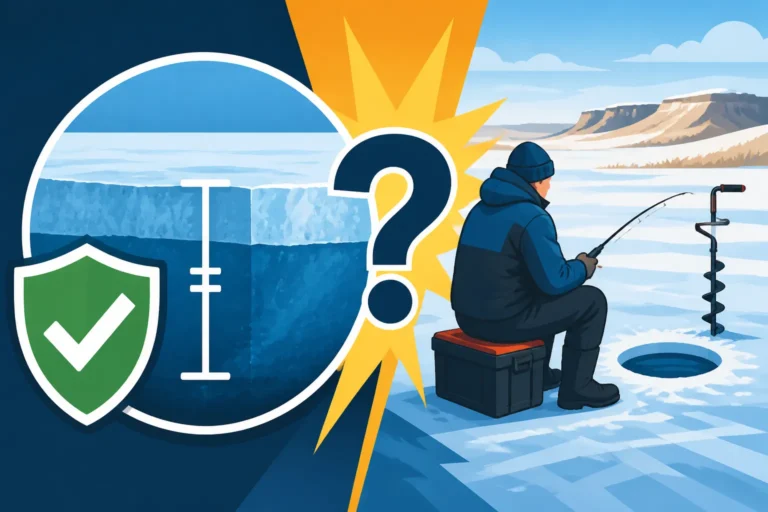
Beyond personal comfort, safety gear is crucial, especially if you're venturing out on early or late ice. Always carry ice picks, a rope, and a fully charged cell phone. If you're fishing from a boat in cold water, a PFD (Personal Flotation Device) is not just a good idea, it's a legal requirement and a life-saving device. Cold water shock can incapacitate you quickly, so wear a PFD, even if you’re a strong swimmer. Ensure your boat's safety gear is up to par, including flares, a whistle, and a first-aid kit.
Electronics: Your Cold Front Advantage
Modern electronics are an angler's best friend, especially when fishing during a cold front. A good fish finder can help you quickly locate those deeper, structure-related fish that are hiding from the bright sun and stable pressure. Look for units with detailed side-imaging or down-imaging capabilities that can show you subtle contour changes or even individual fish relating to cover. For navigating the vast waters of Lake Sakakawea or Devils Lake, a GPS unit with detailed mapping is indispensable for finding specific humps, points, or weed lines, especially when you need to quickly move between spots. Check out our guide on Best Fish Finders for North Dakota Lakes for recommendations.
For ice fishing, a flasher or a portable fish finder can be even more critical. These devices give you real-time feedback on fish presence, depth, and even their reaction to your bait. When bites are light, seeing a fish approach your lure on the screen can help you adapt your presentation to entice a strike. Many modern units, like those from Humminbird or Lowrance, also offer mapping features for ice fishing, showing contours and hot spots, which is invaluable when you're hopping holes and trying to find those tightly schooled perch or walleye.
The Importance of Persistence and Patience
Let’s be honest: cold front fishing tests your resolve. It's often slow, the bites are subtle, and the elements can be harsh. Many anglers give up early, frustrated by the lack of action. However, persistence and patience are perhaps your most powerful tools in these conditions. The fish are still there; they're just not as willing to cooperate.
Embrace the challenge. Expect fewer bites, and celebrate every single one you get. Instead of power fishing, adopt a more meditative approach. Slow down your retrieves, pay excruciating attention to your rod tip for the slightest tap, and spend more time observing your surroundings and your electronics. Sometimes, a short window of increased activity might occur during a lull in the wind or a slight rise in temperature, and being on the water when that happens can make all the difference. Your ability to endure and adapt will ultimately lead to more success than simply throwing in the towel.
Common Misconceptions and Pro Tips for Cold Front Success
Despite the challenges, many experienced North Dakota anglers find ways to consistently catch fish even after a brutal cold front. It's often about debunking myths and adopting a few key habits.
Debunking the "No Fish" Myth
The biggest misconception about cold fronts is that fish simply stop eating altogether. This simply isn't true. While their metabolism slows down, they still need to feed to survive. Their activity just becomes greatly reduced and localized. It's not that there are "no fish"; it's that the fish are harder to find and even harder to convince to bite.
Instead of seeing it as a lost cause, view it as a puzzle. Where have the fish moved? What specific conditions might make them slightly more active? Is there a particular depth or type of cover they're relating to? Could they be feeding only during very specific, short windows? Successful cold front fishing requires a detective-like approach, eliminating unproductive water and fine-tuning presentations until you crack the code for that particular day and location. Even on the toughest days, a handful of strategic catches can make the trip worthwhile. This is why having knowledge of Best Places to Fish in North Dakota is invaluable.
Focus on Prime Time Windows
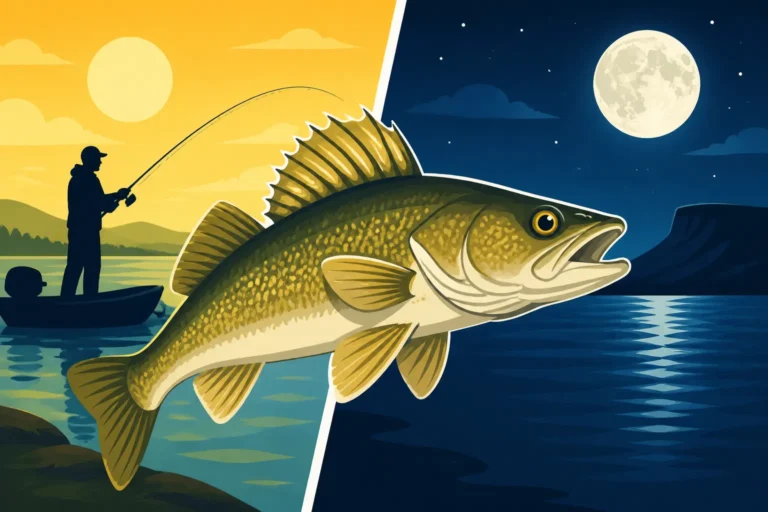
Even within the generally tough conditions of a cold front, there are often subtle windows of increased fish activity. The classic "prime times" of dawn and dusk can still hold true, even if they're abbreviated. During these low-light periods, fish might feel more secure moving out of deep cover to feed, or their senses might be less overwhelmed by the bright, high-pressure skies.
Also, pay attention to any micro-climatic changes. A brief period of cloud cover, a lull in the wind, or even a slight bump in air temperature can sometimes trigger a short feeding spurt. These might be subtle, lasting only an hour or two, but they can be your best chance at catching fish. Be ready to capitalize on these opportunities. This also ties into The Best Time of Year to Fish in North Dakota, as even within those prime seasons, cold fronts can pop up.
Learning from Every Outing
Every fishing trip, especially those during challenging conditions, offers a learning opportunity. Keep a mental or physical log of your outings. Note the specific weather conditions (temperature, wind direction, barometric pressure), the techniques you tried, where you found fish (or didn't), and what baits or lures worked. Did fish move shallower after the front stabilized for a day or two? Did they prefer a specific type of structure?
Over time, this accumulated knowledge will help you develop your own personal cold front playbook for North Dakota's diverse waters. You'll start to recognize patterns and make more informed decisions, turning frustrating experiences into valuable lessons that improve your angling skills for years to come. The local expertise gained from fishing specific North Dakota locations, whether it's the Missouri River system or the numerous smaller lakes, is invaluable and can't be replicated. This continuous learning is key to becoming a successful angler in North Dakota, regardless of the weather.
Disclaimer
The information provided in this guide is for general informational purposes only and is not intended as legal advice. Fishing regulations, license requirements, and safety guidelines can change. Always consult the official North Dakota Game and Fish Department (NDGFD) website or their current fishing proclamation for the most up-to-date and accurate rules and regulations before heading out on the water. Stay safe and enjoy your time fishing in North Dakota!