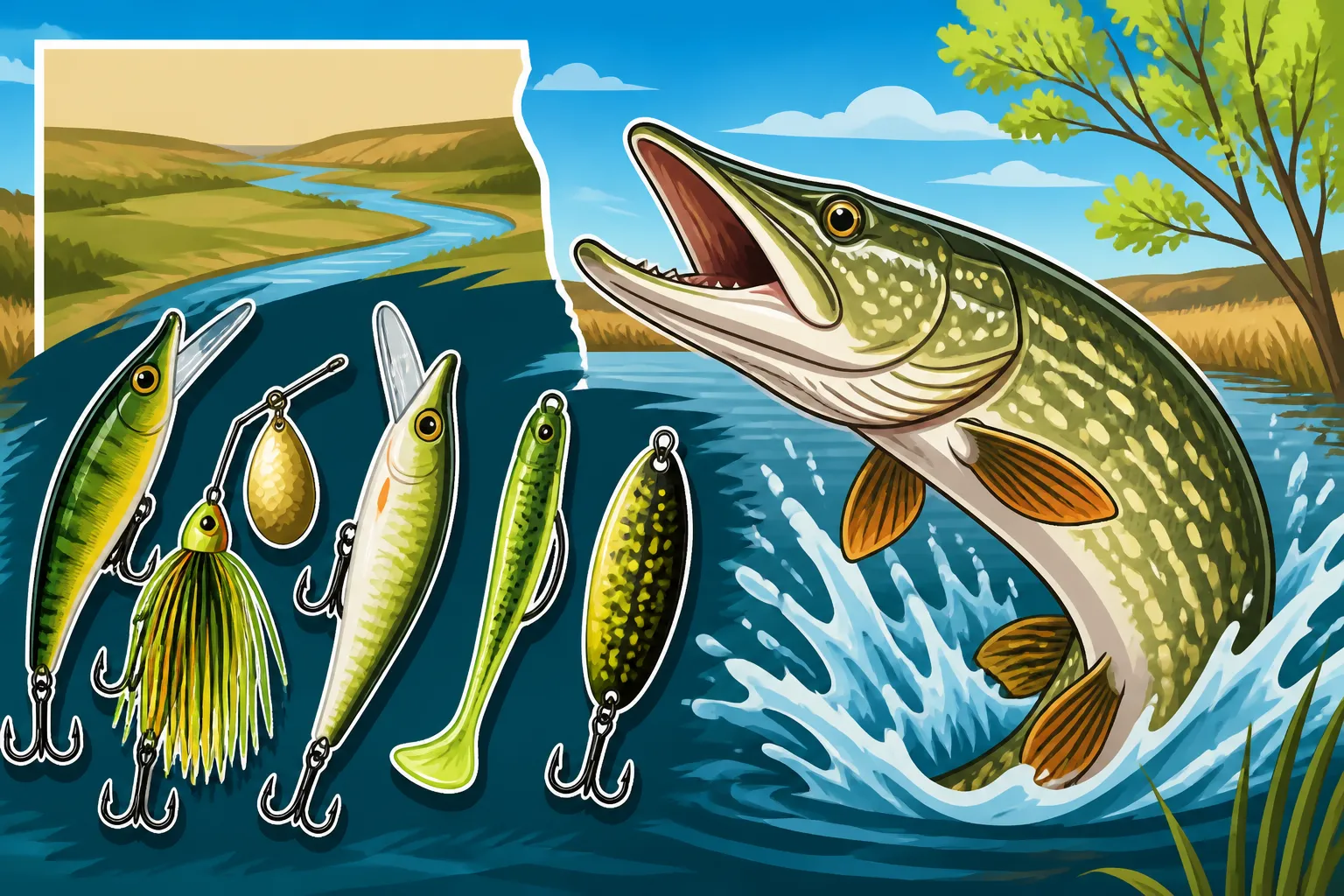
Best Lures for Northern Pike in Spring
Spring in North Dakota can be a magical time for anglers, but trying to figure out which lures will entice those hungry northern pike after a long winter can sometimes feel like a real puzzle. Many of us have spent countless hours casting, only to be met with frustrating silence because we weren't matching the hatch or presenting the right offering. This comprehensive guide is here to untangle that mystery, diving deep into the best lures for northern pike in spring, ensuring you're armed with the knowledge to land more of these aggressive freshwater predators.
Understanding Spring Pike Behavior in North Dakota
Before we even talk about specific lures, it's crucial to understand what those toothy critters are up to once the ice finally gives way. Spring isn't just one static period; it evolves, and so does pike behavior. Knowing their patterns is half the battle when it comes to choosing the right presentation.
Early Spring and Post-Spawn Activity
As soon as the ice starts to disappear, usually around late March or April, northern pike are among the first fish to get active. Their primary drive in early spring is spawning. They'll move into very shallow, often weedy or flooded areas of lakes and rivers, like the back bays of Lake Sakakawea or the marshy edges of Devils Lake, looking for cover to lay their eggs. This happens when water temperatures are still quite cold, typically in the low to mid-40s Fahrenheit. After the spawn, which can happen fairly quickly, these pike are usually exhausted and somewhat lethargic. They're not always looking for a big, fast meal right away.
This post-spawn period is critical. They're recovering, and while they are hungry, they might not chase a lure very far. You’ll often find them still hanging out in those shallow, warmer areas, possibly near remnants of the vegetation they used for spawning. They need easy meals, but they're also wary. Understanding When Does Northern Pike Spawn in North Dakota? can give you a precise timeline for your local waters. The key is to present lures that are visible, not too fast, and mimic an easy target. Often, bigger pike will retreat to slightly deeper water nearby, while smaller males might linger in the shallows for a bit longer.
Mid-Spring Habitat and Feeding
As spring progresses into May and early June, and water temperatures climb into the 50s and low 60s, northern pike truly hit their stride. They've recovered from spawning and are actively feeding to regain energy. Their metabolism speeds up, and they become much more aggressive. During this time, they'll start to spread out more but still favor areas with abundant cover and ambush points. Think weed lines, submerged timber, rocky points, and the mouths of feeder creeks. They are apex predators, and they love to hide and dart out at unsuspecting prey.
This is when you can really start to throw those flashy, noisy, and fast-moving lures. The baitfish they're targeting, like shiners and perch, are also becoming more active. Pike will follow schools of baitfish, often hanging on the edges of structure or in slightly deeper channels adjacent to shallow flats. They are no longer just looking for an easy meal; they're actively hunting. This active feeding period is prime time for catching big fish, and understanding their preferred habitats, like those discussed in the North Dakota Northern Pike Fishing Guide, will greatly increase your success.
Top Lures for Aggressive Spring Pike
When those North Dakota pike are ready to chew, certain lures consistently outperform others. These are the workhorses of spring pike fishing, designed to capitalize on their aggressive nature and post-spawn hunger.
Spoons: The Classic Pike Catcher
You simply cannot talk about northern pike fishing without mentioning spoons. They are legendary for a reason: they work! Spoons like the classic Daredevil, Doctor Spoon, or Johnson Silver Minnow have been catching pike for generations, and they remain incredibly effective in spring. The beauty of a spoon is its erratic, wobbling action that perfectly mimics a wounded baitfish – a sight no hungry pike can resist.
In spring, particularly during that post-spawn recovery and into the more active mid-spring period, spoons are fantastic. They cast a mile, allowing you to cover vast shallow flats or shoreline breaks where pike might be lurking. The flash and vibration they emit are irresistible. For clearer waters, go with silver or gold patterns. In stained or murky water, brighter colors like chartreuse, orange, or even those classic red-and-white patterns can be deadly. You can reel them in with a steady retrieve, or add pauses and jerks to make them dive and flutter, triggering those reactionary strikes. When you're browsing for these reliable pike catchers, remember that many anglers find a great selection of various sizes and colors on Amazon, making it easy to stock up.
Spinnerbaits and Buzzbaits: Flash and Vibration
Spinnerbaits and buzzbaits are absolute powerhouses for spring pike, especially when they're active and lurking in weedy cover. These lures combine flash, vibration, and often a pulsating skirt, creating a commotion that calls pike in from a distance.
- Spinnerbaits: These lures feature one or more blades (Colorado, Willow Leaf, Indiana) that spin, sending out strong vibrations and flash, attached to a lead head with a skirted hook. They are incredibly weedless, making them perfect for fishing around emergent vegetation, lily pads, or flooded timber – exactly where pike ambush prey in spring. The vibration helps pike locate them even in murky water or low light. Experiment with blade combinations; a single Colorado blade gives a strong thumping vibration, while tandem willow leaf blades offer more flash and a tighter wobble. Chartreuse, white, black, and firetiger are excellent color choices.
- Buzzbaits: As the name suggests, buzzbaits "buzz" across the surface of the water, creating a loud gurgling and splashing noise. These are exceptional for targeting pike in shallow, calm water, particularly during warmer, low-light conditions (dawn, dusk, or overcast days) in mid-spring. The visual disturbance combined with the noise makes them incredibly exciting to fish, and the strikes are often explosive! Just like spinnerbaits, they're fairly weedless, allowing you to fish over thick cover without getting hung up. For those fishing in areas like the shallow bays of Lake Audubon or the flooded timber of Devils Lake, these can be irreplaceable.
These lures are all about attracting attention and provoking aggressive strikes. Don't be shy about throwing them into the thick stuff where other lures would snag.
Soft Plastics: Versatility for Different Conditions
Soft plastics might not be the first thing that comes to mind for pike, but their versatility and realistic presentations make them invaluable, especially in North Dakota's diverse spring conditions. They can be fished fast or slow, shallow or deep, making them adaptable to post-spawn lethargy or aggressive feeding.
- Swimbaits: Realistic soft plastic swimbaits, often pre-rigged or fished on a weighted swimbait hook, are fantastic for mimicking actual baitfish. Brands like Keitech or Storm WildEye Swim Shad offer incredible lifelike action and profiles. They can be slow-rolled over submerged weed beds or retrieved with a steady retrieve through open water, appealing to pike that are either cruising or holding tight to structure. The subtle tail kick can be incredibly enticing when pike are still a bit finicky after the spawn. For the best selection of various sizes and colors, Amazon provides a vast array of options.
- Grub Tails and Paddletails: Larger grub tails (like a 4-6 inch curly tail grub) or paddletails rigged on a heavy jig head are simple yet highly effective. They offer a strong thumping action and can be vertically jigged near drop-offs or retrieved with a lift-fall motion. This presentation is excellent for working points, submerged humps, or the deeper edges of weed beds where larger pike might be staging. Consider bright colors for stained water and more natural baitfish patterns for clear conditions.
- Large Flukes/Soft Jerkbaits: Weightless or lightly weighted soft plastic jerkbaits (flukes) can be deadly when twitched and paused over shallow cover. The darting, erratic action mimics a panicking baitfish, and the slow, tantalizing fall during pauses often triggers strikes from hesitant pike. This is particularly effective in early to mid-spring in clear water where pike can visually track the lure.
The beauty of soft plastics is their ability to be tailored to the fish's mood. You can impart various actions and retrieve speeds, making them perfect for adapting to those unpredictable North Dakota spring days.
Hard Baits for Targeting North Dakota Pike
When the pike are really active and hunting, hard baits are often your best friend. Their defined profiles, inherent actions, and durability make them excellent tools for covering water and provoking strikes.
Jerkbaits: Mimicking Wounded Prey
Jerkbaits are absolute killers for northern pike, especially in clearer water and when fish are looking for a highly erratic presentation. These long, slender minnow-imitation lures don't have much action on a straight retrieve; their magic comes from the angler. By twitching or "jerking" your rod tip, you make the lure dart, flash, and pause, perfectly imitating a wounded or disoriented baitfish. This is a classic technique for How to Fish for Northern Pike in North Dakota.
In spring, particularly after the pike have recovered from spawning and are actively feeding, a jerkbait can be incredibly effective. Fish them along weed edges, over submerged rock piles, or near transition areas from shallow to deeper water. The pause after a series of jerks is often when a pike will strike, so be ready! Top brands include Rapala, Husky Jerk, and Bomber Long A. Choose natural baitfish colors like silver and black, or more aggressive perch and firetiger patterns. Remember, the key is the stop-and-go action; sometimes longer pauses are better, other times a rapid series of jerks will trigger a bite.
Crankbaits: Diving to the Depth
Crankbaits are fantastic for efficiently covering water and targeting pike at specific depths, which becomes more important as mid-spring progresses and fish spread out. These lures have a bill or lip that causes them to dive to a predetermined depth when retrieved.
- Shallow-Diving Crankbaits: For early to mid-spring, when pike are still often found in relatively shallow bays or along developing weed lines, shallow-diving crankbaits are ideal. They run just a few feet deep, allowing you to work over emerging vegetation without constantly snagging. Look for models with a wide wobble and strong vibration.
- Medium to Deep-Diving Crankbaits: As pike move to slightly deeper structure, like the edges of major drop-offs, submerged humps, or river channels, medium to deep-diving crankbaits become more relevant. These allow you to present a lure right in their strike zone. Trolling these can be extremely effective on larger bodies of water like Lake Sakakawea or Lake Oahe, allowing you to cover vast amounts of water and locate active fish.
Colors for crankbaits should often mimic local baitfish, like perch or shiners. Brighter colors such as chartreuse or firetiger are excellent for stained water or when you want to stand out. Always ensure your crankbaits are running true; if they're swimming to one side, they won't be as effective.
Swimbaits: Realistic Presentations
While we touched on soft plastic swimbaits, hard-bodied swimbaits deserve their own mention. These lures are often multi-jointed, creating an incredibly realistic swimming action that perfectly mimics a natural baitfish. They typically have a more defined profile and heavier weight than their soft plastic counterparts.
Hard swimbaits are fantastic for tempting larger, wary pike that might shy away from more aggressive presentations. Their natural swimming motion, especially on a steady retrieve or a slow sweep, can be incredibly enticing. They excel in clearer water where their lifelike appearance can be fully appreciated by a cruising predator. You can find excellent options from companies like Savage Gear or Gan Craft. They're often on the pricier side, but for targeting trophy pike in specific situations, they can be worth every penny. These lures are particularly effective when pike are feeding heavily on larger forage in mid-spring, offering a substantial meal that looks, feels, and moves like the real thing.
Strategic Retrieval and Presentation Tips
Having the right lures is only half the battle. How you present them to North Dakota's spring pike is just as vital. Even the best lure will fall flat if retrieved incorrectly.
Varying Your Retrieve Speed
This is perhaps the most crucial tip for spring pike fishing. Pike in spring can be finicky. Sometimes they want a fast, aggressive retrieve that triggers a chase, and other times they prefer a slow, methodical presentation that makes the lure seem like an easy meal.
- Slow and Steady: In early spring, especially immediately post-spawn when water temperatures are still cold, a slower retrieve is often best. Think slow-rolling a spinnerbait, a gentle wobble of a spoon, or a slow swim of a swimbait. The goal is to keep the lure in the strike zone longer and give lethargic pike time to react without expending too much energy. This can also be effective when facing a cold front, a common occurrence in North Dakota's fickle spring weather.
- Erratic and Aggressive: As temperatures warm up and pike become more active, don't be afraid to speed things up and add more erratic movements. Twitching jerkbaits, burning spinnerbaits, or varying the speed of a crankbait retrieve can often provoke violent strikes. Try a "stop-and-go" retrieve with any lure – reel for a few seconds, then pause, then reel again. The sudden change in action often gets a pike's attention. Remember that How Many Lines Can You Fish With in North Dakota? allows for multiple rods, which means you can experiment with different retrieves simultaneously if fishing with a buddy.
Always start with a moderate retrieve and adjust based on the pike's reaction. If you're not getting bites, try slowing down. If still no bites, speed up and add more action. Pay attention to what the fish tell you!
Targeting Key Spring Structures
Northern pike are ambush predators, and in spring, they rely heavily on specific types of cover and structure to lie in wait for prey. Focusing your efforts on these key areas will drastically improve your success.
- Shallow Bays and Backwaters: In early spring, these are pike magnets. They warm up faster than deeper main lake bodies, attracting baitfish and providing critical spawning habitat. Look for areas with developing weed growth, old cattails, or submerged brush. These spots are prime for casting spoons, spinnerbaits, or shallow crankbaits. The North Dakota Ice Out Fishing Guide can provide insights into when these areas typically become accessible.
- Weed Lines and Edges: As spring progresses, healthy weed beds provide excellent cover and oxygen. Pike will position themselves on the outer edges of these weed lines, ready to dart out and ambush passing baitfish. Use weedless lures like spinnerbaits, soft plastic swimbaits, or even weedless spoons like the Johnson Silver Minnow. The article on Fishing Weed Lines for Northern Pike offers even more specific strategies.
- Transition Zones: Pay close attention to where shallow water meets deeper water, such as along shorelines, points, or humps. Pike will often cruise these transition areas, moving between their shallow feeding grounds and deeper holding areas. Trolling crankbaits or casting jerkbaits along these edges can be highly productive.
- Feeder Creek Mouths and Inflows: Any area where fresh water flows into a lake or river can be a hotspot. These inflows often bring warmer water and nutrients, attracting baitfish, and thus, pike. The current seams and eddies created by these inflows are perfect ambush points.
Understanding where pike position themselves is just as vital as knowing what lures to throw. Combine your knowledge of lure selection with strategic casting to these high-percentage areas, and your spring pike fishing in North Dakota will undoubtedly see greater success. And don't forget to review the North Dakota Fishing Regulations Explained before you head out, to ensure you're compliant with all local rules.
| Lure Type | Best Spring Conditions | Retrieval Tips | Why It Works for Pike |
|---|---|---|---|
| Spoons | Early to Mid-spring, over shallow flats, emergent weeds | Steady retrieve, occasional pauses and jerks | Mimics wounded baitfish, strong flash and wobble |
| Spinnerbaits | Mid-spring, in and around heavy cover, stained water | Slow roll, steady retrieve, varying speeds | Weedless, strong vibration, flash, visible in murky water |
| Buzzbaits | Mid-spring, shallow calm water, low light, topwater action | Steady retrieve to create surface commotion | Aggressive topwater strikes, loud and highly visible |
| Soft Plastic Swimbaits | Early to Mid-spring, versatile, clear to stained water | Slow roll, steady retrieve, jigging | Realistic profile and action, adaptable to fish mood |
| Jerkbaits | Mid-spring, clearer water, around structure (rocks, weeds) | Twitch-twitch-pause, erratic darting motion | Mimics panicking baitfish, provokes reactionary strikes |
| Crankbaits | Mid-spring, covering water, targeting specific depths | Steady retrieve, trolling, contact with bottom/structure | Efficiently covers water, dives to depth, strong wobble |
| Hard Swimbaits | Mid-spring, clear water, targeting larger, wary pike | Slow, steady retrieve, gentle sweeps | Ultra-realistic swimming action, appeals to trophy fish |
Disclaimer
Please note that fishing conditions and regulations can change rapidly. Always consult the official North Dakota Game and Fish Department website or their latest fishing proclamation for the most up-to-date rules, limits, and season information before heading out on your fishing adventure. This guide is for informational purposes only and should not replace official sources.