Fishing During North Dakota’s Windy Spring
Ah, spring in North Dakota! It's a time when the ice finally relinquishes its grip, the geese return, and the promise of open water fishing fills every angler's thoughts. But let's be real, it also ushers in a period of notoriously relentless winds that can utterly dampen your fishing spirits and make a day on the water feel more like a battle than a leisurely pursuit. This guide is here to help you navigate those blustery conditions, offering practical advice and techniques to ensure your spring fishing trips are productive, safe, and, dare I say, enjoyable, even when the wind is trying its best to blow you off course.
Understanding North Dakota's Spring Wind Phenomenon
North Dakota isn't called the "Land of the Sky" for nothing, and in spring, that sky often delivers a stiff breeze. These winds aren't just an inconvenience; they're a defining characteristic of our spring fishing season and understanding them is the first step toward conquering them.
Why Spring Brings Such Persistent Winds
The transition from winter's frozen grip to summer's warmth creates a unique atmospheric dance across the Great Plains, especially here in North Dakota. As the landscape thaws, the sun warms the earth, but the air above can still hold onto residual cold. This temperature differential, coupled with low-pressure systems tracking across the continent, creates strong pressure gradients. Air, in its natural tendency, rushes from high-pressure areas to low-pressure areas, and on the wide-open prairies of North Dakota, there's very little to slow it down. This results in those powerful, sustained winds that can make a 10 mph forecast feel like 20 and a 20 mph forecast feel downright gale-force.
The lack of significant natural windbreaks, like tall mountain ranges or dense, expansive forests, means the wind often has a clear, unobstructed path to build momentum. It's a phenomenon that seasoned North Dakota anglers know all too well. While a gentle breeze can be a blessing, stirring up baitfish and activating game species, the relentless spring winds are a different beast entirely, creating chop, making boat control difficult, and chilling you to the bone.
The Impact of Wind Direction on Fish Behavior
It's not just the strength of the wind, but its direction that can significantly influence where fish are and how they're behaving. Understanding these patterns can give you a real edge.
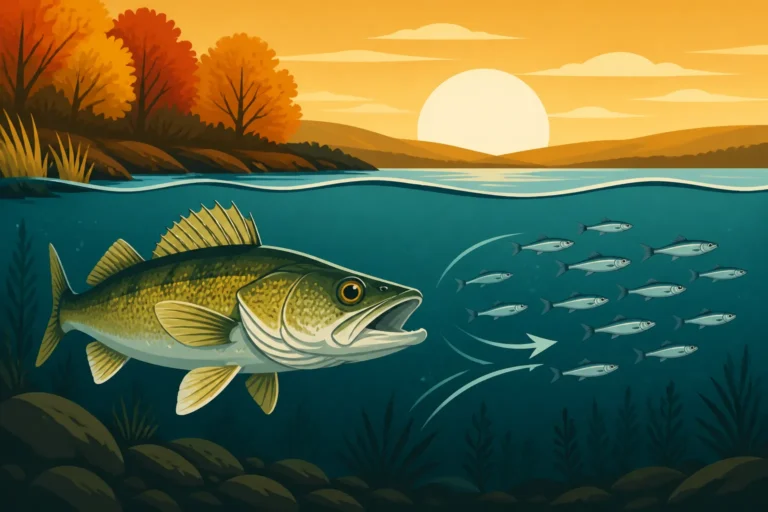
When the wind blows from a consistent direction for a day or two, it creates what's known as a "wind-blown bank" or "windy shoreline." This seemingly hostile environment can actually be a feeding frenzy for walleye, northern pike, and even perch. The wind pushes warm surface water, baitfish, and plankton into these areas. Game fish follow the food, often positioning themselves on the lee side of points, submerged structures, or weed lines where they can ambush prey being delivered right to them. Think of it like a conveyor belt of food.
Conversely, areas that are completely sheltered from the wind often become calm and clear. While this might seem appealing to anglers seeking comfort, these areas can sometimes be less productive for active feeding fish, as the food chain isn't as stimulated. However, shallow, protected bays can be crucial for post-spawn fish seeking recovery or younger fish finding refuge from the chop. A shift in wind, especially a strong cold front coming from the north, can turn fish off completely, making them lethargic and less willing to bite. Paying attention to these subtle changes, and how they relate to the overall North Dakota Fishing Season Calendar, can make a huge difference in your success.
Gearing Up for the Gusts: Boat and Equipment Choices
Facing down North Dakota's spring winds requires more than just grit; it demands the right gear and thoughtful preparation. From your vessel to your smallest lure, every choice matters.
Choosing the Right Boat for Windy Conditions
When the forecast calls for a stiff breeze on a large body of water like Lake Sakakawea or Devils Lake, the type of boat you're in becomes paramount. Smaller, lighter boats, while great for portability and fuel efficiency, can quickly become unmanageable in significant chop. They get tossed around, making it difficult to maintain speed, direction, and even comfort.
Larger, heavier boats with deep-V hulls are typically the champions of windy conditions. Their design allows them to cut through waves rather than ride over them, providing a much smoother and safer ride. The added weight contributes to stability, reducing the impact of strong gusts. If you're considering a boat for these conditions, research the Best Boats for Lake Sakakawea's Big Water, as those recommendations often prioritize stability and wave-handling capabilities. Additionally, ensure your boat is equipped with a powerful enough motor to overcome headwinds and strong currents, and always have a reliable kicker motor as a backup. Boat safety is absolutely crucial; never head out in conditions your boat isn't designed to handle.
Essential Wind-Fighting Gear for Anglers
Beyond the boat, there's a whole array of gear that can make or break your windy day fishing experience. These aren't just luxuries; they're necessities for comfort, safety, and effectiveness.
First up, drift socks. These parachute-like devices are absolute game-changers. When deployed, a drift sock slows your boat's drift significantly, allowing you to control your speed and present your baits more effectively, even in strong winds. They prevent your boat from "sailing" across the water too quickly, which is critical for vertical jigging or slow-trolling presentations. You can find a wide variety of sizes and designs on Amazon, so choose one appropriate for your boat size and the typical wind speeds you encounter.
Next, consider your anchoring system. Traditional anchors can struggle to hold in strong winds, especially on rocky or muddy bottoms. A heavy-duty anchor with ample chain and rode is essential. Many anglers also utilize a secondary anchor or a series of spud poles (if fishing in shallower, softer bottoms) to truly pin the boat down. For river fishing, a heavy river anchor designed to dig in is a must. Don't skimp on anchor rope; you need plenty of scope to ensure the anchor bites properly.
Finally, don't overlook your apparel. Wind combined with cool spring temperatures can lead to hypothermia surprisingly quickly. Layering is key. Start with a moisture-wicking base layer, add insulating layers, and top it off with waterproof and windproof outerwear. A good quality hat, gloves, and even a face mask or neck gaiter can make a world of difference. Always pack extra clothing in a dry bag, just in case. Having sturdy polarized sunglasses, also readily available on Amazon, can also help cut glare from wind-chopped water, making it easier to spot subtle bites or structure.
Here's a quick look at some gear adjustments for battling the wind:
| Gear Type | Low Wind (0-10 mph) | Moderate Wind (10-20 mph) | High Wind (20+ mph) |
|---|---|---|---|
| Boat Choice | Any size boat, even smaller ones. | Mid to large-sized boats preferred. | Large, deep-V hull boats essential. |
| Drift Sock | Optional, mostly for precise speed control. | Highly recommended, often one is sufficient. | Essential, consider using two for maximum control. |
| Anchoring | Standard anchor, minimal chain needed. | Heavy anchor, ample chain/rope, consider secondary. | Heavy-duty anchor, long scope, secondary anchor/poles. |
| Line Weight | Lighter lines (6-10 lb test). | Medium lines (8-12 lb test) to reduce wind bow. | Heavier lines (10-15 lb test) for better control. |
| Lure Weight | Lighter jigs/baits, subtle presentations. | Heavier jigs, bottom bouncers, weighty crankbaits. | Significantly heavier jigs, weighted plastics, trolling. |
| Apparel | Light jacket, hat. | Layers, windbreaker, warm hat, gloves. | Full waterproof/windproof outerwear, insulated layers, face protection. |
Strategic Angling: Techniques to Master Windy Conditions
Fishing in the wind isn't about avoiding it; it's about adapting to it. Smart anglers learn to use the wind to their advantage, or at least minimize its negative impact.
Trolling Techniques in the Wind
Trolling can be incredibly effective in windy conditions, especially on large bodies of water where fish might be scattered. The key is to maintain consistent speed and direction despite the wind and waves.
When trolling with the wind, your boat's speed will naturally increase, so you'll need to throttle back significantly to achieve your desired lure speed. This is where drift socks really shine, acting as brakes to keep your speed under control. Deploy one or two off the bow or sides to slow your progress. When trolling into the wind, you'll need to apply more throttle to maintain speed, and your boat will work harder. This can also be a great time to experiment with deeper diving crankbaits, as the increased boat speed (relative to your desired lure speed) can help get them down. For an in-depth look, consult a guide on Trolling Crankbaits for Walleye. Remember to adjust your line counter accordingly, as wind can create a significant bow in your line, affecting your lure's depth and presentation. Heavier line, while less sensitive, can sometimes reduce this effect slightly.
Cross-wind trolling is arguably the most challenging. Your boat will want to "crab" or turn into the wind. This is where a good bow-mount electric trolling motor with GPS capabilities and spot-lock can be a lifesaver. Brands like Minn Kota offer incredible control, allowing you to maintain a precise heading and speed even in strong crosswinds. Without one, you'll need to constantly steer and make small adjustments with your main engine, often requiring more fuel and constant attention.
Casting and Jigging Strategies for Gusty Days
Casting and jigging require a different set of adaptations when the wind is blowing, but they can still be highly productive, particularly near those wind-blown areas.
When casting into the wind, lighter lures are a lost cause; they'll simply become airborne and go nowhere. Opt for heavier jigs, spoons, or even weighted soft plastics that can cut through the wind and reach your target. Your casting technique needs to be more forceful and precise, aiming low to keep the lure out of the wind's influence as much as possible. A powerful casting rod, perhaps found among the Best Fishing Rods for North Dakota Anglers, will give you the leverage you need.
For jigging, whether vertical or pitching, the biggest challenge is maintaining a feel for your lure and detecting subtle bites. The wind creates a "bow" in your line, making it difficult to keep contact with the bottom and transmit those light takes. To combat this, use braided line with minimal stretch, and a fluorocarbon leader. Braided line, like options you can find on Amazon, transmits vibrations much better than monofilament. Use heavier jigs than you normally would – sometimes twice as heavy – to ensure they reach the bottom quickly and stay there. Try to jig directly beneath the boat as much as possible to minimize line bow. If drift fishing with jigs, deploy a drift sock to slow your boat to a crawl, allowing your jig to remain vertical and sensitive. In especially strong winds, sometimes the only effective method is to anchor completely and cast or jig directly off the stern, or use the electric motor's spot-lock feature to hold position.
Utilizing Wind-Blown Features to Your Advantage
Instead of fighting the wind, sometimes it's smarter to lean into it. Wind-blown structures and shorelines are often where the fish are most active.
As mentioned earlier, consistent wind pushes warm surface water and food into specific areas. Walleyes and northern pike often patrol the shallow edges of these wind-swept banks, feasting on disoriented baitfish. Look for points, reefs, and weed lines that are taking the brunt of the wind. These areas might seem rough, but they're often goldmines. Fish will position themselves on the downwind side of these structures, out of the direct current, waiting for food to come to them.
When fishing these spots, you'll want to either drift into them with a drift sock, allowing you to cover water efficiently, or use your trolling motor to hold tight on the edge of the structure. Casting crankbaits or spinnerbaits parallel to these wind-blown breaks can be deadly. If you find a particularly promising spot, don't be afraid to anchor up (if conditions allow) and really pick it apart with jigs or live bait rigs. Remember that fish in these agitated waters are often less spooky, and the increased wave action breaks up light penetration, making them bolder during daylight hours. This is especially true for species like walleye, making North Dakota Walleye Fishing Techniques in windy conditions a skill worth mastering.
Safety First: Essential Precautions for Windy Spring Fishing
Fishing in North Dakota's spring winds isn't just about catching fish; it's crucially about staying safe. Conditions can change rapidly, and strong winds amplify every risk.
Weather Monitoring and Preparedness
The most fundamental rule for spring fishing in North Dakota is to always, always check the weather forecast before you leave the house – and then check it again on the way to the lake. However, don't just look at temperature and precipitation; pay close attention to wind speed and direction, and critically, wind gusts. A forecast of "10-15 mph" might sound manageable, but if it includes "gusts up to 30 mph," that's a whole different ballgame and a strong indicator to proceed with extreme caution or even reschedule.
Spring weather is famously unpredictable here. A calm morning can turn into a gale by afternoon. Be prepared for sudden changes. Carry a reliable weather radio or use a marine weather app on your phone (ensure it has battery and signal). If you see ominous clouds gathering, hear thunder, or feel a significant shift in wind direction or intensity, don't hesitate to cut your trip short. No fish is worth risking your life. Knowing How to Fish in 20 Mph Wind is a skill, but knowing when not to is even more important.
Dressing for the Elements and Cold Water Safety
The water temperatures in North Dakota's spring lakes and rivers are often dangerously cold, even if the air temperature feels mild. This is a critical factor when considering safety. Hypothermia is a silent killer, and immersion in cold water can incapacitate you in minutes.
Layering is non-negotiable. Forget cotton; it holds moisture and loses its insulating properties when wet. Opt for synthetic materials or wool for your base and mid-layers, as they wick moisture and retain warmth even when damp. Your outer layer must be waterproof and windproof to protect you from spray and driving gusts. A good quality, insulated flotation suit or a personal flotation device (PFD) designed for cold water is a wise investment. Every person on board your vessel must wear a U.S. Coast Guard-approved PFD at all times when boating in rough or cold water. There's no exception to this rule. Ensure your children are wearing correctly fitting life jackets; you can find more information in North Dakota Fishing Rules for Kids and Families.
Beyond personal attire, consider what to do if someone does go overboard. Have a plan: know how to quickly cut the engine, throw a flotation device, and get someone back into the boat. Keep a spare change of warm, dry clothes in a sealed bag in case of an accidental dunking or unexpected heavy rain.
Navigation and Emergency Procedures
Windy conditions create rough water, which makes navigation significantly more challenging. Waves can obscure submerged hazards, and strong currents can push your boat off course quickly.
Always carry up-to-date maps of the lake or river you're fishing. A GPS unit or chartplotter is highly recommended, especially on large, feature-rich bodies of water like Lake Sakakawea, where Best GPS Chartplotter for Lake Sakakawea covers essential considerations. Mark safe channels, known hazards, and your planned route. Keep a keen eye out for other boaters, as visibility can be reduced by spray and whitecaps.
Before heading out, inform someone on shore of your float plan – where you're going, your estimated return time, and who is with you. Carry a fully charged cell phone in a waterproof container, but don't rely on it as your sole means of communication; signal can be spotty on some North Dakota waters. A marine band VHF radio is a much more reliable communication device for emergencies on the water. Finally, make sure all your boat's safety equipment is in working order: fire extinguisher, horn/whistle, distress signals, and a fully charged battery for your main engine. Being prepared is the best defense against the unpredictable nature of North Dakota's spring winds.
Disclaimer
This article is for general informational purposes only and does not constitute professional advice. Laws, prices and regulations vary by location and change over time. Consult a qualified professional for guidance on your specific situation.