How to Rig Cut Bait for Catfish
There’s nothing quite like the thrill of feeling that powerful tug on your line, signaling a big North Dakota catfish has taken your bait. But let's be real, sometimes you can spend hours out on the water, watching your rod tips, and feel nothing but the gentle bob of the current. It's frustrating when you know the fish are there, but they just aren't biting your offering. This guide is all about turning those slow days around by teaching you precisely how to rig cut bait for catfish, giving you the best chance to land those whiskered monsters in North Dakota’s incredible waters.
The Allure of Cut Bait for North Dakota Catfish
When it comes to tempting the biggest, most elusive catfish in North Dakota, cut bait isn't just an option—it's often the gold standard. There’s a science to it, but also a simple, undeniable truth: catfish are primarily scavengers with an incredible sense of smell, and a properly presented piece of cut bait is like ringing the dinner bell for them.
Why Cut Bait is a Catfish Magnet
Imagine a fresh, oily piece of fish sitting on the bottom, slowly releasing a potent scent trail into the current. That's exactly what makes cut bait so incredibly effective. Catfish don't necessarily "hunt" in the same visual way a walleye might; instead, they rely heavily on their barbels (those prominent whiskers) and their lateral line to detect chemical cues and vibrations in the water. Cut bait, especially when freshly cut, broadcasts a powerful aroma that travels far and wide, alerting any nearby catfish that an easy, high-calorie meal is available.
It's particularly potent in the murky, fast-flowing waters of the Red River or the vast expanses of Lake Oahe and the Missouri River. In these environments, visibility is often low, and a strong scent is paramount. The natural oils and blood from the cut bait disperse, creating an irresistible plume that guides catfish directly to your hook. Unlike live bait, which might swim away or get snagged, cut bait stays put, soaking and broadcasting its invitation for an extended period, making it ideal for targeting trophy-sized channel catfish and even flatheads that are less interested in chasing down a meal. If you're looking for an in-depth resource, check out our North Dakota Channel Catfish Fishing Guide.
Choosing the Best Bait Fish for Cutting
The effectiveness of your cut bait starts with choosing the right kind of fish to cut. While nearly any fish can technically be cut, some species are far superior due to their oil content and robust flesh that stays on the hook. In North Dakota, you've got some fantastic options.
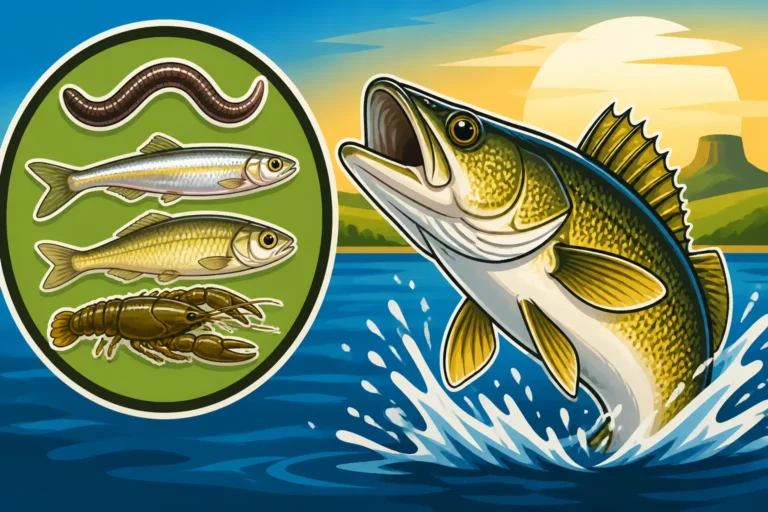
Many local anglers swear by goldeye and suckers as prime candidates for cut bait. These fish are native, often abundant, and possess a high oil content that creates a fantastic scent slick. If you catch goldeye or suckers while fishing, consider keeping a few legal-sized ones specifically for bait. Another excellent option, readily available at many bait shops or even online retailers like Amazon, is frozen smelt. Smelt are incredibly oily and defrost into perfectly firm, fragrant pieces that catfish absolutely love. Some anglers also use perch or even small northern pike (check local regulations for legality and size limits for using game fish as bait) if they have them on hand.
When preparing your bait, freshness is key. A fresh bait fish will have more potent oils and blood to release. You can cut the fish into various pieces depending on the size of catfish you're targeting and the current conditions. Common cuts include:
- Chunks: Good for larger catfish, these are typically 1 to 2-inch square pieces, often including a section of the backbone for added durability on the hook.
- Strips: Long, thin strips of fillet with the skin on are great for smaller catfish or when you want more movement in the current. The skin helps keep the bait on the hook.
- Head or Tail Sections: For truly massive catfish, a whole head or tail section from a larger baitfish can be irresistible. This provides a huge scent profile and a substantial meal.
Experimentation is often the best approach to see what the catfish prefer on a given day in a particular North Dakota lake or river.
Essential Gear for a Successful Cut Bait Setup
Having the right gear is just as crucial as having the right bait. Fishing for powerful catfish, especially in challenging environments like strong river currents, demands tackle that can withstand a serious fight. You don't want to lose that trophy fish because your equipment wasn't up to snuff.
Rods, Reels, and Line: Power and Durability
When you're chasing North Dakota catfish with cut bait, you need a setup built for battle. Catfish, especially the big channel cats of the Red River or the hefty blues in Lake Oahe, pull hard and are known for their stubborn fights.
- Rods: Look for a heavy or medium-heavy action rod, typically between 7 and 9 feet long. A longer rod provides better casting distance for reaching prime spots and also gives you more leverage to control powerful fish. A stout backbone is essential to handle heavy sinkers and muscle big cats out of cover or strong currents. For specific recommendations, check out our guide on the Best Rod Setup for Red River Catfish.
- Reels: Baitcasting reels are often preferred by serious catfishermen for their power and precision. They allow for heavy line and provide the cranking power needed to retrieve big fish and heavy rigs. Look for models with a strong drag system and a good line capacity. Spinning reels can work too, especially for lighter applications or smaller catfish, but ensure it's a robust model capable of handling heavier lines and weights. Many excellent options from brands like Penn, Shimano, or Abu Garcia can be found on Amazon.
- Line: When it comes to fishing line, durability is paramount.
- Monofilament: A strong 20-30 lb test monofilament line is a good all-around choice. It offers good abrasion resistance, has some stretch to absorb powerful runs, and is relatively inexpensive.
- Braided Line: Many experienced catfish anglers prefer 40-80 lb test braided line. Braid has almost no stretch, which gives you incredible sensitivity to feel even the lightest bites, and its thinner diameter for its strength means you can spool more on your reel. It's also incredibly strong and abrasion-resistant, crucial for fishing around submerged logs or rocky bottoms. However, braid's lack of stretch means you'll need a rod with a softer tip to act as a shock absorber. For more detailed insights, you might want to read our article on the Best Fishing Line for North Dakota Lakes.
- Leader Material: Regardless of your main line choice, a tough leader is critical. 30-50 lb test monofilament or fluorocarbon leader will provide an extra layer of abrasion resistance against rough fish mouths, submerged structure, and help prevent the catfish from seeing your main line.
Hooks and Sinkers: Keeping it on the Bottom
The right hooks and sinkers are what keep your delicious cut bait effectively presented to those hungry catfish.
- Hooks: For catfish, circle hooks are highly recommended, and in some areas, even mandatory due to conservation efforts. The unique design of a circle hook virtually eliminates gut-hooking; instead, it's designed to roll and catch in the corner of the fish's mouth as the fish swims away with the bait. This makes for healthier releases and better survival rates for fish you don't intend to keep. For channel catfish in North Dakota, hook sizes ranging from 5/0 to 8/0 are typically appropriate. For targeting massive flatheads, you might go up to 10/0 or even 12/0. Look for strong, sharp hooks made from heavy-gauge wire, as catfish have incredibly tough mouths.
- Swivels: Heavy-duty barrel or ball-bearing swivels are essential for connecting your main line to your leader, preventing line twist, and allowing your rig to function smoothly. Choose swivels rated for at least the breaking strength of your main line.
- Sinkers: The type and weight of your sinker depend heavily on the current. Catfish are bottom dwellers, and your bait needs to stay down.
- Egg Sinkers: These are spherical or oval-shaped sinkers with a hole through the middle, allowing your line to run through them. They are popular for slip-sinker rigs.
- Pyramid Sinkers: Ideal for strong currents like those found in the Red River, their pyramid shape digs into the bottom, helping to keep your bait stationary.
- No-Roll Sinkers/Disc Sinkers: These flatter, rounder sinkers are designed to resist rolling in lighter currents, making them a good choice for slightly moving water or less turbulent areas of a lake or slower river section.
- Sinker Slides: These small plastic or metal clips attach to your main line and allow you to quickly change sinker weights without re-tying. They also ensure your line slides freely through the sinker, allowing the catfish to pick up the bait without feeling immediate resistance.
You can often find a wide array of specialized catfish tackle, including robust hooks and various sinker types, by searching on Amazon, which offers convenient delivery to your doorstep, ensuring you're ready for your next outing on the water.
Step-by-Step Cut Bait Rigs for North Dakota Waters
Now that you've got your gear sorted, it's time to put it all together. There are a few fundamental rigs that are tried and true for presenting cut bait to hungry catfish in North Dakota. Understanding these will give you the versatility to adapt to different fishing conditions.
The Classic Slip Sinker Rig
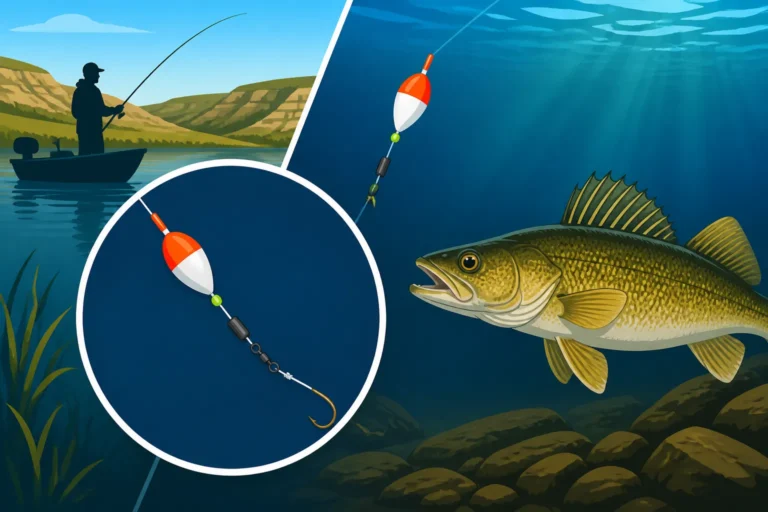
The slip sinker rig, often called a Carolina rig in bass fishing circles, is arguably the most popular and versatile rig for catfishing with cut bait. Its design allows the line to "slip" through the weight, meaning a catfish can pick up the bait and swim off without feeling the resistance of the sinker, which is crucial for enticing wary fish.
Here's how to tie it:
- Thread the Sinker: Start by threading your egg sinker (or no-roll sinker) onto your main fishing line. The pointed end of the egg sinker usually faces towards your rod tip.
- Add a Bead: Slide a small plastic or glass bead onto your main line, right after the sinker. This bead acts as a buffer, protecting your knot from the constant banging of the sinker.
- Tie on a Swivel: Securely tie a heavy-duty barrel swivel to the end of your main line using a strong knot like a Palomar knot or an improved clinch knot. This swivel will prevent line twist and connect your leader.
- Attach the Leader: Tie a length of leader material (usually 12-24 inches of 30-50 lb mono or fluorocarbon) to the other end of the swivel. The length of the leader can be adjusted; a shorter leader is good for fishing directly on the bottom, while a longer leader allows your bait to drift slightly above or away from the sinker in the current.
- Tie on the Hook: Finally, tie your chosen circle hook (5/0 to 8/0 is a good starting point) to the end of your leader.
This rig is excellent for most North Dakota catfishing scenarios, from calm lake bottoms in places like Lake Oahe to slower stretches of the Missouri River.
The Three-Way Swivel Rig for Strong Currents
When you're fishing in strong currents, like those found in the main channel of the Red River near Grand Forks or deeper runs in the Missouri River below the Garrison Dam, a three-way swivel rig (sometimes called a bell sinker rig) can be incredibly effective. This rig helps keep your bait from tumbling in the current and offers a more stable presentation.
Here’s how to construct it:
- Tie on the Three-Way Swivel: Tie your main line directly to one eye of a three-way swivel. These swivels have three rings, forming a 'T' shape.
- Attach the Sinker Line: To the bottom eye of the three-way swivel, tie a short piece of lighter monofilament line (6-12 inches, usually 10-15 lb test) and attach a bell or pyramid sinker to the end of it. The idea here is that if your sinker gets snagged, the lighter line will break, allowing you to save the rest of your rig and your fish.
- Attach the Leader: To the remaining eye of the three-way swivel (the one pointing horizontally), tie a leader of 18-36 inches of heavier monofilament or fluorocarbon. This leader is typically longer than with a slip sinker rig to allow your bait to drift naturally in the current, just off the bottom.
- Tie on the Hook: Attach your circle hook to the end of this leader.
This rig excels at keeping your bait near the bottom without it being dragged away by the current. If you're specifically targeting those famous big cats, our guide to Red River Catfish Fishing Spots in North Dakota will point you in the right direction for where to deploy this robust rig. For fishing the expansive Missouri River Fishing Guide, this rig is also a prime choice.
Rigging Your Cut Bait for Maximum Appeal
Once you have your rig tied, the final step is to properly attach your cut bait to the hook. This is where many anglers either succeed or fail. The goal is to securely present the bait while allowing the hook point to remain exposed for a clean hookset.
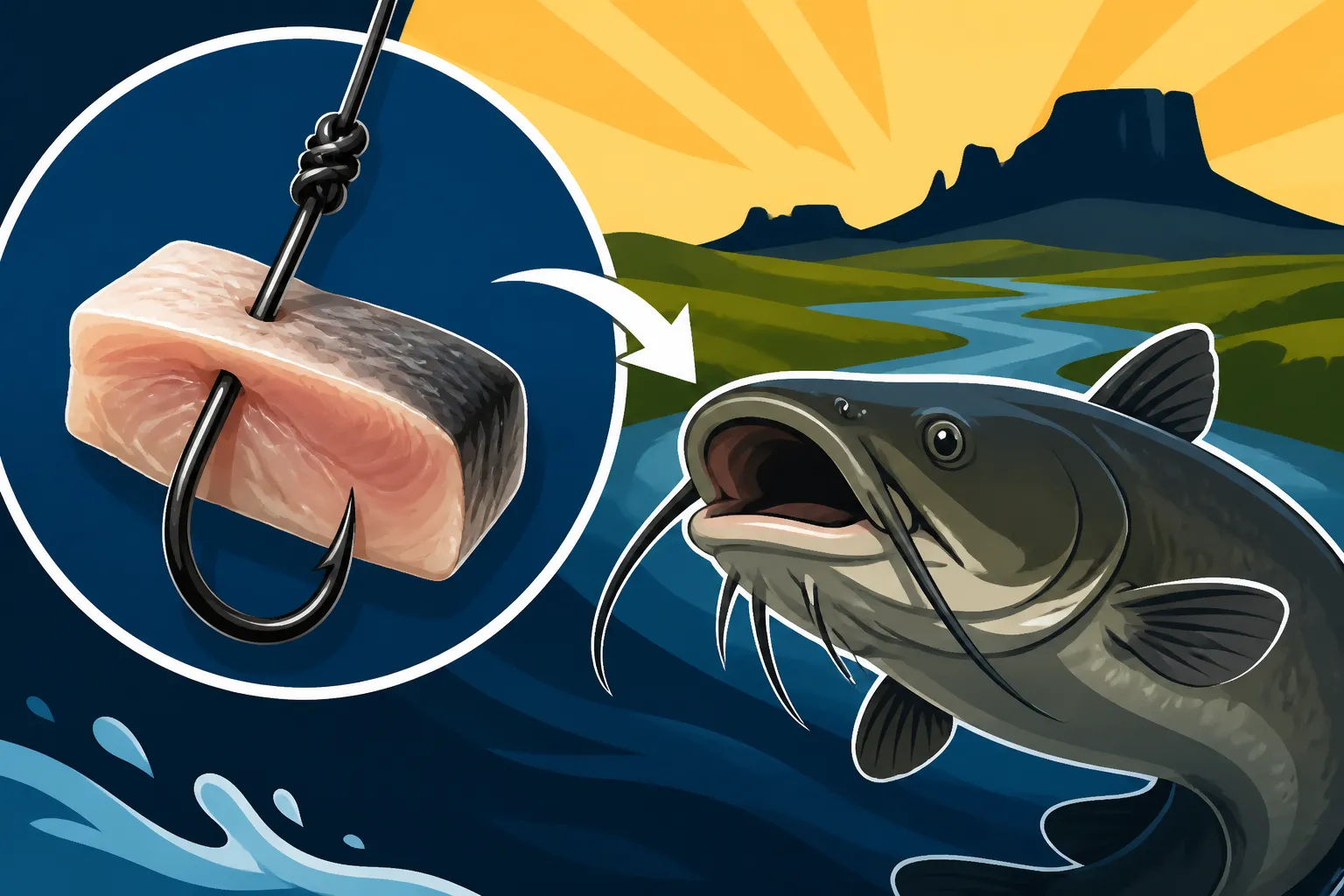
- For Chunks or Head/Tail Sections: Push the circle hook through the toughest part of the bait (often the skin or a bone section) once, ensuring the hook point and barb are fully exposed. You don't want to bury the hook. For larger pieces, you might use two hooks in tandem for better presentation and hook-up ratios.
- For Strips: Pierce the strip once through one end, allowing the rest of the strip to dangle freely. The movement in the water will further disperse scent and attract attention.
- For Fillets (Skin-on): Thread the hook through the skin side once or twice, leaving the meaty part exposed and allowing it to waft in the current. The skin is tough and will hold the bait securely.
Remember, catfish are not finicky about how "pretty" the bait looks, but they need to be able to get the hook into their mouth easily. A clean hook point is non-negotiable.
Here's a quick comparison of the two primary rigs:
| Rig Type | Best Use Case | Key Components | Pros | Cons |
|---|---|---|---|---|
| Slip Sinker Rig | Versatile, still water, light to moderate current | Sinker, bead, swivel, leader, hook | Allows fish to take bait without feeling resistance; simple to tie | Can get snagged in heavy cover; less stable in very strong currents |
| Three-Way Swivel | Strong currents, heavy structure, deep water fishing | Three-way swivel, sinker line, sinker, leader, hook | Excellent stability in current; can break off sinker to save rig/fish | More components; potentially more prone to tangles if not tied well |
Mastering Your Cut Bait Presentation and Avoiding Pitfalls
Even with the perfect rig and the freshest bait, success often comes down to presentation and avoiding common mistakes. Catfishing, while often seen as a relaxed pursuit, still requires strategy and attention to detail, especially in North Dakota’s diverse waters.
Strategic Placement and Scent Distribution
Once your cut bait is rigged, where you cast it makes a world of difference. Catfish are often found in specific areas, and putting your bait in their strike zone is paramount.
- Structure is Key: Look for areas with submerged structure like logjams, rock piles, drop-offs, and channel edges. Catfish love to hide in these spots, ambushing prey or scavenging for food that drifts by. On the Red River, this often means casting to deeper holes, bends, or undercut banks. In lakes like Lake Oahe, focus on submerged humps, points, and old river channels. Our guide to Lake Oahe Catfish Fishing Spots has more specific recommendations.
- Current Seams: In rivers, current seams (where fast-moving water meets slower water) are highways for food and prime ambush points for catfish. Cast your bait so it settles just out of the main current, allowing the scent to wash into the seam.
- Patience and Scent Dispersion: Cut bait works by creating a scent trail. Don’t immediately reel in if you don’t get a bite. Give the bait time to soak and the scent to disperse. This is particularly important when Catfishing at Night in North Dakota, as cats are highly active after dark, relying almost entirely on their sense of smell. Let your bait sit for 15-30 minutes, or even longer, before checking or recasting. The waiting game is part of the fun!
- Freshness Counts: While cut bait is designed to be smelly, it also needs to be fresh. Bait that's been sitting in the sun all day or is freezer-burned beyond recognition won't be as effective. Keep your bait cool and in a sealed container until you're ready to use it.
Common Mistakes and How to Fix Them
Even seasoned anglers can make mistakes. Recognizing and correcting these can significantly improve your catfishing success with cut bait.
- Too Much Bait on the Hook: While tempting to use a huge chunk, sometimes less is more. Too much bait can mask the hook, making it difficult for the catfish to get a clean bite. Ensure your hook point is always exposed.
- Wrong Hook Size: A hook that’s too small will result in missed bites, and a hook that’s too large can deter smaller, but still fun, catfish. Match your hook size to your target species and the size of your bait.
- Not Enough Weight: If your bait is tumbling in the current or drifting away from your desired spot, you likely need more weight. Experiment with different sinker sizes until your rig holds bottom effectively.
- Old or Stale Bait: As mentioned, freshness is key. If your bait has lost its scent, it's time for a fresh piece. Don't be afraid to change out your bait regularly. You can find excellent bait conditioners and scent sprays on Amazon to give older bait a boost, but fresh is always superior.
- Impatience: Catfishing with cut bait is a waiting game. It's not always about constant casting and retrieving. Cast your bait, set your rod in a sturdy holder, and wait for that tell-tale bend in the rod.
- Poor Rod Holders: Without a good rod holder, a big catfish can easily yank your rod into the water. Invest in sturdy rod holders, especially when fishing from shore or in areas with strong current. Many great options can be found by searching "fishing tackle" on sites like Amazon. For a broader look at essential gear, see our Best Fishing Tackle for North Dakota Lakes.
Legality and Limits for Catfish Anglers
Before you head out with your cut bait, always make sure you're up-to-date on the latest North Dakota fishing regulations. Rules can change, and ignorance is not an excuse for violations.
- Fishing License: First and foremost, you absolutely need a valid North Dakota fishing license unless you fall under specific exemptions. You can learn more in our comprehensive guide, North Dakota Fishing Regulations Explained.
- Number of Lines: Pay close attention to how many lines you are legally allowed to fish with simultaneously. In North Dakota, the general rule is two lines, but always confirm for specific bodies of water. Our article on How Many Lines Can You Fish With in North Dakota? offers a detailed breakdown.
- Bait Restrictions: While cut bait is generally legal, there might be specific regulations concerning the use of certain species as bait, especially game fish or threatened species. Always verify that the fish you're using for cut bait is legally sourced and compliant with local rules.
- Size and Daily Limits: Catfish, like other species, have daily creel limits and sometimes length limits, which vary by waterbody. Be sure to know the current North Dakota Channel Catfish Limit Rules for the area you're fishing. For instance, the Red River has specific regulations due to its renowned trophy catfish fishery.
Being a responsible angler means knowing and abiding by these rules, ensuring that North Dakota's incredible catfish resource remains healthy for generations to come.
Disclaimer
The information provided in this guide is for general informational purposes only and is subject to change. Fishing regulations, license requirements, and local conditions in North Dakota can vary and are updated periodically. Always consult the official North Dakota Game and Fish Department website or their latest fishing proclamation for the most current and accurate information before planning your fishing trip. Adherence to all local, state, and federal laws is the responsibility of the angler.