Best Rod Setup for Red River Catfish
It's a common story: you head out to the Red River, excited to tangle with some of those legendary channel catfish, only to find your typical bass or walleye setup just isn't up to the task. These aren't your average pond dwellers; Red River cats are massive, powerful, and notoriously hard fighters. This guide is dedicated to saving you the frustration of snapped lines and broken rods by detailing the absolute best rod, reel, and line combinations, along with crucial terminal tackle, to conquer North Dakota's incredible Red River catfish fishery.
Understanding the Red River Catfish Challenge
Before we even dive into specific gear, it’s vital to appreciate why the Red River demands specialized tackle. It’s not just about catching fish; it’s about having the right tools to land a true trophy without enduring a wrestling match where the fish often wins. Many anglers, especially those new to this specific fishery, find their usual gear lacking, leading to missed opportunities and a lot of head-shaking.
The Power and Size of Red River Catfish
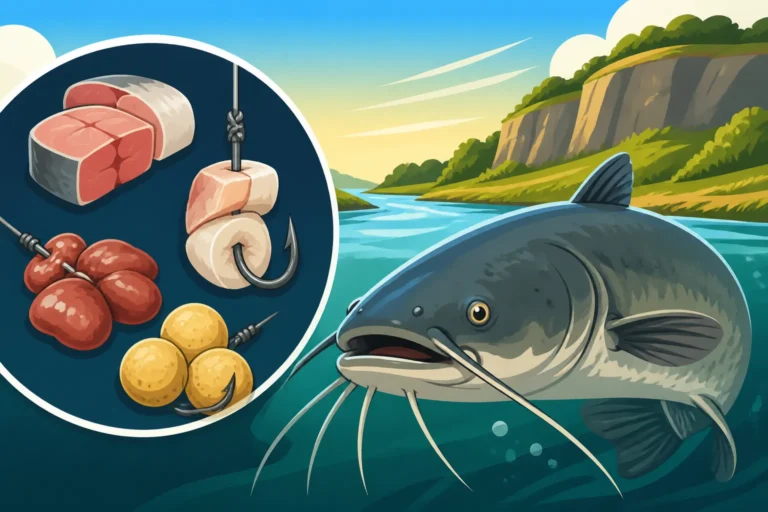
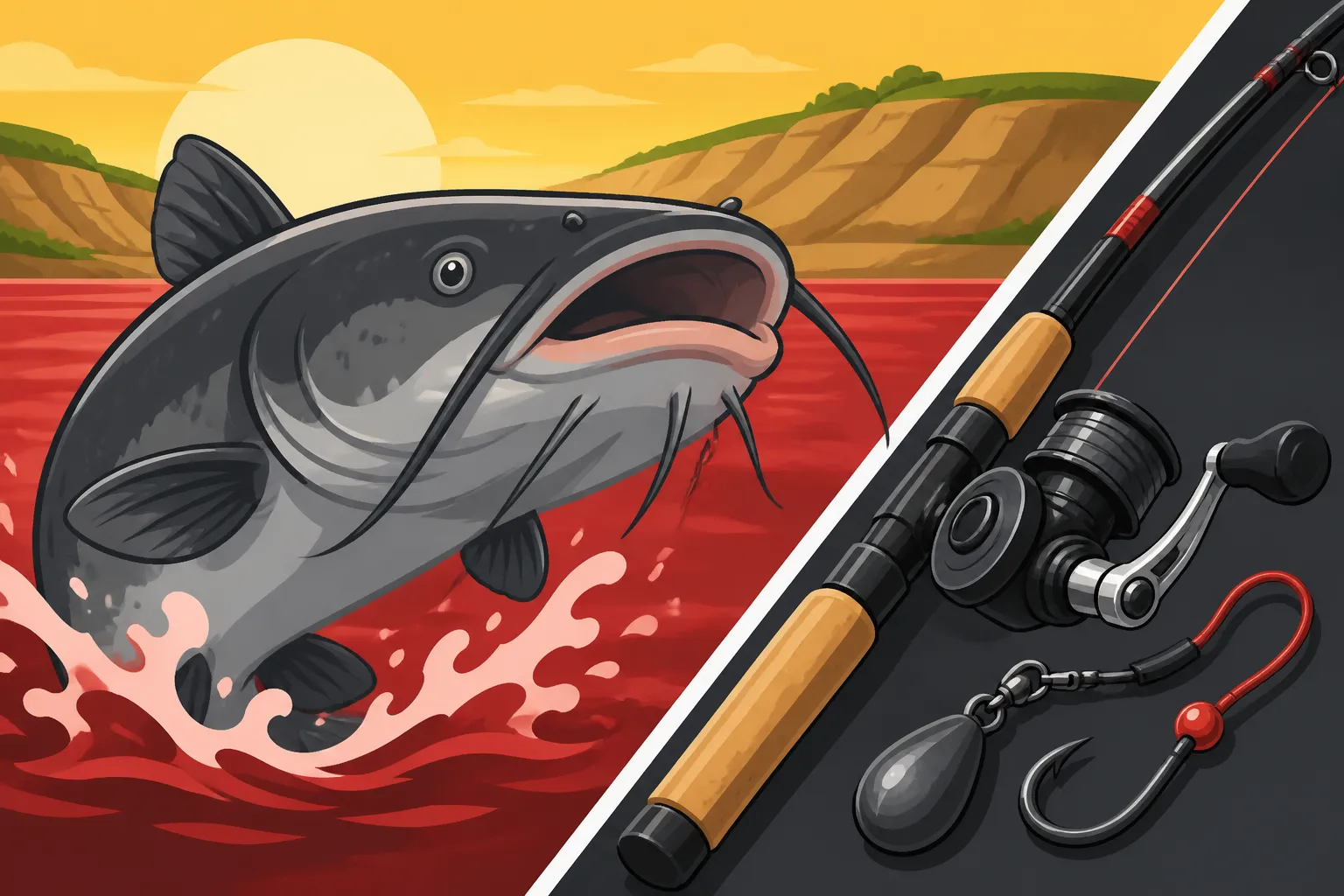
The channel catfish in the Red River are in a league of their own. They grow incredibly large, with 20-pounders being common and fish pushing 30-plus pounds a realistic possibility on any given outing. These are not sluggish bottom feeders; they possess immense strength and stamina, especially in the strong currents of the Red River. When hooked, they'll make powerful runs, dive into snags, and use the current to their advantage, turning a simple hook-set into an epic battle. Imagine hooking into what feels like a small log, only for it to suddenly rip line off your reel with a force that makes your rod bend double. That's a typical Red River encounter, and it requires a setup that can withstand such abuse. If you're looking for an in-depth look at this specific species, be sure to check out our comprehensive North Dakota Channel Catfish Fishing Guide.
Why Standard Gear Just Won't Cut It
Many anglers come from backgrounds fishing for walleye or bass, where medium-heavy rods and 10-20 pound test lines are more than adequate. For Red River catfish, however, this simply isn't enough. A medium-heavy walleye rod, while great for jigging or casting crankbaits, will quickly be overwhelmed by a 25-pound channel cat. The rod won't have the backbone to turn the fish's head away from snags, and the lighter line can easily snap under the sustained pressure or fray against submerged timber and rocks. You'll hear stories of anglers losing their biggest fish simply because their gear couldn't handle the strain. It’s not just about breaking equipment; it’s about ethical angling and ensuring you can land a fish cleanly and safely, whether you plan to keep it or release it. A proper setup means less stress on the fish during the fight and a higher chance of a successful release if you're practicing catch-and-release.
Selecting the Perfect Rod for Battle
Your fishing rod is the primary connection between you and the fish. For Red River catfishing, it needs to be an extension of your arm, capable of delivering power and absorbing punishing runs. Choosing the right one is paramount, and it goes far beyond just picking something that "feels good."
Rod Power and Action The Unsung Heroes
When it comes to Red River catfishing, you need to think heavy and moderate-fast.
- Rod Power: This refers to the amount of force it takes to bend the rod. For the Red River, you should be looking for a heavy to extra-heavy power rod. Anything less, and you'll struggle to control large catfish, especially in the current. A heavy rod provides the backbone needed to leverage big fish away from snags and turn their heads when they try to run. If you're wondering about the specifics, our guide on the Best Rod Power for Catfish on the Red River dives even deeper into this topic.
- Rod Action: This describes where the rod bends.
- Moderate-fast action is often preferred for catfishing. This means the top third to half of the rod bends, but the backbone quickly transitions into a stiffer section. This action allows for excellent casting distance with heavy baits, provides enough give to absorb violent head shakes without tearing the hook out, and still has plenty of power in the lower sections to fight and control a big fish. A fast or extra-fast action might be too stiff, potentially pulling hooks, while a moderate or slow action might not have enough power to set the hook effectively on a distant bite or muscle a fish.
A good example of a reliable choice would be a 7'6" to 9' heavy power, moderate-fast action rod. This combination offers versatility for different situations on the river.
Rod Length for Shore and Boat Fishing
The ideal rod length often depends on where and how you're fishing.
- Shore Anglers: If you're casting from the bank, especially in spots along the Red River Catfish Fishing Spots in North Dakota, a longer rod (8 to 10 feet) is a significant advantage. The extra length allows for much longer casts, helping you reach deeper channels or opposite banks where big cats often hold. It also helps with line management, keeping your line clear of bankside vegetation and making it easier to steer a fish around obstacles near the shore. Plus, the added leverage of a longer rod can be a game-changer when fighting a heavy fish from a fixed position.
- Boat Anglers: From a boat, rods between 7 and 8 feet are generally more manageable. While you might not need the extreme casting distance of a shore angler, a longer rod (7'6" to 8') still provides good leverage for fighting fish and can help absorb the shocks of a heavy strike. Shorter rods (around 7 feet) are excellent for tight quarters, like when you're anchored close to structure or fishing in a smaller boat. The key is balance – enough length for leverage, but not so long that it becomes cumbersome in the boat.
Material Matters Durability and Sensitivity
The construction materials of your rod contribute significantly to its performance and longevity.
- Fiberglass vs. Graphite:
- Fiberglass rods are known for their incredible durability and parabolic bend, which means they flex deeply into the blank. This makes them excellent for absorbing heavy runs and head shakes, reducing the chance of a pulled hook. They are generally heavier and less sensitive than graphite, but their toughness is highly valued for catfishing.
- Graphite rods are lighter and much more sensitive, allowing you to feel even subtle bites. However, they can be more brittle and prone to snapping under extreme loads or impacts if not handled carefully.
- Composite rods, which blend graphite and fiberglass, often offer the best of both worlds: a good balance of sensitivity, strength, and durability. Many high-quality catfish rods you find on Amazon, for example, are composites.
When selecting a rod, pay attention to the guides and reel seat as well. Look for heavy-duty, corrosion-resistant guides (like stainless steel with ceramic inserts) that can stand up to the abrasion of braided line and the stress of big fish. The reel seat should be robust, preferably metal or a reinforced composite, to securely hold your heavy-duty reel without flexing or breaking.
Pairing Your Rod with a Robust Reel
The reel is your engine, storing your line and applying pressure to the fish. A powerful rod is nothing without a reel that can handle the immense strain placed upon it by a determined Red River catfish. This is not the place to skimp on quality.
Baitcasting vs. Spinning Reels for Catfish
Both baitcasting and spinning reels have their place in catfishing, but one typically stands out for the Red River.
- Baitcasting Reels (Conventional Reels): These are overwhelmingly the preferred choice for serious Red River catfishing, especially when targeting trophy-sized channel cats.
- Pros: They offer superior cranking power, a more direct connection to the fish, and a much stronger drag system than most spinning reels of comparable size. They excel at casting heavy weights and baits, which is a necessity for anchoring your bait in the strong current. The line comes off the spool in a straight line, reducing line twist, and their robust construction is built to withstand heavy abuse. Many dedicated catfish anglers swear by popular brands like Abu Garcia or Penn for their exceptional durability and smooth performance under pressure.
- Cons: They have a steeper learning curve for casting, especially with heavier weights, and can lead to dreaded "bird's nests" if not managed correctly.
- Spinning Reels: While some anglers use larger spinning reels for lighter catfishing applications or for general versatility, they are generally less ideal for the largest Red River cats.
- Pros: Easier to cast, less prone to backlash, and good for lighter presentations.
- Cons: Typically have less cranking power, the drag system can sometimes be less robust or prone to slipping under extreme loads, and line twist can be an issue with heavy line.
For the Red River, a sturdy baitcasting reel in the 5000 to 7000 size range (for conventional sizing) or larger is generally recommended. Look for models with a strong, all-metal frame and a reliable, easily adjustable drag system.
Gear Ratio and Drag System Importance
These two features are critical for managing the fight with a big catfish.
- Gear Ratio: This indicates how many times the spool rotates with one full turn of the handle.
- For catfishing, a moderate gear ratio (around 4.1:1 to 5.3:1) is generally preferred. This provides a good balance of retrieve speed and cranking power. A lower gear ratio means more torque, which is essential for pulling large fish out of heavy current or cover. While faster retrieves (6.0:1 or higher) are great for bass, they often lack the brute strength needed for battling big cats.
- Drag System: This is arguably the most crucial component of your reel for catfishing. It allows line to be pulled off the spool when a fish pulls harder than the set tension, preventing line breaks and protecting your rod.
- You need a reel with a smooth, powerful, and consistent drag system. Look for reels that advertise high maximum drag (e.g., 20-30+ pounds) and, more importantly, a drag that engages smoothly without sticking or jerking. A jerky drag can lead to sudden line breaks or pulled hooks. Carbon fiber drag washers are a popular choice for their heat dissipation and smooth performance. Ensure it's easily adjustable mid-fight, allowing you to fine-tune the pressure as needed.
Spool Capacity Holding Enough Line for the Fight
Red River catfish are known for their powerful, sustained runs. If you hook a true behemoth, it can strip a surprising amount of line in a hurry, especially with the current. This means spool capacity is not something to overlook.
You need a reel that can comfortably hold at least 200-250 yards of your chosen line. If you're using heavy braided line (which we'll discuss next), this will often mean a reel designed for a higher test monofilament equivalent. Running out of line when a big fish is still running downstream is a heartbreaking experience that can easily be avoided by choosing a reel with ample capacity. Many reliable reels available on Amazon will clearly list their line capacity in both yards and pound test.
The Crucial Role of Line and Terminal Tackle
Your rod and reel are the power players, but your line and terminal tackle are the direct contact points with the fish. Skimping here is like putting budget tires on a high-performance car – it negates all the other good choices.
Choosing the Right Line Strength and Abrasion Resistance
This is where many anglers make mistakes. The Red River is full of snags, rocks, and debris, and the catfish themselves are powerful.
- Braided Line: For Red River catfishing, braided line is the gold standard.
- Pros: It offers incredible strength-to-diameter ratio, meaning you can use a much thinner line for a higher breaking strength (e.g., 50 lb braid is often thinner than 20 lb mono). It has virtually no stretch, providing superior sensitivity for detecting subtle bites and immense power for hook sets. Its excellent abrasion resistance is crucial in the snag-laden Red River. For more details on this, check out our guide on the Best Braided Line for Catfish Fishing.
- Cons: It's more visible in the water (though this is often not an issue for catfish), can be more expensive, and requires careful knot tying.
- Recommended Test: Most Red River anglers use 50 to 80 lb braided line. This might sound excessive, but it allows you to pull heavy weights free from snags without breaking off, and gives you the backbone to turn the head of a truly massive catfish.
- Monofilament Line: While not ideal as a main line for heavy catfishing, it can be used for leaders in specific situations.
- Pros: More affordable, stretches (which can act as a shock absorber), and is more abrasion-resistant than fluorocarbon.
- Cons: Too much stretch can hinder hook sets, lower strength-to-diameter ratio, and can suffer from memory.
- Leader Material: Using a leader is often a good idea, especially if you're concerned about line visibility or want added abrasion resistance.
- Heavy Monofilament or Fluorocarbon Leader: A 40-80 lb monofilament or fluorocarbon leader (12-24 inches long) can be tied to your braided mainline. This provides a sacrificial section that can be replaced easily if frayed, and the slightly more forgiving stretch of mono can be beneficial with certain baits. Fluorocarbon is even more abrasion resistant and virtually invisible underwater.
Hooks, Sinkers, and Swivels The Small but Mighty Components
These small pieces of terminal tackle are critical and must match the demands of the fishery.
- Hooks: Forget flimsy treble hooks or small J-hooks. You need heavy-duty, sharp, and strong hooks.
- Circle Hooks: These are highly recommended for catfishing, especially when using cut bait or live bait, and if you plan to release fish. They are designed to hook fish in the corner of the mouth, reducing gut-hooking and making de-hooking much easier. The key is not to set the hook; let the fish take the bait and swim away, then simply reel down until the rod loads up.
- J-Hooks: If you prefer J-hooks, ensure they are stout and sharp. Look for sizes 5/0 to 9/0, depending on your bait size.
- Sizes: For Red River cats, think big. Sizes 5/0 to 8/0 for circle hooks and similar for J-hooks will handle most baits and ensure a solid hook set.
- Sinkers (Weights): The Red River has current, so you need weights that can hold your bait in place.
- Types: Pyramid sinkers, no-roll sinkers, or heavy flat bell sinkers are all good choices.
- Weight: You'll often need 3-8 ounces of weight, sometimes more, to hold your bait firmly on the bottom in strong currents. Always carry a variety.
- Swivels: Crucial for preventing line twist and connecting your main line to your leader or rig.
- Barrel Swivels or Crane Swivels: Look for heavy-duty, high-strength swivels that are rated for at least 80-100 lbs. Ball bearing swivels are even better for preventing twist.
- Snell Hooks & Leaders: Many anglers prefer to pre-tie snelled leaders with their preferred hook and leader material. This allows for quick changes and ensures strong, consistent knots. If you're new to this, learning How to Rig Cut Bait for Catfish will be incredibly helpful.
Rigging for Red River Success
There are several effective rigs for Red River catfishing, but the most common and reliable is the Santee Cooper Rig or a variation of the Slip Sinker Rig.
- Slip Sinker Rig: This is perhaps the simplest and most widely used.
- Thread a slip sinker (pyramid or no-roll) onto your main line.
- Tie on a heavy-duty barrel or crane swivel.
- Tie an 18-36 inch monofilament or fluorocarbon leader (40-80 lb test) to the other end of the swivel.
- Tie your chosen circle or J-hook to the end of the leader.
- The slip sinker allows the fish to pick up the bait and move off without immediately feeling the weight, leading to more confident bites.
- Santee Cooper Rig: A variation of the slip sinker rig, this adds a small float or peg to the leader, typically 6-12 inches above the hook.
- This small float lifts your bait slightly off the bottom, presenting it above snags and making it more visible to cruising catfish. This can be particularly effective when fishing over muddy bottoms where your bait might otherwise get buried.
Knowing the Catfish Bait Techniques for the Red River will also significantly impact your success, as the freshest and most appealing baits, correctly presented, are key. Remember to always be aware of the How Many Catfish Can You Keep in North Dakota? regulations to ensure you're fishing legally and sustainably.
Putting It All Together for Your Next Trip
So, you've got your heavy-duty rod, your robust baitcasting reel, stout braided line, and appropriate terminal tackle. Now, let's consider a few final tips for hitting the Red River.
Prepping Your Gear
Before you even leave the house, make sure your gear is in top shape.
- Check Your Line: Inspect your braided line for any fraying or damage, especially the last few feet. If you've been in a heavy snagging situation, it's a good idea to cut off a few feet and re-tie your main knot to the swivel.
- Sharpen Your Hooks: A dull hook means missed fish. Even new hooks can benefit from a quick sharpening with a hook file.
- Test Your Drag: Ensure your reel's drag is smooth and set correctly. A good starting point is to set the drag to about 25-30% of your line's breaking strength. For 60 lb braid, that's 15-18 lbs of drag. You can test this with a spring scale or by tying your line to a fixed object and pulling steadily.
- Tie Strong Knots: Learn and practice strong knots. For braided line to a swivel, a Palomar knot or Uni knot are excellent choices. For leaders to hooks, improved clinch or snell knots are reliable. Bad knots are often the weakest link in any setup.
Fishing from Shore or Boat
Whether you're casting from the bank or drifting from a boat, your setup will perform optimally with a few considerations.
- Shore Fishing: When targeting catfish from shore, especially in prime locations along the Red River, a longer rod offers distinct advantages for casting distance and fighting fish away from bankside obstacles. Always look for areas with good current breaks or deeper holes near bends in the river.
- Boat Fishing: If you're out on the water, consider using a good quality anchor system. Knowing How to Anchor a Boat on the Red River effectively is crucial for staying on your spot, especially when the current is strong. Drifting is also popular, and your heavy-duty gear allows you to fish larger baits on slip rigs, letting the current carry your offering to waiting fish. Don't forget, the Best Time of Year for Catfish on the Red River can vary, so always be aware of seasonal patterns.
Keeping Your Fish Fresh
Once you've landed your trophy, you'll want to ensure you keep it fresh, especially if you plan to eat it. A large cooler filled with ice is essential. Quickly bleeding and icing down your catch will significantly improve the taste and quality of the meat.
| Component | Recommendation | Why It's Important |
|---|---|---|
| Rod Power | Heavy to Extra-Heavy | Provides leverage to control large, powerful catfish in strong currents. |
| Rod Action | Moderate-Fast | Offers good casting, hook-setting power, and absorbs head shakes effectively. |
| Rod Length | 7'6" to 10' (longer for shore) | Enhances casting distance, line control, and fighting leverage. |
| Reel Type | Baitcasting (Conventional) | Superior cranking power, stronger drag, better for heavy baits and line. |
| Reel Size | 5000-7000 series (conventional) or larger | Ample line capacity and robust construction for big fish. |
| Gear Ratio | 4.1:1 to 5.3:1 | Provides the necessary torque for battling large, strong fish. |
| Drag System | Smooth, powerful (20-30+ lbs max drag) | Prevents line breaks and protects gear during powerful runs; easily adjustable. |
| Main Line | 50-80 lb Braided Line | High strength-to-diameter, no stretch for sensitivity, excellent abrasion resistance. |
| Leader | 40-80 lb Mono or Fluorocarbon (18-36 inches) | Added abrasion resistance, shock absorption, and a sacrificial section. |
| Hooks | 5/0 – 8/0 Circle Hooks (heavy-duty) | Reduces gut-hooking, ensures solid mouth hook-ups, strong enough for big fish. |
| Sinkers | 3-8 oz Pyramid, No-Roll, or Flat Bell Sinkers | Holds bait in place against strong river currents. |
| Swivels | 80-100 lb Barrel or Crane Swivels (heavy-duty) | Prevents line twist, connects main line to leader. |
By investing in a proper rod setup for Red River catfish, you're not just buying fishing gear; you're investing in successful trips, memorable battles, and the pure joy of landing those incredible North Dakota giants. Don't let inadequate tackle stand between you and the fight of a lifetime!
Disclaimer
Please note that fishing regulations, license requirements, and seasonal limits can change. Always consult the latest North Dakota Game and Fish Department (NDGFD) regulations and proclamations before heading out on the water. This guide is for informational purposes only and should not replace official sources.