Red River Catfish Fishing Spots in North Dakota
Trying to figure out where to drop a line for those legendary Red River catfish can feel like navigating a maze, especially when you're dreaming of landing one of those massive whiskered giants. It's not just about finding water; it's about finding the right water, the spots where those big channel cats hang out. This guide is dedicated to pulling back the curtain on the best catfish fishing spots along the North Dakota stretch of the Red River, giving you the insider scoop to make your next trip a success.
Understanding the Red River Catfish Fishery
The Red River of the North isn't just any waterway; it's a unique and incredibly productive fishery, especially when it comes to channel catfish. Its distinct characteristics create the perfect habitat for these powerful fish, leading to some truly memorable angling experiences for those who know where to look.
Why the Red River is a Catfish Paradise
Imagine a river that flows north, carrying rich, fertile soil through a vast agricultural plain. That's the Red River. Its slow, meandering current, often murky waters, and abundant aquatic life create a veritable buffet for channel catfish. Unlike clear, fast-flowing rivers, the Red's somewhat turbid nature actually works in favor of catfish, providing excellent camouflage for their ambush hunting style and protecting them from aerial predators. The river bottom is typically soft, a mix of silt and mud, which provides ample habitat for insect larvae, crayfish, and smaller baitfish – all crucial components of a catfish's diet. This constant food supply, combined with the river's generally mild current, allows channel catfish to grow to incredible sizes, making it a bucket-list destination for many trophy anglers. There's a reason folks come from all over to experience the challenge and thrill of hooking into a truly massive Red River cat!
Prime Catfish Season and Conditions
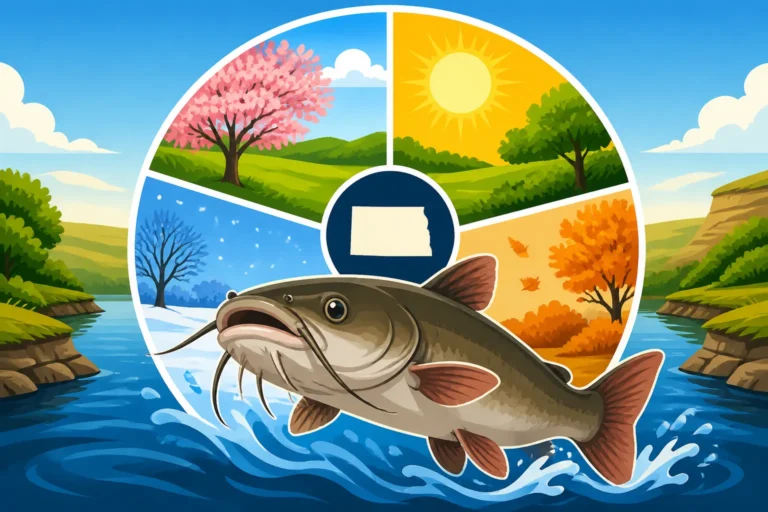
While you can technically catch catfish in the Red River throughout the open water season, there are definitely prime windows when your chances of landing a lunker dramatically increase. The best action typically kicks off in late spring, usually around May, and continues strong through the summer and into the fall, often right up until ice forms. What really triggers the bite is water temperature. Once the water consistently hits the 60-70 degree Fahrenheit range, catfish become incredibly active, feeding aggressively to build up their energy reserves. High water levels, especially after heavy rains, can sometimes push fish into flooded backwaters or slack current areas, while stable or slightly dropping levels often concentrate them in predictable spots along the main channel. Understanding the river's flow rate, which you can often check through USGS stream gauges, is paramount. A rising or falling river can mean relocating your spots, but a stable flow often translates to consistent bites. You'll want to pay close attention to the Best Time of Year for Catfish on the Red River for more detailed seasonal strategies.
Key Catfish Hotspots Along the North Dakota Red River
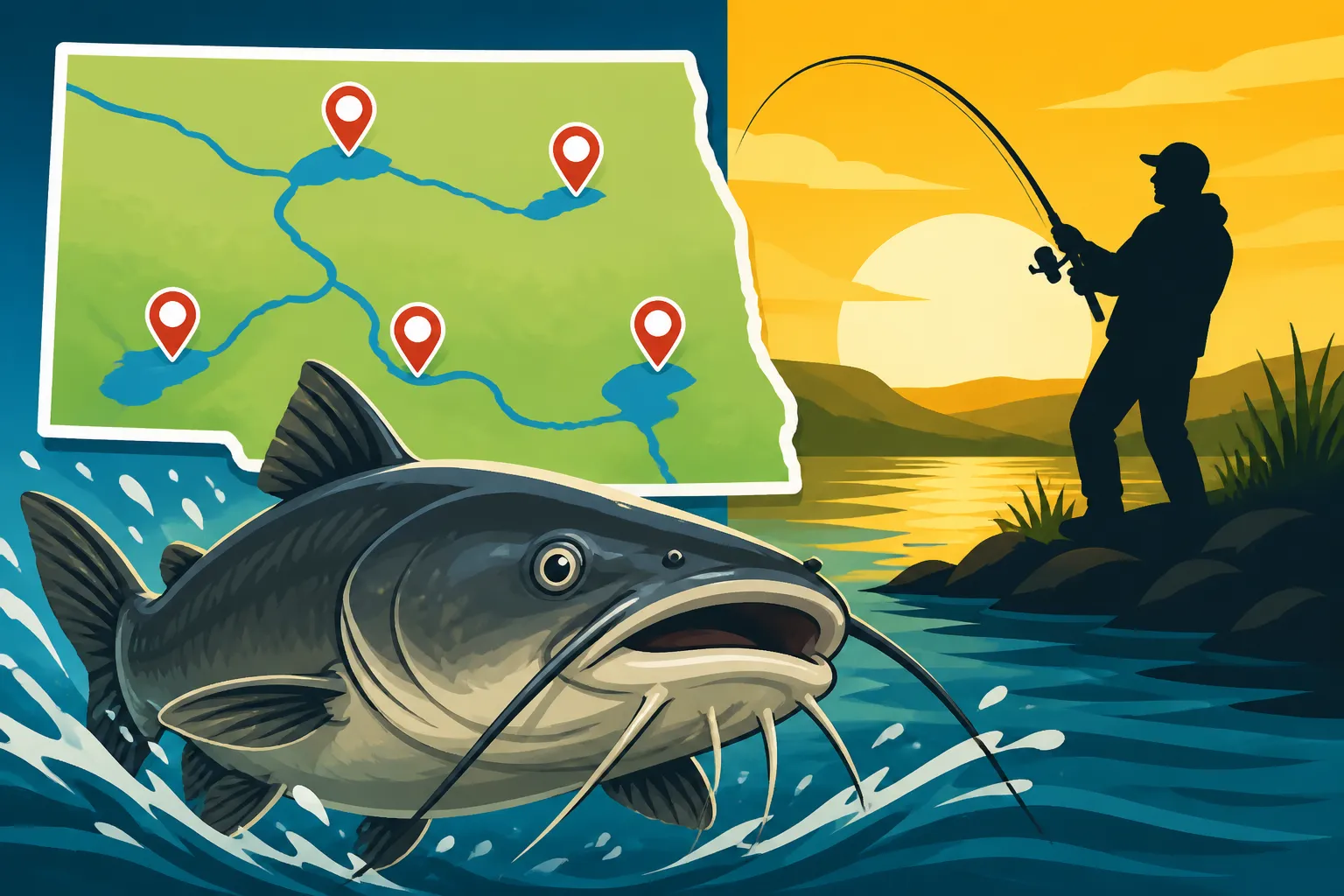
The Red River stretches for hundreds of miles, forming the border between North Dakota and Minnesota. While catfish can be found throughout, certain stretches and access points consistently produce better results due to their unique river characteristics and accessibility. Let's dive into some of the most productive regions.
Fargo-Moorhead Area Access Points
The urban stretch of the Red River around Fargo, North Dakota, and its Minnesota sister city, Moorhead, offers surprisingly good catfishing opportunities, especially considering its accessibility. Don't let the city lights fool you; these waters hold some real monsters.
One of the most popular spots is Lindenwood Park on the North Dakota side. This large park offers extensive shore access, several fishing piers, and even boat ramps, making it a versatile option for anglers of all stripes. The river here features numerous bends, submerged structures, and varying depths that create ideal current breaks where catfish love to ambush prey. Further south, Dike East also provides excellent shore fishing, with concrete dikes offering easy access to deeper water and strong currents that funnel baitfish. Anglers here often target the seams where the fast water meets the slower water, especially after a rain event. Over on the Minnesota side, Gooseberry Park is another favorite, mirroring many of the characteristics of Lindenwood with good shore access and structural variety. These urban parks are fantastic because they combine easy access with genuinely productive fishing grounds. Many anglers find success here simply by walking the bank, looking for eddies and slower pockets of water near snags.
Grand Forks and East Grand Forks Section
Moving further north, the Grand Forks, North Dakota, and East Grand Forks, Minnesota, area is arguably the most famous stretch of the Red River for trophy channel catfish. This section of the river is renowned for its larger, deeper holes and abundant structural features that concentrate big cats.
Lincoln Park in Grand Forks, much like Lindenwood in Fargo, provides excellent public access, including fishing piers and well-maintained shorelines. The river here makes some significant bends, creating prime scour holes on the outside turns and slack water on the inside turns—both magnets for catfish. The expansive Grand Forks Greenway, a park system along both sides of the river, offers countless bank fishing opportunities. Many local experts recommend exploring the areas both upstream and downstream of the main bridges, like the Sorlie Bridge, as bridge pilings create fantastic current breaks and deep pockets. If you're looking to launch a boat, there are several public ramps available, providing access to the deeper main channel where some of the true giants reside. For a guided experience to navigate these specific spots, you might consider checking out a local guide on platforms like FishingBooker, who can put you right on the fish. For more detailed directions, check out Red River Access Points Near Grand Forks.
Drayton and Pembina Region
As you venture even further north towards the Canadian border, the Red River transitions into a more rural and wild landscape, offering a different, often less pressured, catfishing experience. The towns of Drayton and Pembina mark significant points of access in these northern reaches.
Near Drayton, North Dakota, the river maintains its characteristically slow flow but often presents more isolated oxbows and deeper, undisturbed holes. Public boat ramps in this area are key to accessing these remote stretches, which can hold some truly enormous channel catfish. Shore access can be a bit more challenging than in the urban areas, but dedicated anglers who are willing to hike a bit can find secluded spots that haven't seen as much pressure. The convergence of smaller tributaries in this region can also create excellent feeding opportunities for catfish. Similarly, the Pembina area, located right near the international border, offers similar secluded opportunities. This stretch is characterized by its quiet solitude, perfect for those who prefer to escape the crowds. Anglers often find success by slowly drifting baits through deeper sections or targeting significant river bends. Remember to always be aware of the North Dakota Fishing Regulations Explained and any specific rules for this border region, especially if you plan to fish from or near Canadian waters; you'll want to be familiar with the Reciprocal Fishing Rules on the Red River Border Waters.
Identifying Productive Catfish Structure and Cover
Catching big Red River catfish isn't just about finding the right general location; it's about understanding where the fish are holding within that location. Catfish, like most fish, are drawn to specific types of structure and cover that offer food, shelter, and ambush points.
Current Breaks and Eddies
On a river like the Red, current is everything. Catfish are powerful swimmers, but they're also opportunistic. They prefer to expend as little energy as possible while still being in a prime position to intercept food. This is where current breaks and eddies come into play. A current break is anything that disrupts the main flow of the river, creating a calmer "cushion" of water. This could be a submerged log, a rock pile, an abrupt change in the riverbank, or man-made structures like wing dams or bridge pilings. Catfish will sit in this slack water, letting the current bring food to them.
Eddies are swirling pockets of water often found downstream of a strong current break or on the inside bends of the river. These areas also collect debris and food, making them attractive to catfish. When fishing these spots, cast your bait upstream of the break and let the current carry it naturally into the eddy or slack water. The biggest challenge here can be ensuring your bait stays put without getting swept away, which often requires heavier sinkers. Look for visual cues like swirling water or areas where debris accumulates.
Deep Holes and River Channels
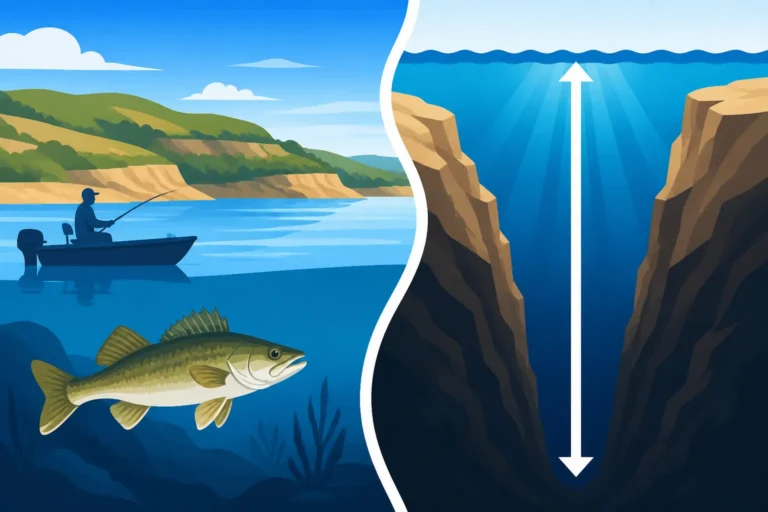
While the Red River is generally not known for extreme depths, it does have a main channel and numerous deep holes that are absolute magnets for channel catfish, especially during bright sunny days or colder periods. These deeper areas provide refuge from harsh sunlight and offer more stable water temperatures.
Locating these deep holes often requires a good sonar unit if you're in a boat. Look for abrupt drops in depth along the river bottom. Many of these holes are created by the natural scouring action of the current on outside river bends, or around major structural elements like bridge foundations. If you're fishing from shore, a bit of local knowledge or exploring different areas with a heavy weight and marking your line can help you identify these depressions. Even without a fancy fish finder, a simple depth finder or a heavy jigging spoon can help you probe the bottom for depth changes. Once you find a productive deep hole, remember its location, as catfish will often return to these spots consistently.
Submerged Timber and Brush Piles
Nothing screams "catfish heaven" quite like a gnarly submerged timber or brush pile. These natural (or sometimes man-made) structures offer fantastic cover, protection from predators, and host a vibrant ecosystem of smaller baitfish and insects that catfish love to munch on.
Fishing around submerged timber and brush piles can be frustrating due to snags, but the rewards are often worth the effort. Catfish will often sit right on the edge or even within these snags, waiting for an easy meal to float by. Approach these areas cautiously; if you're in a boat, use your trolling motor to slowly cruise the perimeter, looking for signs of structure on your sonar. From shore, identify areas where trees have fallen into the river or where dense bushes line the bank, indicating potential submerged branches. When fishing these spots, be prepared for a tough fight, as a hooked fish will often try to run back into the safety of the snags. Using heavy line and strong hooks is absolutely essential here to muscle them out. Sometimes, simply knowing where these structures are located is enough to concentrate your efforts, and a patient approach will often pay off with a big fish.
Essential Techniques and Bait for Red River Catfish
Landing those impressive Red River channel cats requires more than just knowing where to go; it demands the right techniques and, perhaps most critically, the right bait. These fish are powerful, and their environment calls for a robust approach.
Rigging for Success on the Red River
The Red River's current, while generally slow, can still be strong enough to require specific rigging strategies to keep your bait in the strike zone. The goal is always to present your bait naturally on or near the bottom, where catfish do most of their feeding.
One of the most effective rigs for the Red River is a heavy slip sinker rig, sometimes called a Carolina Rig. This consists of a large, egg-shaped or flat sinker (often 1 to 4 ounces or more, depending on current) threaded onto your main line, followed by a bead (to protect the knot), and then a strong barrel swivel. A leader of about 12-24 inches, typically made of heavy monofilament or fluorocarbon, is then tied to the other end of the swivel, with a stout circle hook at the end. The slip sinker allows the current to move your weight, but the line can still slide freely, so a biting fish doesn't feel the full resistance of the sinker. Another popular option, especially for boat anglers, is the Santee Cooper Rig, which incorporates a float on the leader to lift the bait slightly off the bottom, preventing it from getting buried in the mud and making it more visible. Whatever rig you choose, opt for strong, heavy-duty components. Many anglers use braided line for their main line due to its strength and sensitivity, paired with a monofilament or fluorocarbon leader. For a deeper dive into tackle, check out Best Rod Setup for Red River Catfish.
Best Baits for Trophy Channel Cats
When it comes to bait, Red River catfish are not particularly picky, but some options consistently outperform others, especially for landing those bigger fish. The key is often smell and a natural presentation.
Cut bait is king on the Red River. Freshly cut chunks of oily fish like sucker, goldeye, or even shad are irresistible to channel cats. The scent trail they release in the current acts like a beacon, drawing fish in from a distance. Many anglers catch their own baitfish directly from the river or purchase them from local bait shops. The fresher the cut bait, the better! Simply cut a fish into 1-2 inch chunks, leaving the skin on for durability. Another highly effective option is prepared "stink" baits or dip baits, which are specifically formulated with strong odors designed to attract catfish. Brands like Catfish Pro or Sonny's Super Sticky are popular choices, often applied to a dip worm or a specially designed bait holder. Chicken livers and gizzards, though messier, can also be very effective, especially on smaller catfish, but they tend to come off the hook easily in the current. Always bring a variety of baits, as catfish preferences can change day by day. For even more detailed information, our guide on Catfish Bait Techniques for the Red River provides excellent tips.
Night Fishing for Red River Giants
While daytime fishing can be productive, many of the biggest Red River channel catfish are caught after the sun goes down. Night fishing offers a unique advantage because catfish are primarily nocturnal feeders, using their incredible sense of smell and touch to navigate and hunt in the dark.
The calm of the night, combined with lower boat traffic and often more stable atmospheric conditions, makes it an ideal time for catfish to move into shallower feeding areas. When planning a night trip, safety is paramount. Always let someone know where you're going and when you expect to return. Essential gear includes powerful headlamps or lanterns, insect repellent, warm clothing, and a reliable first-aid kit. Glow sticks attached to rod tips are fantastic for bite detection, and bait alarms can alert you to even the slightest tap. You'll often find that the same spots that were good during the day become even better at night, especially current breaks and deeper holes adjacent to shallower flats. For a comprehensive guide to maximizing your chances and staying safe, dive into Catfishing at Night in North Dakota. Many anglers find that booking an evening trip through services like FishingBooker can be an excellent way to experience the thrill of night fishing with an experienced guide who knows the river like the back of their hand.
Planning Your Red River Catfish Adventure
Embarking on a Red River catfishing trip involves a bit of preparation to ensure a smooth and successful outing. From deciding how you'll fish to understanding the rules, a little planning goes a long way.
Boat vs. Shore Fishing Considerations
The Red River offers fantastic opportunities for both boat and shore anglers, but each approach comes with its own set of advantages and challenges. Your decision will likely depend on your personal preference, available gear, and what kind of experience you're seeking.
Shore fishing is highly accessible, especially in the urban parks around Fargo and Grand Forks. It's often the preferred method for beginners or those who prefer a more relaxed approach. The pros include easy access, no need for a boat, and the ability to move around easily to different spots along the bank. However, shore fishing can limit your reach to only the most accessible parts of the river, and you might not be able to target some of the prime mid-river structures or deep channel holes. You'll need sturdy rod holders, a comfortable chair, and a way to carry all your gear.
Boat fishing, on the other hand, opens up the entire river to you. You can cover more ground, reach isolated spots, and position yourself precisely over deep holes, submerged timber, or specific current breaks. This significantly increases your chances of finding and staying on active fish. The cons include the need for a boat, trailer, and associated maintenance, as well as navigating the river's current and sometimes variable water levels. You'll also need to know How to Anchor a Boat on the Red River effectively to hold your position in the current. If you don't own a boat but want the boat fishing experience, consider hiring a guide through a platform like FishingBooker, which offers various guided trips.
Regulations and Licensing Specifics
Before you even think about wetting a line, it's absolutely crucial to familiarize yourself with the current fishing regulations for North Dakota, especially regarding the Red River. Rules are in place to protect the fishery and ensure sustainable angling for everyone.
First and foremost, you absolutely need a valid North Dakota fishing license. If you're a resident, you'll need a North Dakota Resident Fishing License Options. Non-residents also have several choices, including seasonal or short-term licenses. You can find all the details in the North Dakota Fishing License Guide. It's always a good idea to have your license readily available, either a physical copy or on a mobile device, as game wardens regularly patrol the Red River.
Specific to catfish, pay close attention to the daily limits and possession limits. For example, North Dakota has a specific North Dakota Catfish Limit Rules which dictates how many channel catfish you can keep per day and how many you can have in your possession. These limits are subject to change, so always consult the latest North Dakota Game and Fish Department (NDGFD) fishing proclamation before your trip. For a more general overview, refer to How Many Catfish Can You Keep in North Dakota?. Also, remember that since the Red River forms an international border, there are specific Reciprocal Fishing Rules on the Red River Border Waters with Minnesota. While many general regulations are shared for common species, it’s best to know the specifics to avoid any issues, especially if you plan to fish from the Minnesota side or cross the invisible border while drifting.
Red River Catfish Fishing Spots Overview
To help visualize your next trip, here’s a quick overview of some of the key areas and what they offer.
| Location Segment | Primary Access Type(s) | Key Features for Catfish | Best For |
|---|---|---|---|
| Fargo-Moorhead Area | Shore, Boat | Urban parks, current breaks, varied depths | Accessible family fishing, numbers of cats |
| Grand Forks Area | Shore, Boat | Deep holes, bridge pilings, Greenway access | Trophy cats, diverse fishing opportunities |
| Drayton/Pembina Area | Boat, Limited Shore | Rural, secluded deep holes, oxbows | Solitude, less pressured fish, potential giants |
| Overall River | Both | Submerged timber, eddies, channel edges | All types of anglers looking for channel cats |
This table provides a snapshot, but remember that active exploration and adaptability are key to success on the Red River.
Disclaimer
Please be aware that fishing regulations, conditions, and access points can change. Always consult the latest North Dakota Game and Fish Department (NDGFD) regulations and local advisories before heading out on your fishing trip. Ensure you have the proper licenses and adhere to all safety guidelines.